Critical Thinking Plants and Animals Worksheets for 5-Year-Olds
3 filtered results
-
From - To
Foster young minds with our engaging "Critical Thinking Plants and Animals Worksheets for 5-Year-Olds". These printable activities merge fun with education, encouraging children to explore the world of nature while enhancing their critical thinking skills. Tailored for early learners, the worksheets cover a range of topics about plants and animals, promoting observation, classification, and problem-solving abilities. Perfect for use in both classroom and home settings, these resources offer a hands-on approach to learning, stimulating curiosity and foundational scientific understanding. Turn every worksheet session into an exciting journey of discovery and growth for your little learners!
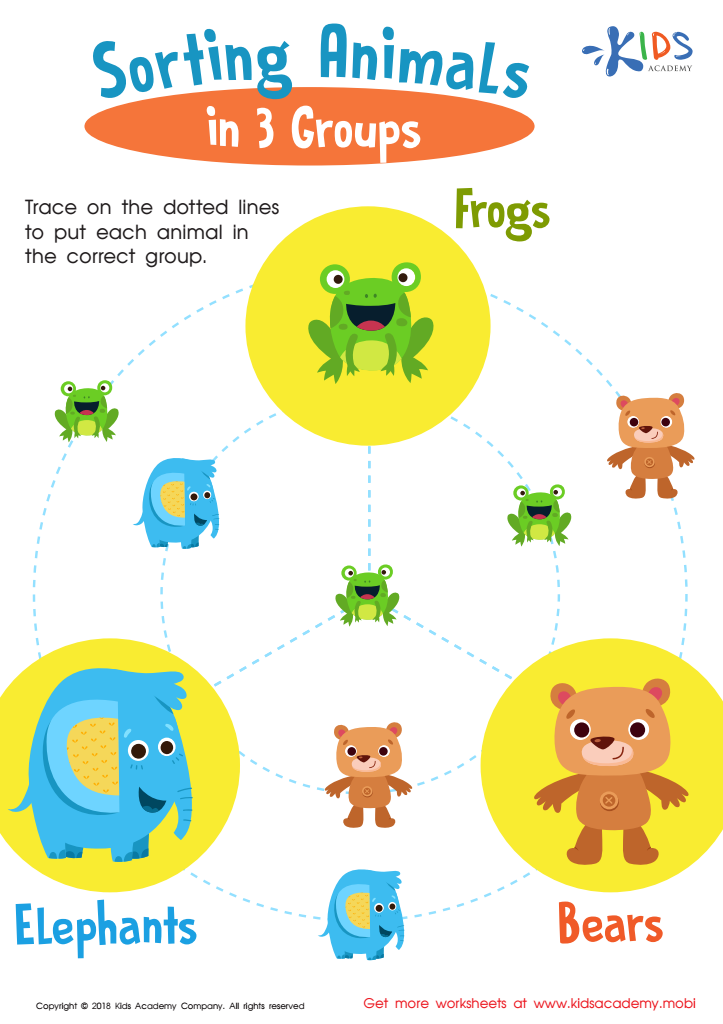
Sorting Animals in 3 Groups Worksheet
 Assign to My Students











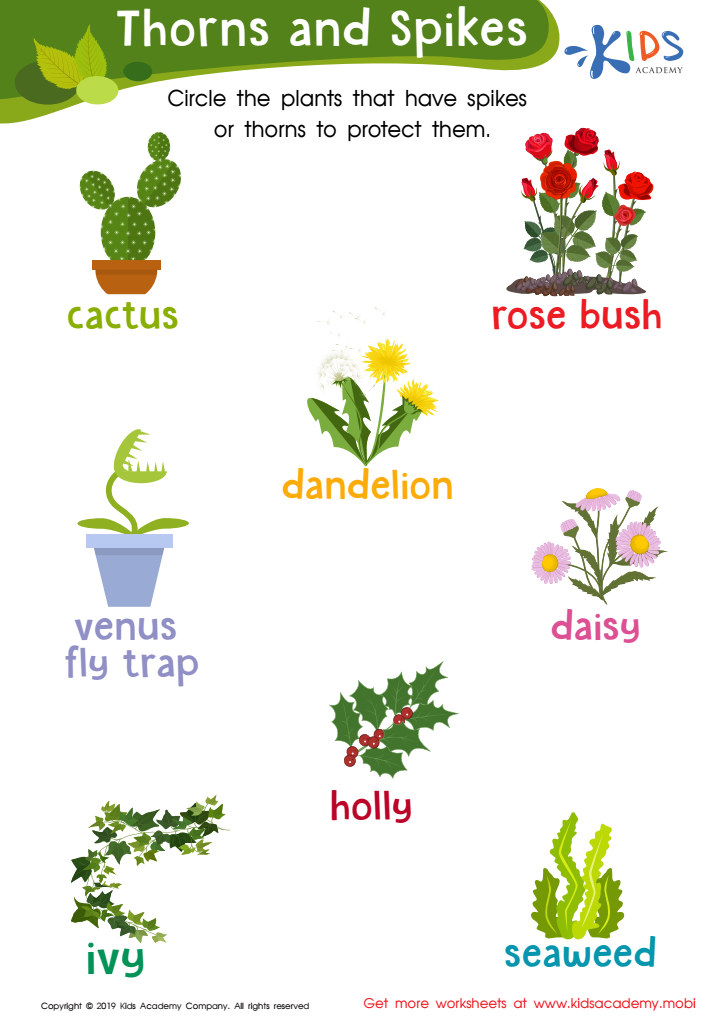
Thorns and Spikes Worksheet
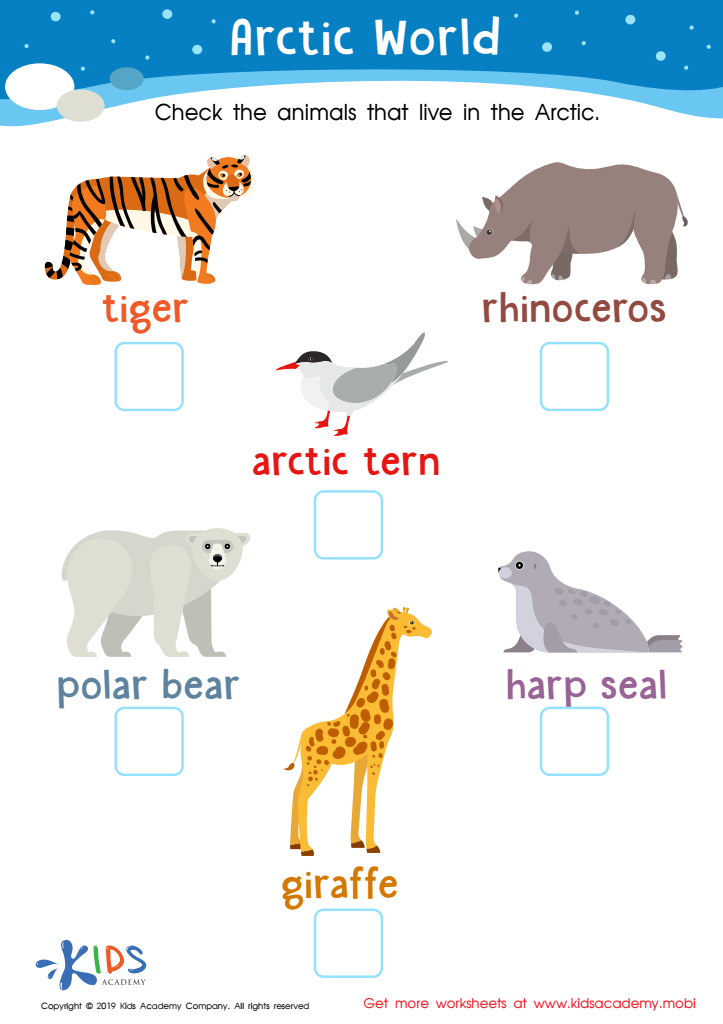
Arctic World Worksheet







Critical Thinking about plants and animals for 5-year-olds is essential as it cultivates foundational skills essential for their overall development. Firstly, this practice encourages curiosity and inquiry, nudging children to ask questions, explore their surroundings, and seek out information. When children observe plants and animals, they engage with the natural world, fostering a sense of wonder and appreciation for biodiversity.
Understanding plants and animals helps children develop observational and analytical skills. When they notice the differences between various species or the changes in plants, they learn to recognize patterns, make comparisons, and draw conclusions based on evidence. This early engagement sharpens their ability to think critically—a skill that will benefits their academic and personal lives in the long run.
Moreover, addressing these topics can weave in important lessons about the environment and sustainability, instilling a sense of responsibility towards the planet. This not only makes learning more meaningful but also encourages children to take actions that contribute positively to their world.
For parents and teachers, fostering such critical thinking skills can lead to more independent and confident learners. It prepares children for future problem-solving and decision-making by equipping them with the ability to think deeply, reason effectively, and approach problems with an open, inquisitive mindset. Investing time in this area lays a sturdy groundwork for lifelong learning and ethical responsibility.








