Letter recognition ABC Letters Worksheets for Ages 6-7
27 filtered results
-
From - To
Boost your child's reading journey with our "Letter Recognition ABC Letters Worksheets for Ages 6-7." These engaging worksheets are designed to strengthen letter identification and phonetic skills through fun activities that captivate young learners. Perfect for classroom use or at-home practice, each worksheet helps children recognize individual letters, both uppercase and lowercase, and fosters a love for reading. Ideal for ages 6-7, these resources are crafted to make learning the alphabet easy and enjoyable, laying a solid foundation for future literacy and academic success. Equip your child with the tools they need to become confident readers!
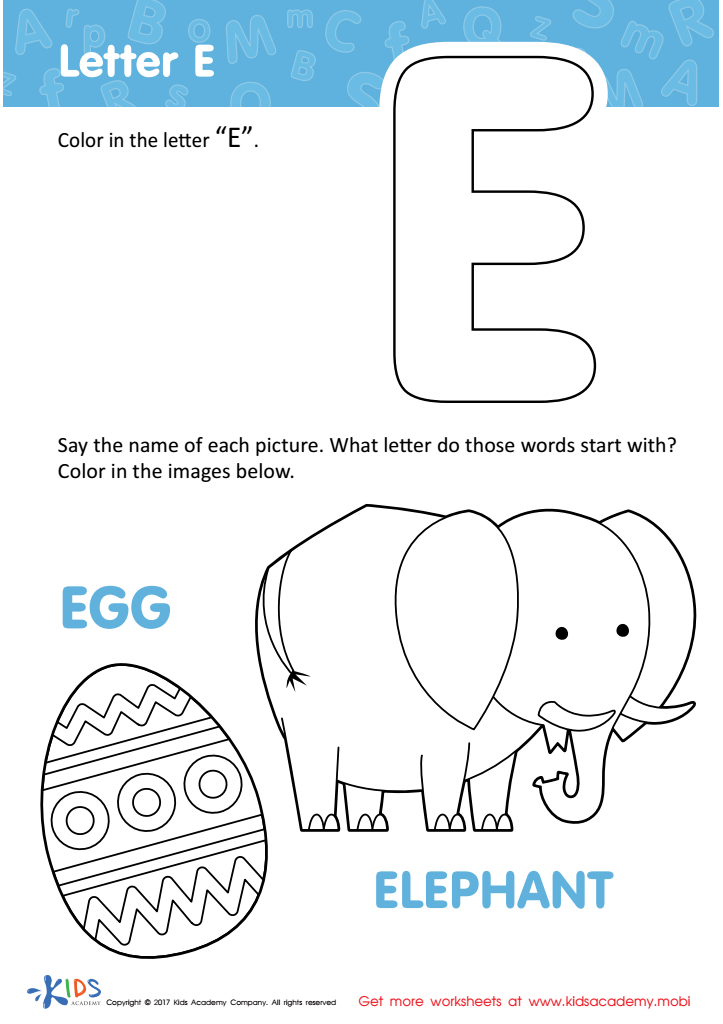
Letter E Coloring Sheet
 Assign to My Students

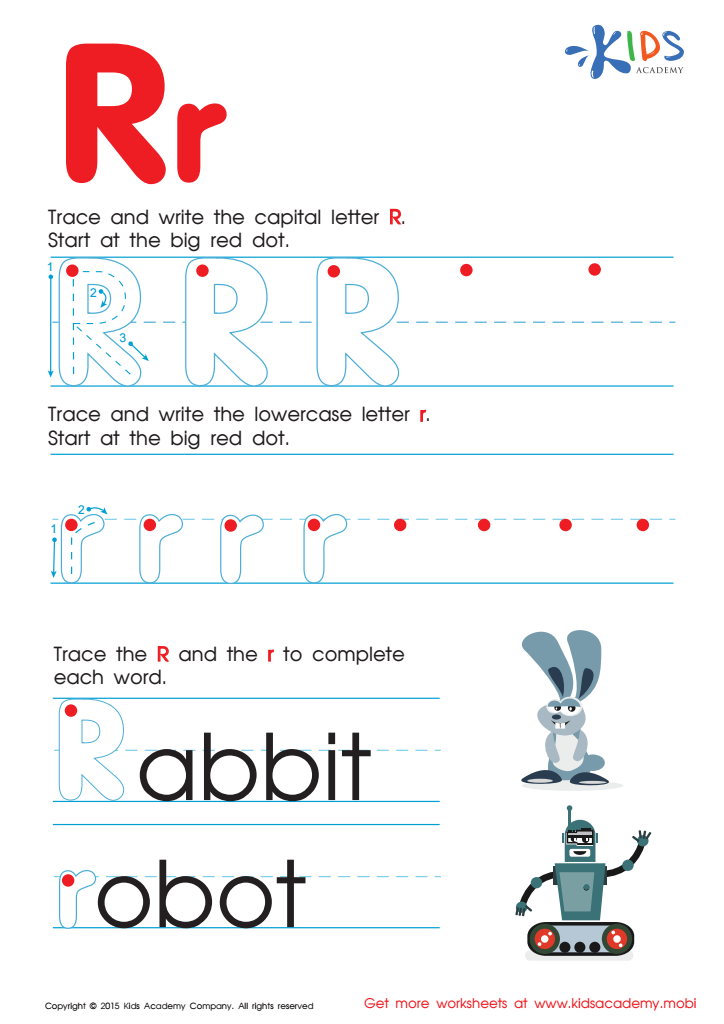
Letter R Tracing Page
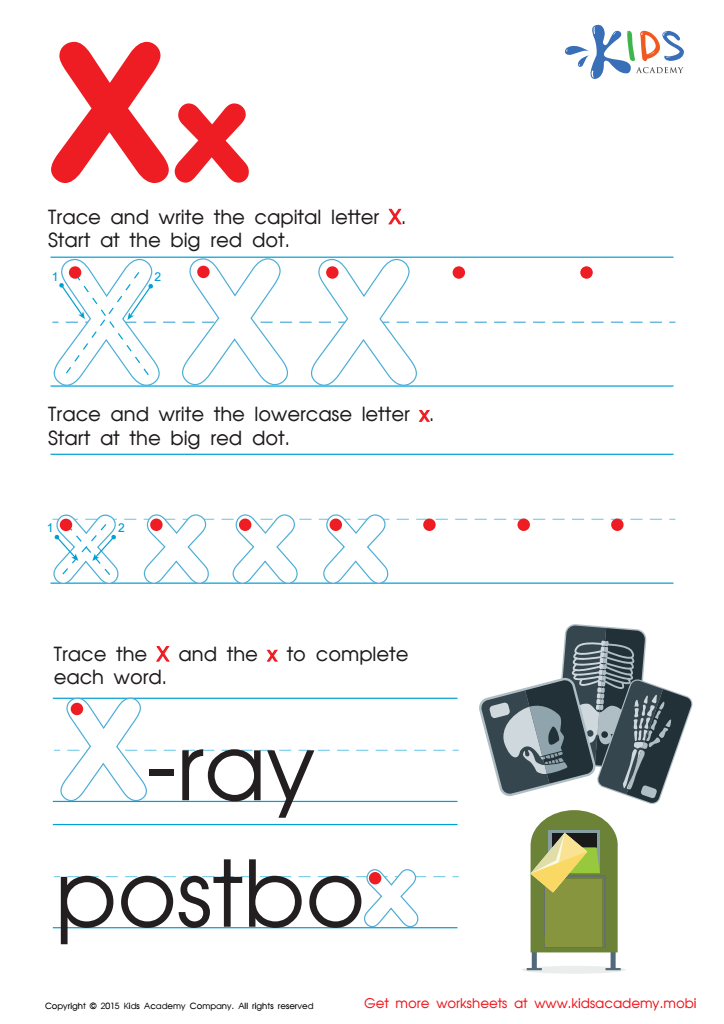
Letter X Tracing Page
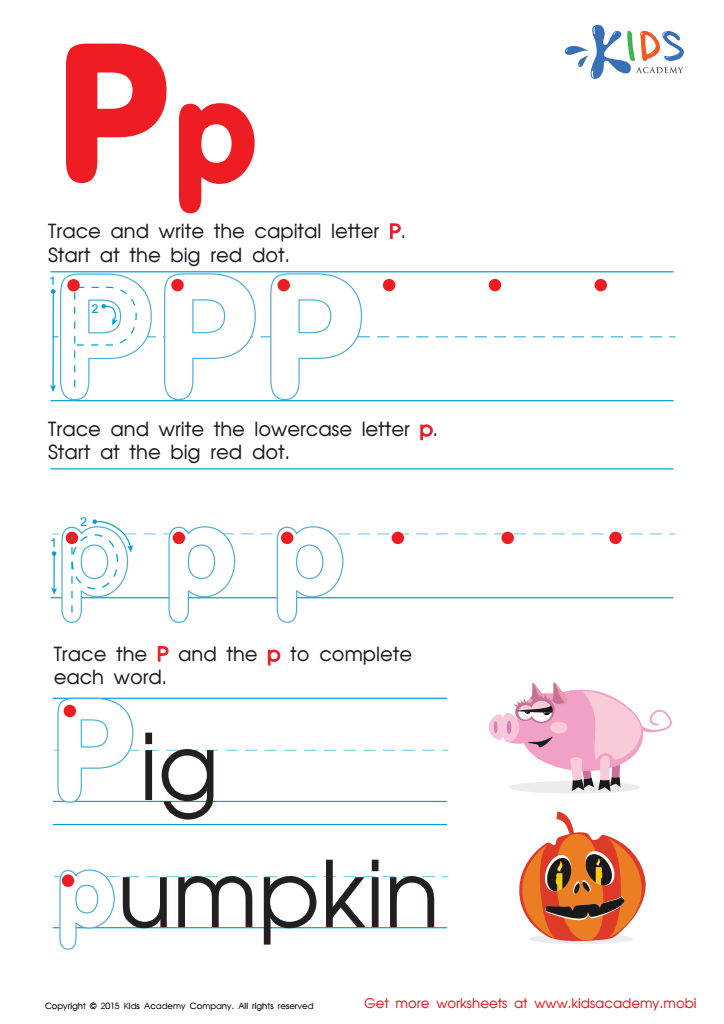
Letter P Tracing Page
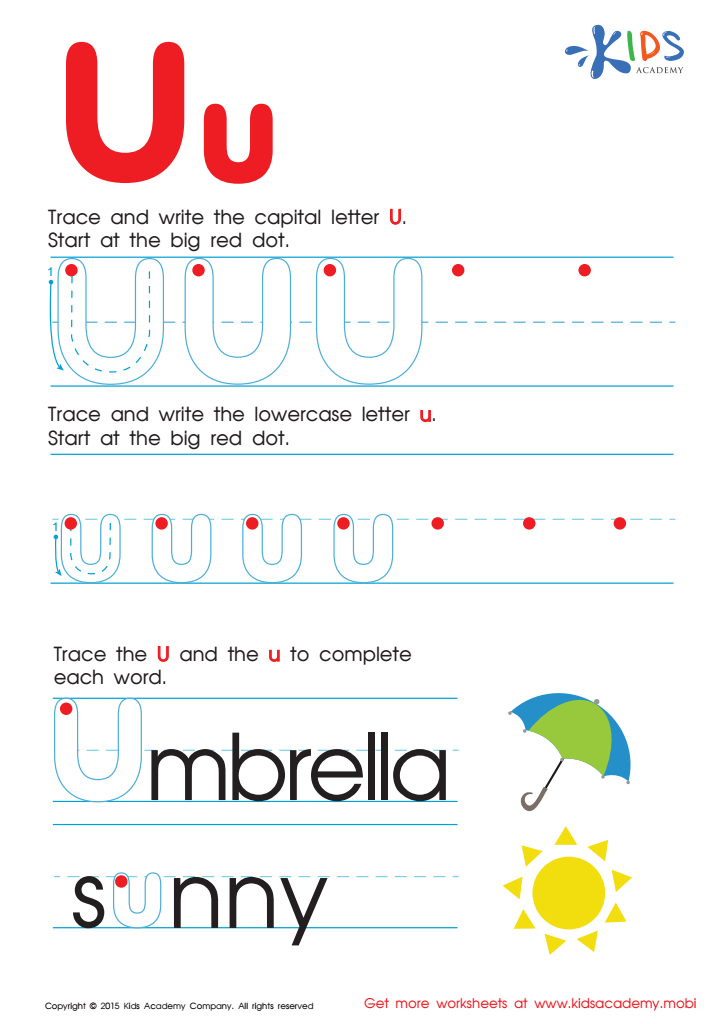
Letter U Tracing Page
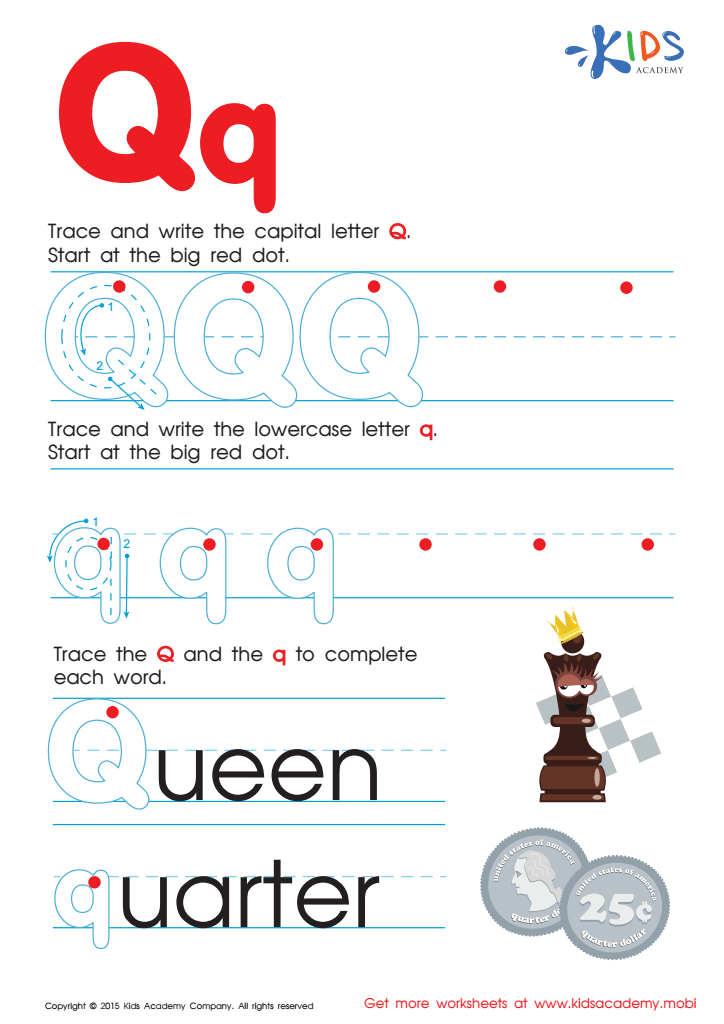
Letter Q Tracing Page
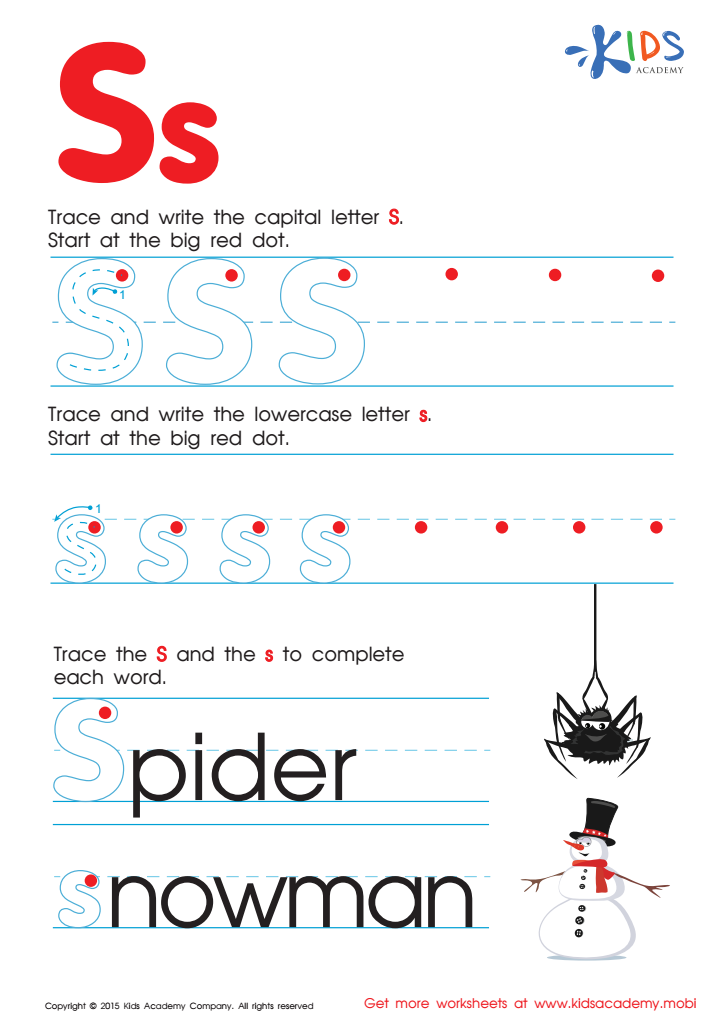
Letter S Tracing Page
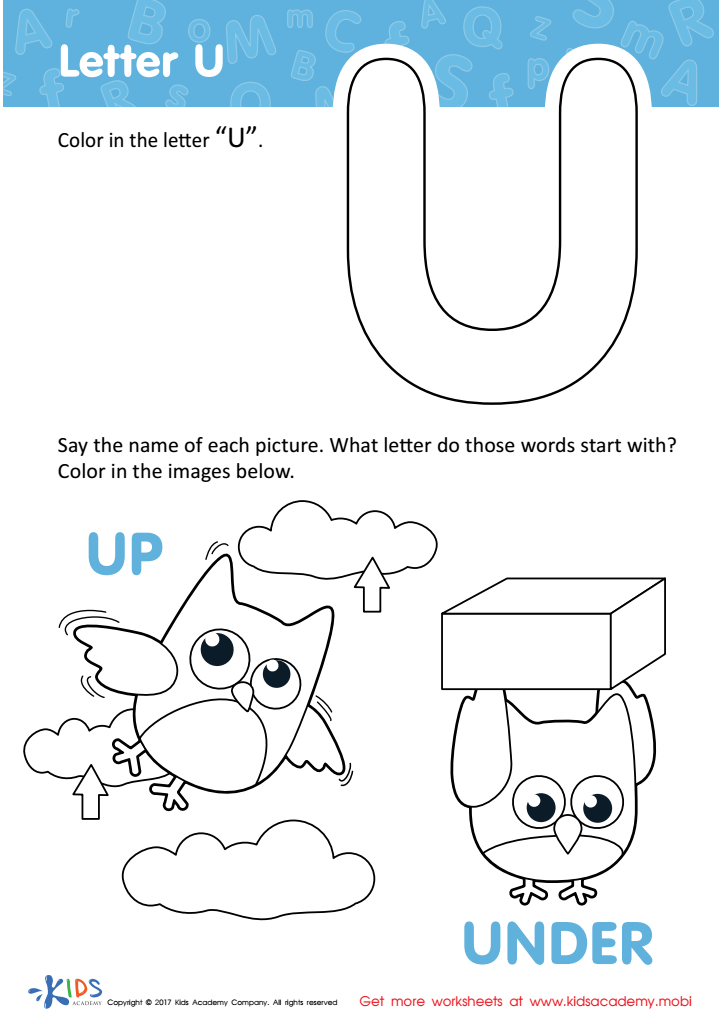
Letter U Coloring Sheet
Assign to My Students
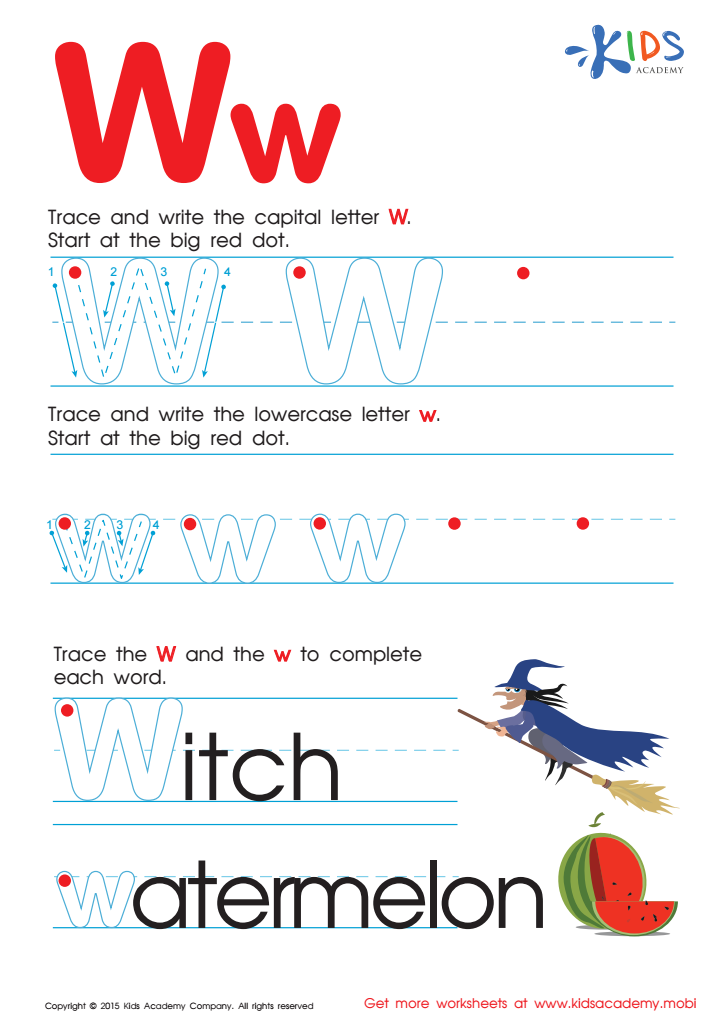
Letter W Tracing Page
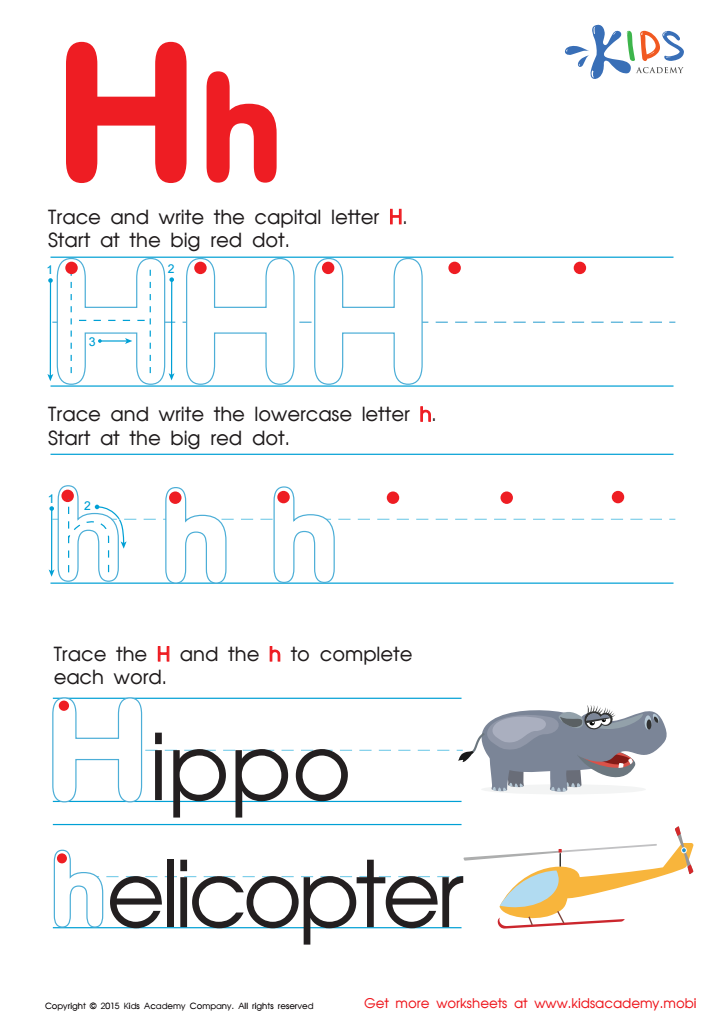
Letter H Tracing Page
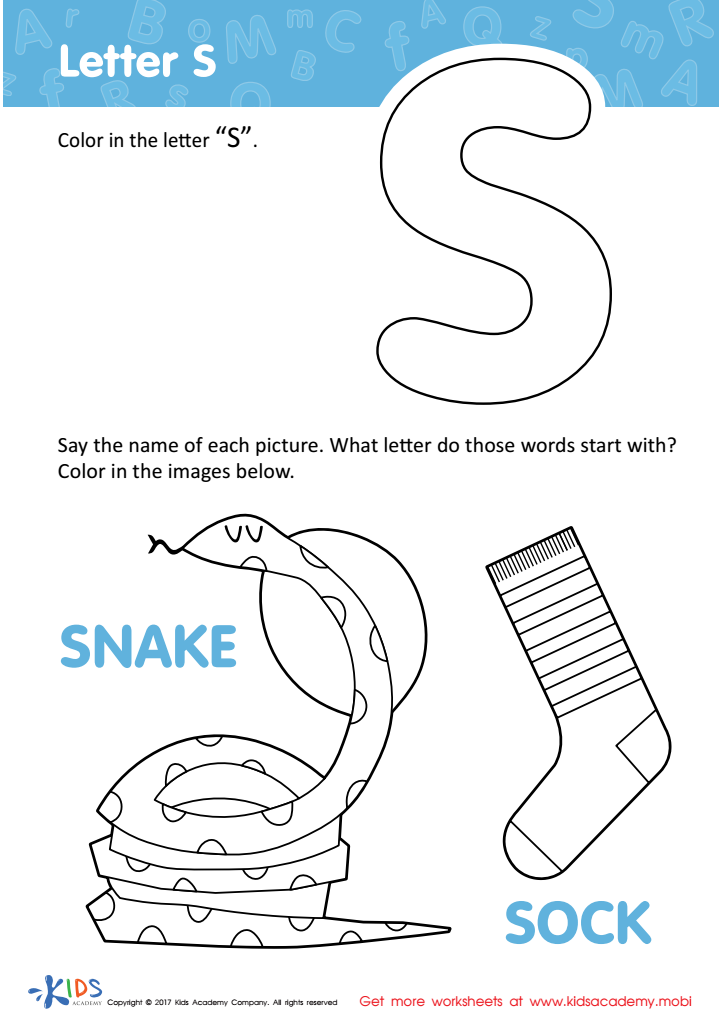
Letter S Coloring Sheet
Assign to My Students
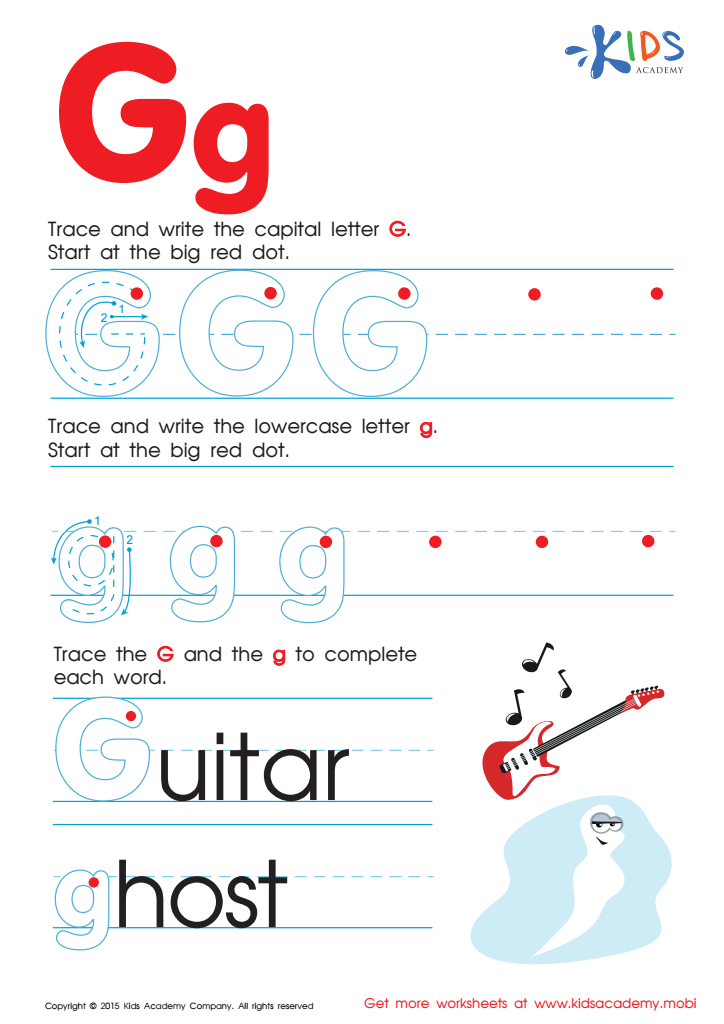
Letter G Tracing Page
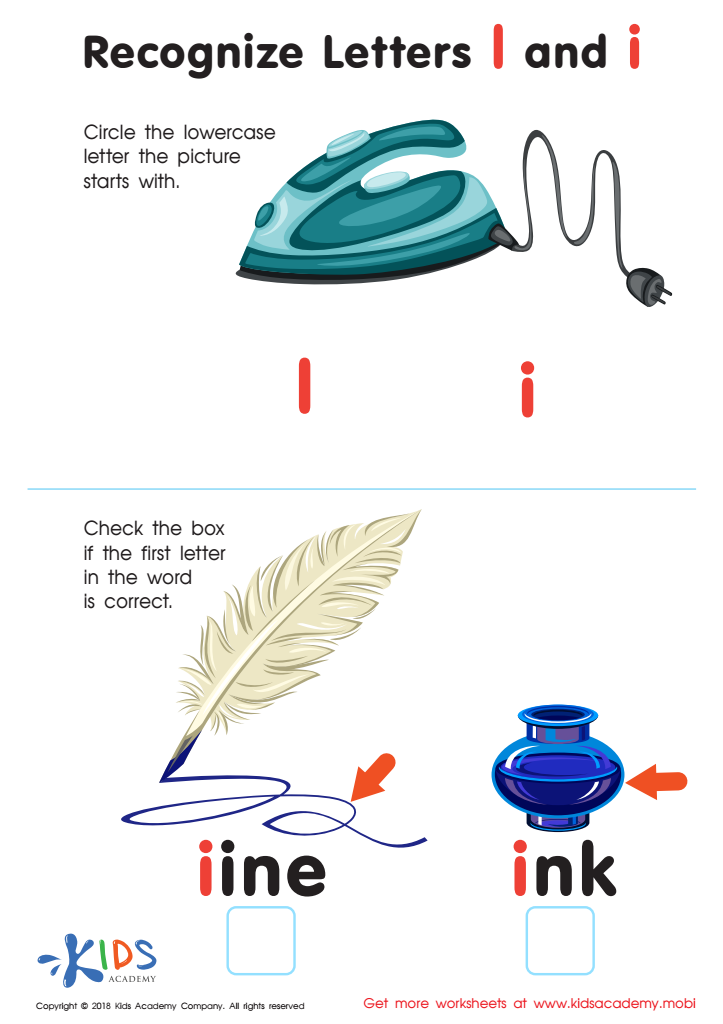
Recognize Letters l and i Worksheet
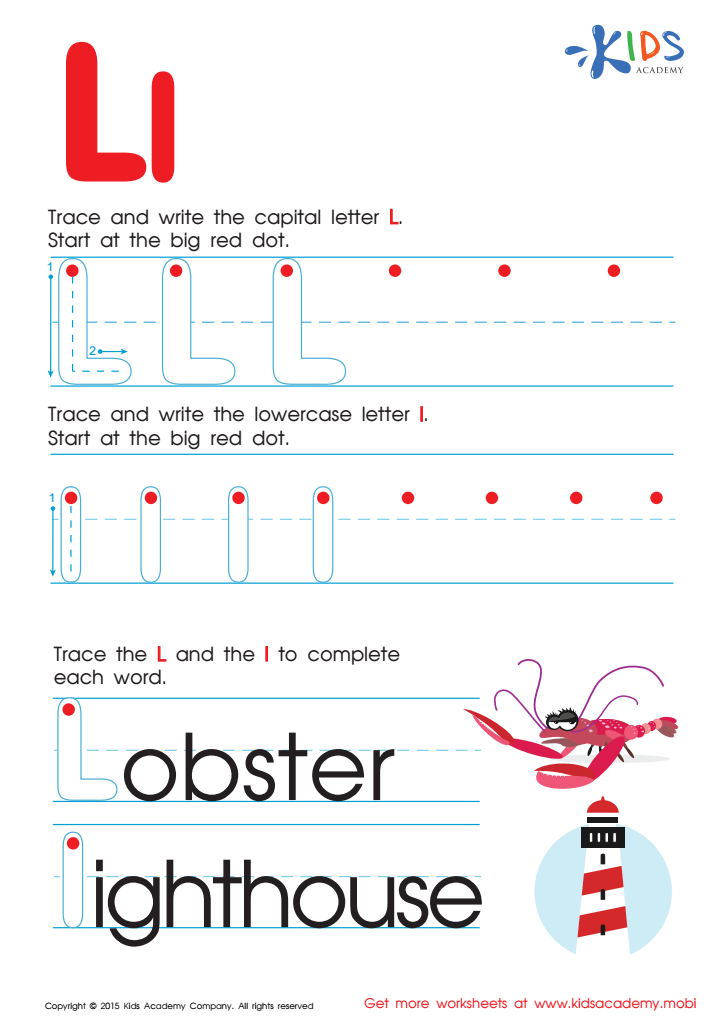
Letter L Tracing Page
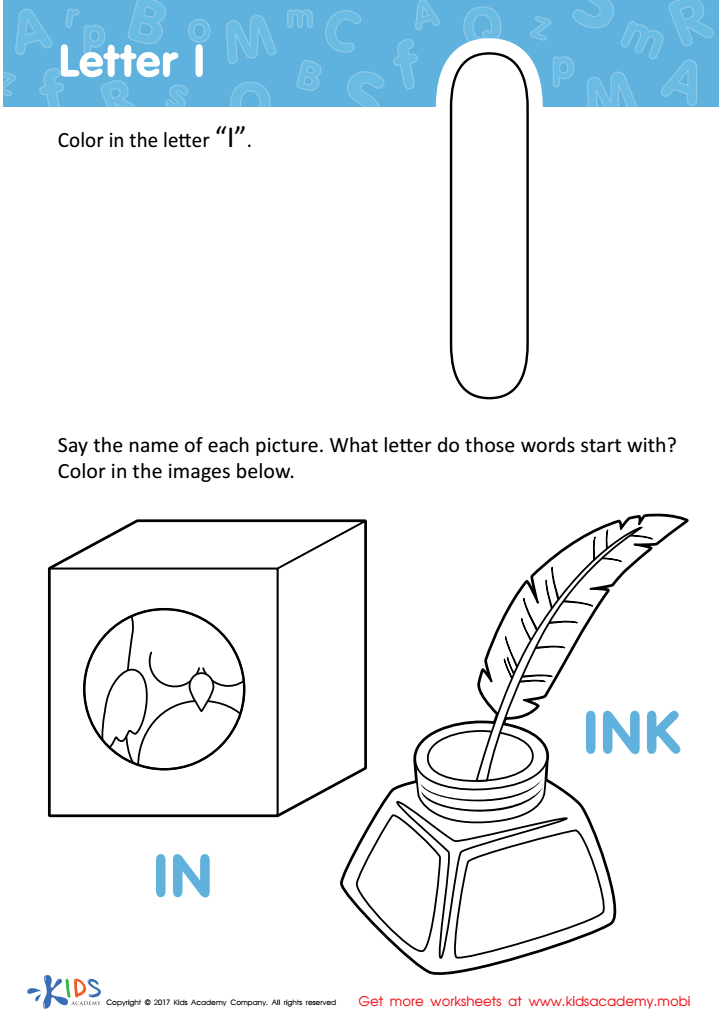
Letter I Coloring Sheet
Assign to My Students
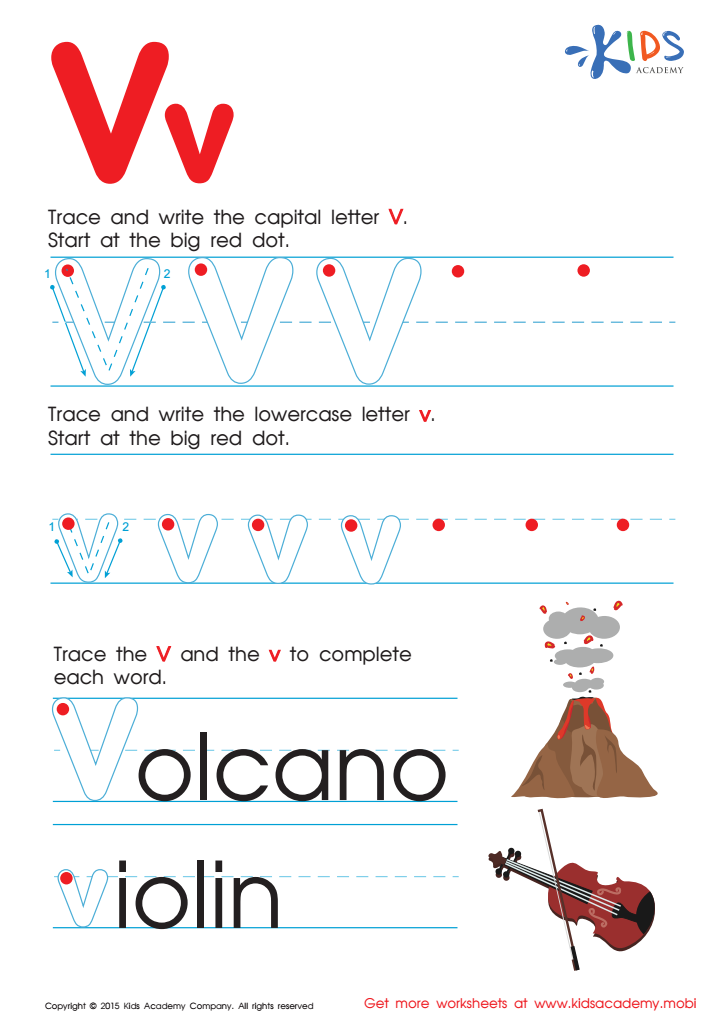
Letter V Tracing Page
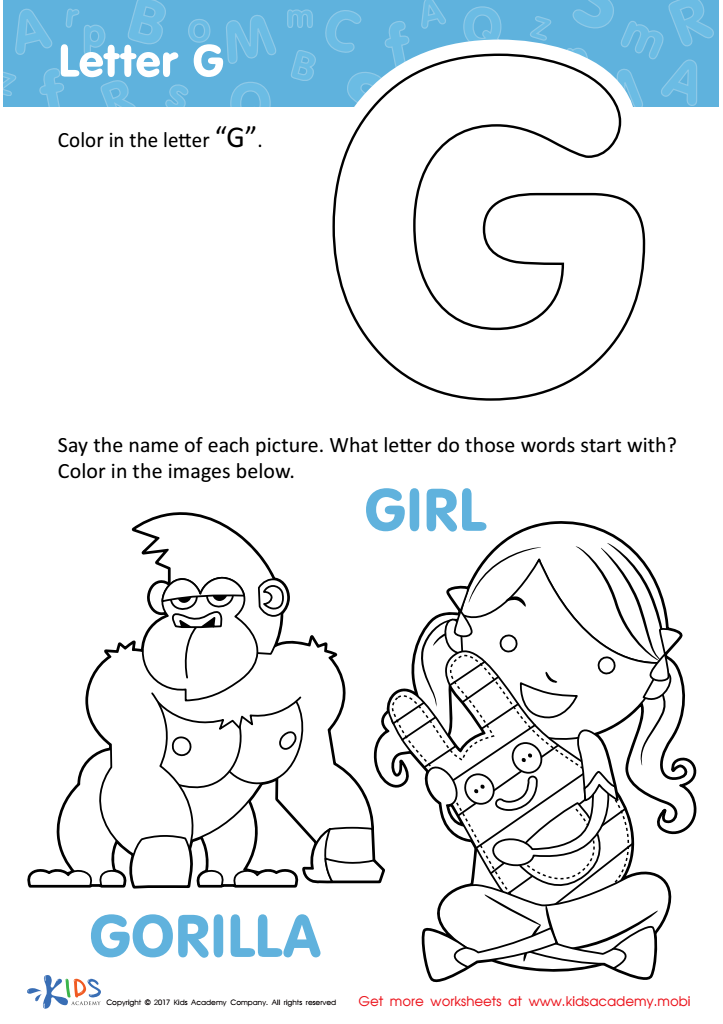
Letter G Coloring Sheet
Assign to My Students
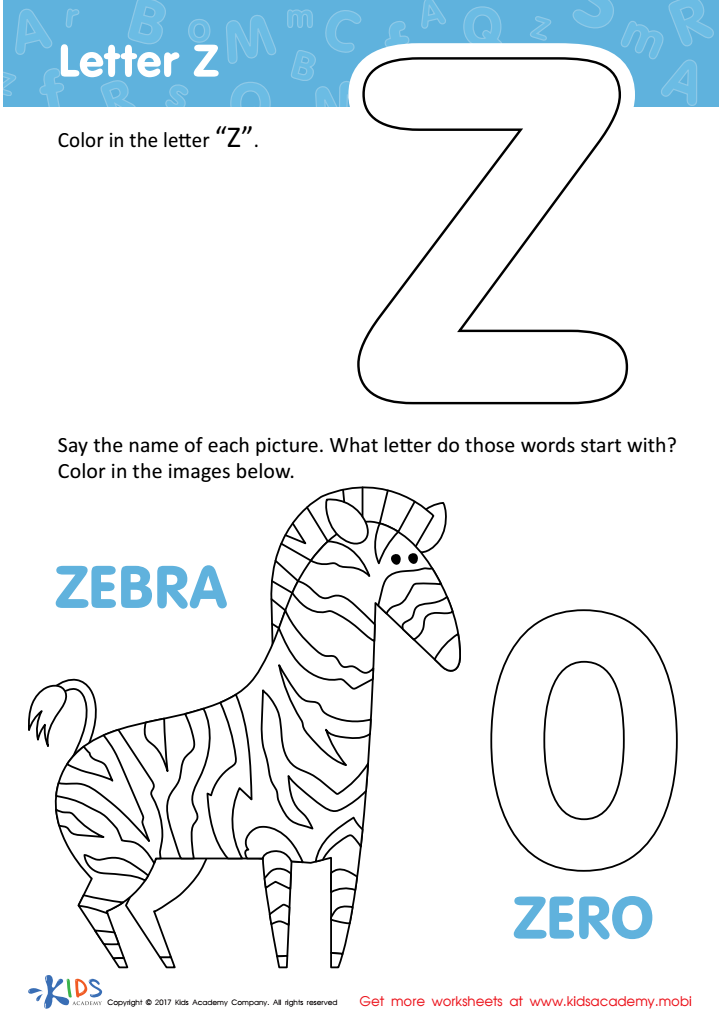
Letter Z Coloring Sheet
Assign to My Students
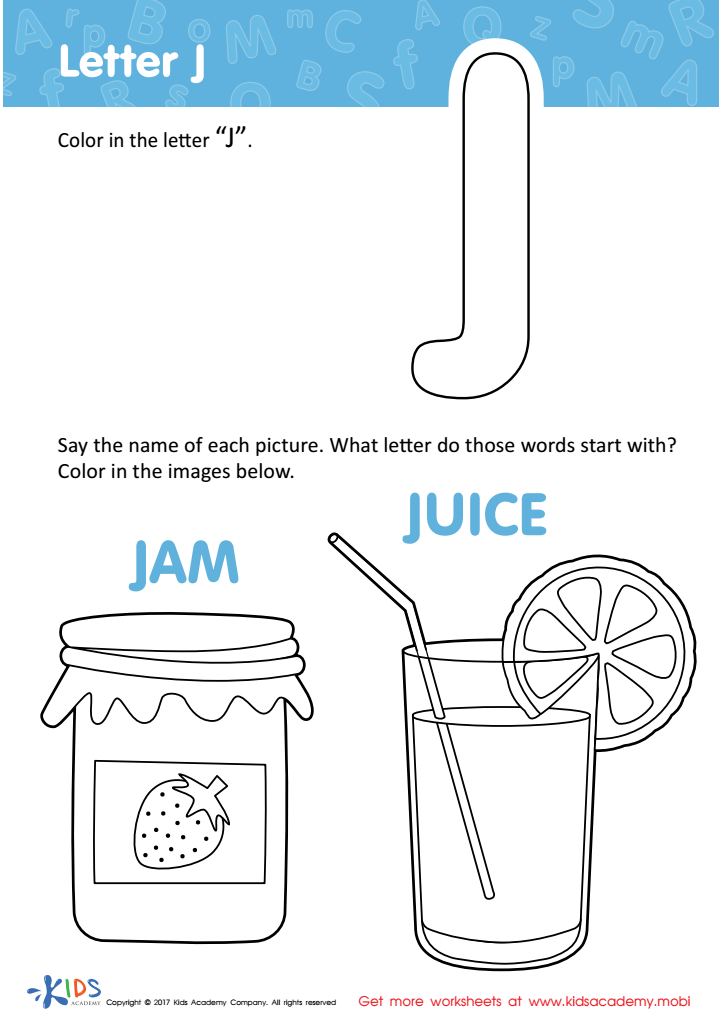
Letter J Coloring Sheet
Assign to My Students
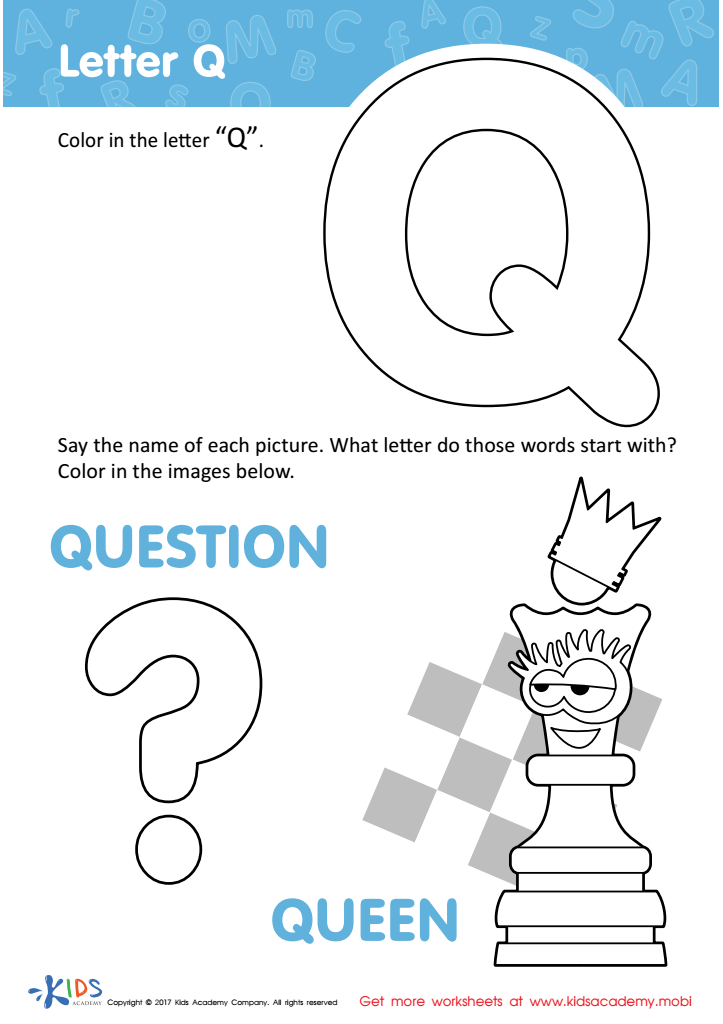
Letter Q Coloring Sheet
Assign to My Students
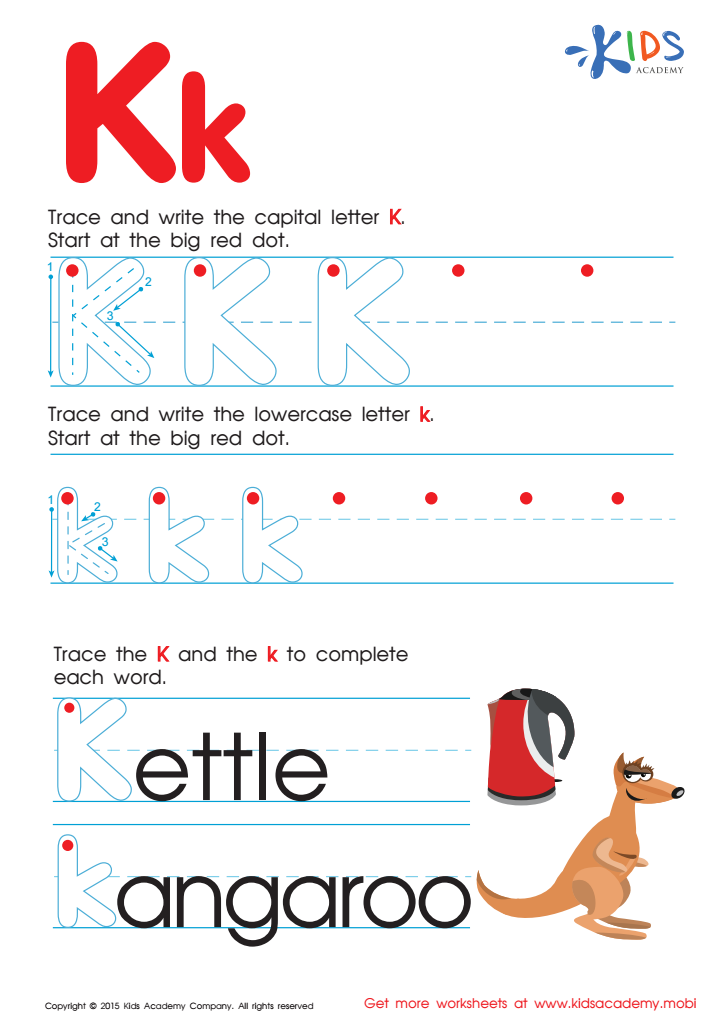
Letter K Tracing Page
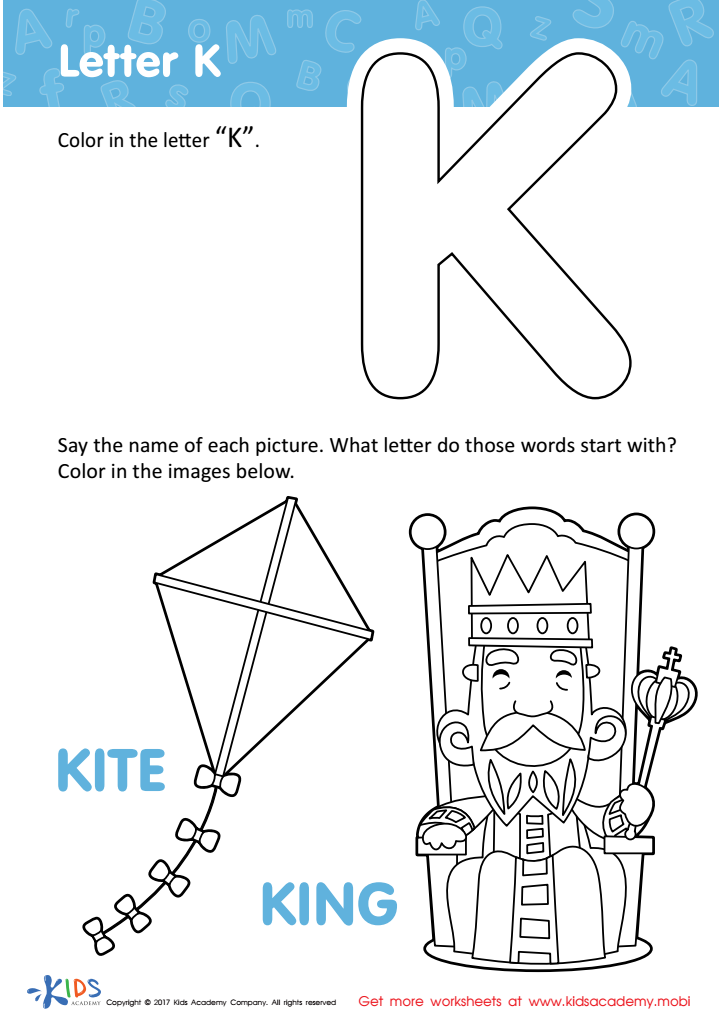
Letter K Coloring Sheet
Assign to My Students
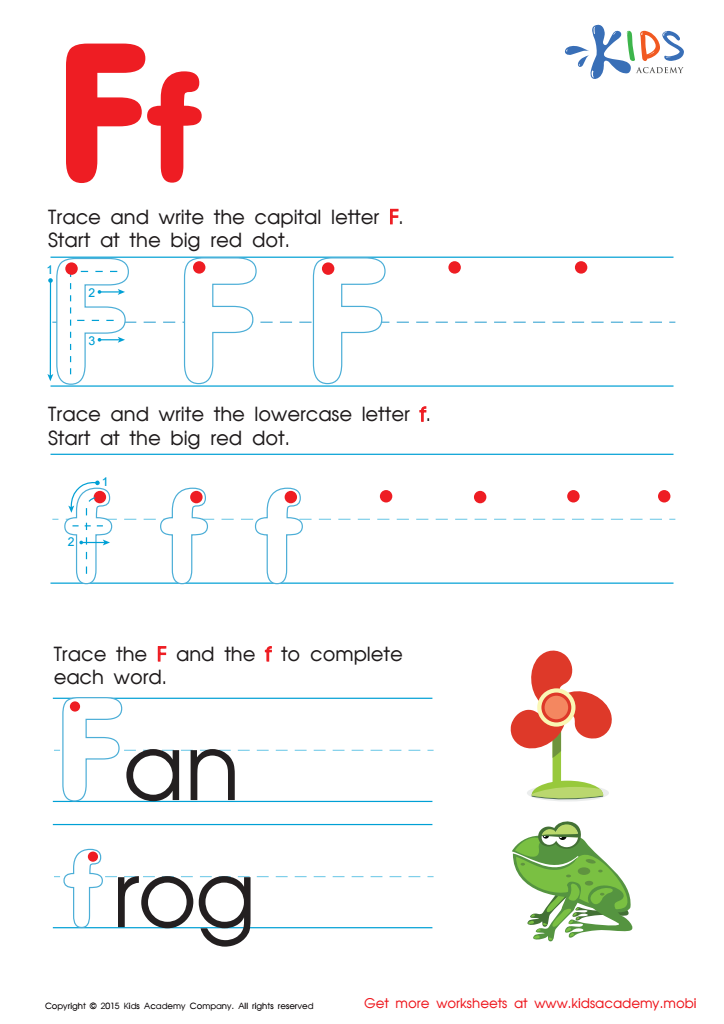
Letter F Tracing Page
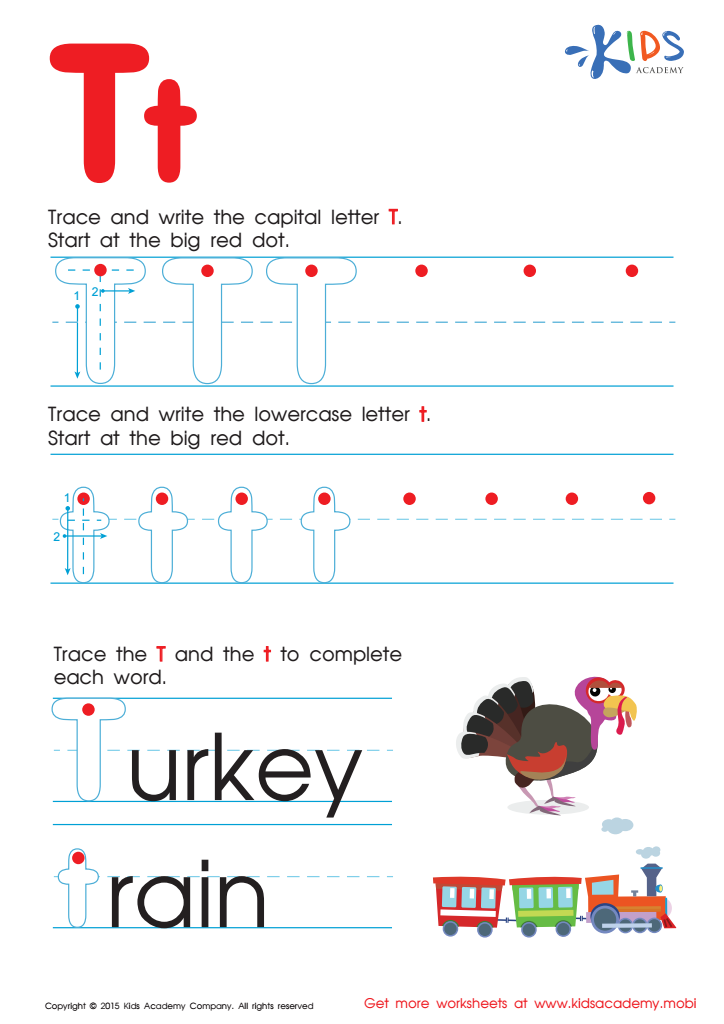
Letter T Tracing Page








Letter recognition is a fundamental skill for children aged 6-7, acting as a crucial building block for their literacy development. As parents and teachers, nurturing this ability is vital because it forms the foundation for reading and writing. At this stage, children transition from simply observing letters to understanding their shapes, sounds, and the way they come together to form words.
Proficiency in letter recognition enhances phonemic awareness, enabling children to correlate letters with their corresponding sounds, which is essential for decoding words. This skill directly affects their ability to read fluently and comprehend texts. Struggling with letter recognition can lead to challenges in reading confidence, often causing frustration and disengagement from learning.
Moreover, strong letter recognition contributes to better spelling and writing skills. When children can identify and differentiate letters easily, they can focus on learning word structures, enhancing their overall language and communication abilities.
Early competency in recognizing letters promises a smoother academic journey. By paying attention to this critical developmental milestone, parents and teachers ensure children are better prepared for advanced literacy tasks, fostering lifelong learning and a positive attitude towards education. Addressing letter recognition issues early on helps to identify and support those who may require additional assistance, ensuring no child is left behind in their literacy development.







