Handwriting practice Alphabet Worksheets for Ages 6-7 - Page 2
49 filtered results
-
From - To
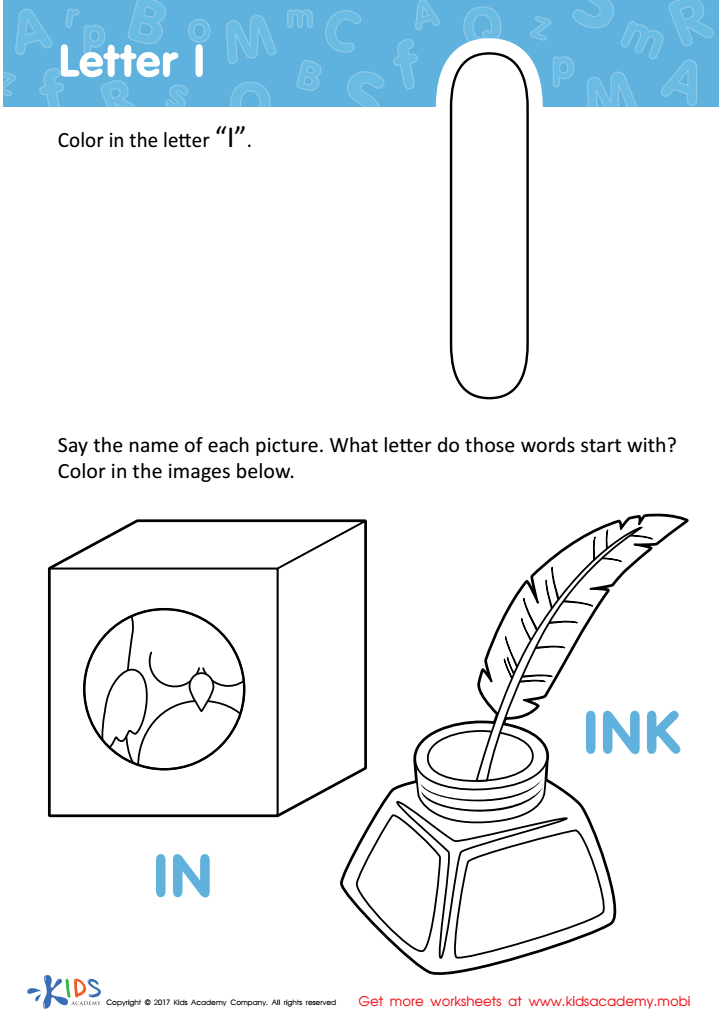
Letter I Coloring Sheet
 Assign to My Students
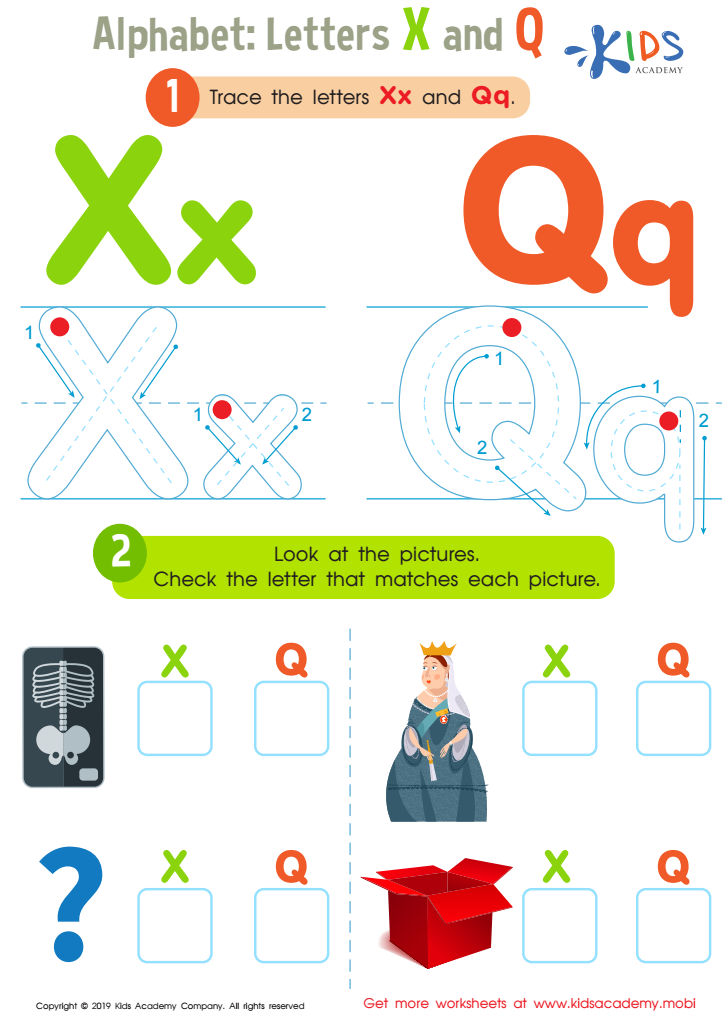
Letters X and Q Tracing Worksheet
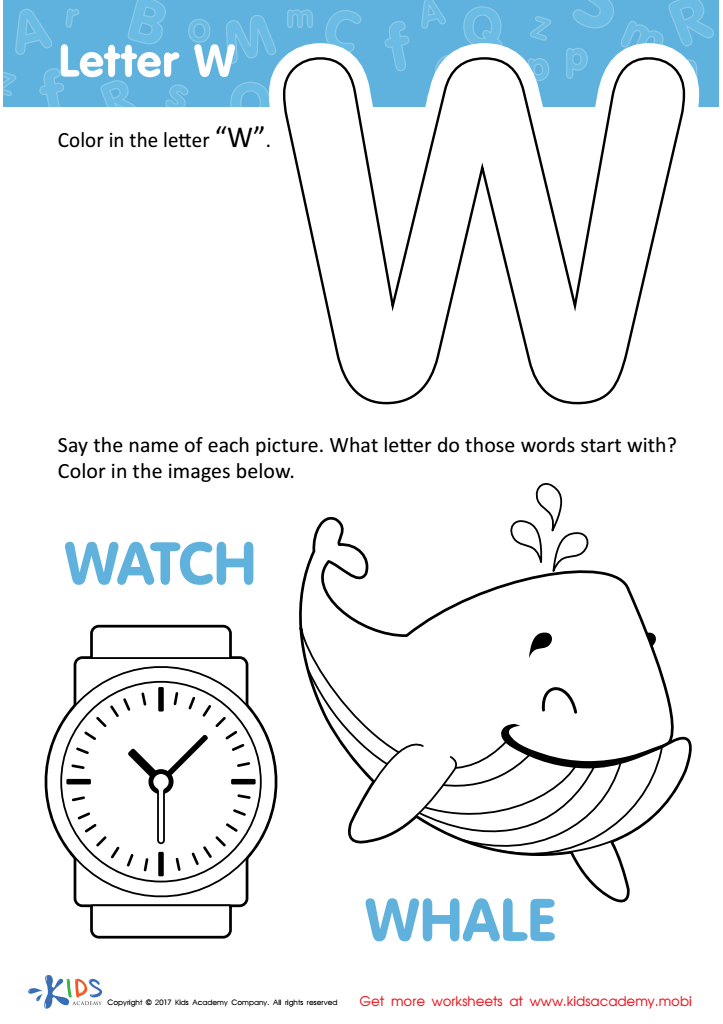
Letter W Coloring Sheet
Assign to My Students
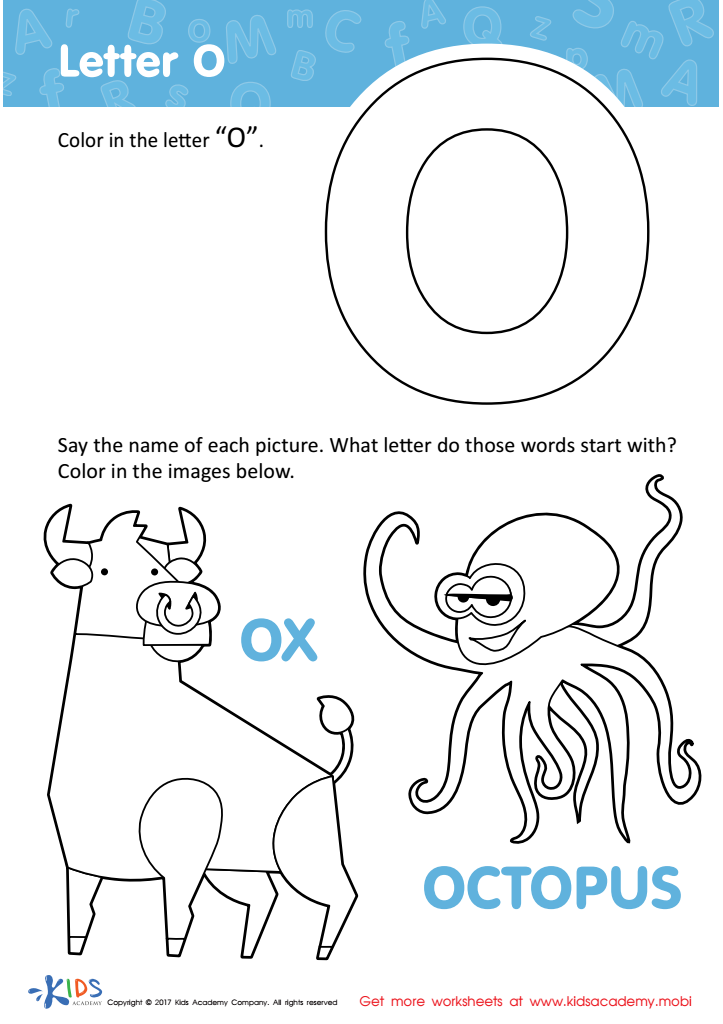
Letter O Coloring Sheet
Assign to My Students
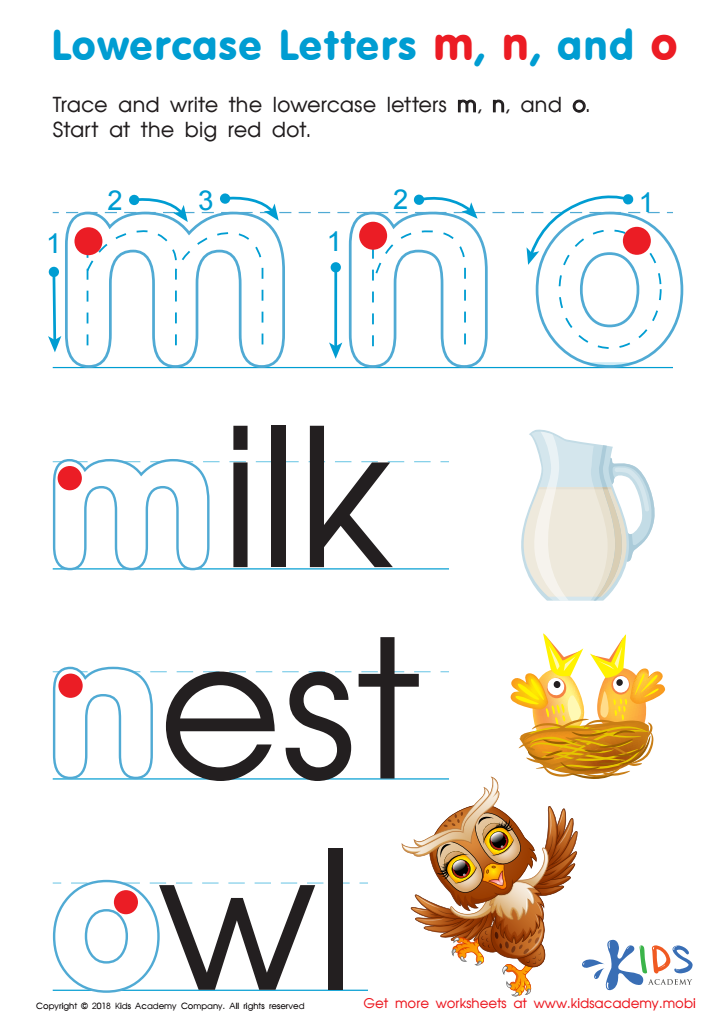
Lowercase Letters m n o Worksheet
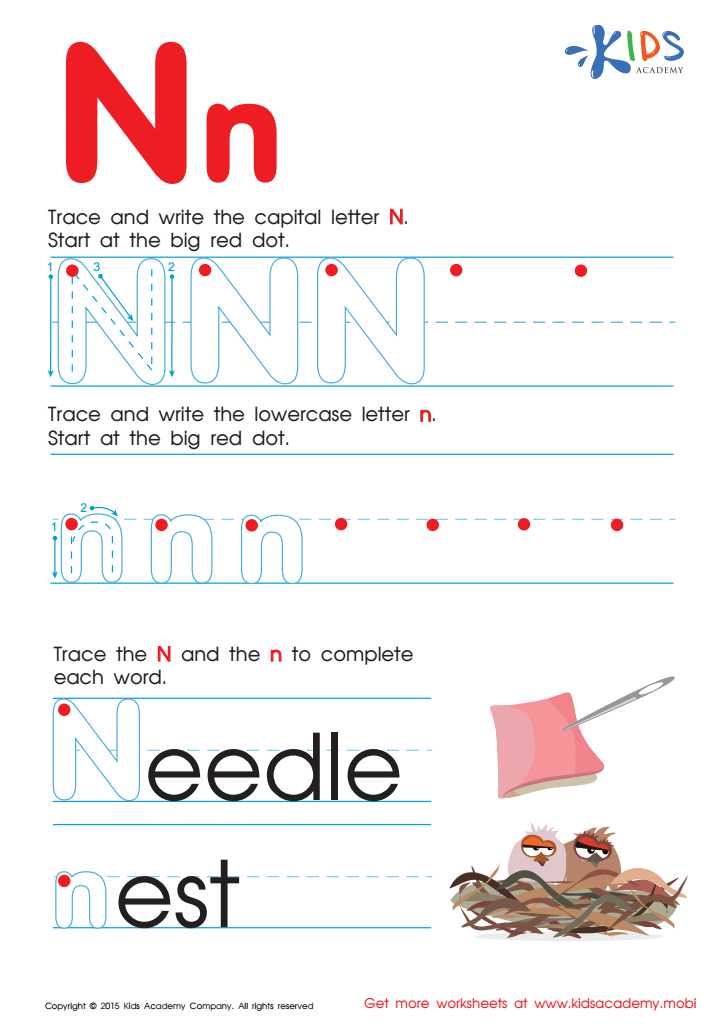
Letter N Tracing Page
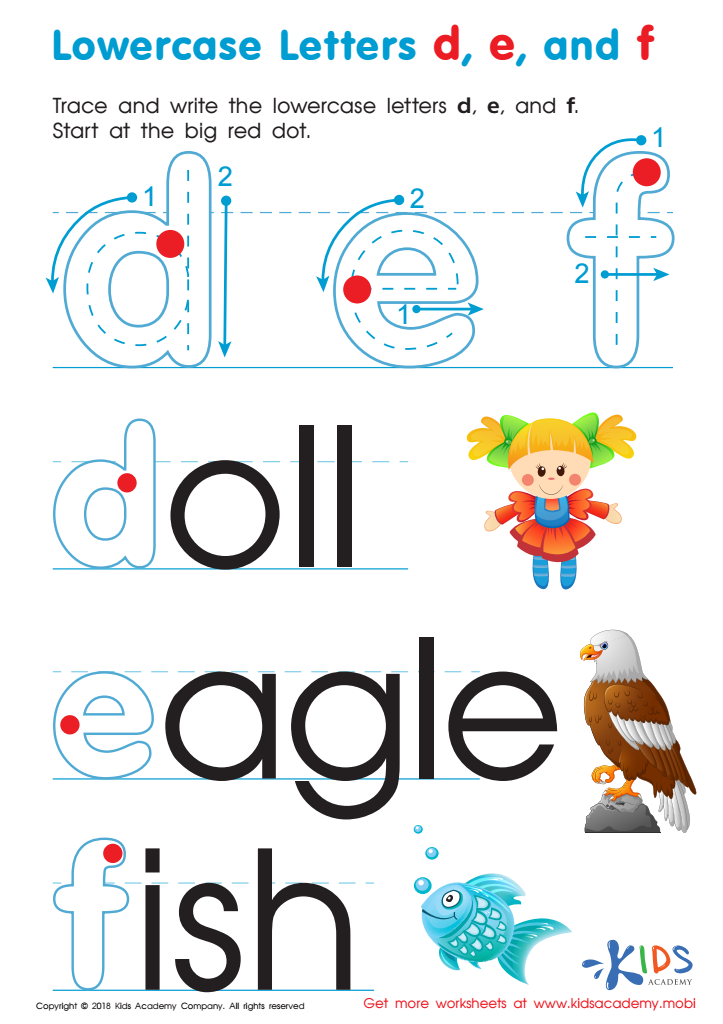
Lowercase Letters d e f Worksheet
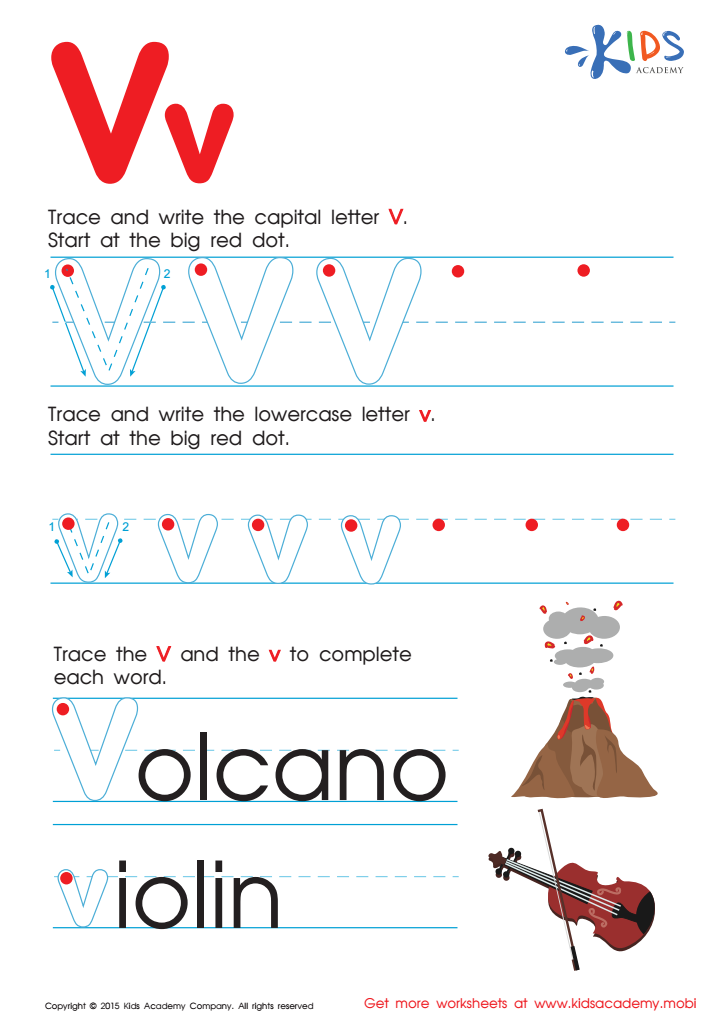
Letter V Tracing Page
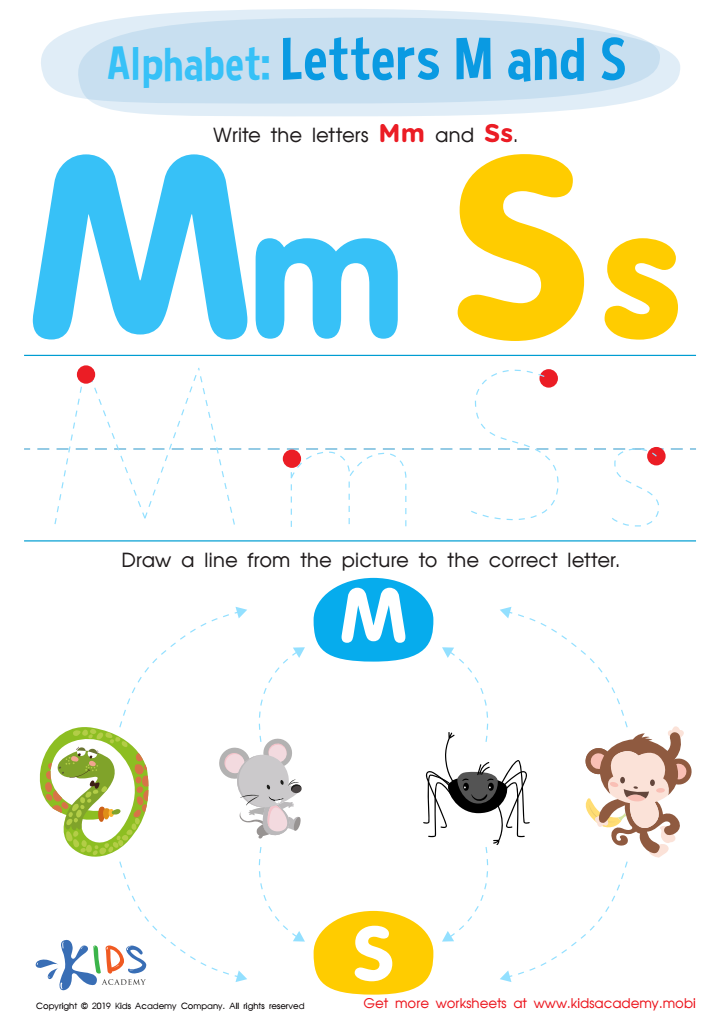
Letters M and S Tracing Worksheet
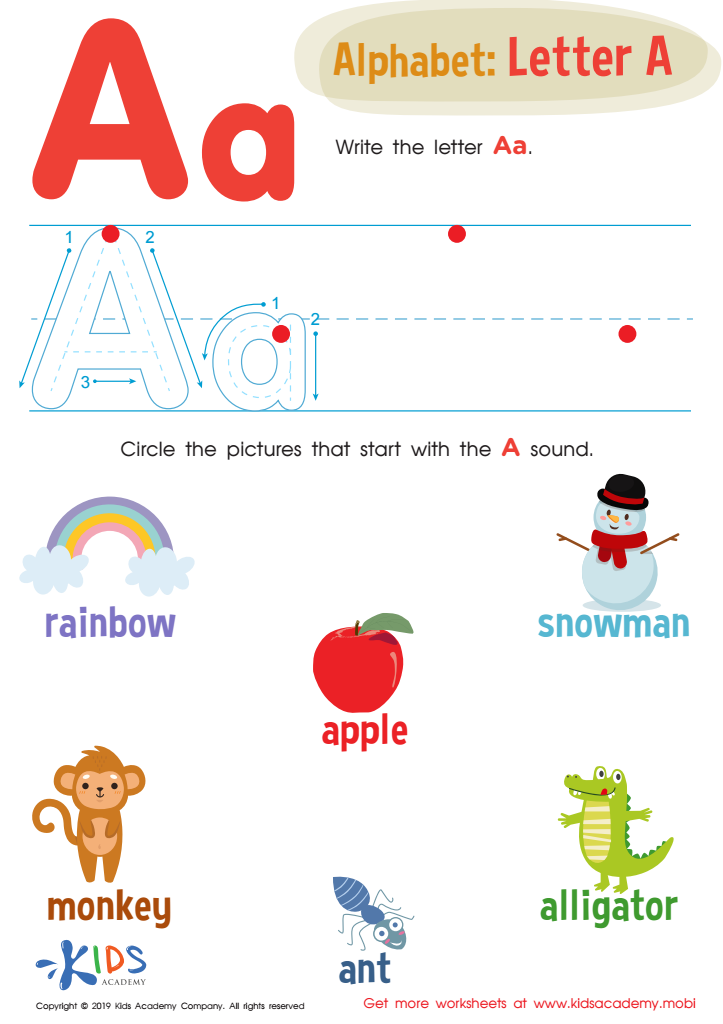
Letter A Tracing Worksheet
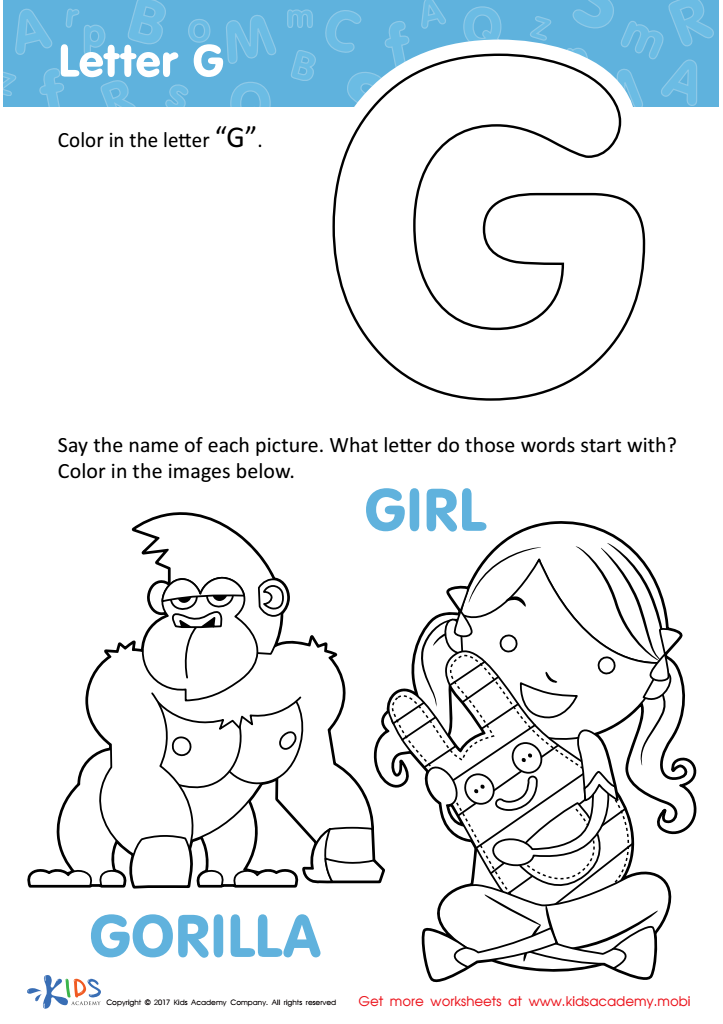
Letter G Coloring Sheet
Assign to My Students
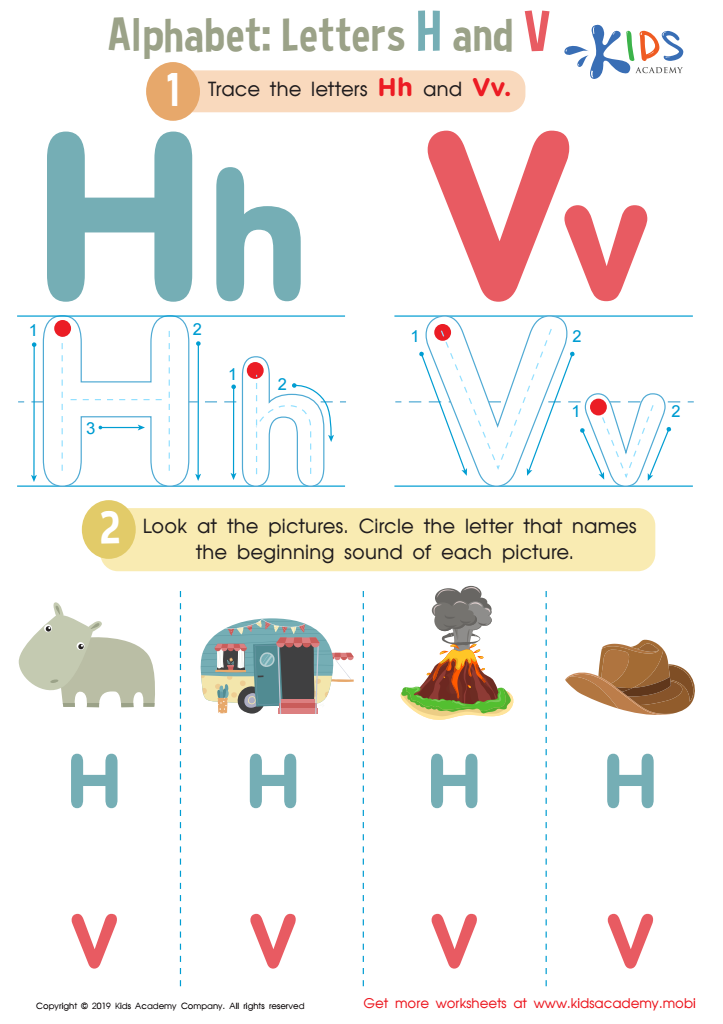
Letters H and V Tracing Worksheet
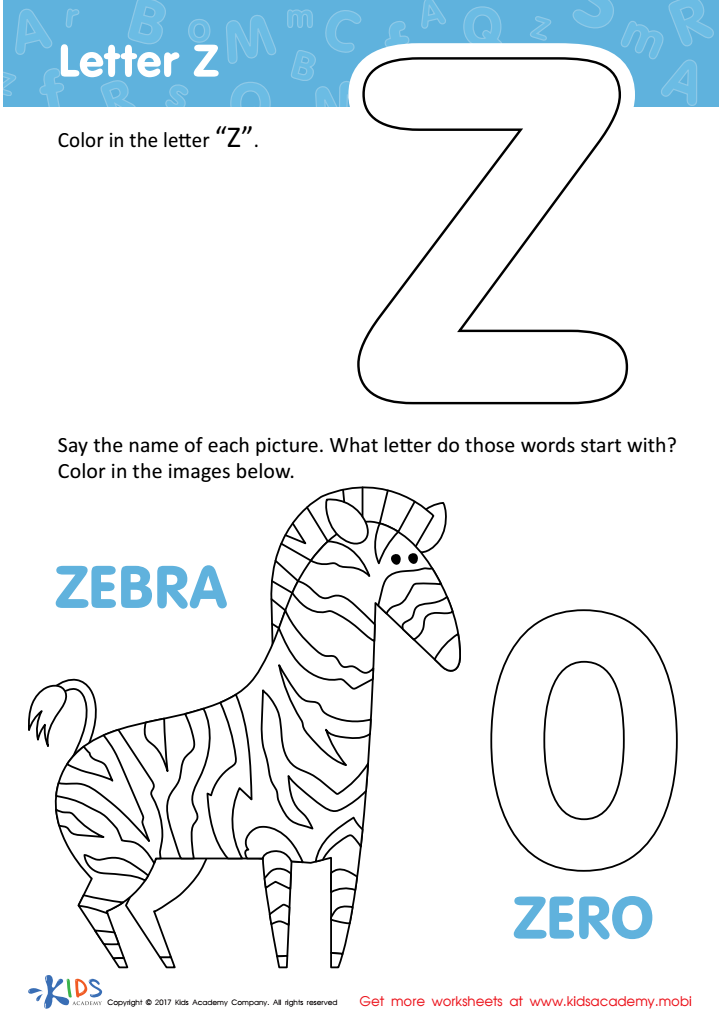
Letter Z Coloring Sheet
Assign to My Students

Letter J Coloring Sheet
Assign to My Students
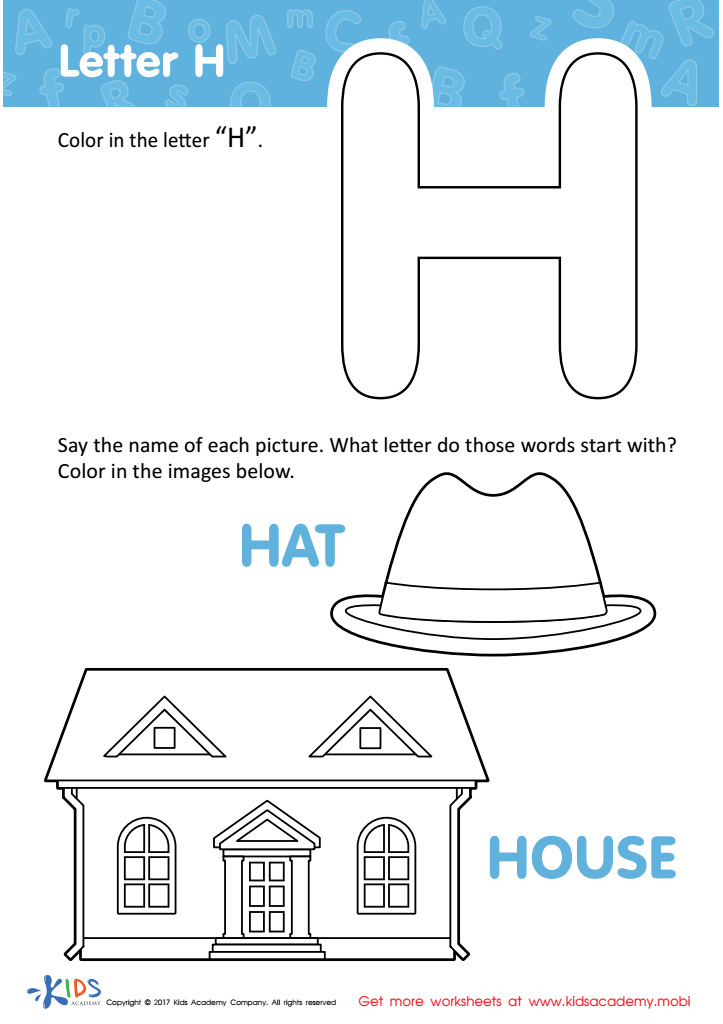
Letter H Coloring Sheet
Assign to My Students
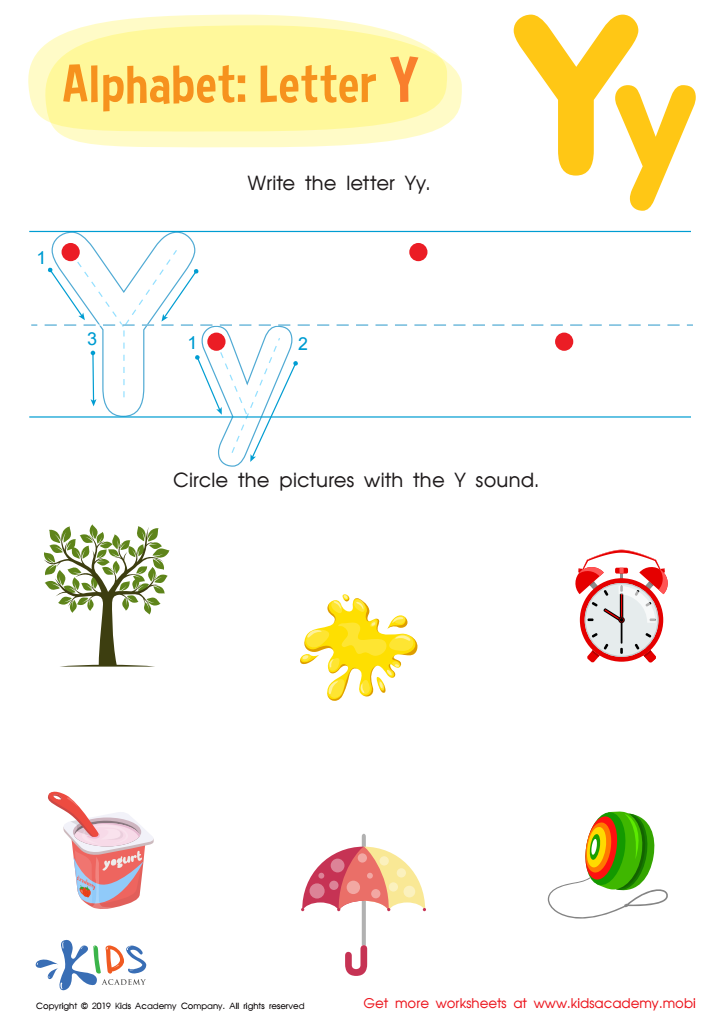
Letter Y Tracing Worksheet
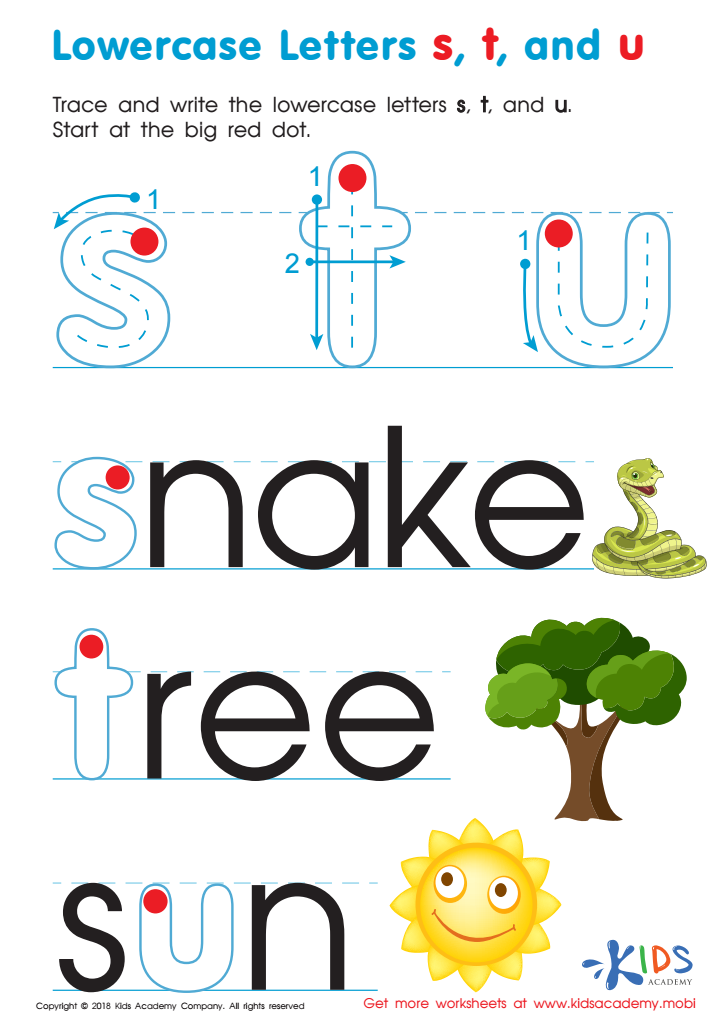
Lowercase Letters s t u Worksheet
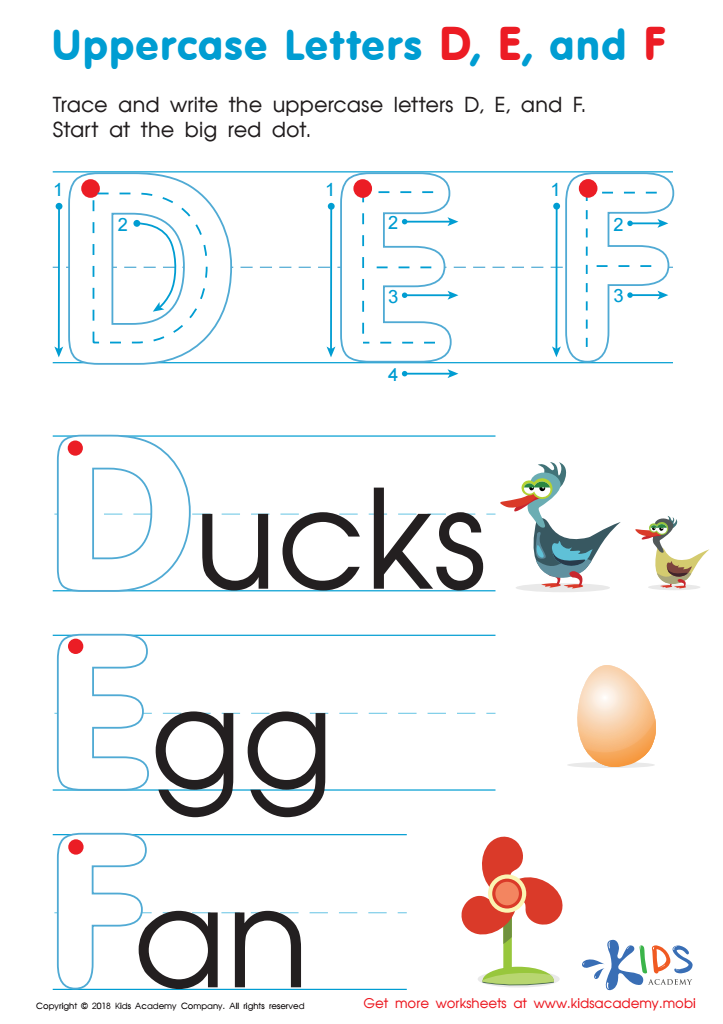
Uppercase Letters D, E, and F Worksheet
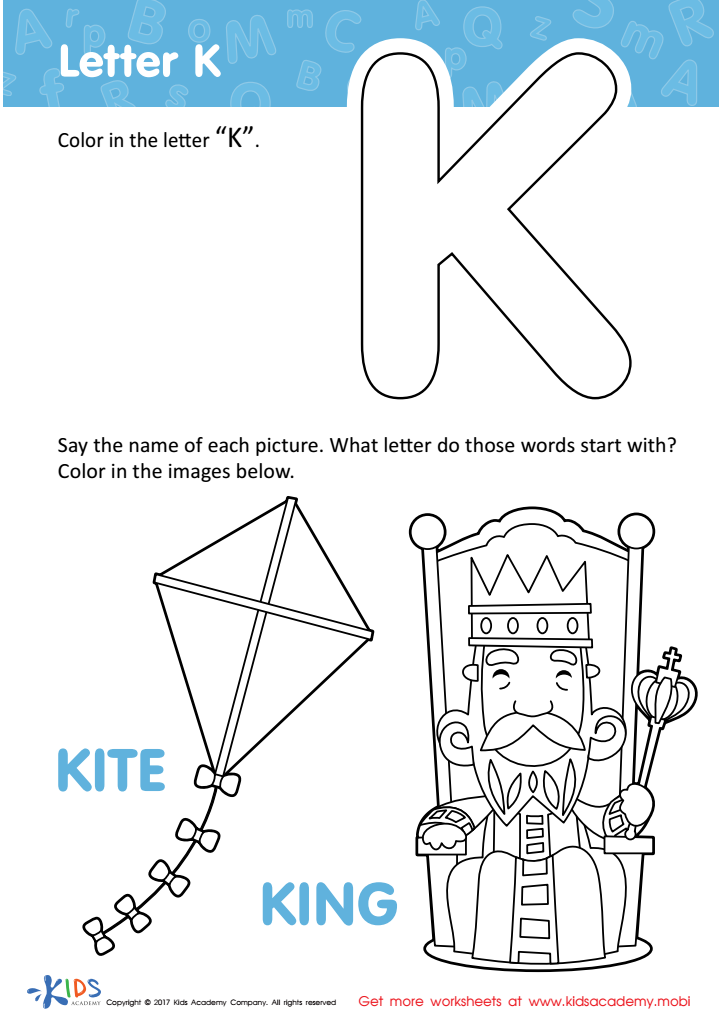
Letter K Coloring Sheet
Assign to My Students

Uppercase Letters Y Z Worksheet
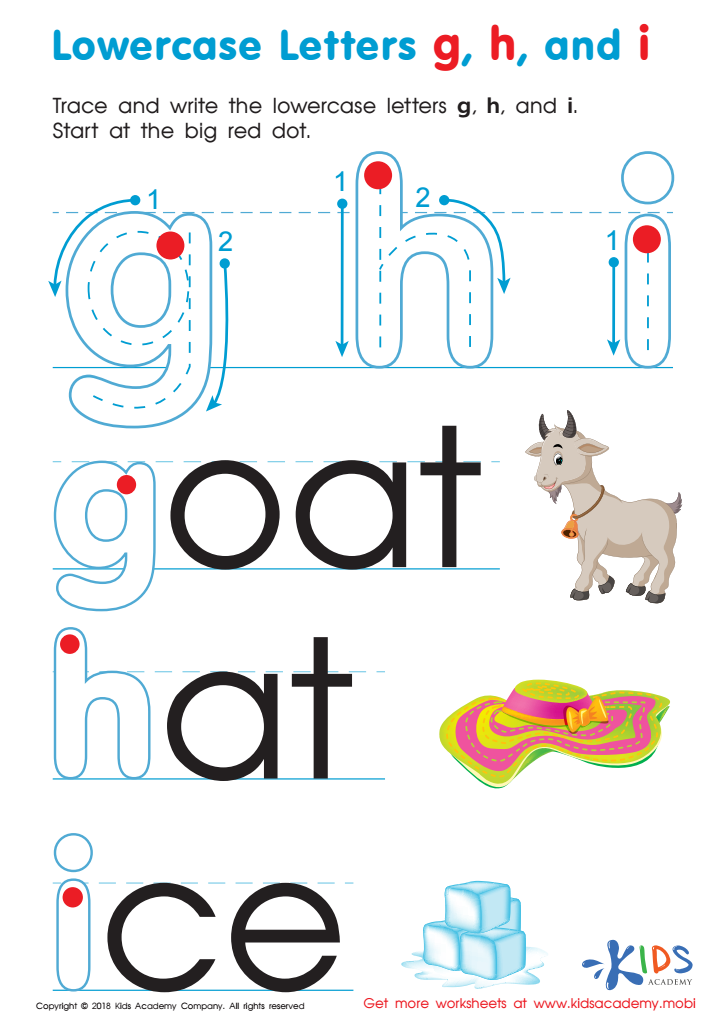
Lowercase Letters g h i Worksheet
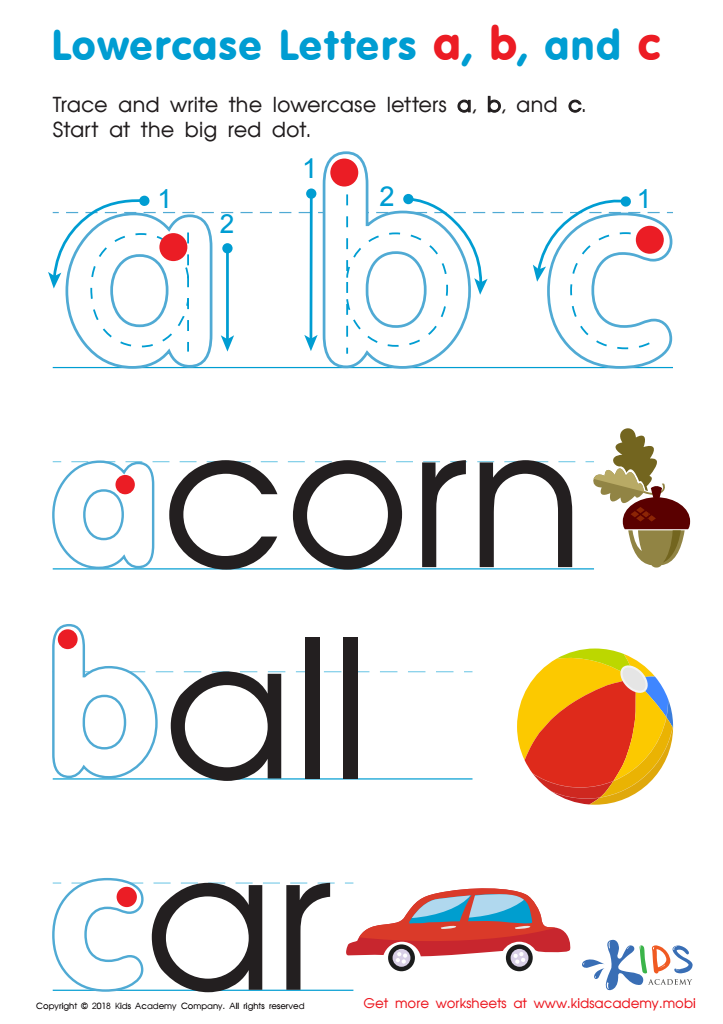
Lowercase Letters a b c Worksheet
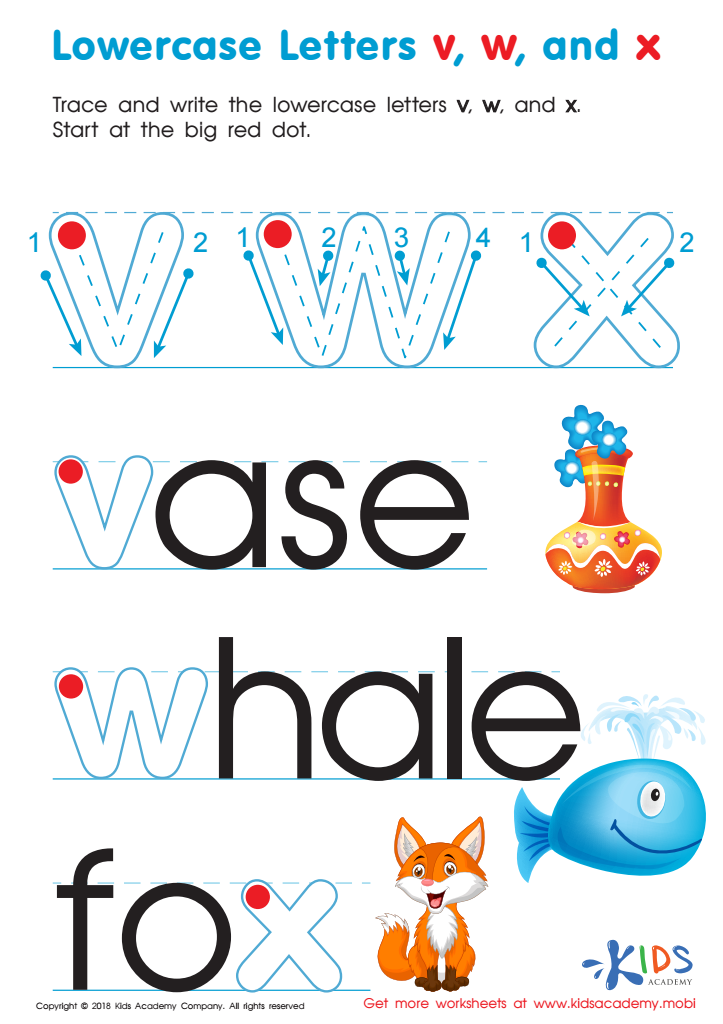
Lowercase Letters v w x Worksheet
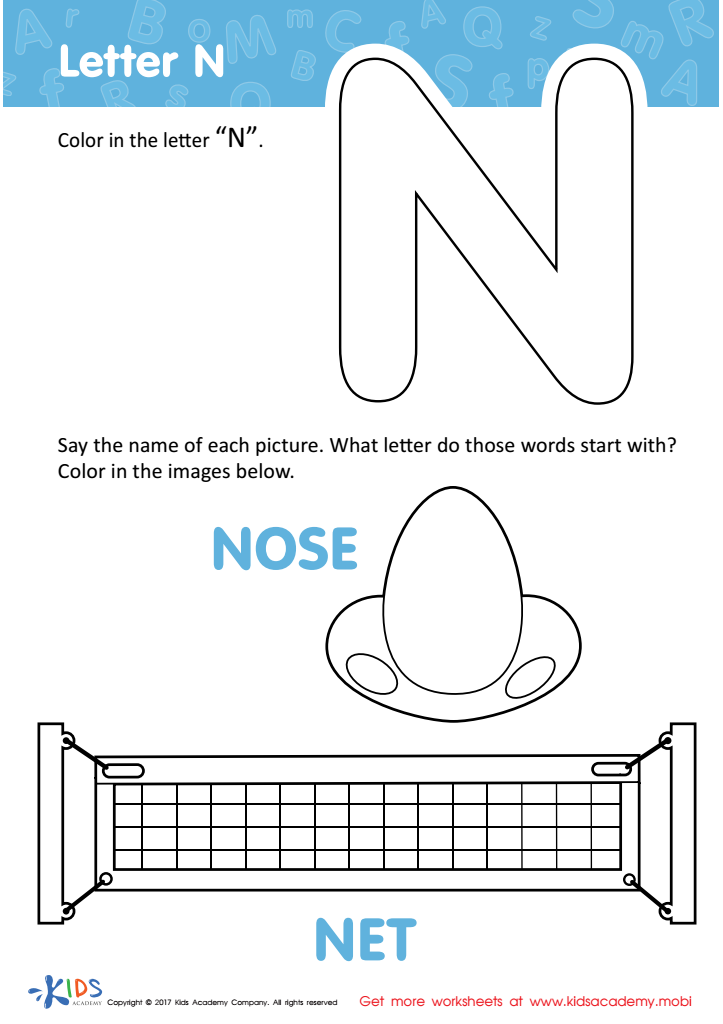
Letter N Coloring Sheet
Assign to My Students






Handwriting practice is crucial for children aged 6-7 as it lays the foundation for essential academic and life skills. At this developmental stage, children are rapidly honing their fine motor skills, which are vital for writing. Engaging in handwriting practice helps strengthen hand muscles, improving overall dexterity and coordination.
Moreover, the act of writing helps to reinforce letter recognition, phonics, and spelling. When children repeatedly write letters and words, they enhance their understanding and retention of the alphabet and language structures. This practice is crucial for literacy development, providing a stronger base for reading and academic achievement in later grades.
Additionally, handwriting practice supports cognitive development. Forming letters involves both visual and motor memory, enhancing neural pathways for learning. Writing by hand also encourages focus and attention to detail, qualities that translate to other areas of learning and everyday activities.
For teachers and parents, promoting handwriting allows them to observe a child's progress closely. They can provide immediate feedback and adjust learning strategies to suit individual needs, fostering a more tailored educational experience.
Ultimately, handwriting practice at ages 6-7 equips children with the essential skills needed for effective communication and academic success, thus forming an indispensable part of their early education journey.







