Phonics understanding Alphabet Worksheets for Ages 6-7
4 filtered results
-
From - To
Discover our engaging Phonics Understanding Alphabet Worksheets, designed specifically for ages 6-7! These worksheets aim to strengthen foundational reading skills by focusing on letter recognition and phonetic sounds. Children will enjoy fun activities that promote active learning, including matching letters to sounds, tracing, and identifying words. Each worksheet is crafted to enhance phonemic awareness, helping young learners make connections between letters and sounds. Perfect for homeschooling or classroom use, our resources encourage independent learning and boost confidence in early literacy. Explore our comprehensive collection today and support your child’s journey to becoming a proficient reader!
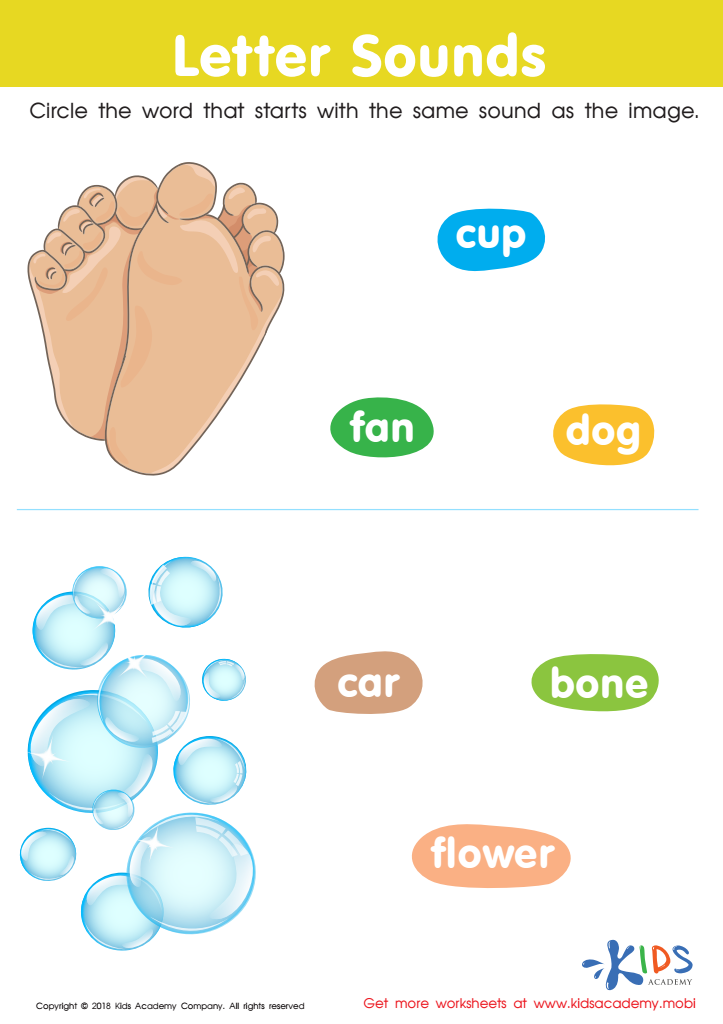
letter sounds Worksheet
 Assign to My Students
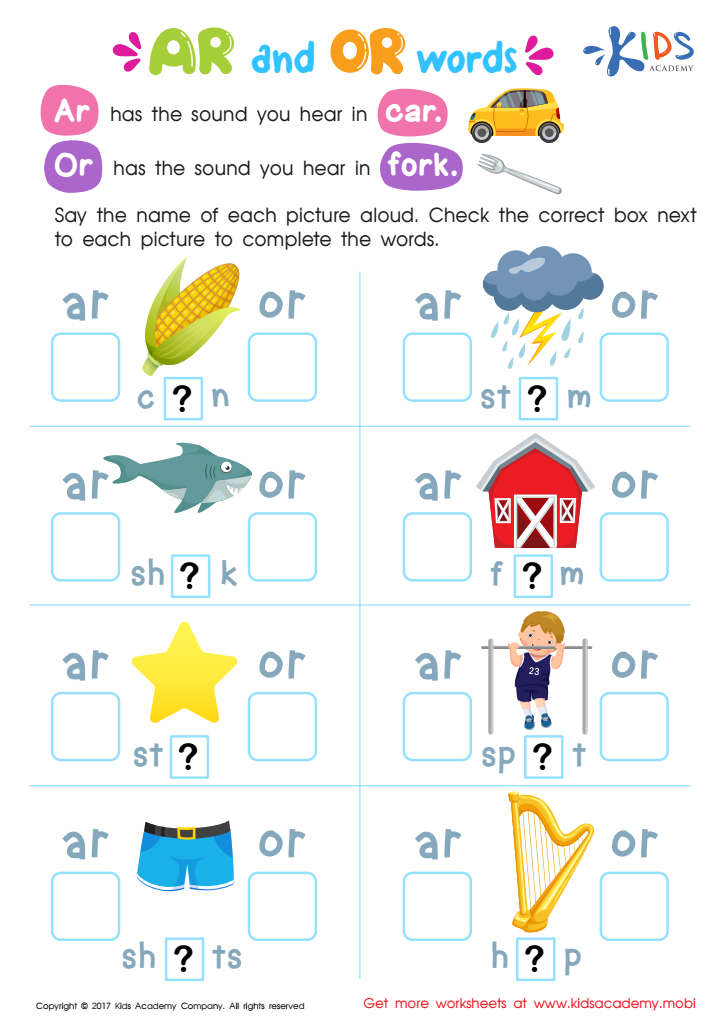
Ar and Or Words Phonics Worksheet
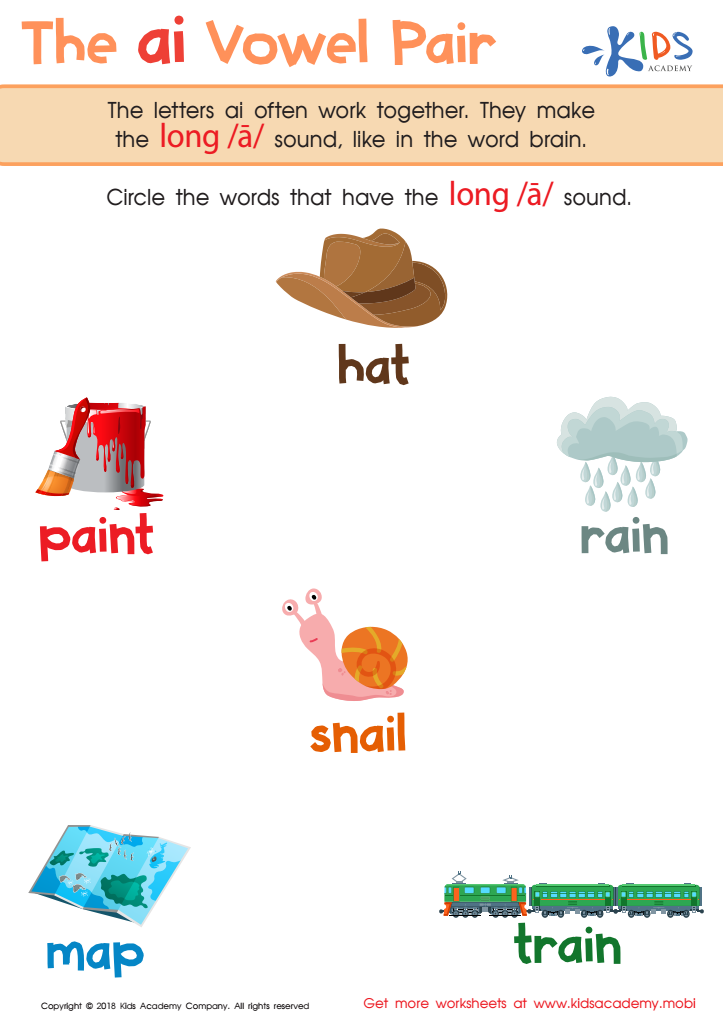
The AI Vowel Pair Worksheet
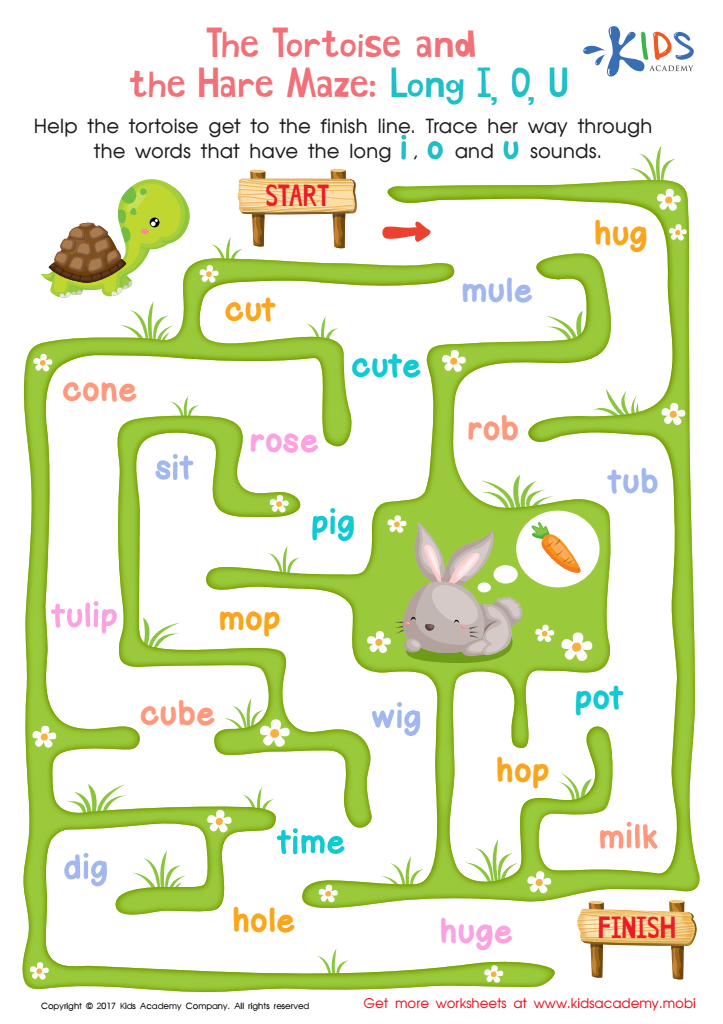
Long I, O, U Words Worksheet






Understanding phonics is crucial for children aged 6-7 as it lays the foundation for successful reading and writing skills. At this age, children are transitioning from recognizing letters to decoding sounds, where phonics instruction plays a pivotal role. Phonics helps children grasp the relationship between letters and their corresponding sounds, making it easier for them to read unfamiliar words.
For parents and teachers, a strong grasp of phonics can enhance children's confidence and engagement in literacy activities. When children understand the basics of phonics, they become more proficient readers, which positively impacts their overall academic performance across subjects. Additionally, mastering phonics supports spelling and vocabulary development, fostering a love for language and learning.
Moreover, early phonics education addresses potential reading challenges. By identifying difficulties in phonics understanding, educators and parents can intervene early with targeted support, helping to prevent future literacy struggles. This proactive approach ensures that children develop essential literacy skills, paving the way for a successful educational journey. Ultimately, investing time and attention to phonics for children aged 6-7 contributes significantly to their future academic success and communication skills, making it a priority for both parents and teachers.







