Phonics practice Phonics Worksheets for Ages 6-7
17 filtered results
-
From - To
Enhance your child's reading skills with our engaging Phonics Worksheets designed for ages 6-7. These worksheets focus on developing essential phonetic awareness through fun and interactive activities. Children will practice letter sounds, blending, and decoding, laying a solid foundation for their reading journey. Our carefully curated resources inspire learning and ensure kids develop confidence in their phonics abilities. Easy to download and print, these worksheets seamlessly fit into any learning environment, whether at home or in the classroom. Foster a love for reading with our exciting phonics practice materials today, keeping your child ahead on their adventure in literacy!
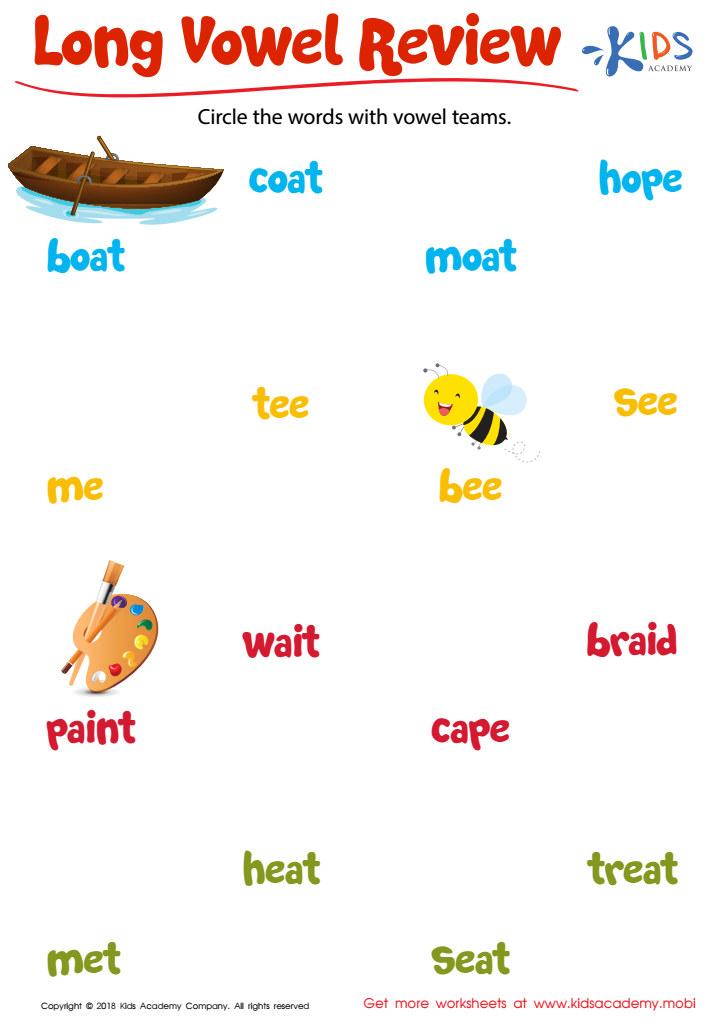
Long Vowel Review Worksheet
 Assign to My Students
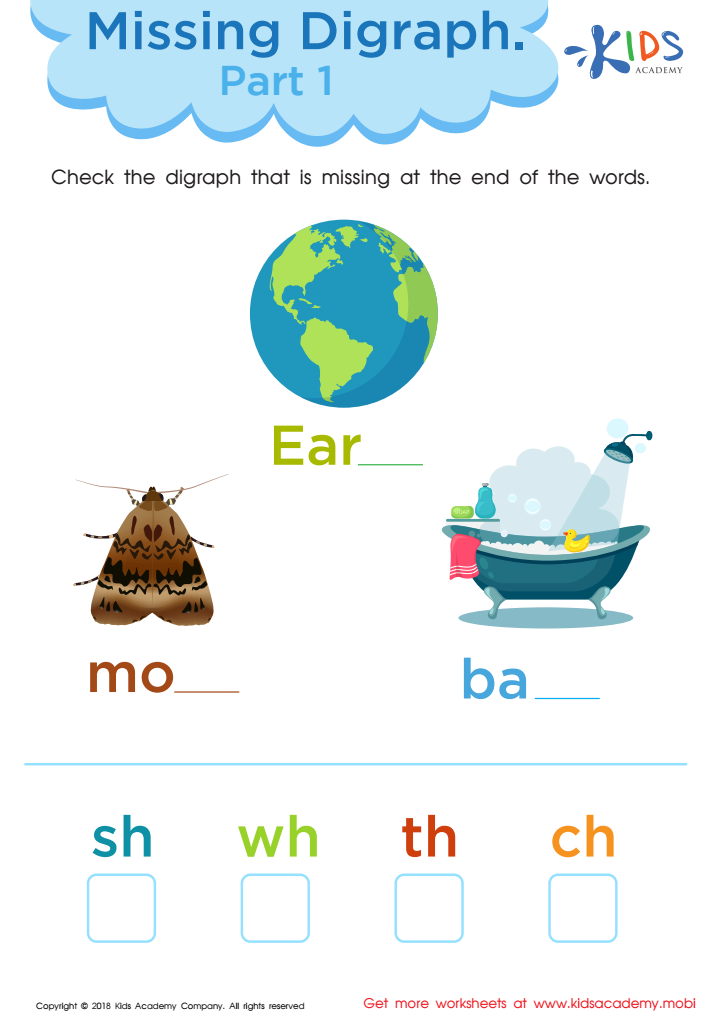
Missing Digraph: Part 1 Worksheet
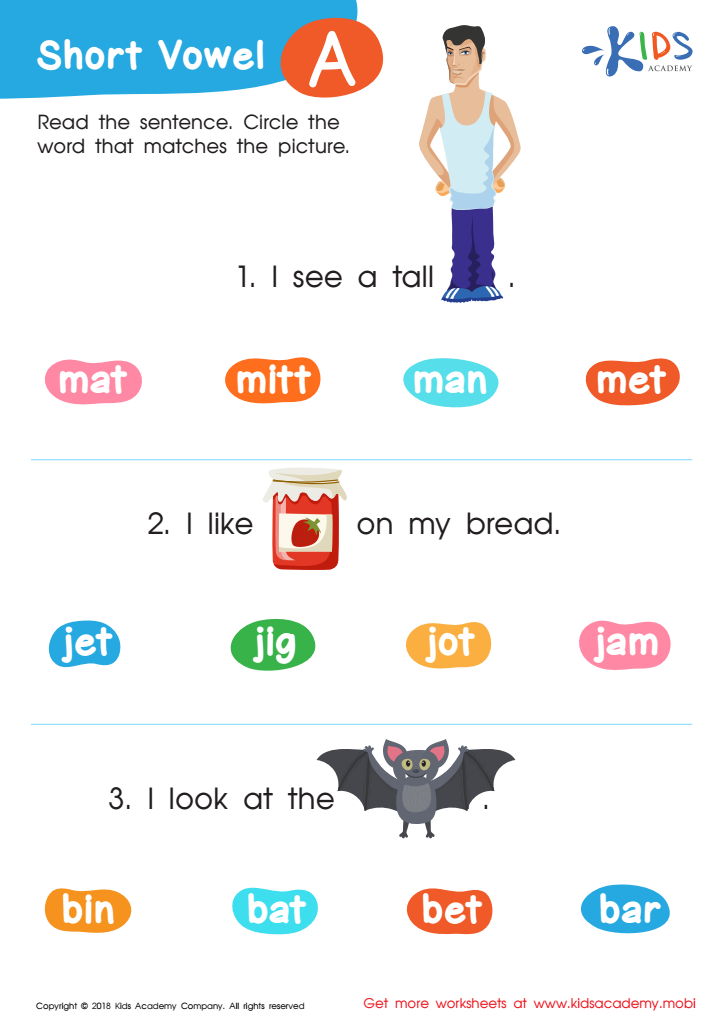
Short Vowel /a/ Worksheet
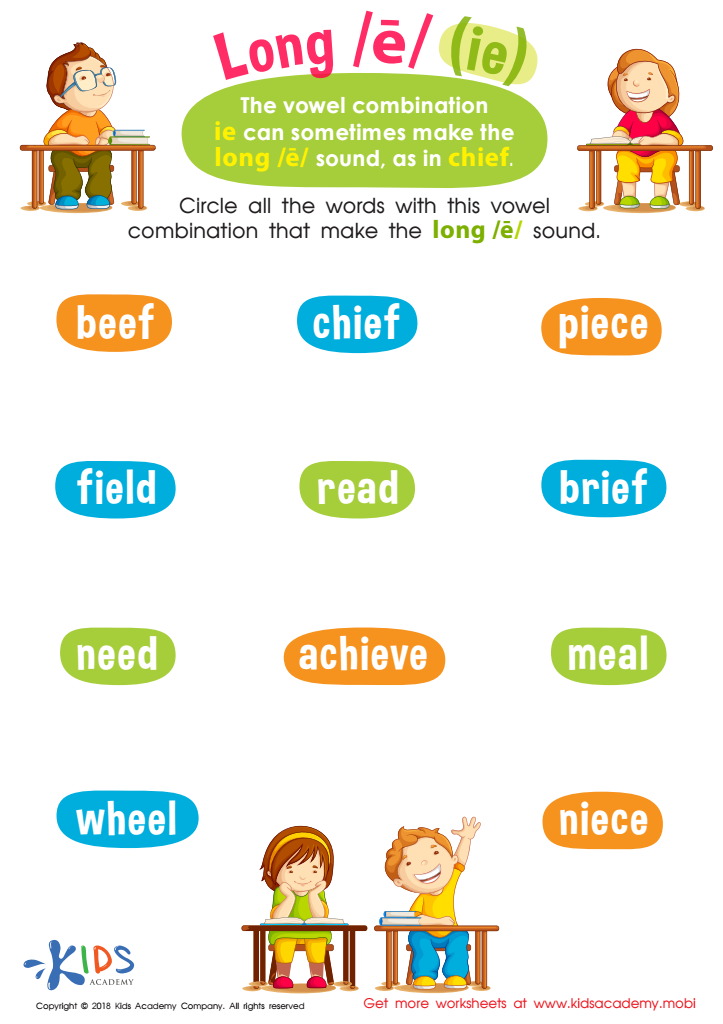
Reading: Long E and IE Worksheet
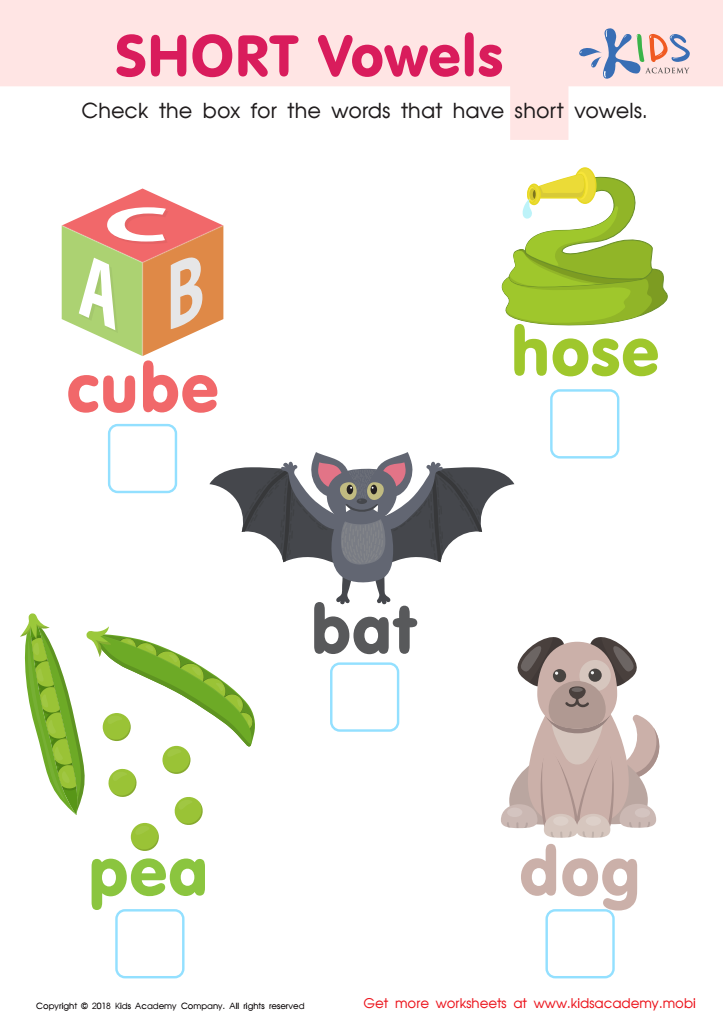
short vowels Worksheet
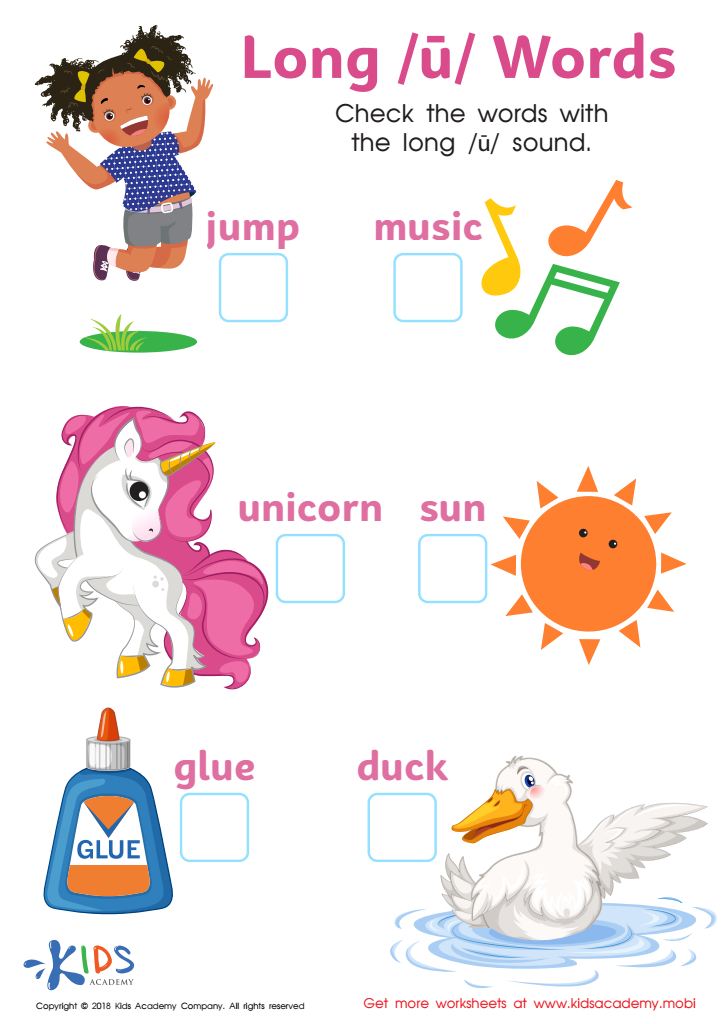
Long U Words Reading Worksheet
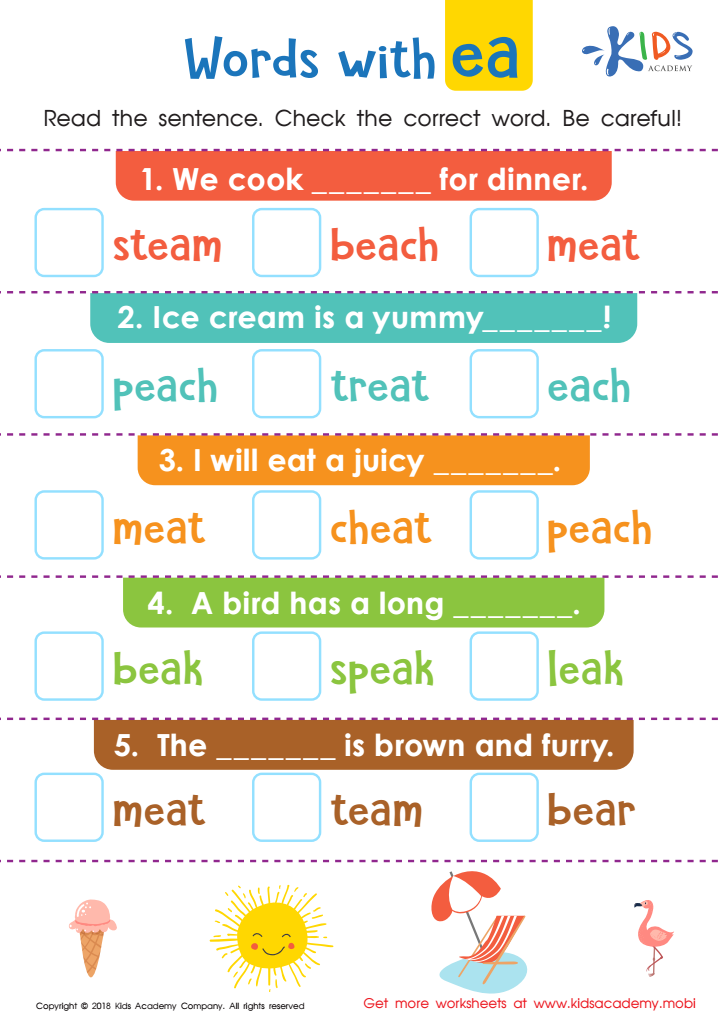
Words with ea Worksheet
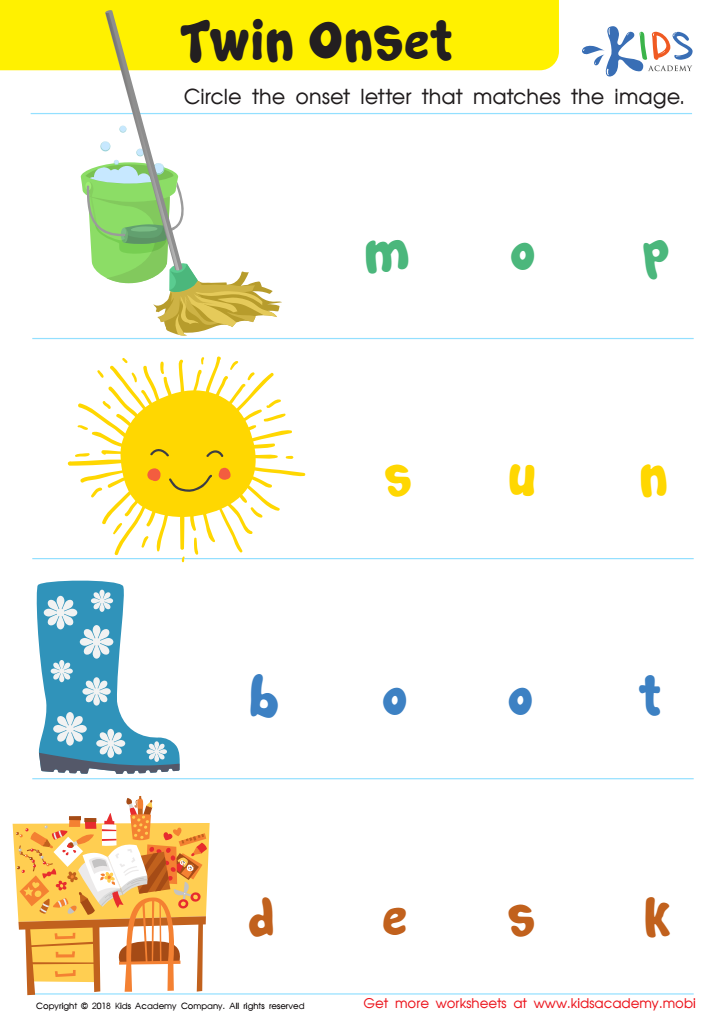
Twin Onset Worksheet
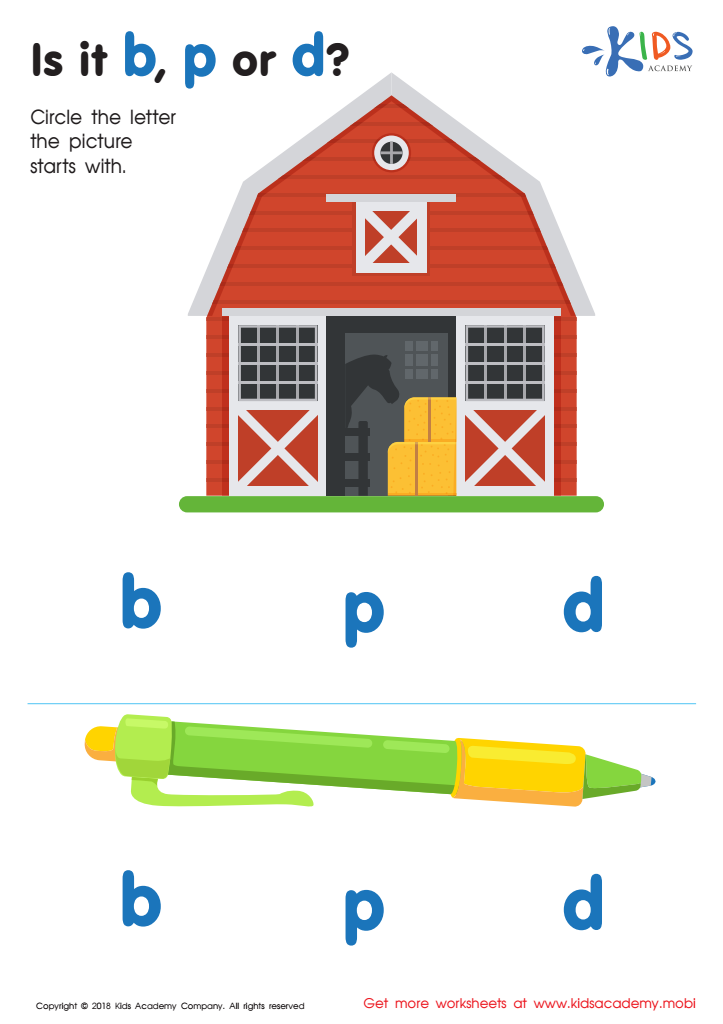
Is it b, p or d? Worksheet
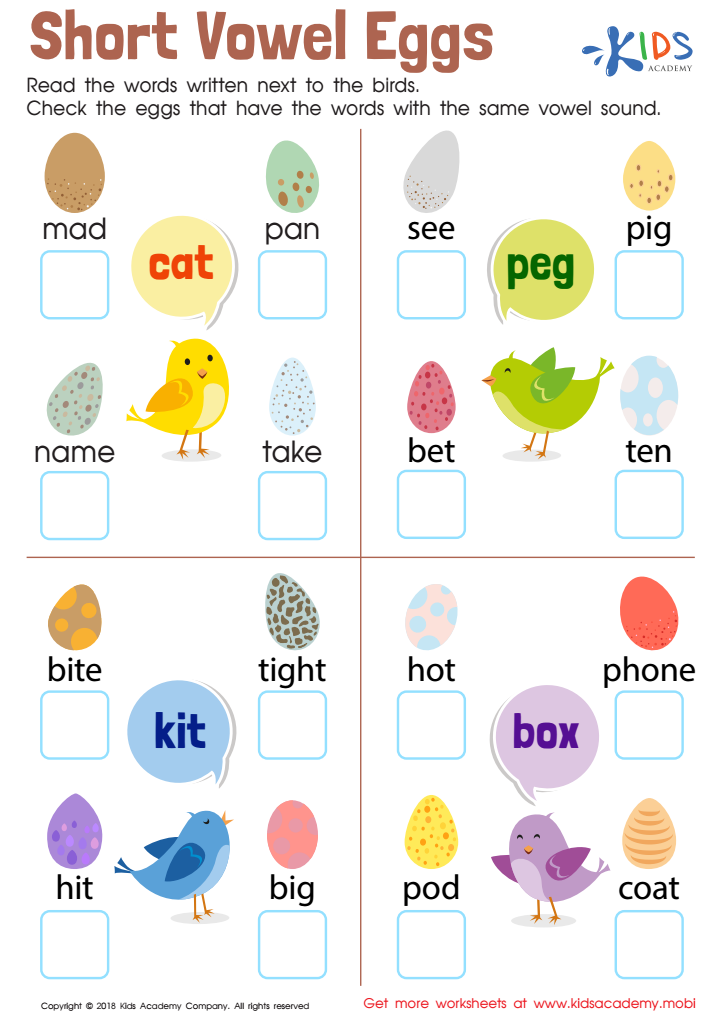
Short Vowel Eggs Worksheet
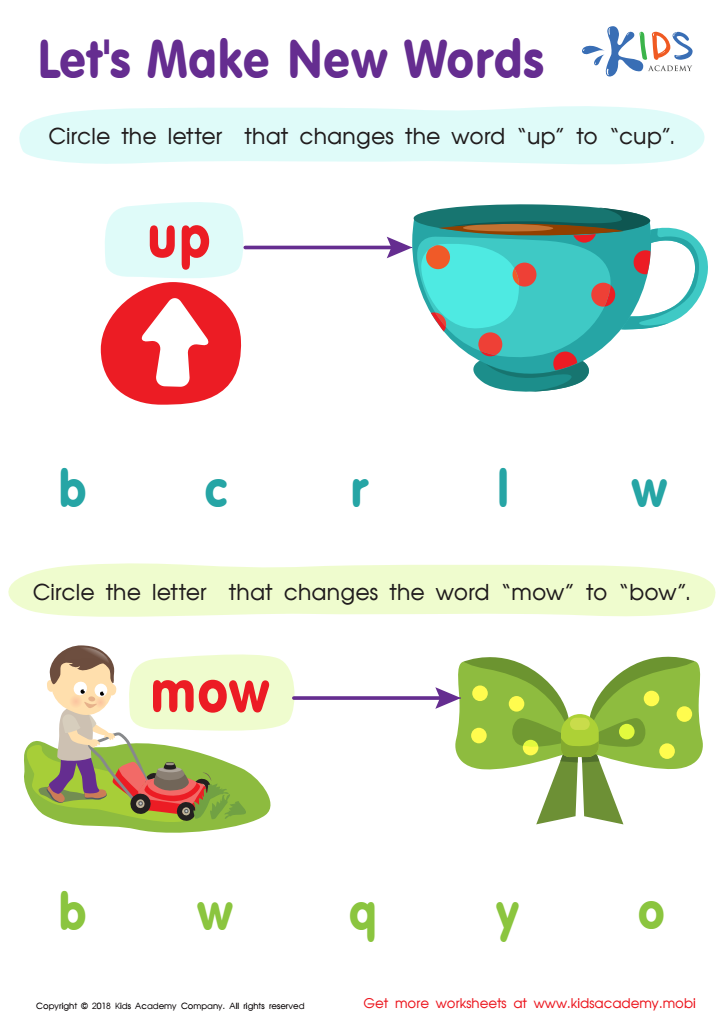
Let's Make New Words Worksheet
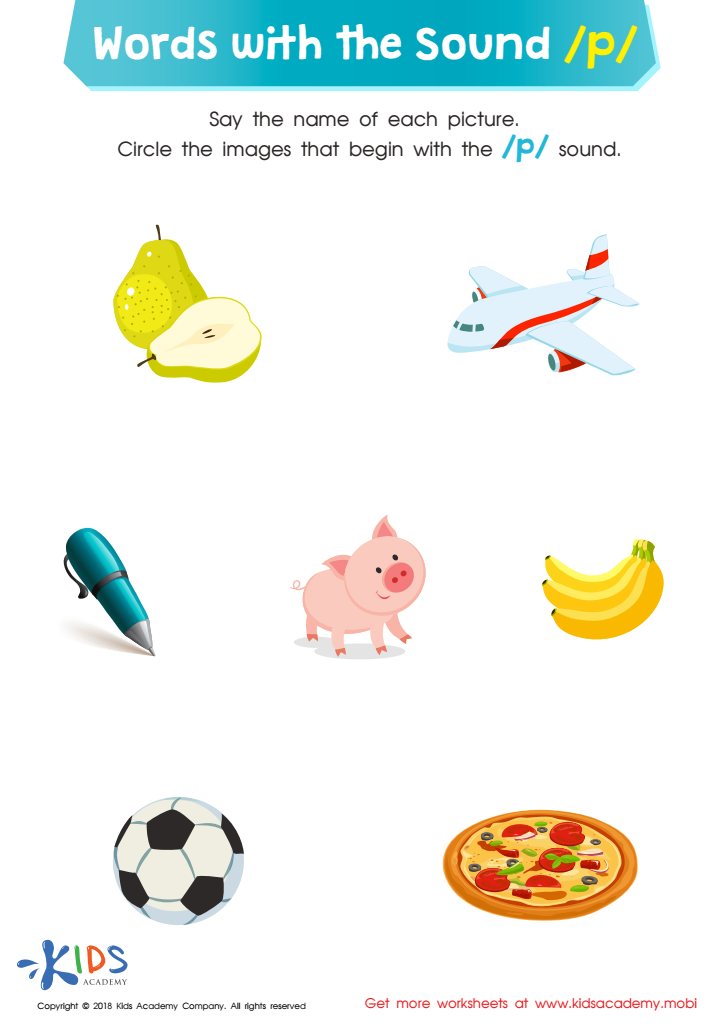
Words with sound p Reading Worksheet
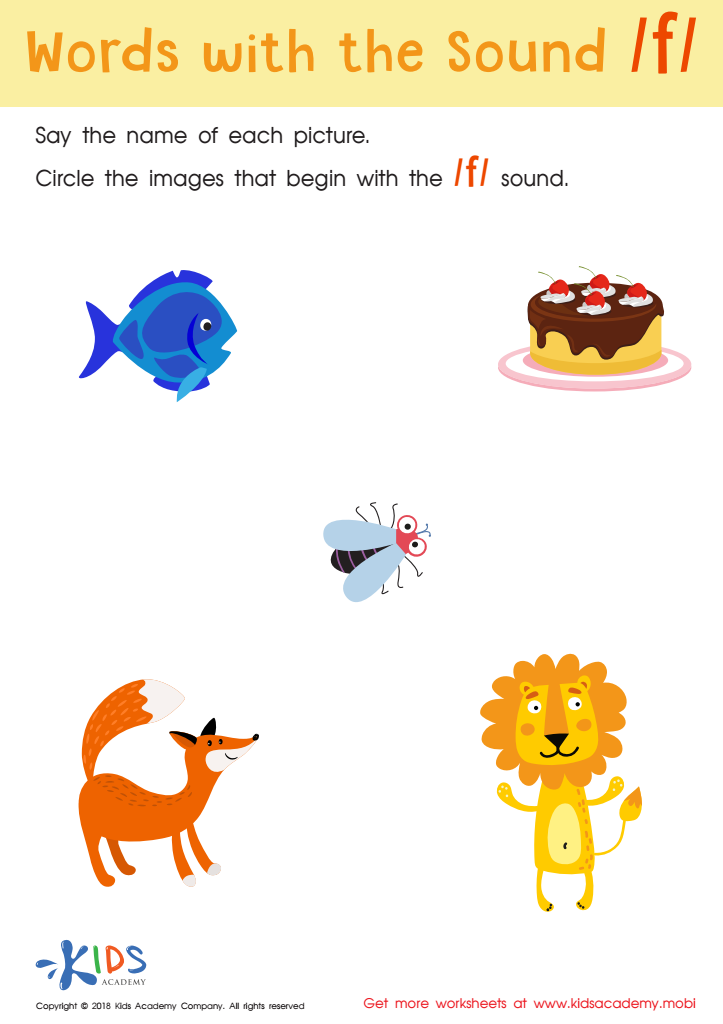
Words with sound f Reading Worksheet
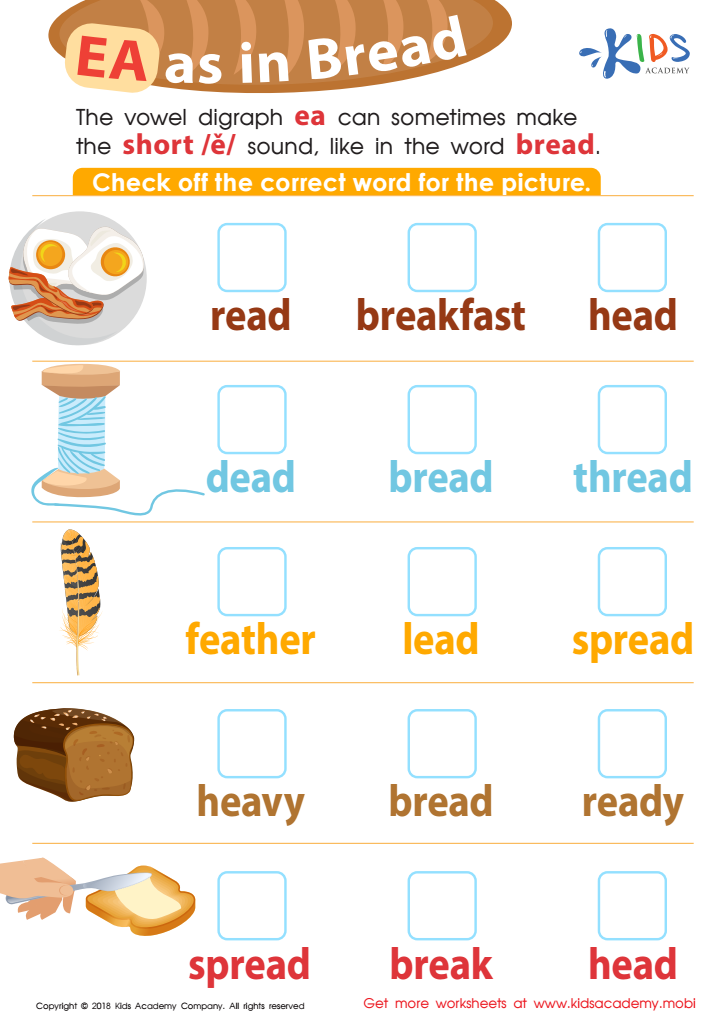
Reading: EA as in Bread Worksheet
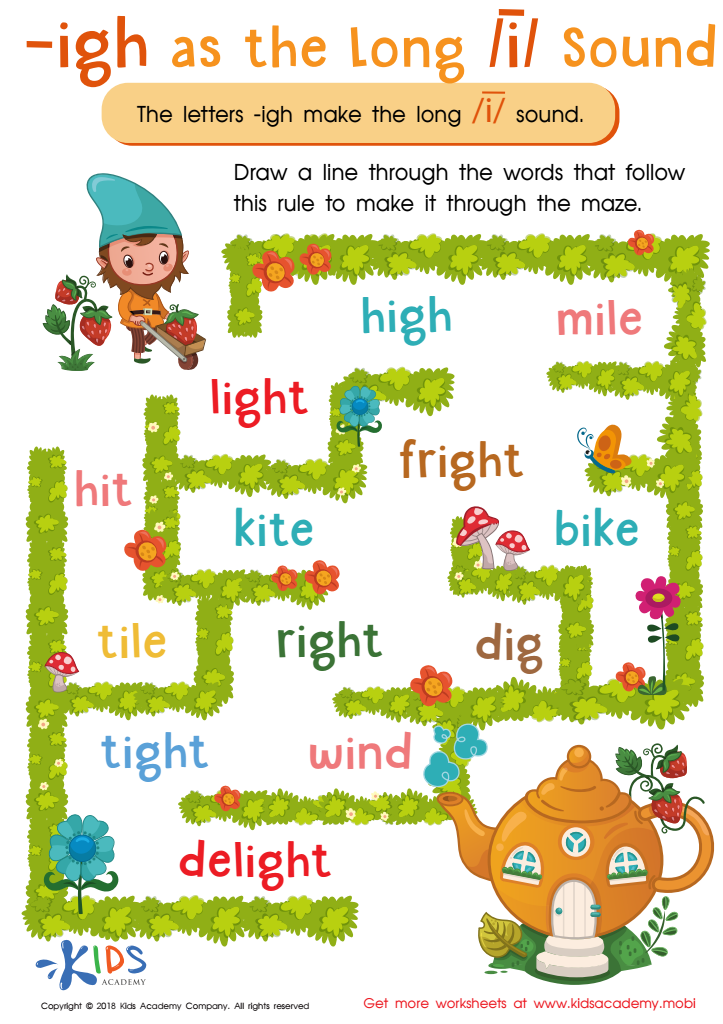
Reading: IGH as Long I Worksheet
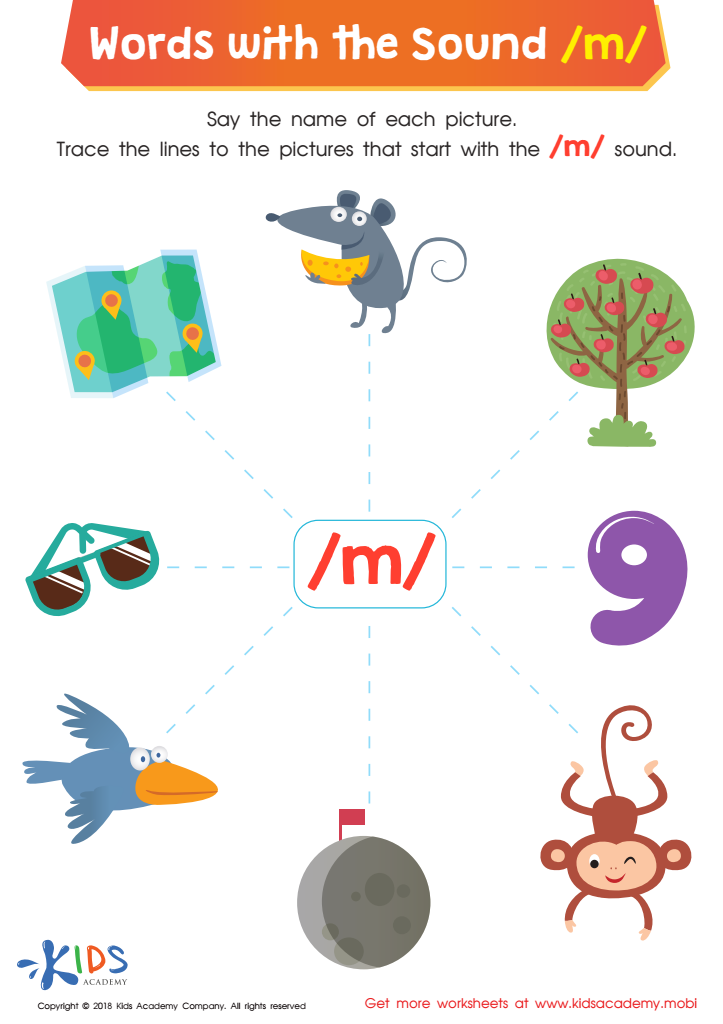
Words with Sound M Reading Worksheet
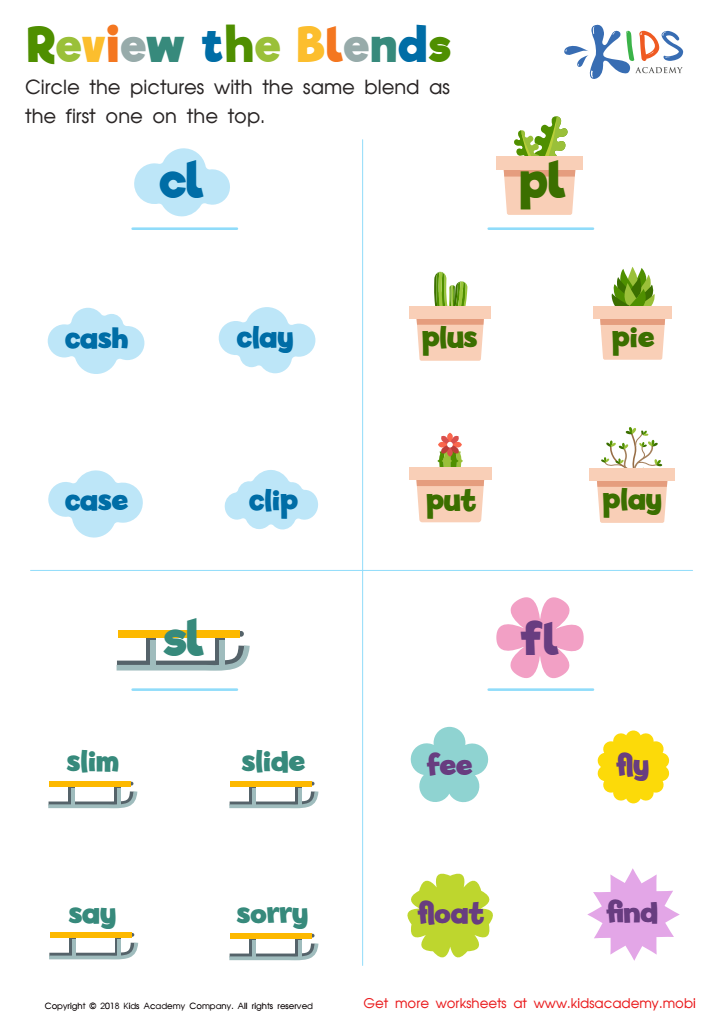
Review the Blends Worksheet








Phonics practice for children aged 6-7 is essential for several reasons that significantly impact their literacy development. First, phonics teaches children the relationship between letters and sounds, which is foundational for reading. At this stage, children are transitioning from learning to read to reading to learn, making effective phonics instruction critical for their comprehension and fluency.
Second, strong phonics skills boost a child’s confidence in their reading abilities. As they grasp how to decode unfamiliar words, they develop a sense of autonomy, empowering them to tackle more challenging texts. This self-assuredness can foster a lifelong love for reading and learning.
Additionally, phonics reinforces spelling and writing skills, creating a holistic approach to literacy. Children will more easily understand vocabulary, which enriches both their spoken and written communication.
Moreover, early literacy skills directly correlate with academic success. Children who receive robust phonics instruction often perform better in school, leading to improved outcomes in other subjects.
Ultimately, investing in phonics practice helps ensure that children build a solid foundation for future reading endeavors, setting them on a path toward success in both their academic and personal lives, making it crucial for parents and teachers to prioritize this practice.







