Fine Motor Skills Tracing Letters Worksheets for Ages 6-7 - Page 2
34 filtered results
-
From - To

Letter N Tracing Page
 Assign to My Students
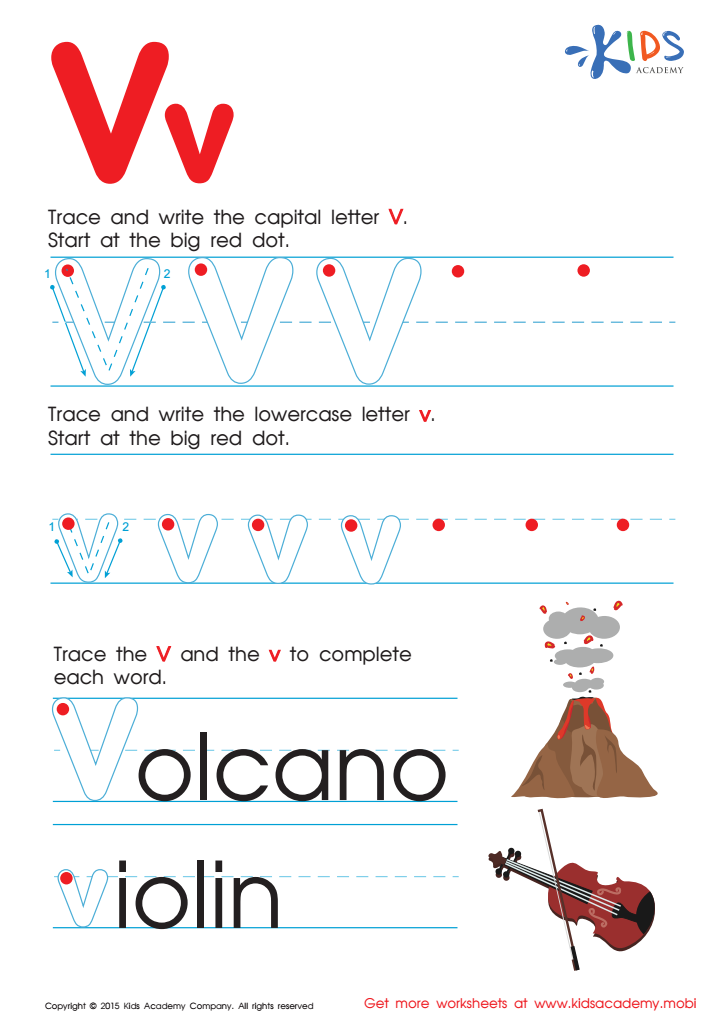
Letter V Tracing Page
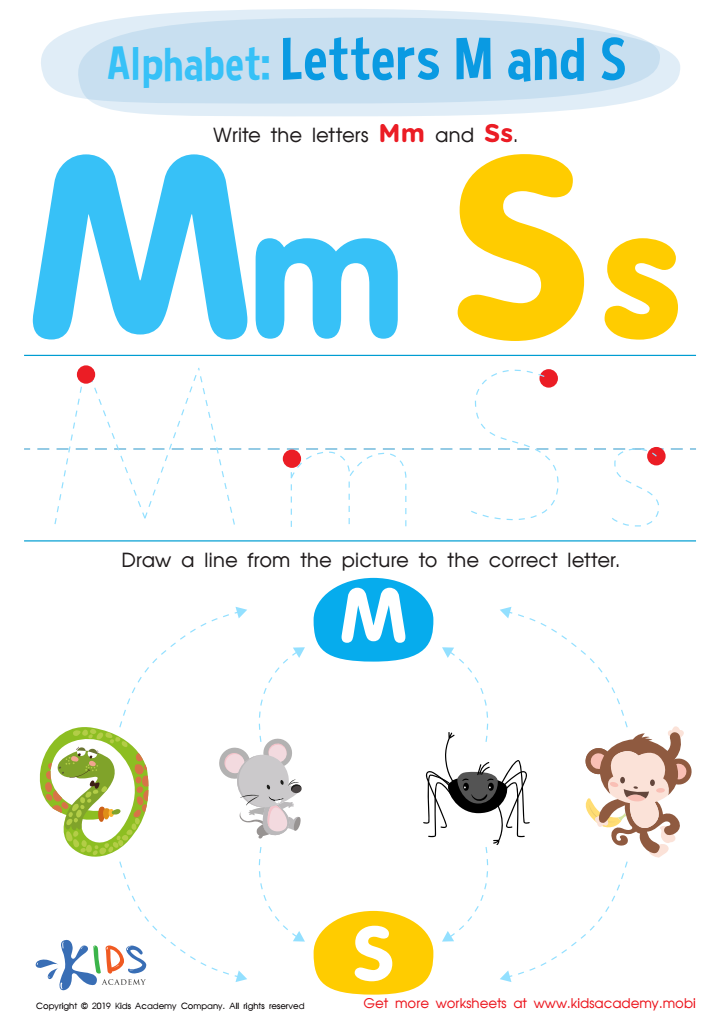
Letters M and S Tracing Worksheet
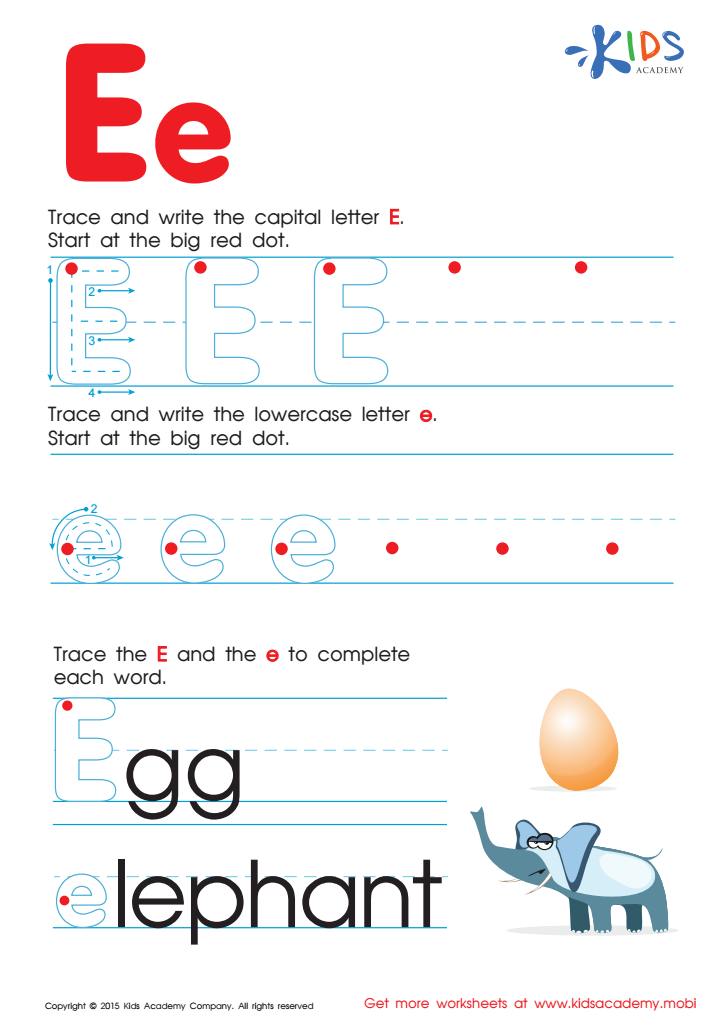
Letter E Tracing Page

Letter A Tracing Worksheet
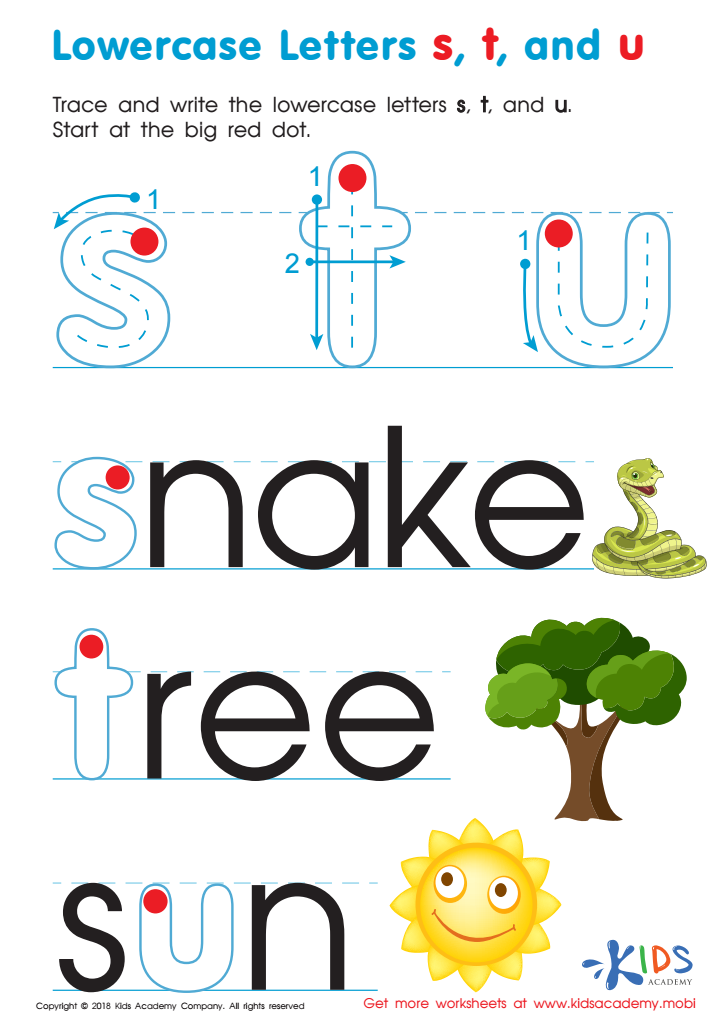
Lowercase Letters s t u Worksheet
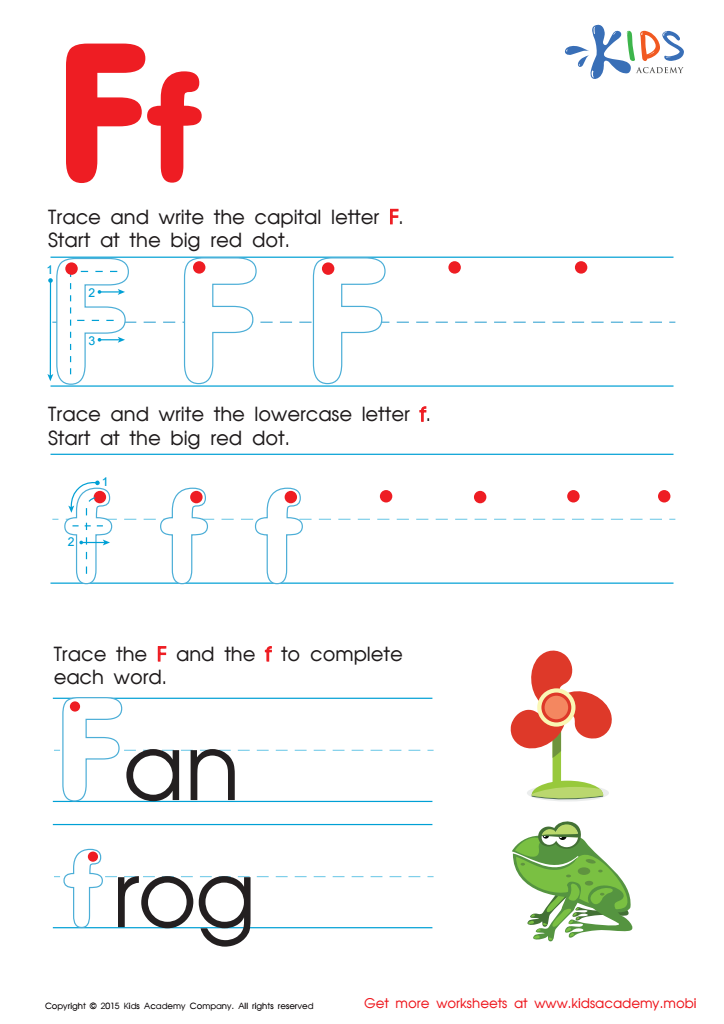
Letter F Tracing Page
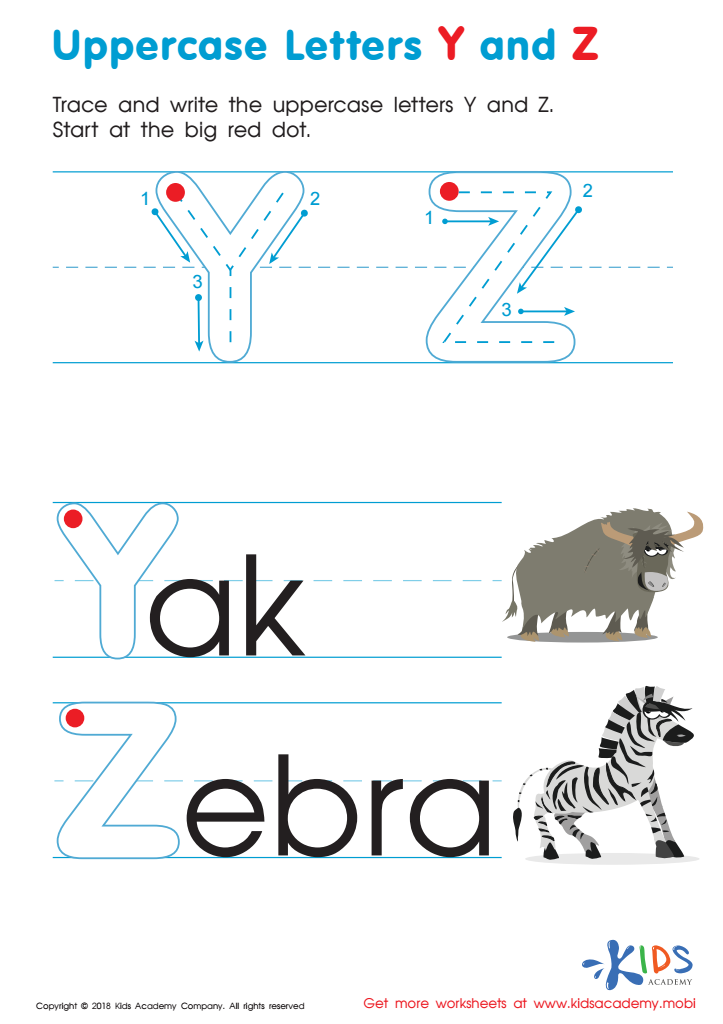
Uppercase Letters Y Z Worksheet
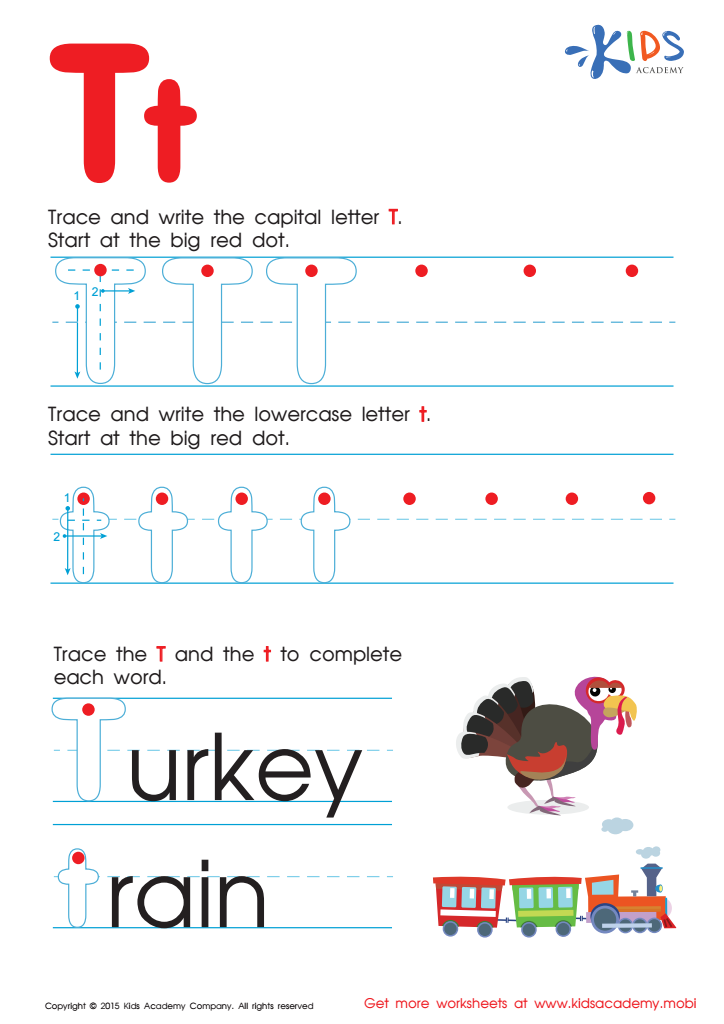
Letter T Tracing Page

Letter D Tracing Page







Fine motor skills are crucial for children aged 6-7, as they lay the groundwork for more complex tasks in both academic and everyday life. Tracing letters enhances these skills by improving hand-eye coordination, grip strength, and dexterity, which are essential for writing, drawing, and other activities. As children engage in tracing, they develop the precision necessary for forming letters correctly, directly impacting their literacy and communication skills.
Moreover, tracing letters can boost confidence in young learners. As they master each letter, they experience a sense of accomplishment, which fosters a positive attitude toward writing and learning. This confidence can translate into greater enthusiasm for academics, encouraging children to tackle new challenges both in and out of the classroom.
Furthermore, engaging in fine motor activities like tracing has cognitive benefits. It promotes focus and concentration, reinforcing neural pathways that support better learning outcomes. For parents and teachers, understanding the importance of fine motor skills development through tracing activities ensures that children are equipped with essential tools for their educational journey. By nurturing these skills, they are not only helping children succeed academically but also preparing them for daily tasks and future endeavors.








