Animal identification Worksheets for Ages 6-7
21 filtered results
-
From - To
Discover our engaging animal identification worksheets designed specifically for children aged 6-7. These fun and interactive resources will help young learners develop their observation and critical thinking skills as they explore the fascinating world of animals. With colorful visuals and diverse activities, students will learn to recognize different species, understand their habitats, and distinguish between various animal groups. Perfect for home or classroom use, our worksheets encourage curiosity and enhance vocabulary while making learning enjoyable. Start your child's journey into animal identification today and watch them become mini zoologists! Explore our collection now to access printable worksheets that spark excitement and learning.
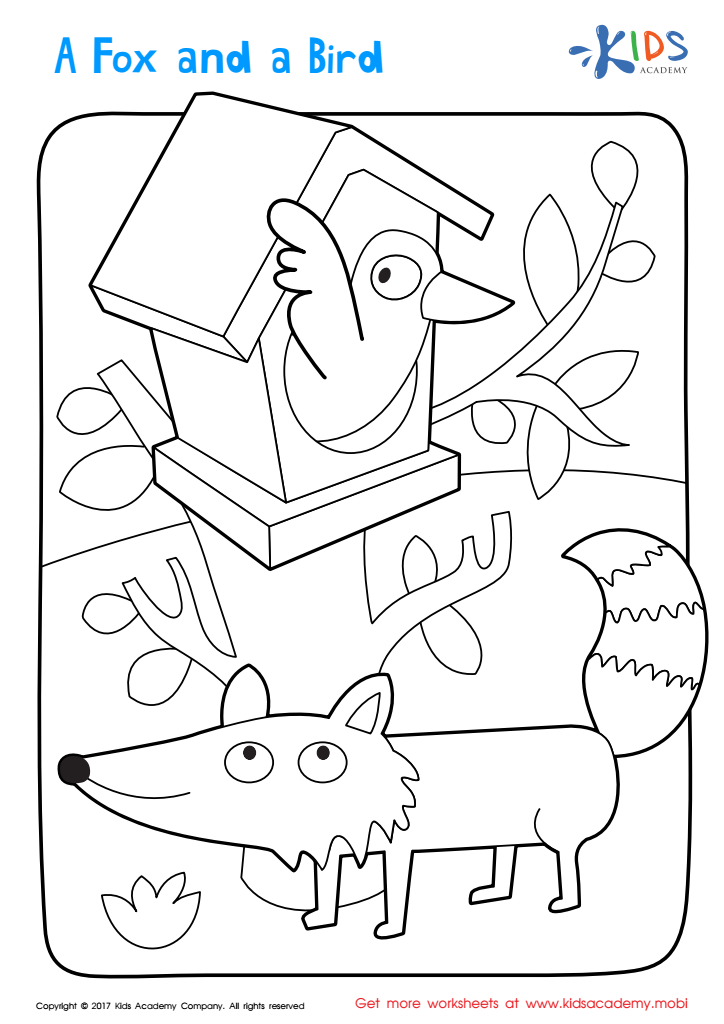
A Fox and Bird Coloring Page
 Assign to My Students
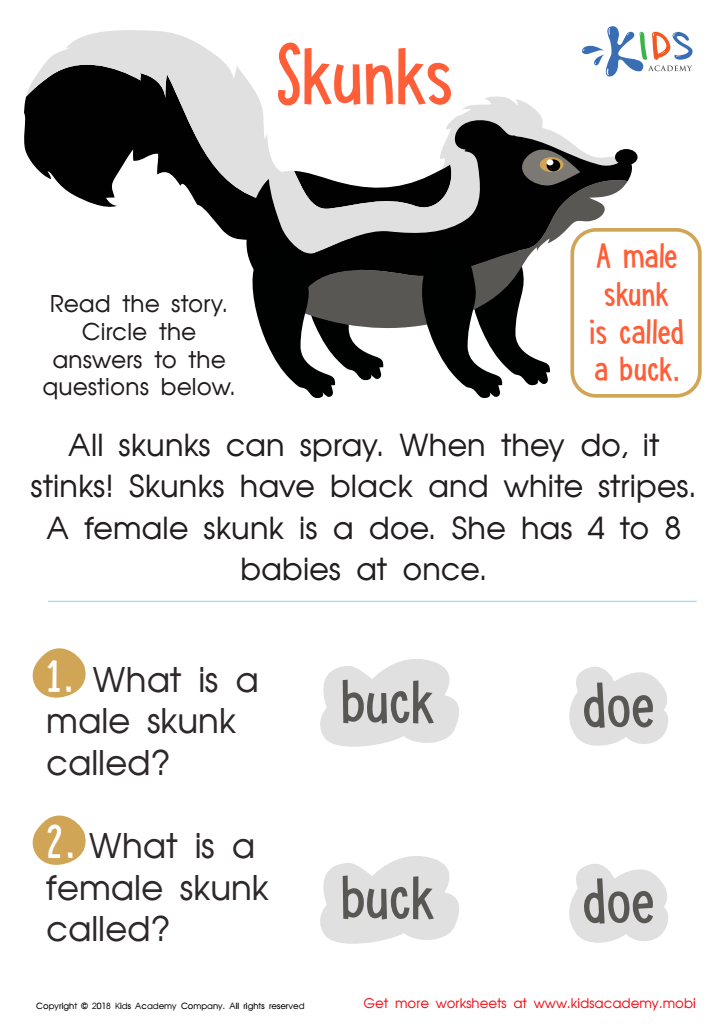
Skunks Worksheet
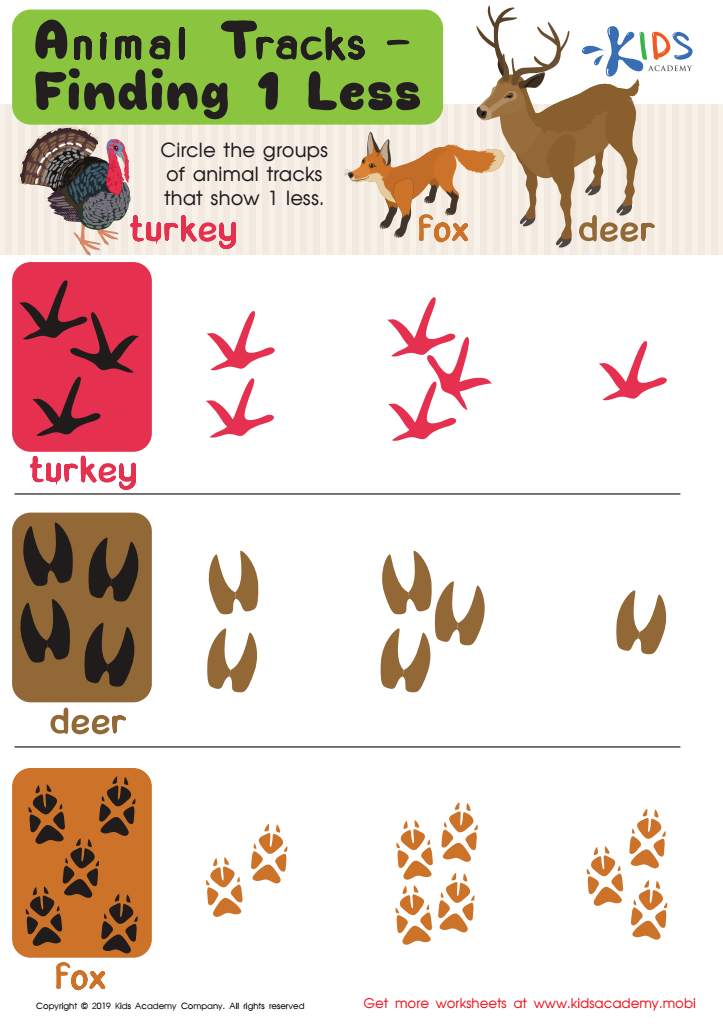
Animal Tracks: Find 1 Less Worksheet
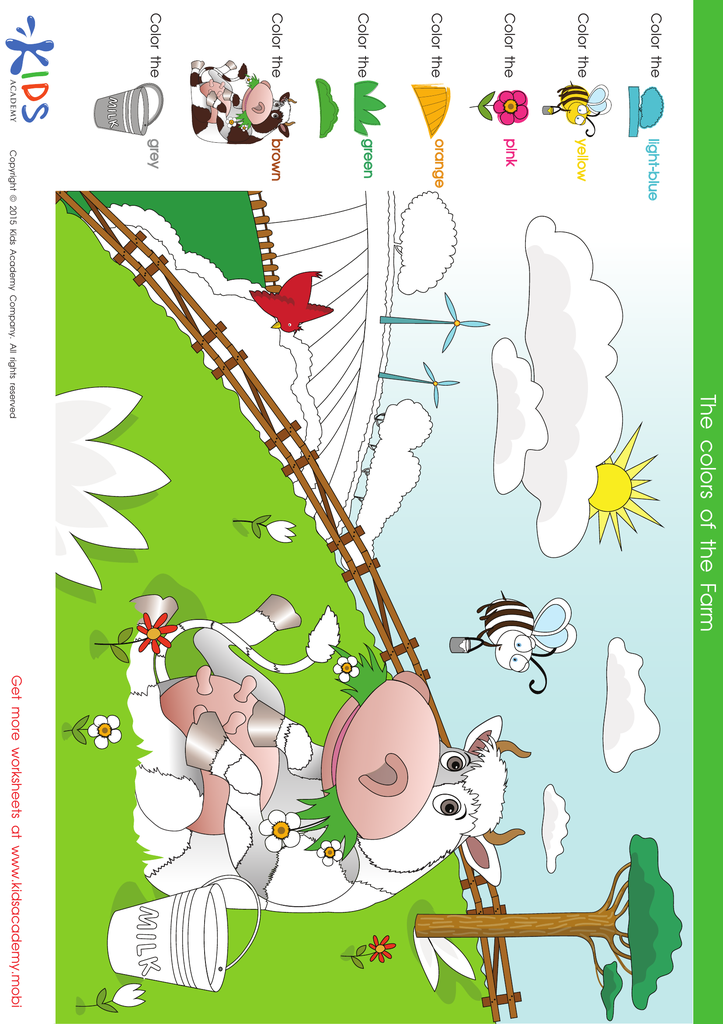
Color the Cow and the Fields Coloring Pages
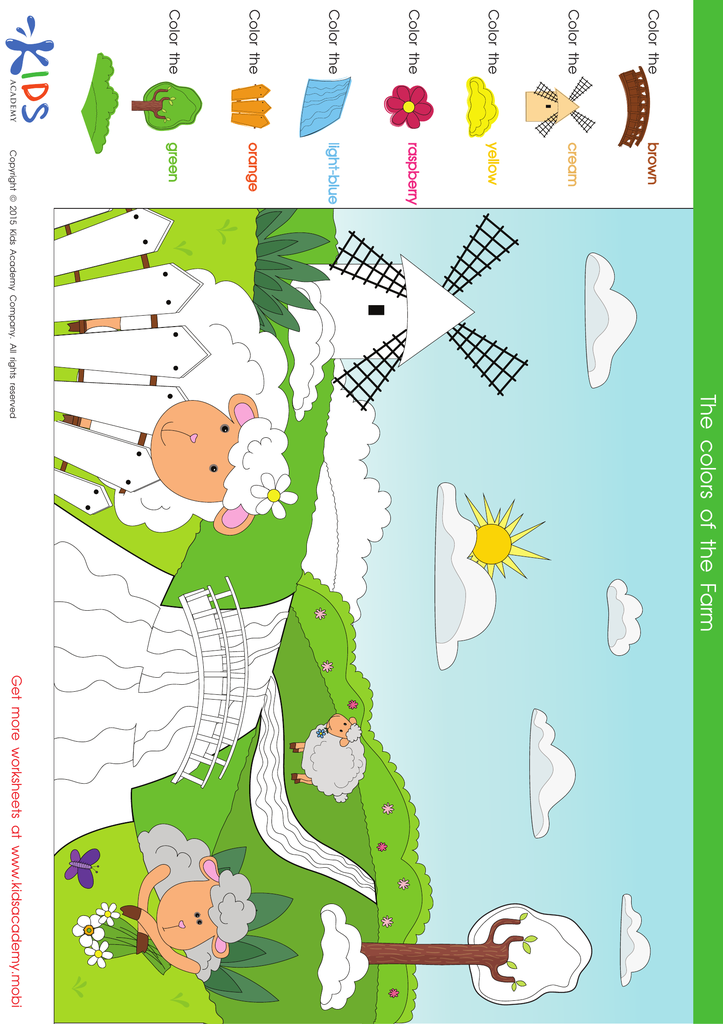
Color the Sheep in the Field Coloring Pages
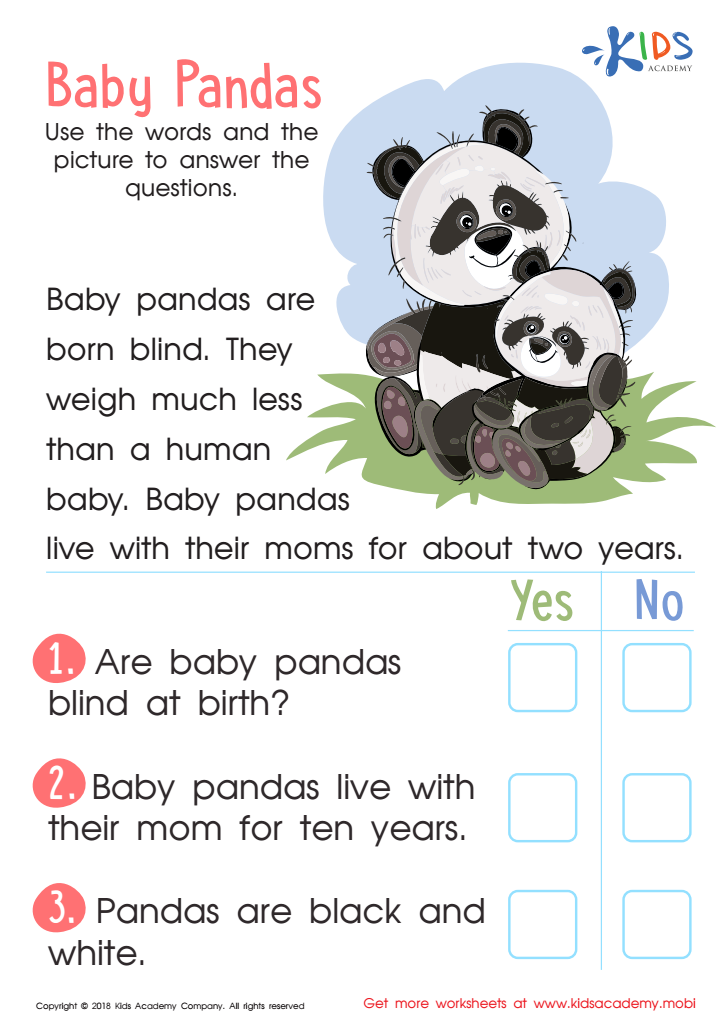
Baby Pandas Worksheet
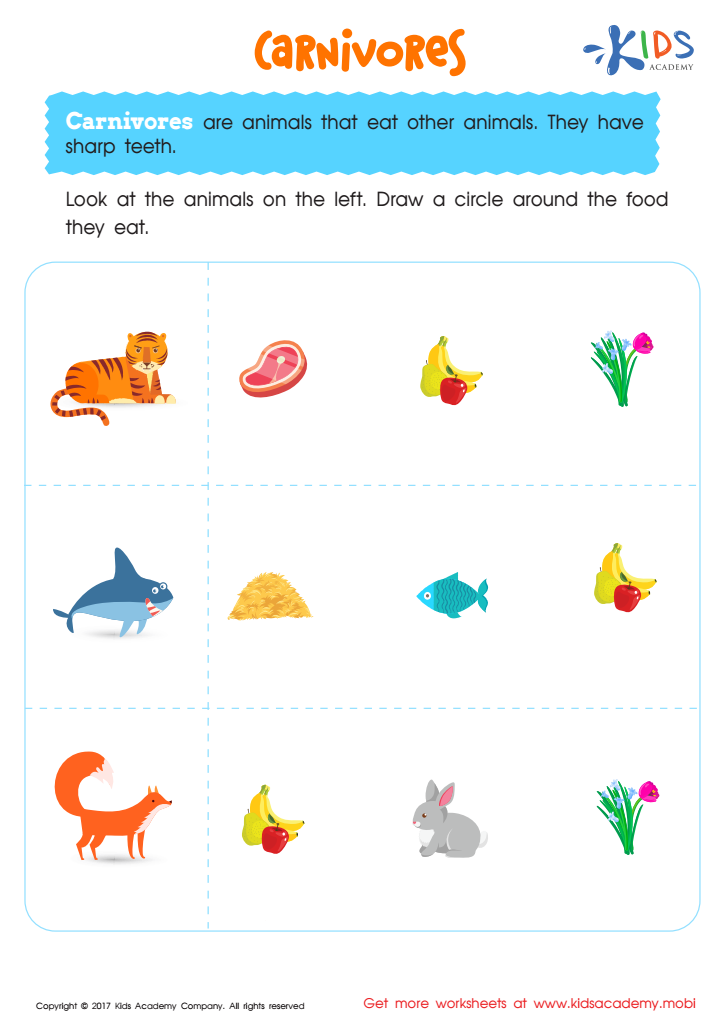
Carnivores Worksheet
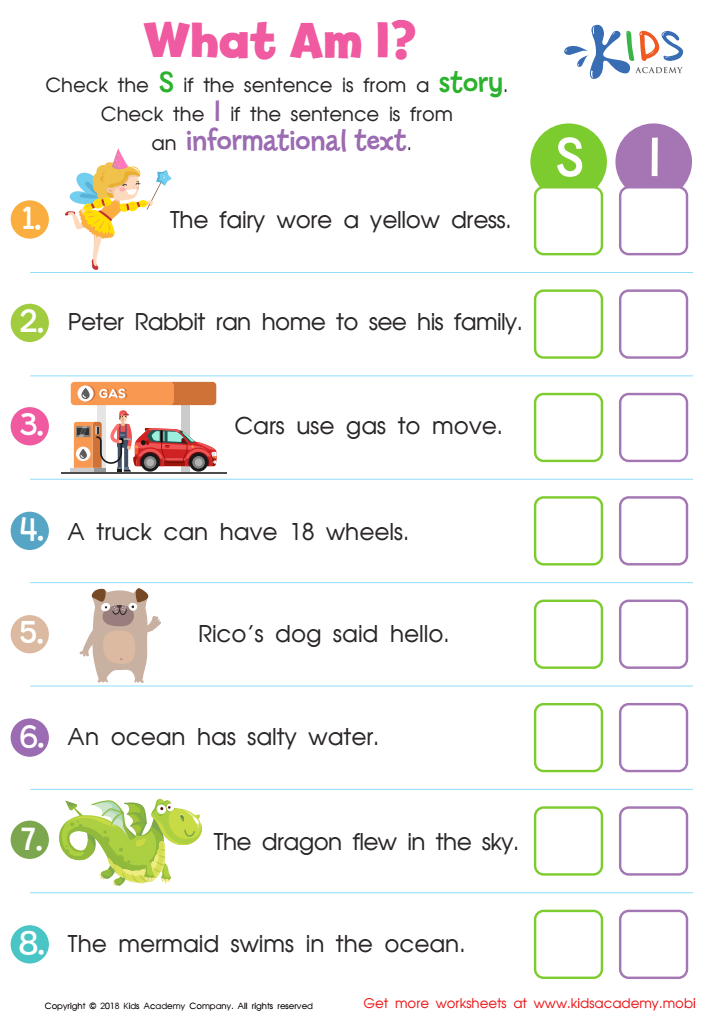
What Am I? Worksheet
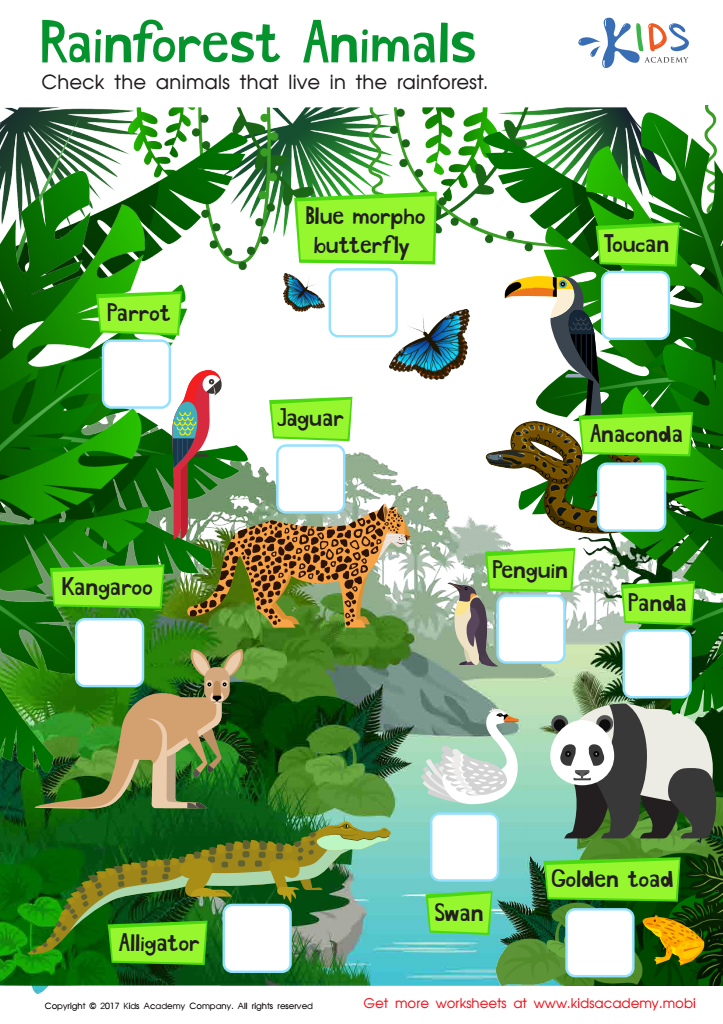
Rainforest Animals Worksheet
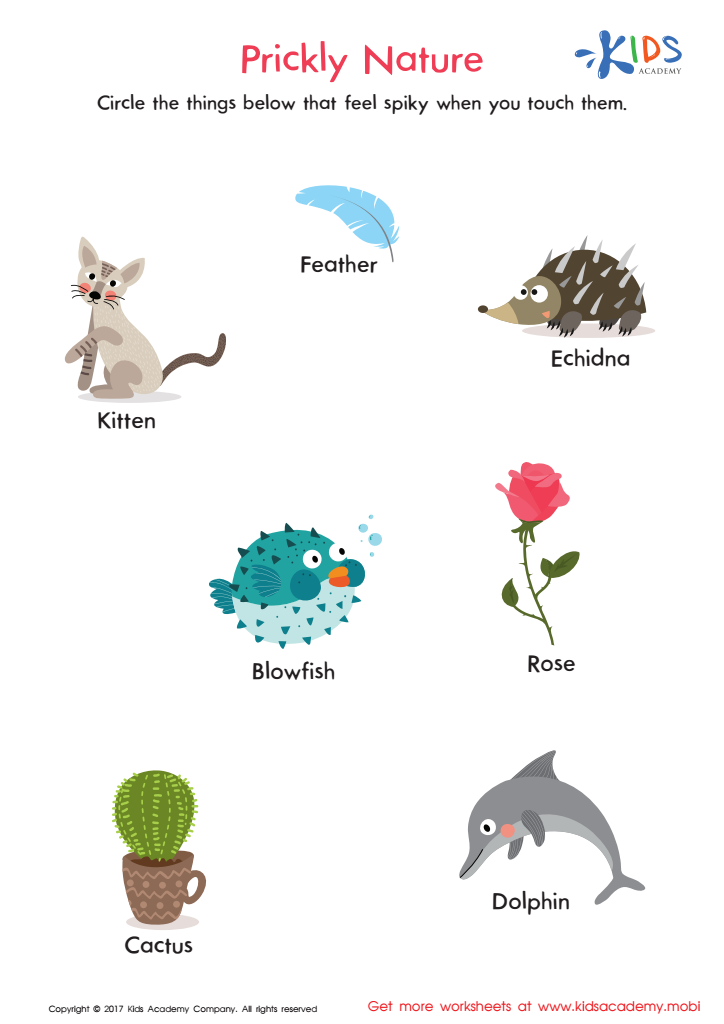
Prickly Nature Worksheet
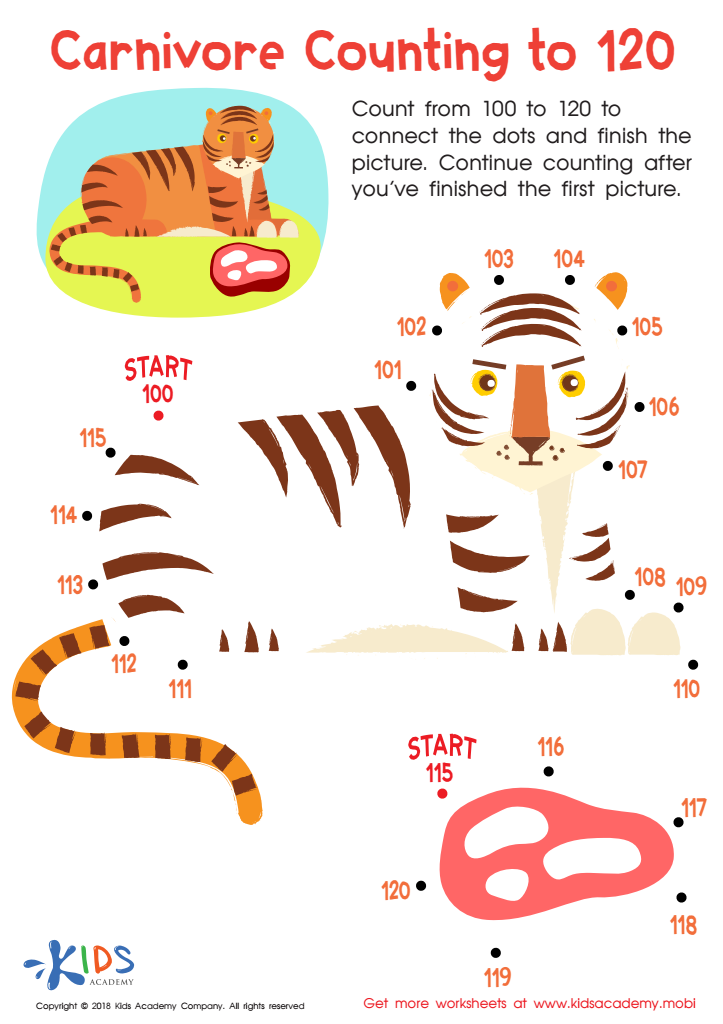
Carnivore Counting to 120 Worksheet
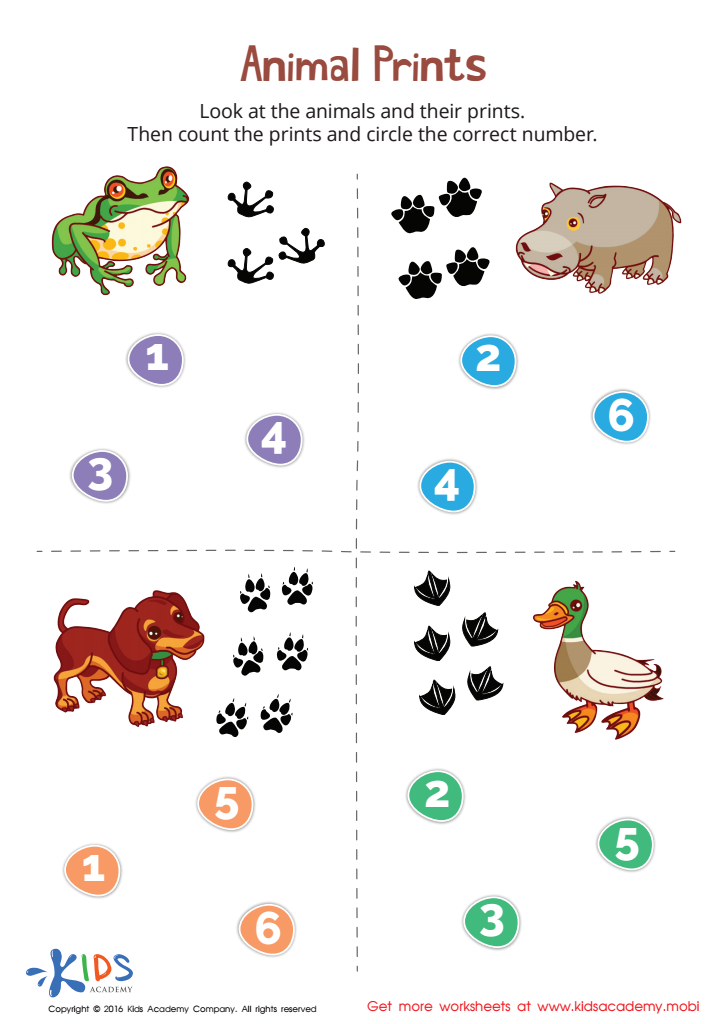
Animal Prints Match-Up Worksheet
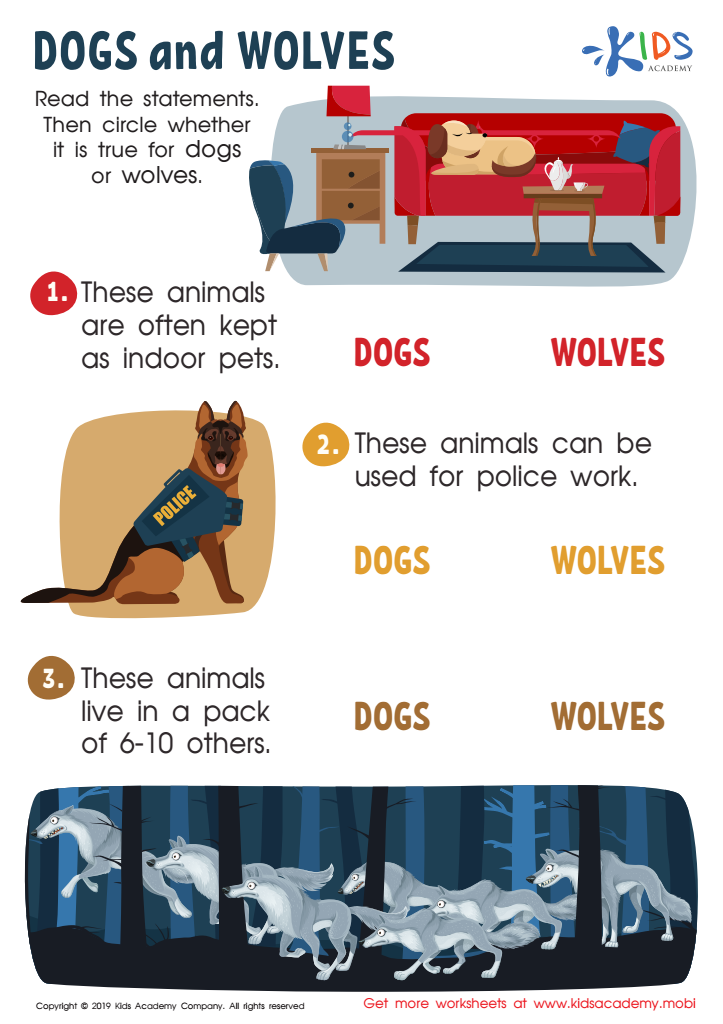
Dogs and Wolves Worksheet
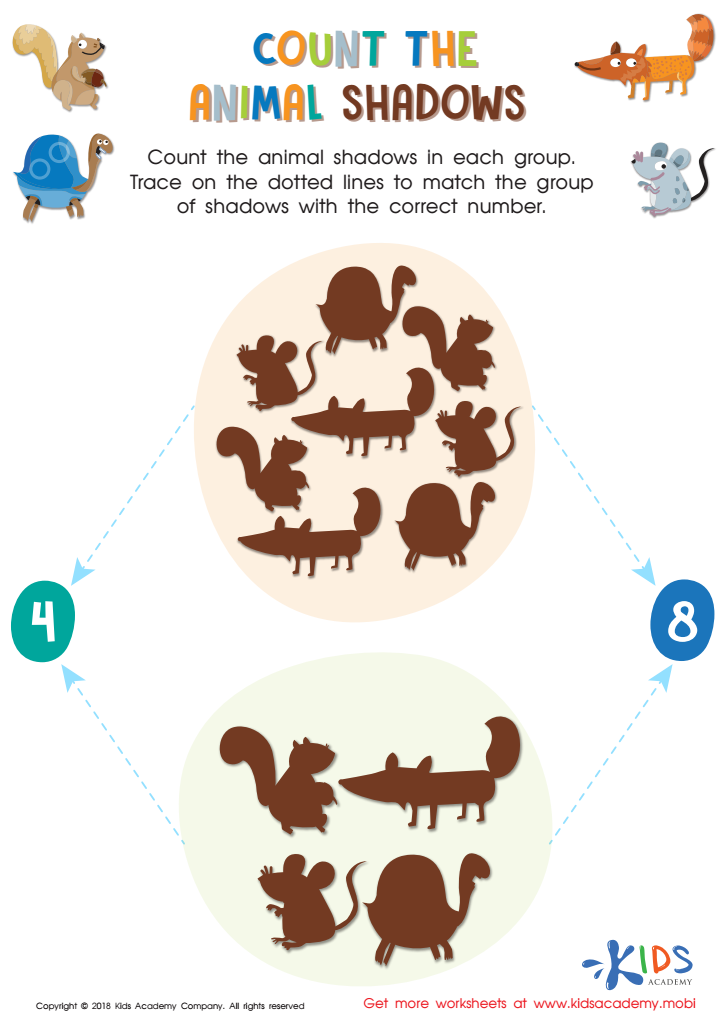
Count the Animal Shadows Worksheet
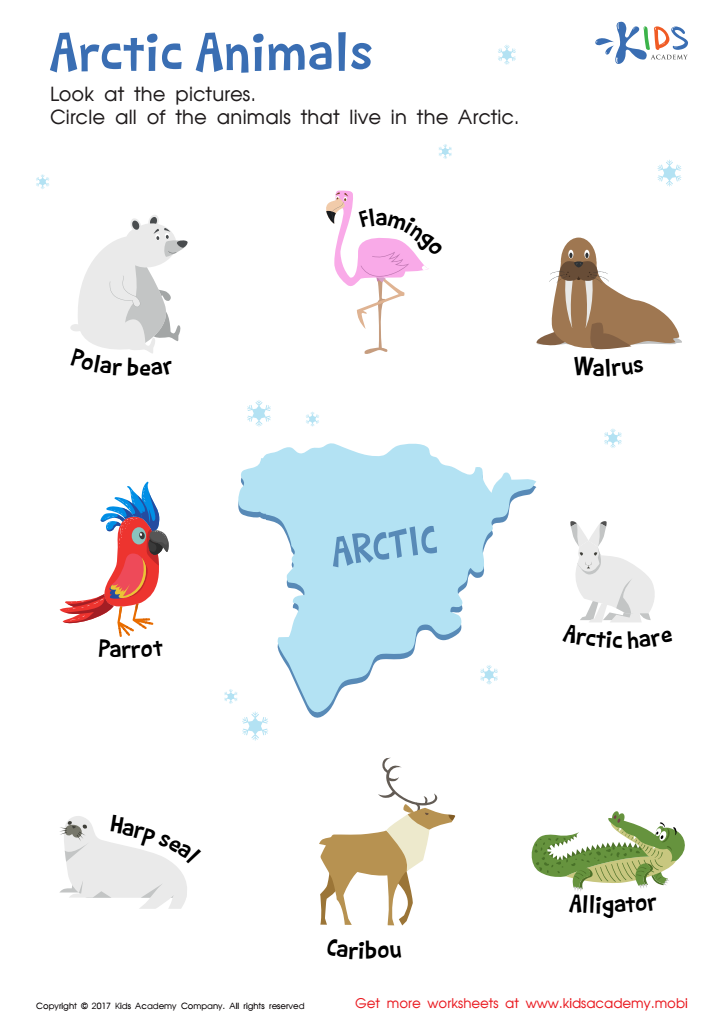
Arctic Animals Worksheet
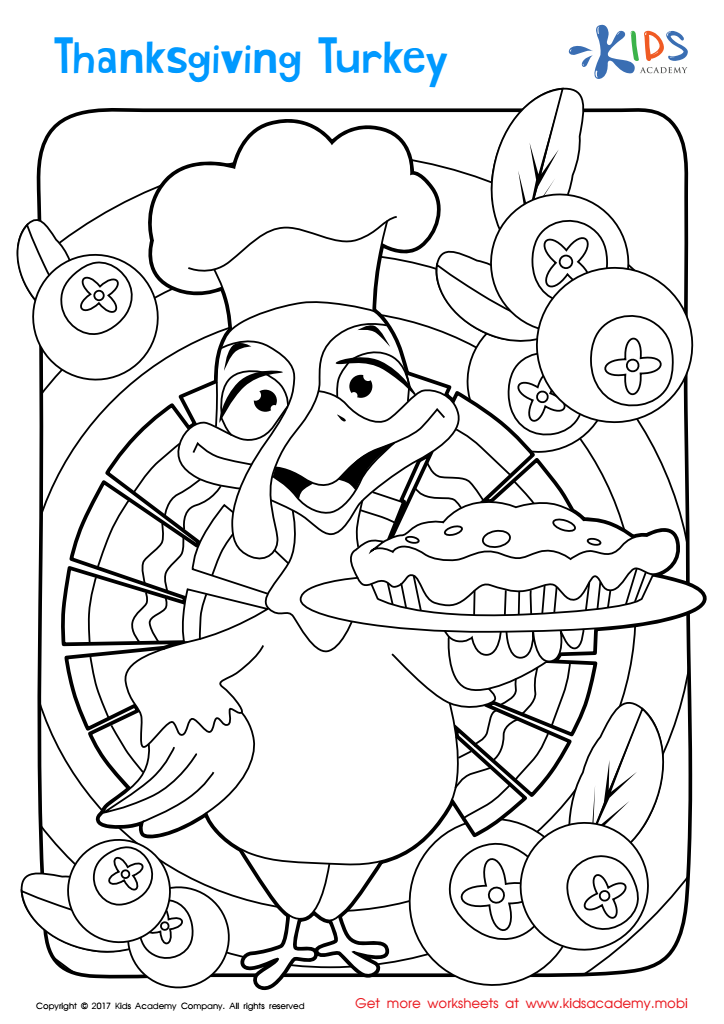
Turkey Thanksgiving Day Worksheet
Assign to My Students
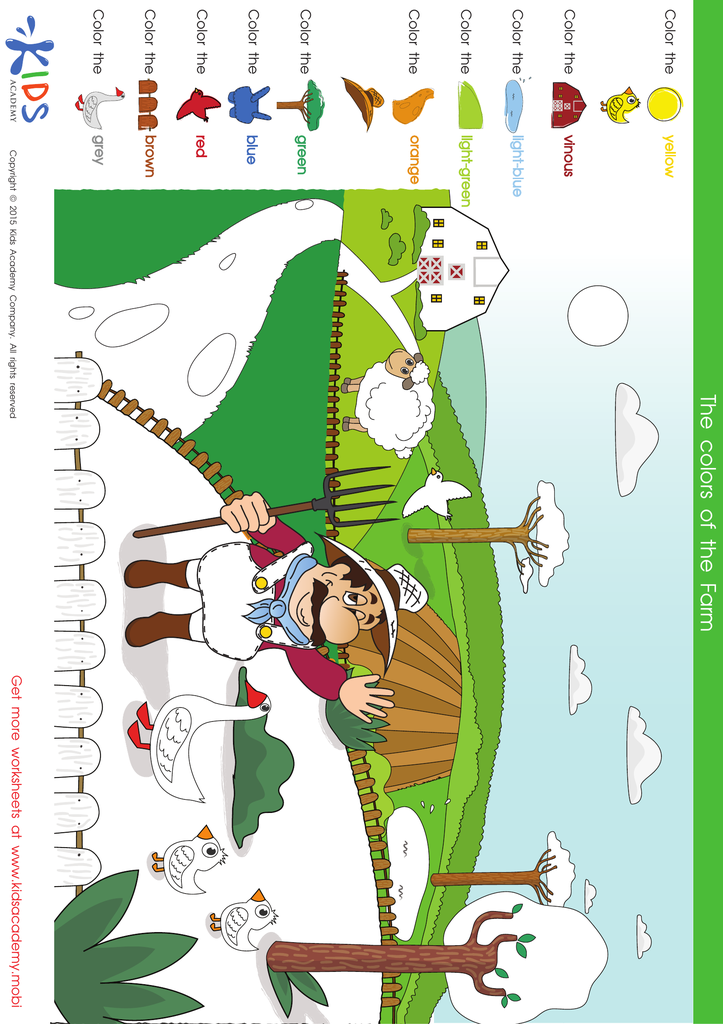
Color the Farmer and His Geese Coloring Pages
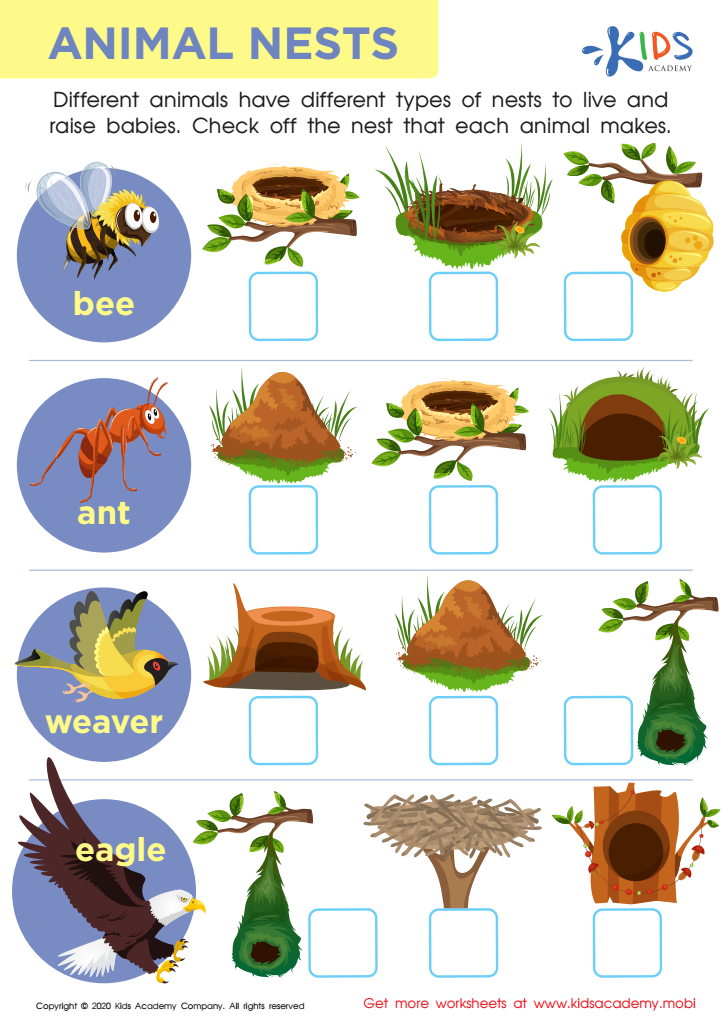
Animal Nests Worksheet

Great Hornbill Worksheet
Assign to My Students
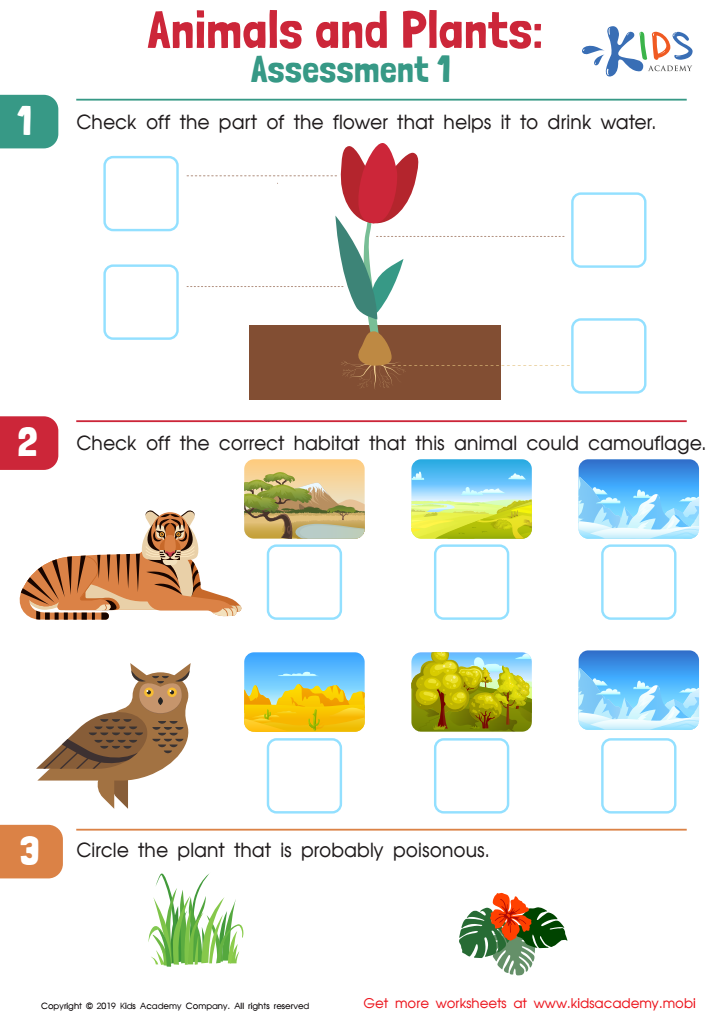
Animals and Plants: Assessment 1 Worksheet
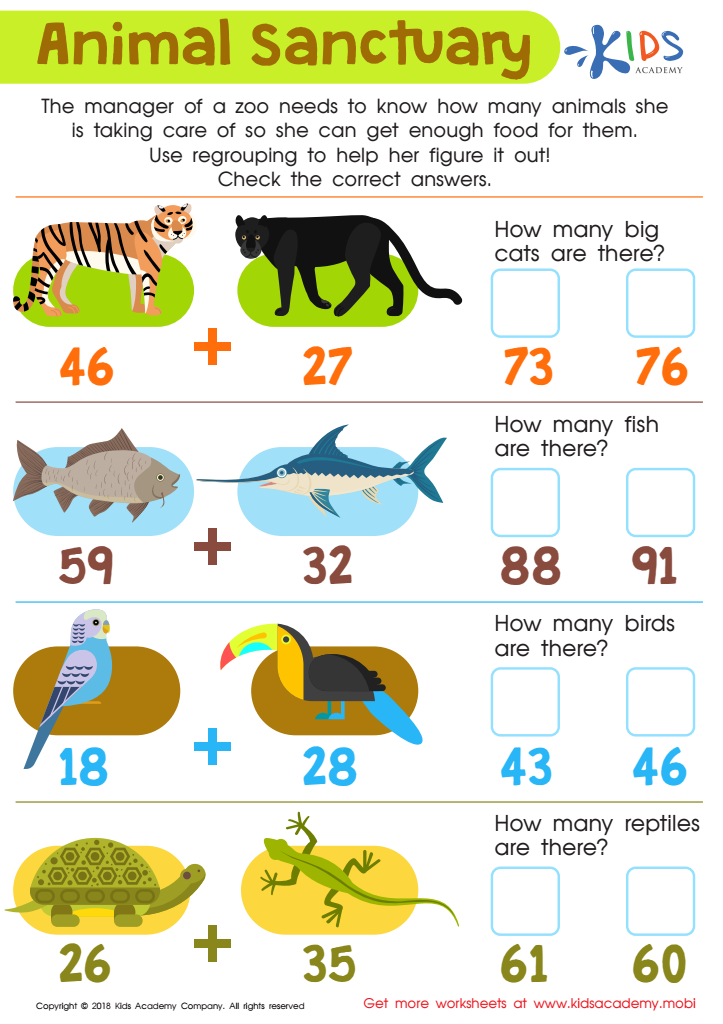
Animal Sanctuary Worksheet






.jpg)
.jpg)
Animal identification is important for children aged 6-7 because it helps them develop essential knowledge about the world around them. Understanding different types of animals, their characteristics, and their habitats promotes curiosity and fosters a love for nature. This foundational knowledge can lead to a lifelong appreciation for wildlife and conservation.
Parents and teachers should care about animal identification as it encourages critical thinking skills. Children learn to categorize animals based on their features, which sharpens their observational skills and enhances their cognitive development. For example, recognizing the differences between mammals, birds, reptiles, and amphibians allows children to grasp basic biological concepts.
Additionally, learning about animals promotes empathy and respect for living creatures. When children can identify animals, they become more aware of the needs and rights of these beings, nurturing a sense of responsibility for the environment.
Furthermore, animal identification can serve as a fun and engaging subject at home and in the classroom. Using games, stories, and hands-on activities can make the learning process enjoyable, while also reinforcing educational standards. In this way, both parents and teachers can play a pivotal role in shaping well-rounded, environmentally conscious individuals.








