Associative learning Worksheets for Ages 6-7
6 filtered results
-
From - To
Unlock your child's potential with our Associative Learning Worksheets designed for ages 6-7! These engaging activities help young learners make connections between concepts, boosting critical thinking and problem-solving skills. Our worksheets are tailored to be age-appropriate, featuring vibrant illustrations and interactive exercises that captivate attention and encourage creativity. Parents and educators will find a variety of topics, from matching related words to identifying patterns, promoting cognitive development in a fun way. Perfect for home or classroom use, these worksheets provide the essential practice children need to strengthen their associative learning abilities. Explore our collection today and watch your child's learning soar!
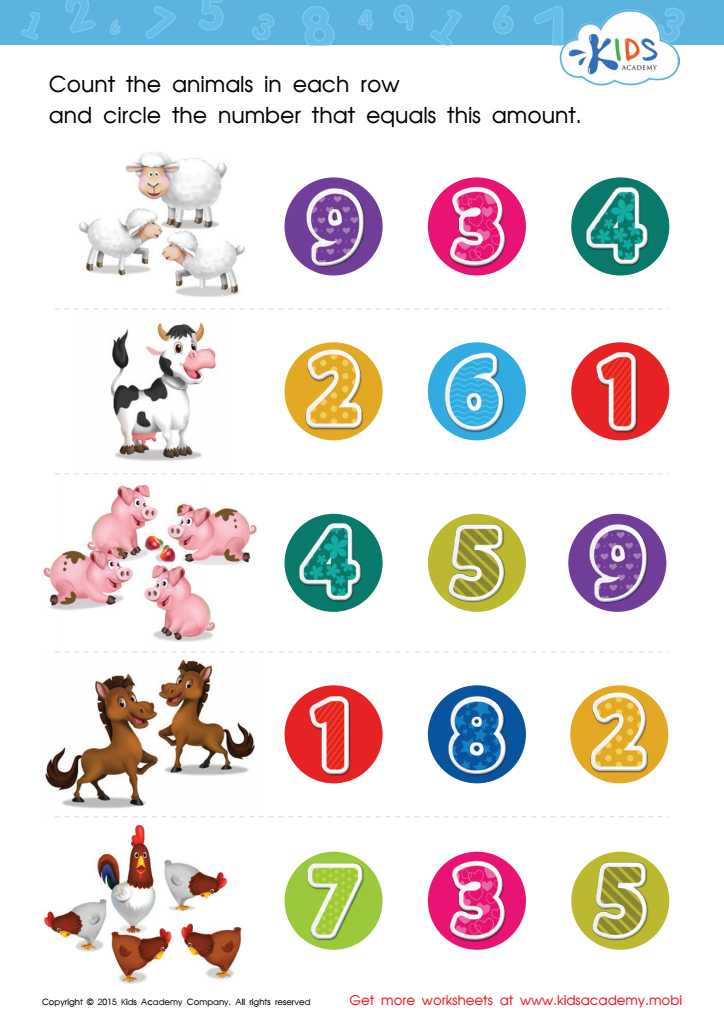
Count and Match 1 – 5 Math Worksheet
 Assign to My Students
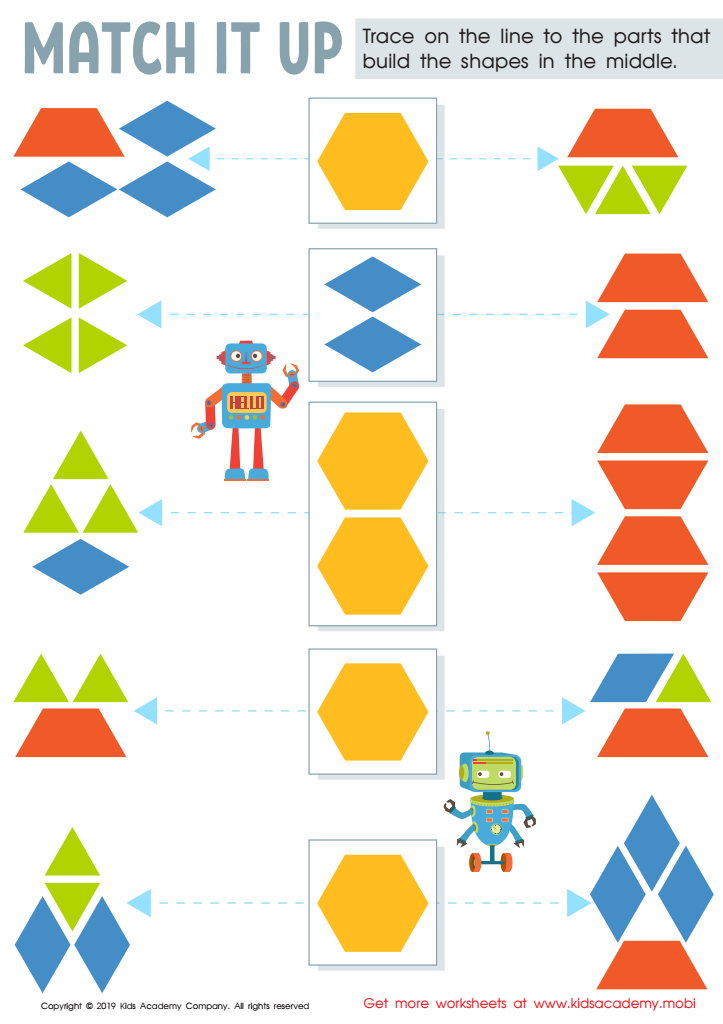
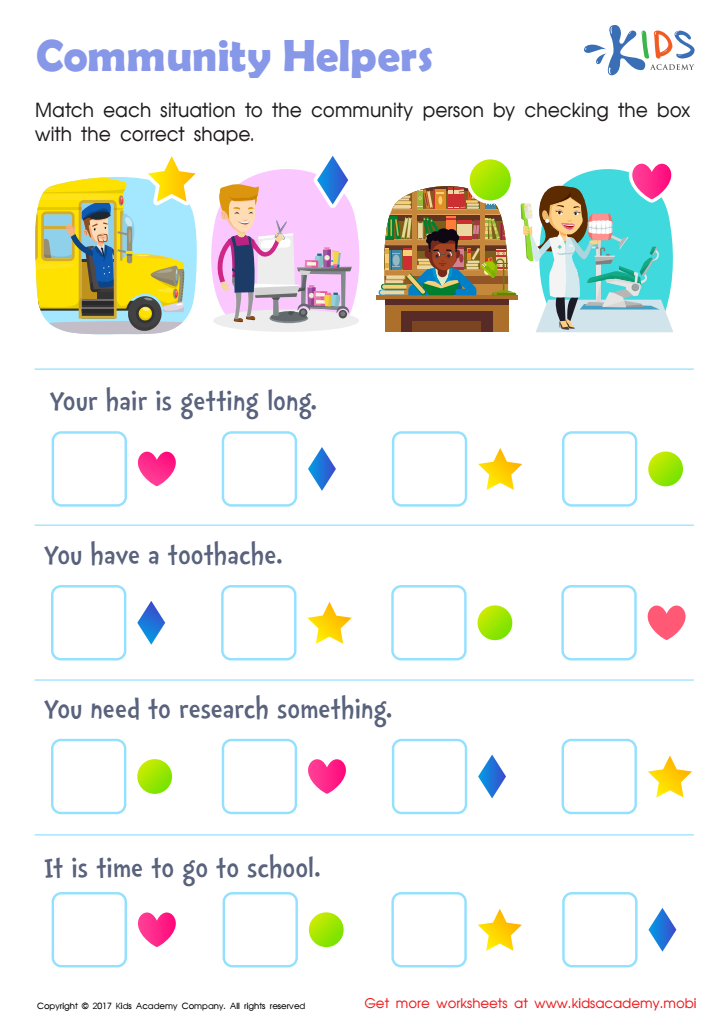
Match It up Worksheet
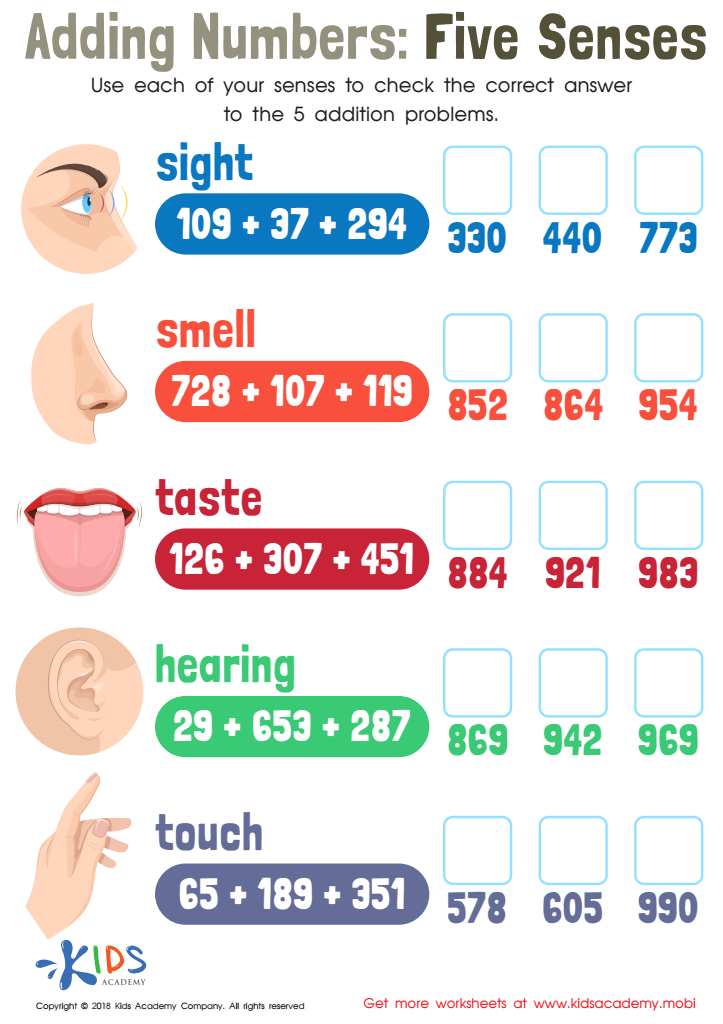
Adding Numbers: Five Senses Worksheet
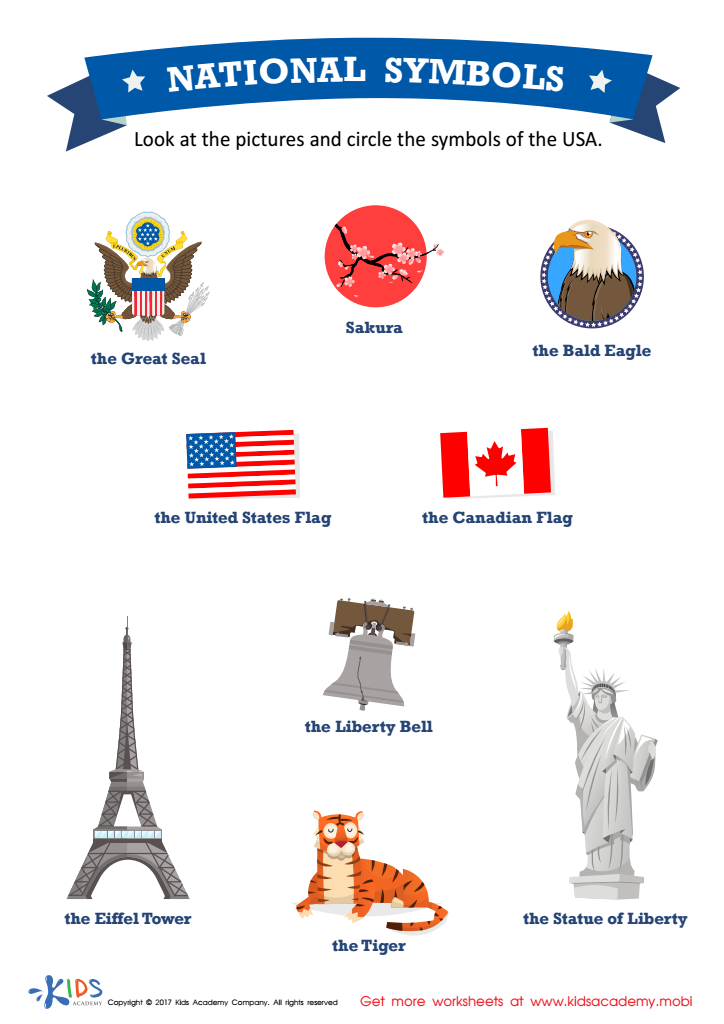
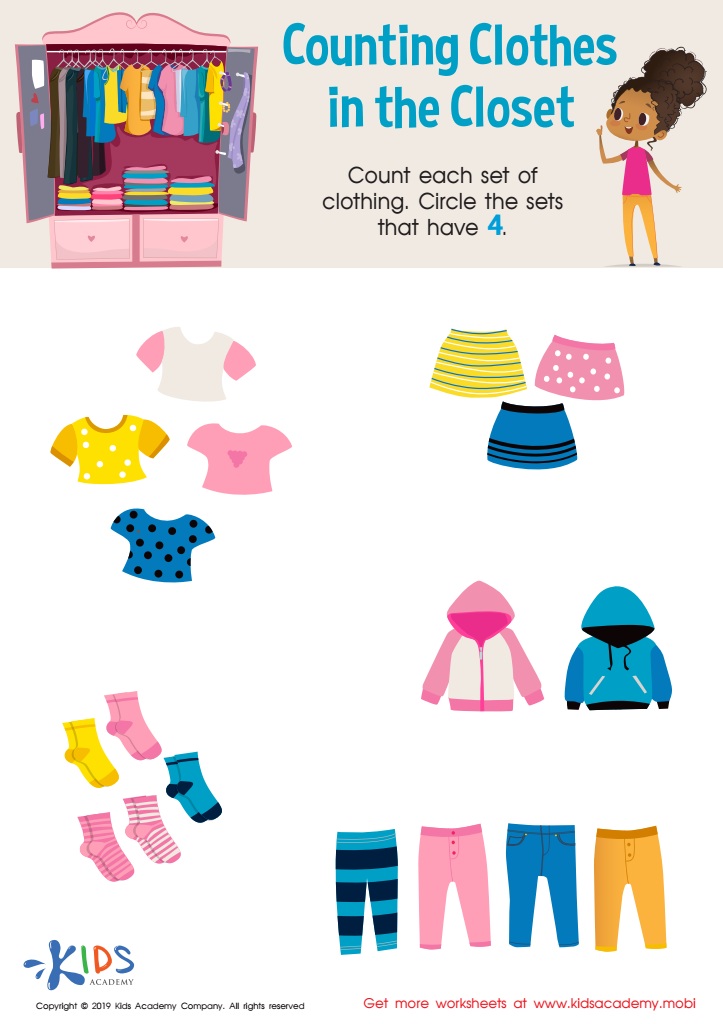
Counting Clothes Worksheet







Associative learning, a fundamental cognitive process where connections between stimuli and responses are formed, is crucial for children aged 6-7 as they develop core skills. At this age, children transition from concrete thinking to more abstract concepts, making it vital for parents and teachers to understand how associative learning impacts this process.
Children are naturally curious, and they learn best through experiences. Associative learning enhances their ability to make connections between prior knowledge and new information, promoting critical thinking and problem-solving skills. For instance, when a student learns that the sound of thunder often precedes rain, they begin to associate those experiences, enhancing their understanding of weather patterns.
Moreover, grasping concepts through associative learning helps improve memory retention. Fun and engaging activities, such as games and storytelling, can help facilitate these connections, making learning more enjoyable. This also aids in developing social skills, as children learn to associate certain behaviors with responses from their peers.
By fostering associative learning, parents and teachers can create a rich, supportive environment that nurtures a child's inquisitive nature, encourages independence, and builds a strong foundation for future academic success. Ultimately, understanding this learning process empowers adults to guide children more effectively in their educational journeys.








