Basic counting skills Worksheets for Ages 6-7
26 filtered results
-
From - To
Nurture your child's foundational math abilities with our "Basic Counting Skills Worksheets for Ages 6-7" from Kids Academy. These engaging and colorful worksheets are designed to make mastering counting enjoyable for young learners. Ideal for children ages 6-7, our resources cover fundamental counting concepts through fun activities and exercises. Whether your child is counting objects, practicing sequence order, or solving simple addition problems, these worksheets will bolster confidence and develop essential math skills crucial for future success. Discover the joy of learning numbers with Kids Academy and download our free printable worksheets today!
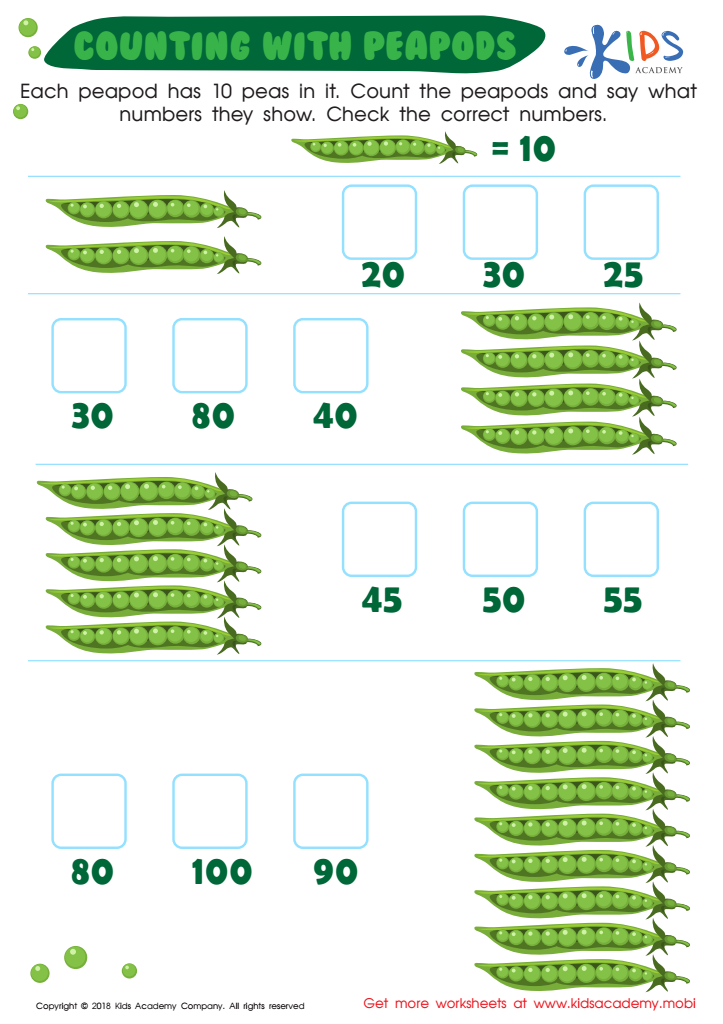
Number Worksheet: Counting With Peapods
 Assign to My Students
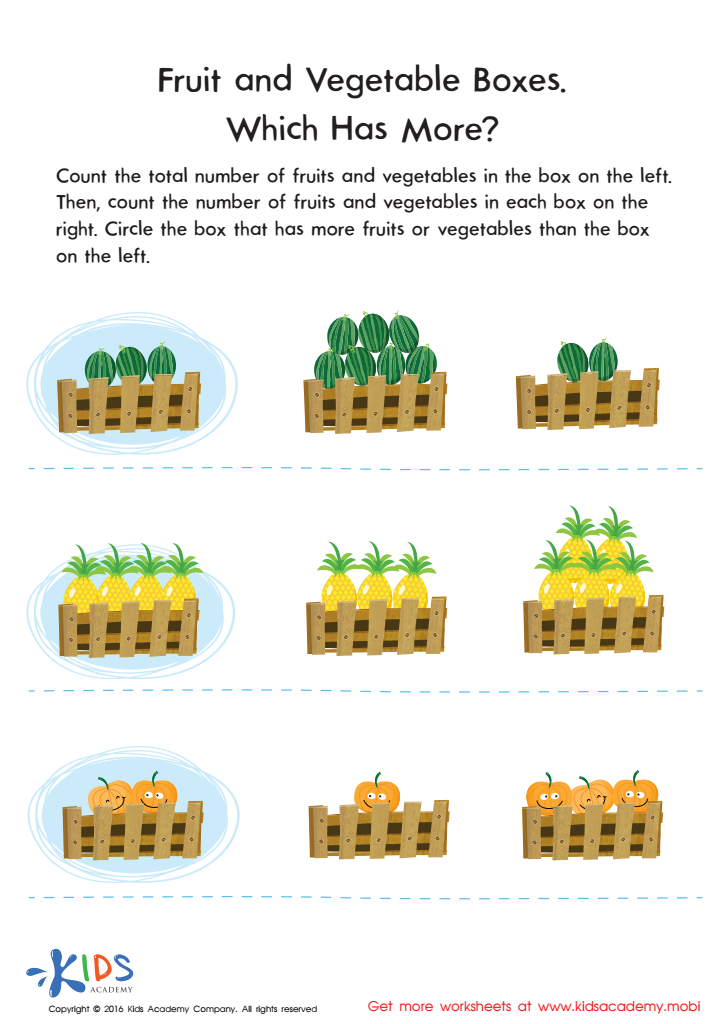
Which Has More? Size Worksheet
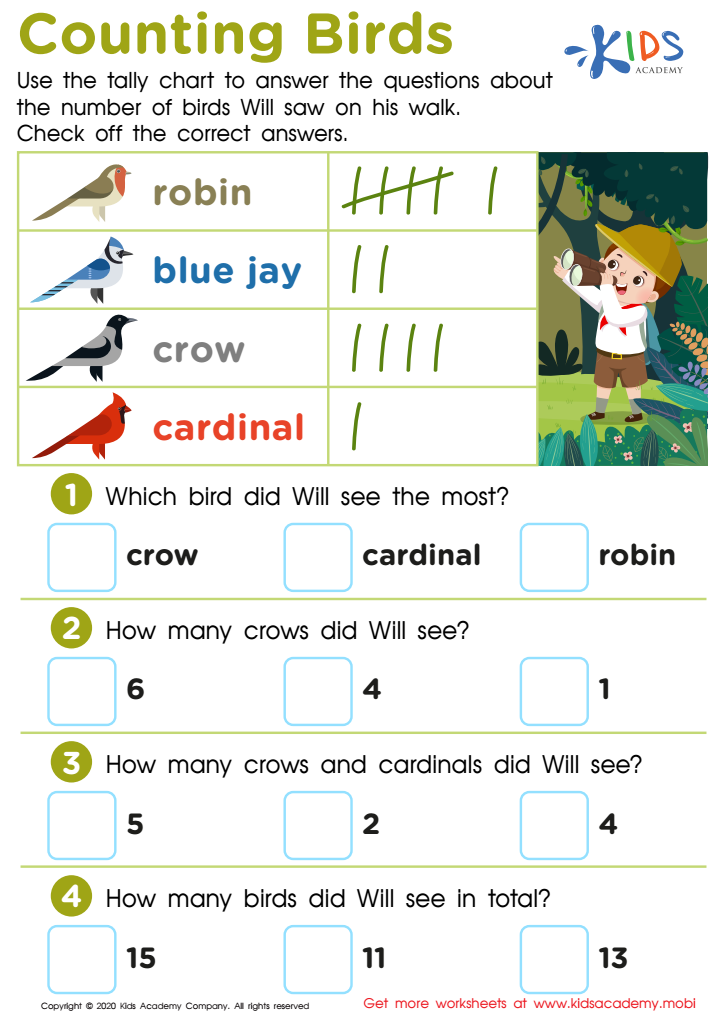
Counting Birds Worksheet
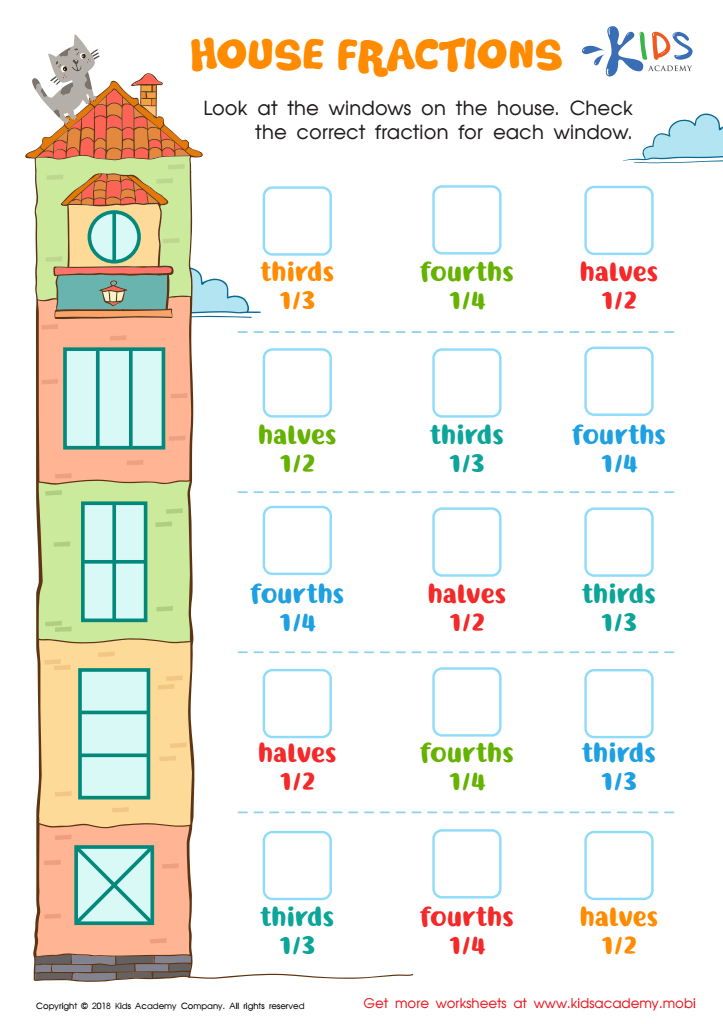
House Fractions Worksheet
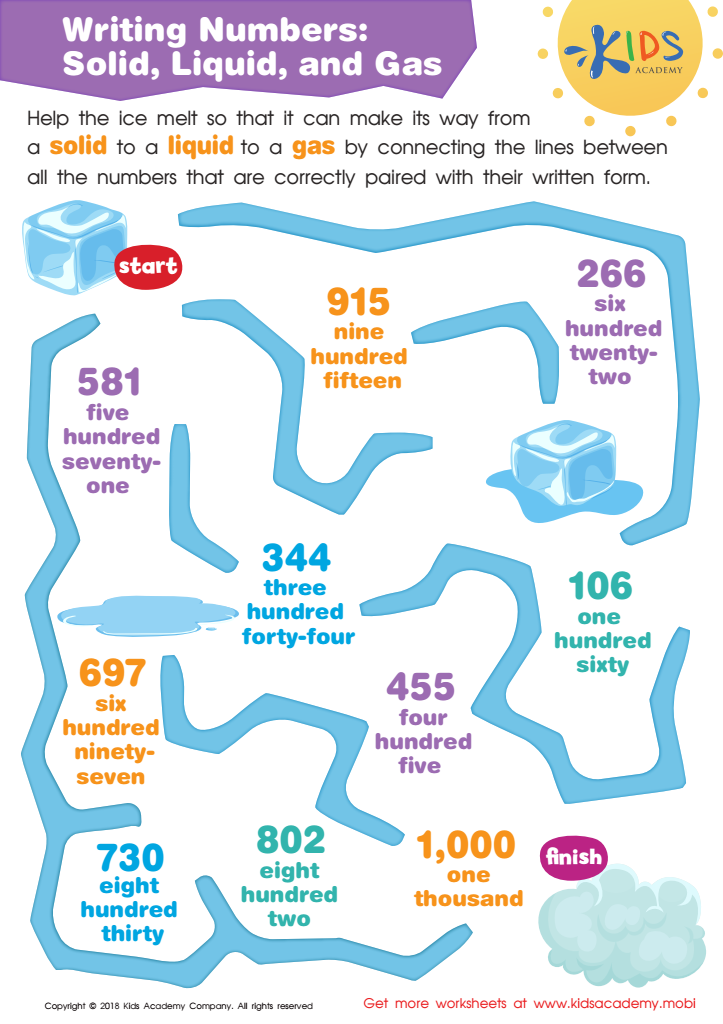
Solid, Liquid, and Gas Writing Numbers Worksheet
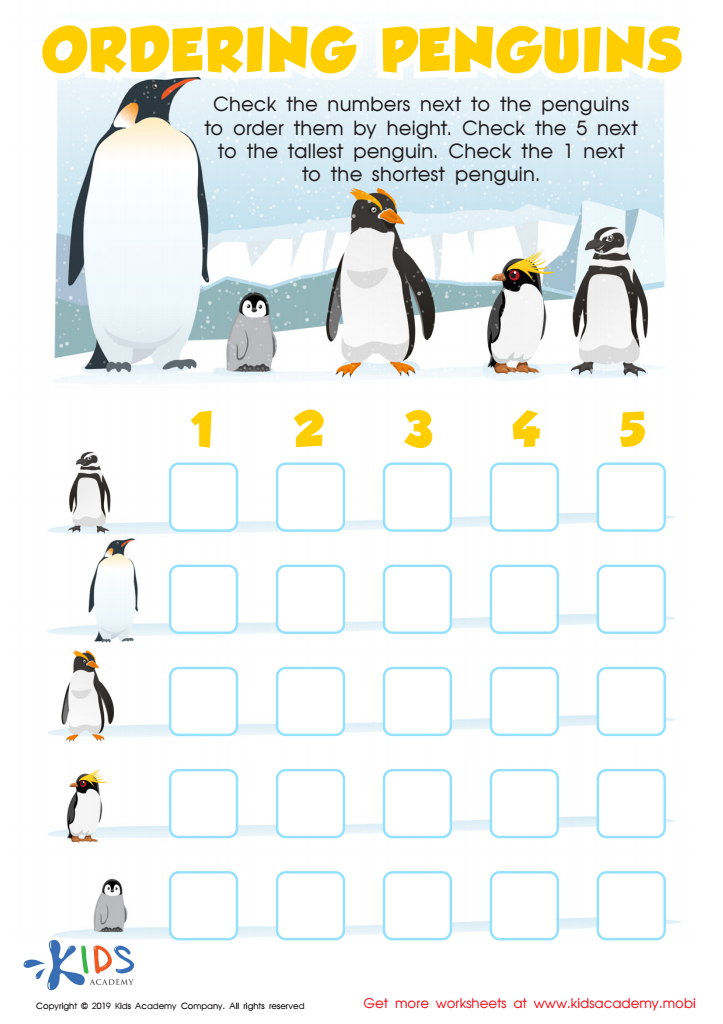
Ordering Penguins Worksheet
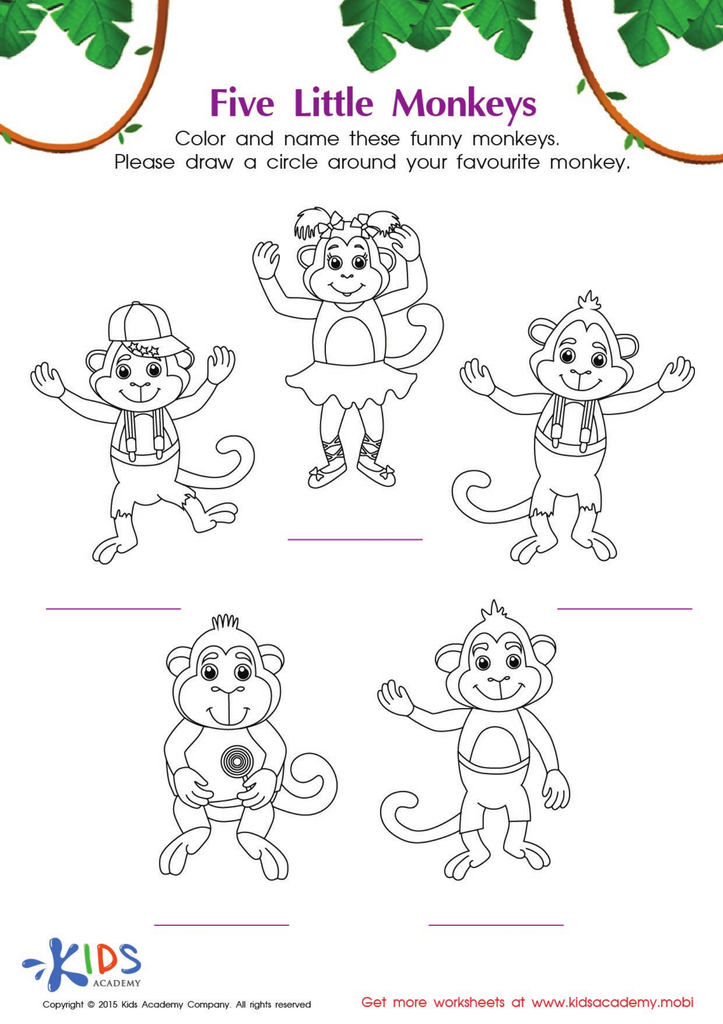
The Five Little Monkeys Coloring Worksheet
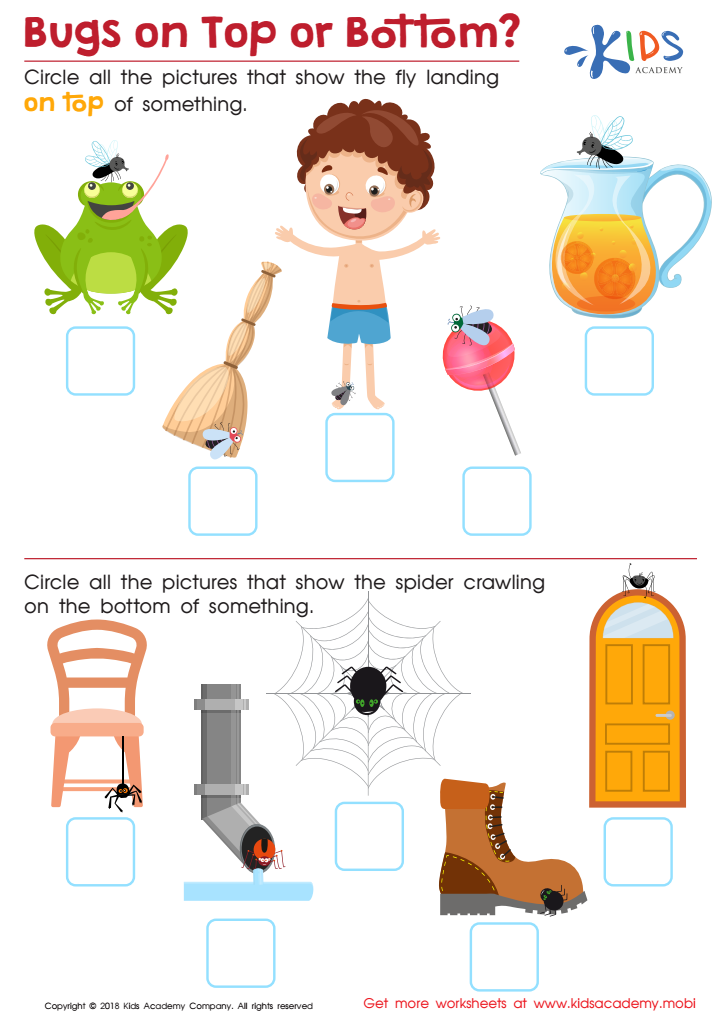
Bugs on Top or Bottom? Worksheet
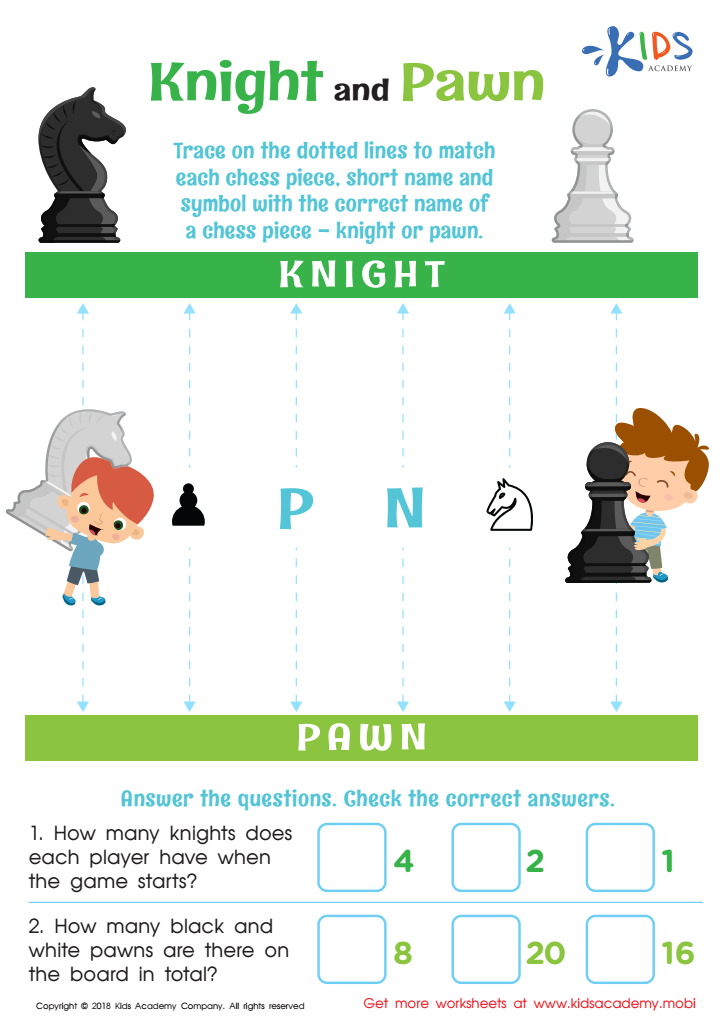
Knight and Pawn Worksheet
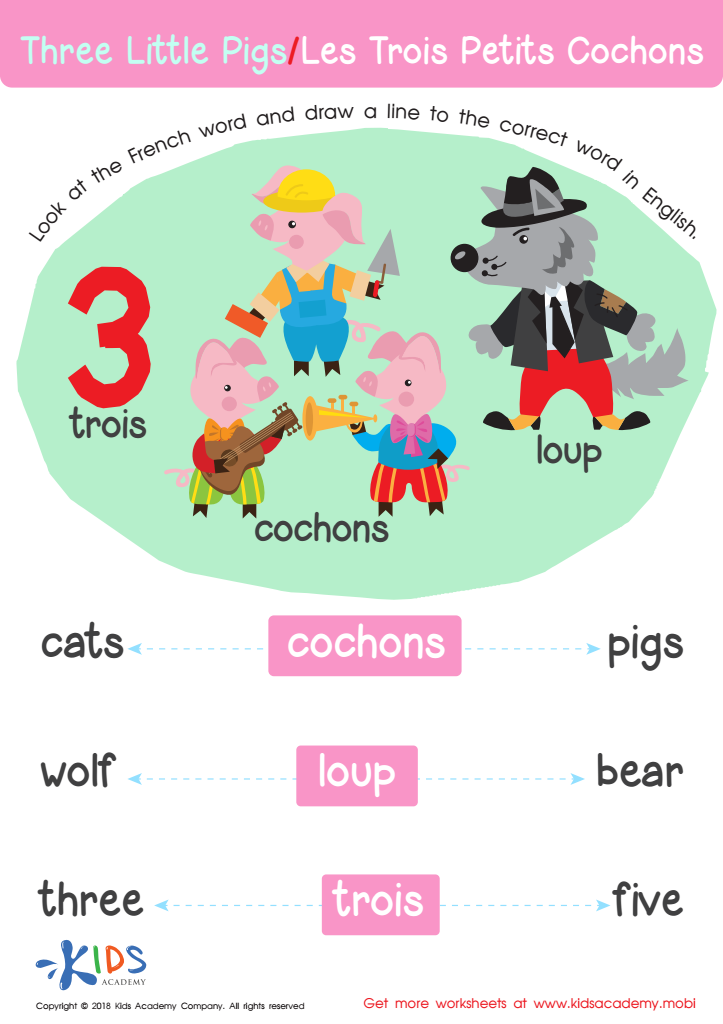
Three Little Pigs / Les Trois Petits Cochons Worksheet
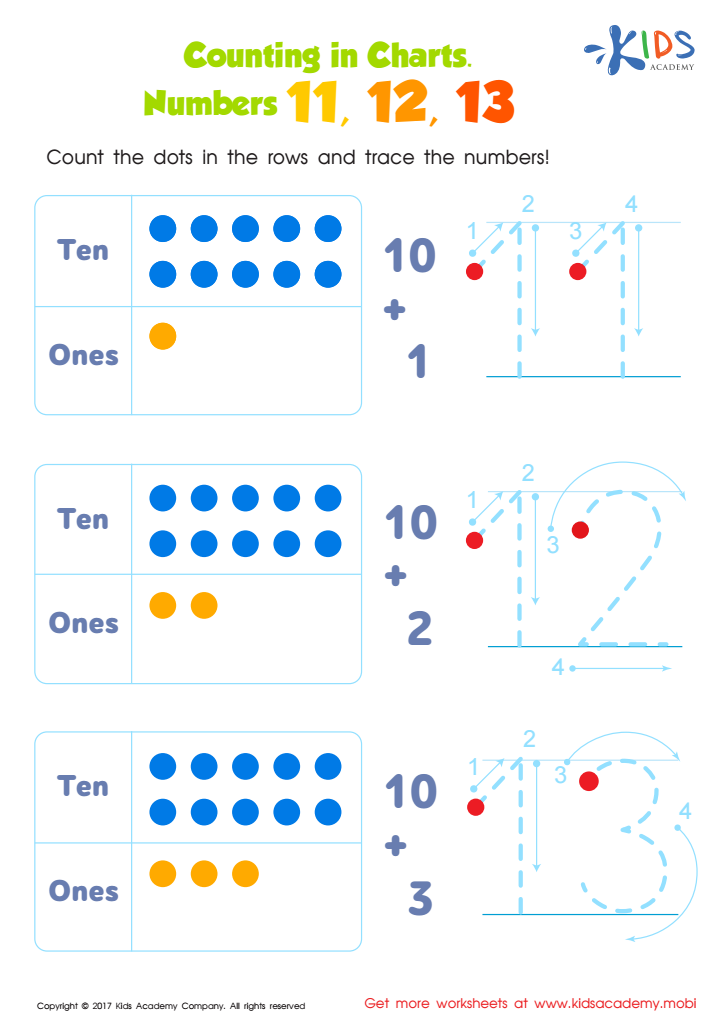
Number Tracing Worksheet For Kindergarten
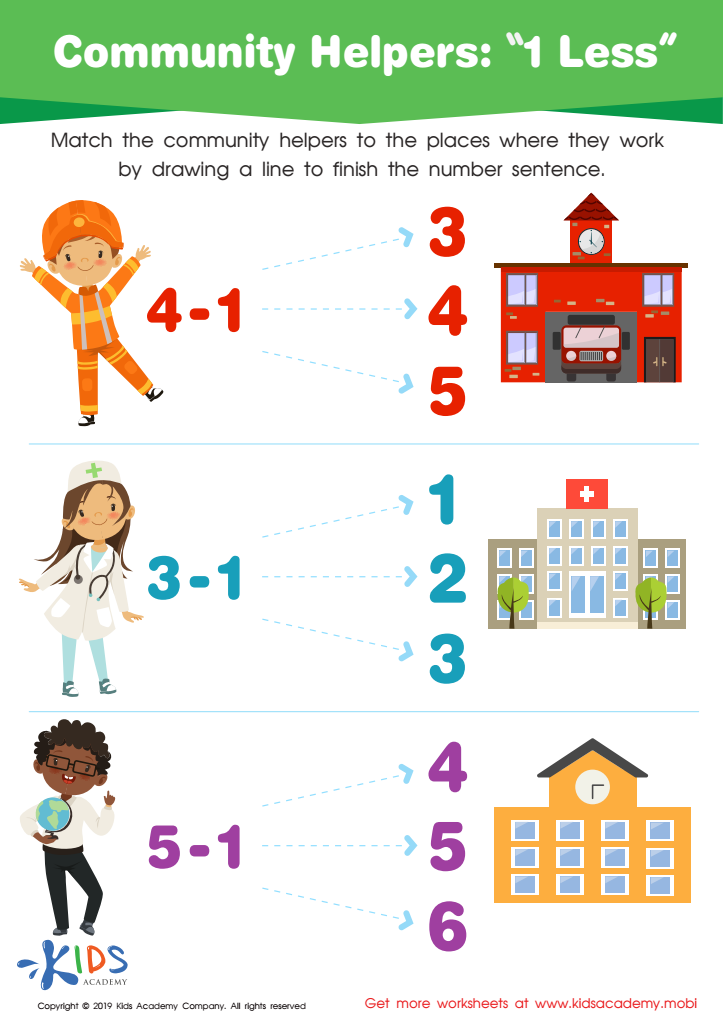
Community Helpers: 1 less Worksheet
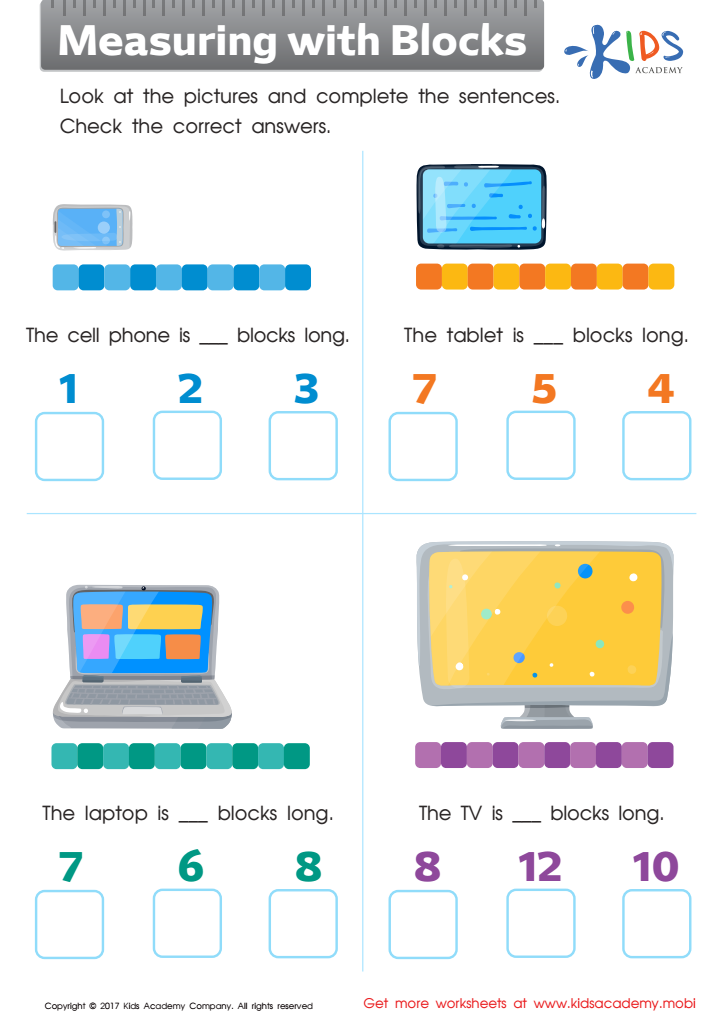
Measuring with Blocks Worksheet
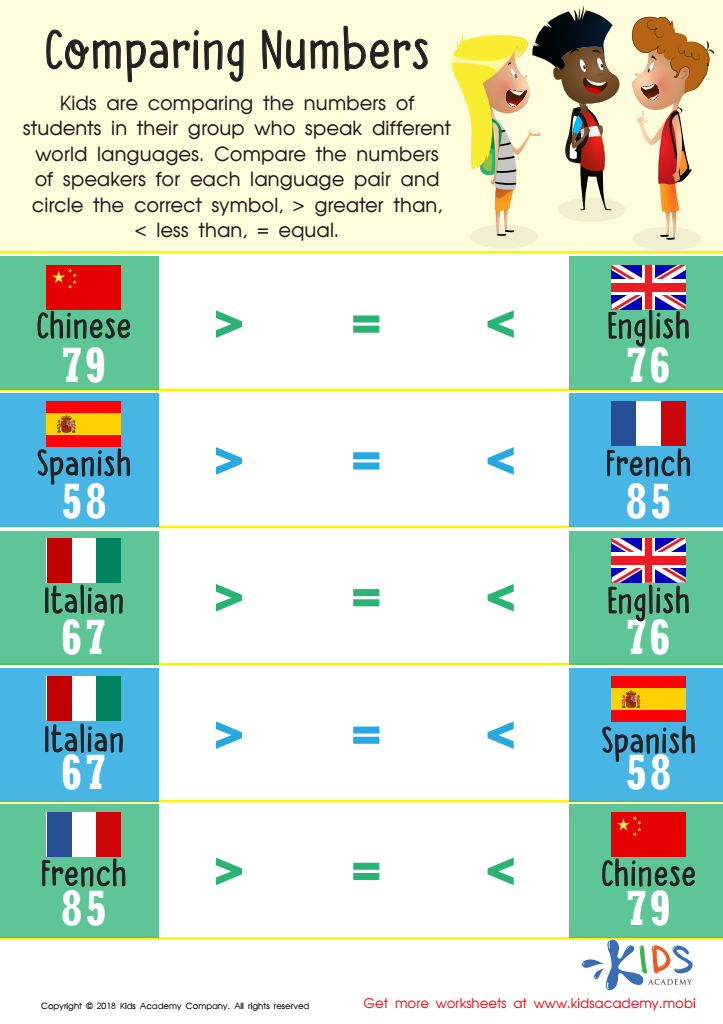
Comparing Numbers Worksheet for 1st Grade
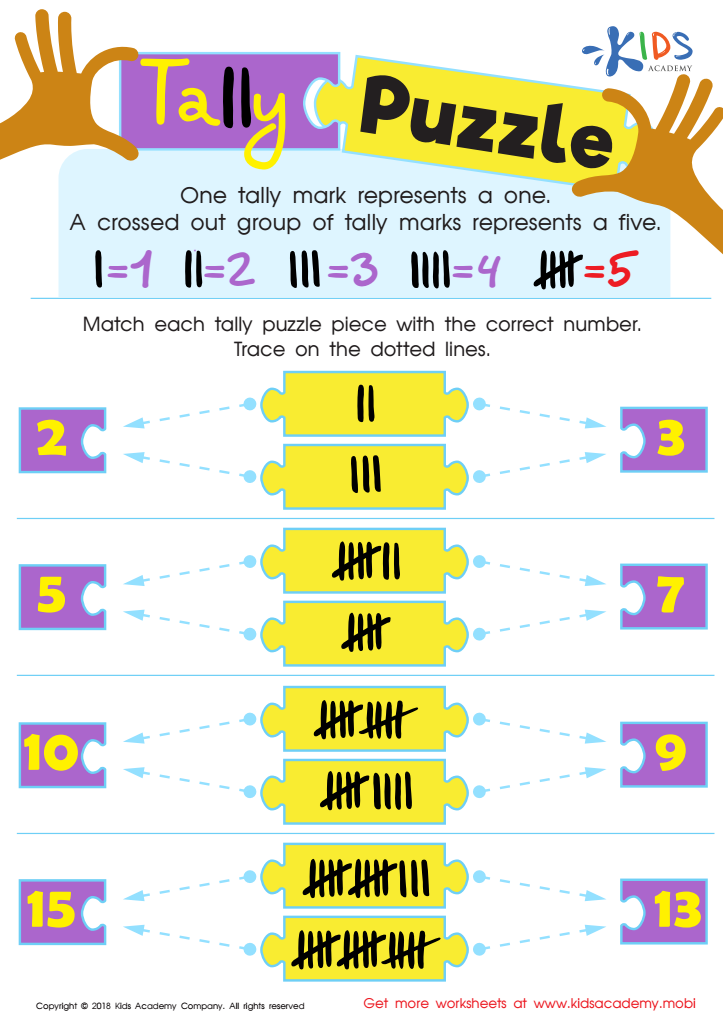
Tally Puzzle Worksheet
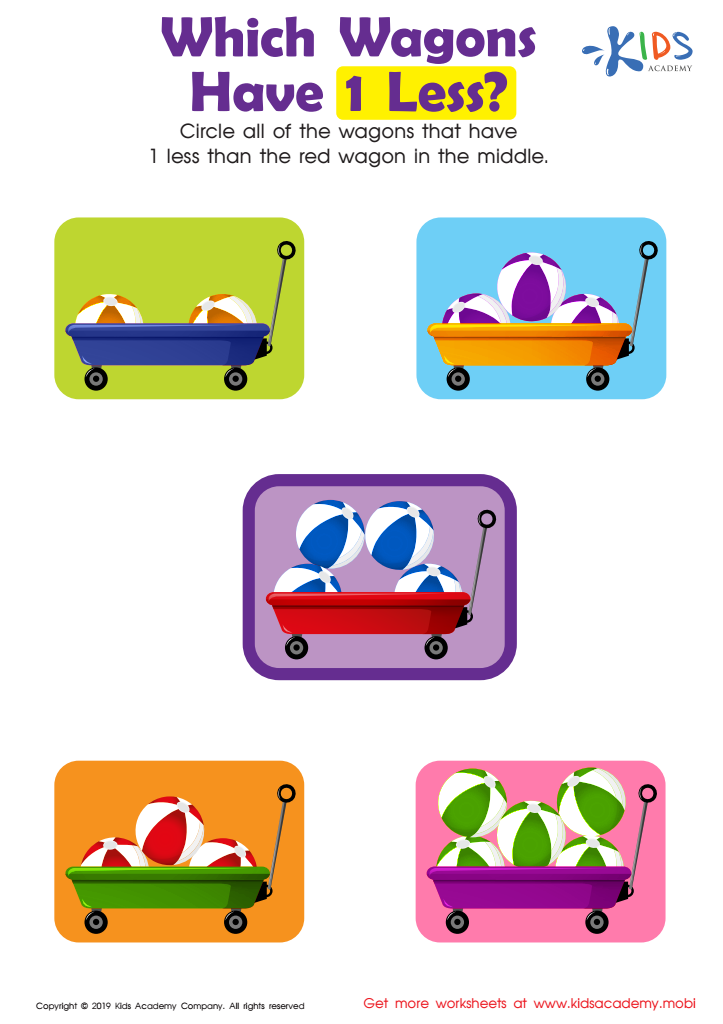
Which Wagons Have 1 Less? Worksheet
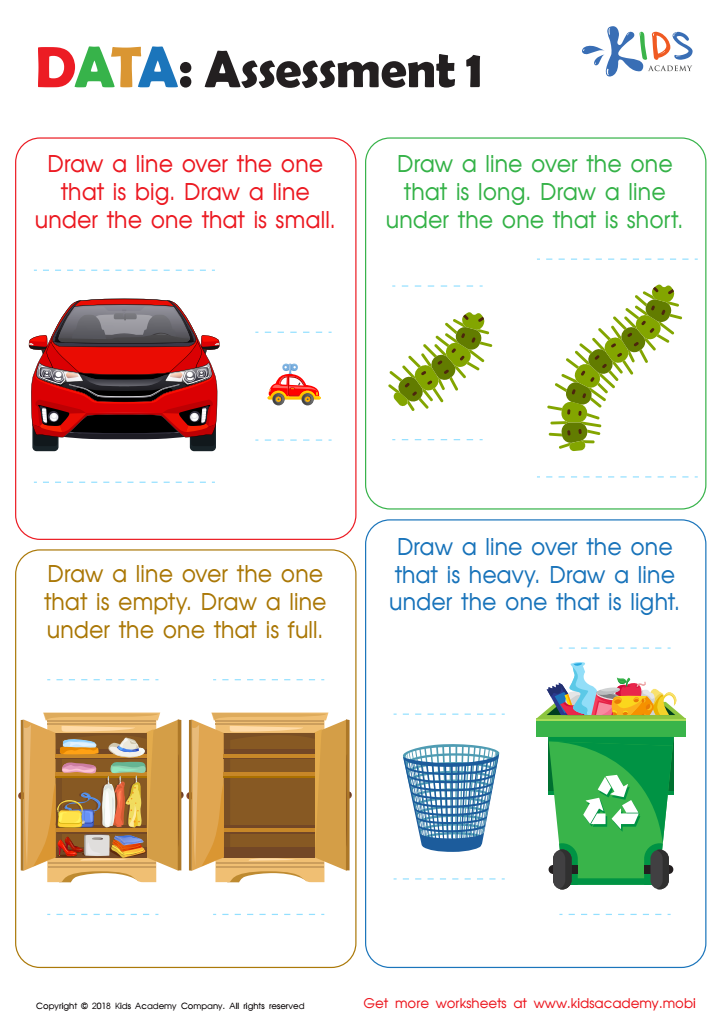
Data: Assessment 1 Worksheet
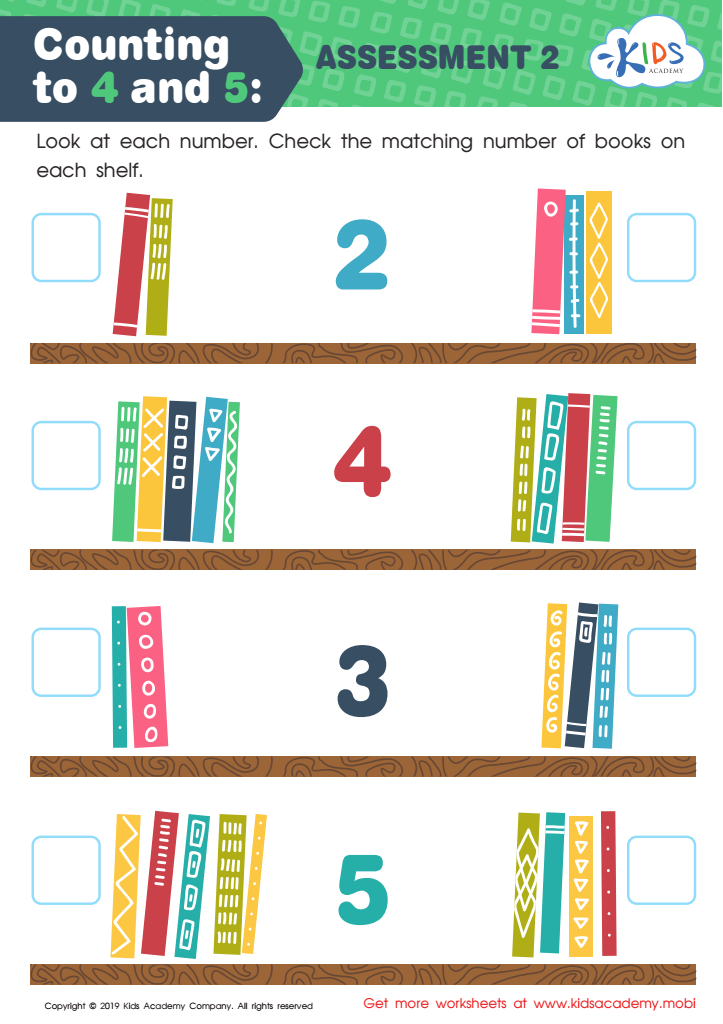
Counting to 4 and 5: Assessment 2 Worksheet
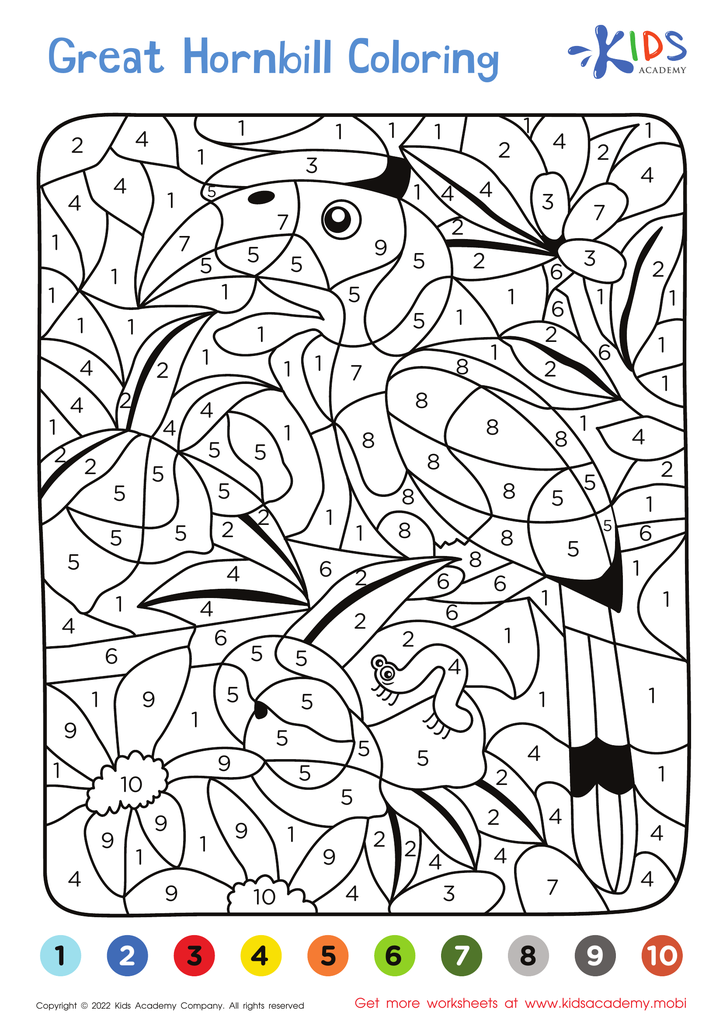
Great Hornbill – Coloring by Numbers
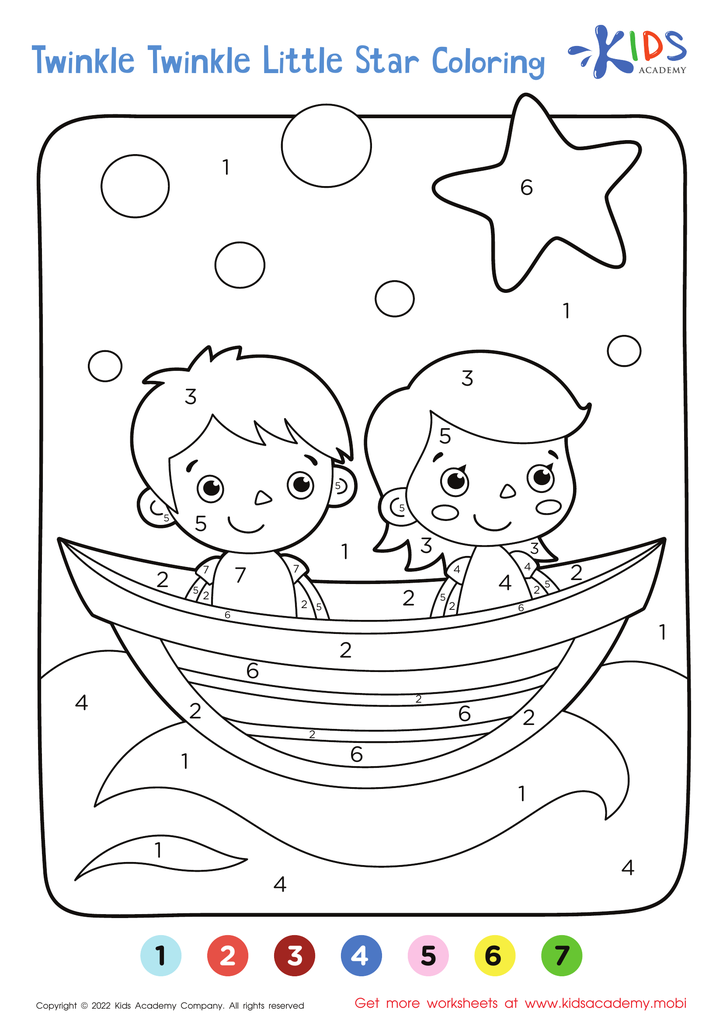
Twinkle, Twinkle, Little Star – Coloring by Numbers






.jpg)
Basic counting skills serve as the bedrock for children's overall mathematical development and are crucial for ages 6-7. At this formative stage, children transition from simple rote counting to understanding quantity and number relationships. Proficiency in counting helps build a strong foundation that benefits them far beyond elementary mathematics. When children count accurately, they develop numerical literacy, which is essential for learning more complex concepts like addition, subtraction, and problem-solving tasks.
Furthermore, counting skills facilitate cognitive development, enhancing children's memory, attention, and sequencing abilities. These skills also lay the groundwork for real-life applications such as handling money, telling time, and measuring quantities, making everyday activities easier and more comprehensible.
Incorporating counting in playful, engaging ways, whether through games, songs, or hands-on activities, can stimulate a child’s enthusiasm for learning. This reinforces the concept that mathematics is fun and approachable, which is vital for fostering a positive attitude towards education as they progress academically.
By investing time in cultivating robust counting skills at an early age, parents and teachers equip children with the critical thinking skills and confidence needed to tackle more advanced mathematical challenges, setting them on a path to academic success and real-world competency.








