Color Identification Worksheets for Ages 6-7 - Page 3
66 filtered results
-
From - To
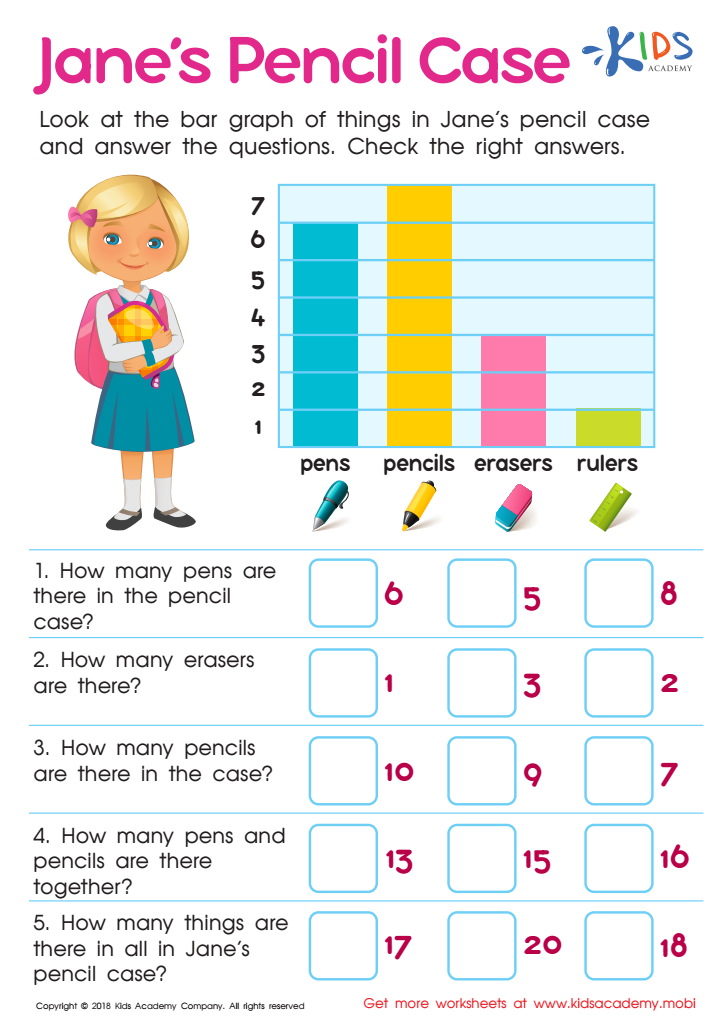
Jane's Pencil Case Worksheet
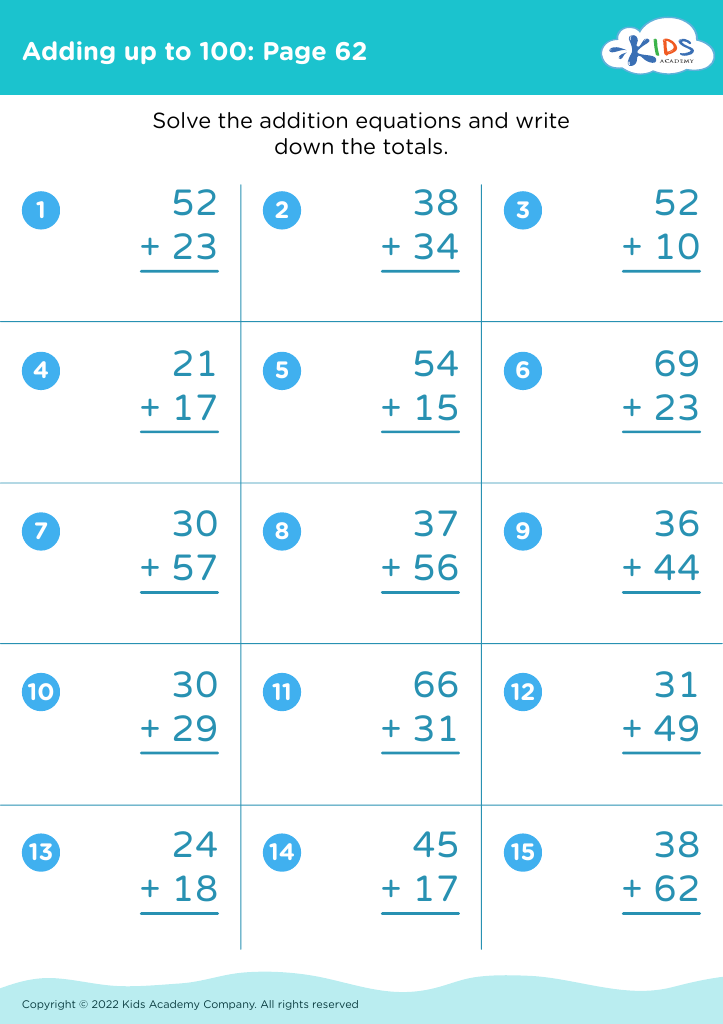
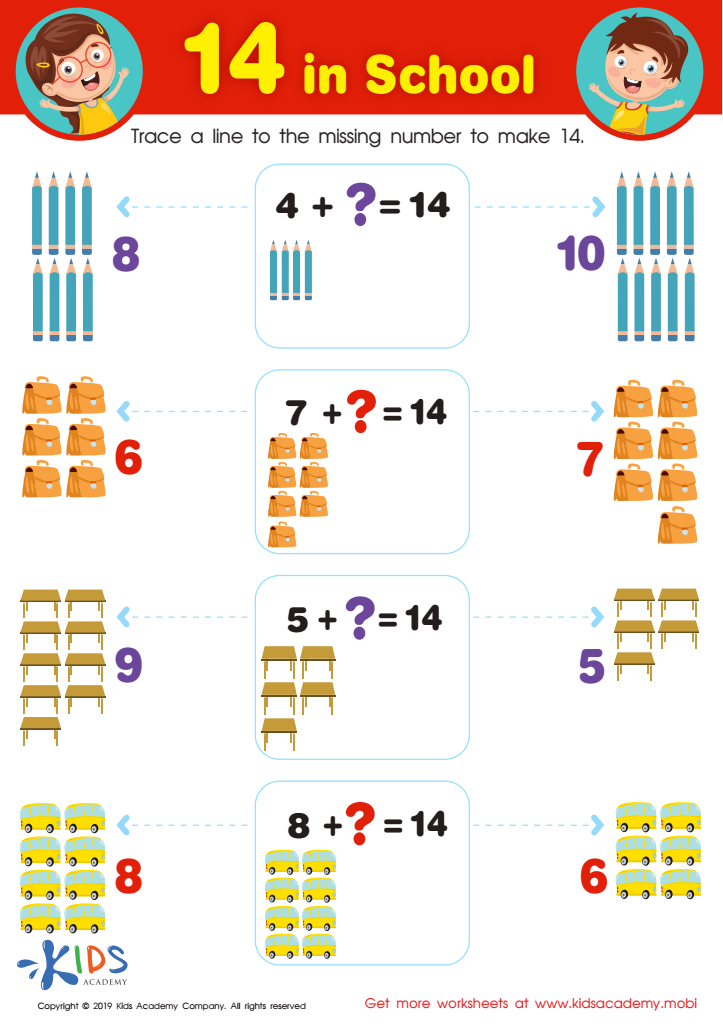
14 in School Worksheet
Christmas: Christmas Tree Printable
 Assign to My Students
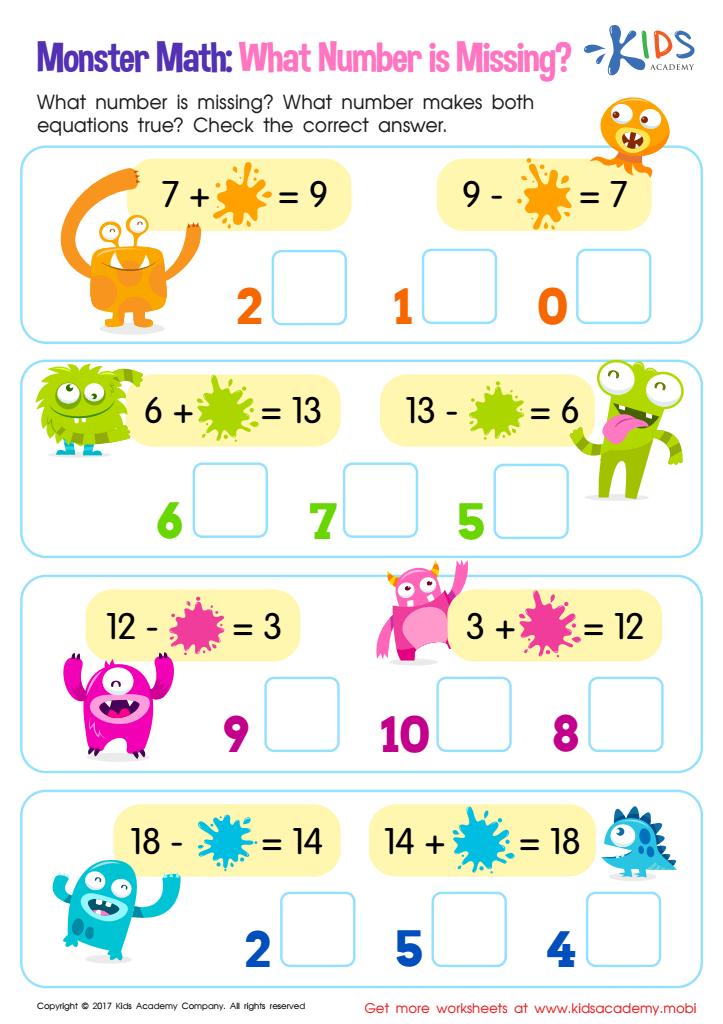
Missing Number: Monster Math Worksheet
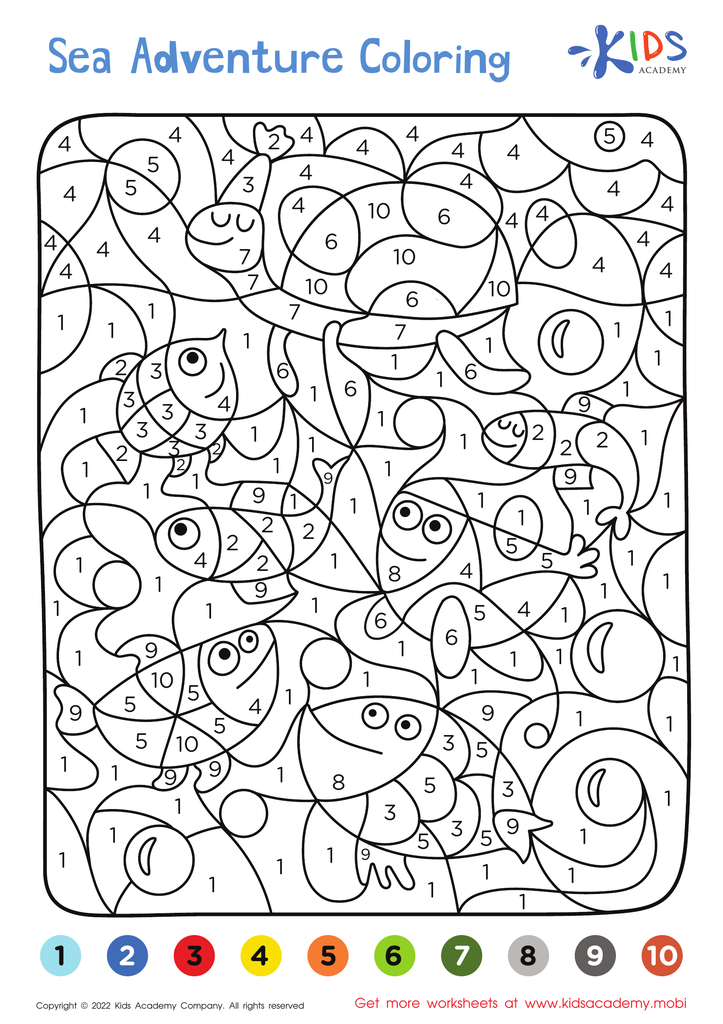
Sea Adventure – Coloring by Numbers
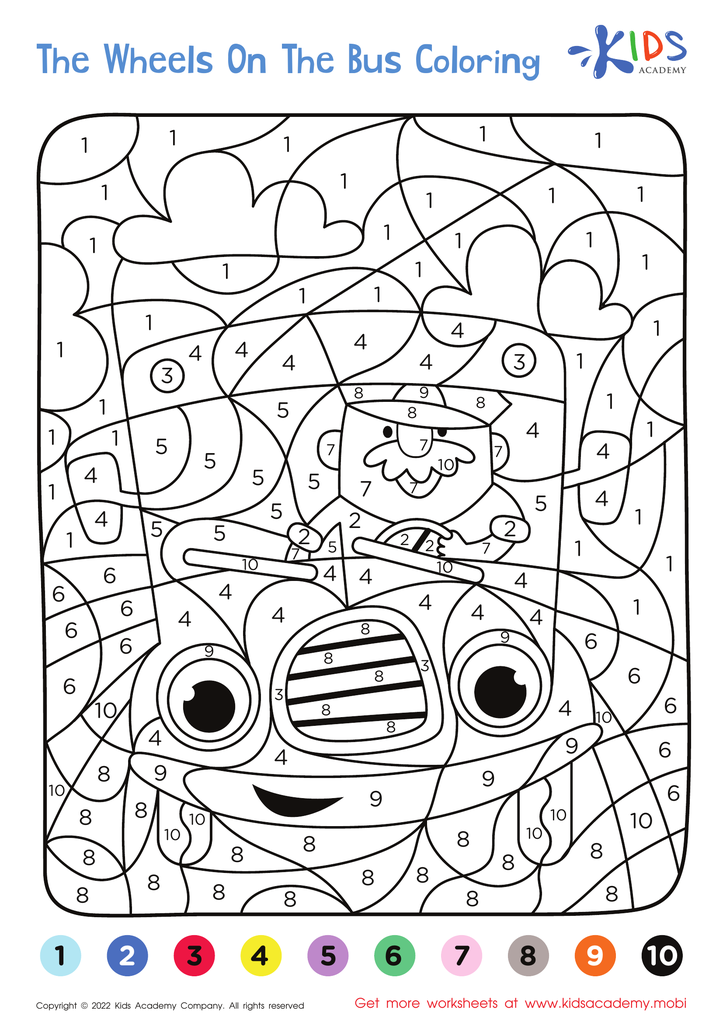
Wheels on the Bus – Coloring by Numbers
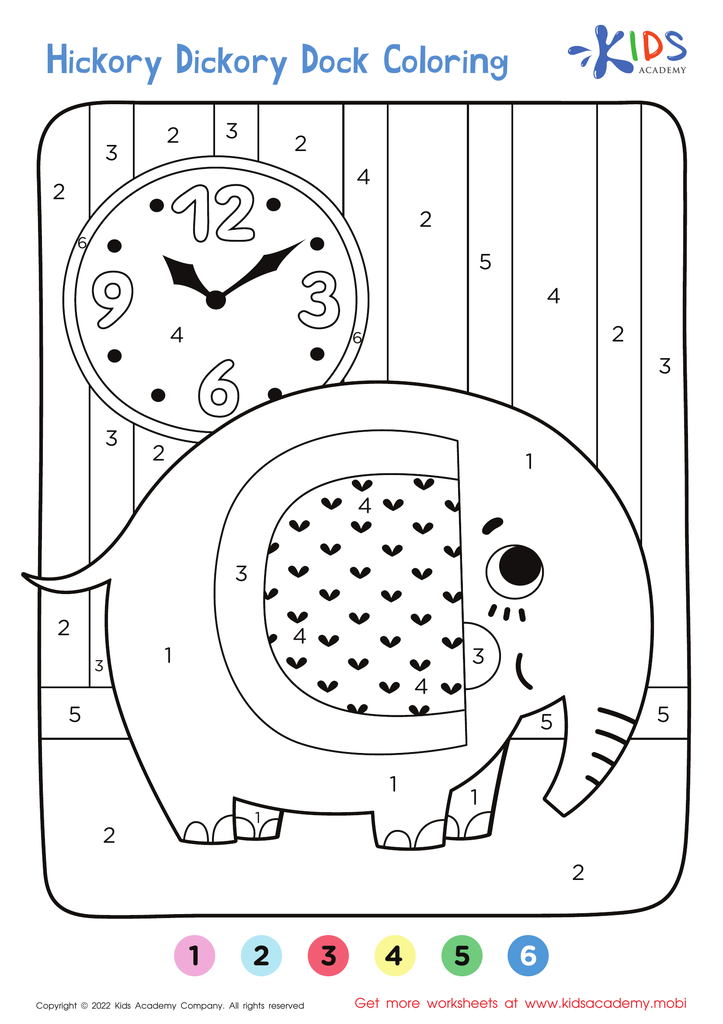
Hickory Dickory Dock – Coloring by Numbers
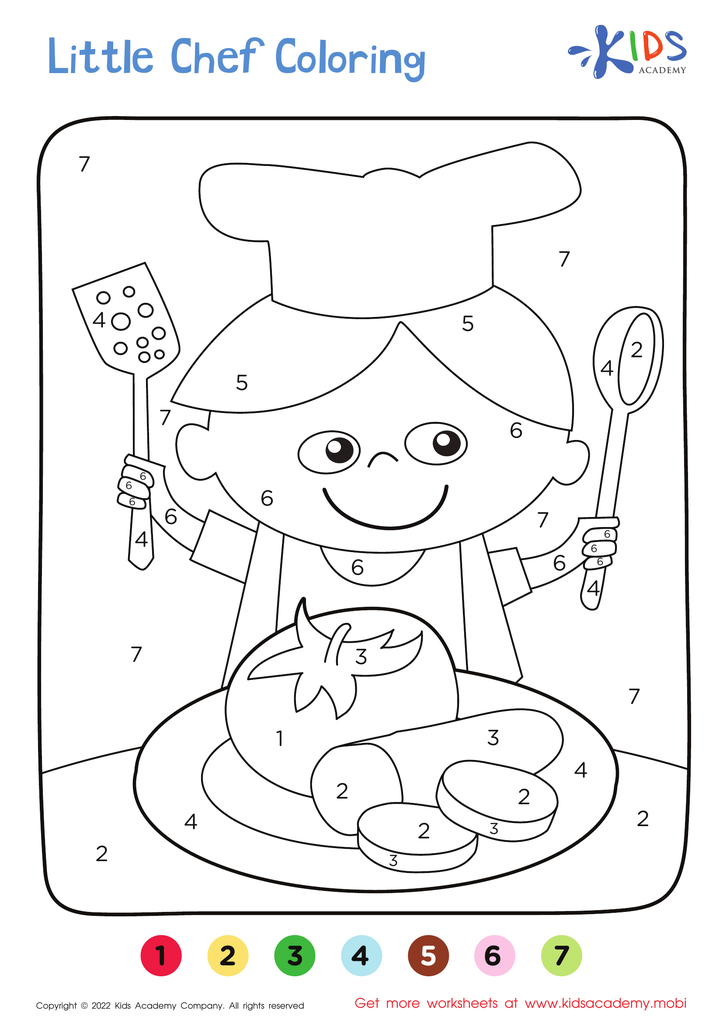
Little Chef – Coloring by Numbers
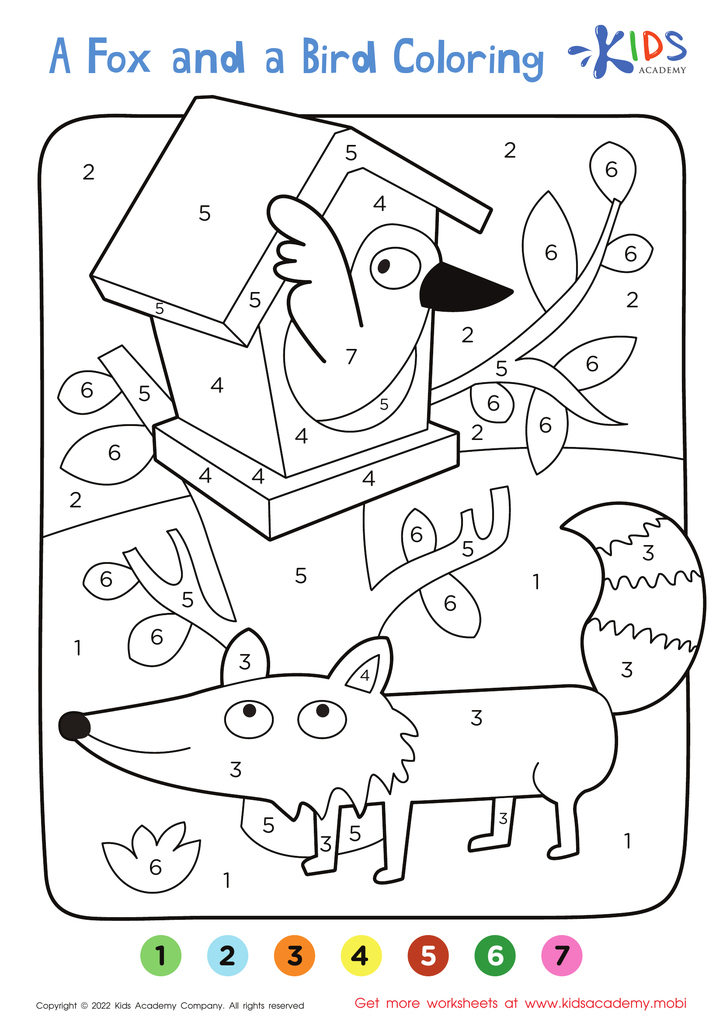
A Fox and a Bird – Coloring by Numbers
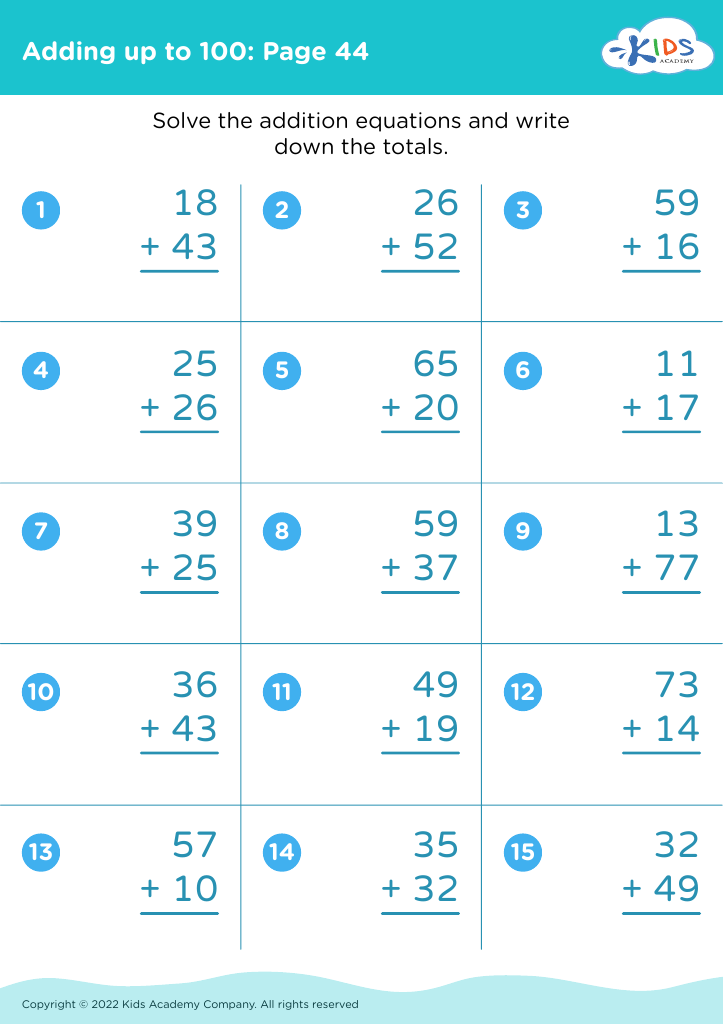
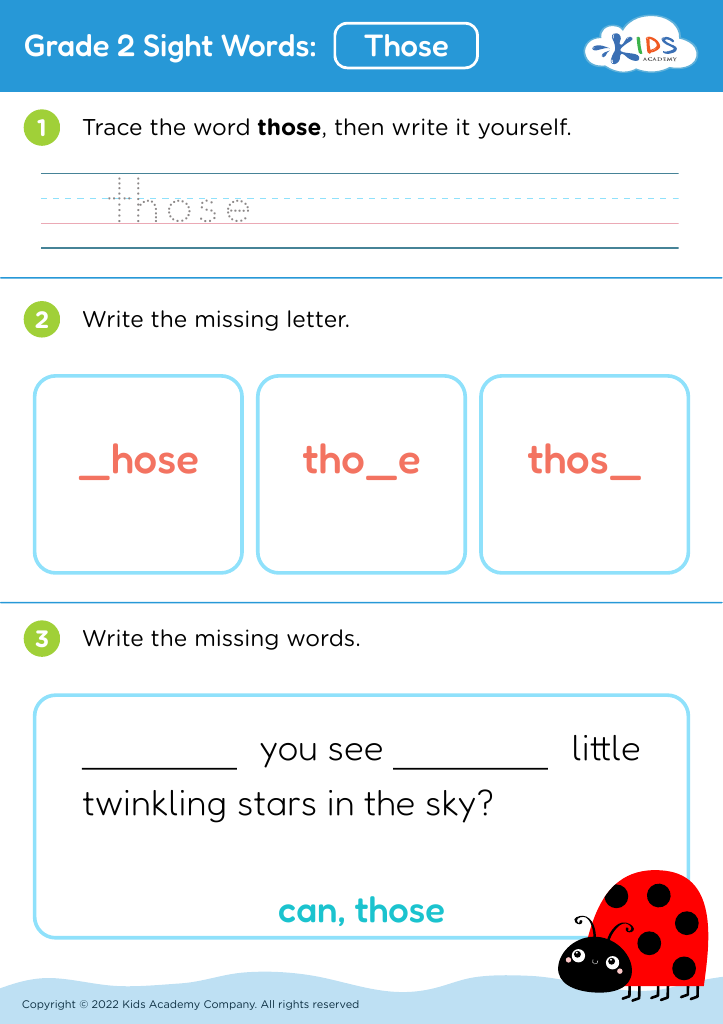
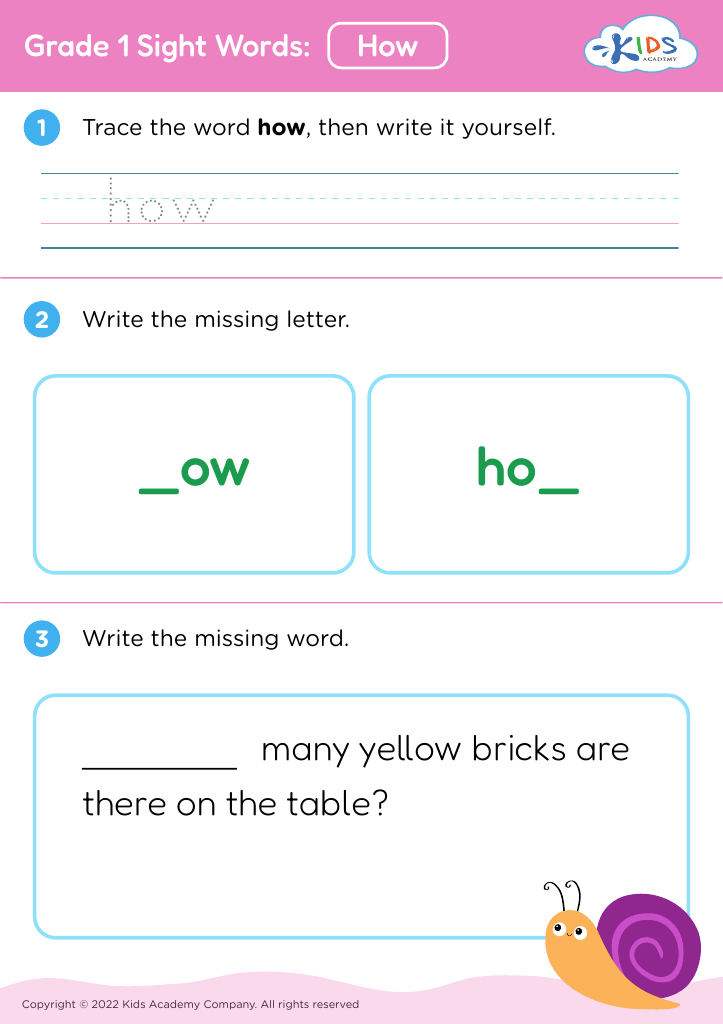
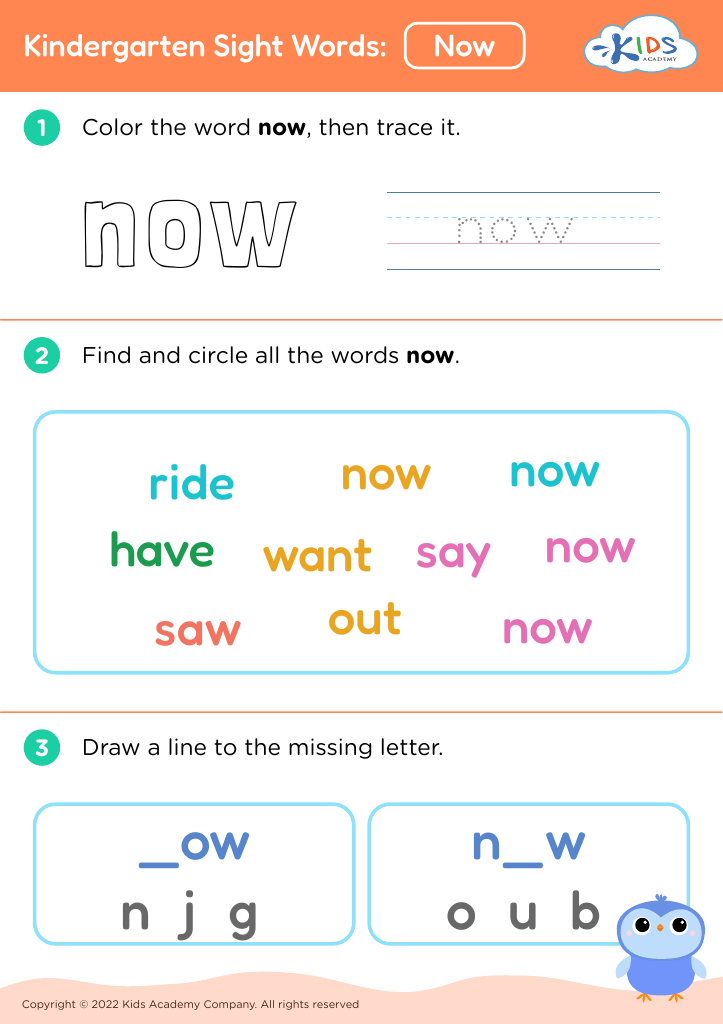
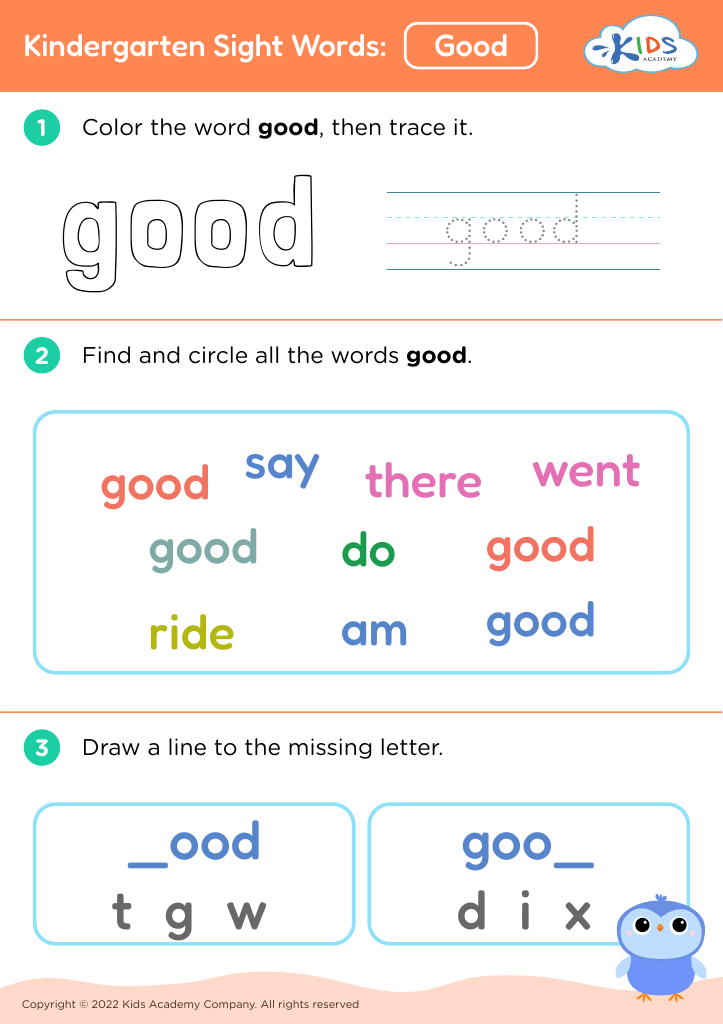
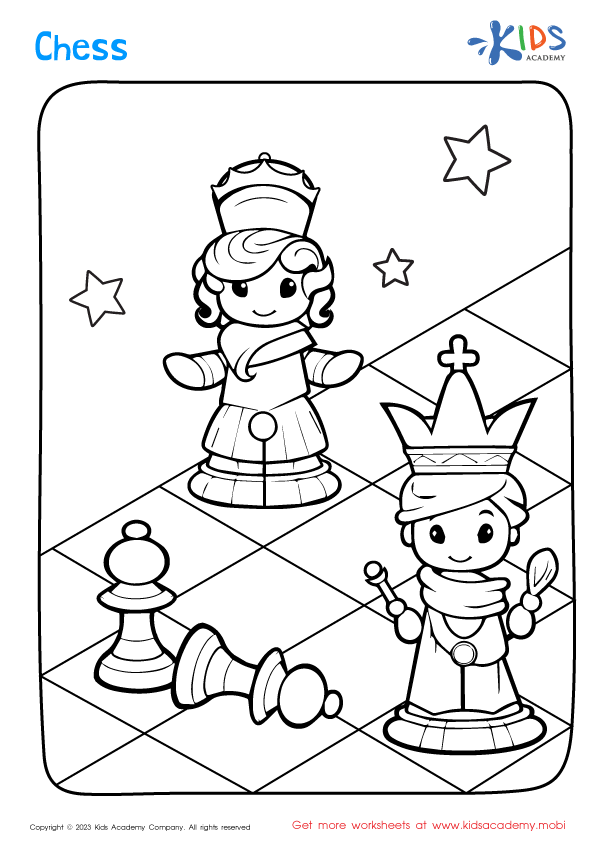








Color identification is a crucial developmental milestone for children ages 6-7, serving as the foundation for various cognitive, social, and educational benefits. Learning to identify colors not only enhances visual perception but also plays a vital role in language development. When children differentiate colors, they learn to describe objects more precisely, enriching their vocabulary and communication skills.
Academically, color identification is fundamental in subjects like math and science. Concepts such as patterns, classification, and even graphs often incorporate color as a means of distinguishing different elements. For instance, understanding traffic light colors promotes both safety and comprehension of simple rules.
Socially, knowing colors helps children in everyday activities and interactions, such as following classroom routines or participating effectively in team activities that require color distinction. Emotionally, it boosts their confidence as they feel more competent and appreciate their ability to master everyday tasks.
From an artistic point of view, the ability to recognize and use colors enriches creative expression, enabling children to engage deeply in art projects, which enhances fine motor skills and creativity.
Ultimately, investing time in teaching color identification supports overall cognitive development and prepares children for complex learning tasks, ensuring they are well-equipped for future educational challenges and life skills.








