Developing fine motor skills Worksheets for Ages 6-7
6 filtered results
-
From - To
Enhance your child's developing fine motor skills with our engaging worksheets designed specifically for ages 6-7! These printable resources offer a variety of fun activities aimed at improving hand-eye coordination, dexterity, and control. Your child will experiment with tracing, coloring, cutting, and completing intricate puzzles, fostering their concentration and creativity. Each worksheet is designed to make learning enjoyable, providing a solid foundation for future learning. The activities not only support fine motor skill development but also promote cognitive growth and problem-solving abilities. Explore our collection today to help your little one thrive and excel in essential motor skills!
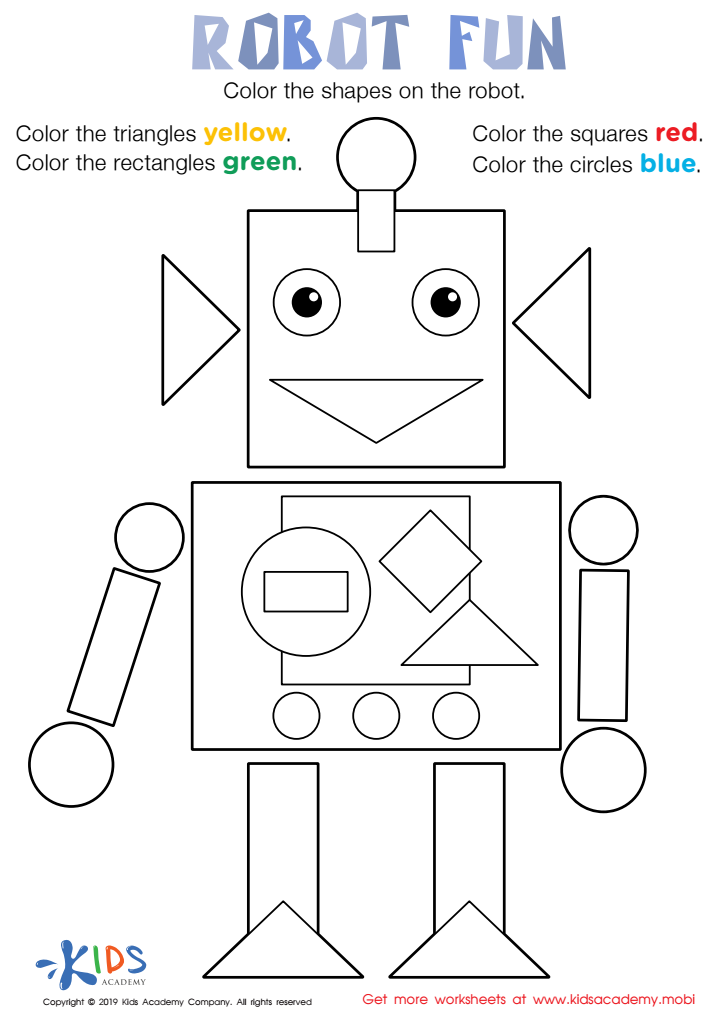
Robot Fun Worksheet
 Assign to My Students

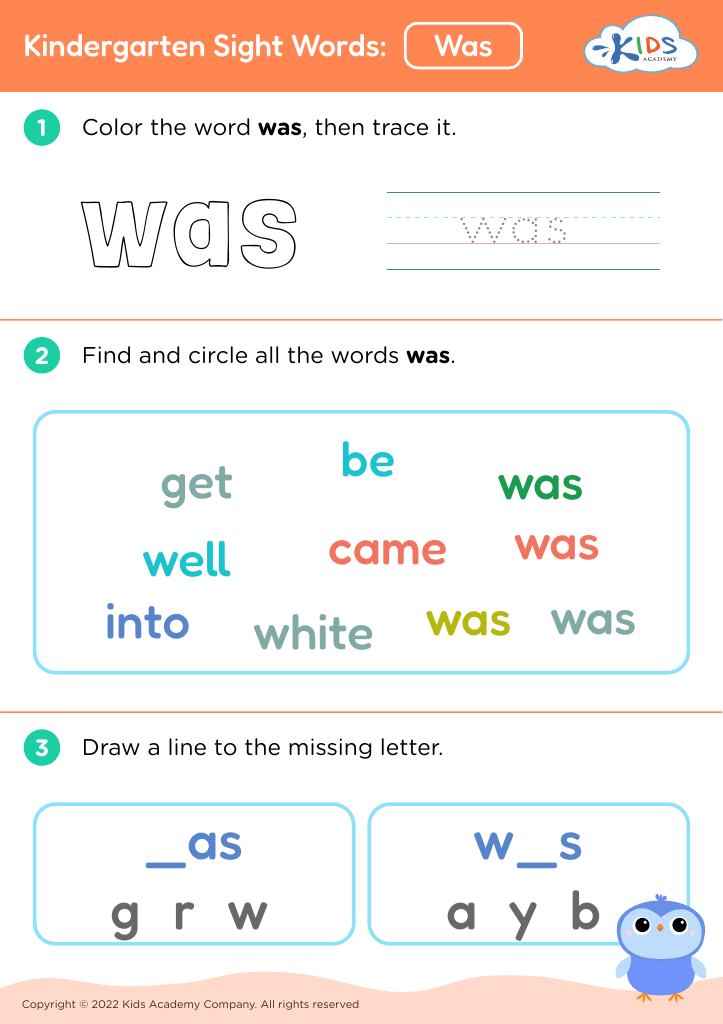








Developing fine motor skills in children ages 6 to 7 is crucial for their overall growth and development. At this age, children are transitioning from early childhood to a more structured school environment where these skills play a vital role in their daily activities. Fine motor skills enable children to perform tasks such as writing, cutting, tying shoelaces, and manipulating small objects, which are essential for academic success.
Parents and teachers should care about these skills because they contribute directly to a child's confidence and independence. Mastering tasks that require fine motor control not only supports academic learning but also fosters social skills as children collaborate with peers on projects. Improved fine motor skills can lead to better handwriting, which is often correlated with academic performance.
Furthermore, these skills are linked to cognitive development; as children engage in activities that require precise hand movements, they simultaneously enhance their problem-solving abilities and hand-eye coordination. Finally, fostering fine motor development can help identify any potential developmental delays early on, enabling timely interventions. By nurturing fine motor skills, parents and teachers empower children to navigate their world more effectively, laying the foundation for lifelong learning and self-sufficiency.








