Practice division Worksheets for Ages 6-7
4 filtered results
-
From - To
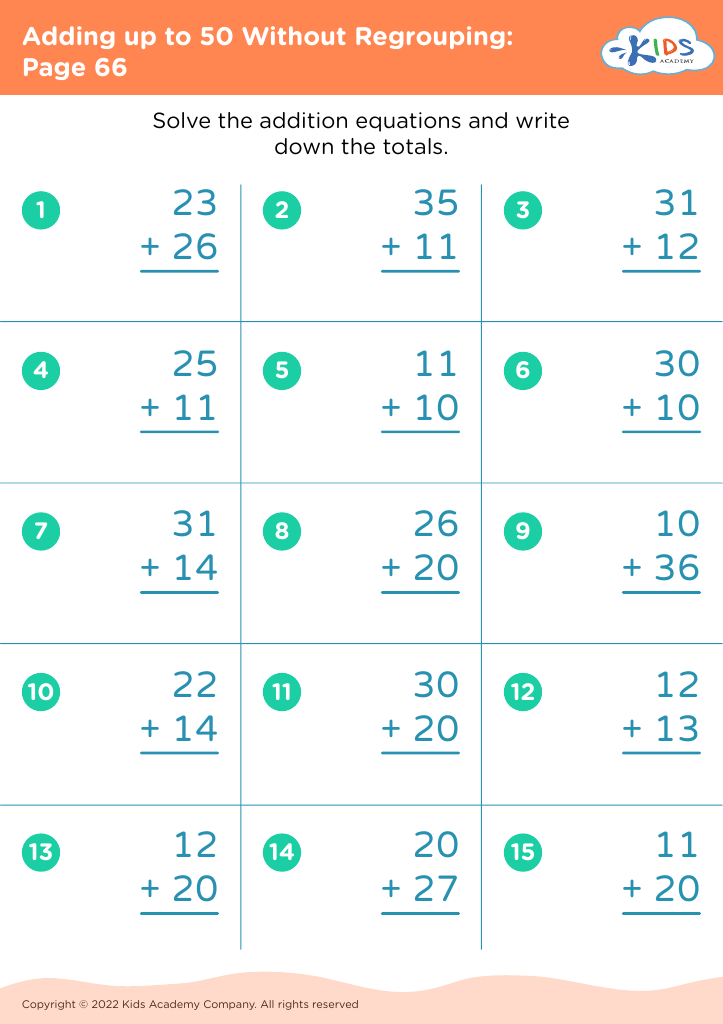
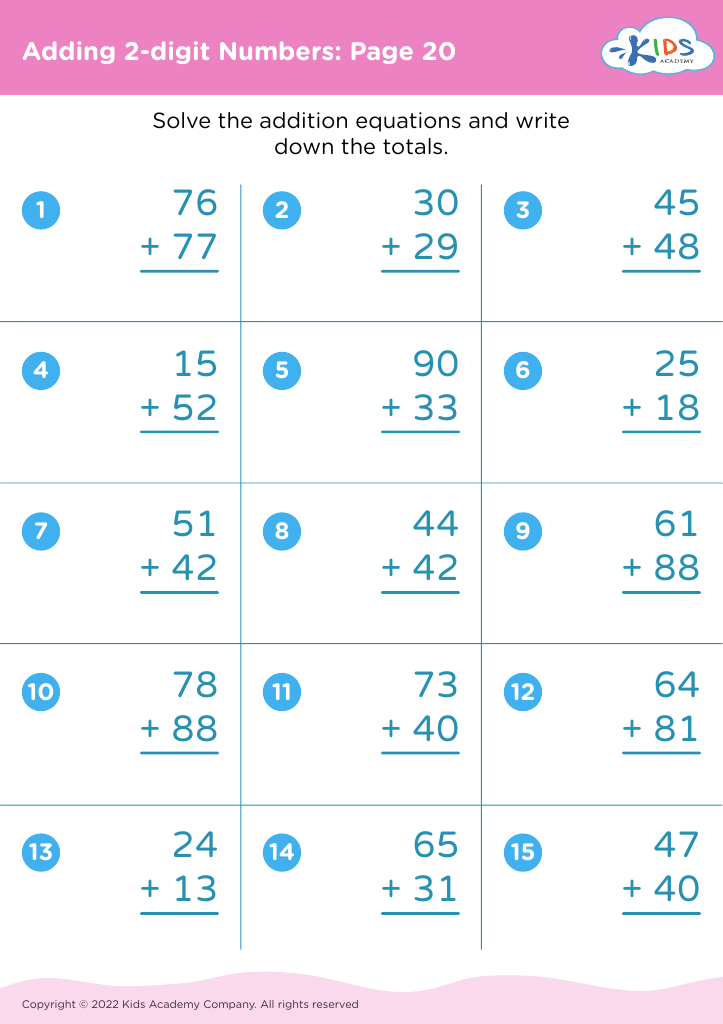
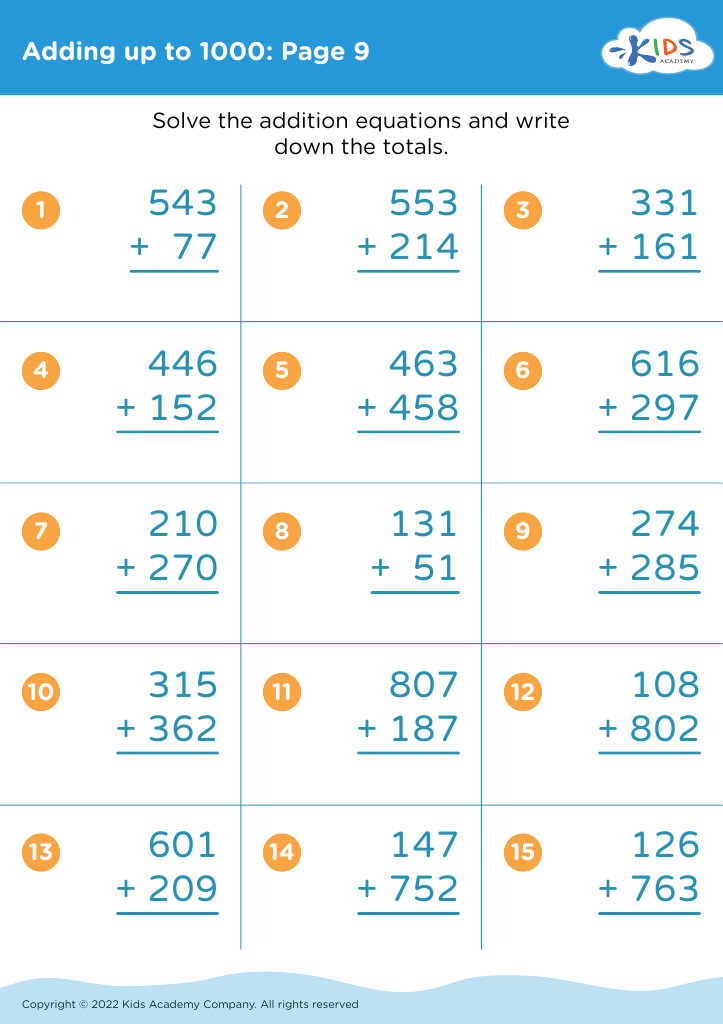
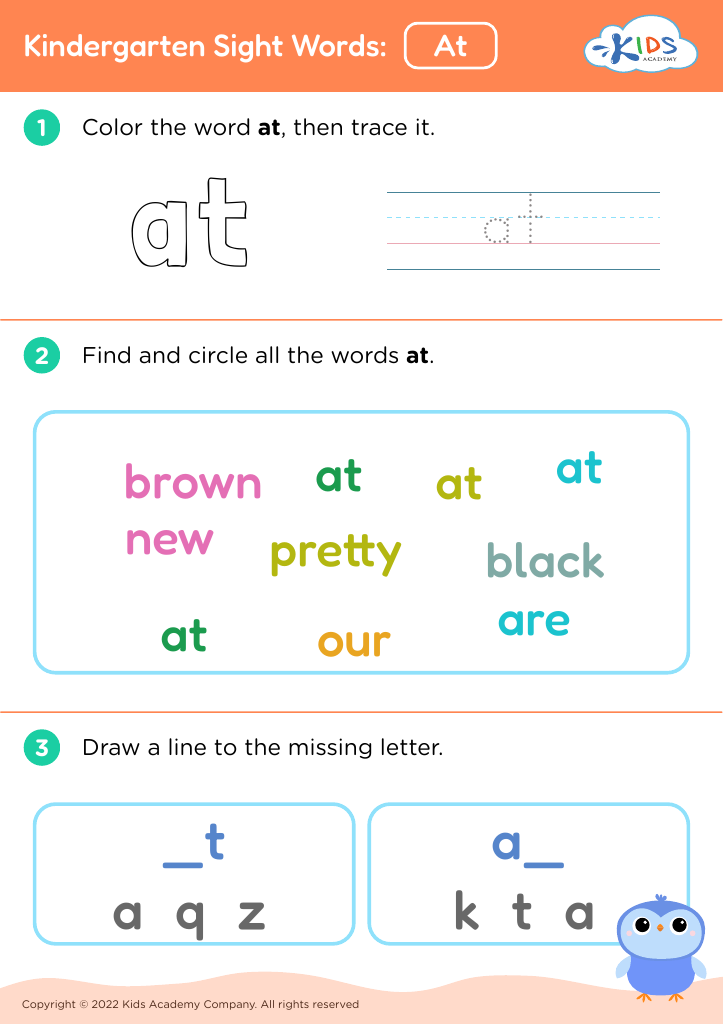
Discover our engaging collection of practice division worksheets designed specifically for ages 6-7. These worksheets offer a variety of fun and educational activities to help young students grasp the fundamentals of division. With colorful visuals and interactive exercises, children can enjoy learning as they develop essential math skills. Perfect for both classroom use and at-home practice, our worksheets are an excellent resource for fostering a love for math in early learners. Boost your child's confidence and proficiency in division with our expertly crafted materials, tailored to make math practice an enjoyable experience. Start now and see the difference!







Parents and teachers should care about practice division for children ages 6-7 because it lays a critical foundation for mathematical understanding and problem-solving skills essential for future learning. At this age, students are developing their number sense and gaining familiarity with basic arithmetic operations. By introducing division early, children start to comprehend the concept of sharing and grouping, which are vital for tackling more complex math problems later on.
Early division practice helps children understand the relationship between multiplication and division, reinforcing their overall arithmetic skills. It encourages logical reasoning and analytical thinking, as students learn to break down problems into smaller, manageable parts. These skills are transferable and can enhance performance in other subjects, fostering a more rounded academic development.
Incorporating division into early education makes math less intimidating and more intuitive for young learners. It prepares them for higher-level math concepts, such as fractions and algebra, creating a smoother academic progression. Moreover, developing confidence in math at an early age can boost a child's self-esteem and foster a positive attitude towards learning.
Therefore, engaging children in division practice at ages 6-7 promotes foundational math skills, critical thinking, and confidence, which are indispensable assets for their overall educational journey and daily life problem-solving.








