Visual Perception Skills Worksheets for Ages 6-7
15 filtered results
-
From - To
Unlock your child's potential with our engaging Visual Perception Skills Worksheets designed for ages 6-7. These expertly crafted resources enhance essential visual processing abilities, crucial for reading, math, and everyday activities. With a variety of fun exercises, children will improve their skills in pattern recognition, shape matching, and visual integration. Our worksheets are designed to encourage critical thinking while keeping learning enjoyable and interactive. Perfect for classroom use or at-home practice, these visual perception activities foster confidence and support your child's academic journey. Explore our collection today to help your child build a solid foundation for their future learning success!
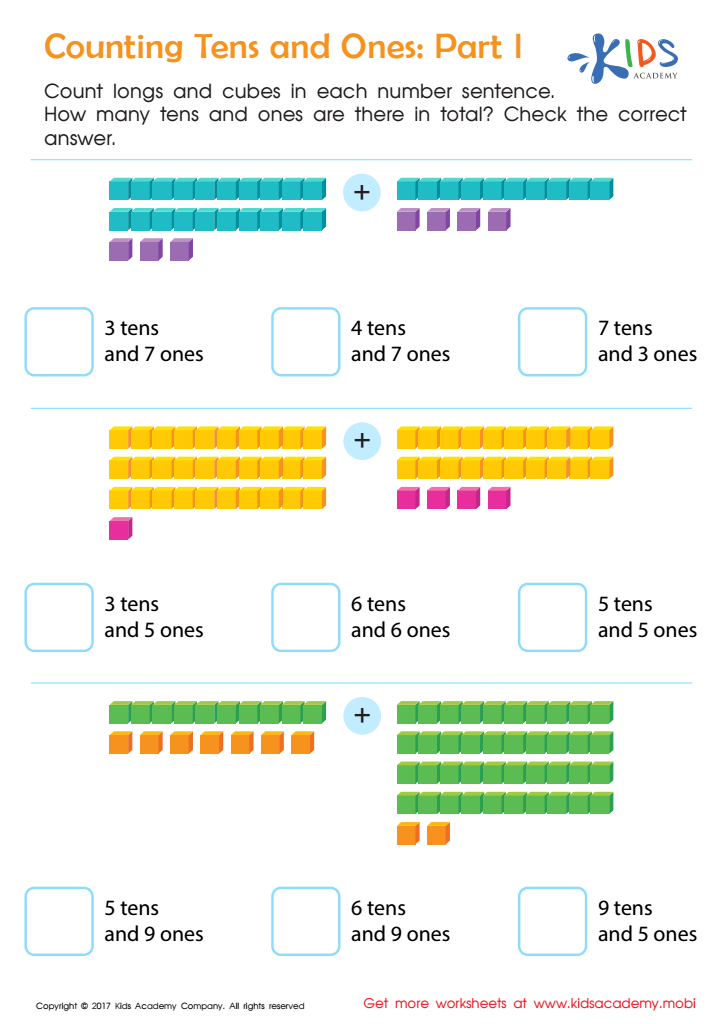
Counting Tens and Ones: Part 1 Worksheet
 Assign to My Students
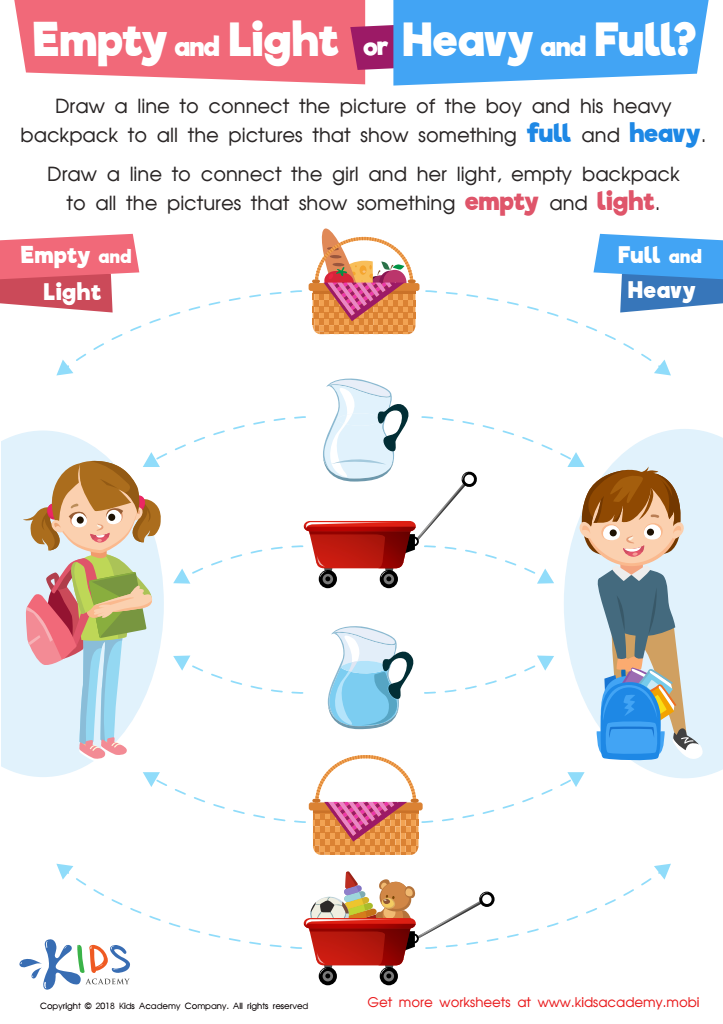
Empty and Light or Heavy and Full? Worksheet
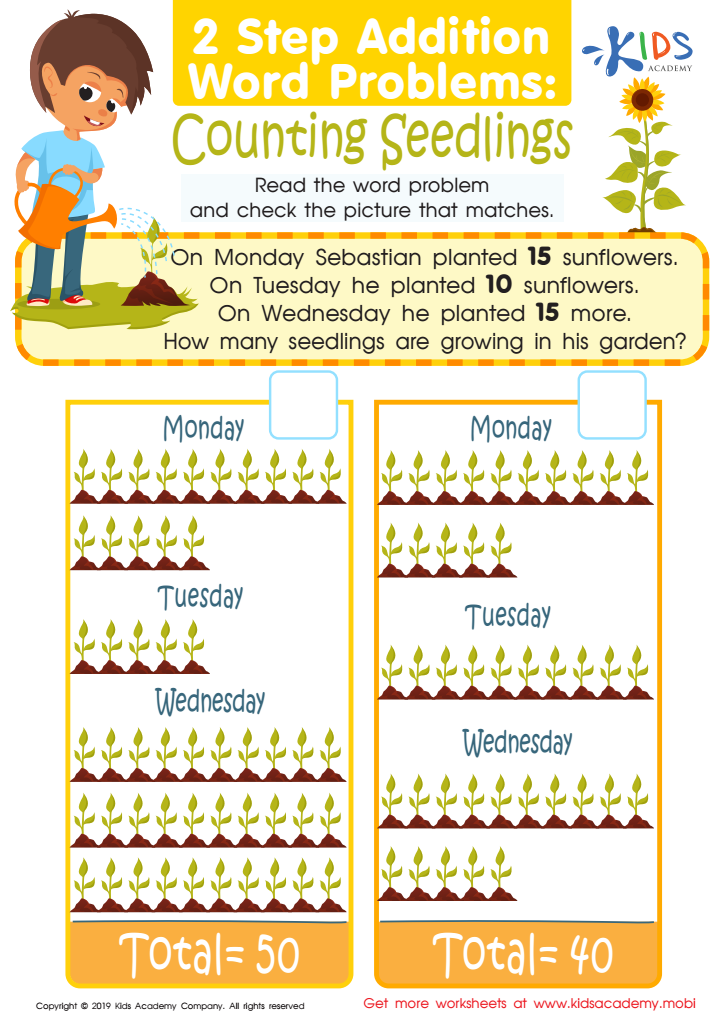
Counting Seedlings Worksheet
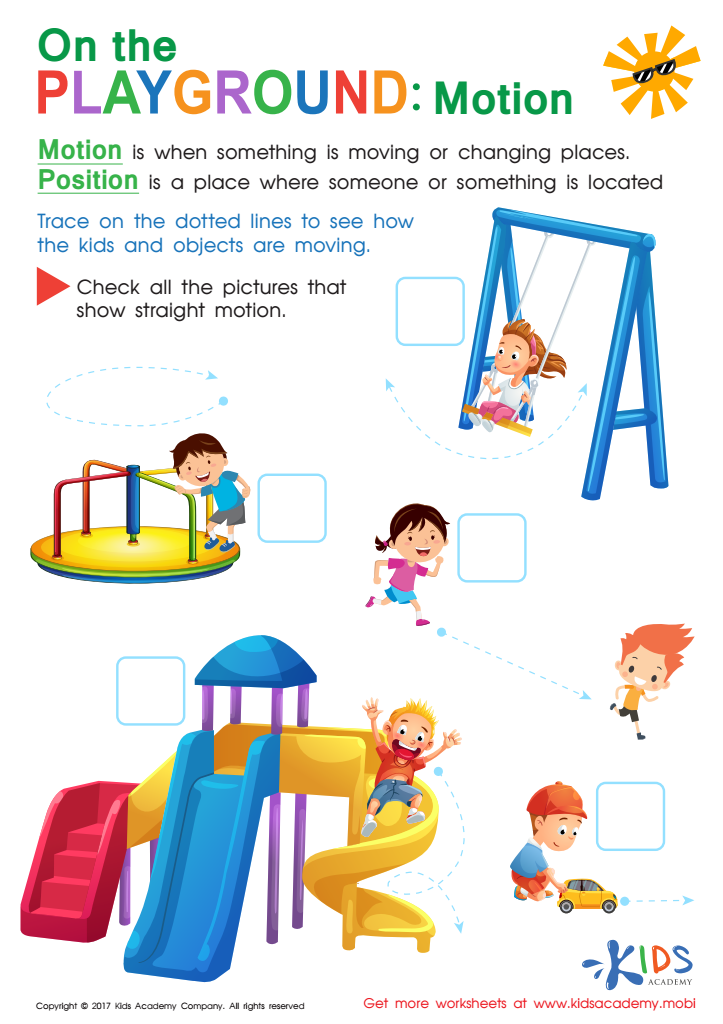
Position and Motion Worksheet
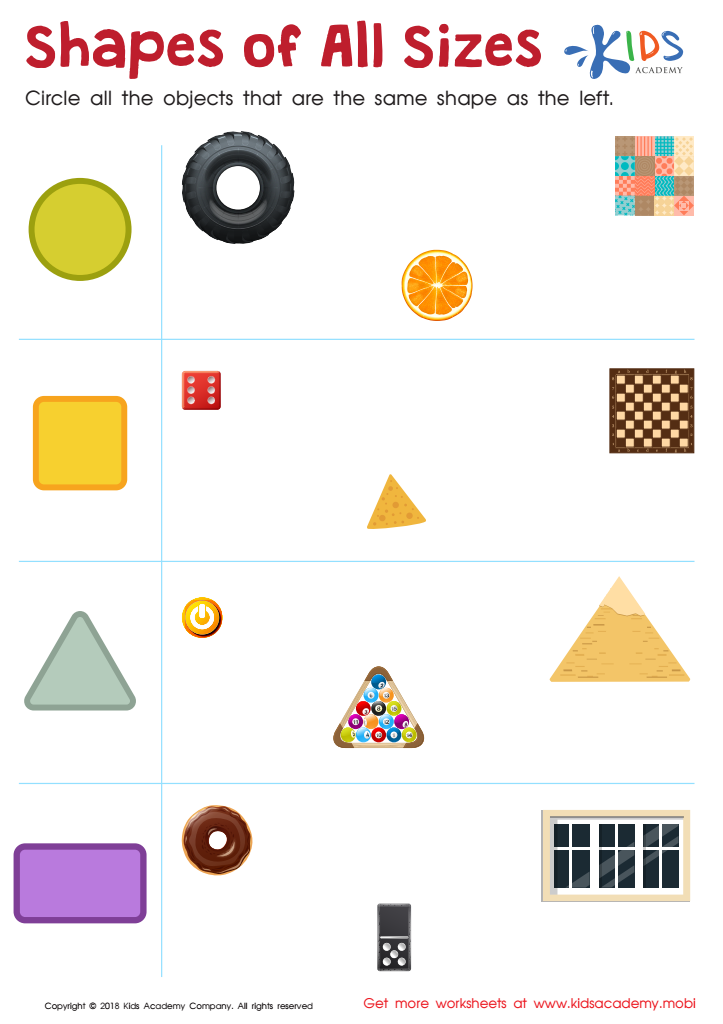
Shapes of All Sizes Worksheet
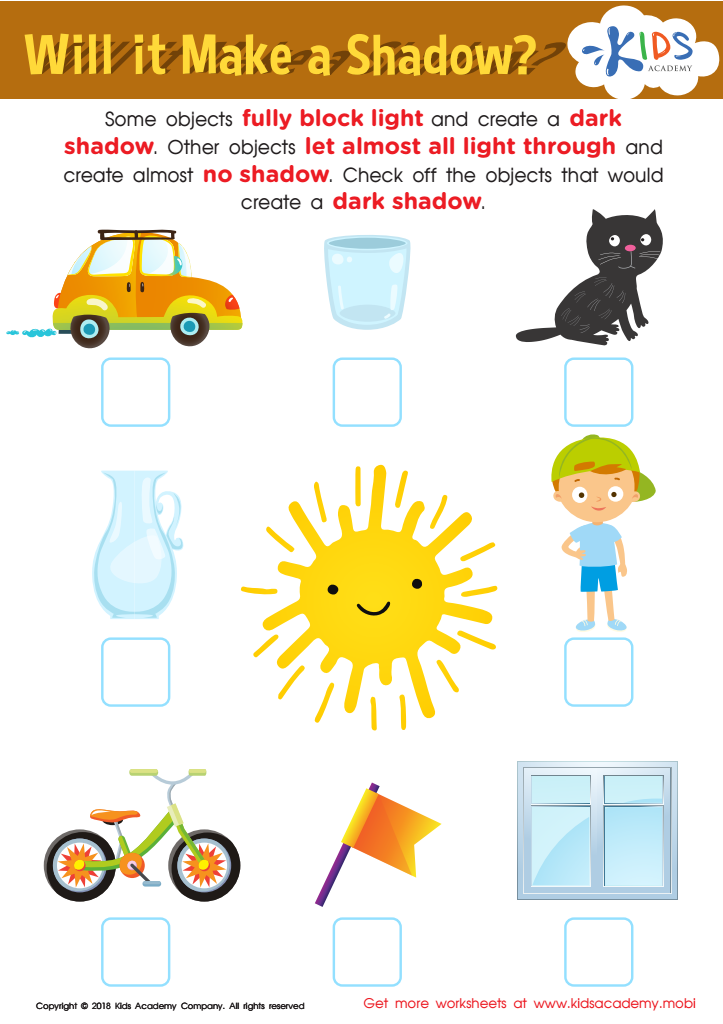
Will It Make a Shadow? Worksheet
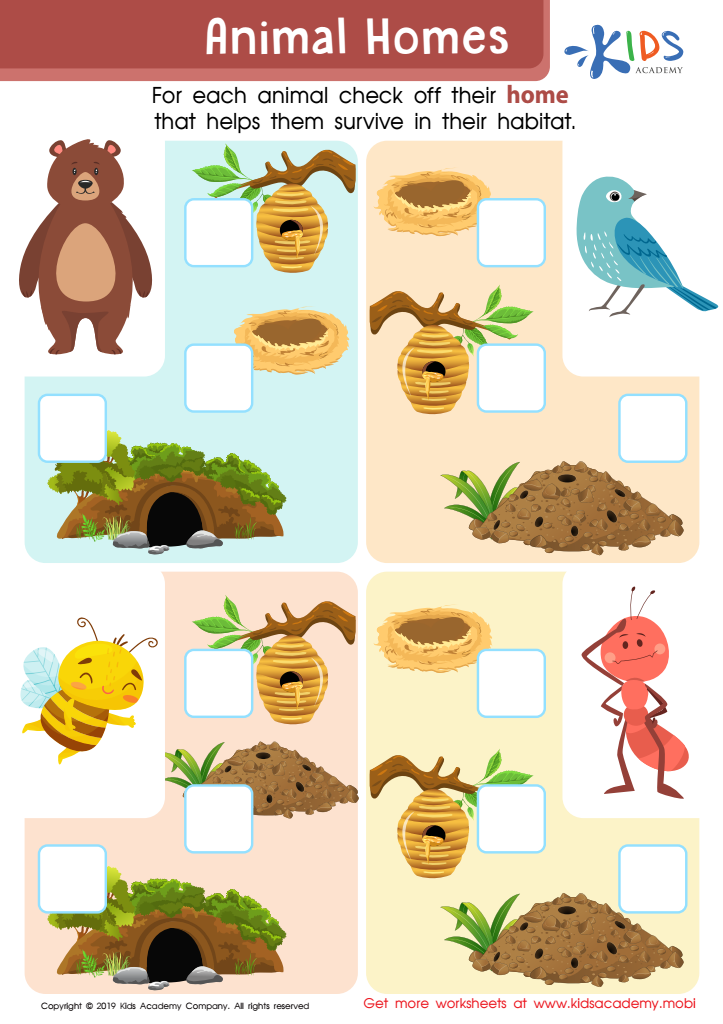
Animal Homes Worksheet
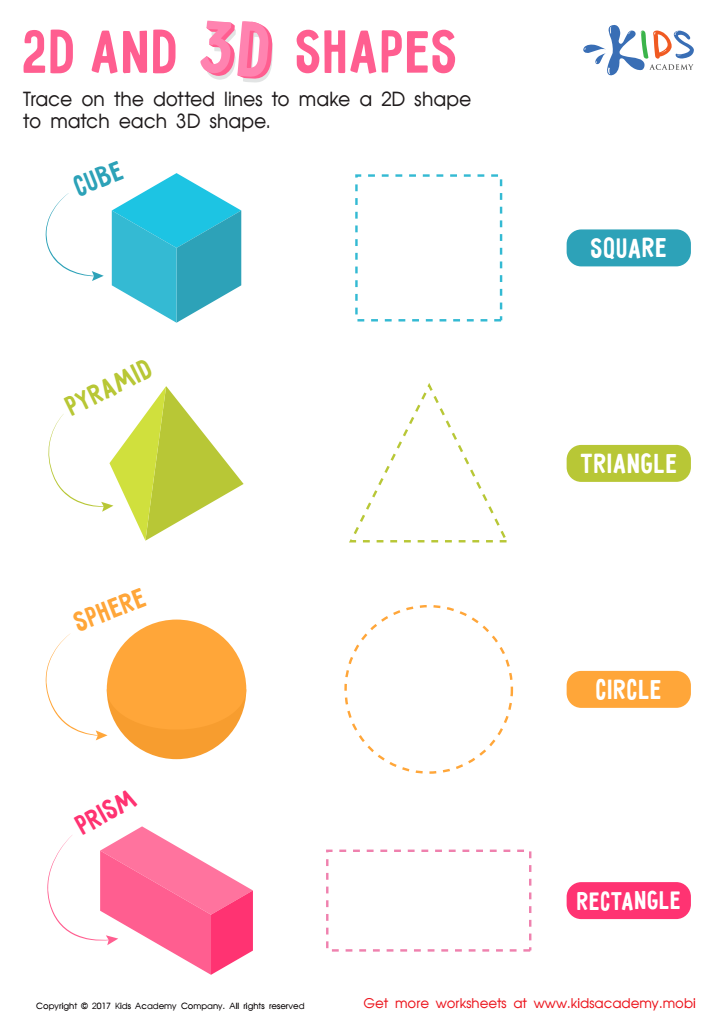
2D and 3D Shapes Worksheet
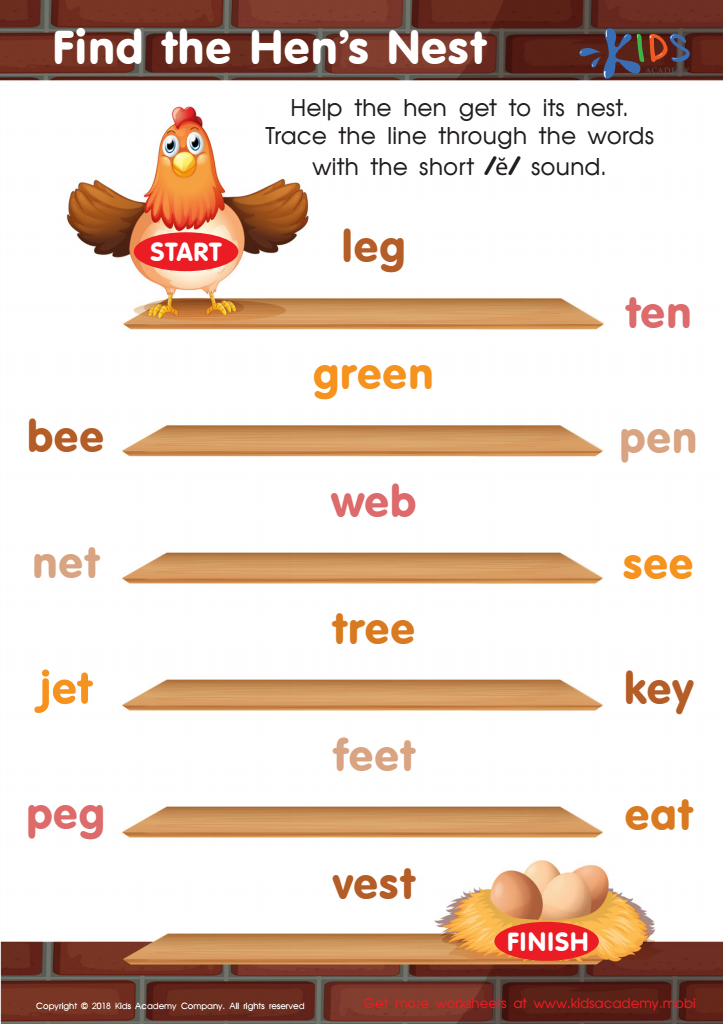
Find Hens Nest Reading Worksheet
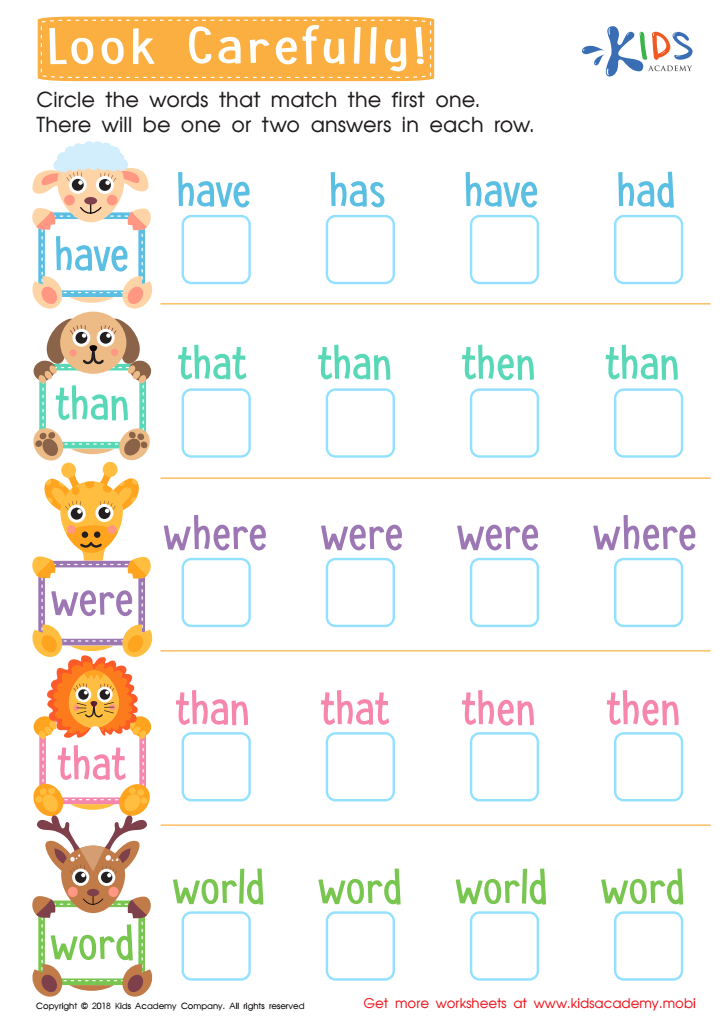
Look Carefully Worksheet
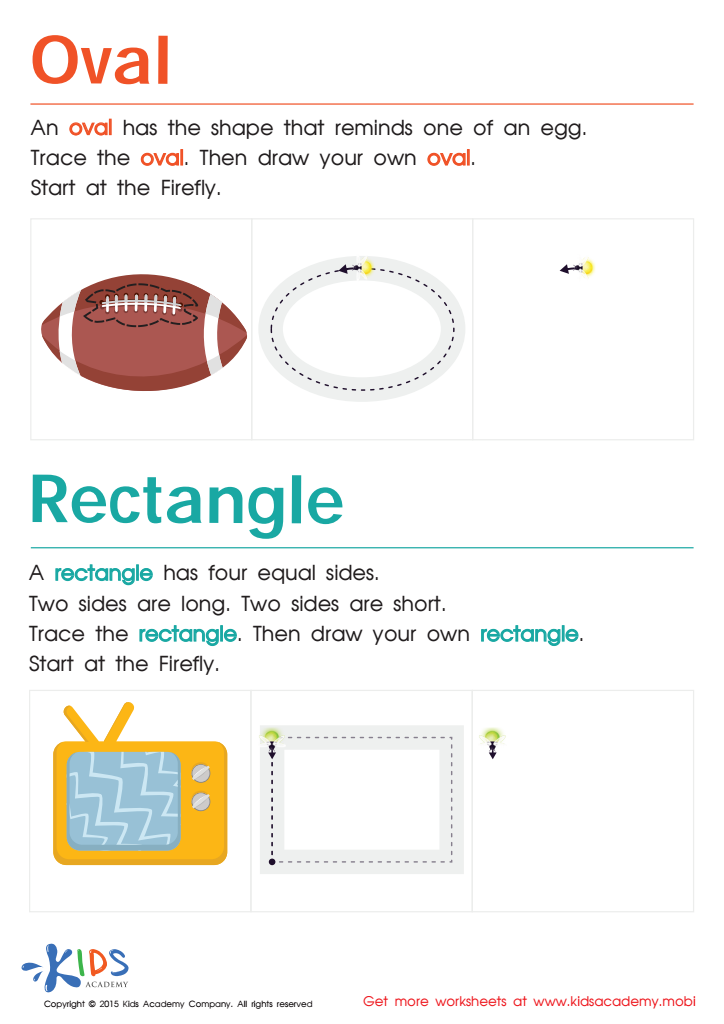
Easy Drawing of Ovals And Rectangles Worksheet
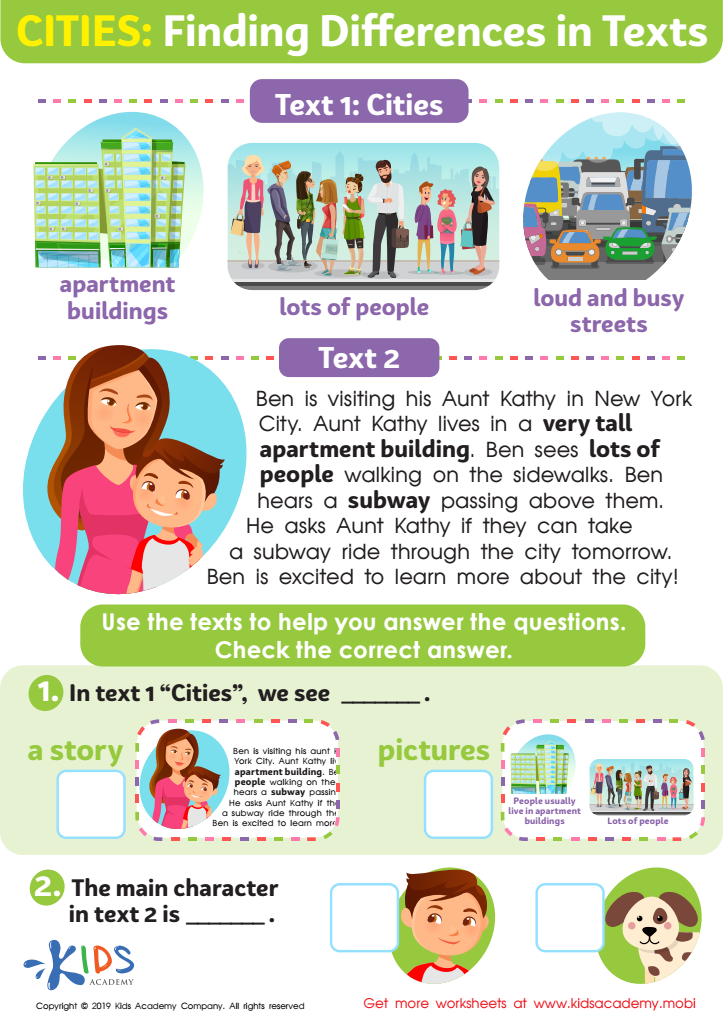
Cities: Finding Differences Worksheet
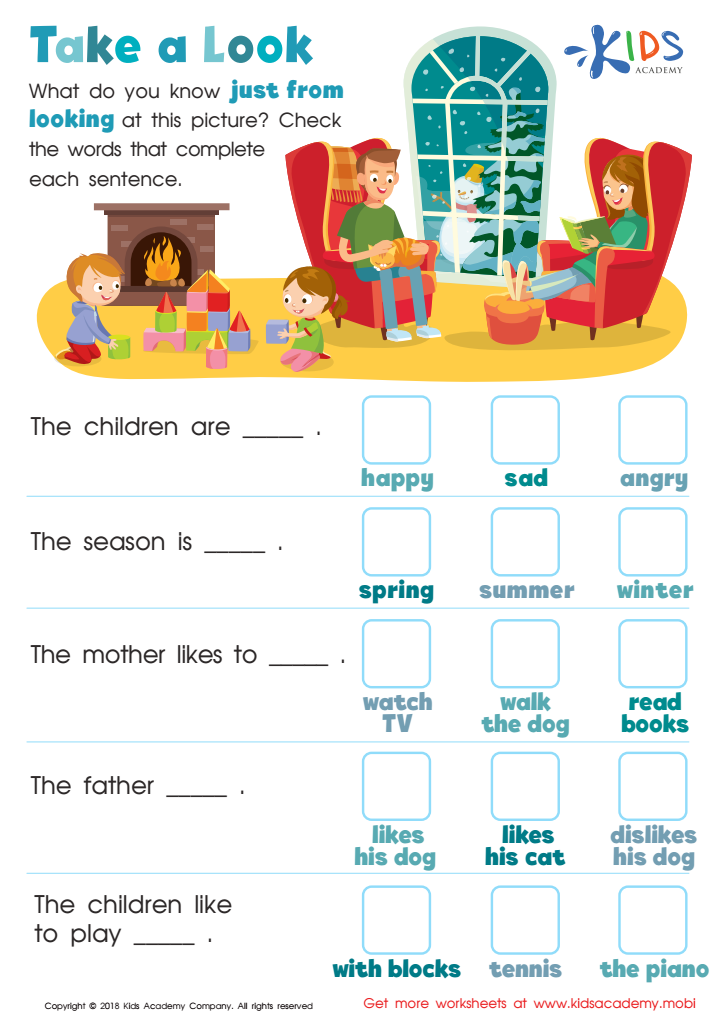
Take a Look - Part 1 Worksheet
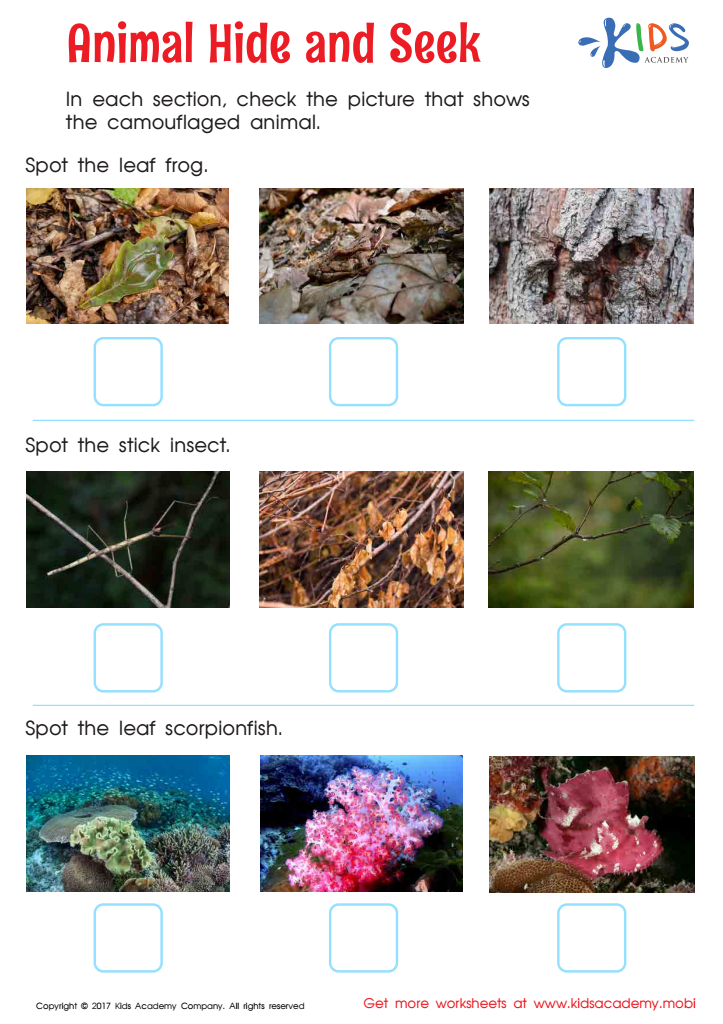
Animal Hide and Seek Worksheet
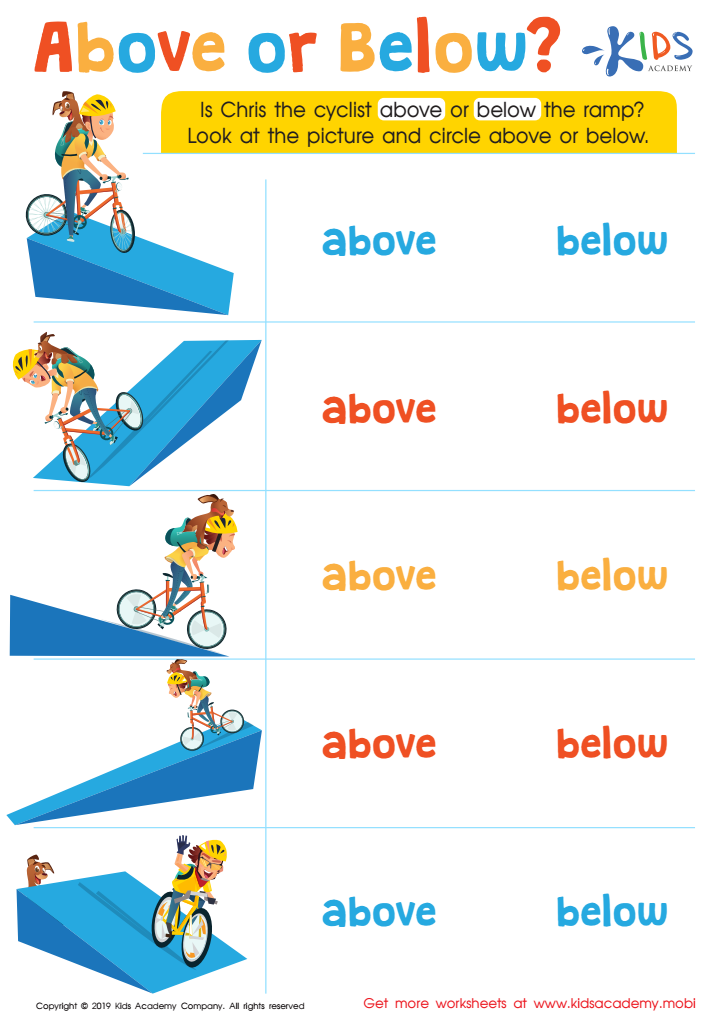
Above or Below? Worksheet





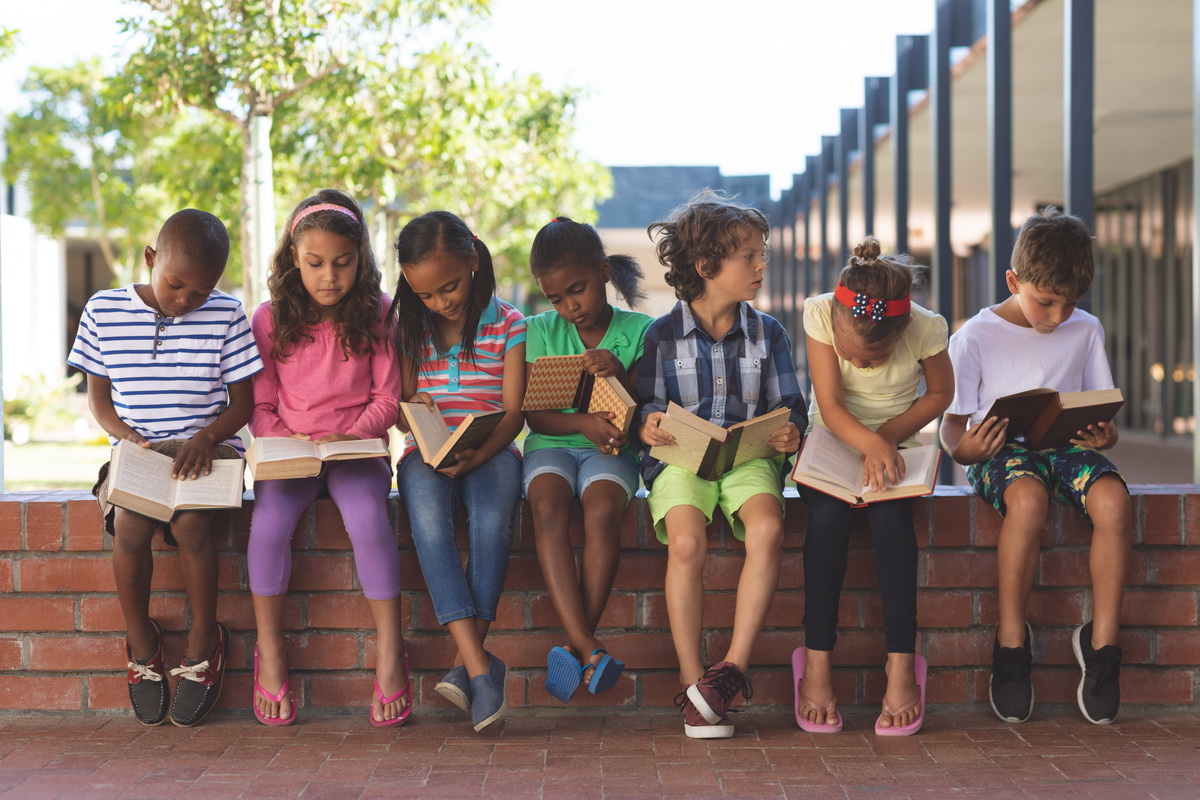


Visual perception skills are critical for children aged 6-7, as they form the foundation for many academic and everyday tasks. At this stage, children transition into more structured learning environments where reading, writing, and math often require strong visual abilities. Visual perception encompasses skills such as distinguishing between similar shapes, recognizing patterns, and understanding spatial relationships. These skills enable children to interpret and process visual information effectively, influencing their ability to read letters and words, solve math problems, and engage in arts and crafts.
Parents and teachers play a vital role in supporting the development of these skills. When children struggle with visual perception, they may face challenges in school, leading to frustration or decreased self-esteem. Strong visual perception skills not only contribute to better academic performance but also enhance critical thinking and problem-solving abilities. Activities tailored to boost these skills—like puzzles, reading games, and visual matching—can be incorporated into daily routines, making learning both fun and effective.
Investing time to enhance visual perception skills can equip children with the necessary tools for academic success and foster confidence in their abilities, ultimately supporting their overall development and readiness for future challenges.








