Visual discrimination 2D Shapes Worksheets for Ages 6-7
5 filtered results
-
From - To
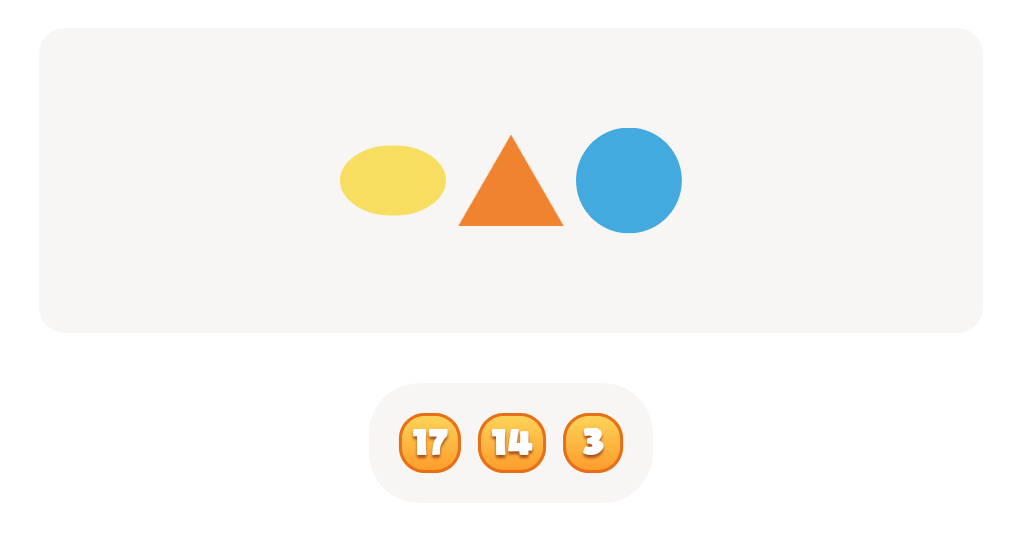
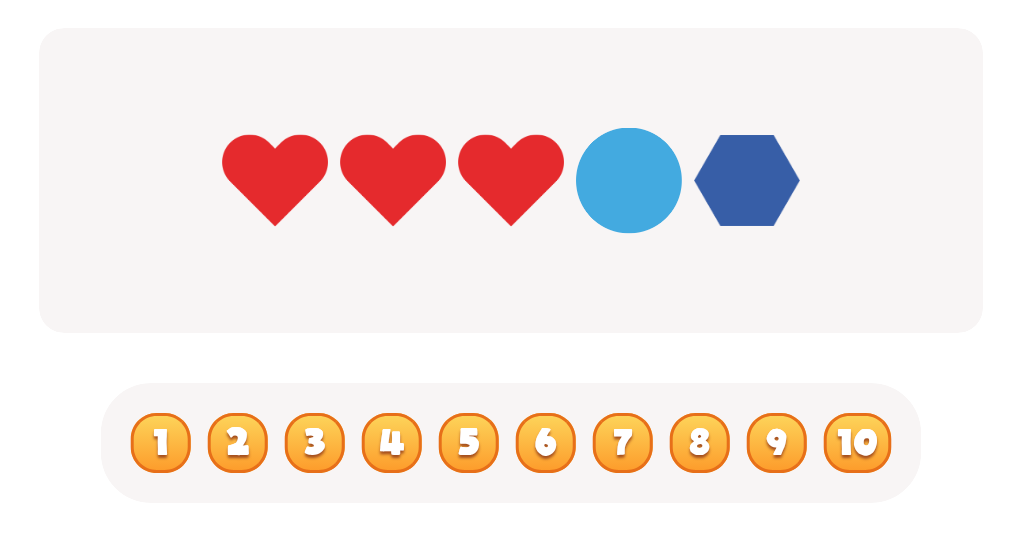
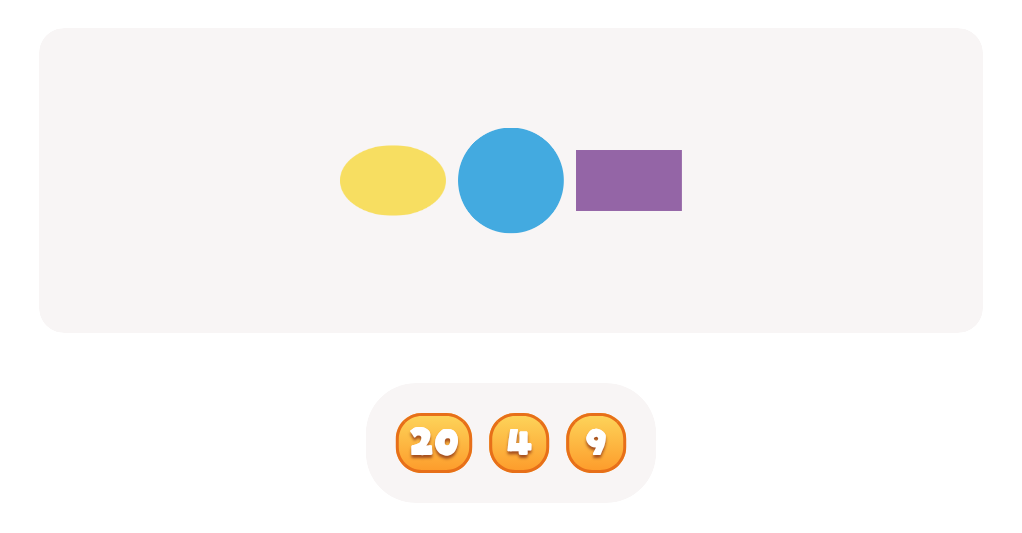
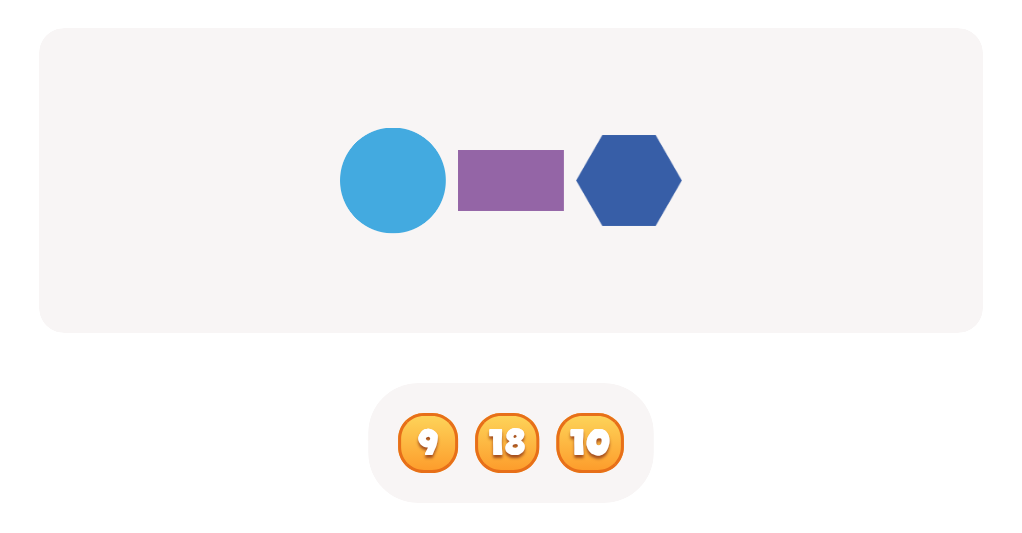
Our "Visual Discrimination 2D Shapes Worksheets for Ages 6-7" are designed to enhance your child's ability to recognize and differentiate various geometric shapes. These engaging and educational worksheets provide a fun way for young learners to sharpen their visual discrimination skills, a crucial foundation for more advanced math concepts. With colorful illustrations and interactive activities, children can practice identifying shapes like circles, squares, triangles, and more, while also improving their attention to detail and critical thinking. Perfect for both classroom and home use, these worksheets support early learners in building confidence and proficiency in geometry.
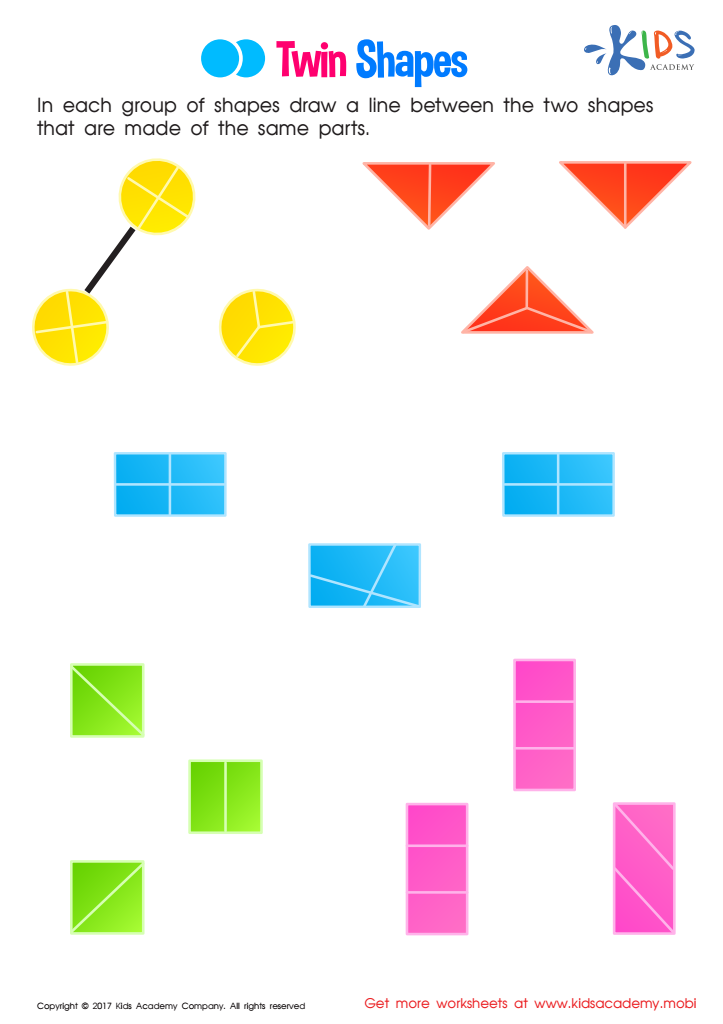
Twin Shapes Worksheet
 Assign to My Students


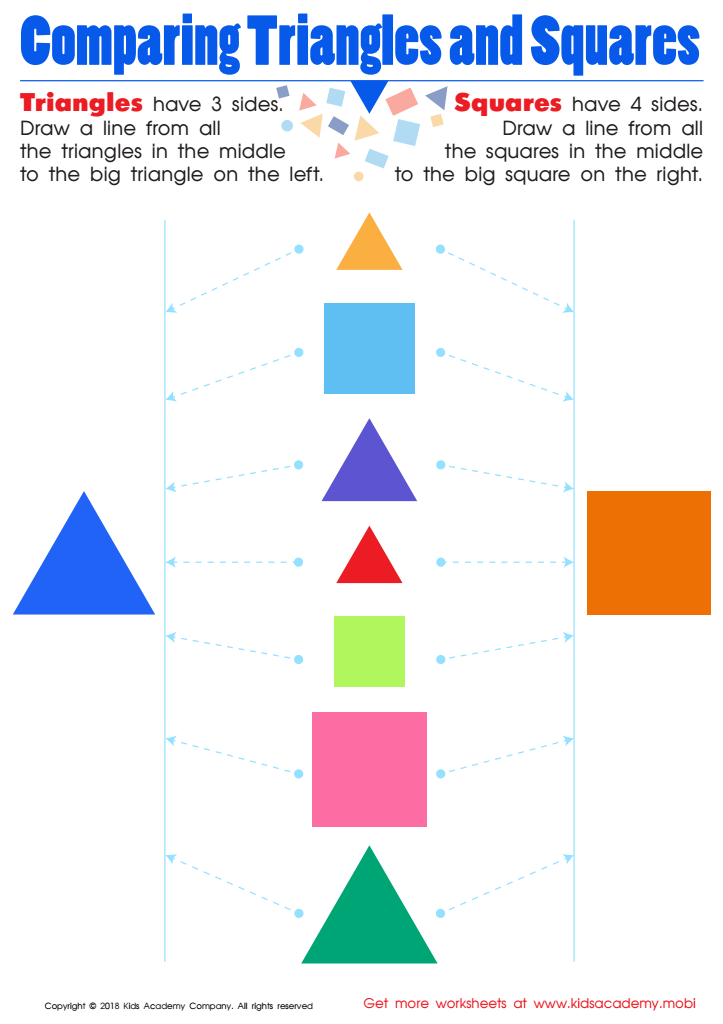
Comparing Triangles Squares Worksheet
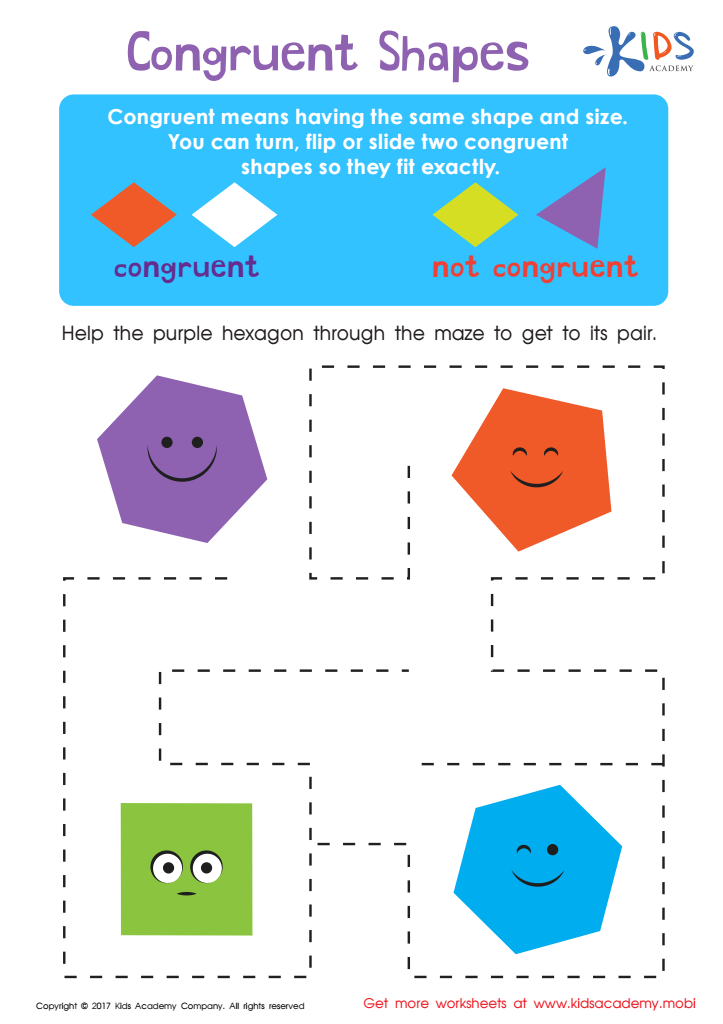
Congruent Shapes Worksheet
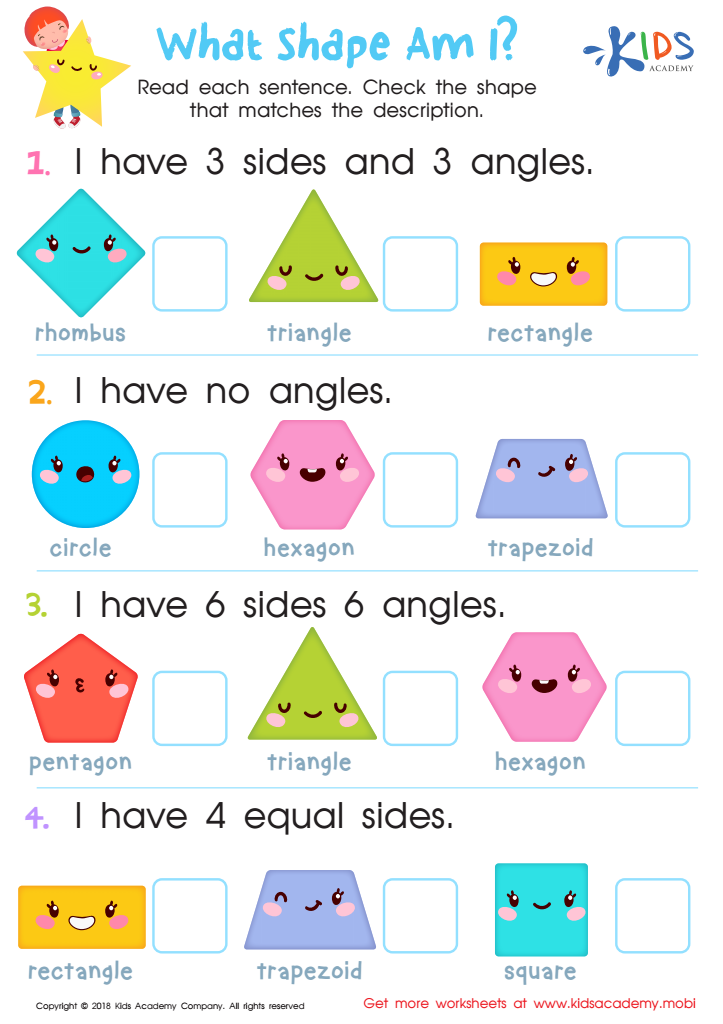
What Shape Am I? Worksheet
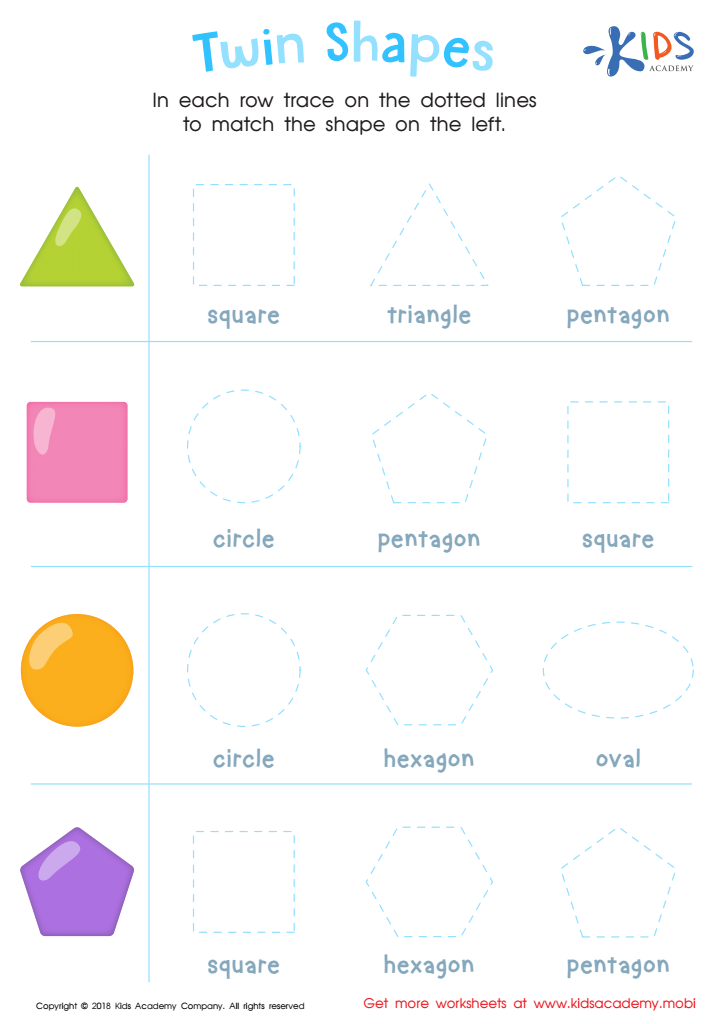
Twin Shapes Dot-to-Dot Worksheet








Visual discrimination is a critical cognitive skill that enables children to differentiate between objects, which is fundamental for recognizing letters, numbers, and words. At ages 6-7, children are at a key developmental stage where honing this skill, particularly with 2D shapes, can significantly enhance their academic and daily life success.
Parents and teachers should give special attention to visual discrimination of 2D shapes because it plays a crucial role in reading and writing. The ability to distinguish subtle differences in shapes contributes to word recognition and spelling. For instance, identifying the difference between a 'b' and a 'd' or 'p' and 'q' directly ties to their ability to read accurately. Additionally, math learning is deeply connected to understanding shapes. Recognizing shapes like circles, squares, and triangles introduces basic geometry concepts, promotes problem-solving skills, and lays the foundation for later math endeavors.
Furthermore, good visual discrimination skills aid in a child's overall environment navigation, from following traffic signs to decoding symbols in various contexts. It also supports higher concentration and organization, benefiting classroom tasks such as puzzles and sorting activities. Basically, fostering skills in visual discrimination of 2D shapes not only makes academic tasks more approachable but also significantly enhances a child's ability to interact with the world, making it undeniably crucial for parents and teachers to prioritize it.