Basic Arithmetic Addition & Subtraction Worksheets for Ages 6-7
12 filtered results
-
From - To
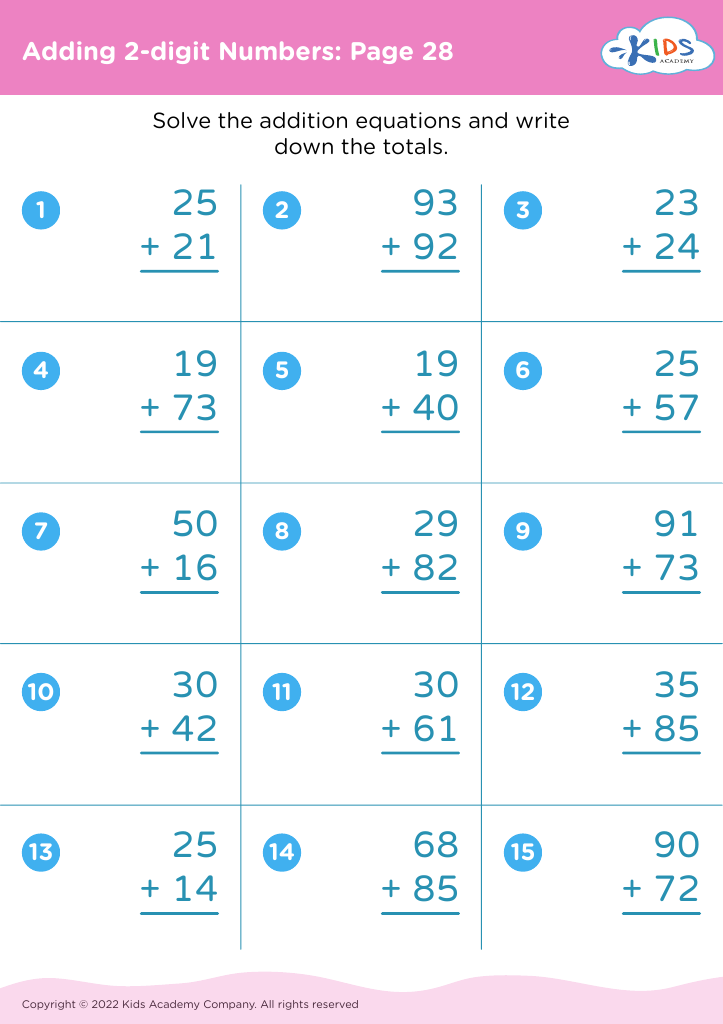
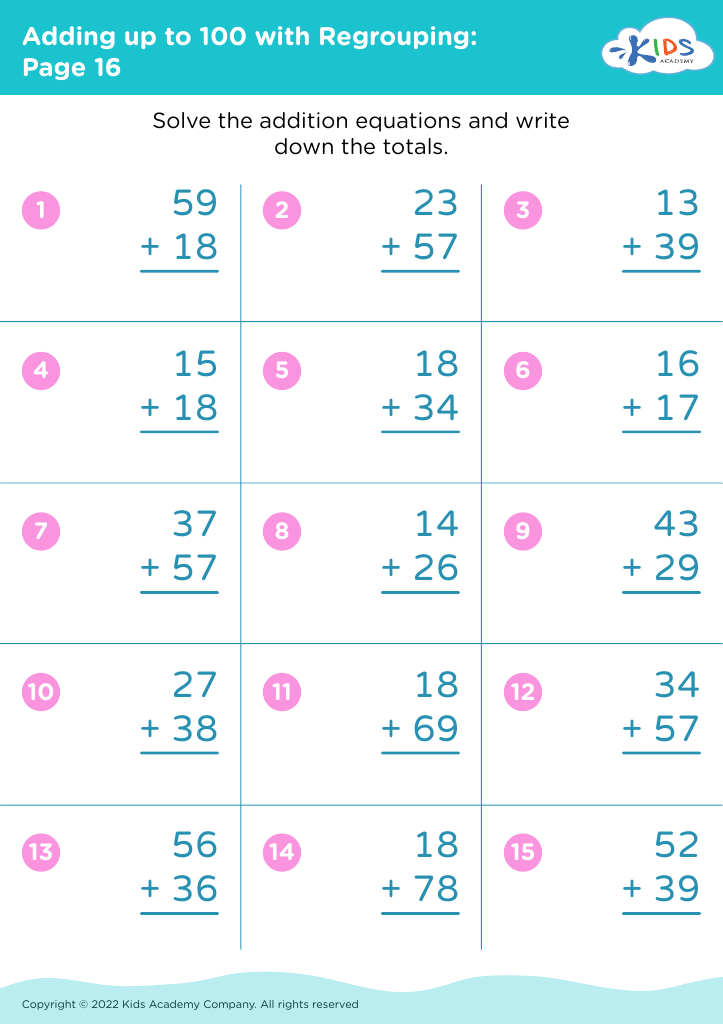
Discover our engaging Basic Arithmetic Addition & Subtraction Worksheets designed specifically for children aged 6-7. These printable resources aim to strengthen foundational math skills through fun and interactive exercises. Your child will practice essential addition and subtraction concepts, enhancing their confidence and comprehension while improving their problem-solving abilities. Each worksheet features colorful visuals and age-appropriate challenges to maintain interest and stimulate learning. Perfect for home or classroom use, our worksheets are aligned with educational standards and help introduce young learners to the world of mathematics in an enjoyable way. Start building your child's numeracy skills today!
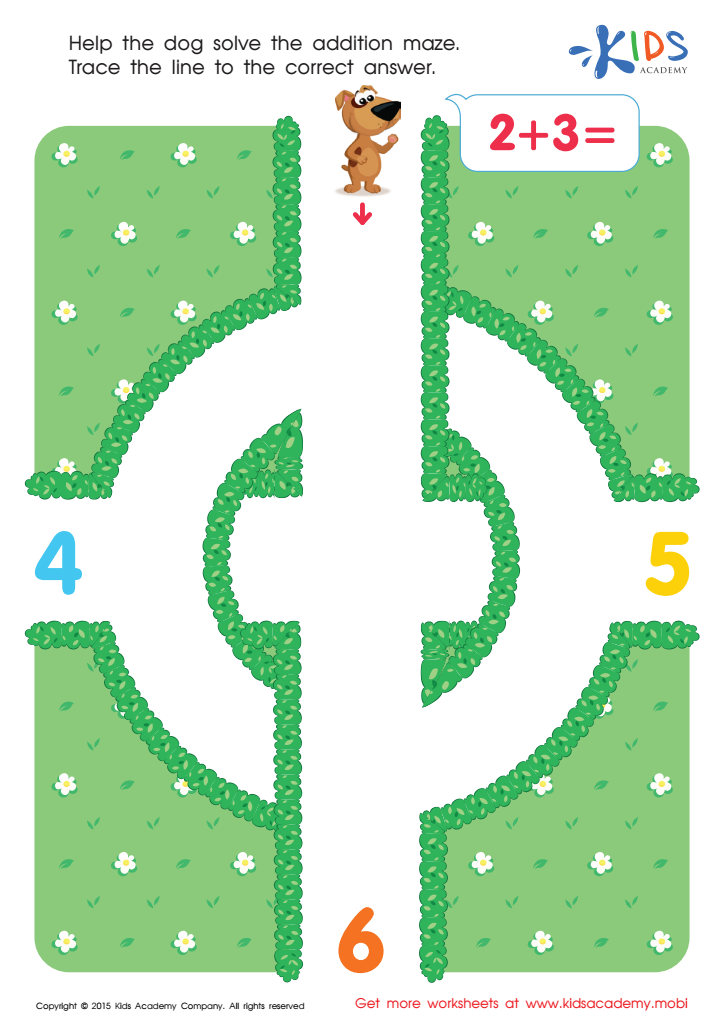
Two And Three Addition Worksheet
 Assign to My Students
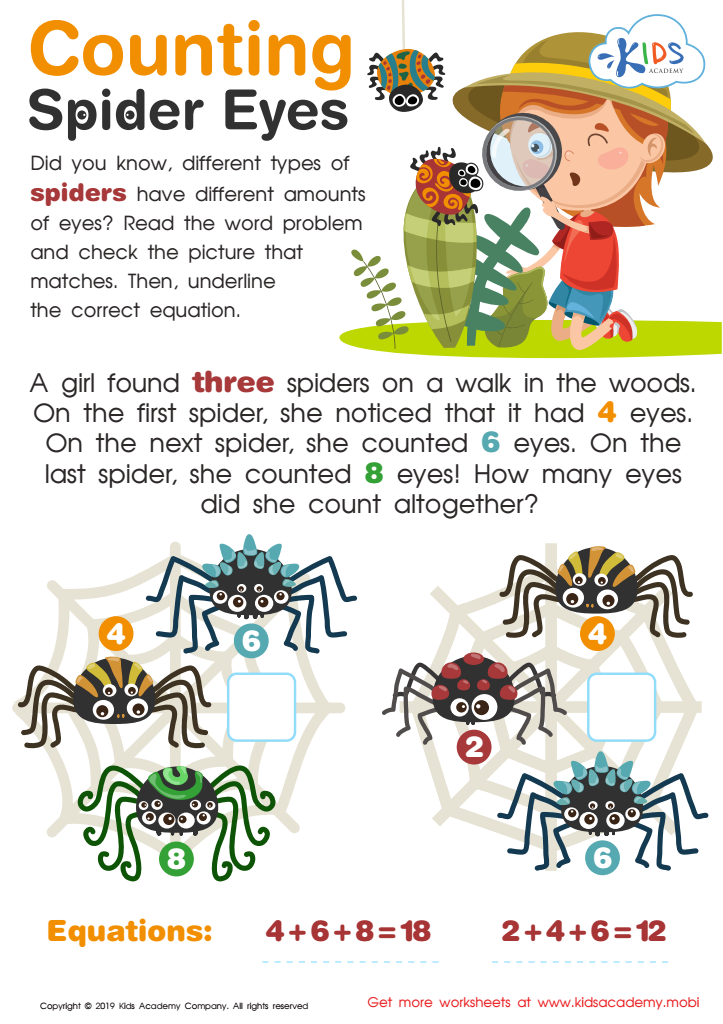
Counting Spider Eyes Worksheet
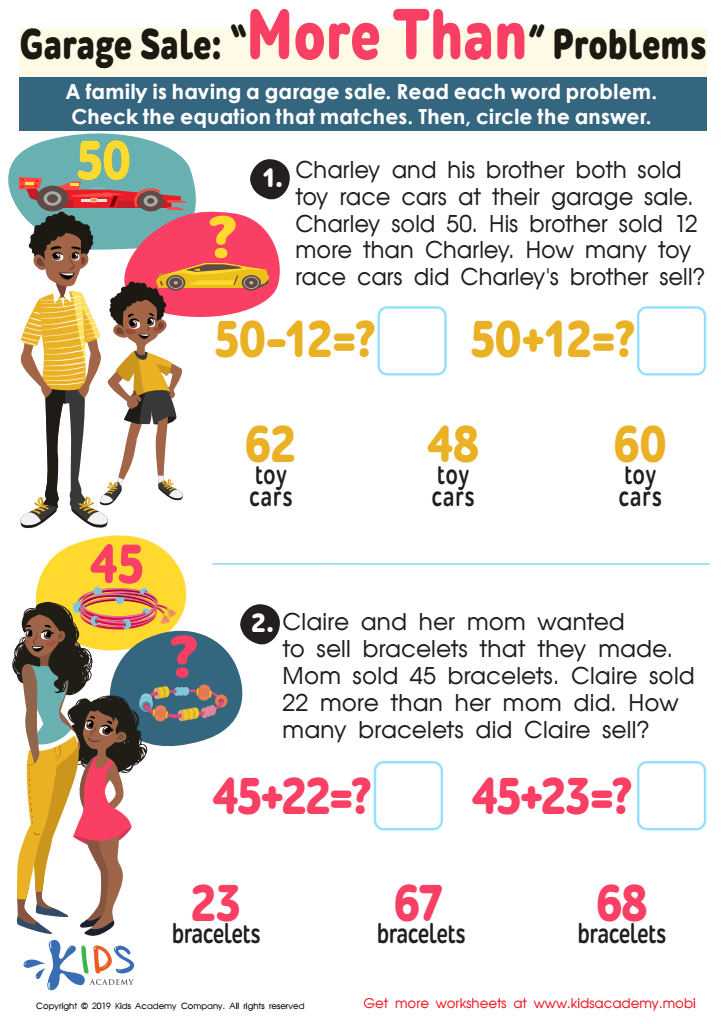
Garage Sale - More yhan Worksheet
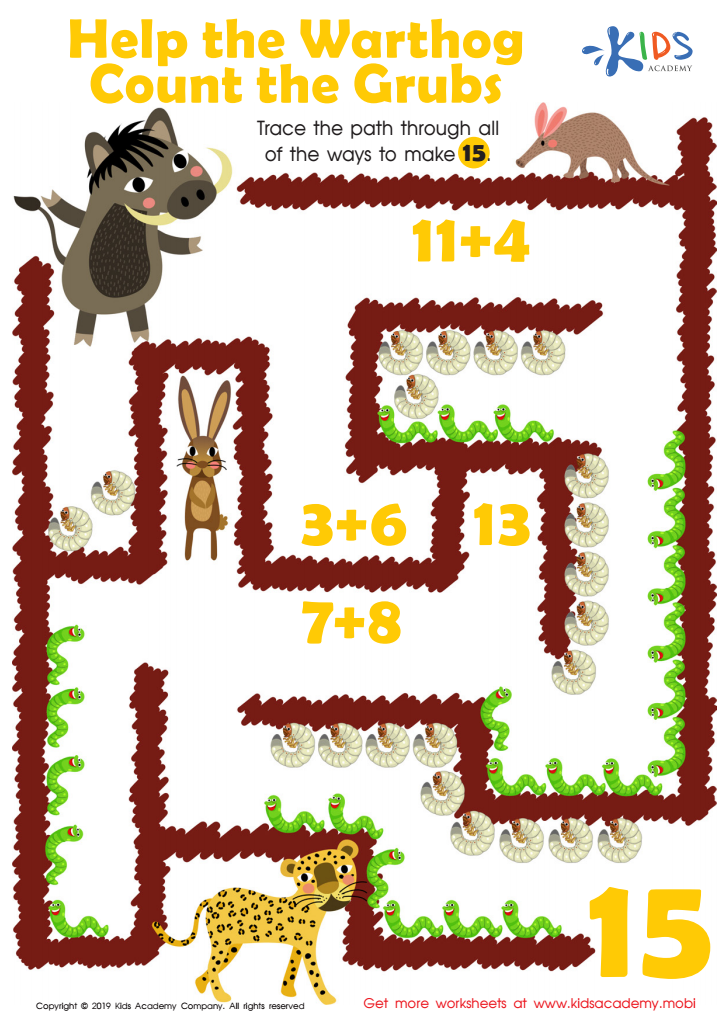
Help the Warthog Count the Grubs Worksheet
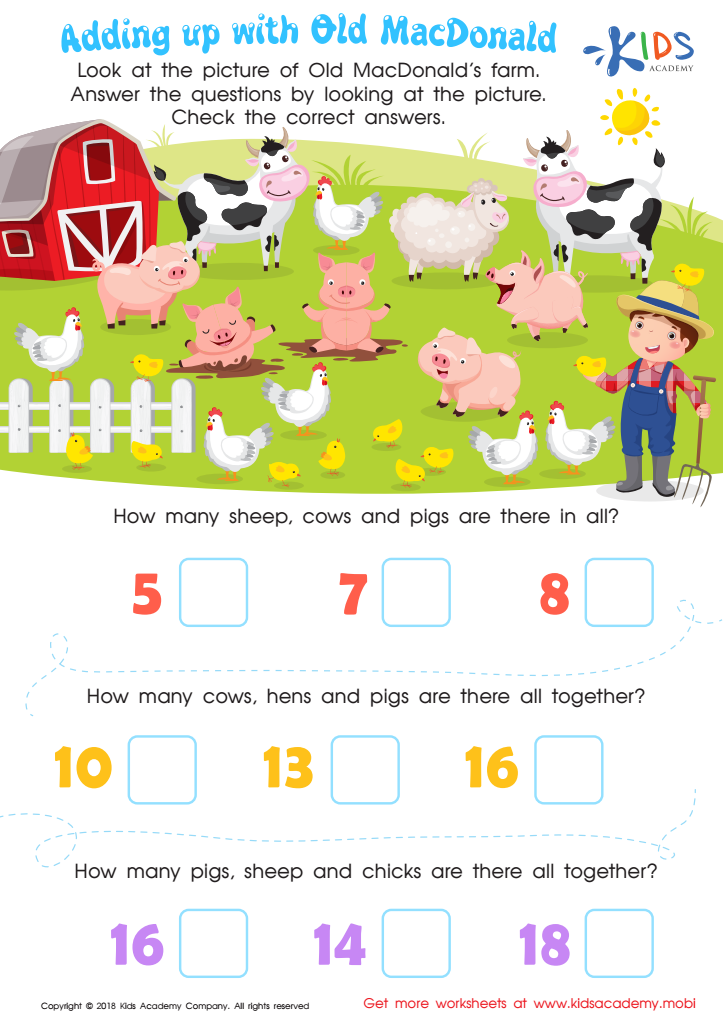
Adding Up with Old MacDonald Worksheet
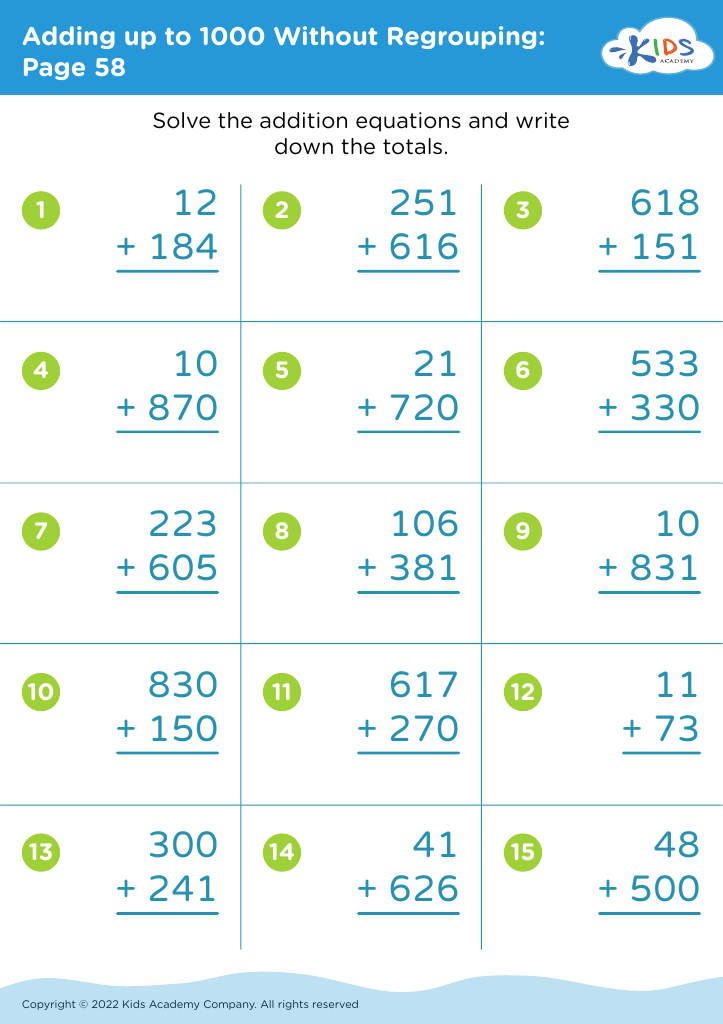
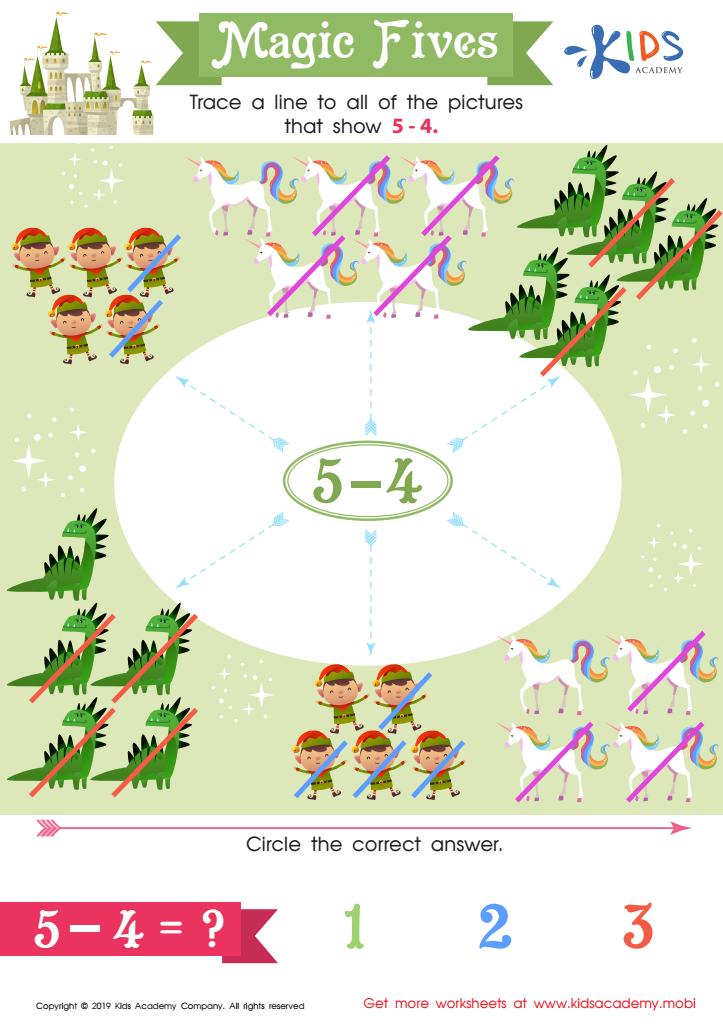
Magic Fives Worksheet
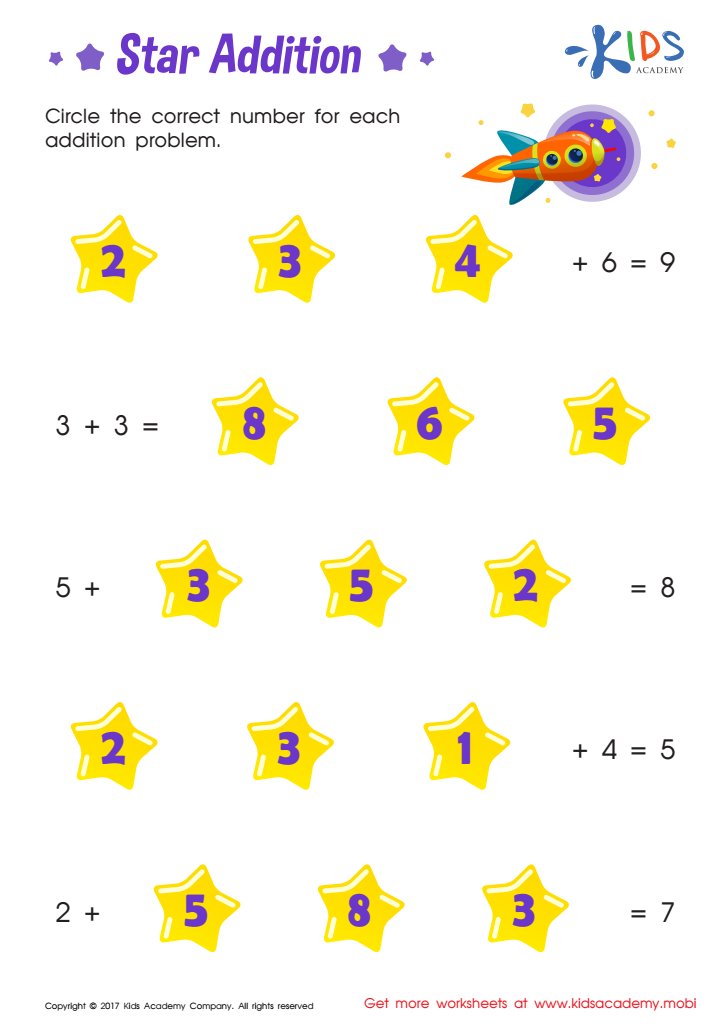
Star Addition Printable
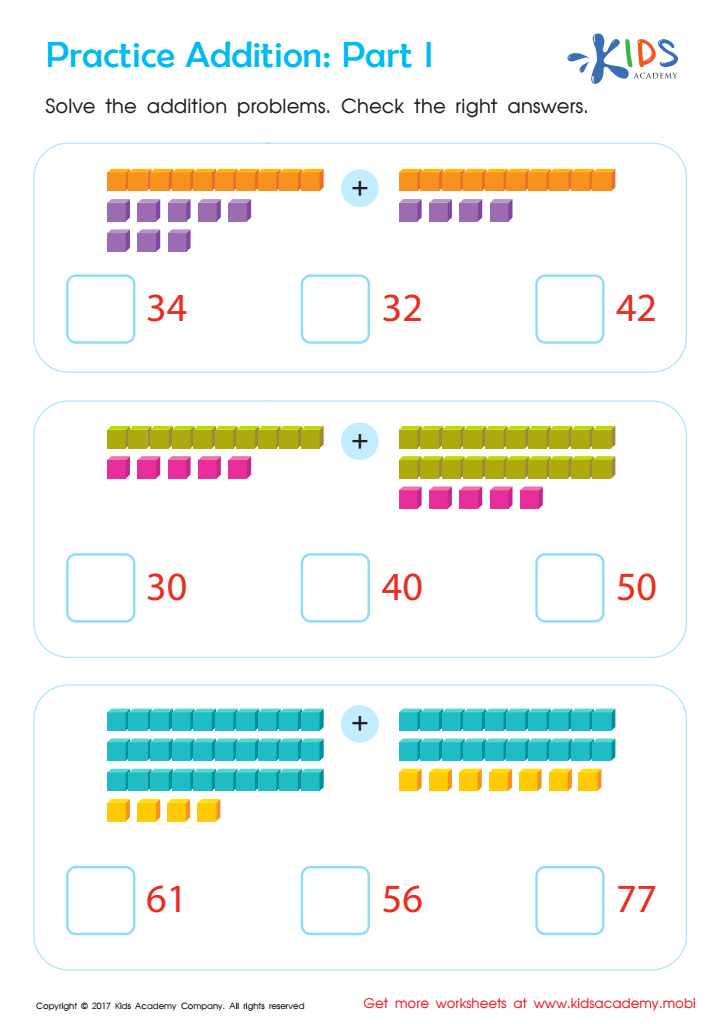
Practice Addition: Part 1 Worksheet
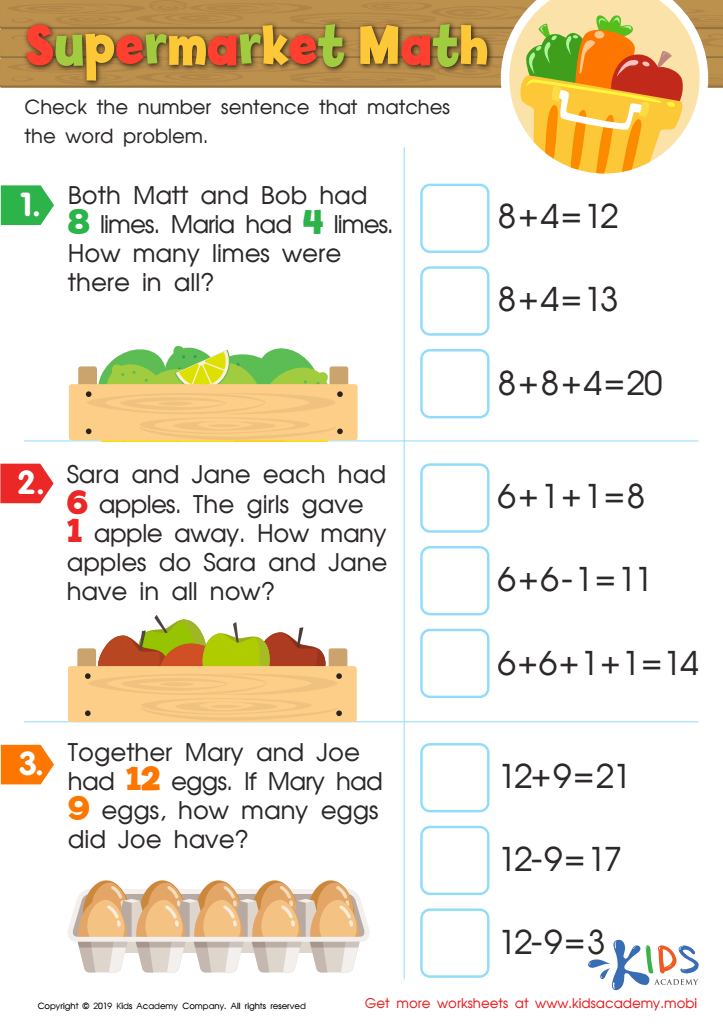
Supermarket Math Worksheet








Understanding basic arithmetic addition and subtraction is crucial for children aged 6-7, as it lays the foundation for their future mathematical learning and overall cognitive development. At this age, children are transitioning from concrete to abstract thinking, making it the perfect time for them to grasp fundamental mathematical concepts. Learning these skills helps develop critical thinking and problem-solving abilities, which are essential not just in math, but across all subjects and real-life situations.
Moreover, mastering addition and subtraction fosters a sense of accomplishment and boosts children's confidence. When children learn to manipulate numbers and understand how they relate to each other, they develop perseverance, attention to detail, and resilience in overcoming challenges. These social-emotional skills are equally important for their growth.
From a practical standpoint, these math skills are vital for daily activities, such as shopping or cooking, helping children develop an awareness of money and time. Furthermore, early proficiency in arithmetic can lead to a smoother transition into more advanced mathematical concepts, minimizing future learning difficulties. Therefore, parents and teachers must prioritize teaching addition and subtraction, not just as academic tasks, but as essential life skills that support children’s overall development and success in school and beyond.








