Basic Math Skills Addition & Subtraction Worksheets for Ages 6-7 - Page 2
74 filtered results
-
From - To
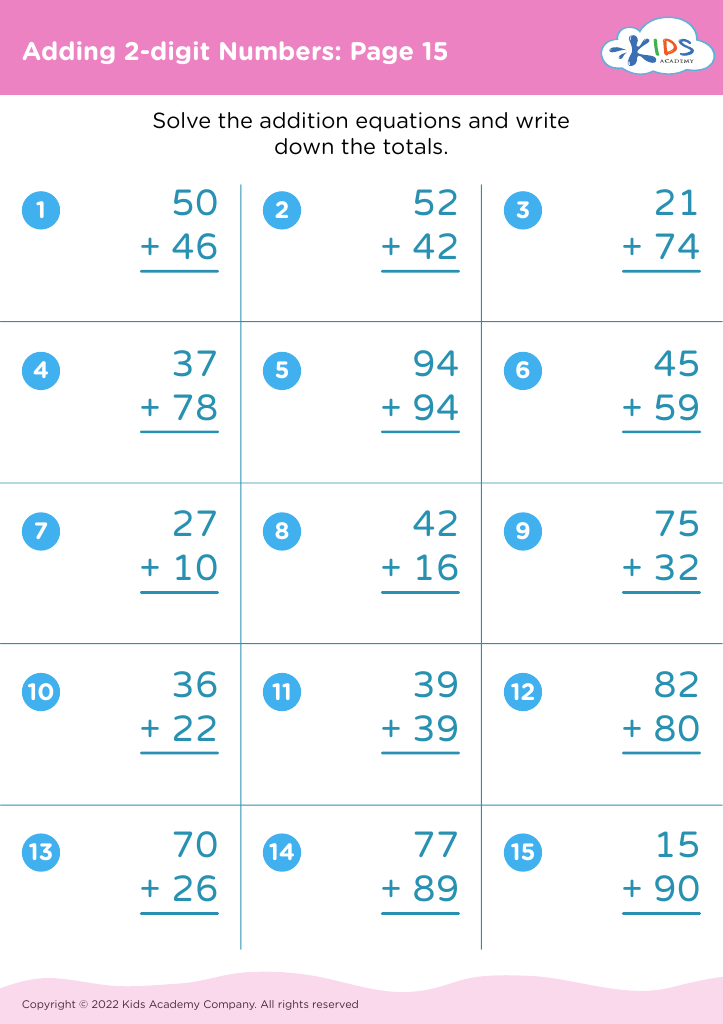
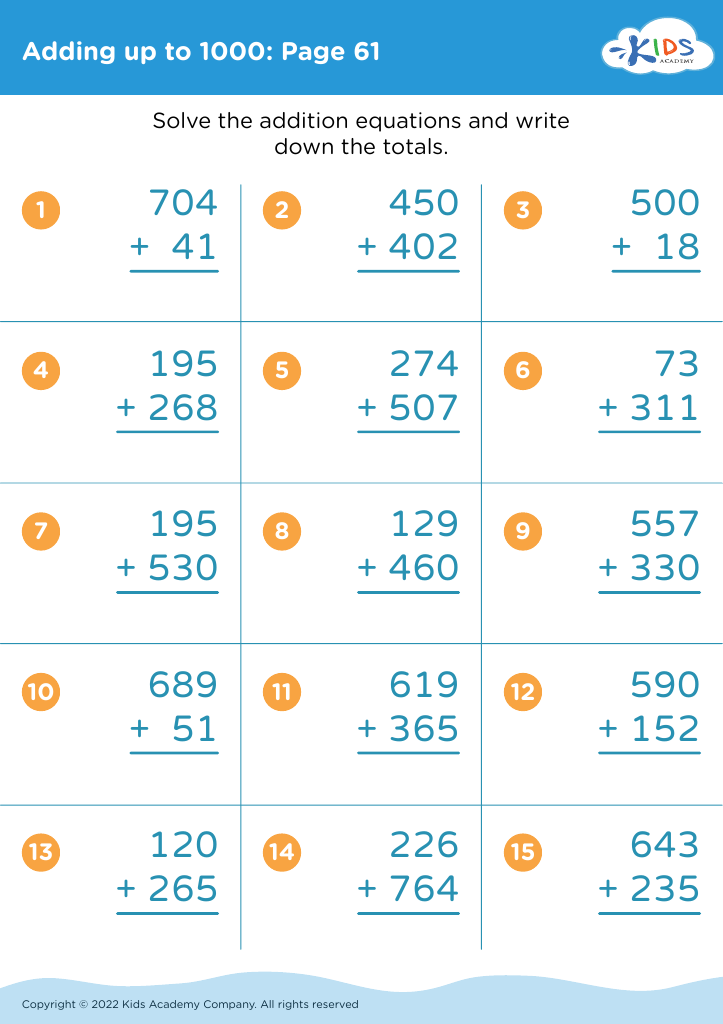
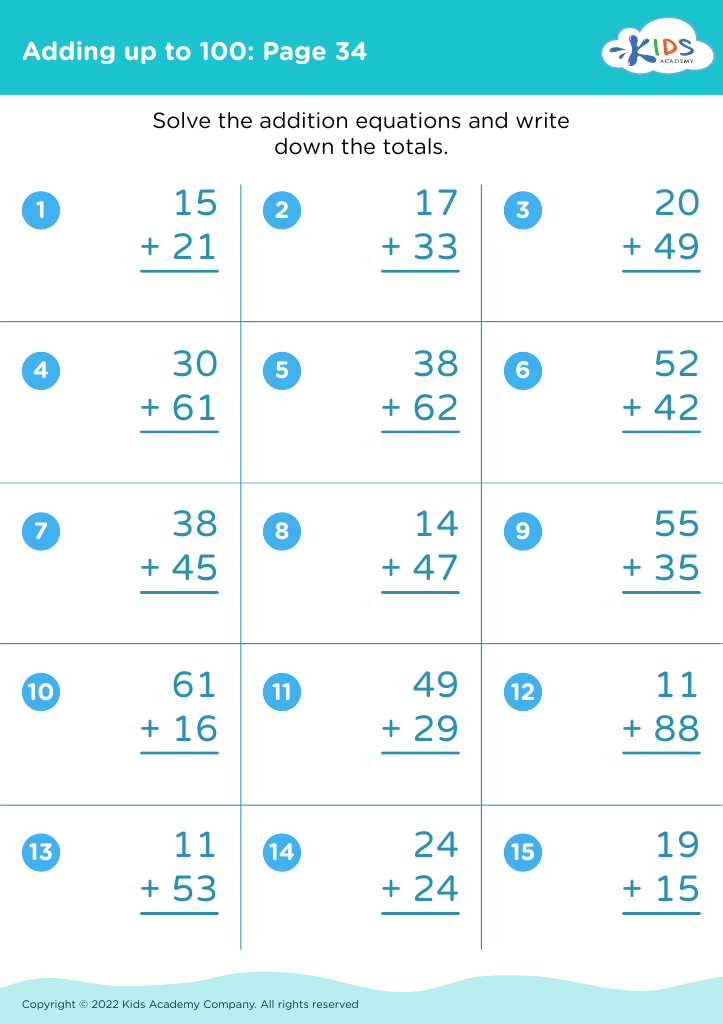
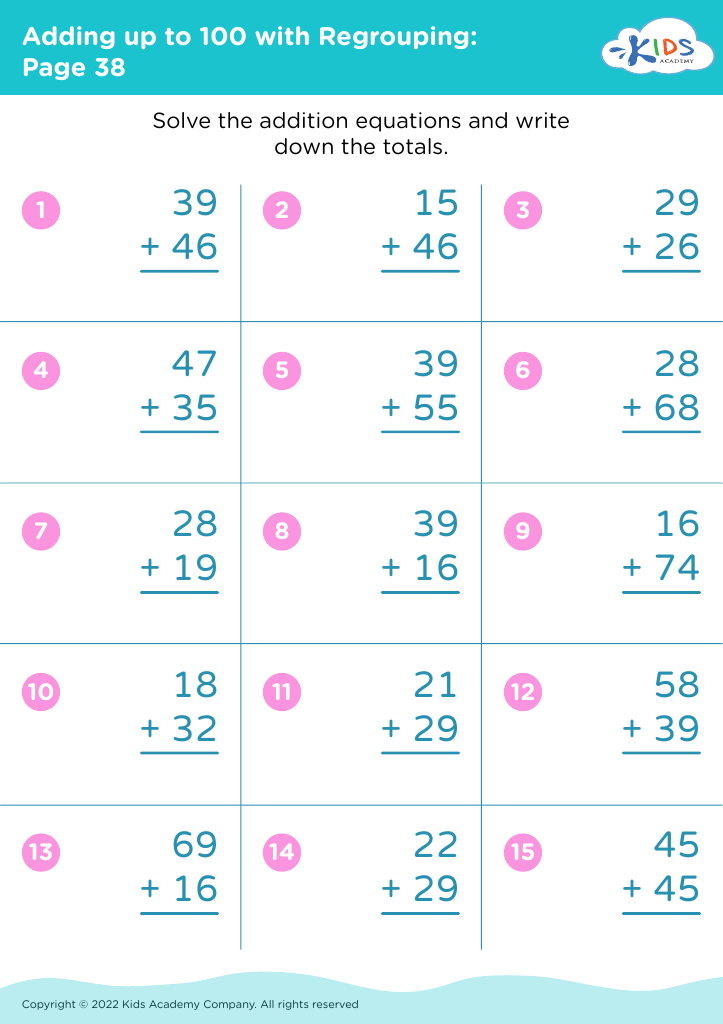
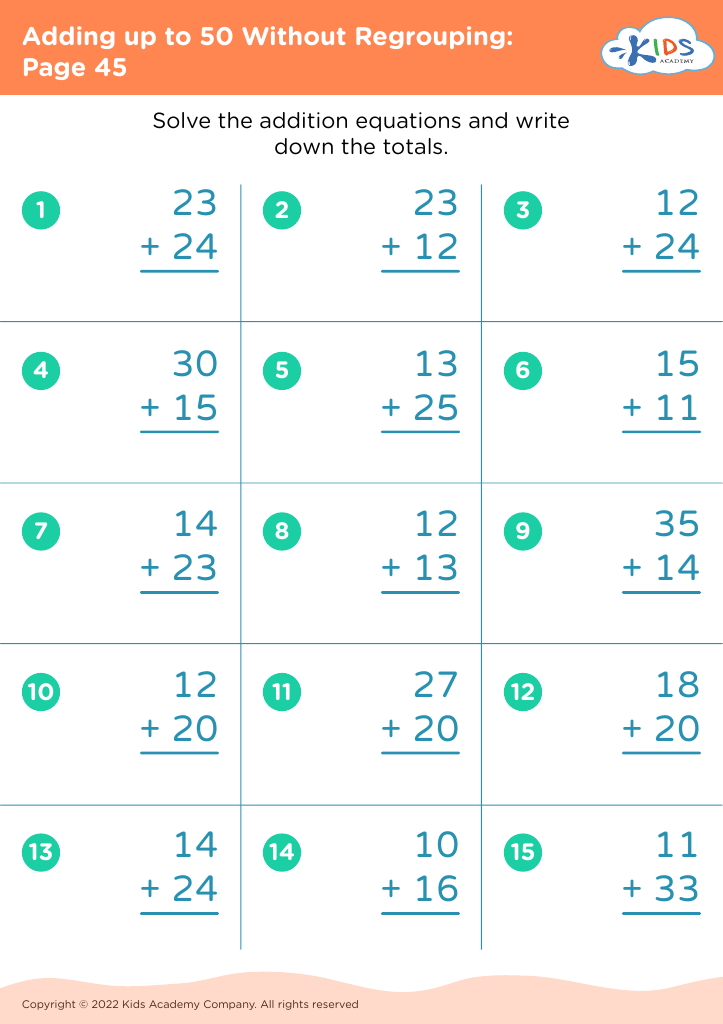
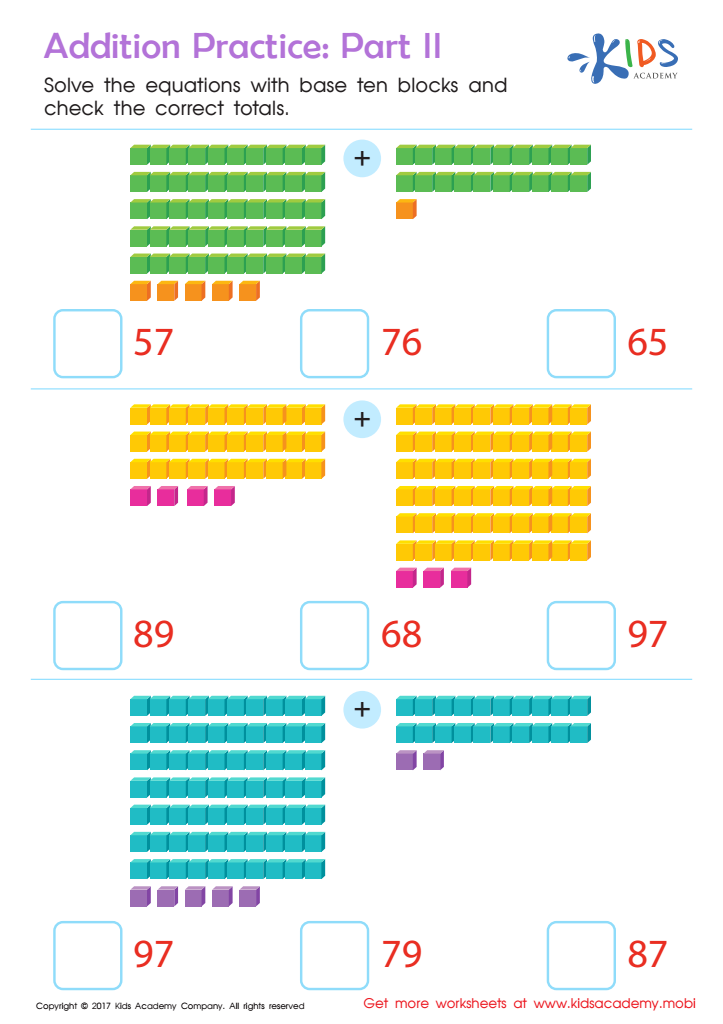
Addition Practice Sheet: Part 2
 Assign to My Students
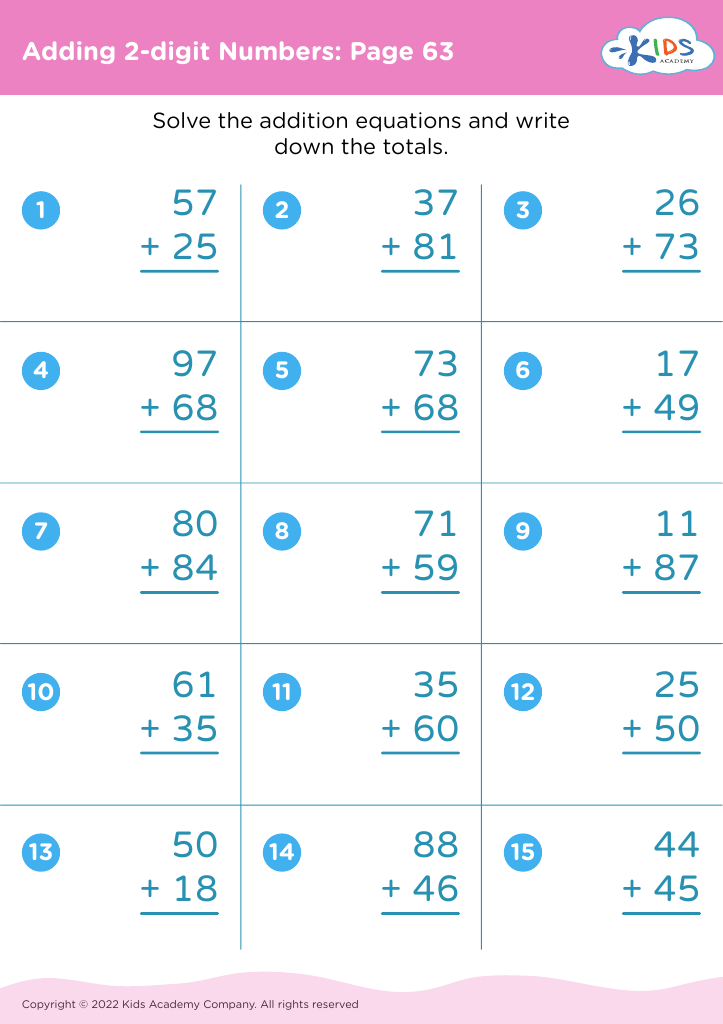
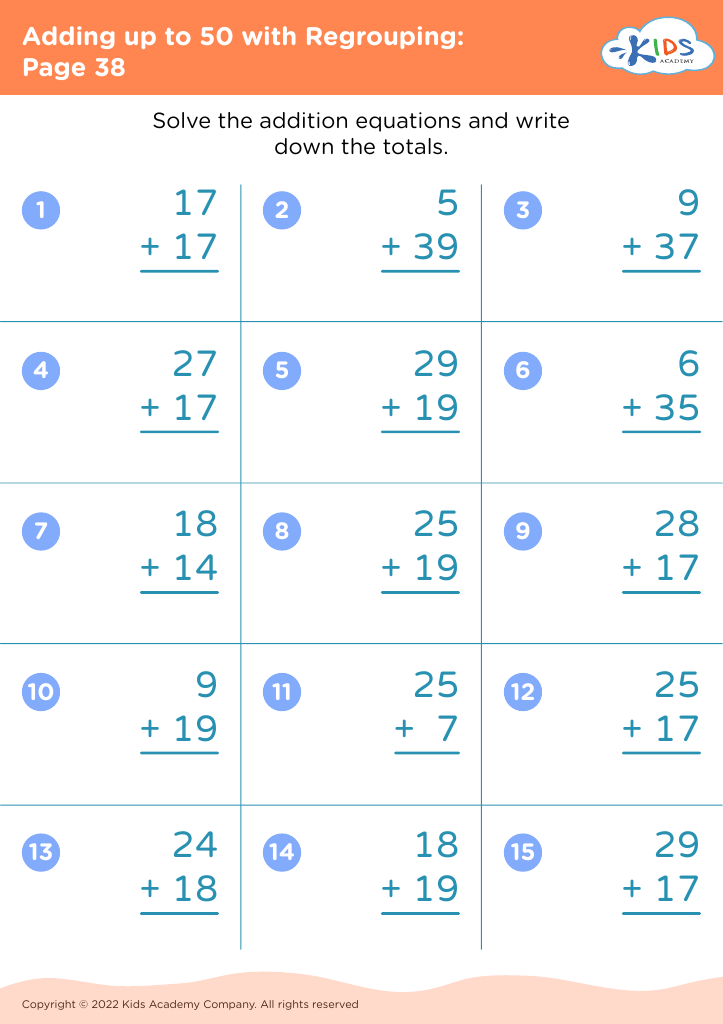
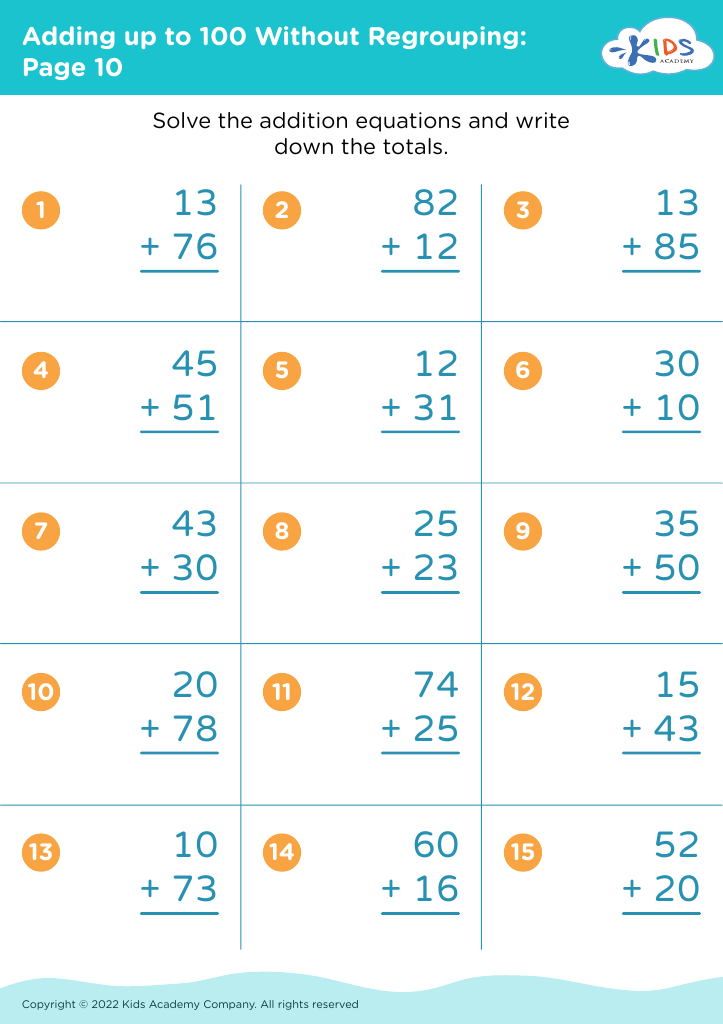
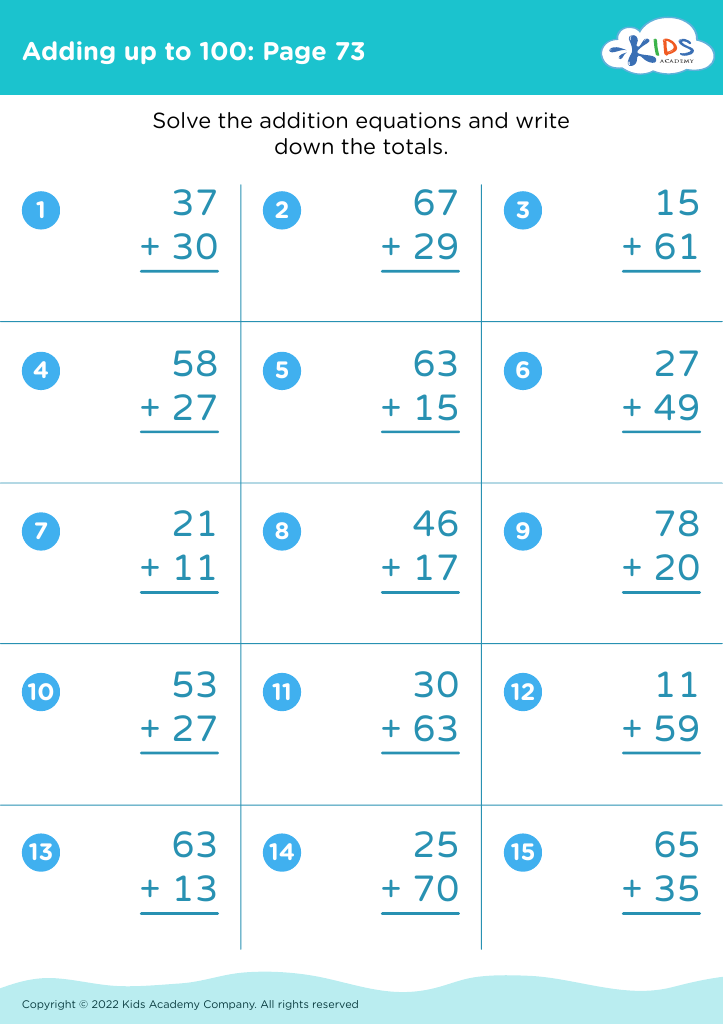
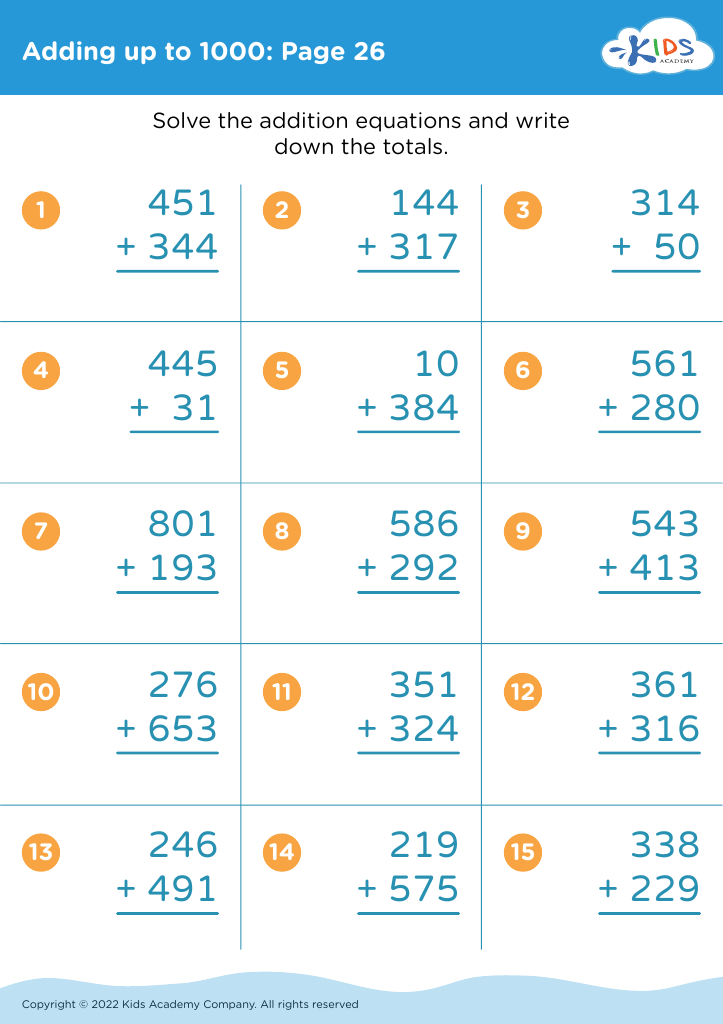
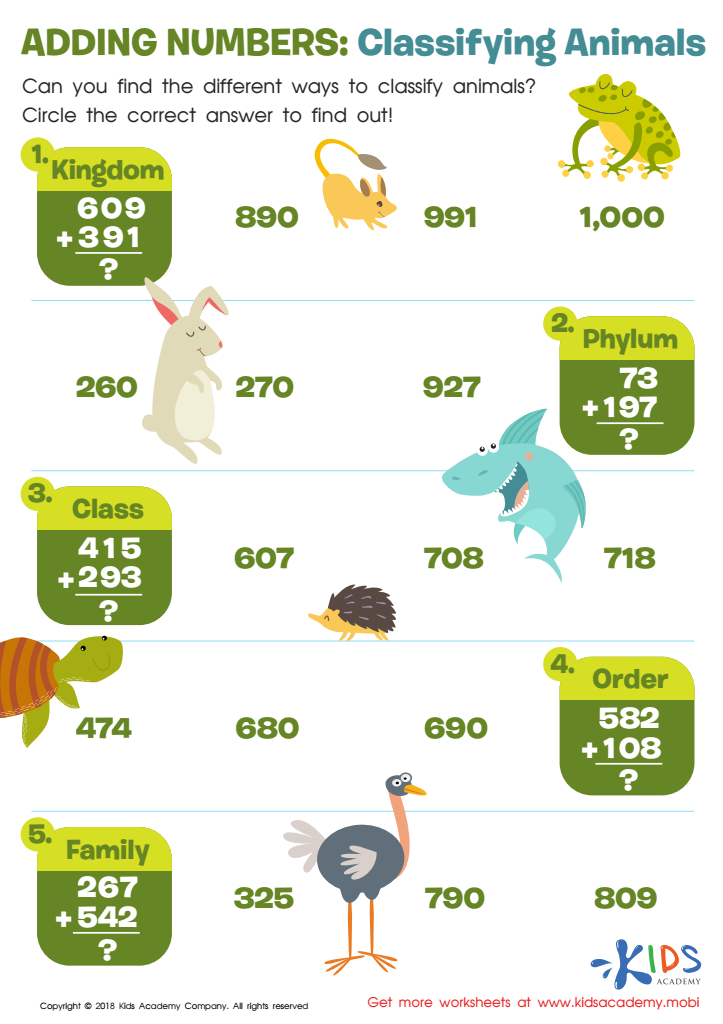
Adding Numbers: Classifying Animals Worksheet
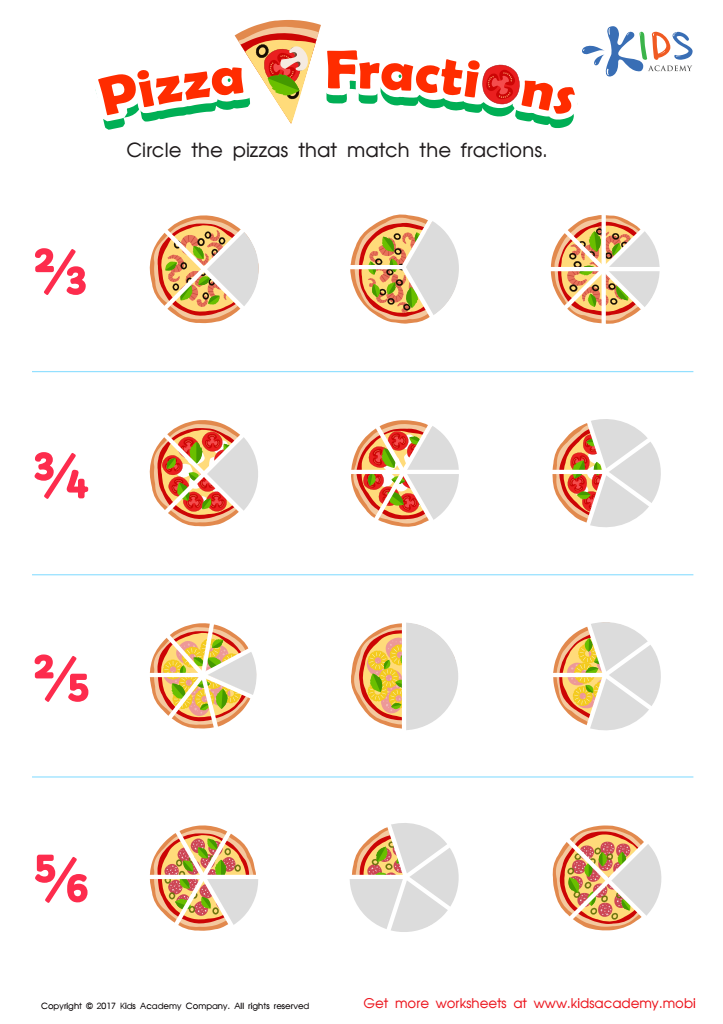
Fractions: Pizza Printable
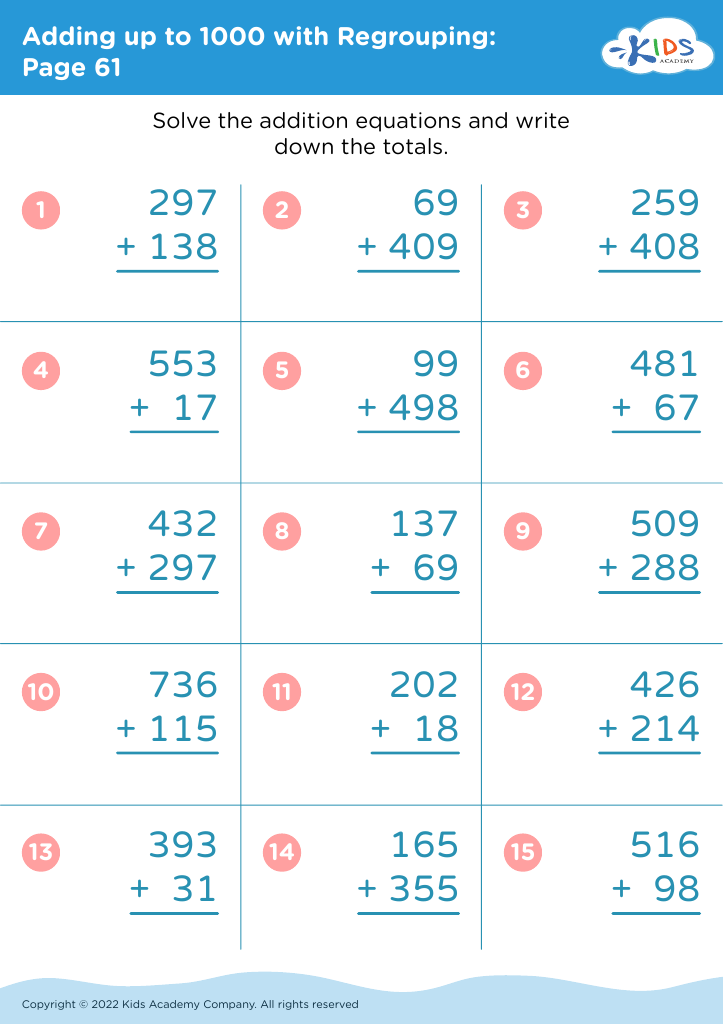
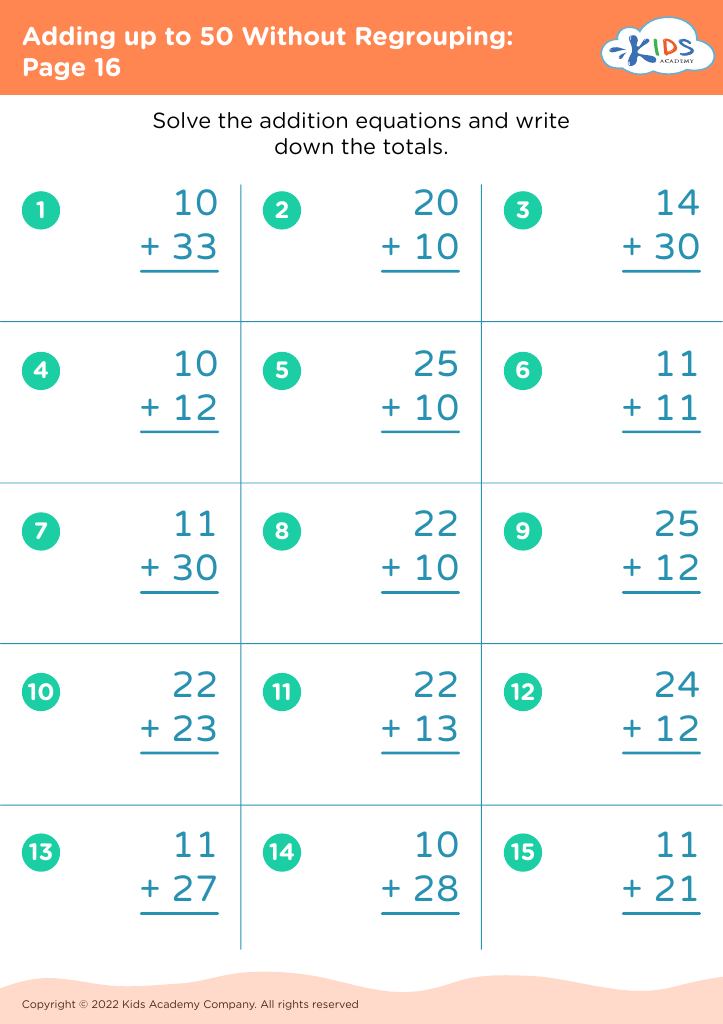
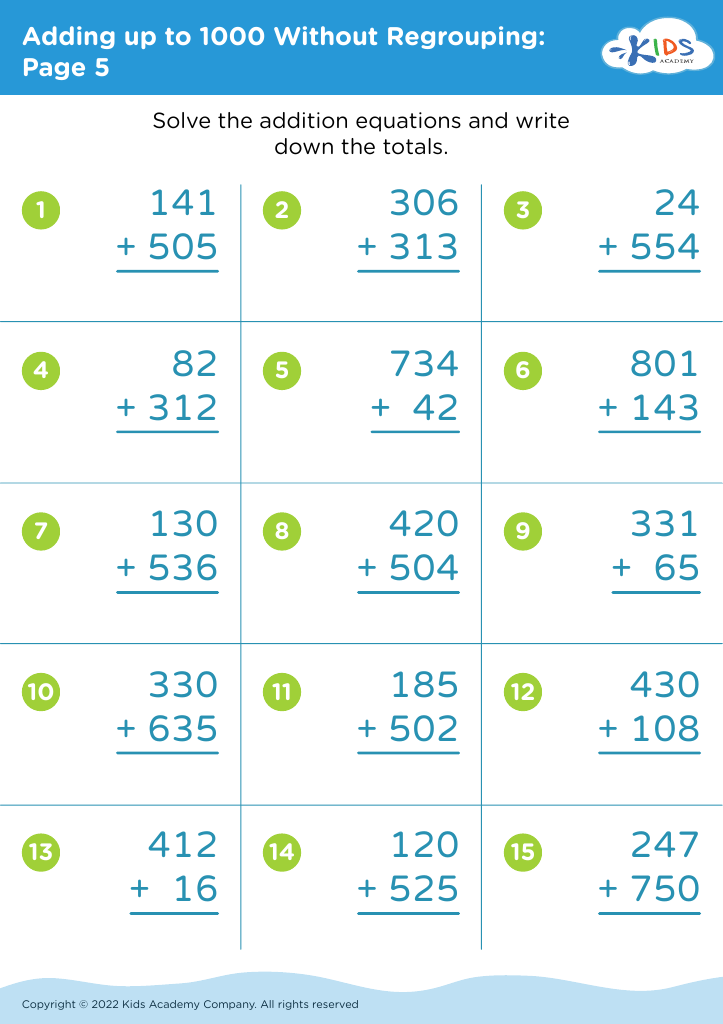
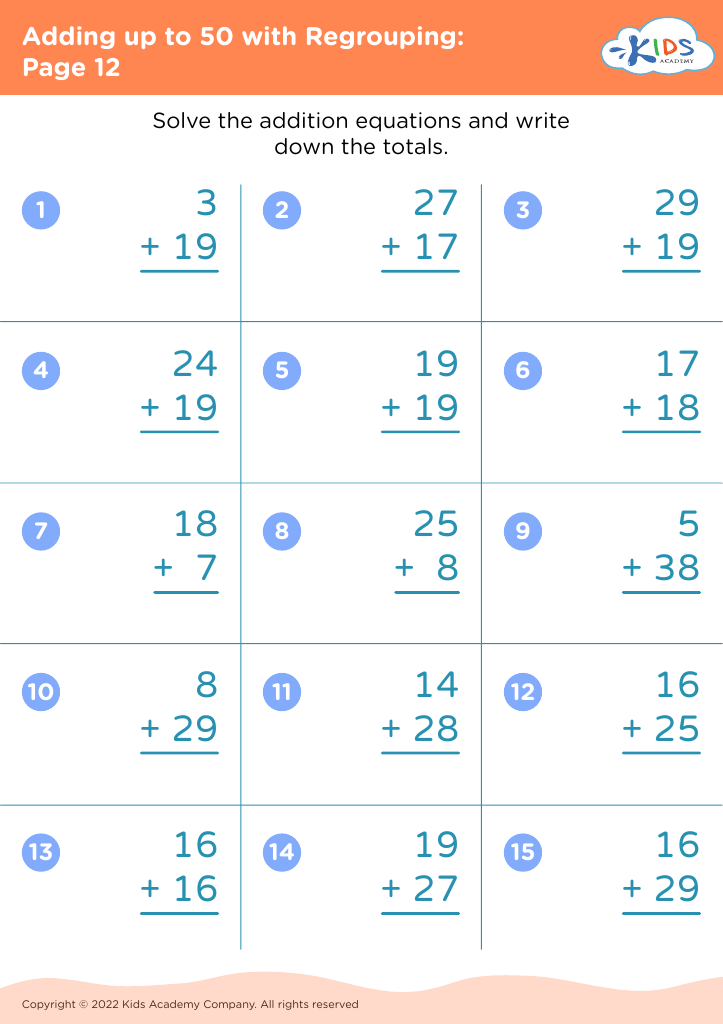
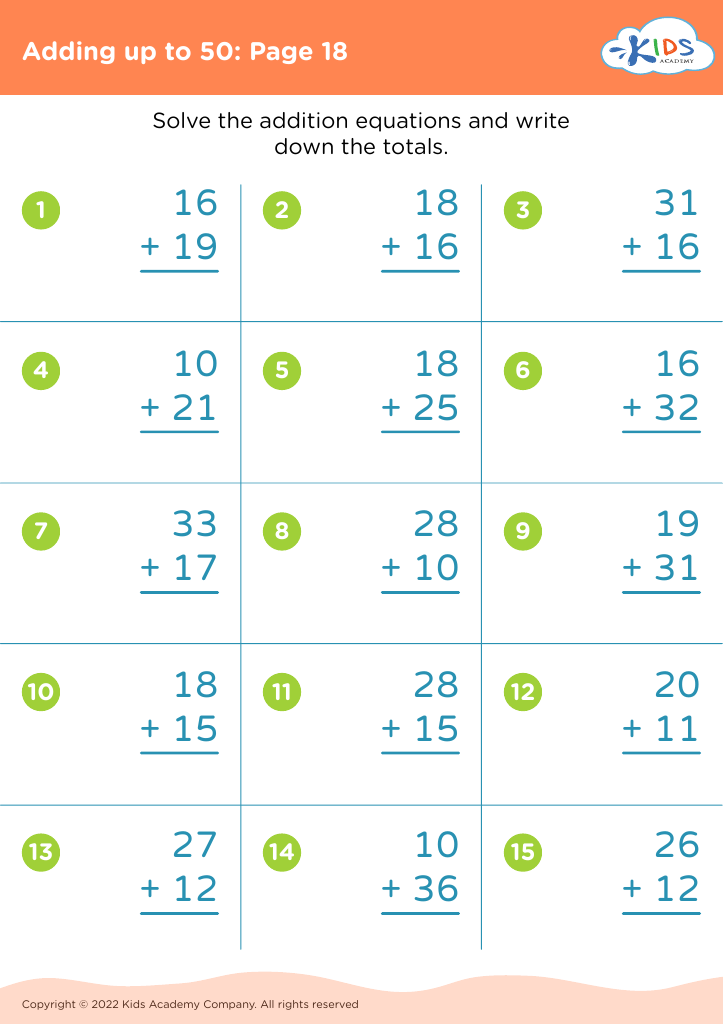
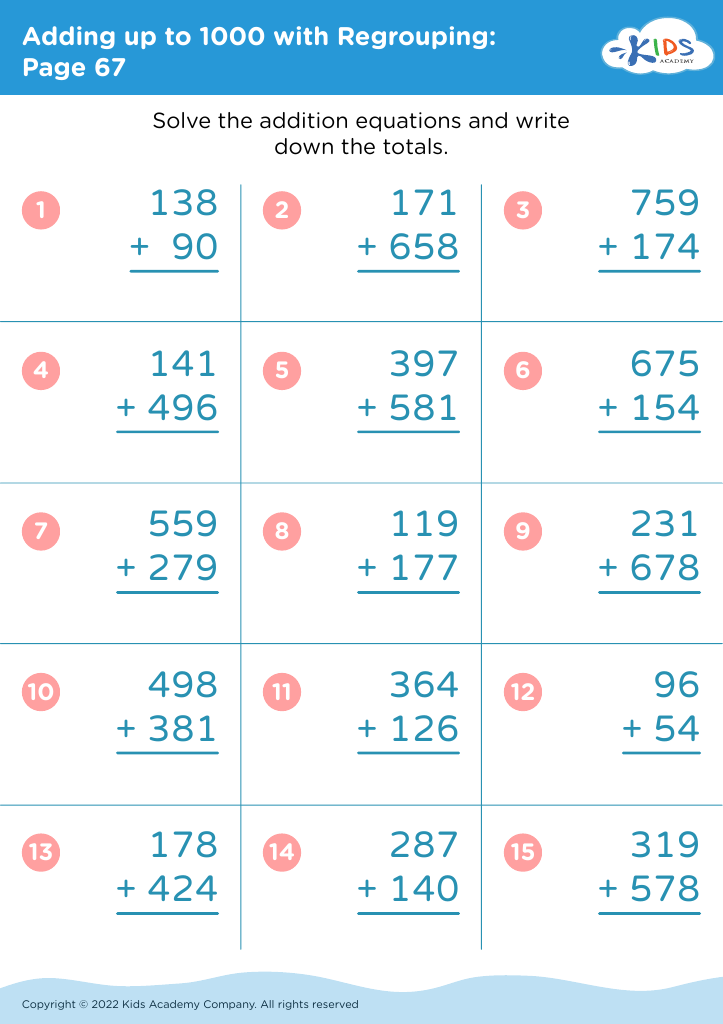
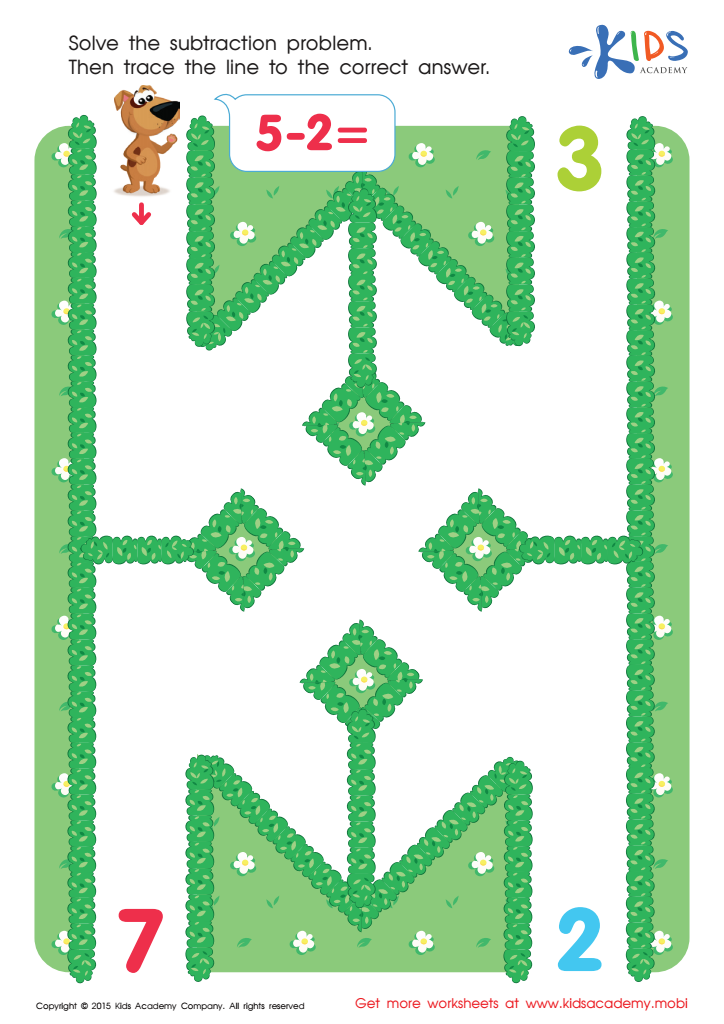
Five Minus Two Worksheet
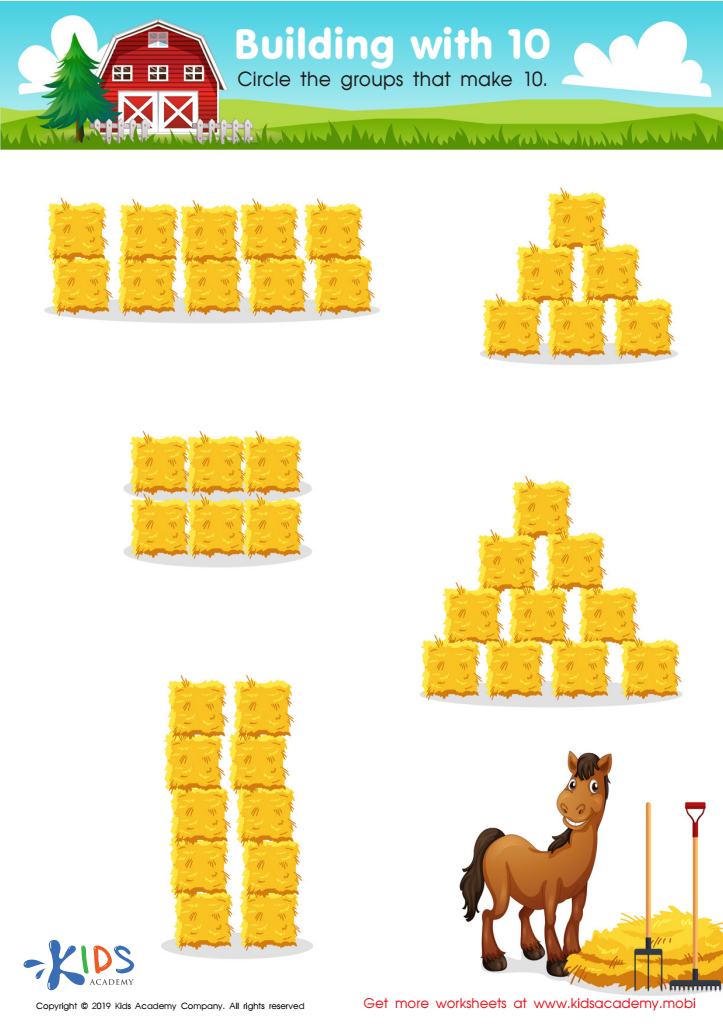
Building with 10 Worksheet
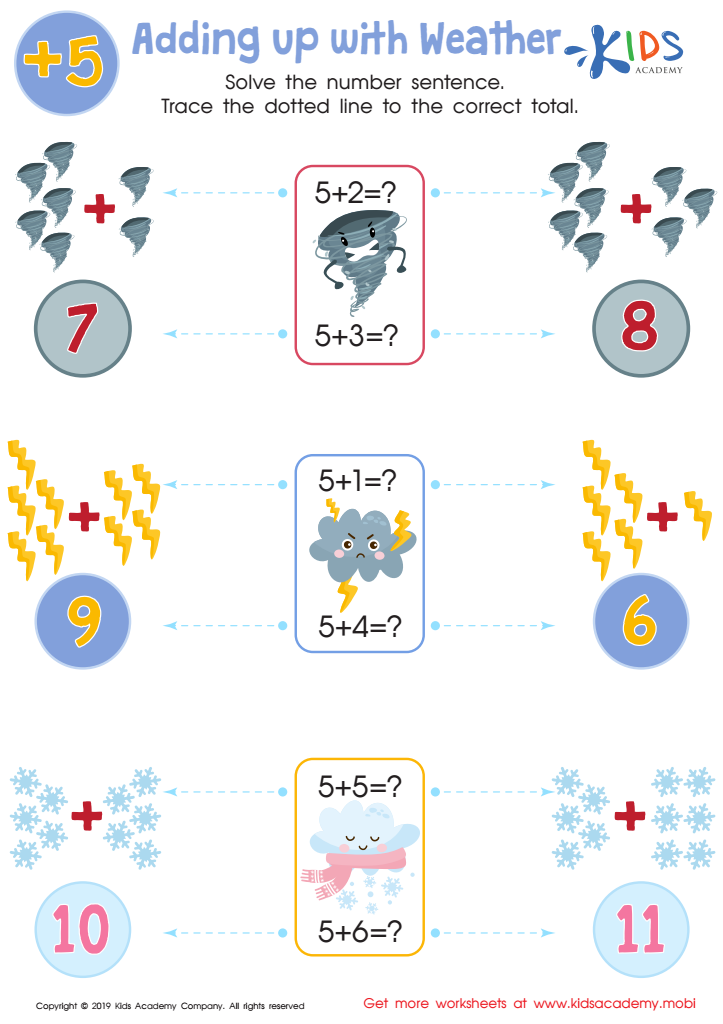
Adding up With Water Worksheet
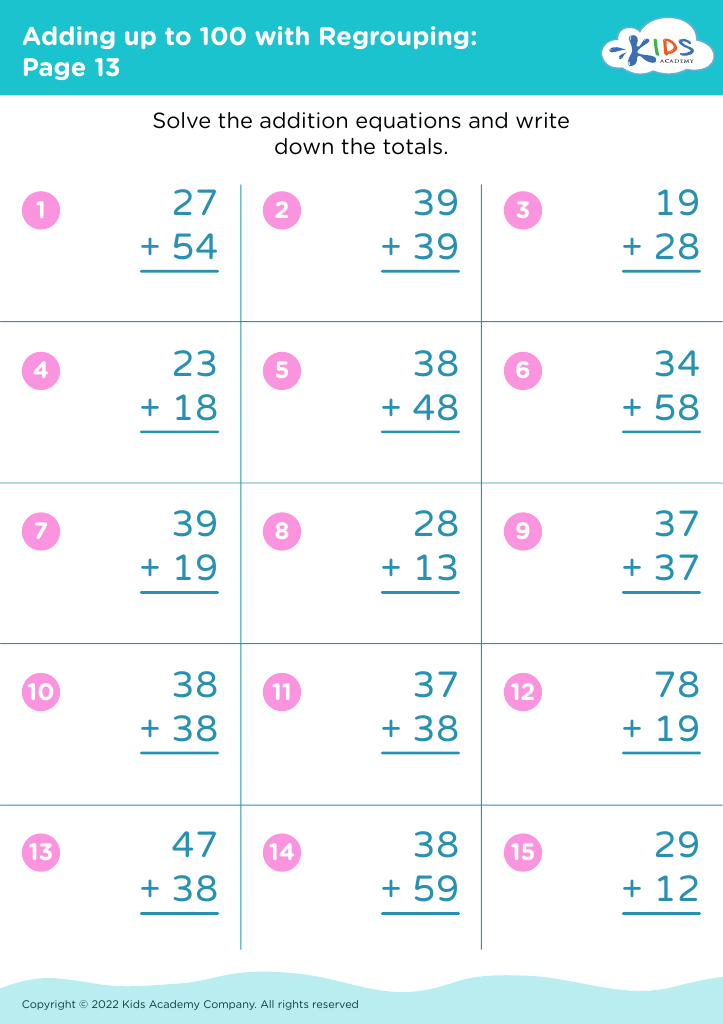
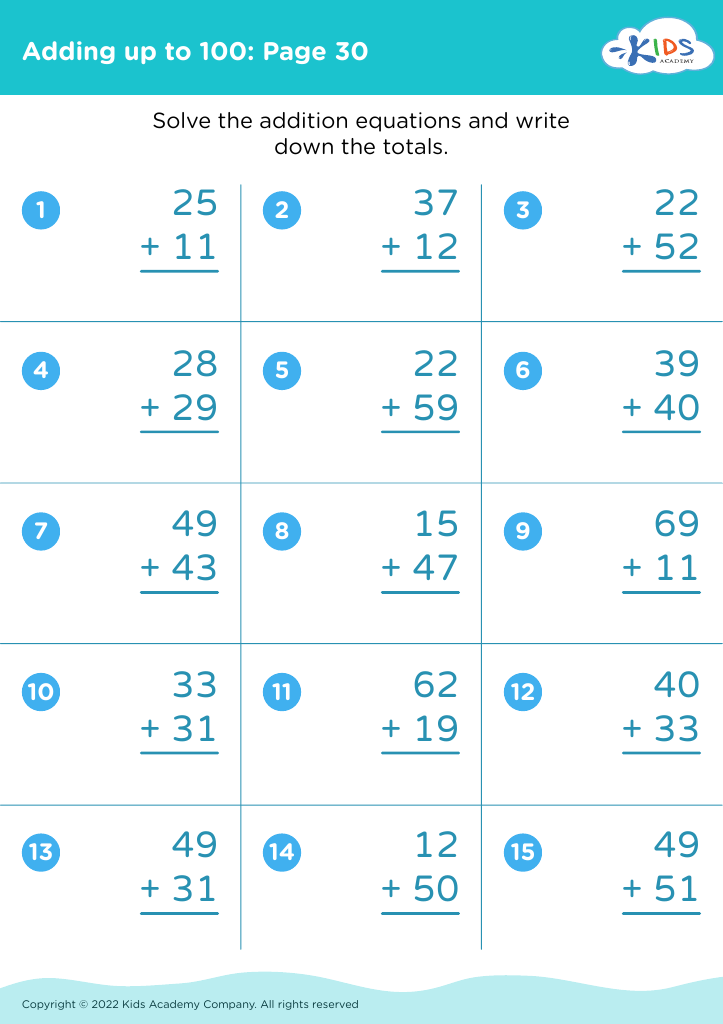








Basic math skills, particularly addition and subtraction, are fundamental to a child’s early education and development, especially for ages 6-7. During this critical stage, children are forming the cognitive foundations necessary for more complex mathematical concepts later in life. Mastery of these skills enhances not only mathematical fluency but also critical thinking and problem-solving abilities.
Parents and teachers should care because proficiency in addition and subtraction fosters confidence in young learners. When children grasp these skills, they are more likely to engage in math-related activities and participate confidently, reducing math anxiety as they progress through their education. These basic skills also help with everyday tasks, enabling them to manage finances, time, and resources as they grow.
Furthermore, building a strong foundation in math encourages better performance in other subjects, as analytical and logical reasoning skills transfer across disciplines. Engaging with children in fun, practical math activities aids retention and interest while promoting positive attitudes toward learning.
Involving families and educators creates a supportive environment that emphasizes the importance of these foundational skills. Together, they can ensure that children not only achieve academic success but also develop a lifelong love for learning and exploration in mathematics.








