Subtraction skills Addition & Subtraction Worksheets for Ages 6-7
25 filtered results
-
From - To
Enhance your child's math proficiency with our "Subtraction Skills Addition & Subtraction Worksheets" tailored for ages 6-7. These engaging worksheets focus on developing essential subtraction skills through fun and interactive activities. Students will learn to subtract numbers while gaining confidence in their mathematical abilities. Each worksheet is designed to cater to young learners, making subtraction enjoyable and approachable. Perfect for home or classroom use, our resources help children practice key skills, paving the way for future success in math. Explore our collection and watch as your child gains mastery in subtraction, setting a strong foundation for advanced arithmetic skills!
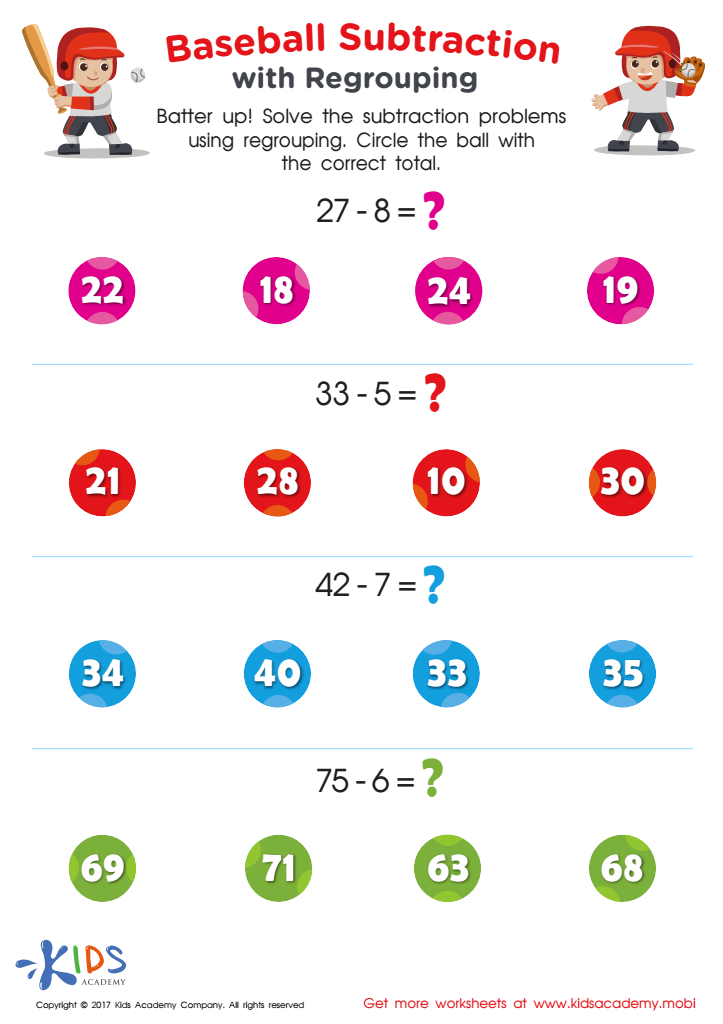
Subtraction With Regrouping for 2nd Grade Worksheet
 Assign to My Students
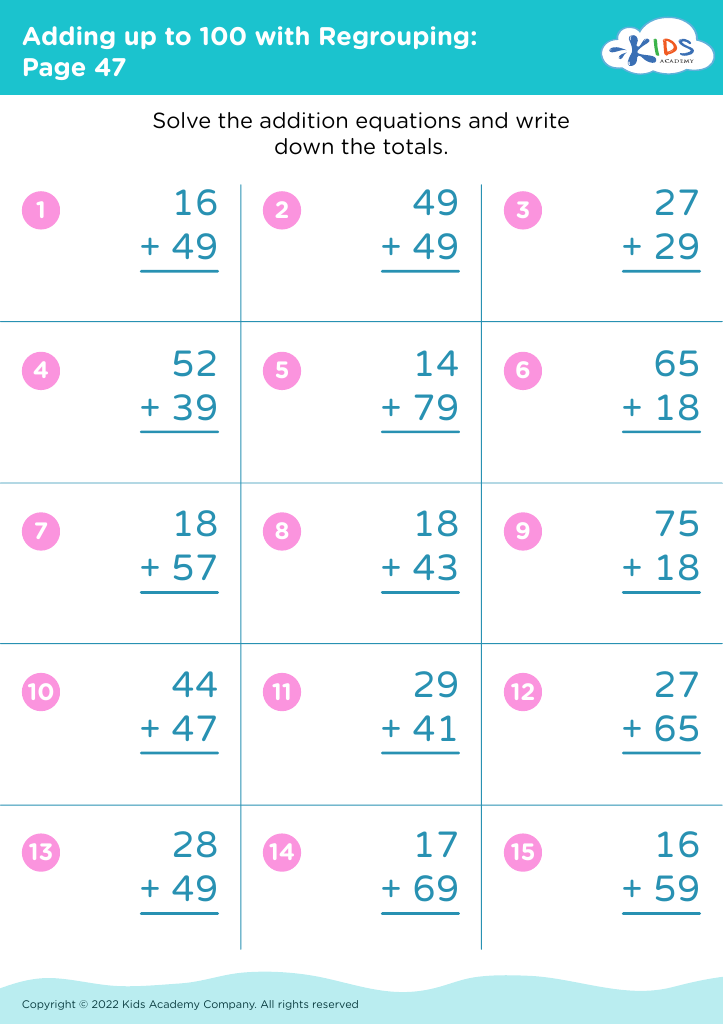
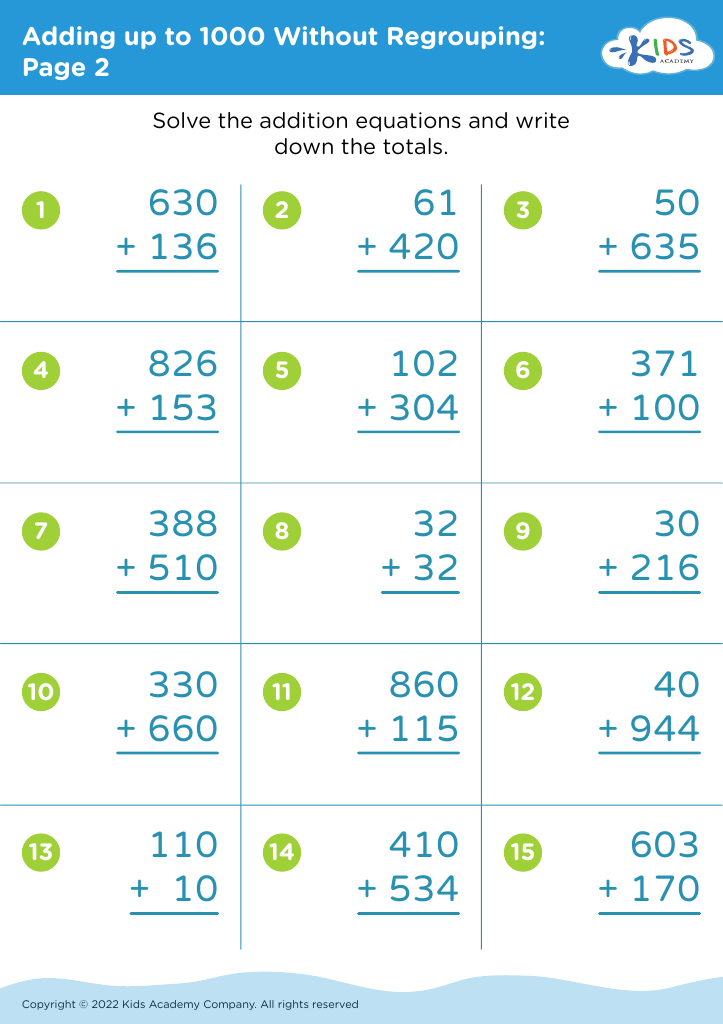
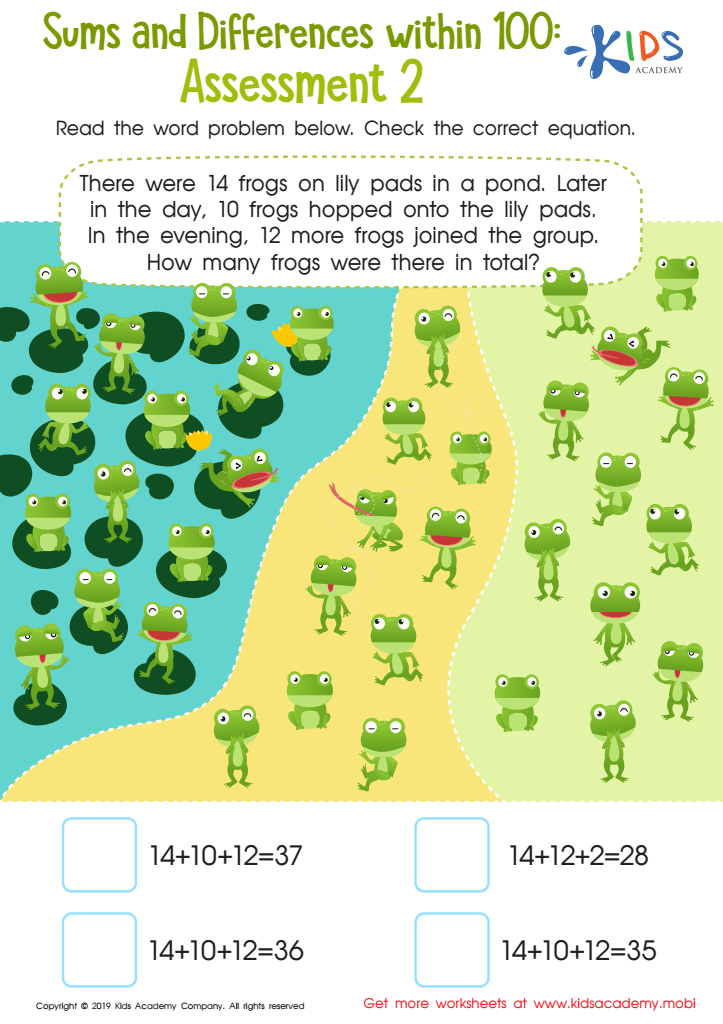
Sums and Differences Within 1 - Assessment 2 Worksheet
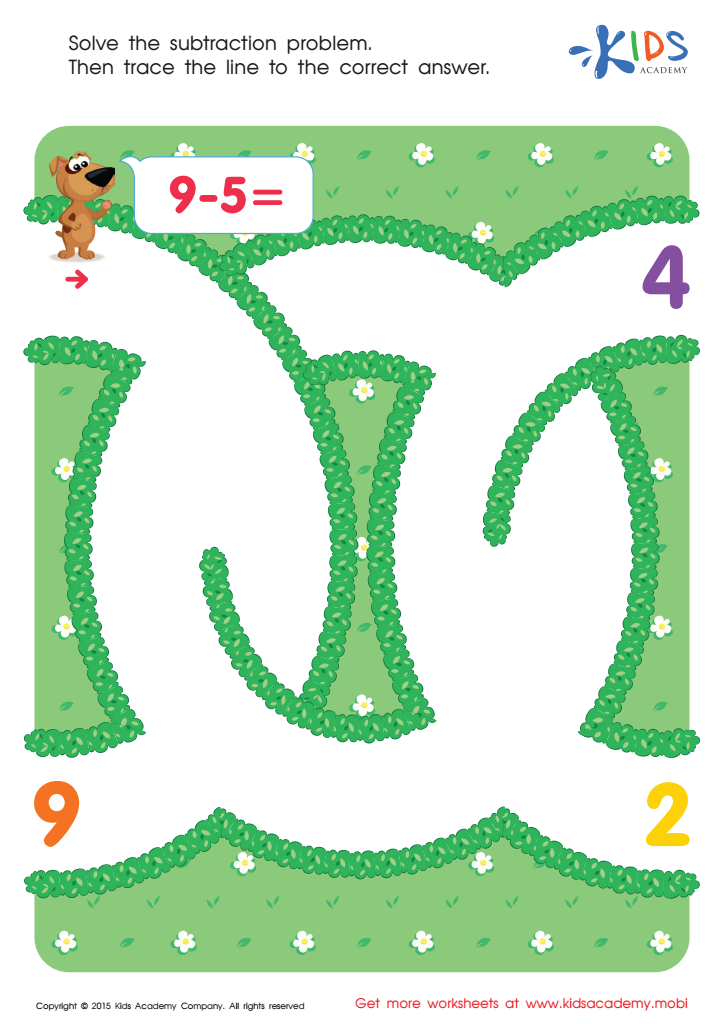
Subtraction Nine And Five Worksheet
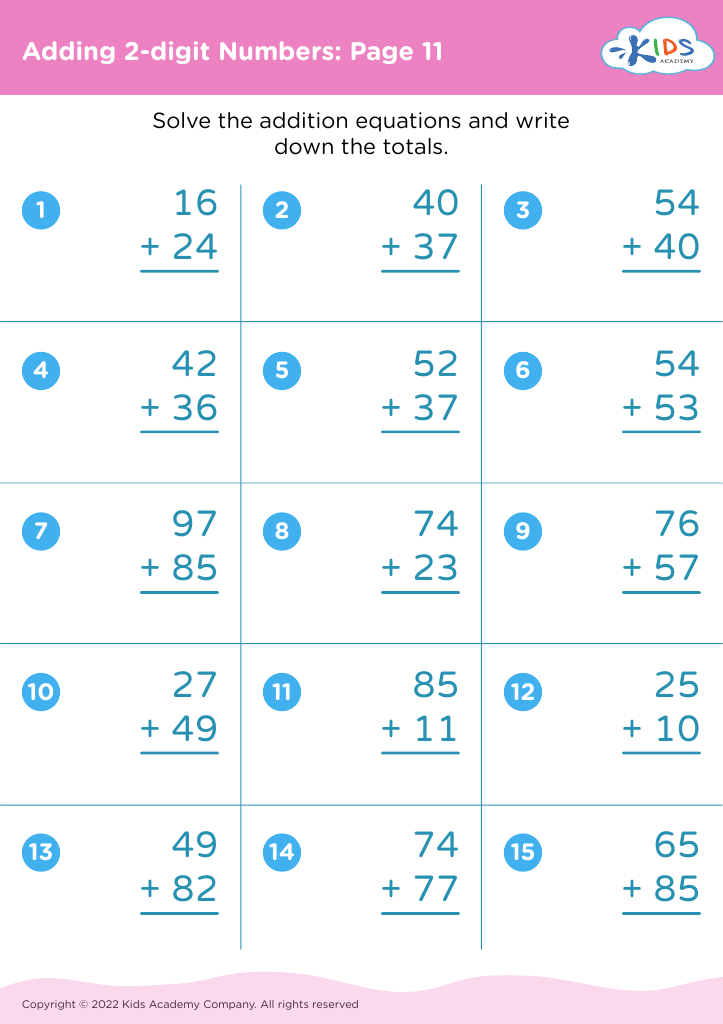
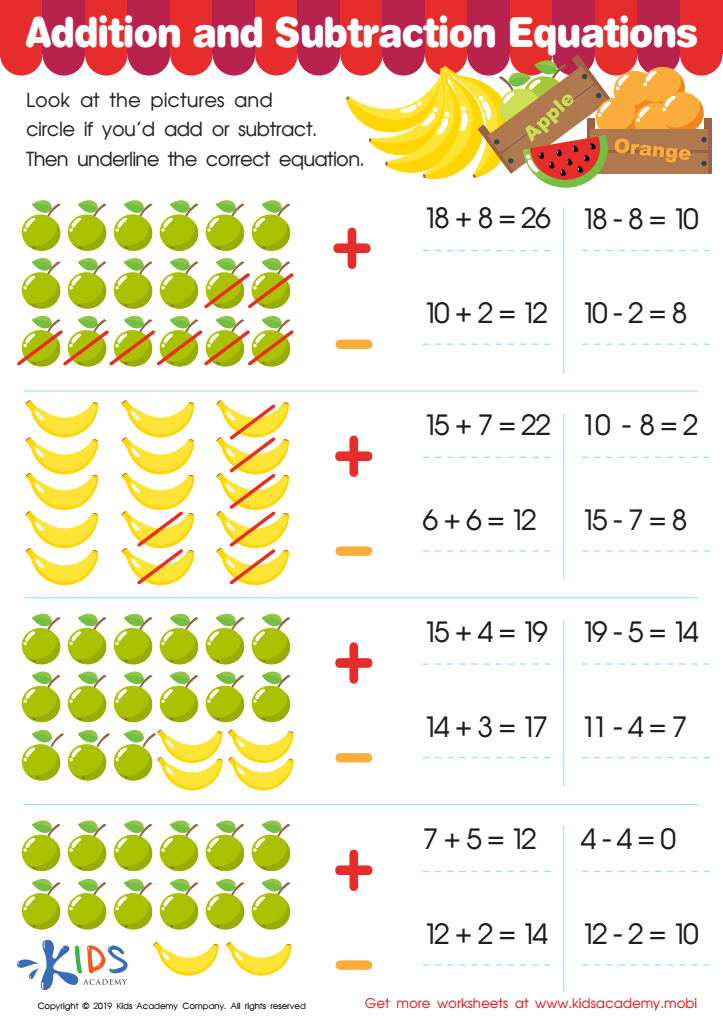
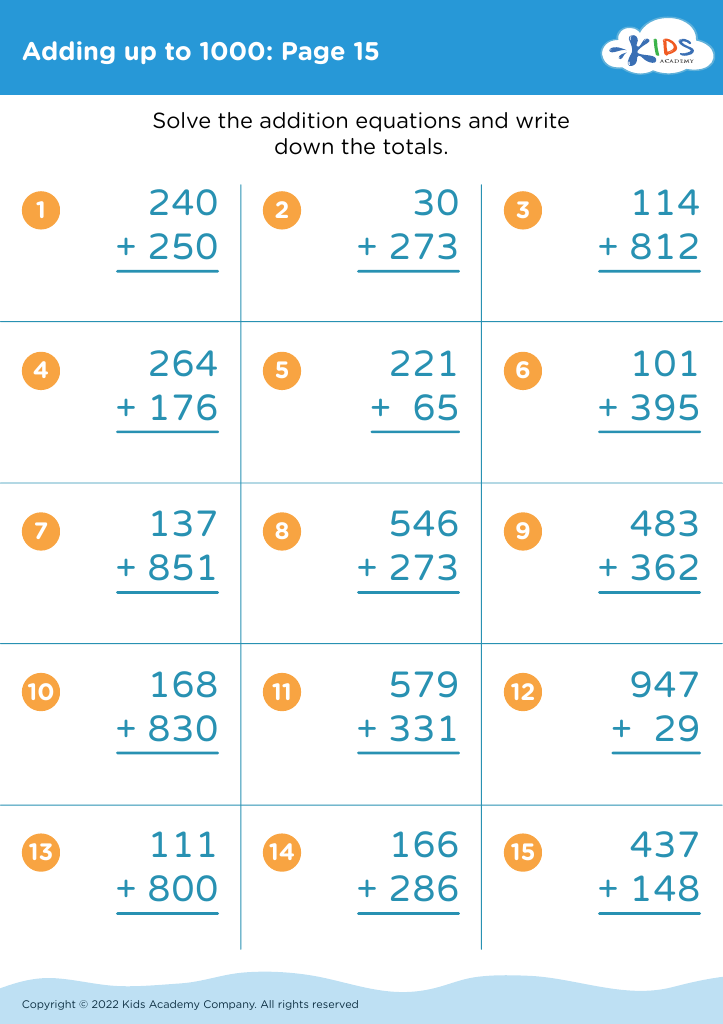
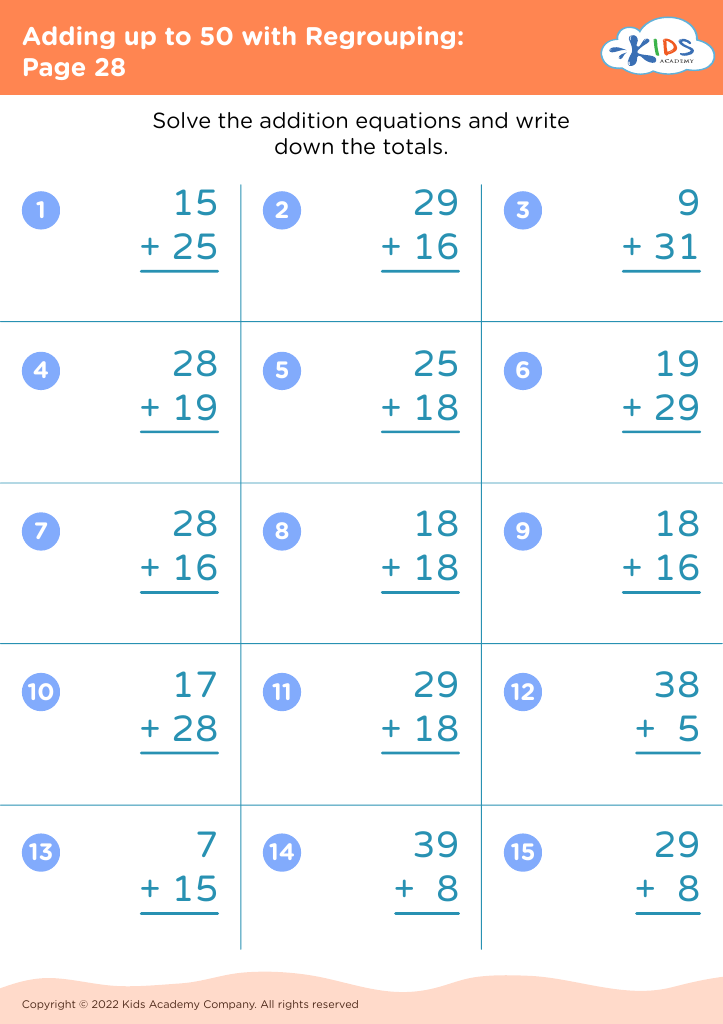
Addition and Subtraction: Equations Worksheet
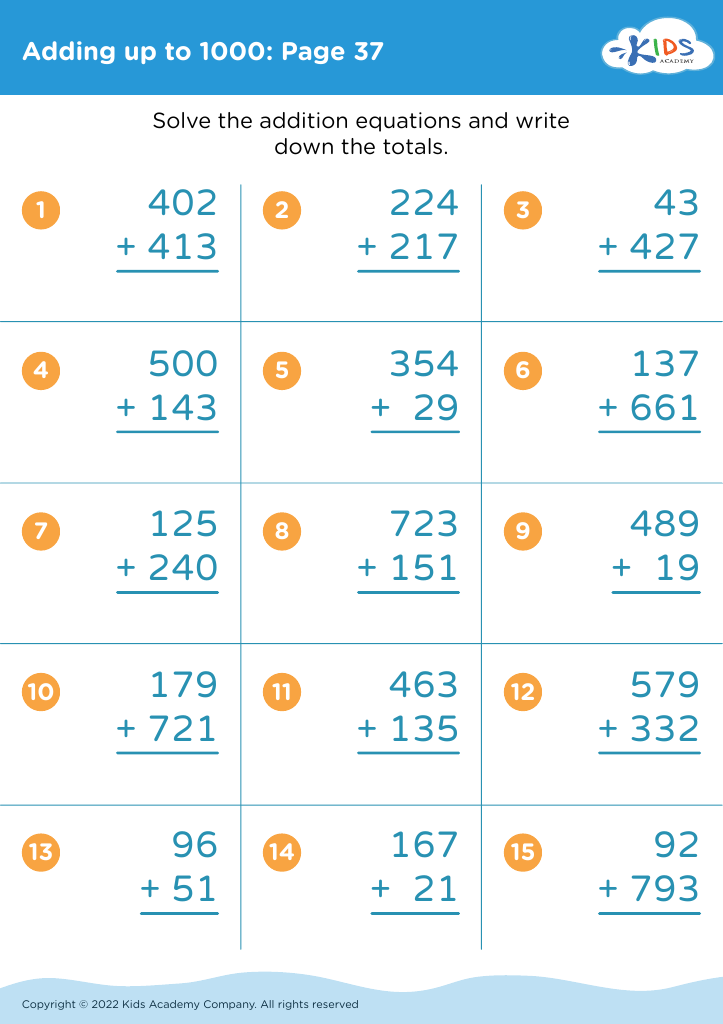
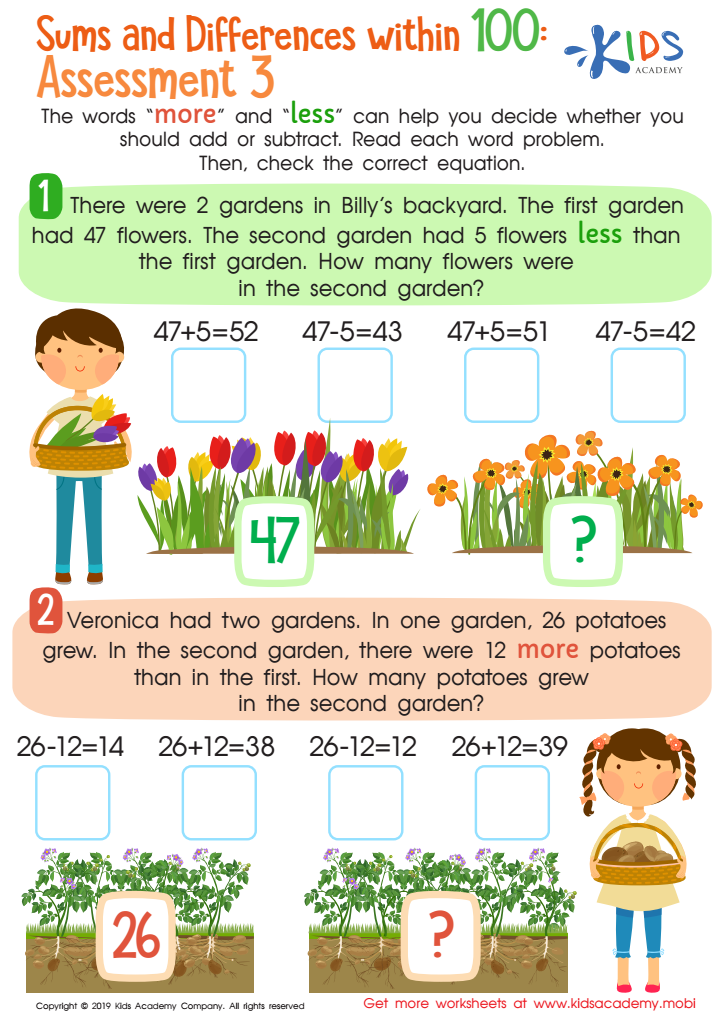
Sums and Differences Within 1 - Assessment 3 Worksheet
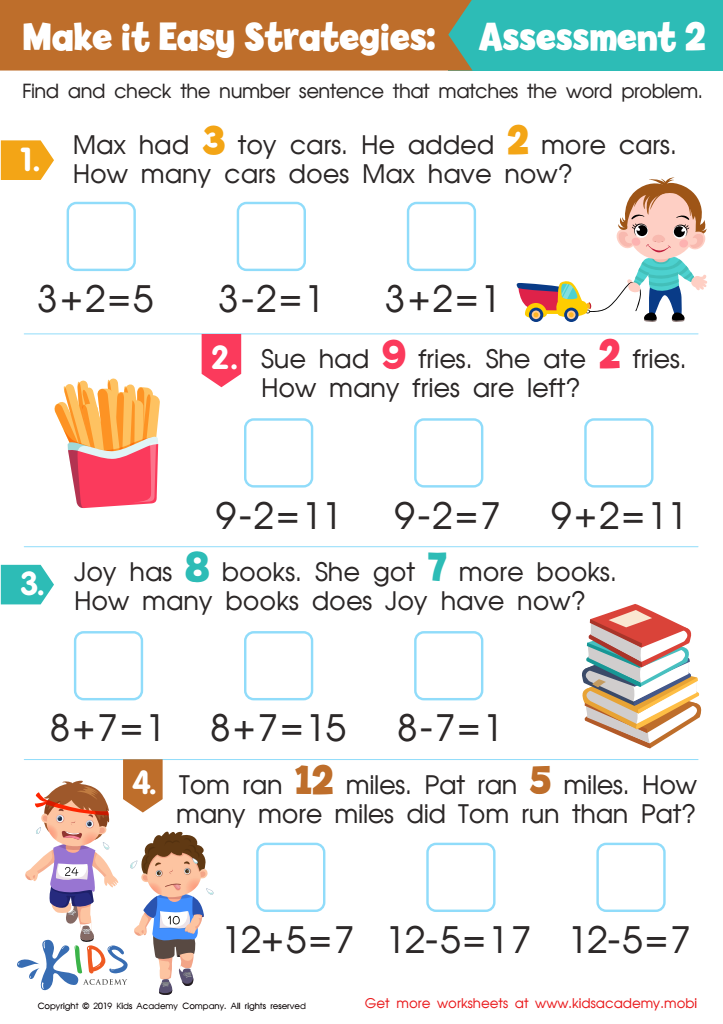
Make it Easy Strategies: Assessment 2 Worksheet
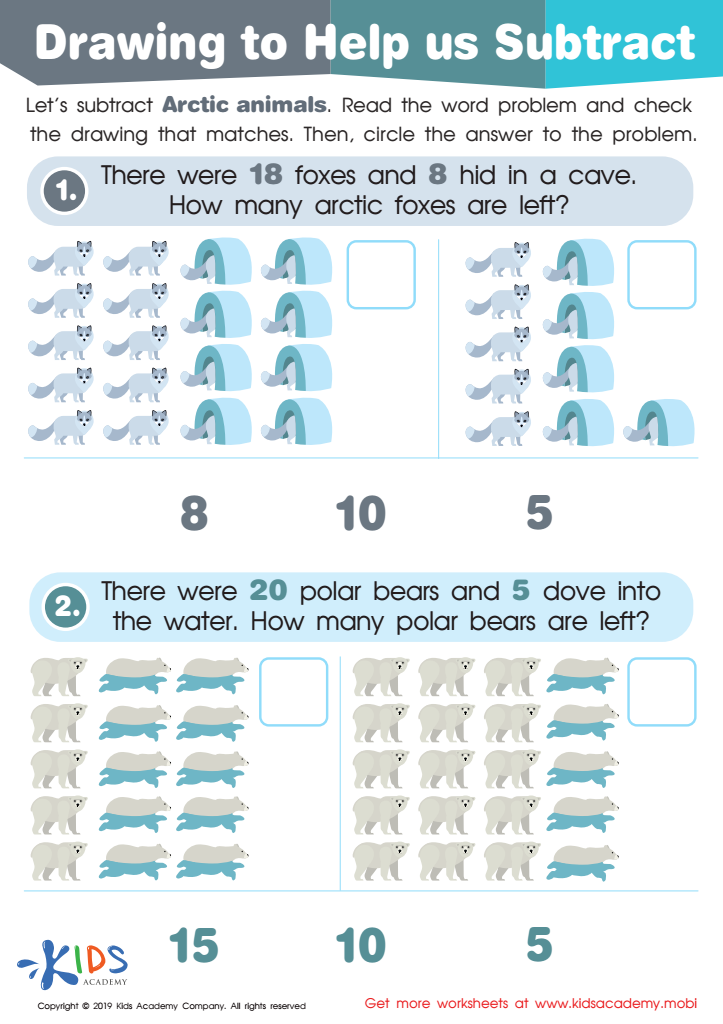
Drawing to Help Us Subtract Worksheet
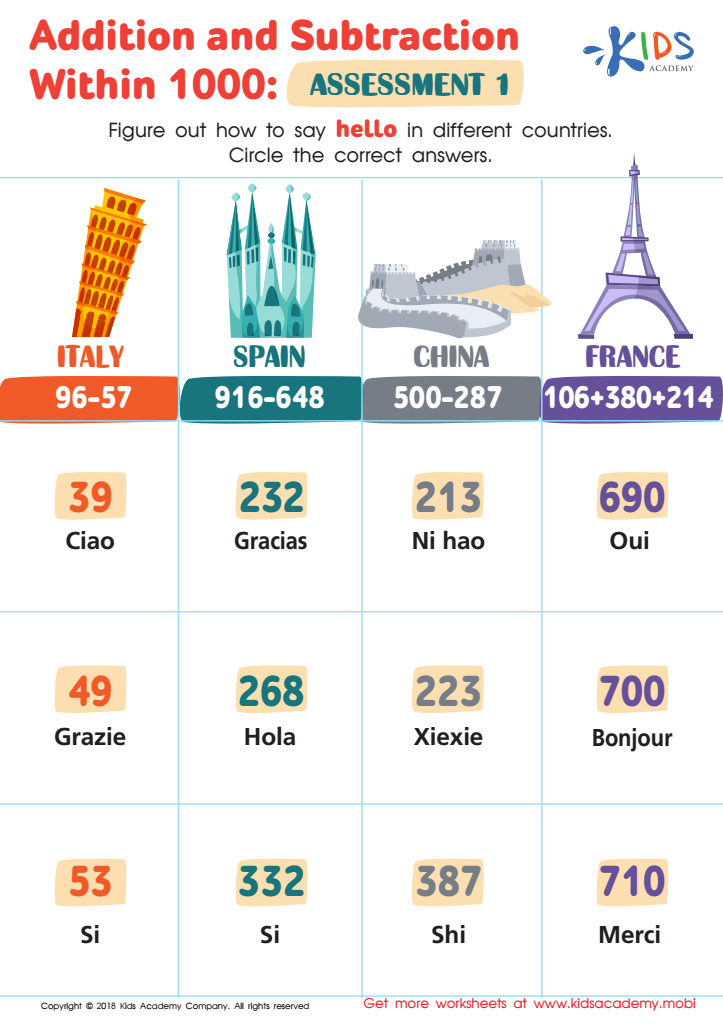
Addition and Subtraction Within 1000: Assessment 1 Worksheet
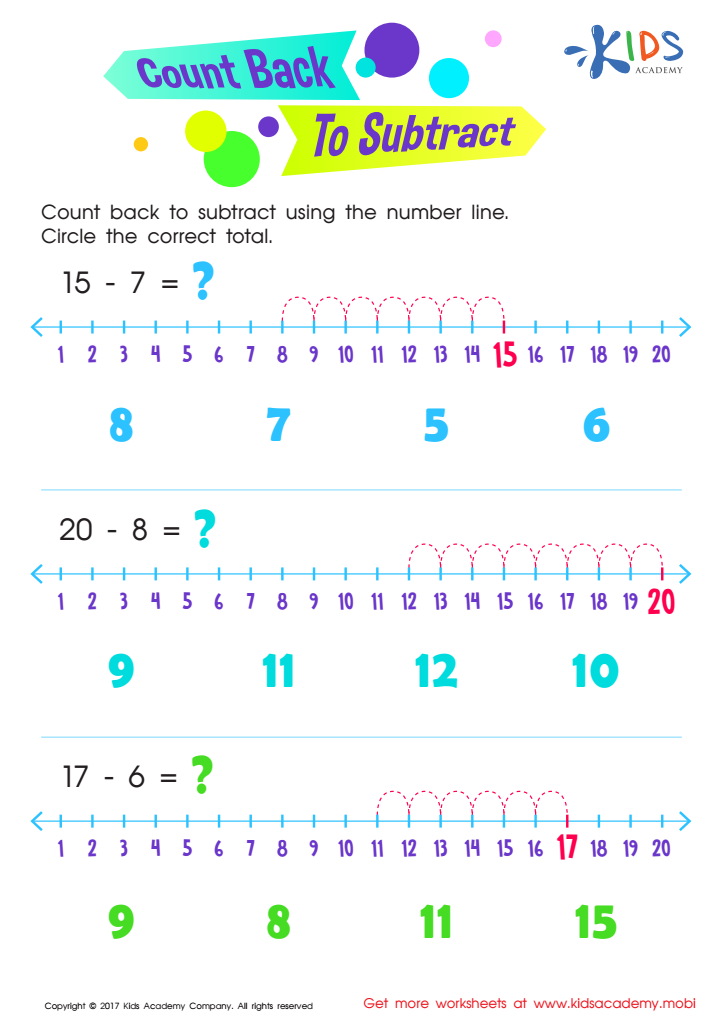
Count Back to Subtract Substraction Worksheet
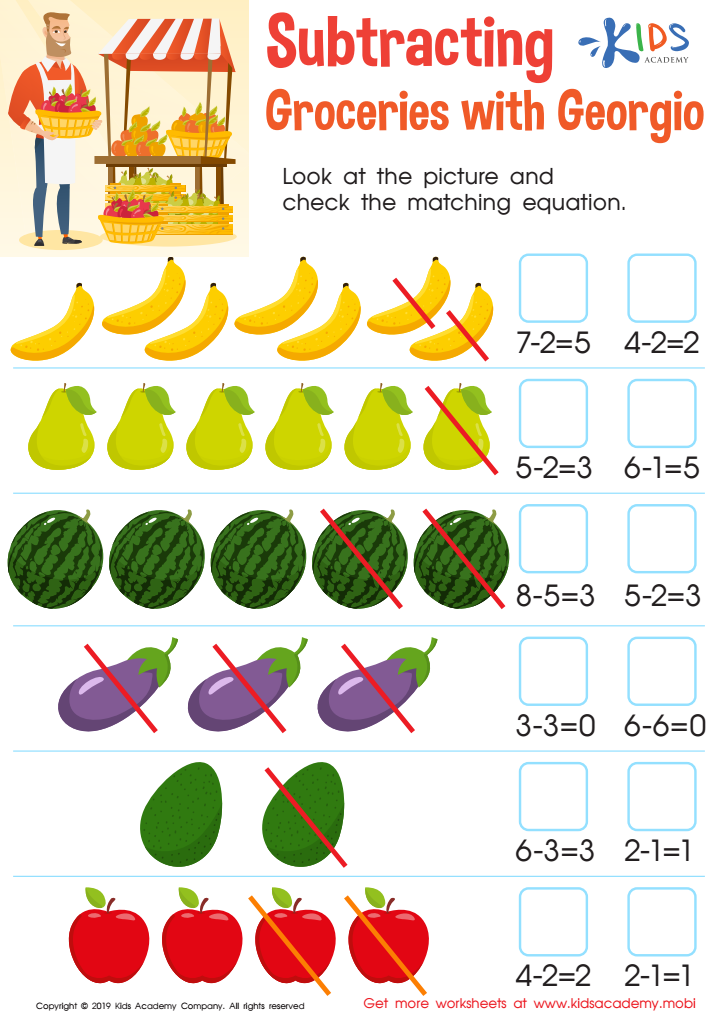
Subtracting: Groceries with Georgio Worksheet
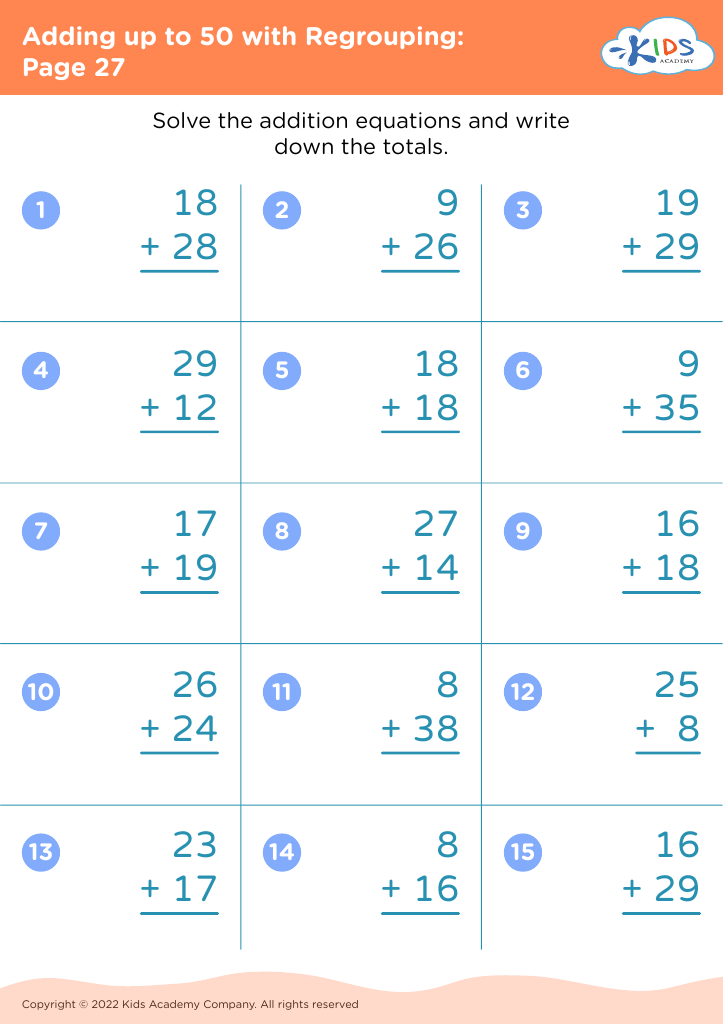
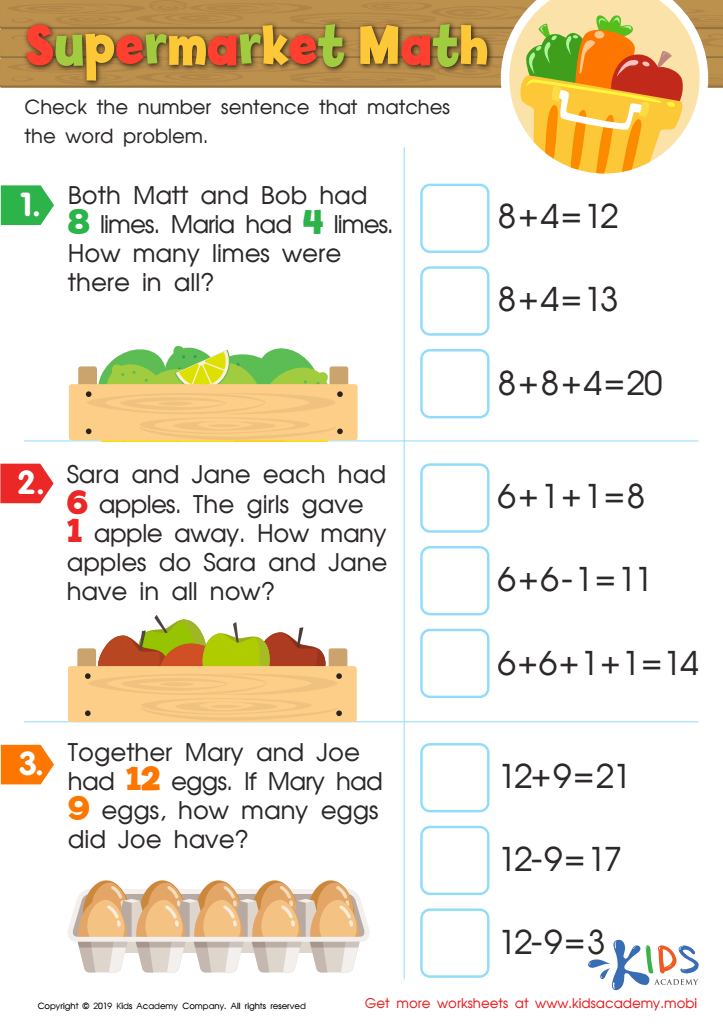
Supermarket Math Worksheet
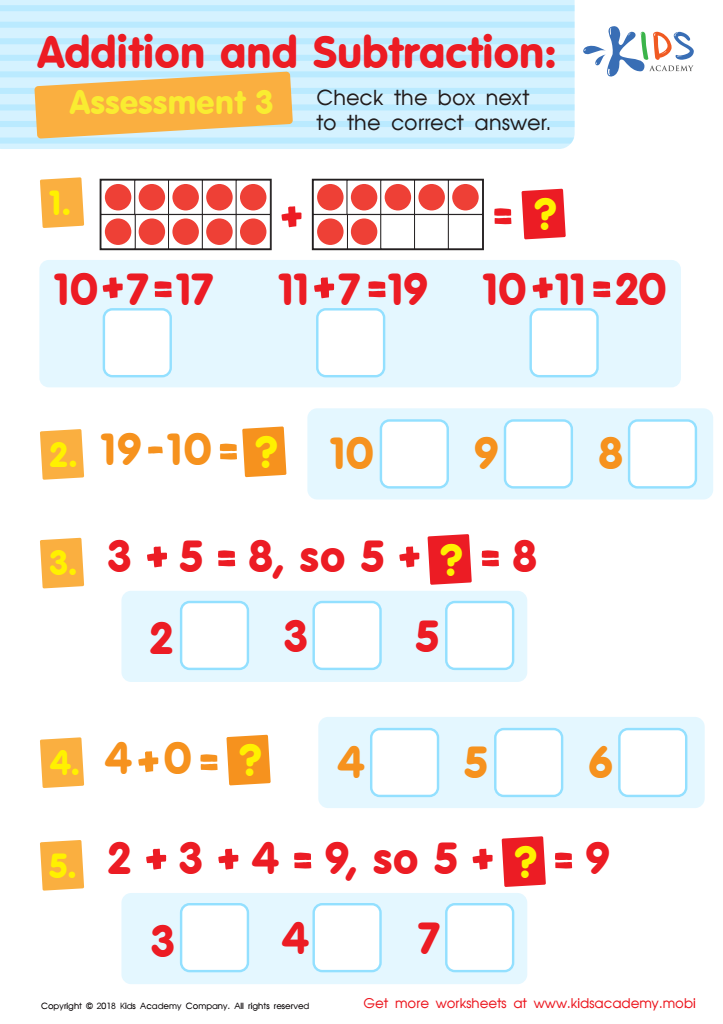
Addition and Subtraction Assessment 3 Worksheet
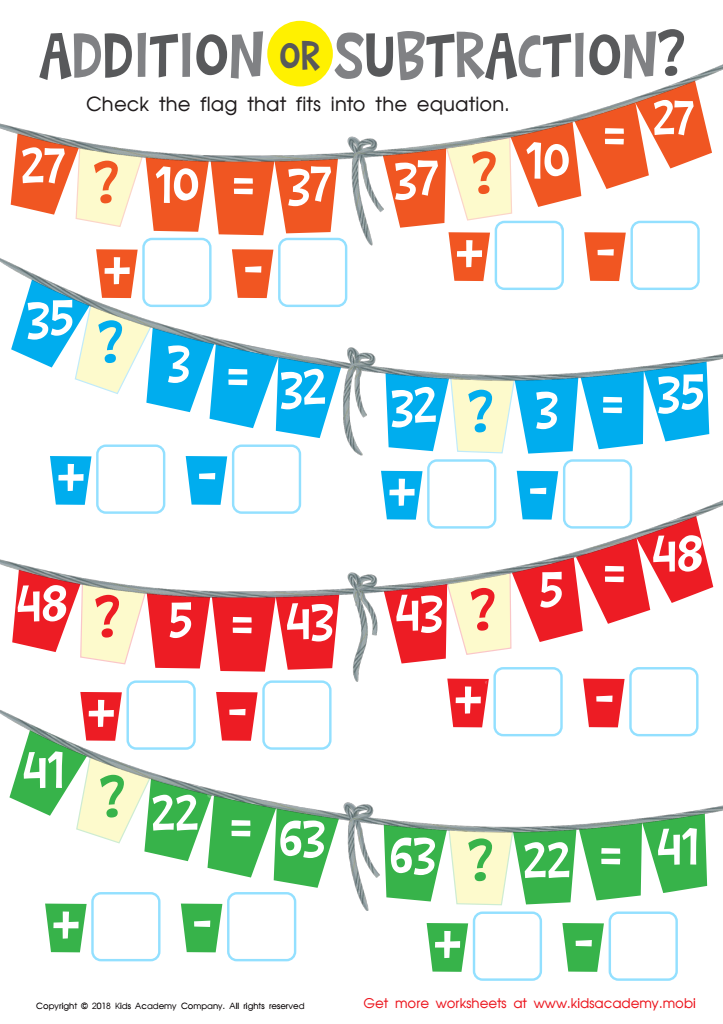
Addition or Subtraction? Worksheet
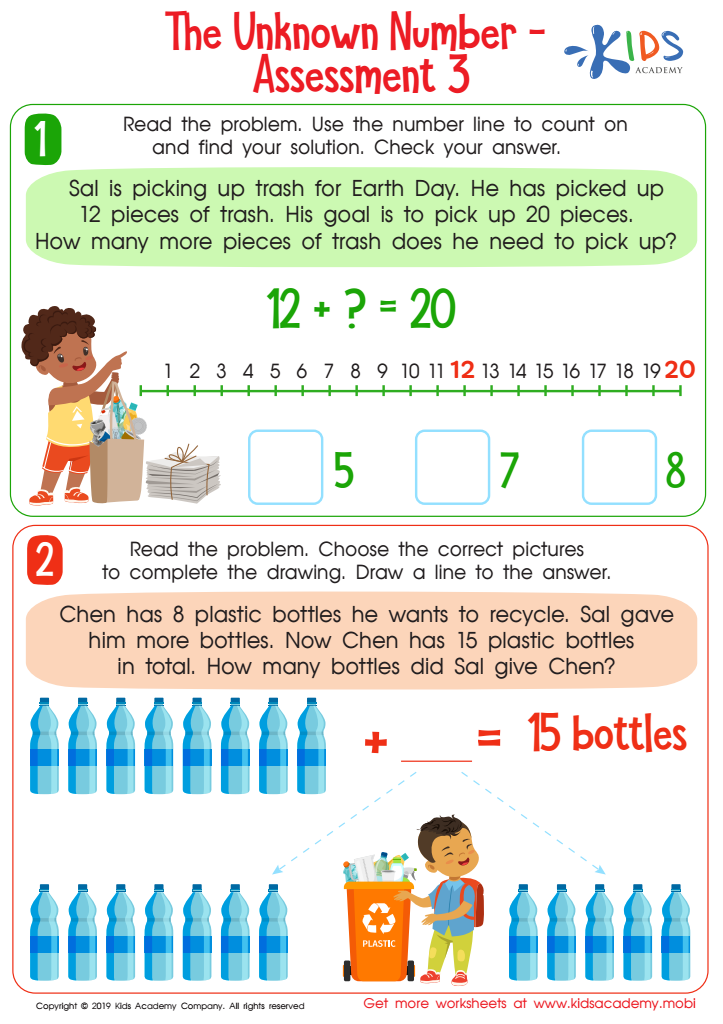
The Unknown Number - Assessment 3 Worksheet
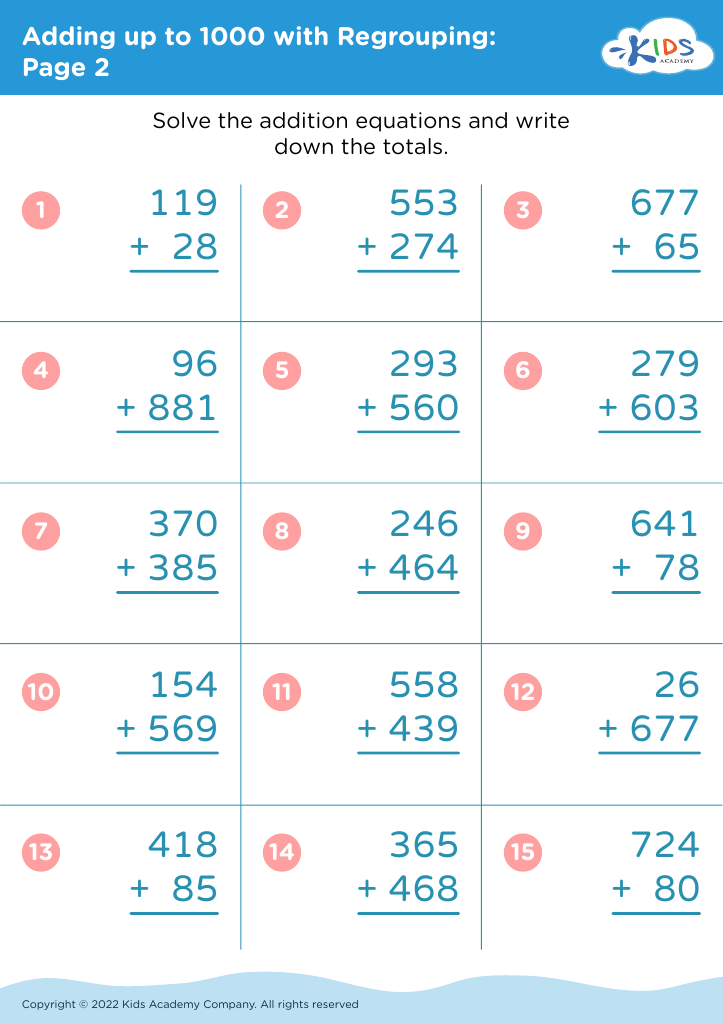
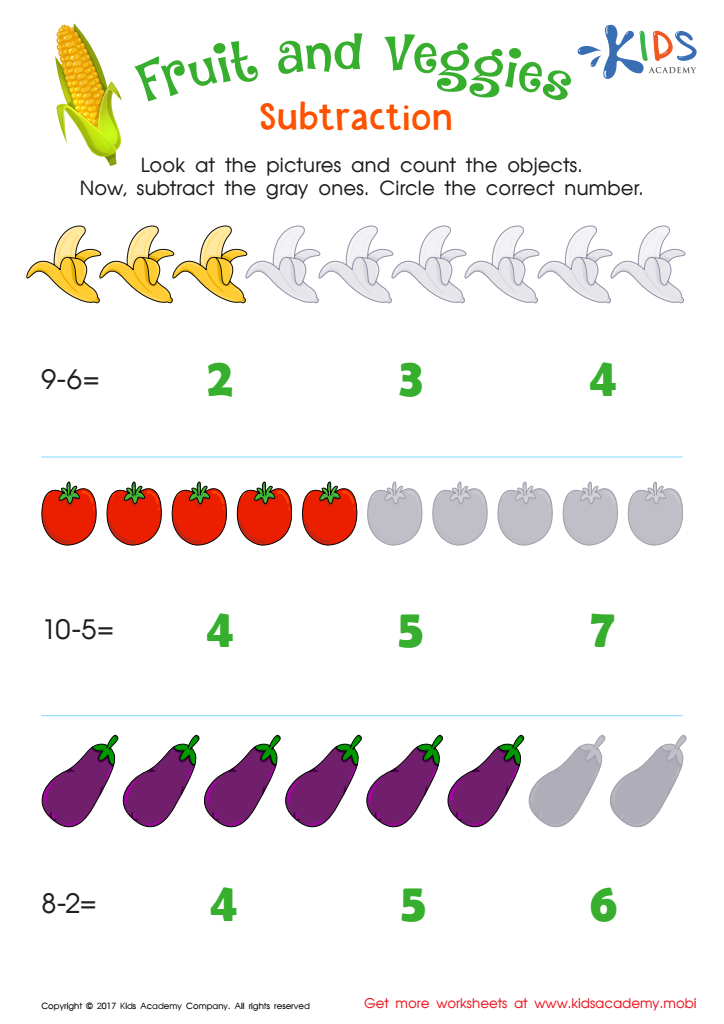
Fruit and Veggies Subtraction Worksheet








Subtraction skills are crucial for children aged 6-7 because they form a foundational element of mathematical understanding. During this developmental stage, children are typically learning to connect numbers to real-world concepts. Mastery of subtraction enables young learners to effectively solve problems, reason logically, and develop critical thinking skills.
Parents and teachers should care about these skills because subtraction fosters independence in daily tasks. For example, understanding how to manage allowances or calculate the number of items left after using some helps children build confidence in their abilities. Moreover, subtraction is intertwined with addition, and competence in one reinforces understanding in the other, laying the groundwork for future mathematical concepts.
Additionally, developing subtraction skills enhances a child's problem-solving capabilities. As they navigate through everyday challenges, from cooking measurements to managing time, proficiency in subtraction allows them to approach these situations with ease and accuracy. Ultimately, supporting children in developing these skills nurtures their overall cognitive growth, boosting their academic success and encouraging a positive attitude towards learning. By prioritizing subtraction skills, parents and teachers empower children to become proficient learners ready to tackle more complex mathematical challenges in the future.








