Problem-Solving Skills Comparing Numbers Worksheets for Ages 6-7
5 filtered results
-
From - To
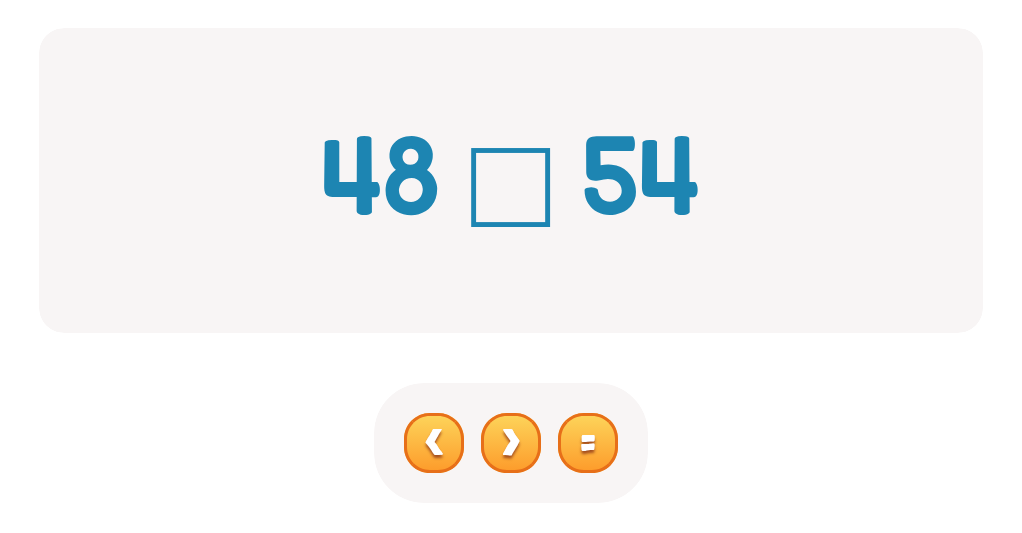
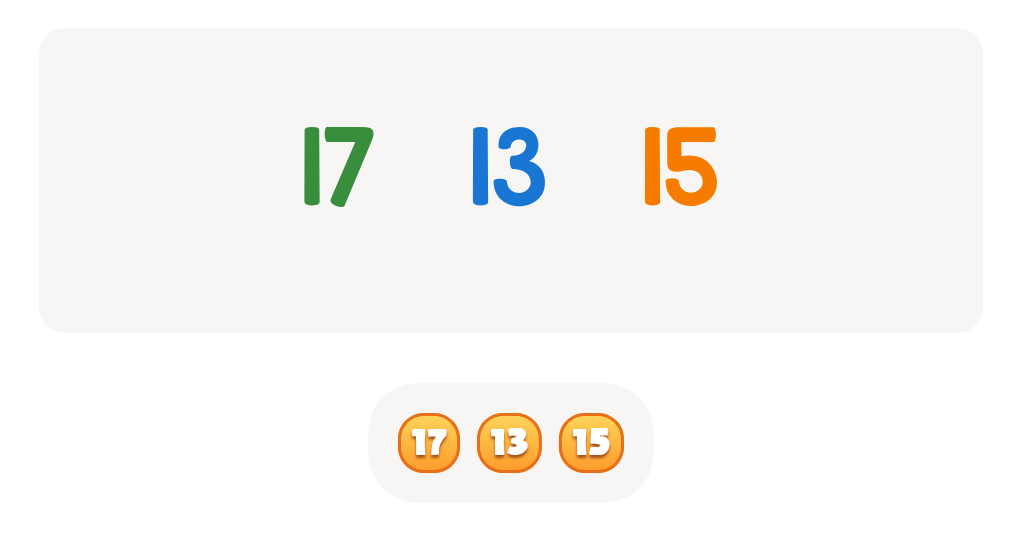
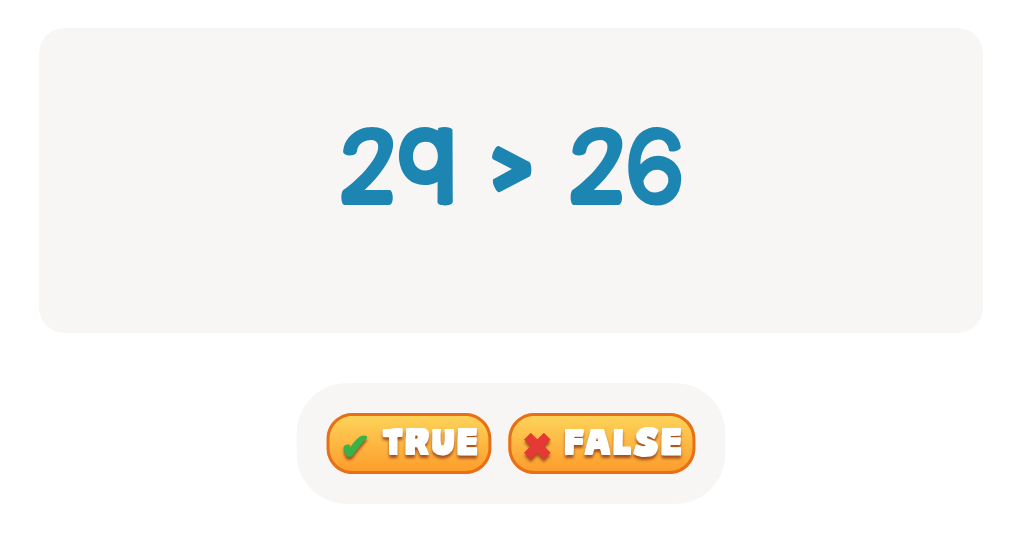
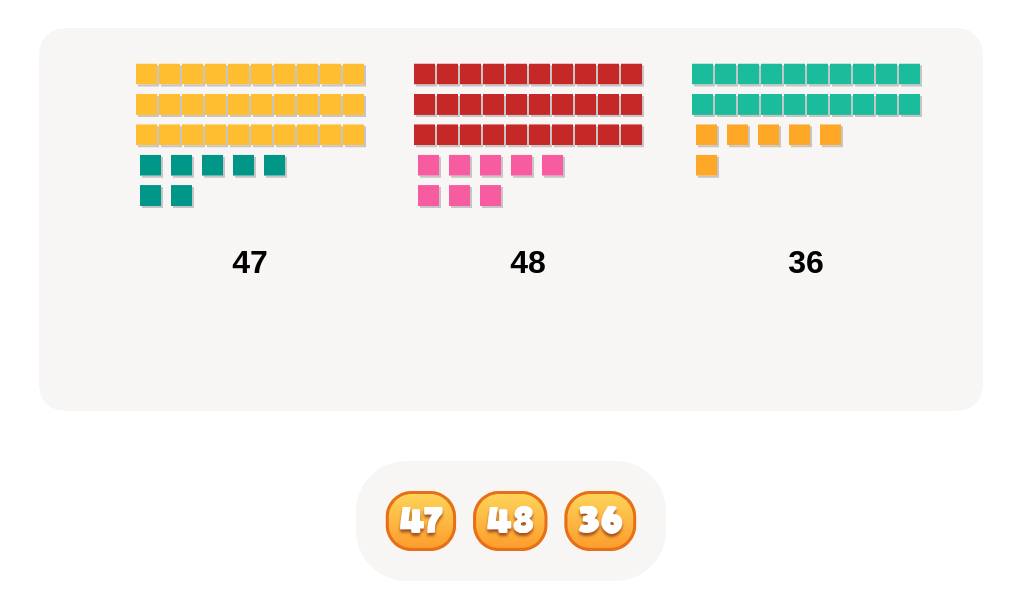
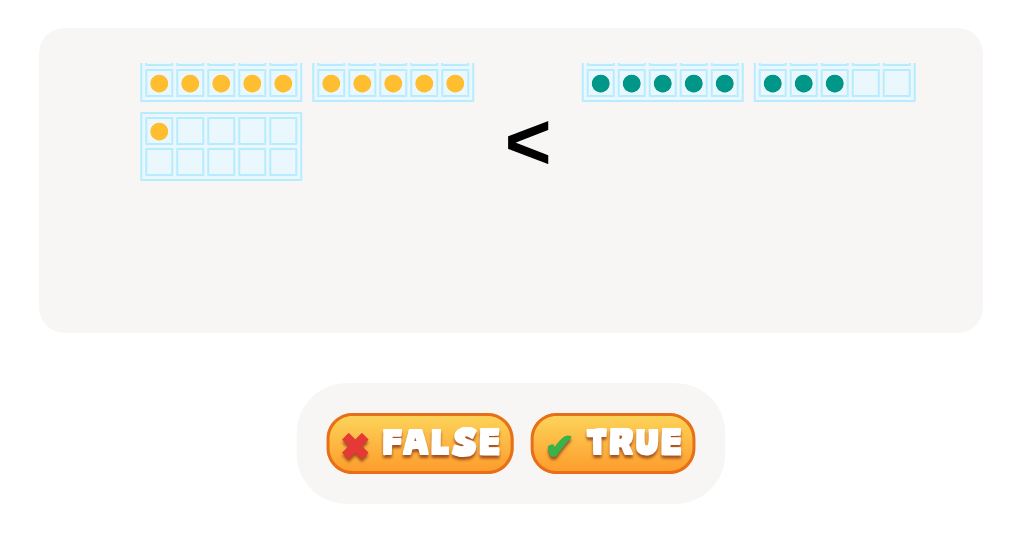
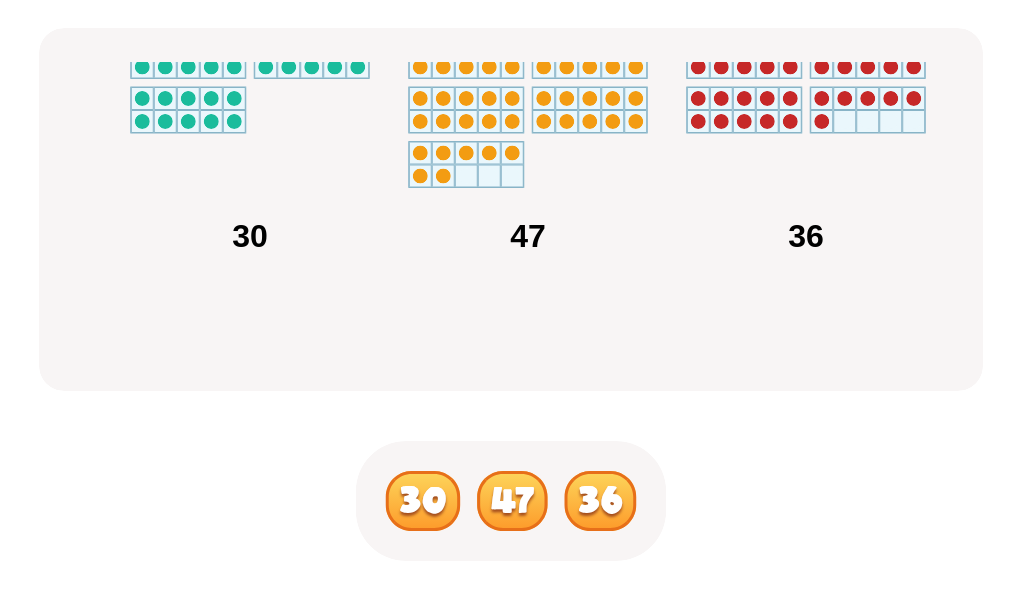
Enhance your child's math abilities with our Problem-Solving Skills Comparing Numbers Worksheets designed for ages 6-7. These interactive worksheets are perfect for developing critical thinking and analytical skills by helping young learners compare numbers in a fun, engaging way. Each worksheet challenges children to identify greater and lesser values using a variety of methods, including number lines and pictorial representations. With colorful designs and stimulating tasks, our worksheets make learning a rewarding experience. Boost your child’s confidence and proficiency in mathematics through hands-on practice and problem-solving. Ideal for classroom use or extra practice at home!
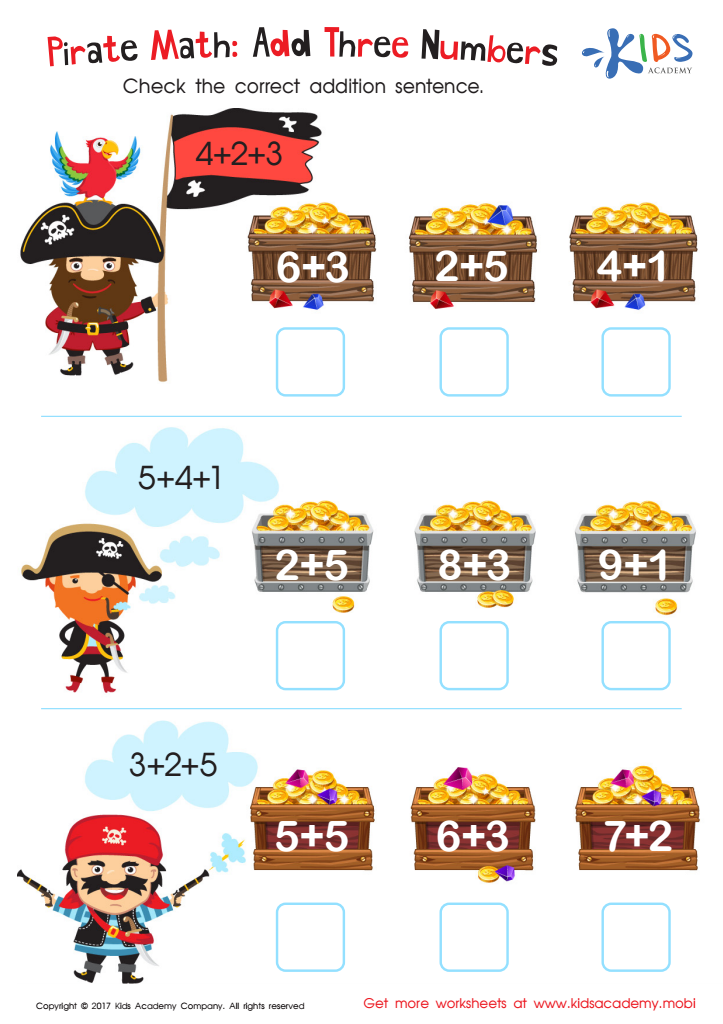
Pirate Math Printable
 Assign to My Students
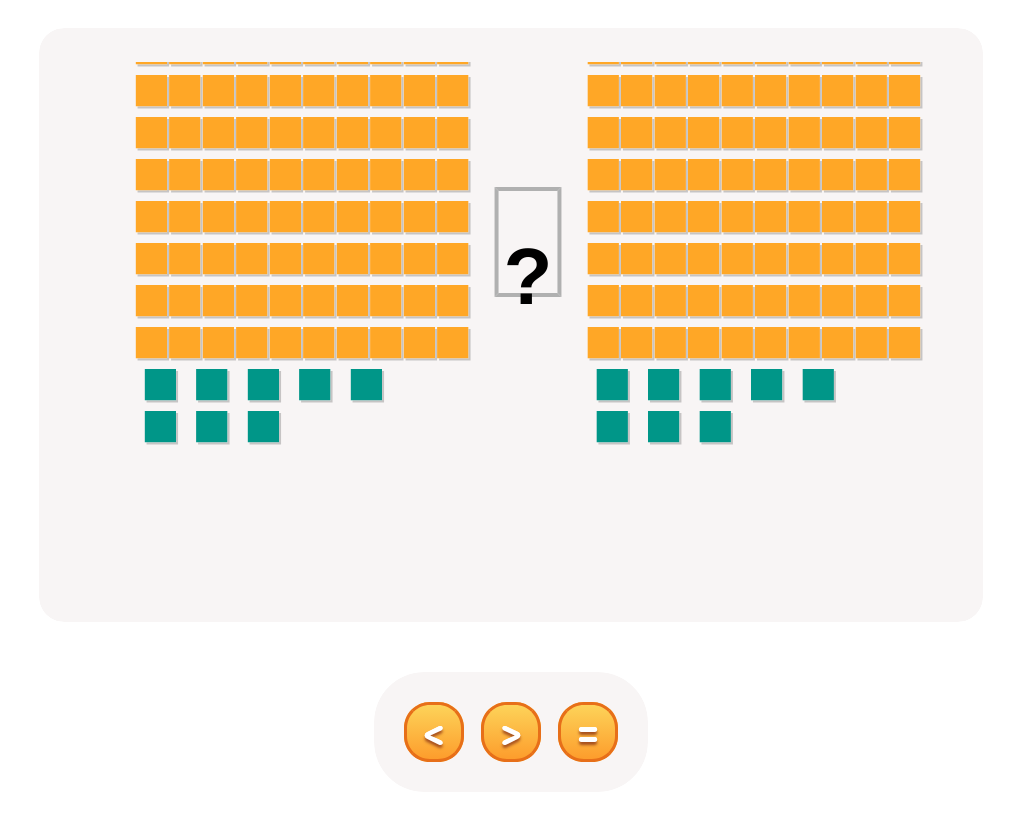

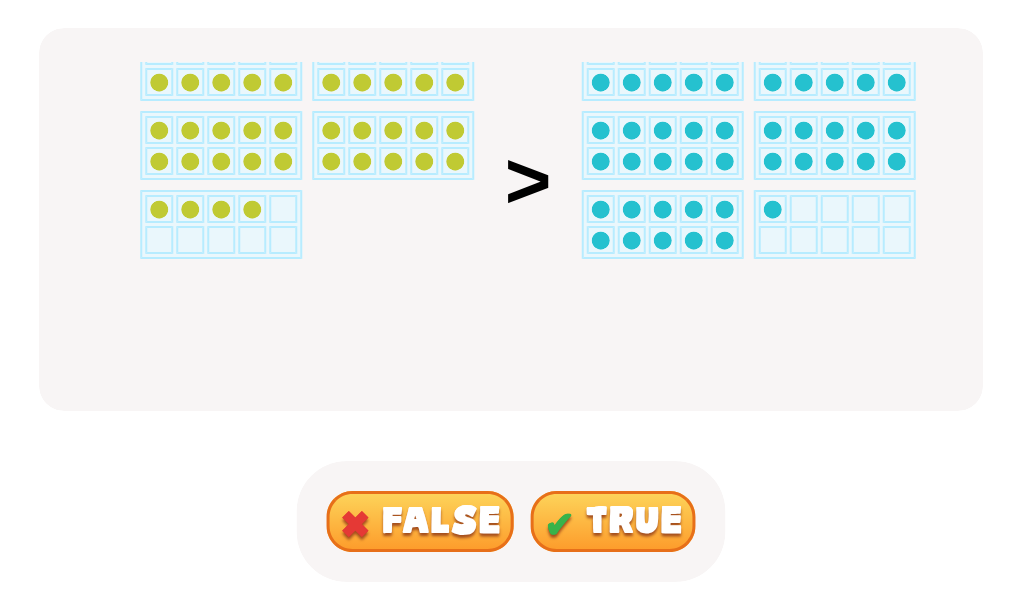
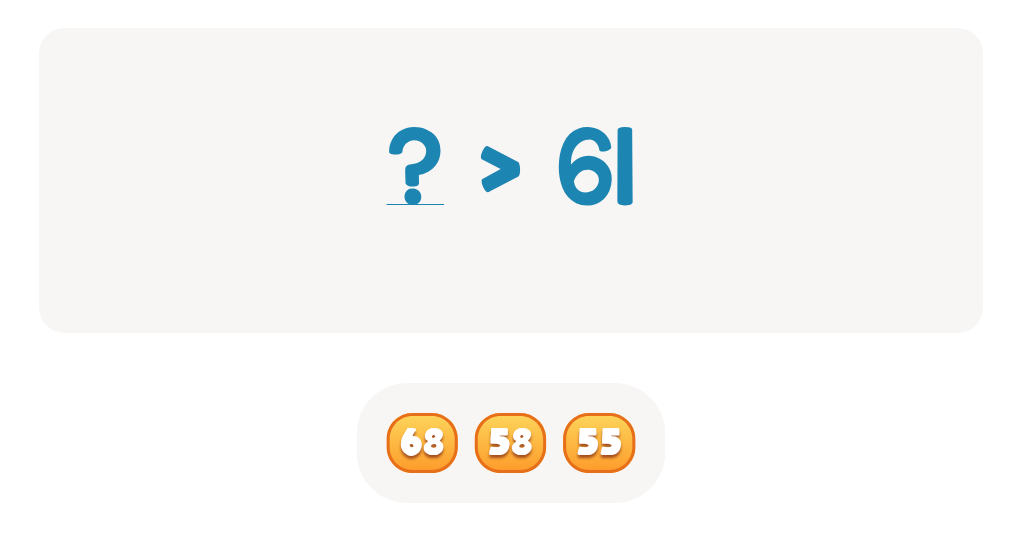
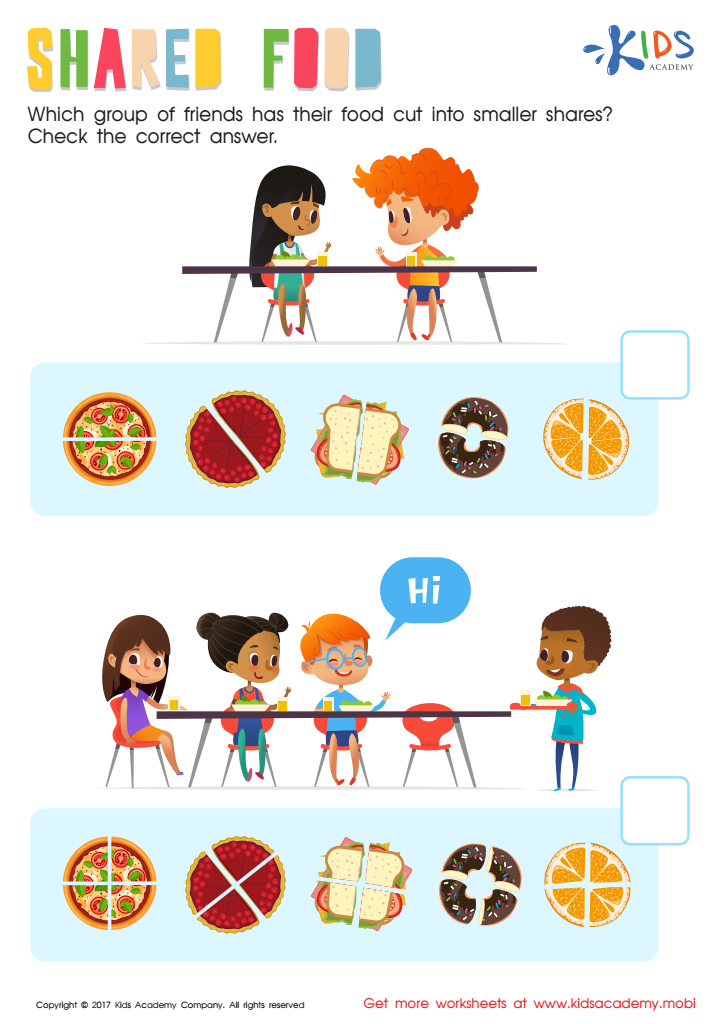
Shared Food Worksheet
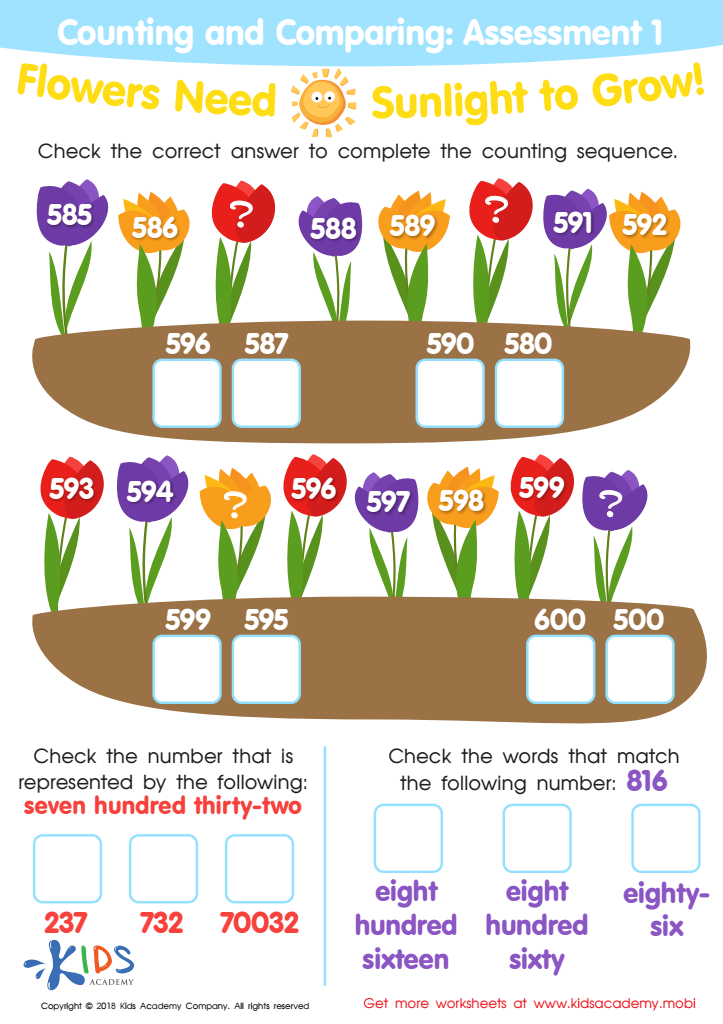
Counting and Comparing: Assessment 1 Worksheet
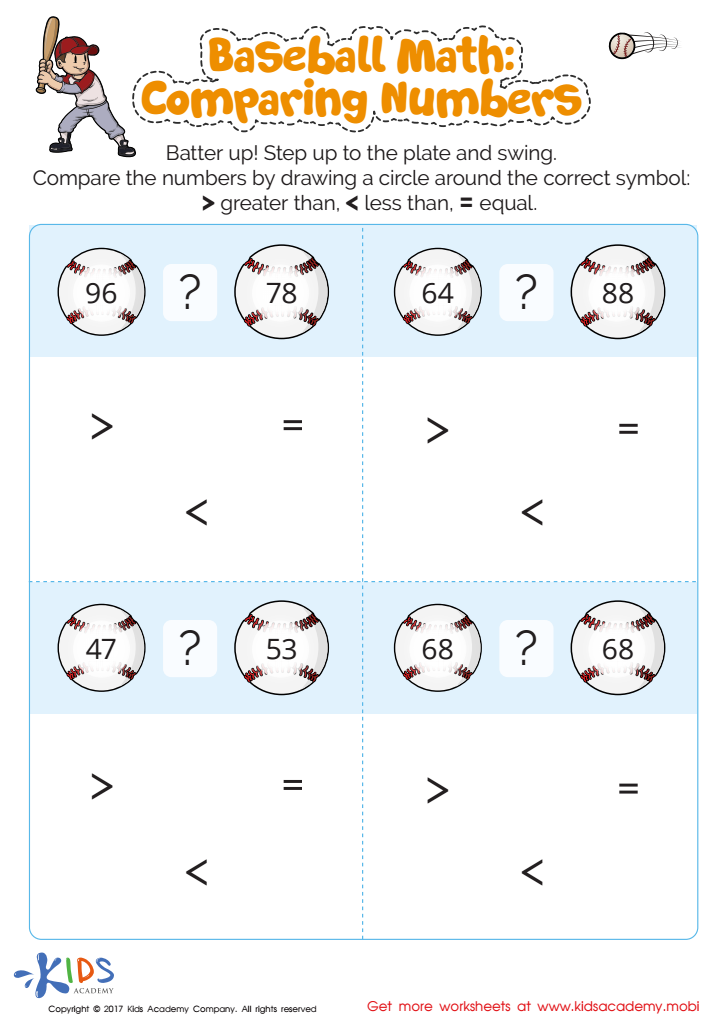
Compare Numbers Printable
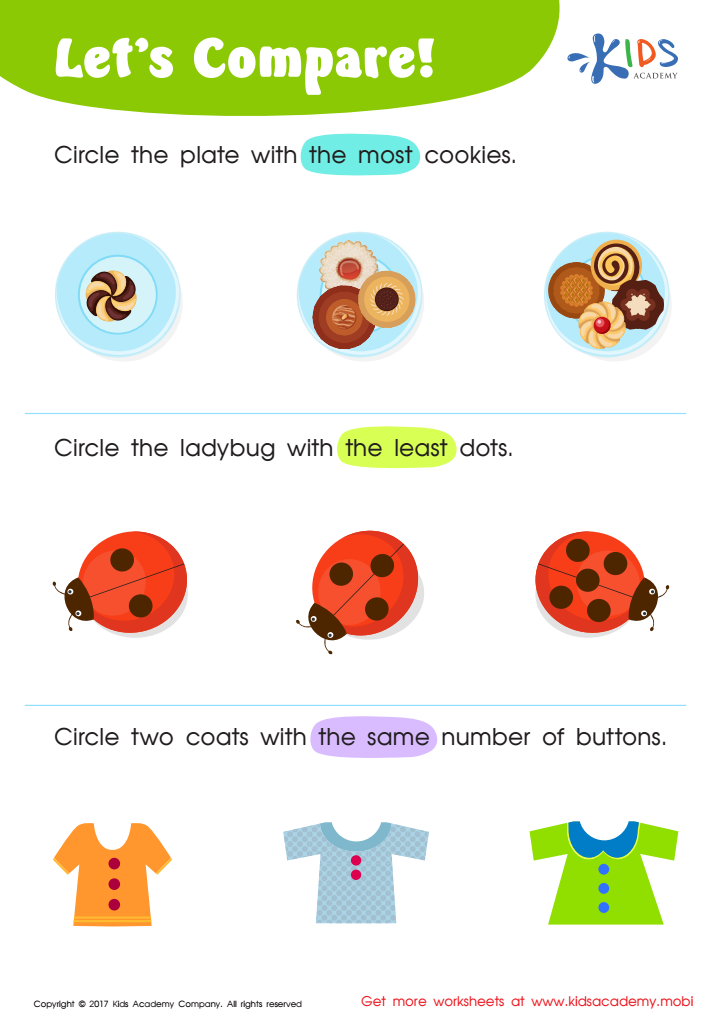
Matching: Classifying Toys by Size Worksheet








Developing problem-solving skills in young children, especially through comparing numbers, is vital to their cognitive and academic growth. At ages 6-7, children are in a crucial stage of learning where foundational skills in mathematics begin to solidify. Comparing numbers enhances their understanding of numerical relationships, helping them differentiate between larger and smaller quantities. This fundamental skill is not just about recognizing which number is bigger or smaller but also about fostering logical thinking and reasoning abilities.
When parents and teachers emphasize this aspect of learning, they help children cultivate critical thinking and decision-making skills that extend beyond mathematics. For instance, children use problem-solving strategies to tackle various challenges daily, from figuring out their schedules to organizing toys or understanding the concept of "more" and "less" in practical contexts like sharing snacks.
Moreover, strong problem-solving skills in math lay the groundwork for more complex mathematical concepts and operations, building confidence and a positive attitude toward learning. Encouraging these skills early on ensures that children are better equipped for future academic endeavors and skilled in approaching both mathematical and real-world problems with an analytical mindset. Ultimately, fostering problem-solving skills through comparing numbers offers a comprehensive approach to nurturing well-rounded, independent, and resilient learners.








