Fine Motor Skills Counting Worksheets for Ages 6-7
6 filtered results
-
From - To
Enhance your child's fine motor skills and counting abilities with our engaging worksheets designed specifically for ages 6-7. These printable resources combine learning and fun, helping young learners improve their dexterity while practicing essential math concepts. Each worksheet features charming designs and interactive activities that promote hand-eye coordination through tracing, coloring, and counting exercises. As children complete these worksheets, they develop crucial skills that pave the way for future academic success. Perfect for home or classroom use, our Fine Motor Skills Counting Worksheets encourage independent learning and creative expression, making math enjoyable and accessible for every child. Explore the joy of learning today!

8 Petals Worksheet
 Assign to My Students









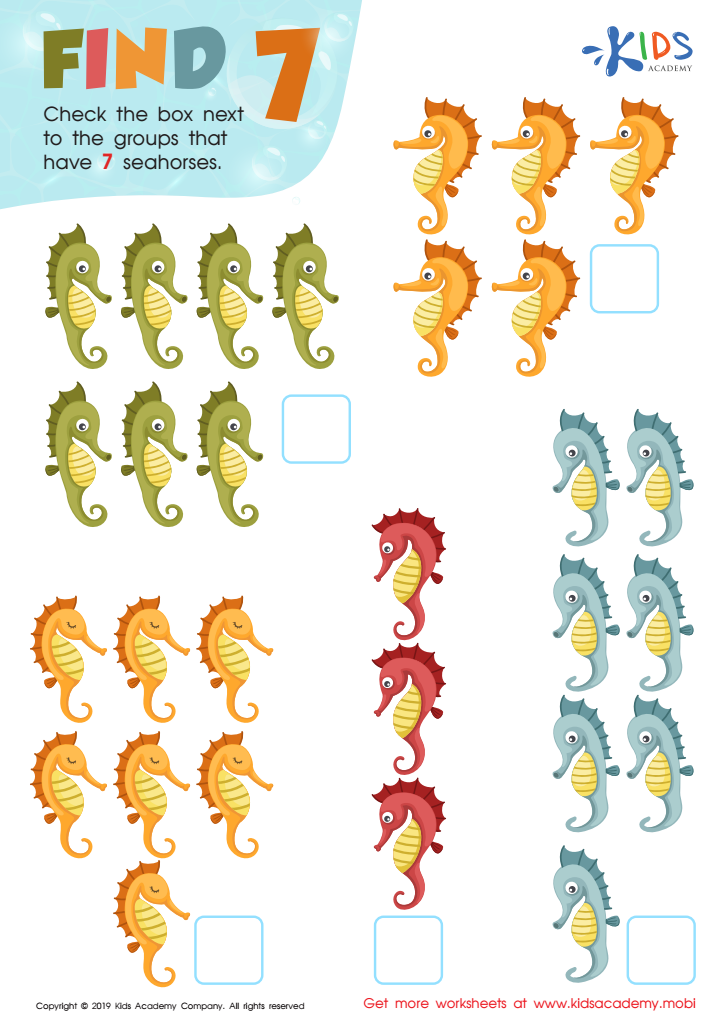
Find 7 Worksheet

Ten Spots Worksheet
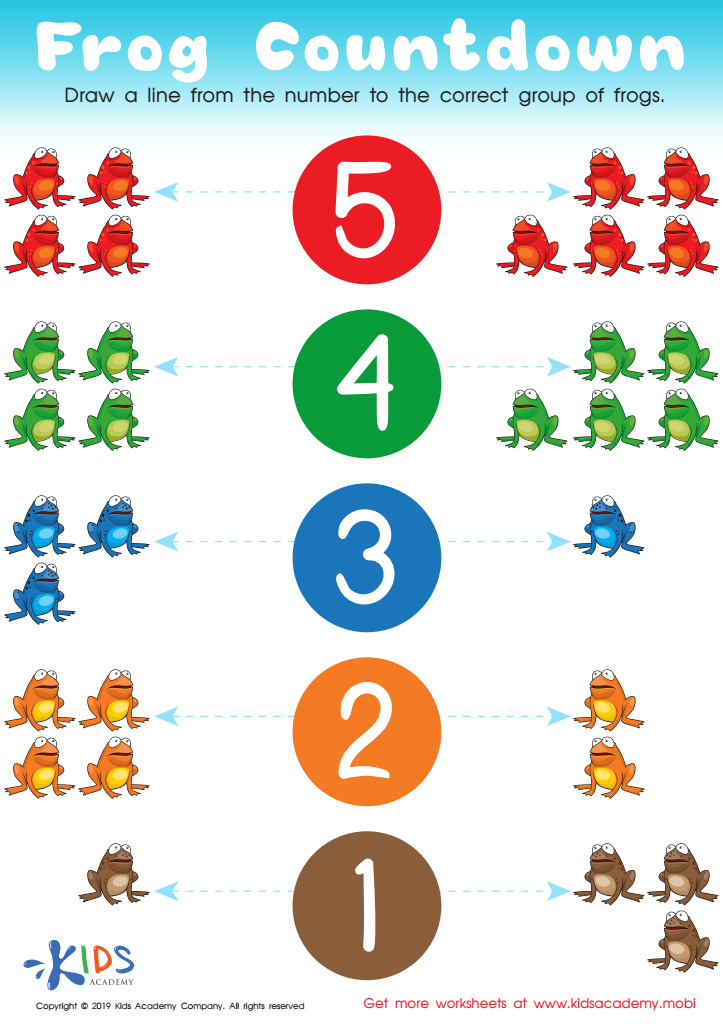
Frog Countdown Worksheet
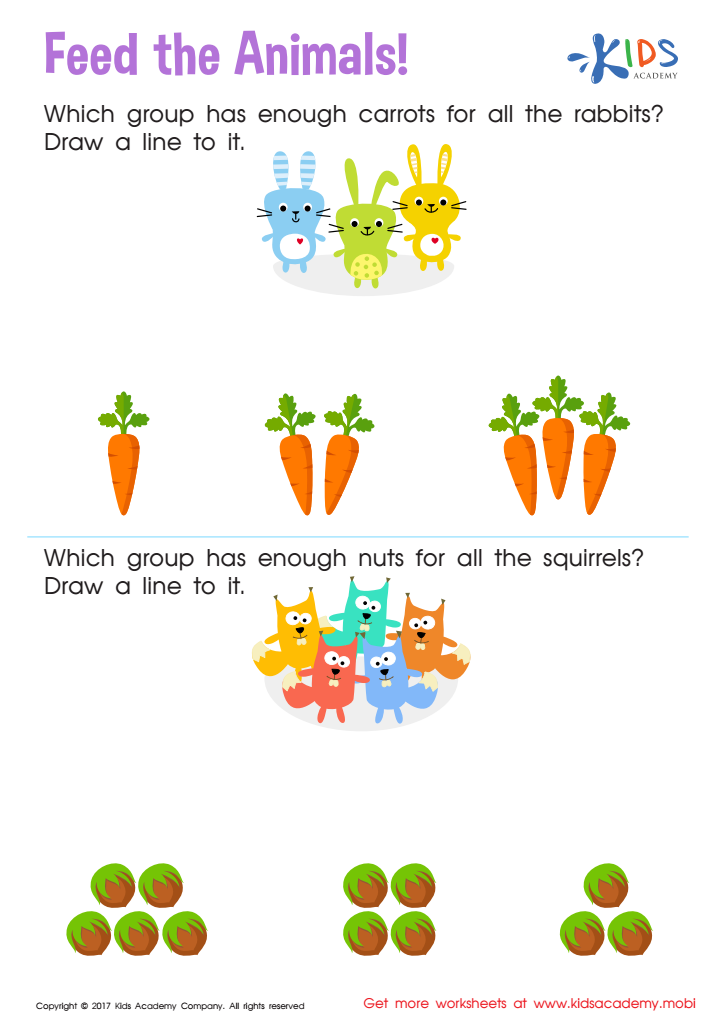
Count and Match: Feed the Animals Worksheet
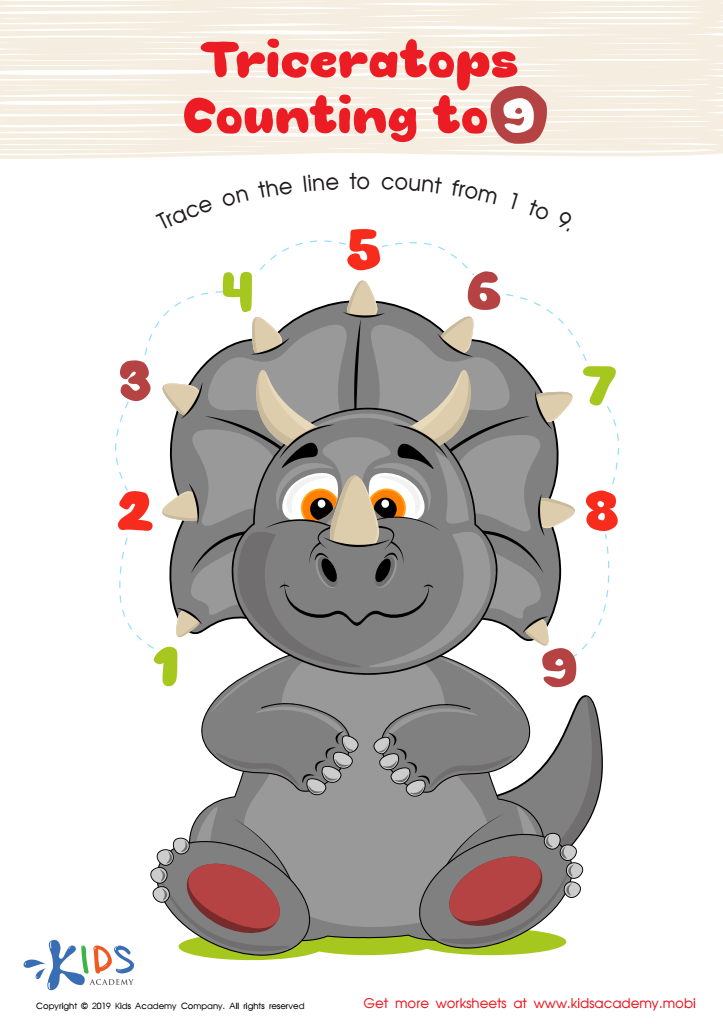
Triceratops Counting to 9 Worksheet








Fine motor skills are essential for children's overall development, particularly between the ages of 6 and 7. At this developmental stage, children refine their hand-eye coordination and dexterity, which are critical for various tasks, including writing, drawing, and manipulating objects. Fine motor skills directly influence a child's ability to engage with academic content—specifically number concepts and counting, which become more complex in early elementary school.
Counting is a fundamental math skill that forms the basis for advanced concepts like addition and subtraction. Children who struggle with fine motor skills may find it challenging to use counting tools like counters, beads, or manipulatives, which can lead to anxiety and reluctance in participating in math activities. Teachers and parents should care about this aspect of development because enhancing fine motor skills can lead to increased confidence, improved academic performance, and a positive attitude toward learning.
Furthermore, nurturing fine motor skills during this critical age supports children's ability to complete everyday self-care tasks, such as buttoning clothes or tying shoelaces, thereby fostering independence. In summary, prioritizing fine motor skills and counting can have lasting effects on students' academic success and personal development.








