Addition Practice Math Worksheets for Ages 6-7 - Page 3
123 filtered results
-
From - To
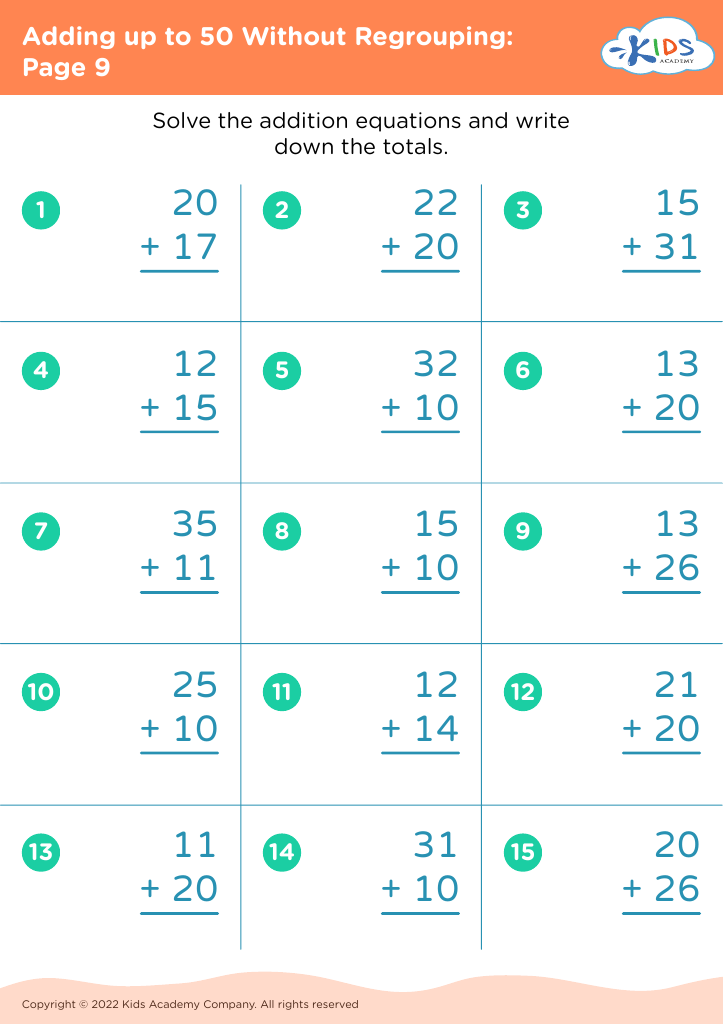
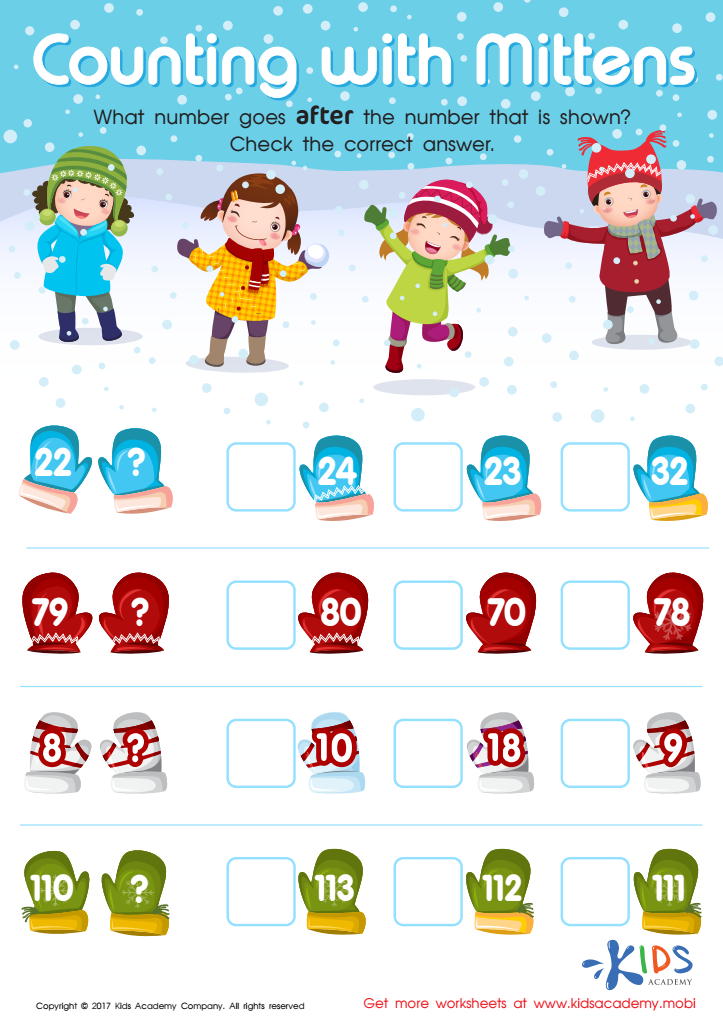
Counting with Mittens Worksheet
 Assign to My Students
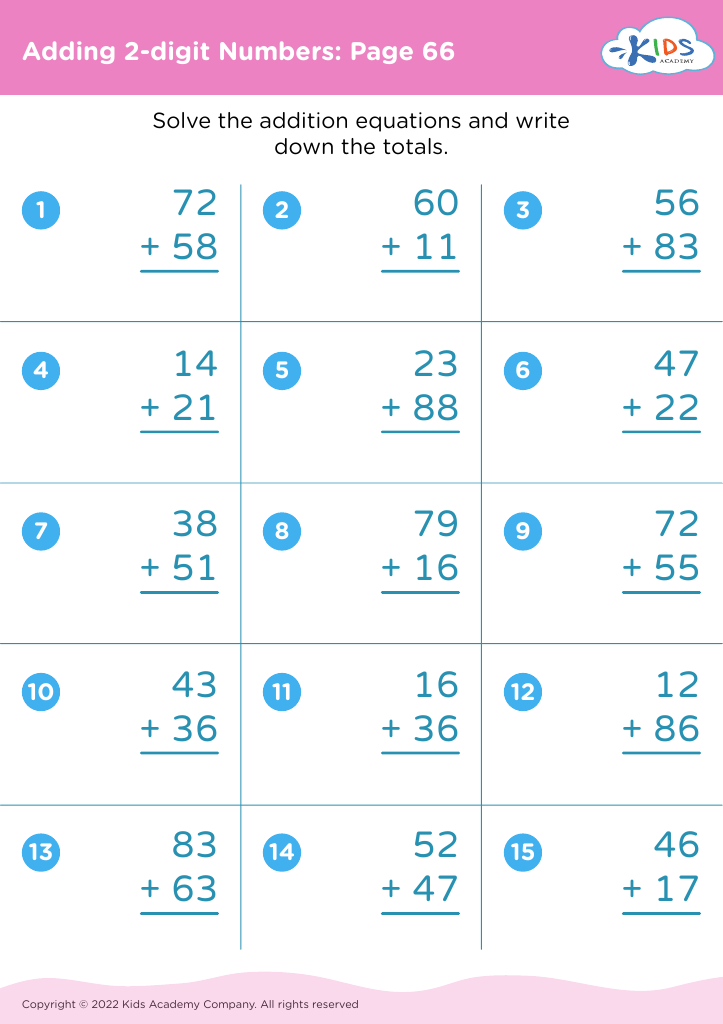
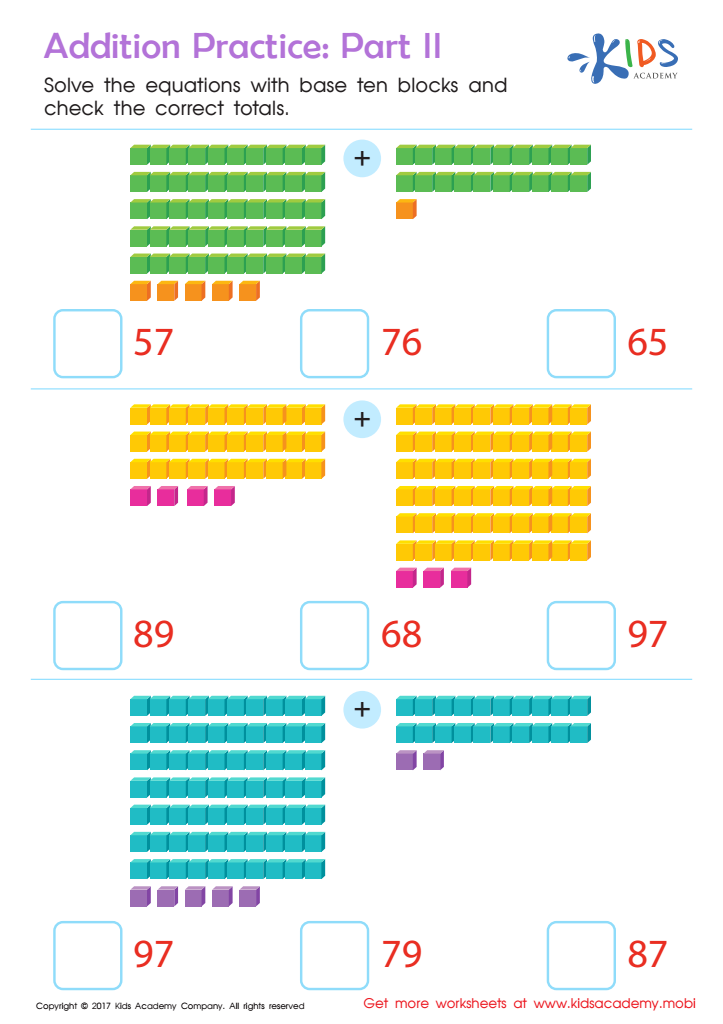
Addition Practice Sheet: Part 2
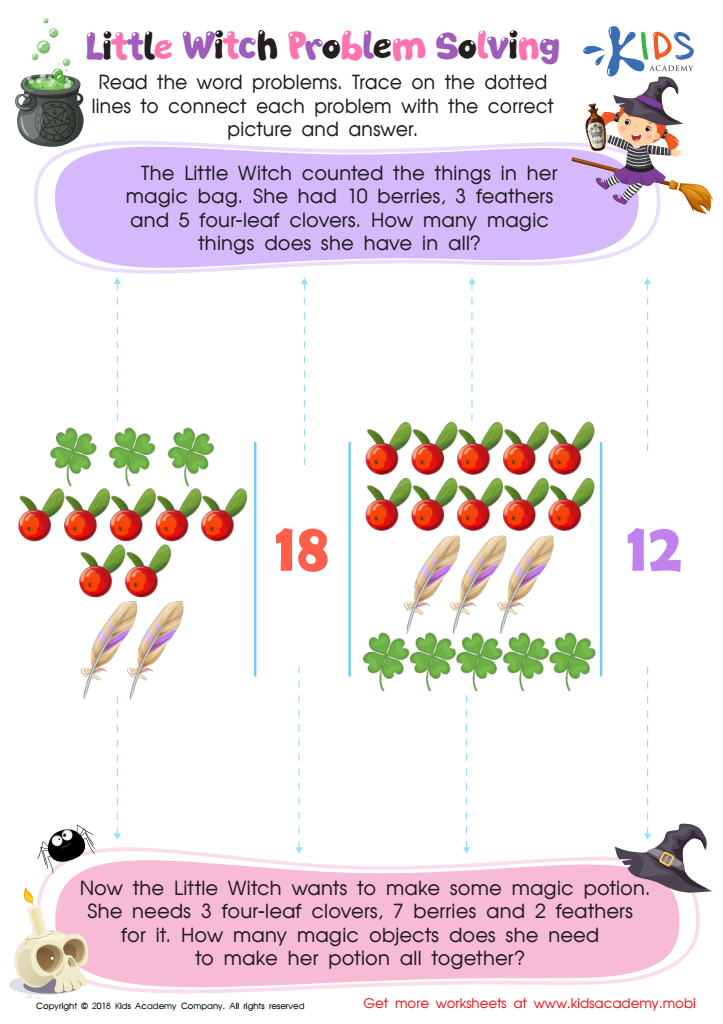
Little Witch Problem Solving Worksheet
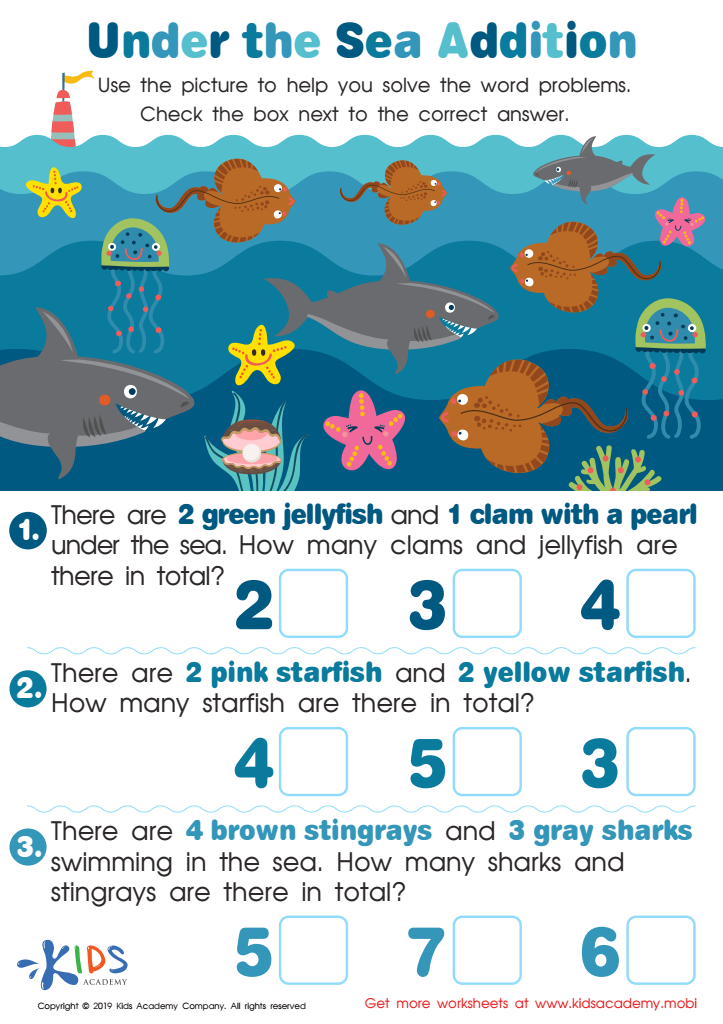
Under the Sea Addition Worksheet
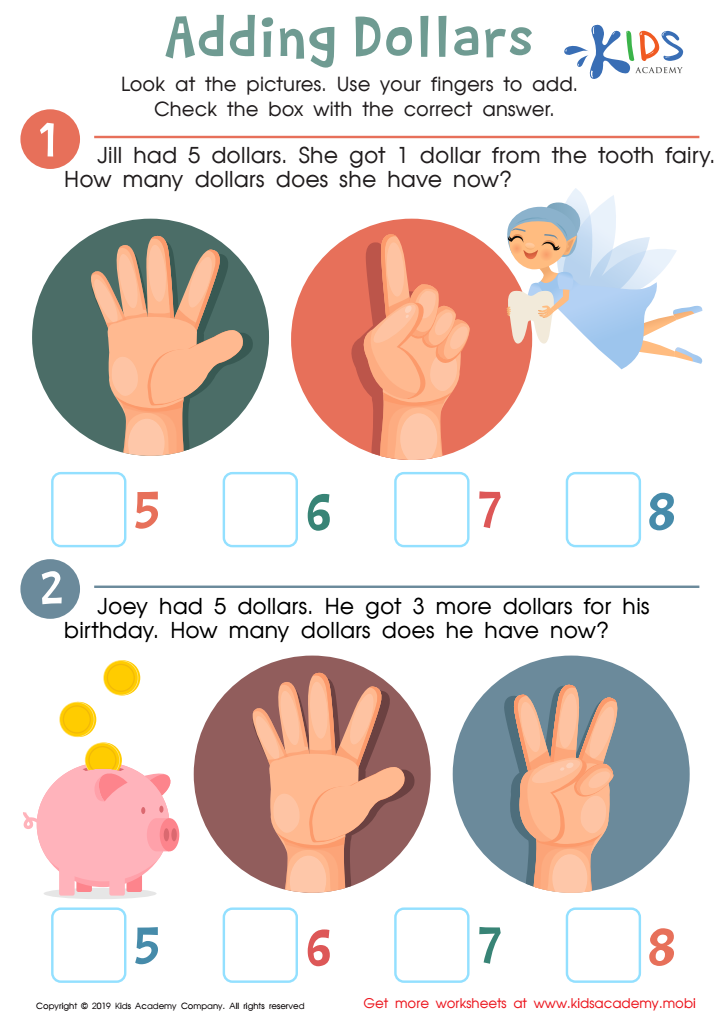
Tooth Fairy Addition Worksheet
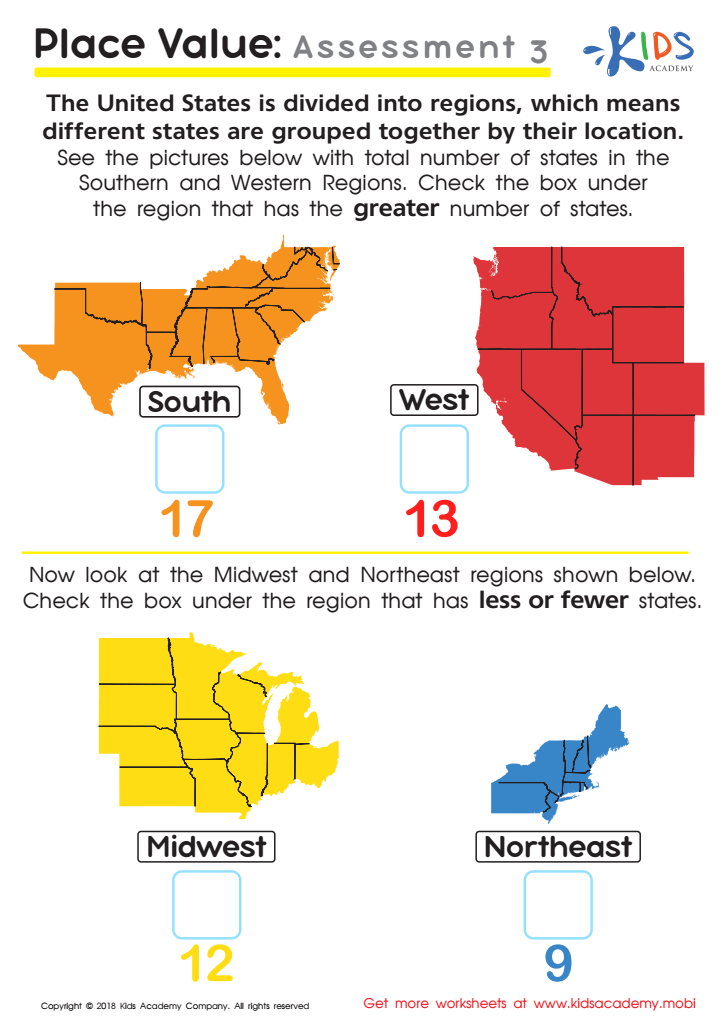
Place Value: Assessment 3 Worksheet
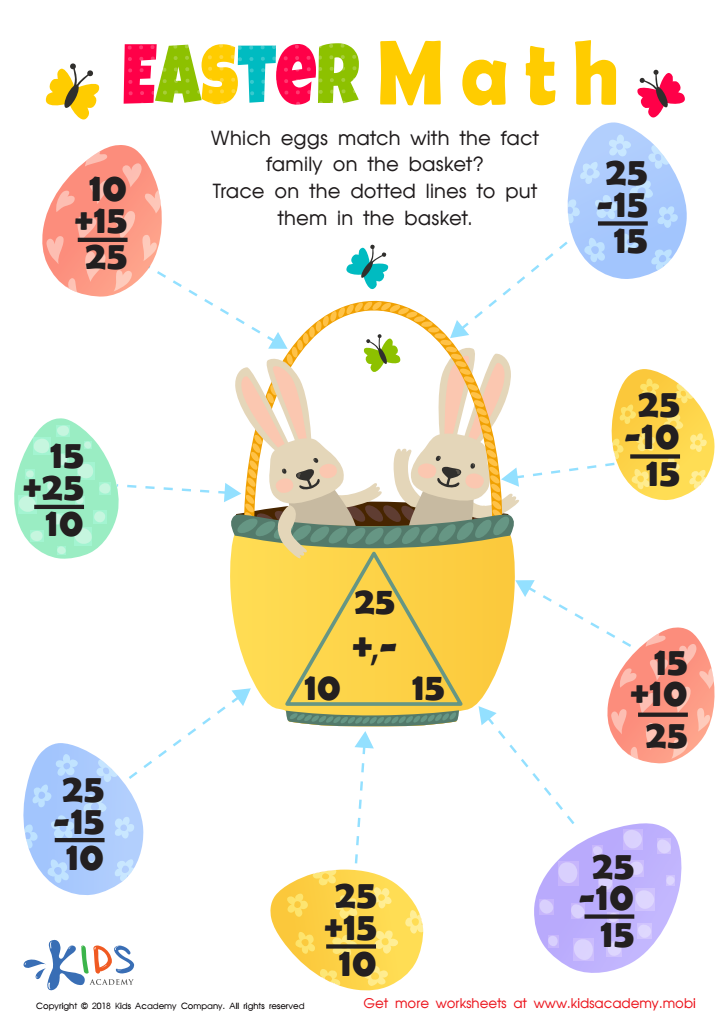
Fact Families: Easter Math Worksheet
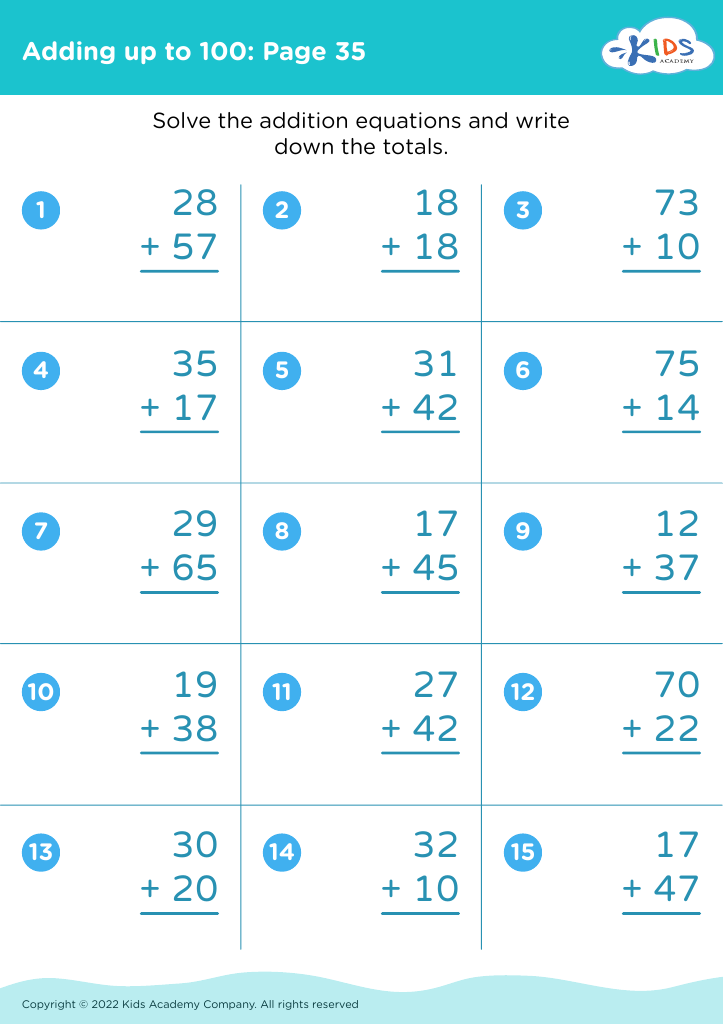
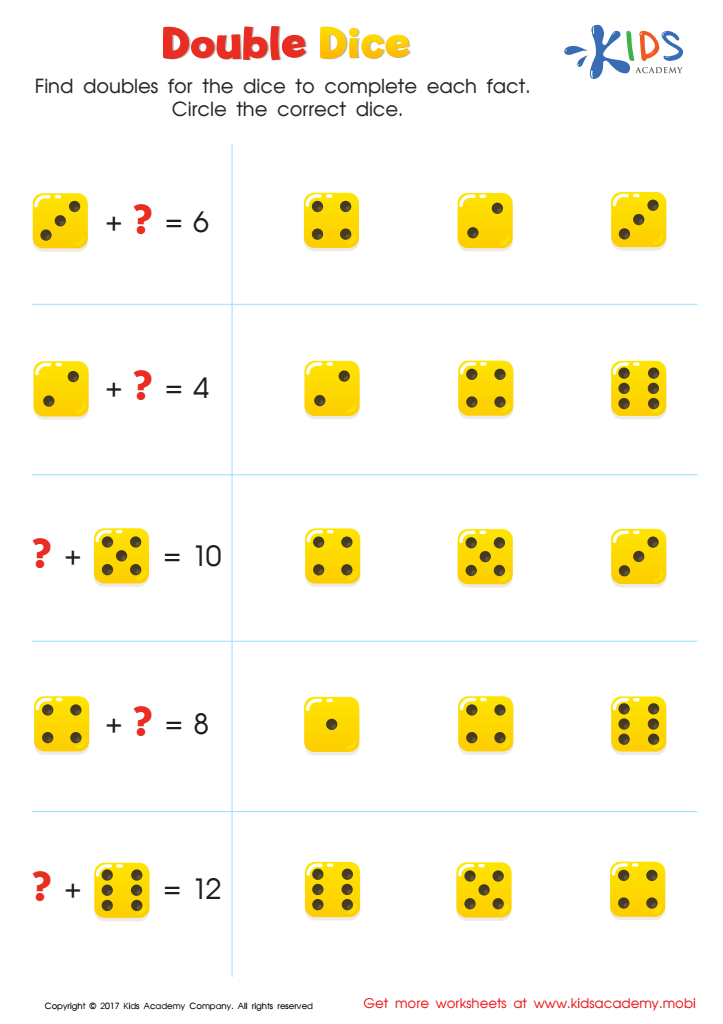
Addition Facts: Double Dice Worksheet
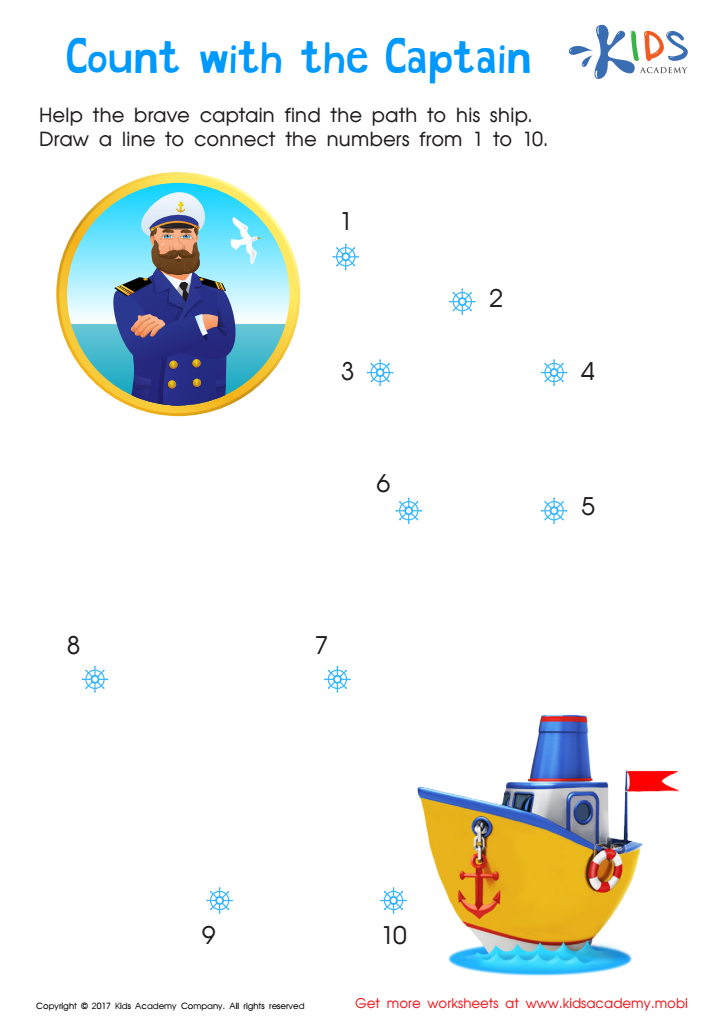
Count with the Captain Connect Dots Worksheet
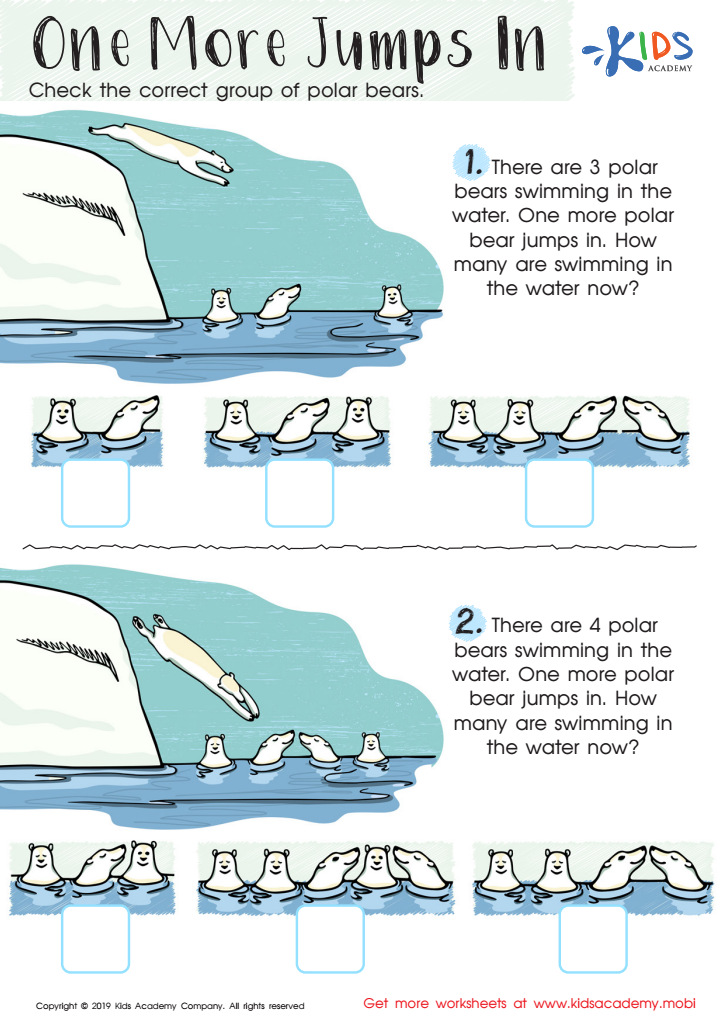
One More Jumps In Worksheet
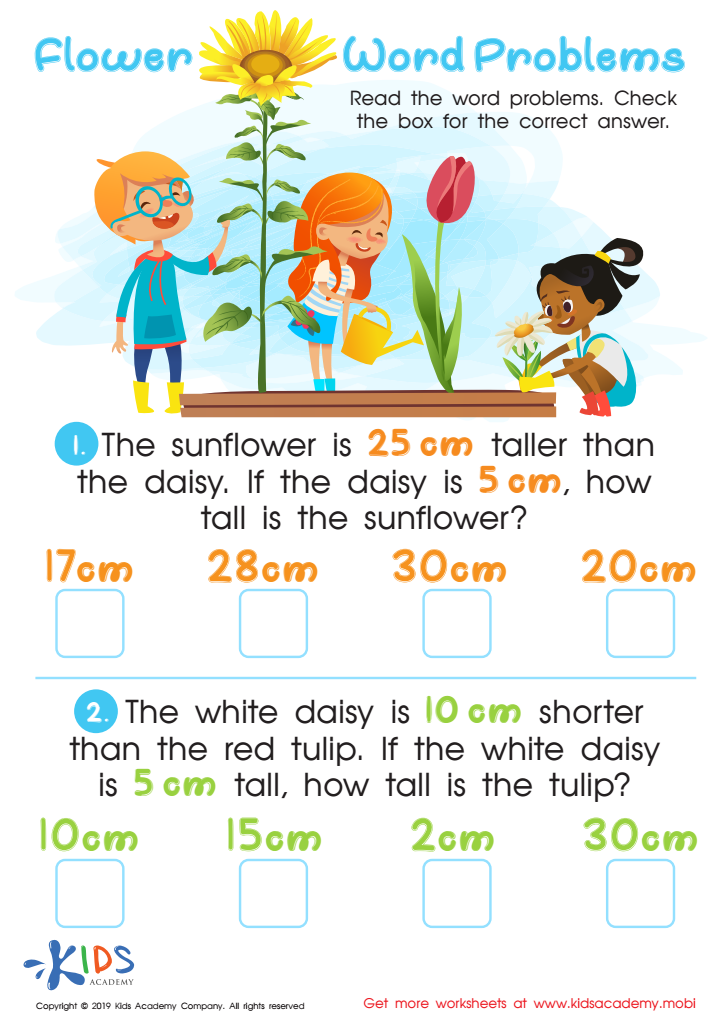
Flower Word Problems Worksheet
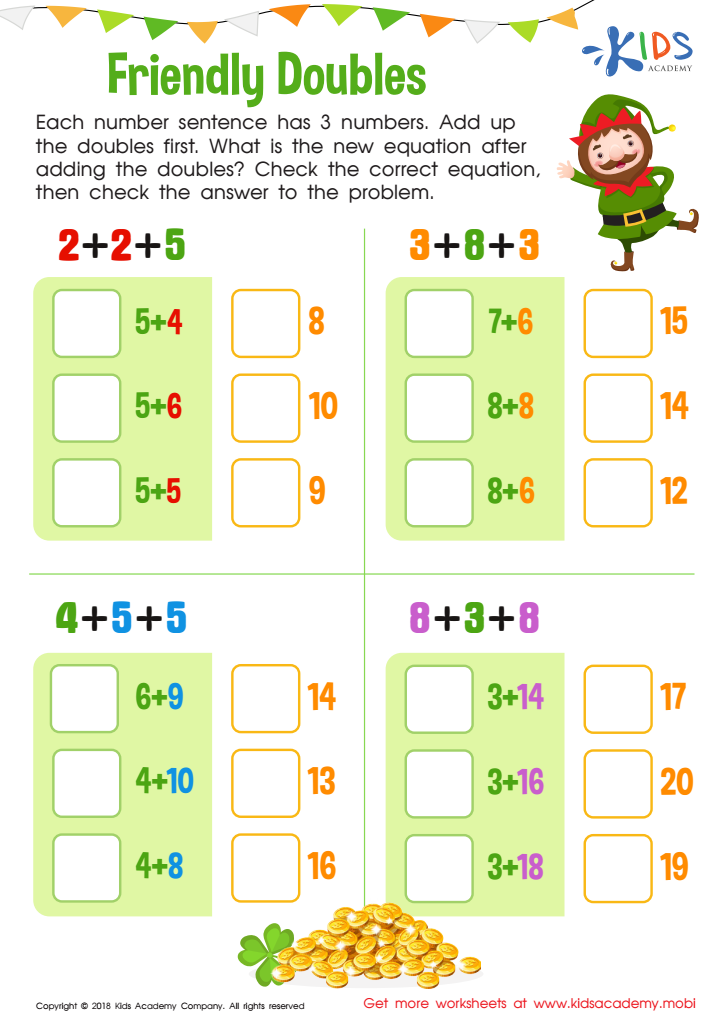
Friendly Doubles Worksheet
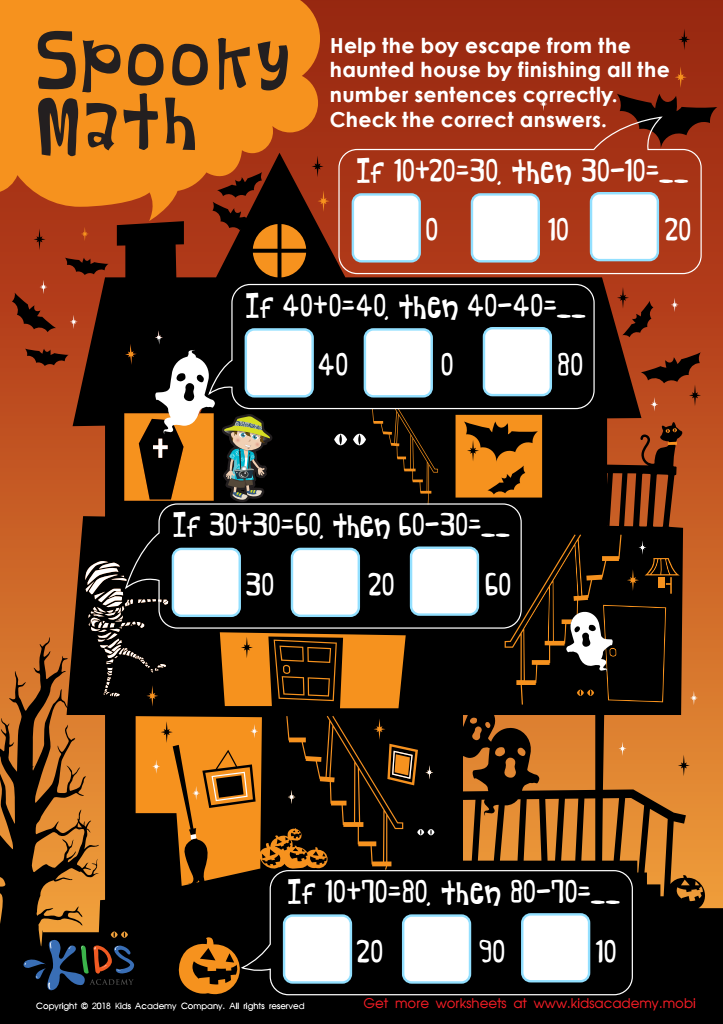
Subtract Tens: Spooky Math Worksheet
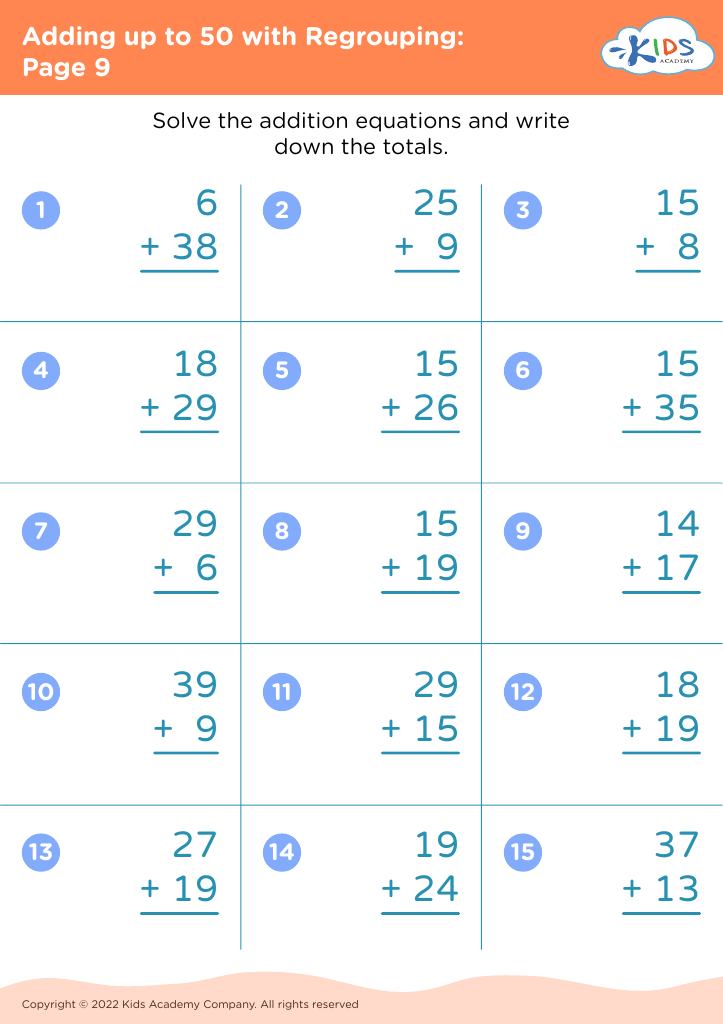
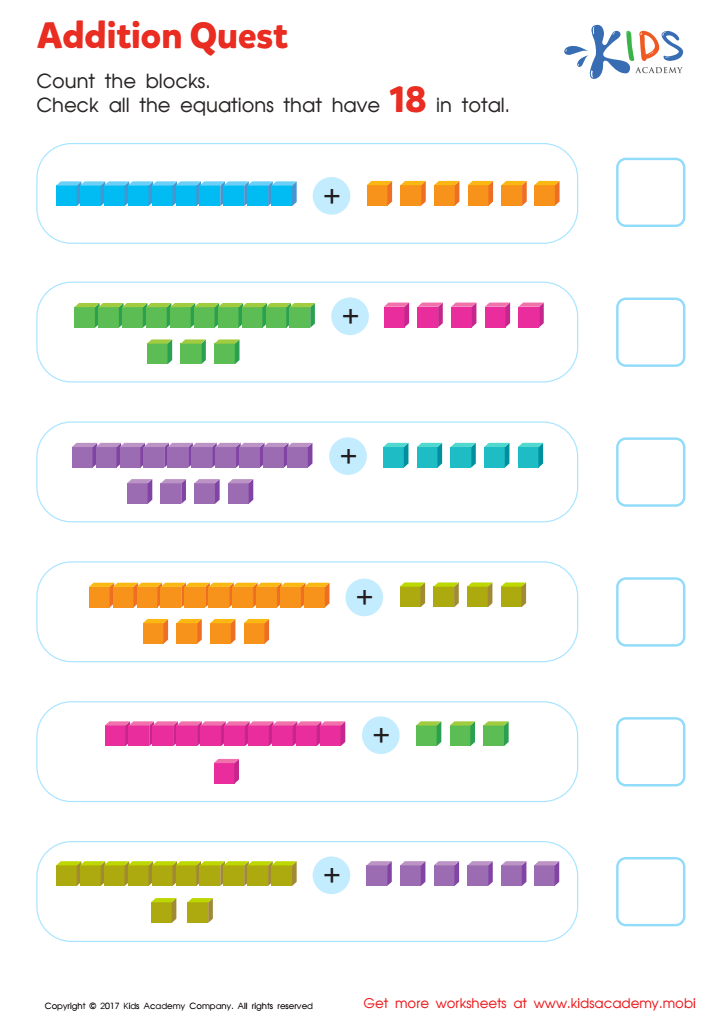
Addition Quest Worksheet: Part 2
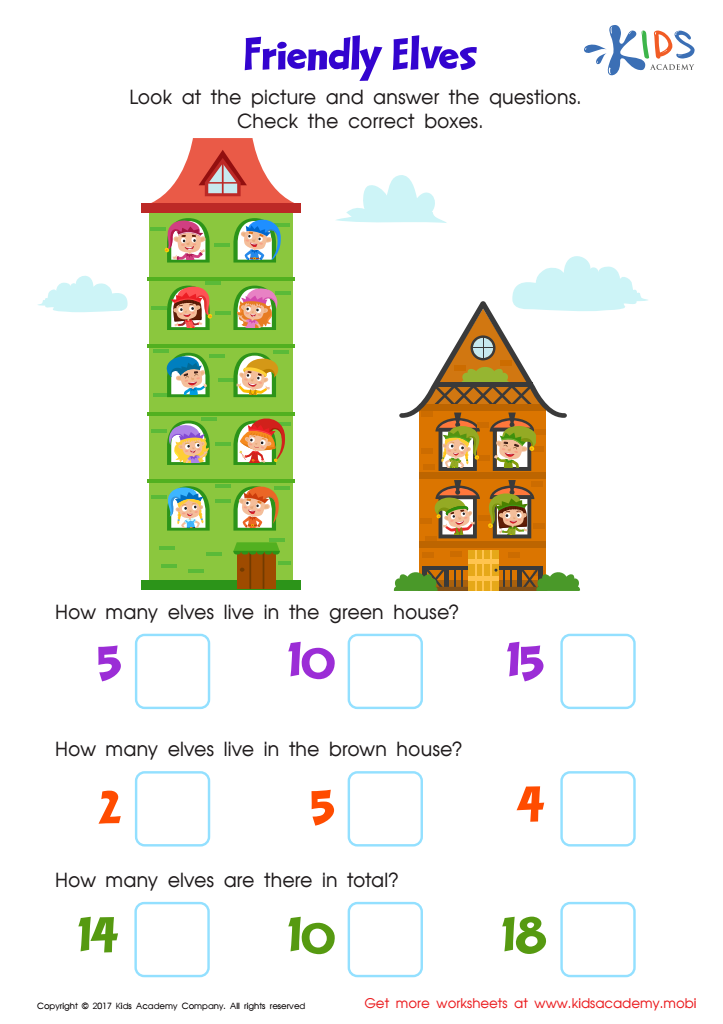
Place Value: Friendly Elves Worksheet
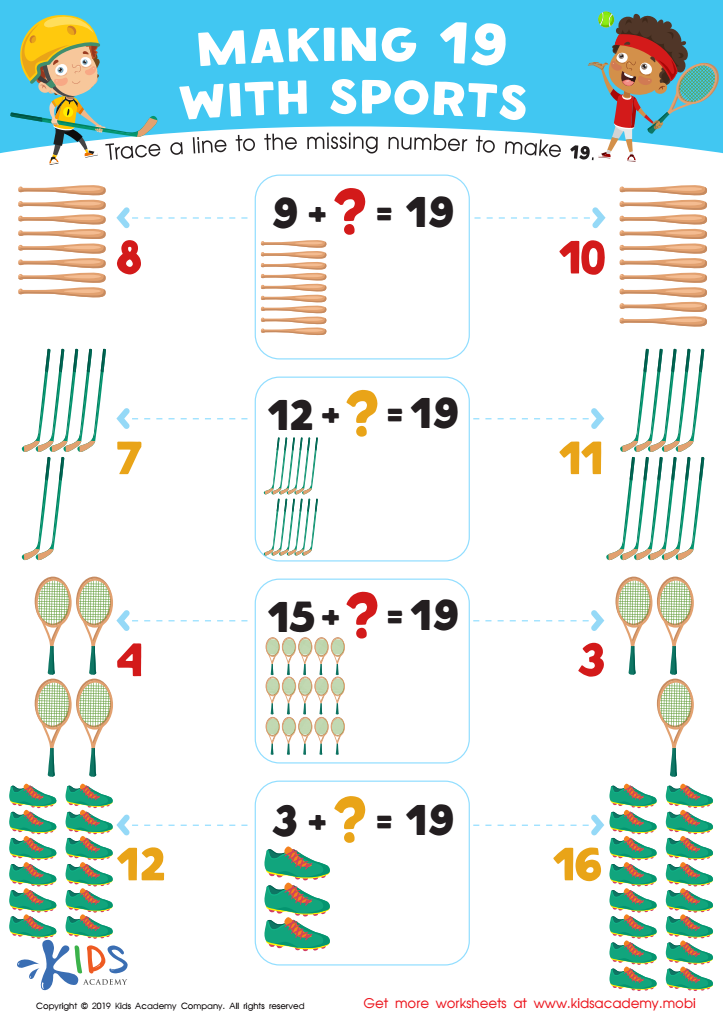
Making 19 with Sports Worksheet
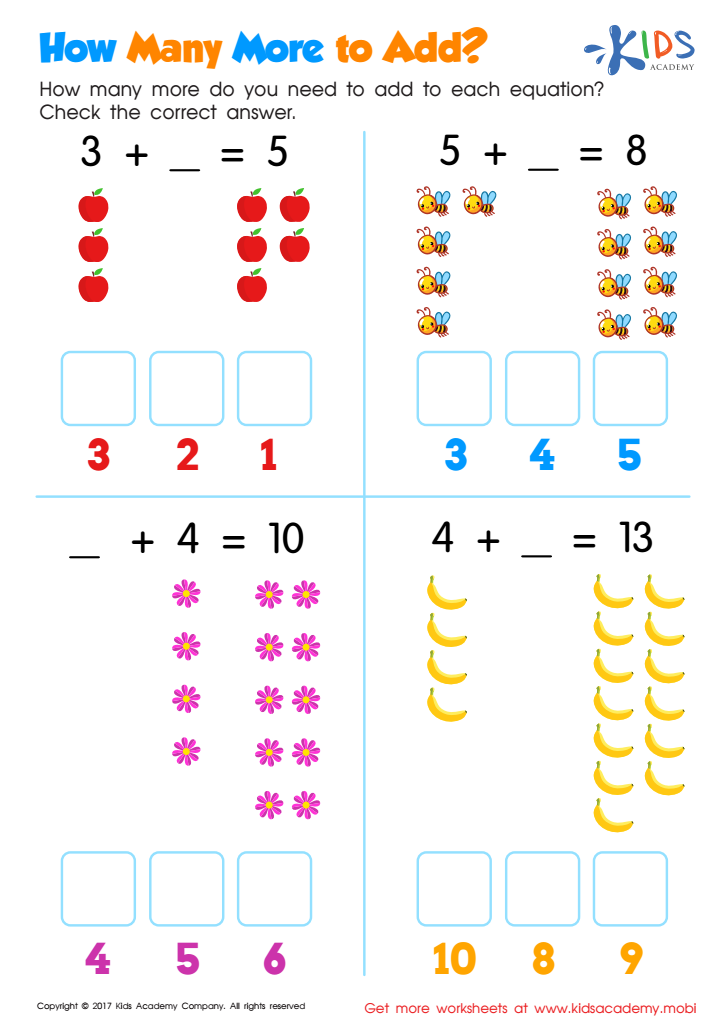
How Many More to Add Worksheet
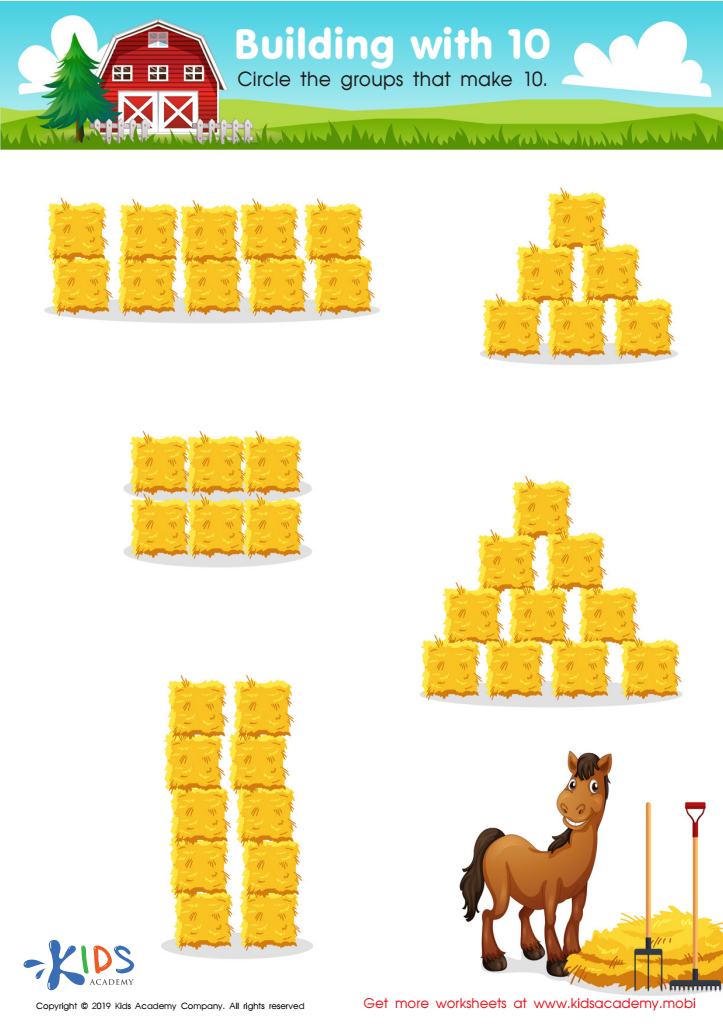
Building with 10 Worksheet






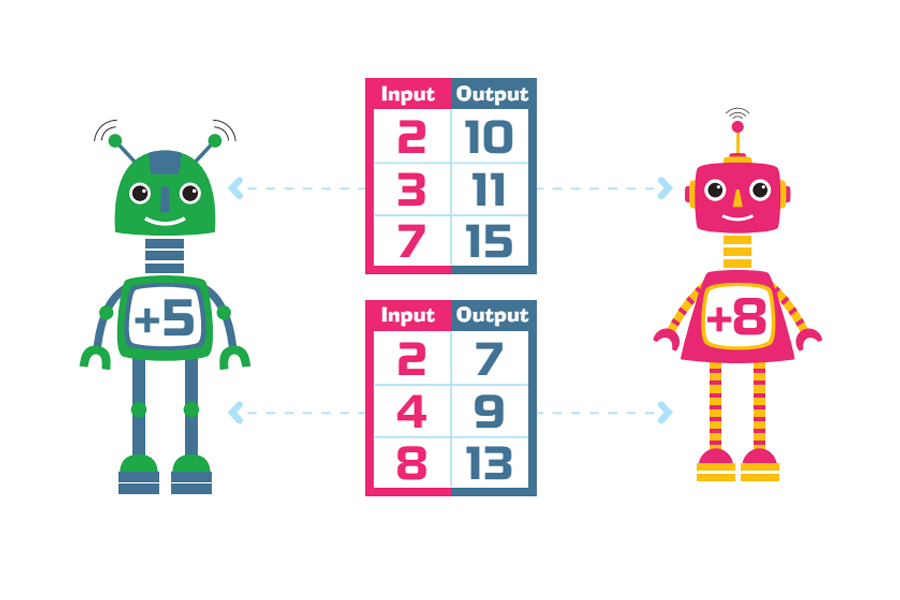

Addition practice for ages 6-7 is crucial for the developmental growth of children in early education. At this age, children are transitioning from recognizing numbers to applying mathematical concepts in everyday life. Mastering addition lays the foundational skills for more complex mathematics later on, making it essential for academic success.
Parents and teachers should care about addition practice because it helps strengthen not just mathematical skills but also critical thinking and problem-solving abilities. Daily engagement with addition problems combats math anxiety and builds confidence in children's abilities, promoting a positive attitude toward learning.
Moreover, addition practice aligns with early learning standards, ensuring children are meeting key milestones necessary for their grade level. It enables effective assessment of a child’s understanding and paves the way for personalized learning strategies. Simple addition exercises can also be fun; they lend themselves to games and interactive activities, making learning enjoyable and enriching.
Investing time in consistent and engaging addition practice fosters a love for math, equips children with lifelong skills, and enhances cognitive abilities—important tools for academic and personal growth. Ultimately, a strong foundation in addition can lead to future successes not just in mathematics, but in various aspects of life.








