Color Identification Math Worksheets for Ages 6-7 - Page 2
42 filtered results
-
From - To
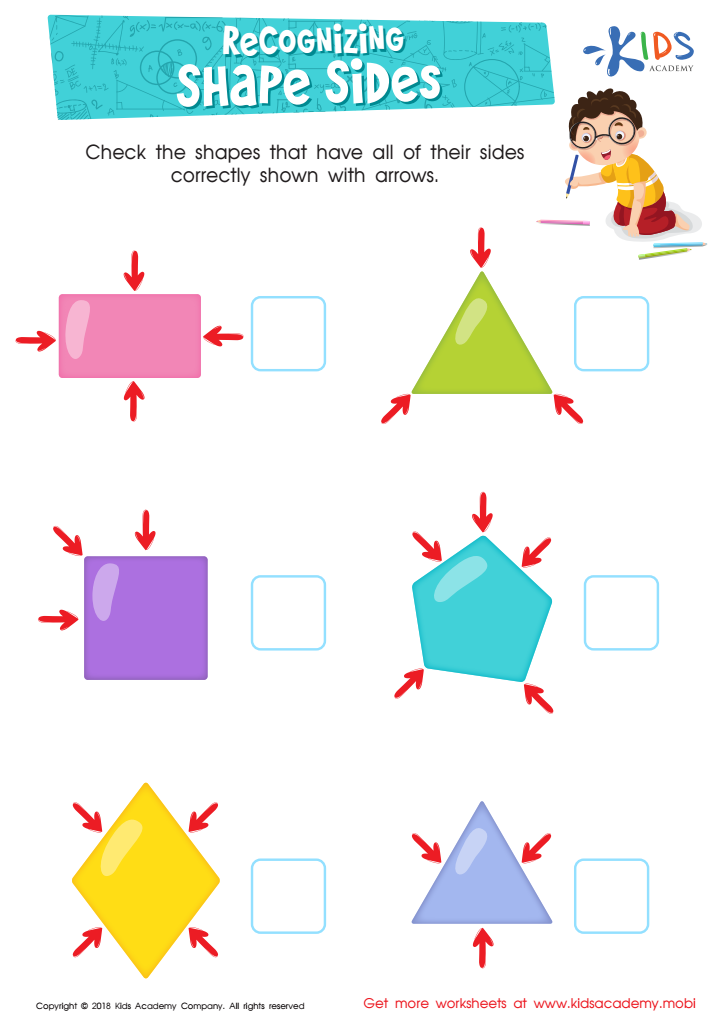
Recognizing Shape Sides Worksheet
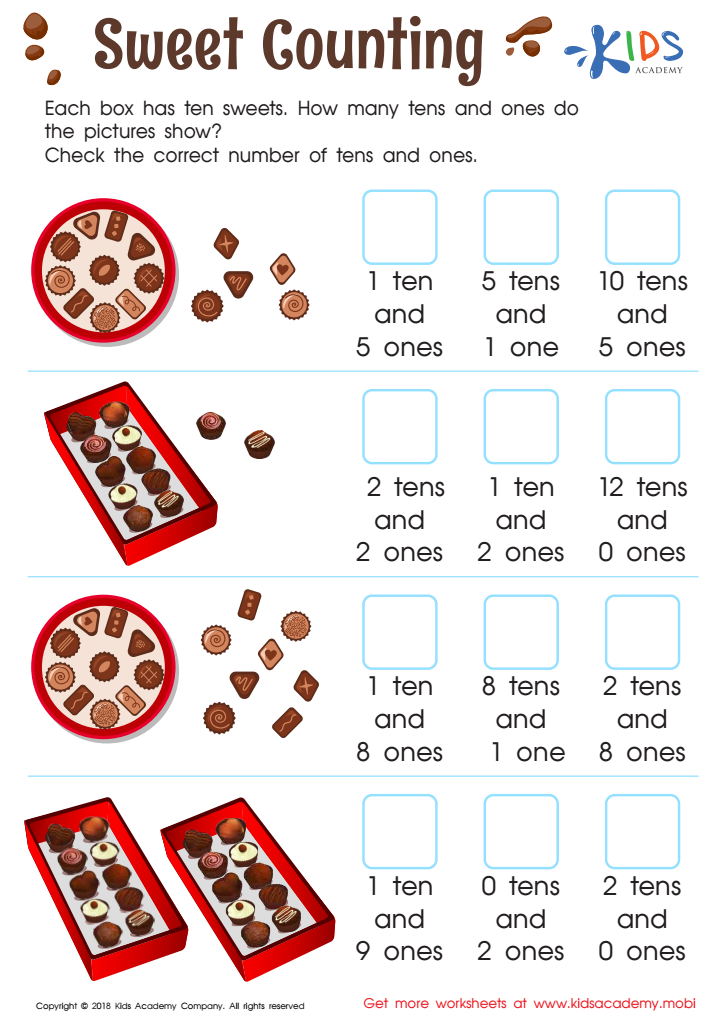
Sweet Counting - Part 2 Worksheet
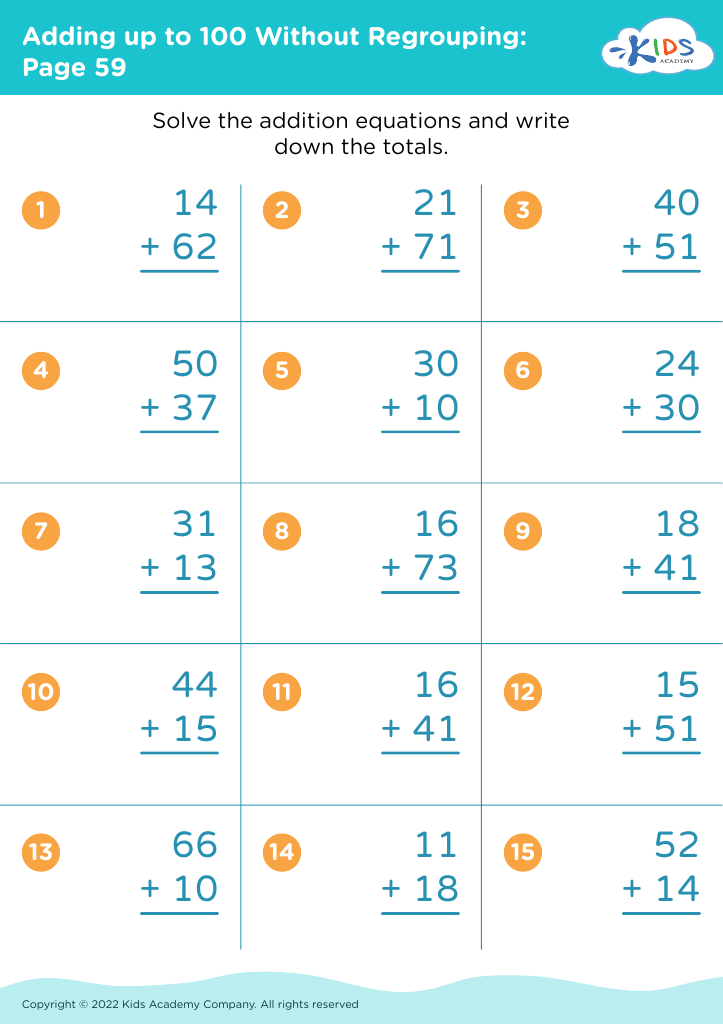
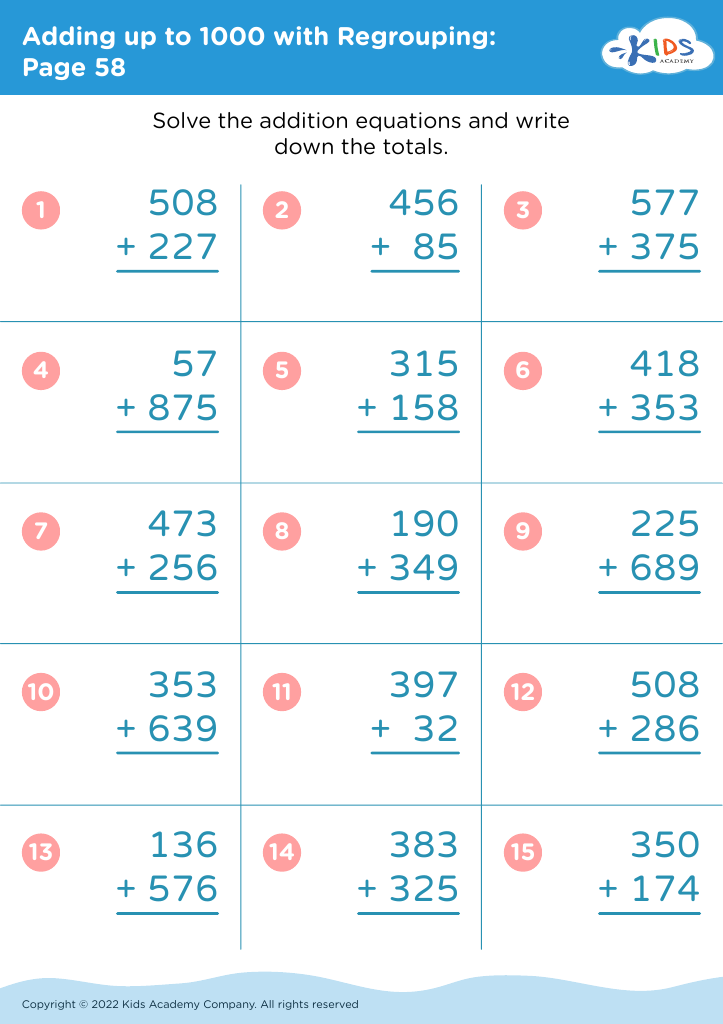
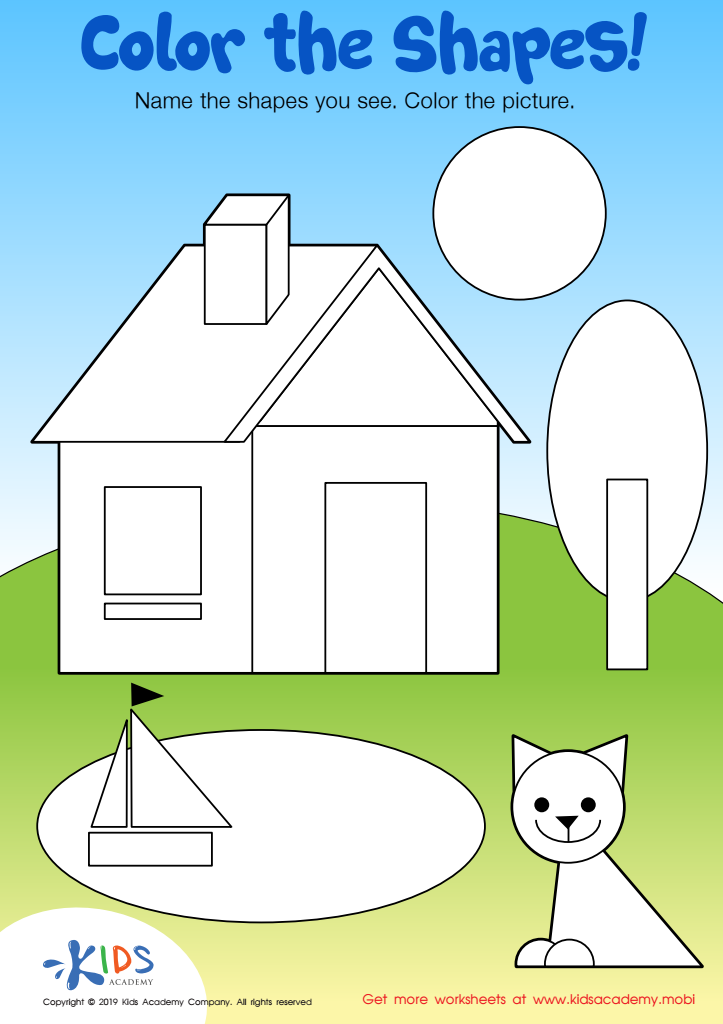
Color the Shapes Worksheet
 Assign to My Students
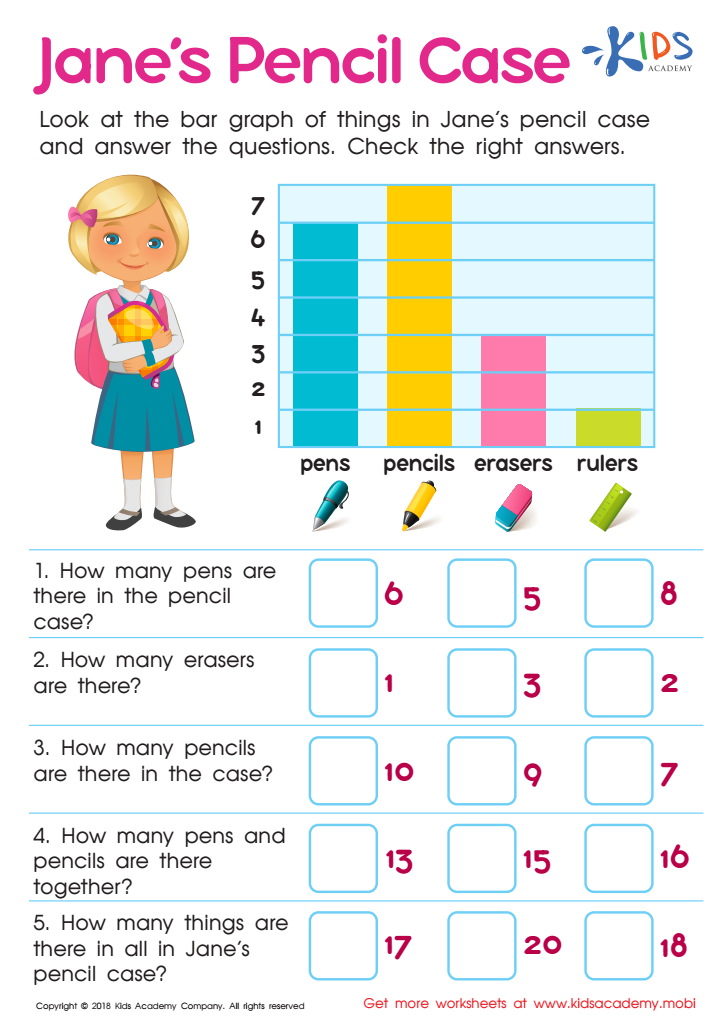
Jane's Pencil Case Worksheet
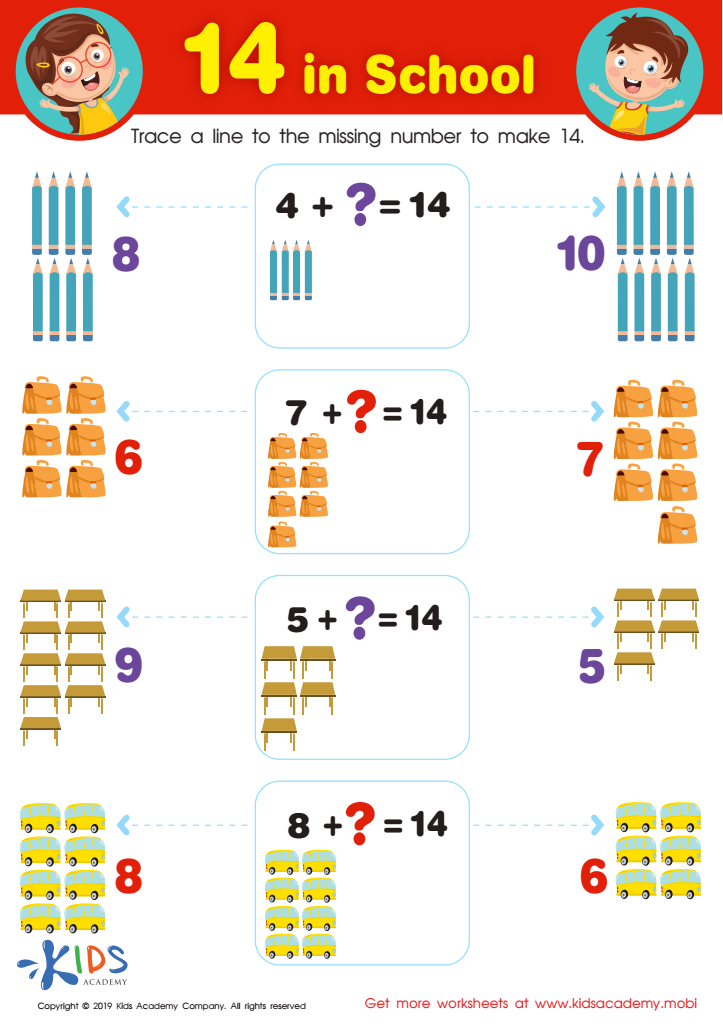
14 in School Worksheet
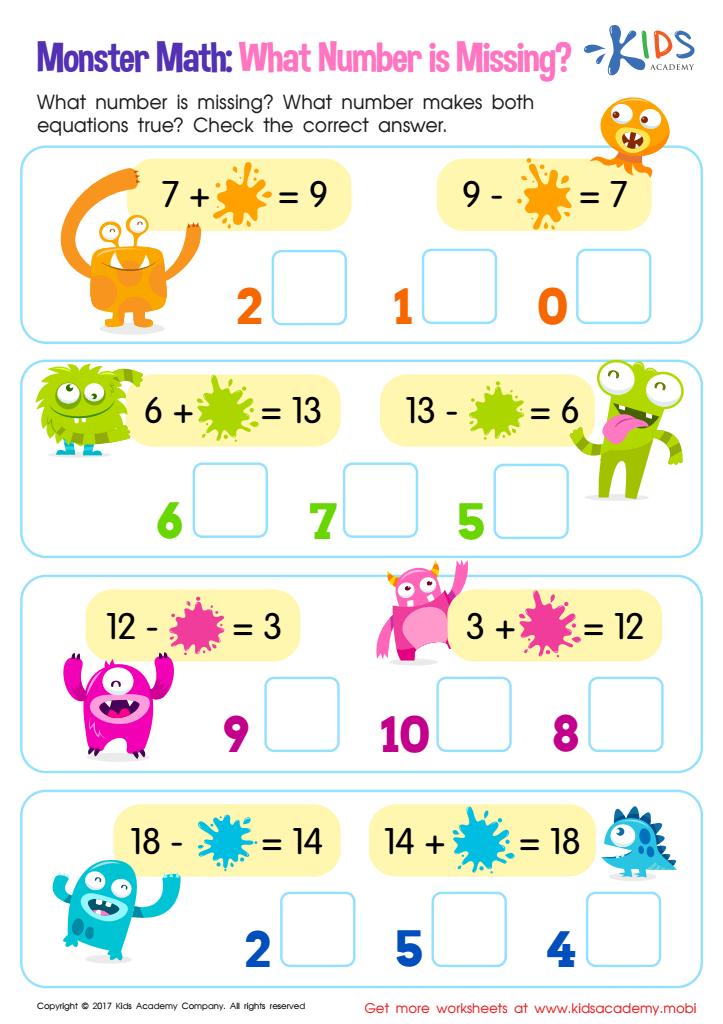
Missing Number: Monster Math Worksheet
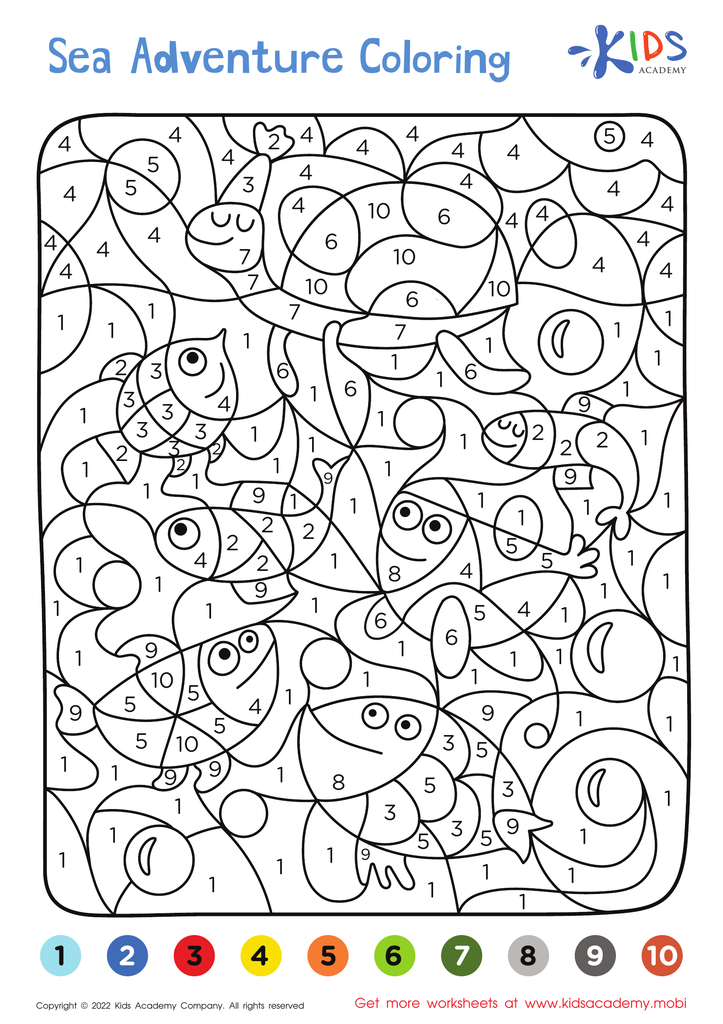
Sea Adventure – Coloring by Numbers
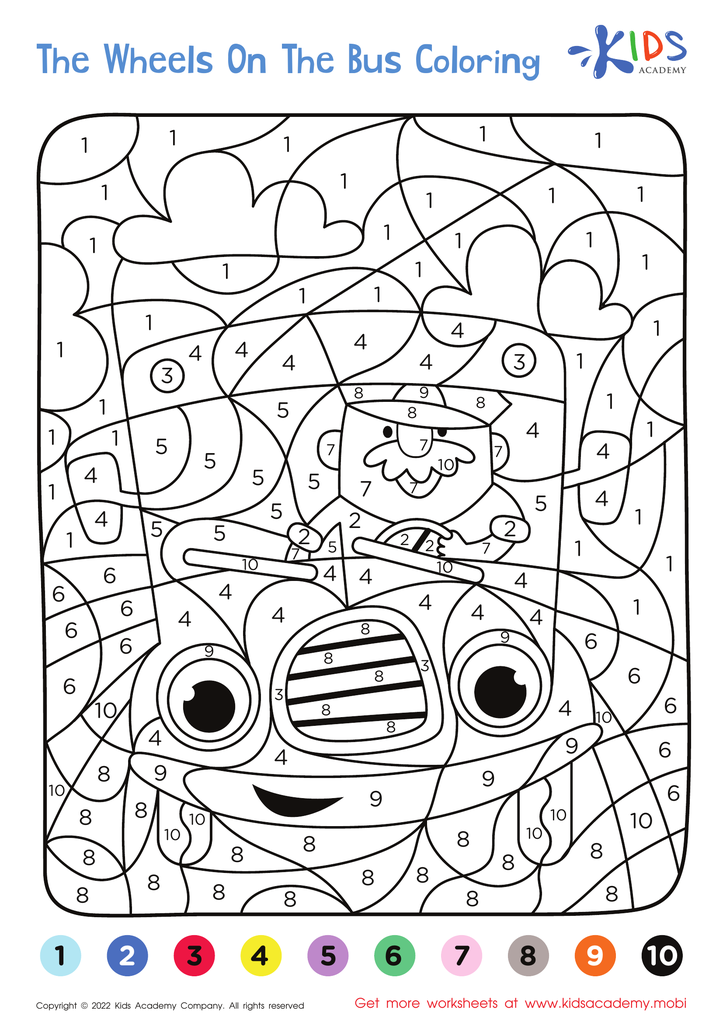
Wheels on the Bus – Coloring by Numbers
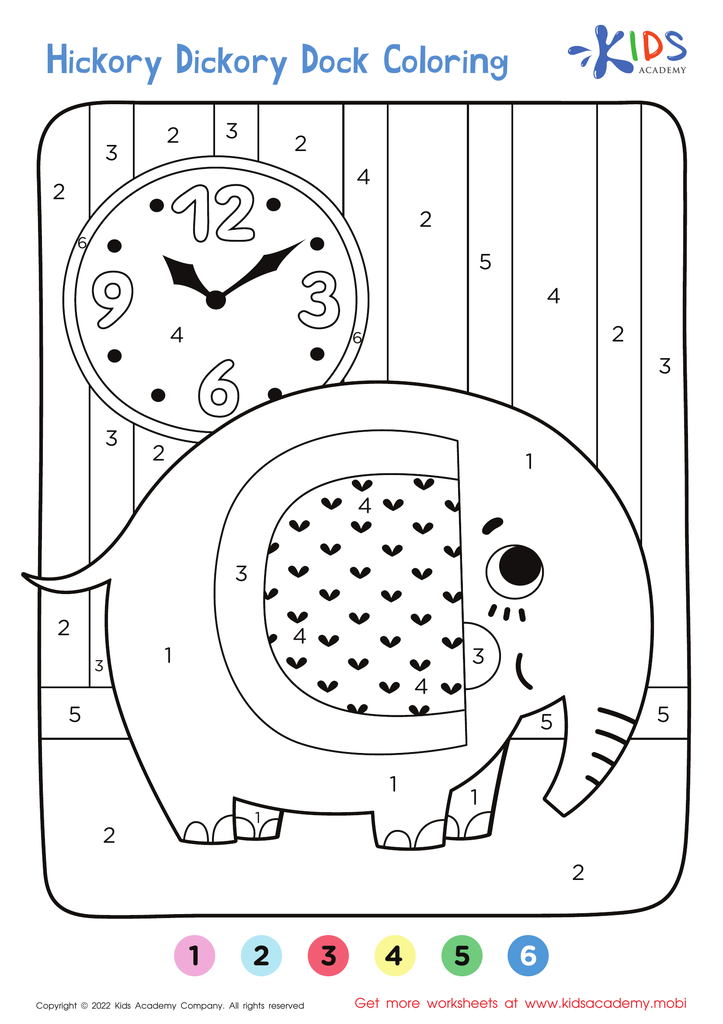
Hickory Dickory Dock – Coloring by Numbers
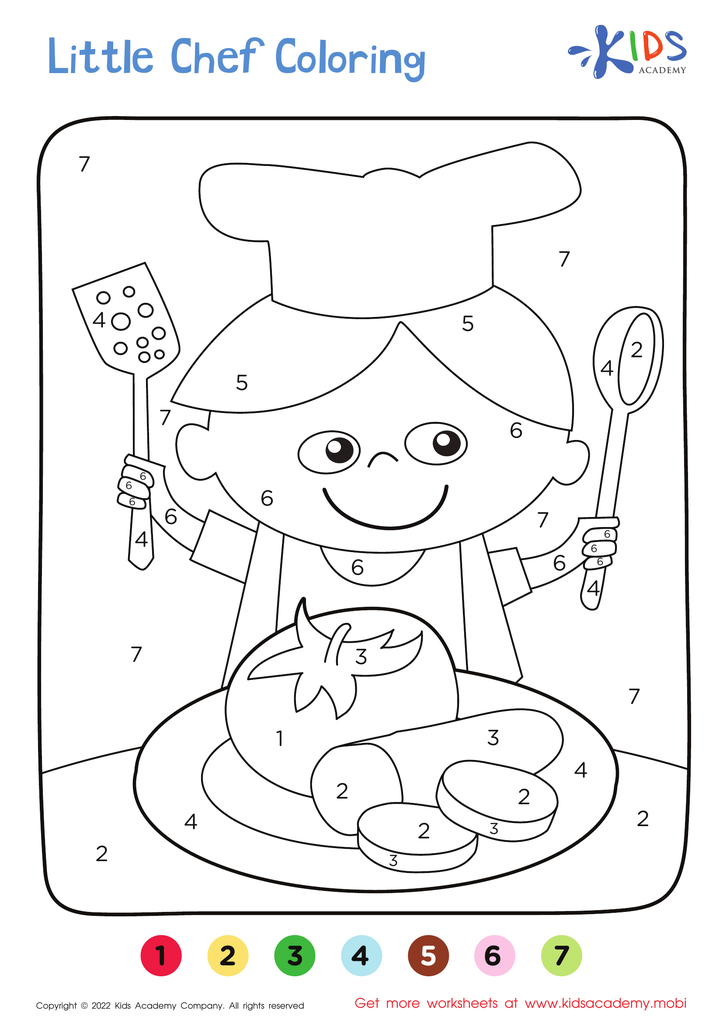
Little Chef – Coloring by Numbers
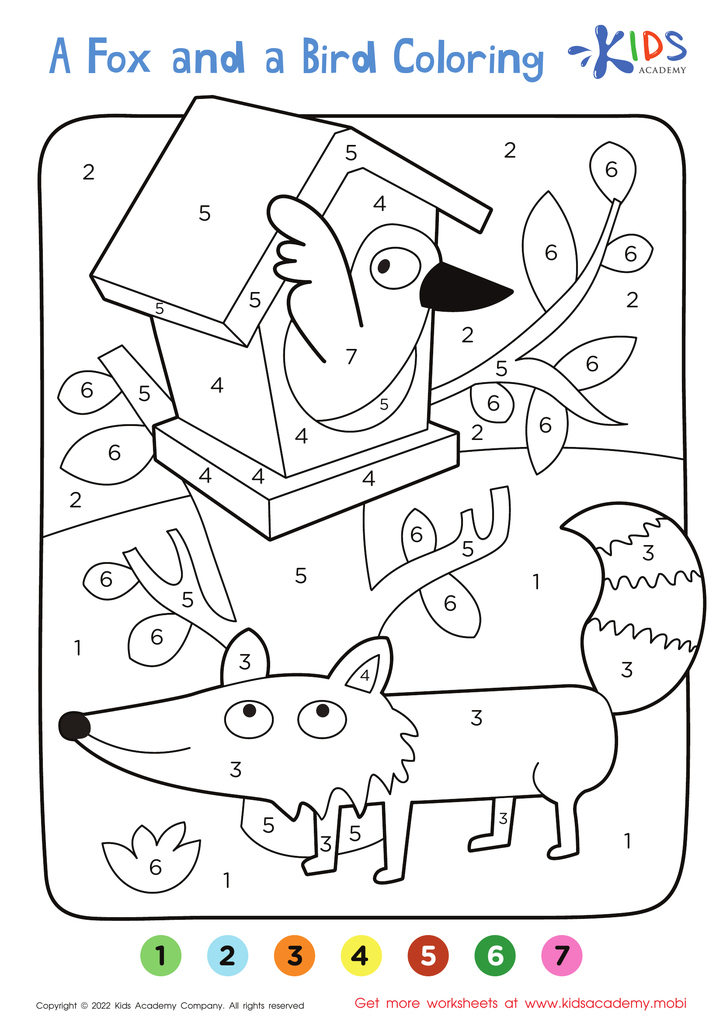
A Fox and a Bird – Coloring by Numbers
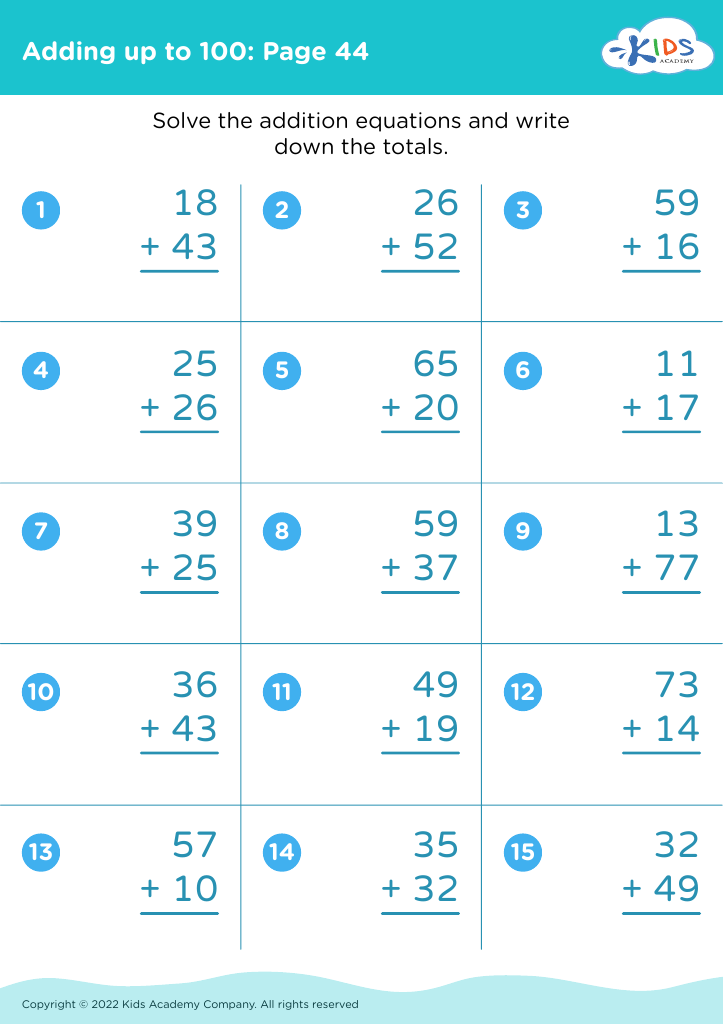






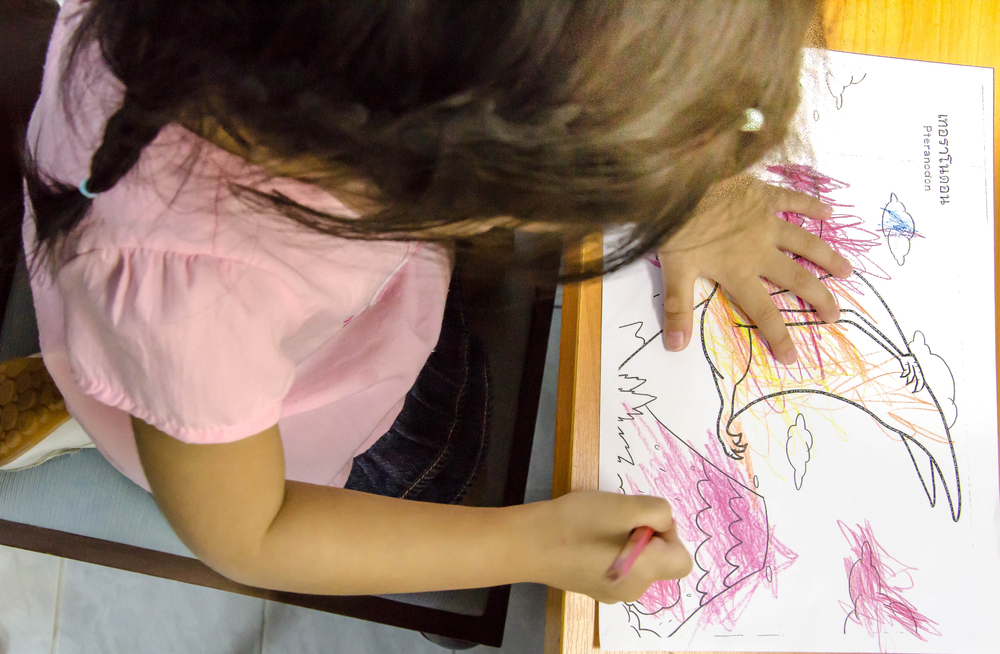
Color identification plays a pivotal role in the early development of children aged 6-7 and is a fundamental aspect of Color Identification Math. At this age, kids are at a critical stage where their cognitive abilities are rapidly developing. By integrating colors into math lessons, parents and teachers can make learning more engaging and less intimidating.
Firstly, using colors can help children differentiate and categorize objects, enhancing their ability to understand mathematical concepts such as sorting, pattern recognition, and counting. For instance, recognizing and grouping objects by color can make learning about sets and numbers more concrete and intuitive.
Secondly, color identification helps in developing visual and spatial skills. Math often requires understanding complex patterns and relationships, and colors can make these patterns more discernible. For example, using different colors for different numbers in addition or subtraction problems can aid in comprehension and retention.
Moreover, integrating colors into math lessons aligns well with the multi-sensory learning approach, which caters to different learning styles. Some children are visual learners, and color-coded problems can make abstract concepts more accessible to them. This often leads to increased engagement, attention to detail, and, ultimately, better academic performance.
Lastly, incorporating colors makes math fun and interactive, fostering a positive learning environment. When children enjoy their lessons, they are more likely to develop a love for math early on, setting a strong foundation for future learning.








