Comparing Fractions Math Worksheets for Ages 6-7 - Page 2
93 filtered results
-
From - To
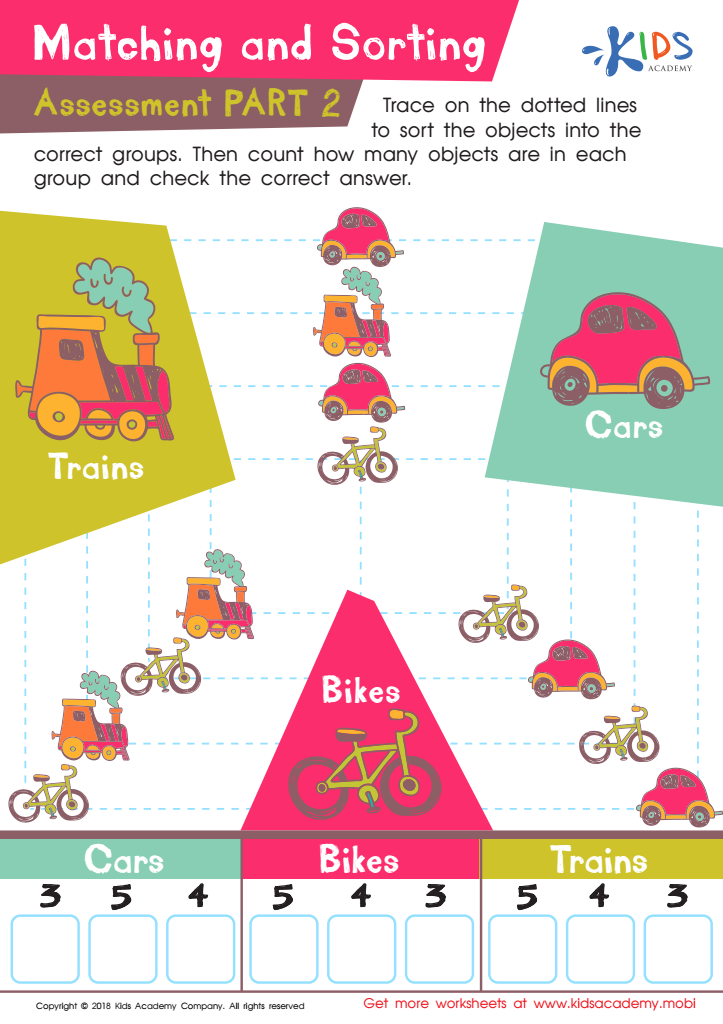
Matching and Sorting for Kindergarten: Assessment 2 Worksheet
 Assign to My Students
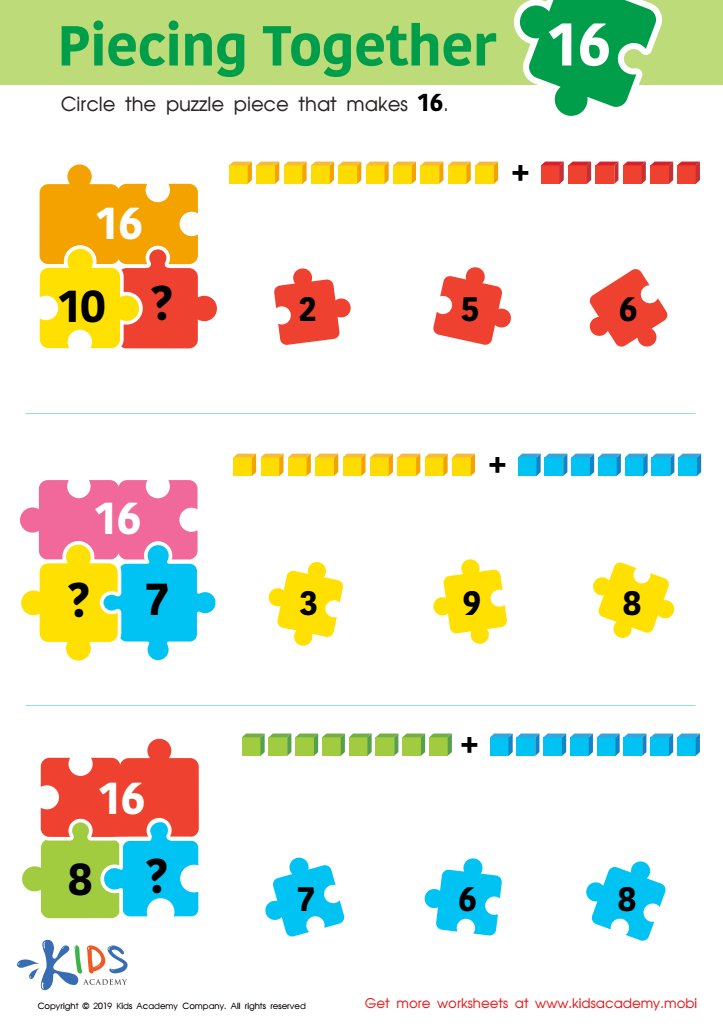
Piecing Together 16 Worksheet
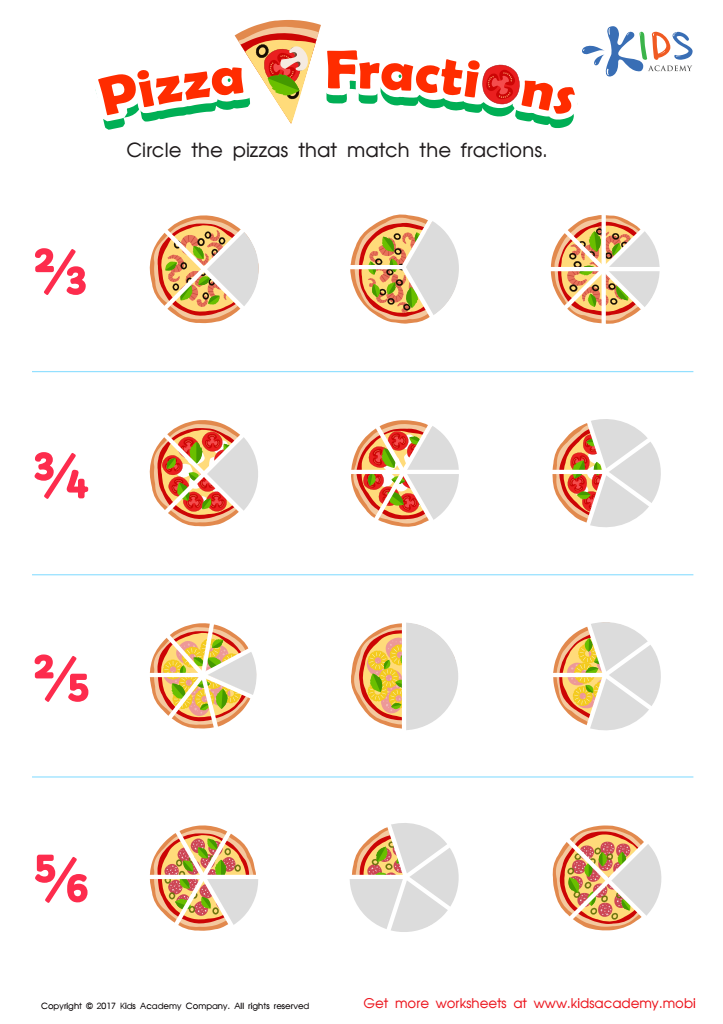
Fractions: Pizza Printable
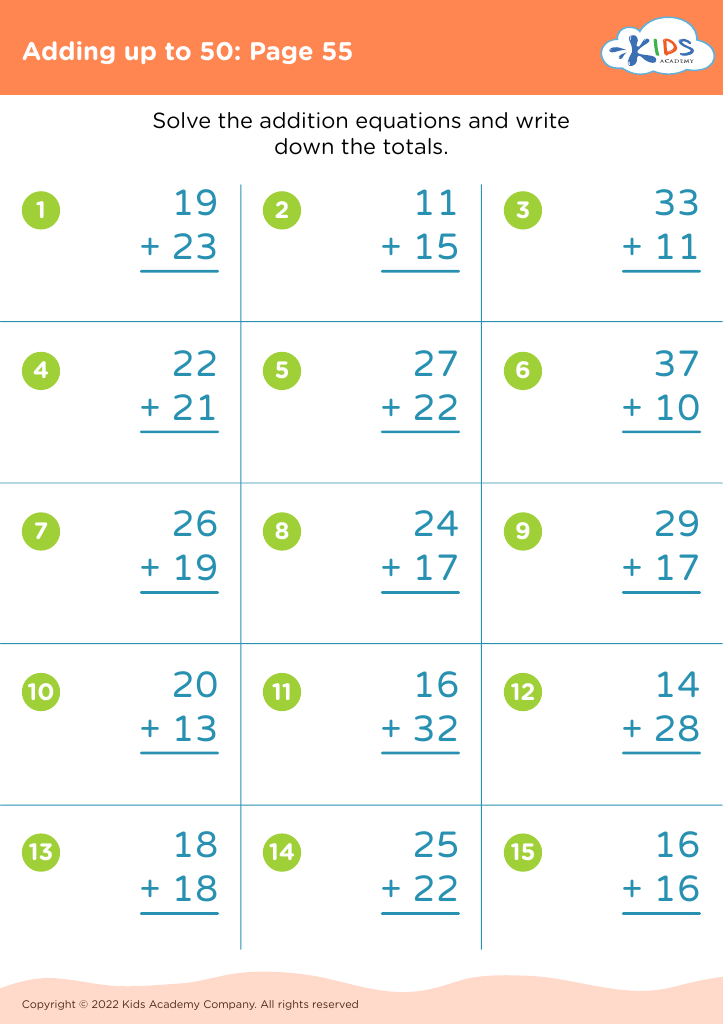
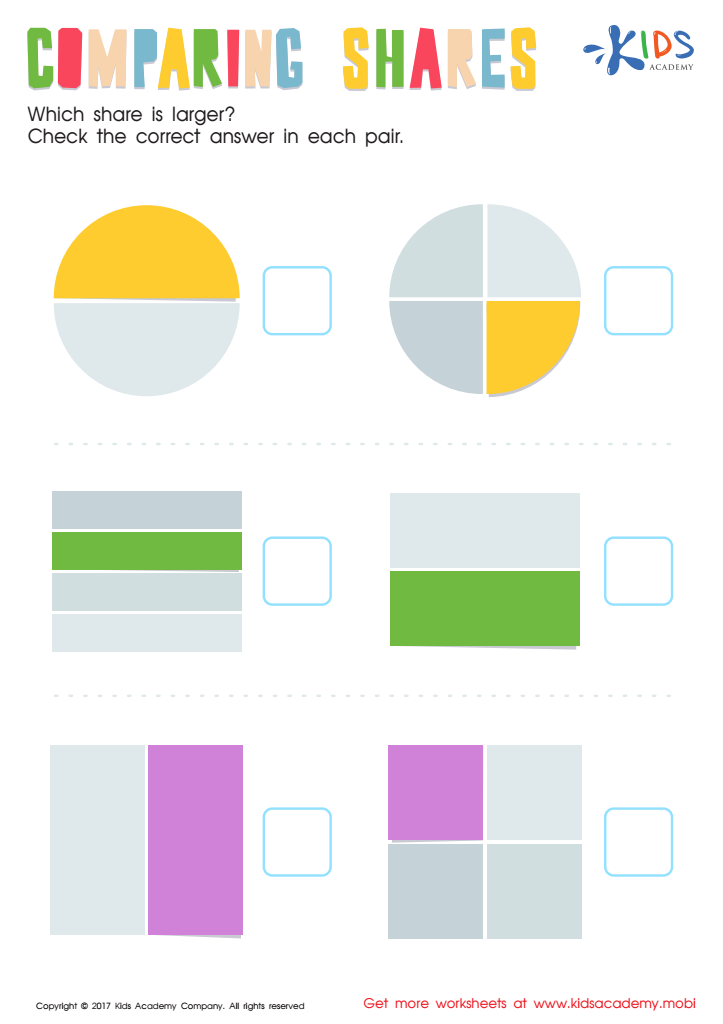
Comparing Shares Worksheet






Comparing fractions is a fundamental concept in early mathematics education, especially for children ages 6-7. Parents and teachers should care deeply about this topic for several reasons.
Firstly, understanding how to compare fractions lays the groundwork for more complex mathematical concepts. It enhances logical thinking and allows children to make sense of parts versus wholes, which are essential in daily life situations, such as cooking or shopping.
Secondly, mastering fraction comparison fosters critical problem-solving skills. By learning to interpret visual models, like pie charts or number lines, children develop strong analytical abilities. Such skills will benefit them in later grades, making math more approachable and enjoyable.
Moreover, this knowledge promotes mathematical language development. When children discuss and communicate reasons behind their comparisons, they build vocabulary and cognitive connections across subjects.
Finally, encouraging children to understand fractions nurtures a positive attitude towards math as they gain confidence in their skills. Building a strong mathematical foundation early in their education empowers children to succeed in subsequent math challenges and nurtures a lifelong appreciation for learning. Therefore, investing time in teaching comparing fractions can have lasting benefits for children’s academic and personal growth.








