Fraction simplification Math Worksheets for Ages 6-7 - Page 3
58 filtered results
-
From - To
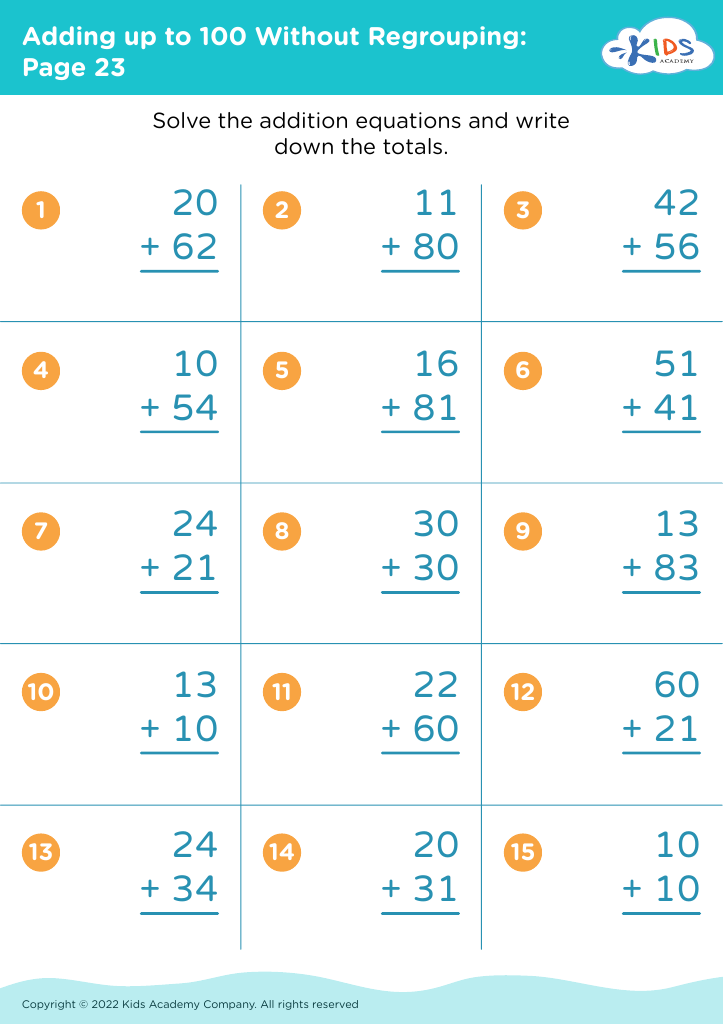
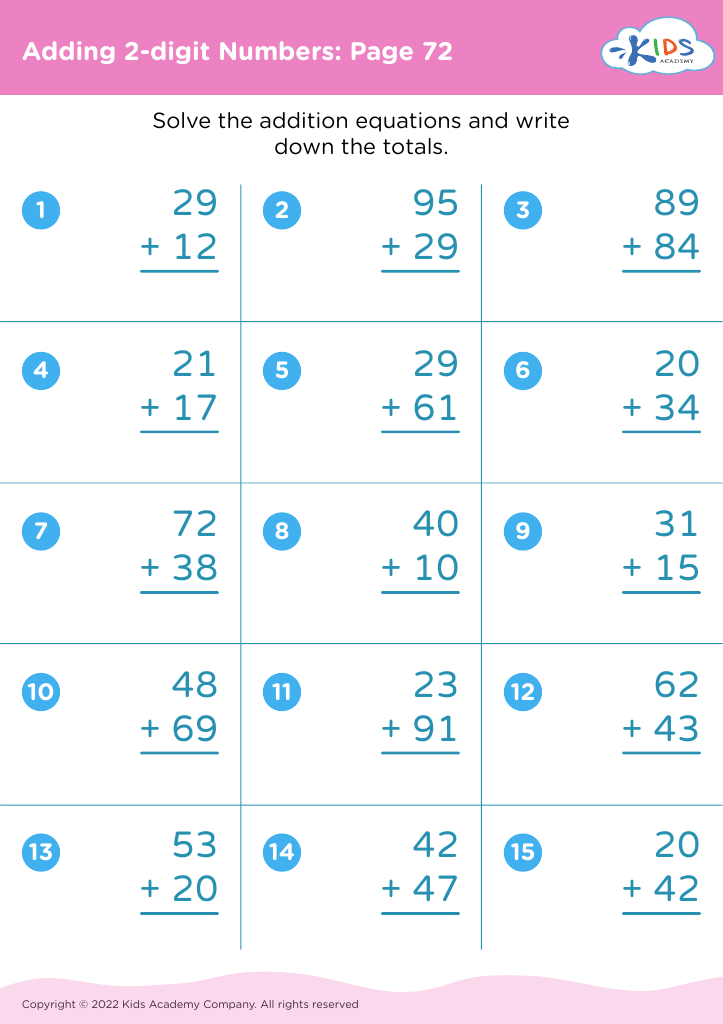
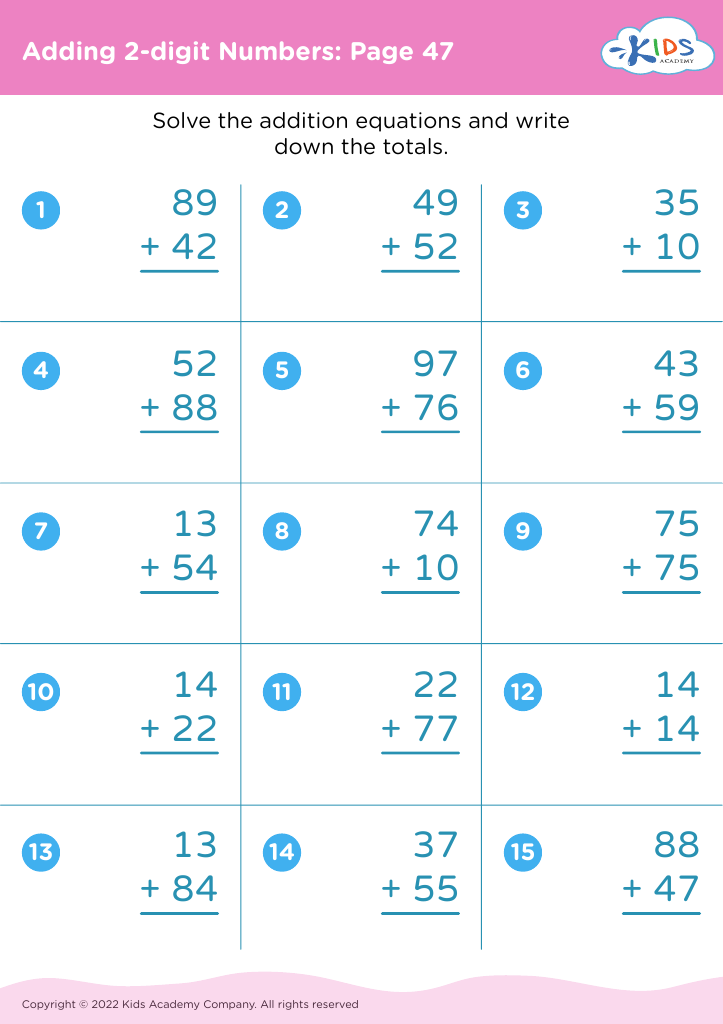
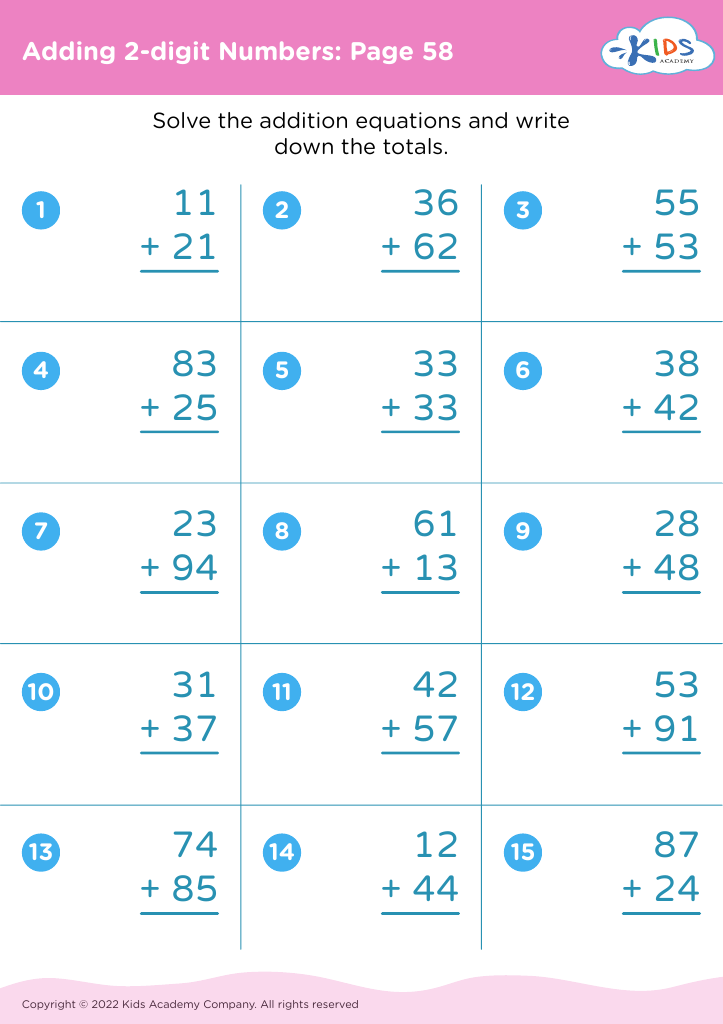
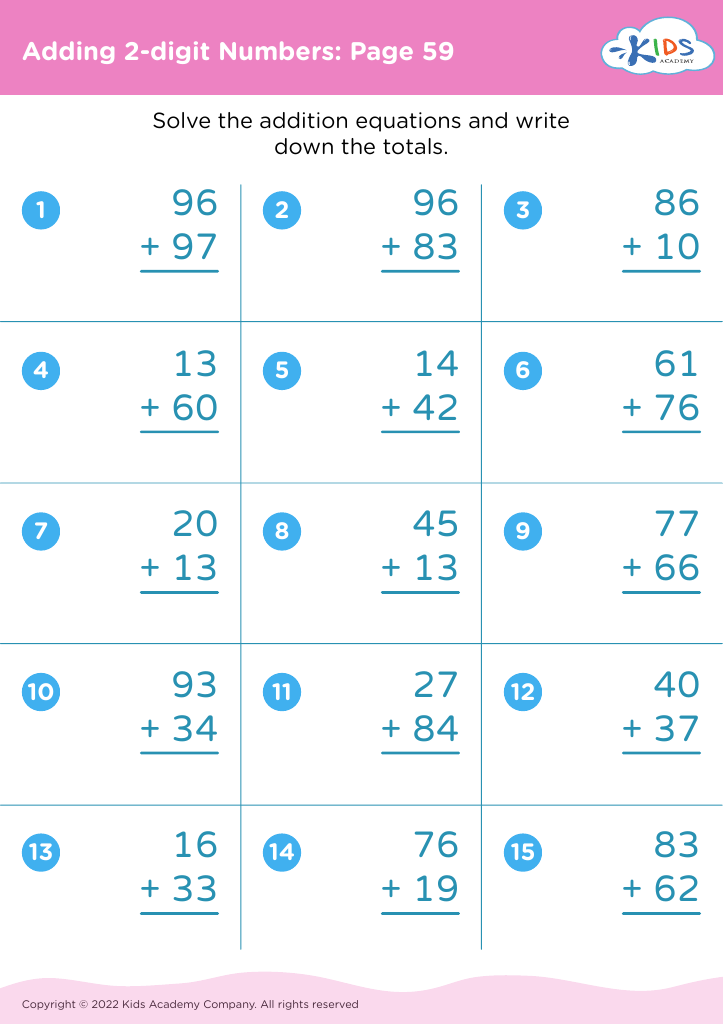
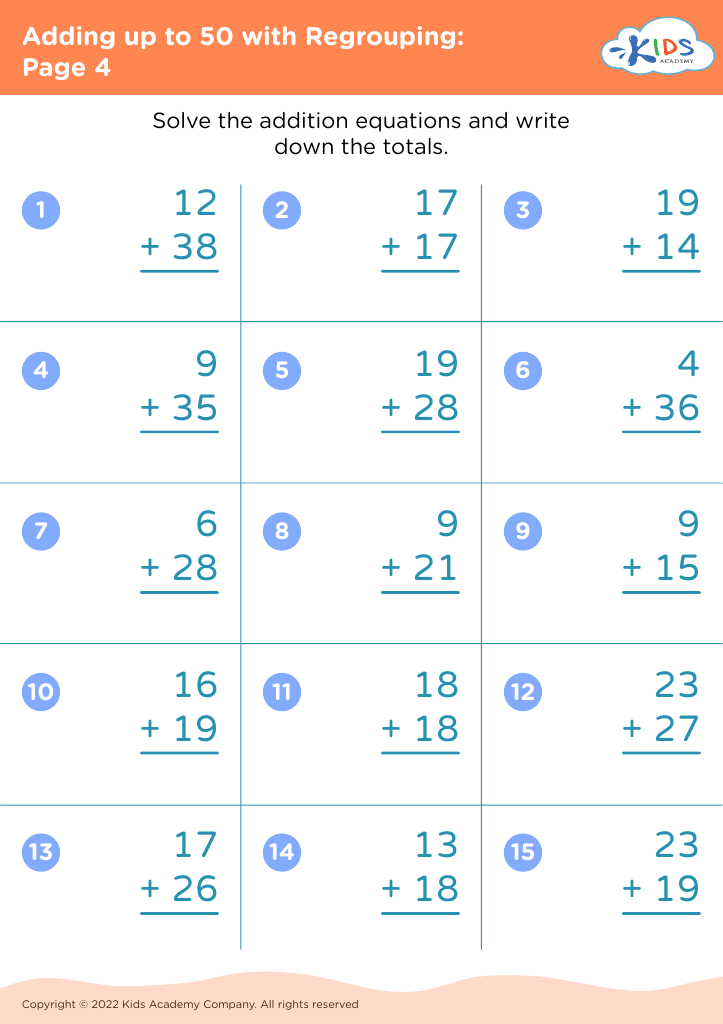
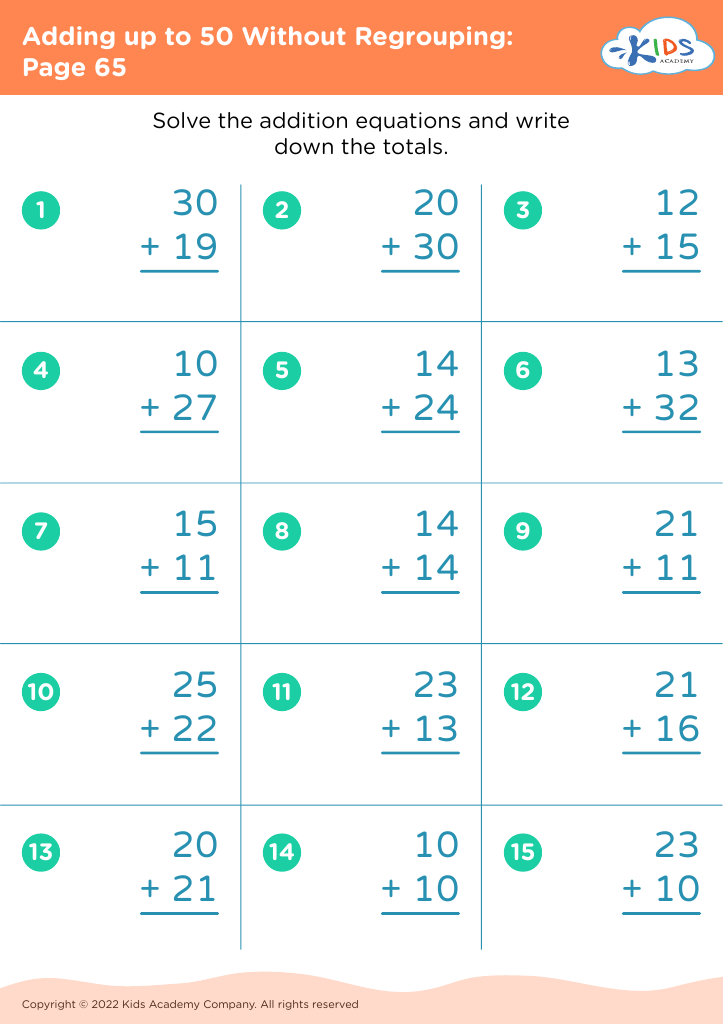
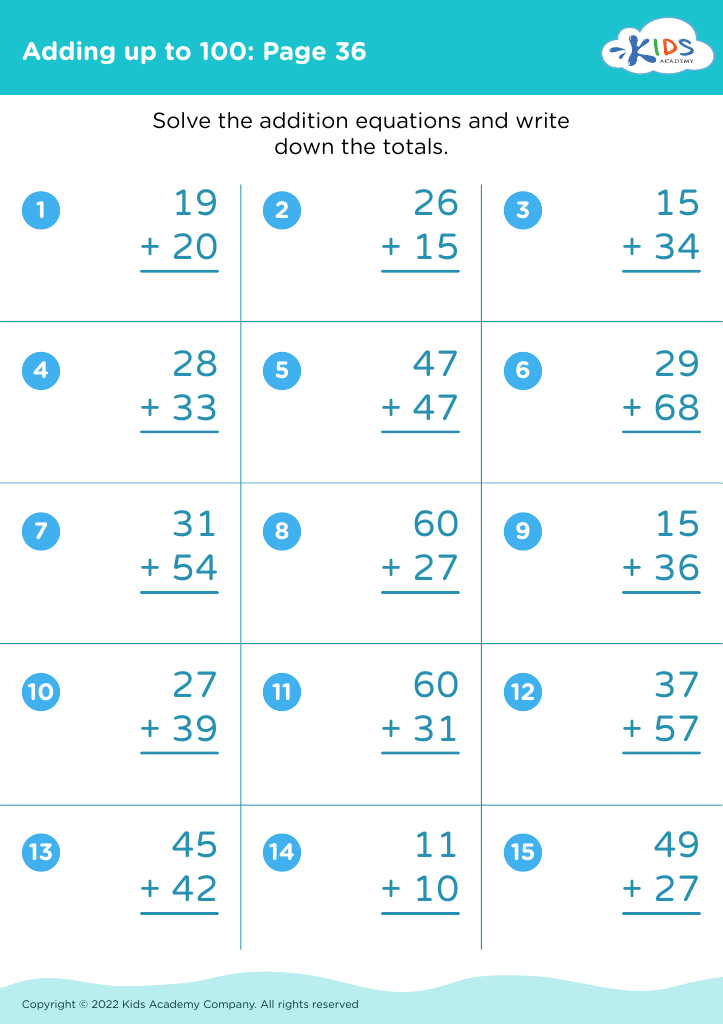







Fraction simplification for children ages 6-7 is essential for several reasons. First, understanding fractions and the ability to simplify them lay a solid foundation for more advanced math concepts that students will encounter in later grades, such as algebra and geometry. Simplification helps children grasp the concept of equivalence, which is fundamental for comparing and combining fractions effectively.
Moreover, early introduction to fraction simplification fosters critical thinking and problem-solving skills. Simplifying a fraction involves breaking it down into its simplest form, which requires examination and logical thought processes, enhancing a child's cognitive abilities.
Parents and teachers should also recognize that proficiency in fraction simplification boosts a child's confidence in math. When young learners can simplify fractions, they often feel a sense of achievement that motivates them to tackle more challenging problems later on.
Early practice in this area also cultivates patience and persistence. Simplifying fractions involves multiple steps, and learning to follow these steps methodically helps children develop a structured approach to problem-solving.
Finally, fraction knowledge is practical in everyday life, from cooking to budgeting. By developing these skills early, parents and teachers are preparing children to navigate real-world scenarios efficiently and confidently.








