Practice writing numbers Math Worksheets for Ages 6-7
6 filtered results
-
From - To
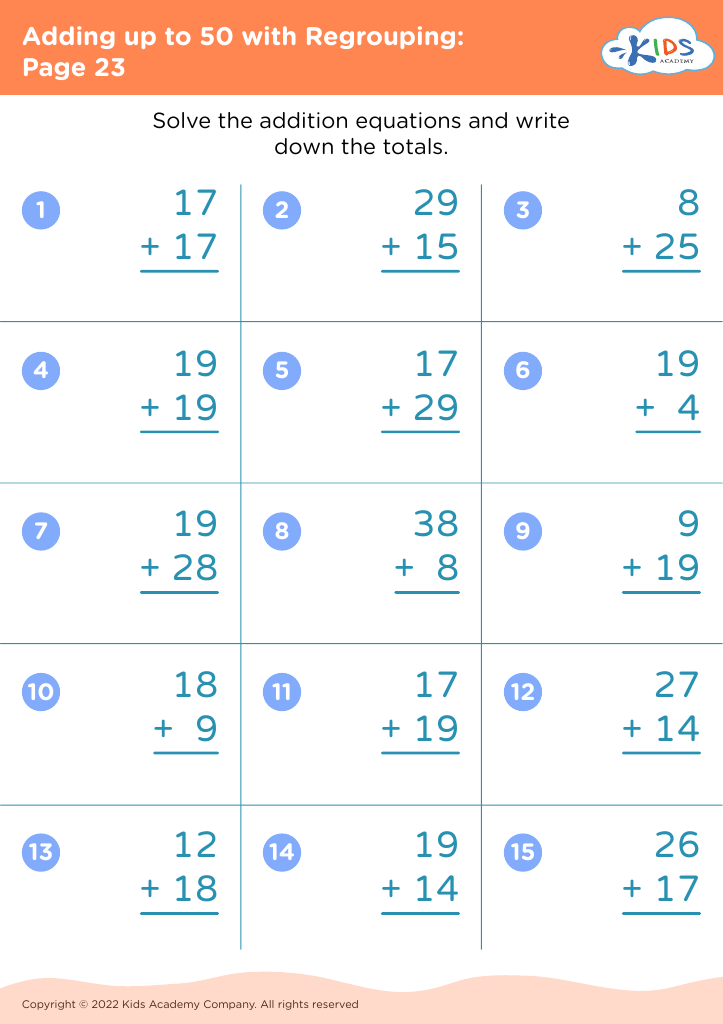
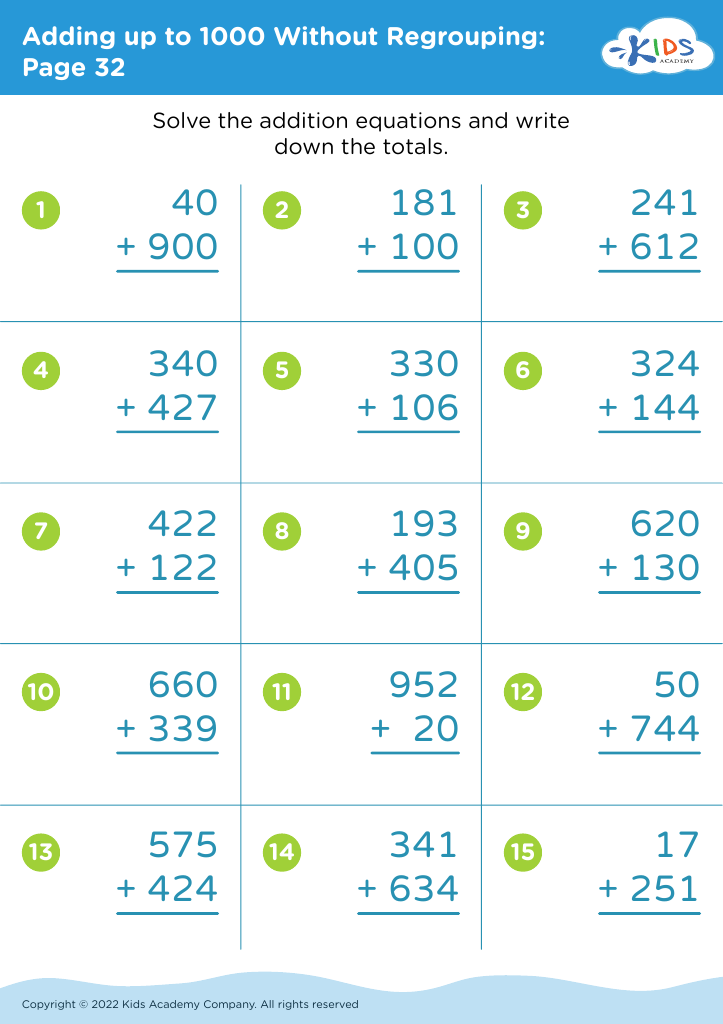
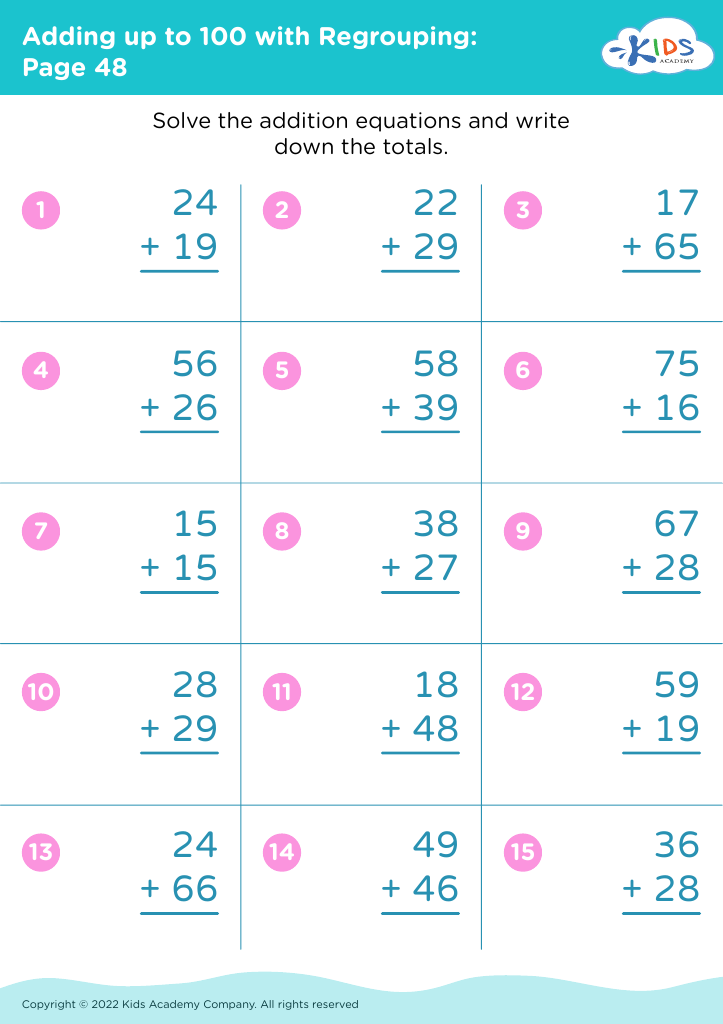
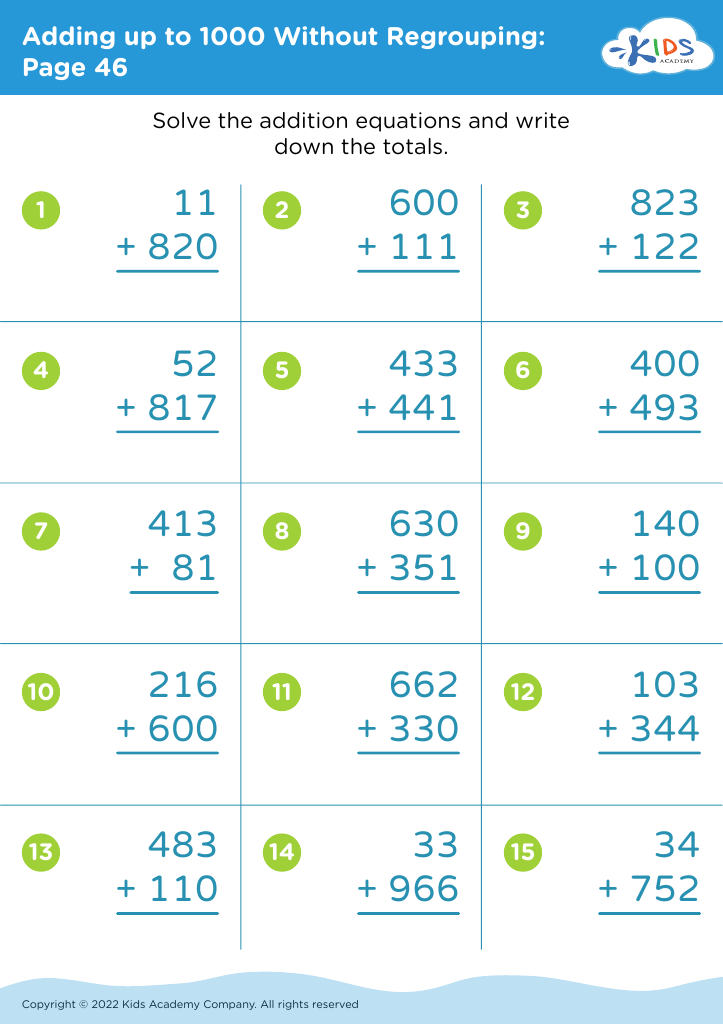
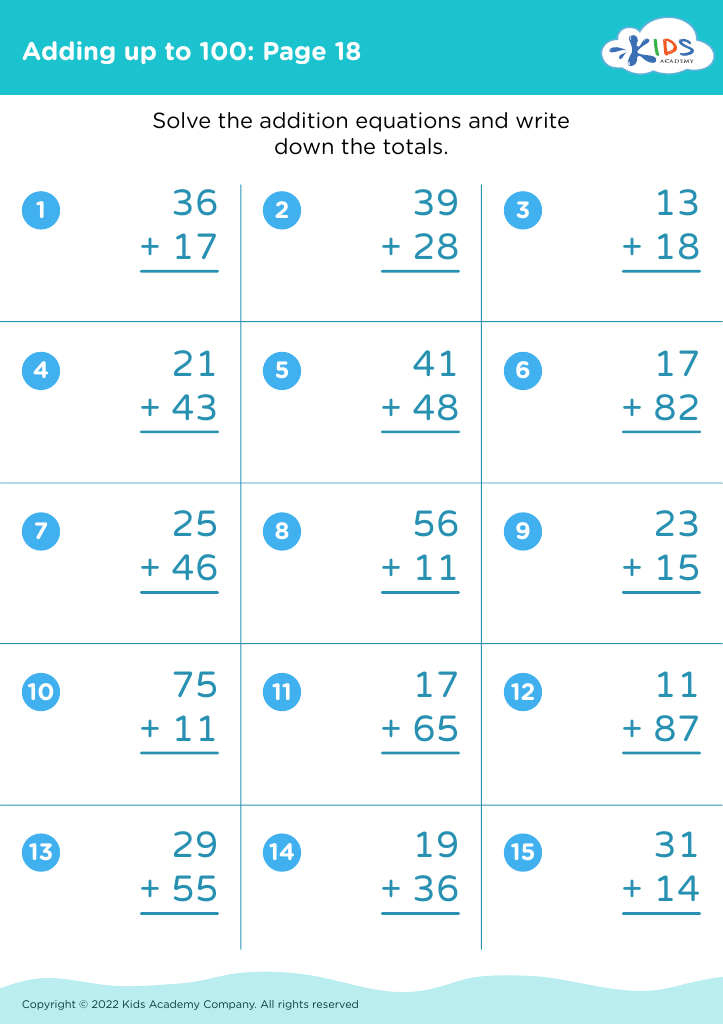
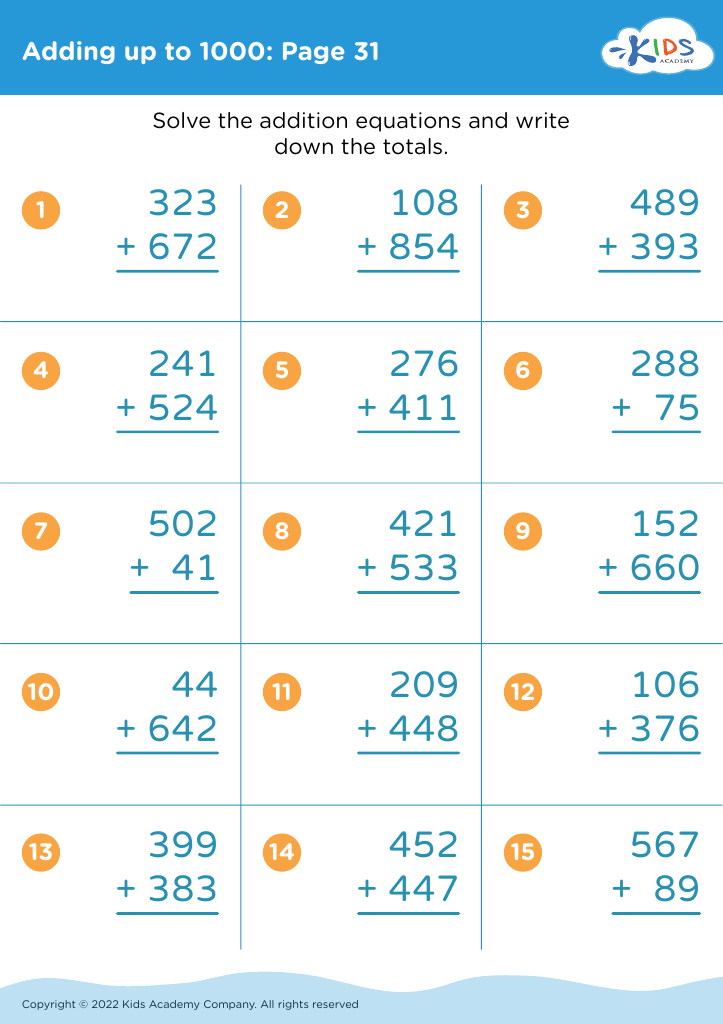
Welcome to our “Practice Writing Numbers Math Worksheets” designed specifically for children ages 6-7! These engaging and interactive worksheets provide young learners with the tools they need to master number recognition and writing. Each worksheet is carefully crafted to reinforce number formation, enhance fine motor skills, and promote confidence in mathematical abilities. Fun illustrations and variety keep kids interested, making learning enjoyable. Perfect for both classroom and home practice, these worksheets also support early math readiness. Start your child’s journey to number proficiency today with our valuable resources that encourage exploration and discovery in mathematics! Download and print now!







Practicing writing numbers is crucial for children aged 6-7 as it forms the foundation for their mathematical development. At this age, children transition from learning number recognition to understanding their value and how to manipulate them. Writing numbers helps reinforce number formation, which is essential for developing fine motor skills necessary for writing. As they practice, children enhance their hand-eye coordination, which will aid them in other academic areas.
Moreover, writing numbers helps embed number concepts into their memory. When children physically write numbers, they engage in a multisensory learning process, reinforcing their understanding of quantity and numerical relationships. This practice supports early arithmetic skills, such as addition and subtraction, as students learn to visualize numbers and comprehend simple equations.
Additionally, incorporating number writing into home and classroom activities cultivates a strong number sense. It equips students with confidence as they progress through mathematics in subsequent years. Parents and teachers should care about this practice because it not only supports academic achievement but encourages a positive attitude towards learning math, combating feelings of anxiety that can accompany mathematics in later years. Ultimately, ensuring proficiency in writing numbers sets children on the path to success in mathematics and beyond.








