
Simplifying Fractions Math Worksheets for Ages 6-7
18 filtered results
Difficulty Level
Grade
Age
-
From - To
Subject
Activity
Standards
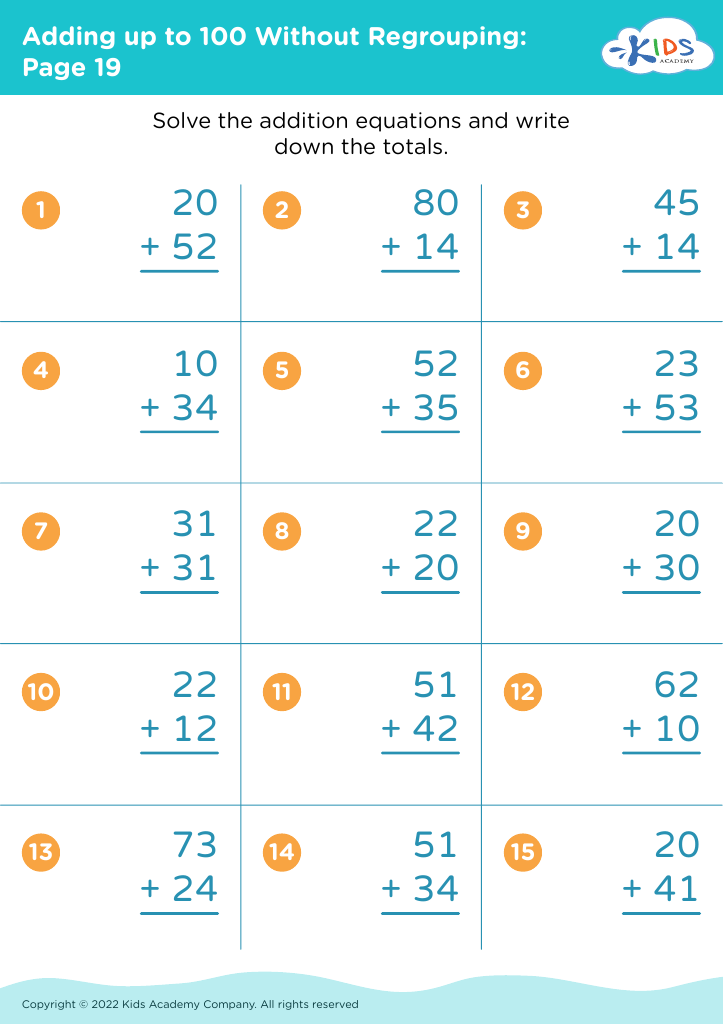
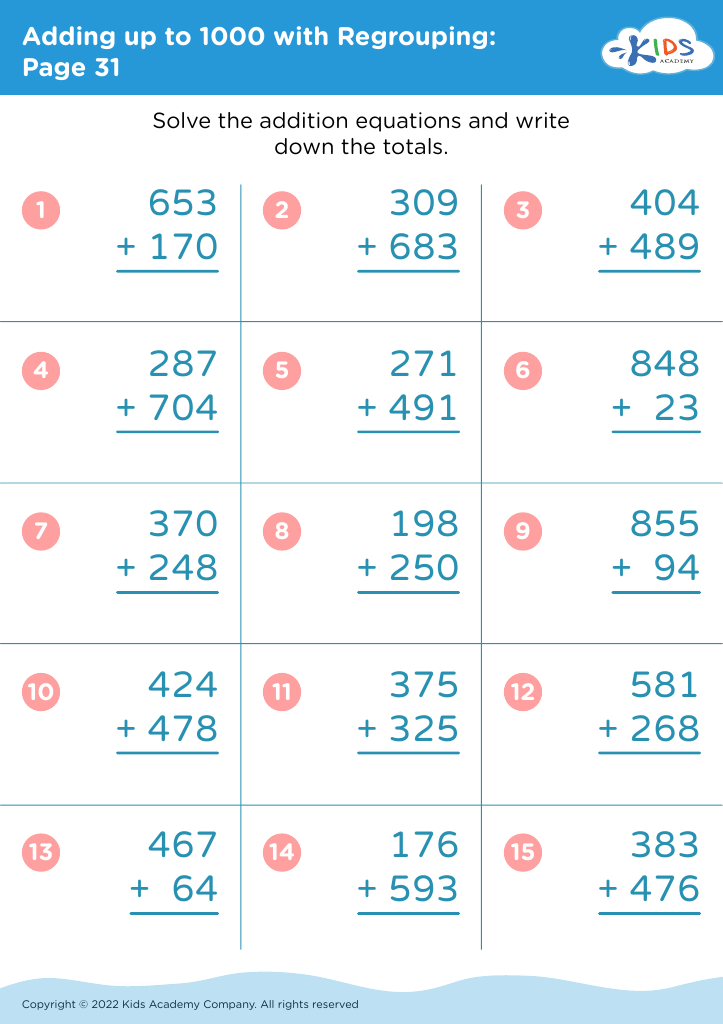
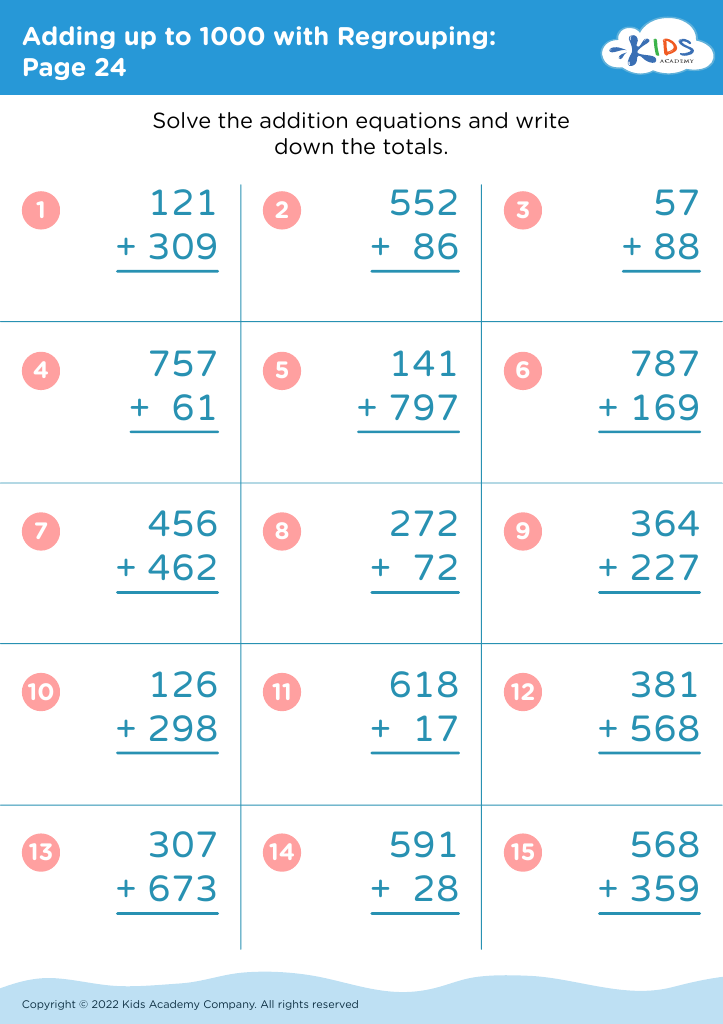
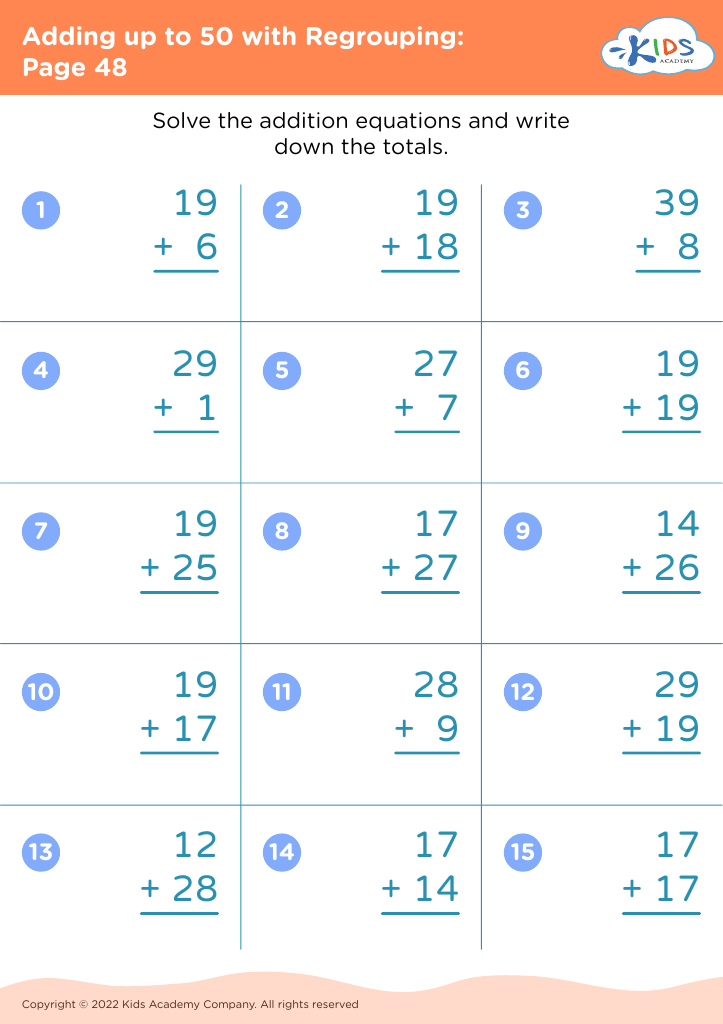
Unlock the world of fractions with our specially designed Simplifying Fractions Math Worksheets for ages 6-7! These engaging and colorful worksheets provide young learners with the perfect opportunity to grasp the concept of simplifying fractions in a fun and interactive way. Each printable resource is tailored to promote hands-on learning, encouraging children to practice their skills through a variety of exercises. Watch as your child gains confidence and proficiency in fractions, setting a strong foundation for future math success. Ideal for home or classroom use, our worksheets ensure that mastering fractions is an enjoyable journey for every young mathematician!
Favorites
With answer key
Interactive
Join Kids Academy for Free
Who is primarily going to use this learning content?





%20(1).jpg)


Parents and teachers should prioritize understanding simplifying fractions for children ages 6-7 because it builds a foundational mathematical skill that supports future learning. At this age, kids are developing their ability to grasp basic mathematical concepts, and simplifying fractions encourages critical thinking and problem-solving. Quantum leaps in math understanding occur when they can recognize that fractions represent parts of a whole and learn how to make them more manageable.
Simplifying fractions helps children develop numerical fluency and lays the groundwork for more complex tasks like adding, subtracting, and comparing fractions. When kids learn to reduce fractions, they also enhance their understanding of factors and multiples, introducing them to essential concepts in number theory.
Moreover, mastering this skill boosts confidence in math. Children who can successfully simplify fractions feel more empowered and prepared for future challenges. Additionally, it fosters accuracy in computations, which is crucial in both mathematics and everyday life as they progress in their education.
To sum up, focusing on simplifying fractions can significantly influence a child’s overall attitude toward math, improving both understanding and performance as they progress in their educational journey.








