Visual Perception Skills Math Worksheets for Ages 6-7
6 filtered results
-
From - To
Enhance your child's learning experience with our Visual Perception Skills Math Worksheets, specially designed for children aged 6-7. These engaging worksheets focus on developing essential visual perception skills, crucial for understanding math concepts and problems. Fun and interactive activities, including identifying patterns, shapes, and spatial relationships, will help young learners boost their confidence and competence in mathematics. With our thoughtfully crafted exercises, students can hone their abilities while enjoying the learning process. Perfect for parents and educators aiming to support early math skills, these resources ensure that kids build a strong foundation for future academic success. Start exploring today!
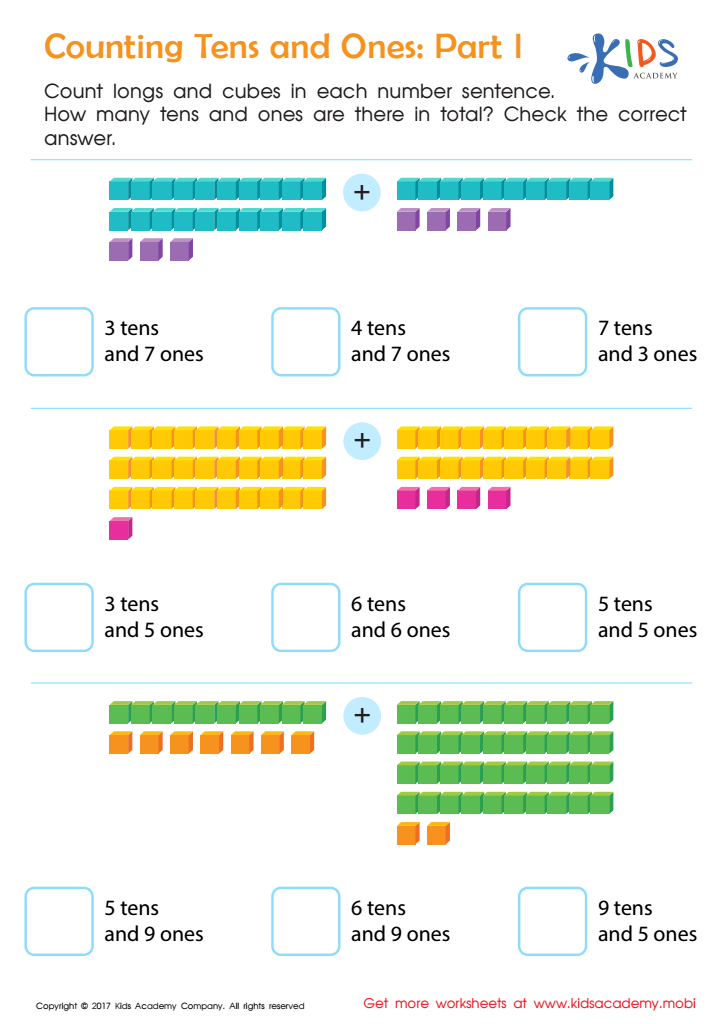
Counting Tens and Ones: Part 1 Worksheet
 Assign to My Students
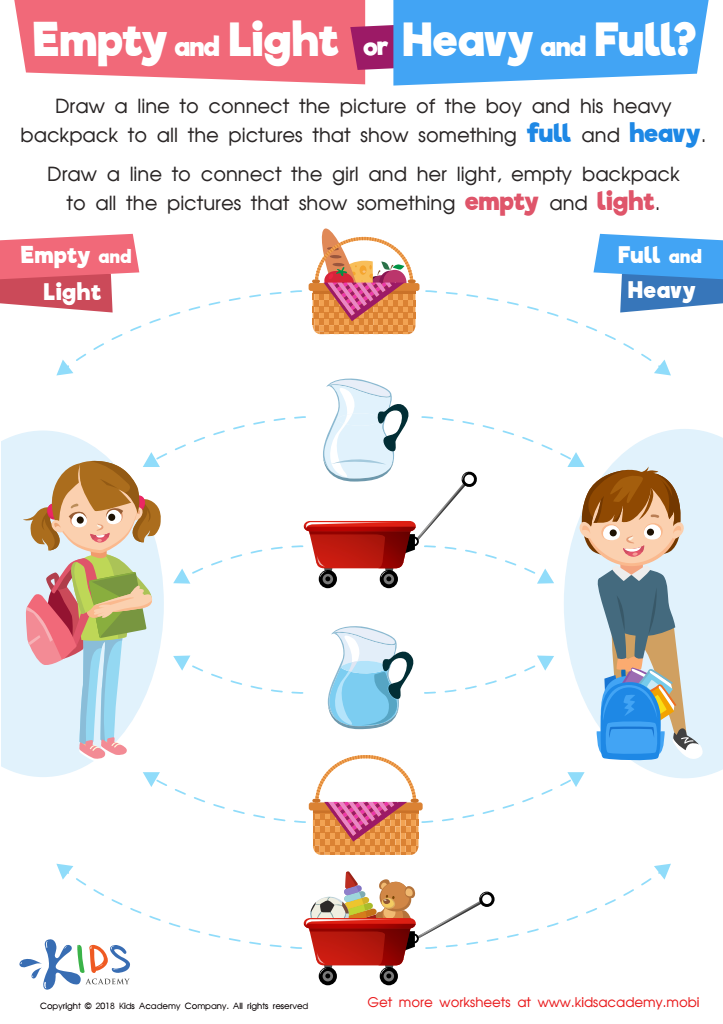
Empty and Light or Heavy and Full? Worksheet
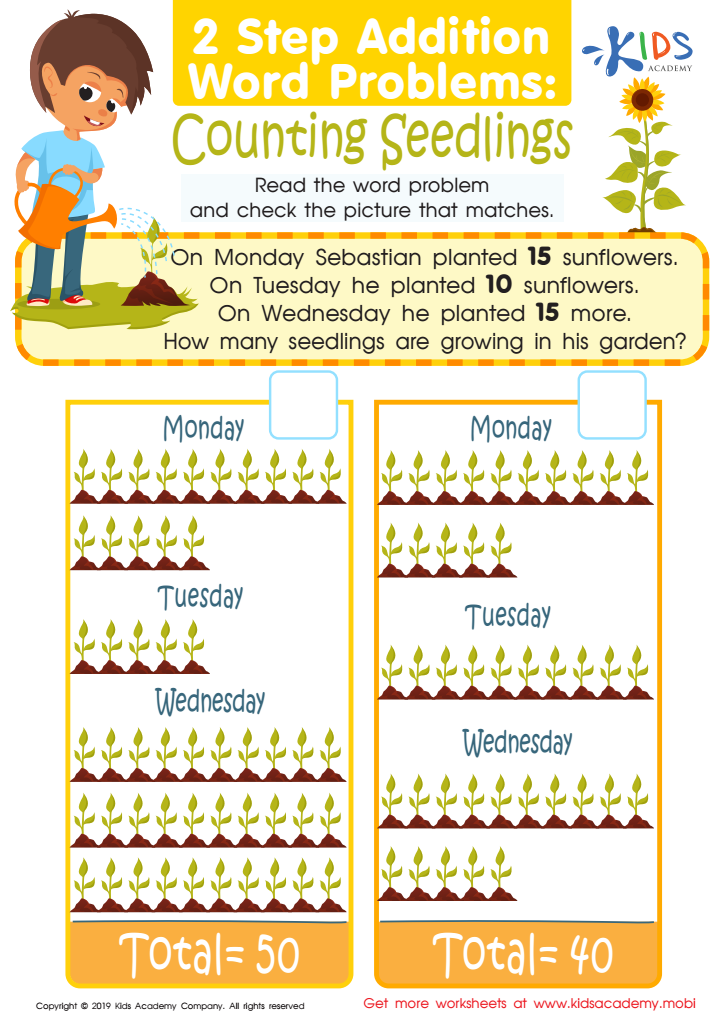
Counting Seedlings Worksheet
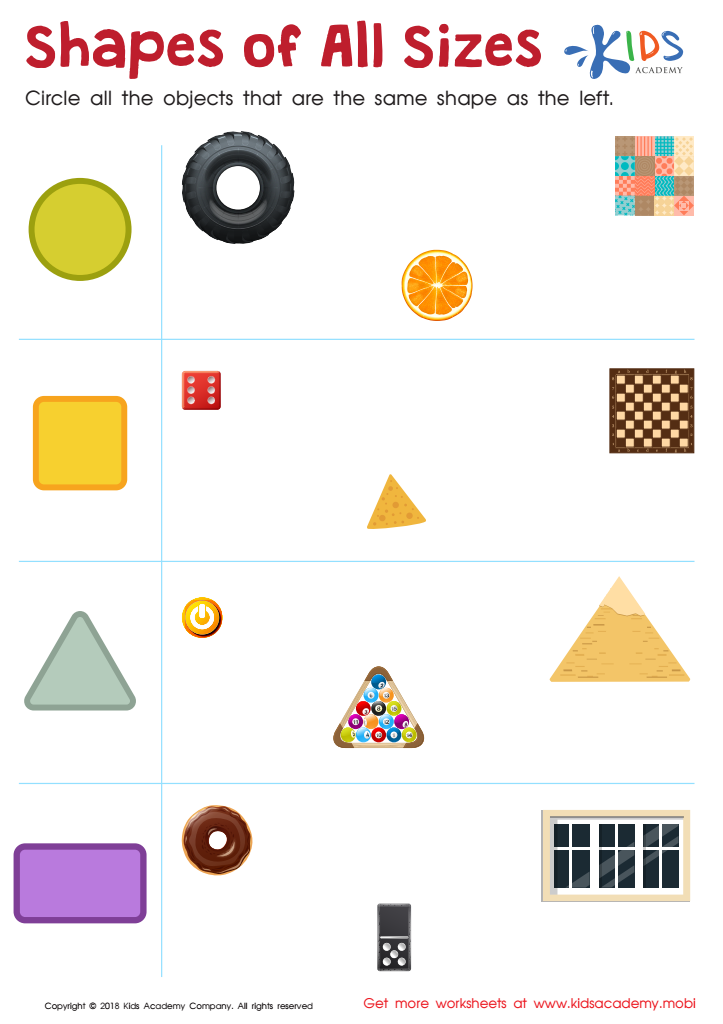
Shapes of All Sizes Worksheet
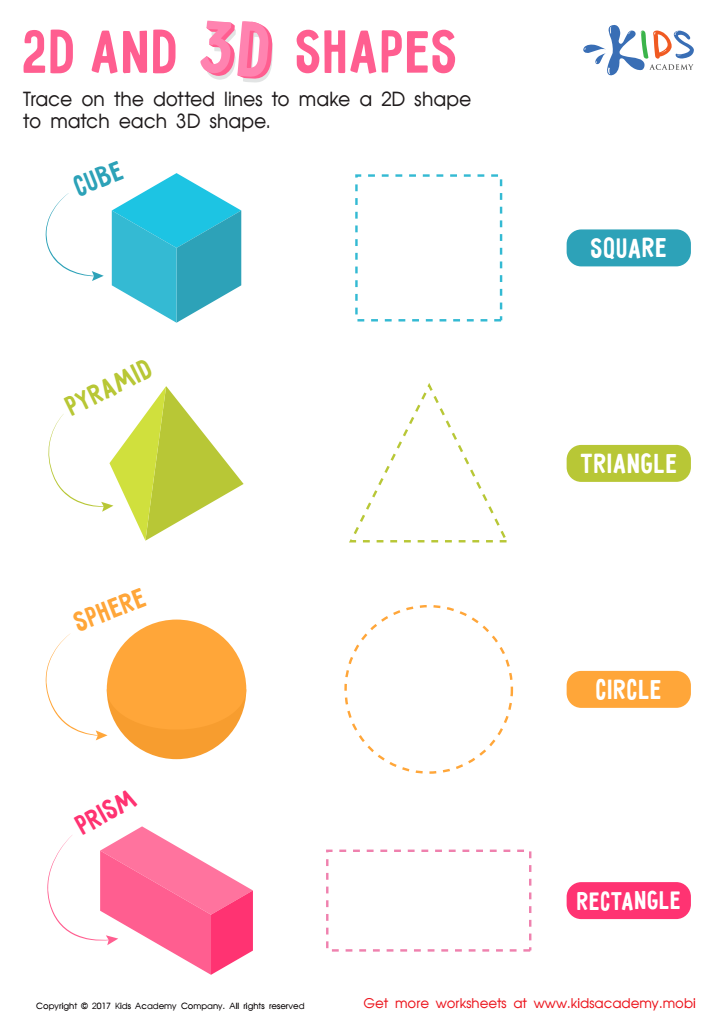
2D and 3D Shapes Worksheet
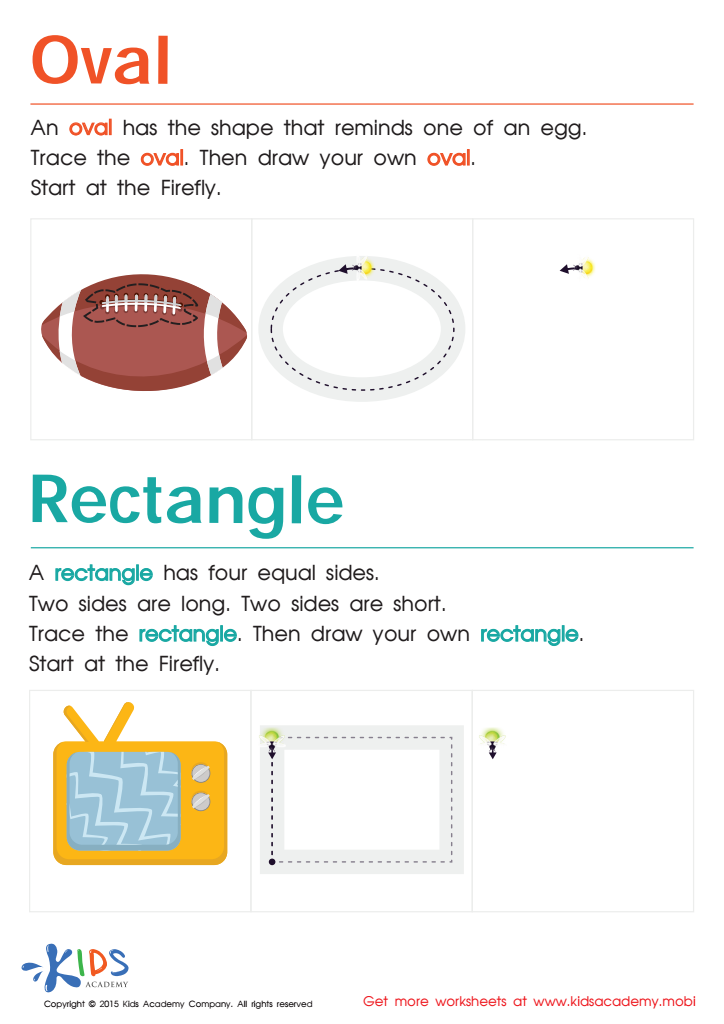
Easy Drawing of Ovals And Rectangles Worksheet








Visual perception skills play a crucial role in math development for children aged 6 to 7. These skills encompass the ability to interpret and organize visual information, which is foundational for understanding numbers, shapes, patterns, and spatial relationships. As children engage with math concepts like geometry, measurement, and even basic arithmetic, their success often hinges on their ability to accurately identify and manipulate visual stimuli.
Parents and teachers should care about enhancing visual perception skills because they directly impact a child's mathematical understanding and problem-solving abilities. Strong visual perception aids in recognizing patterns, which is essential for skills like addition and subtraction. It also supports logical reasoning and the ability to visualize mathematical concepts, leading to better comprehension and retention.
Moreover, activities that strengthen visual perception, such as puzzles, sorting exercises, and games, can serve as engaging learning tools that foster a love for math. By prioritizing these skills, educators and parents can help children build a solid foundation in math, boosting their confidence and paving the way for future academic success. Ultimately, strengthening visual perception can enhance overall cognitive abilities, contributing not just to math, but to the child's comprehensive educational journey.








