Visual perception Math Worksheets for Ages 6-7 - Page 2
43 filtered results
-
From - To
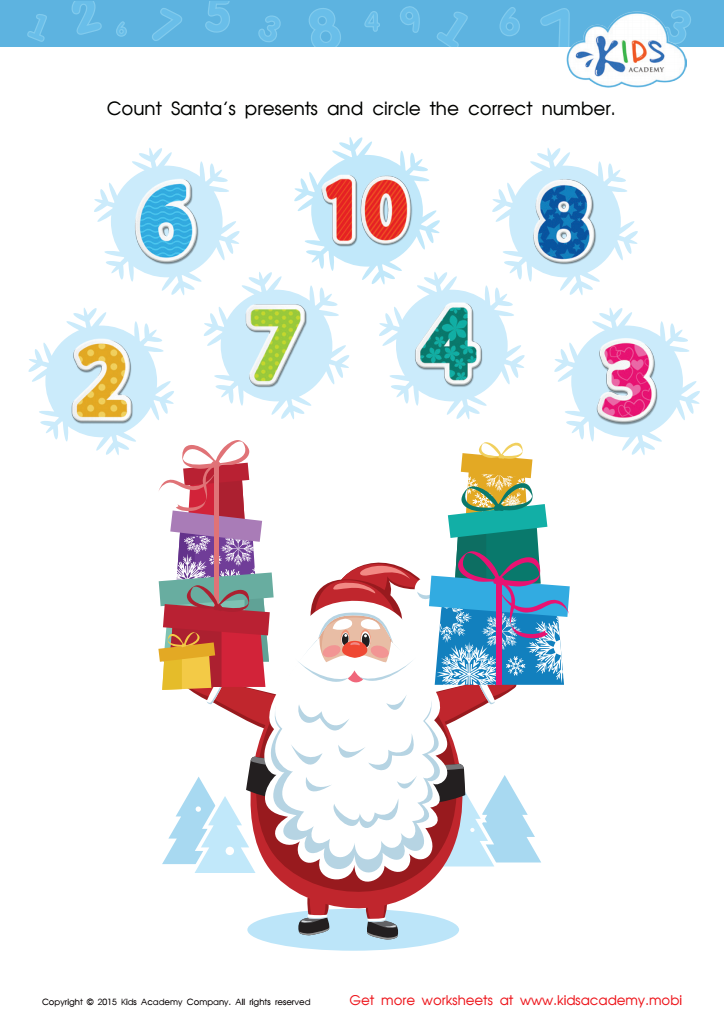
Count Santa's Presents Worksheet
 Assign to My Students
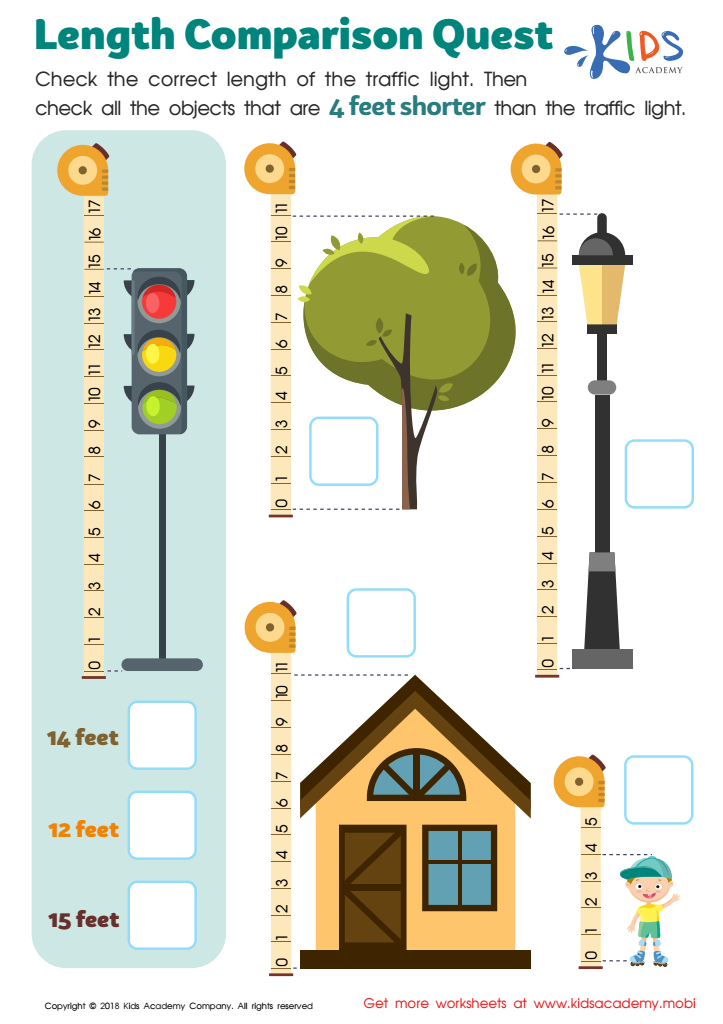
Length Comparison Quest Worksheet
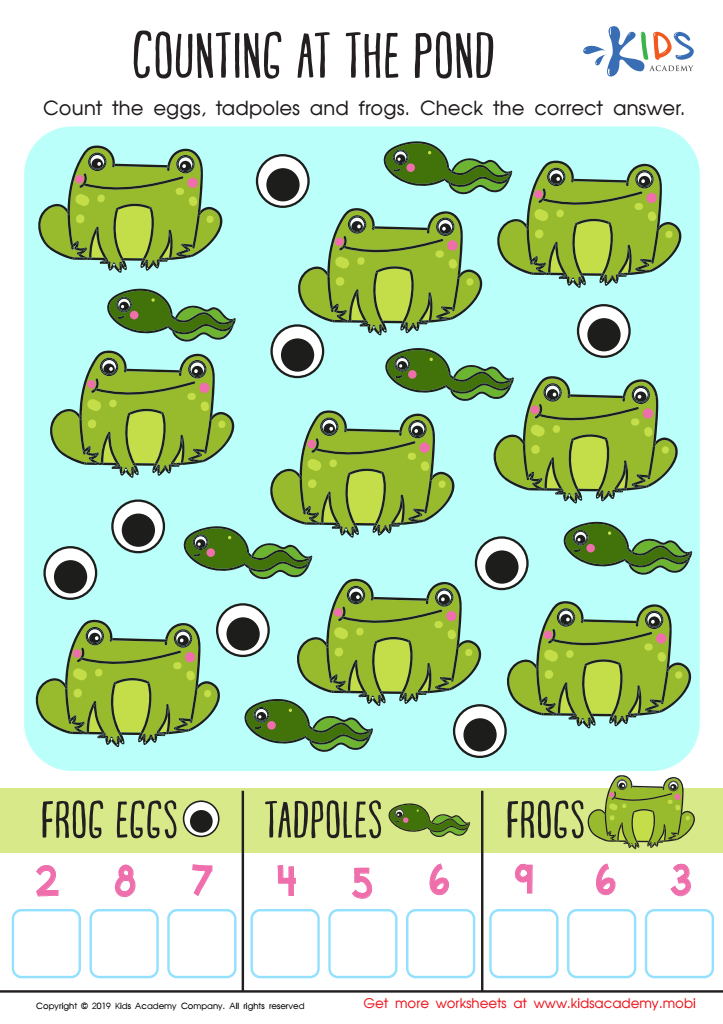
Counting at the Pond Worksheet
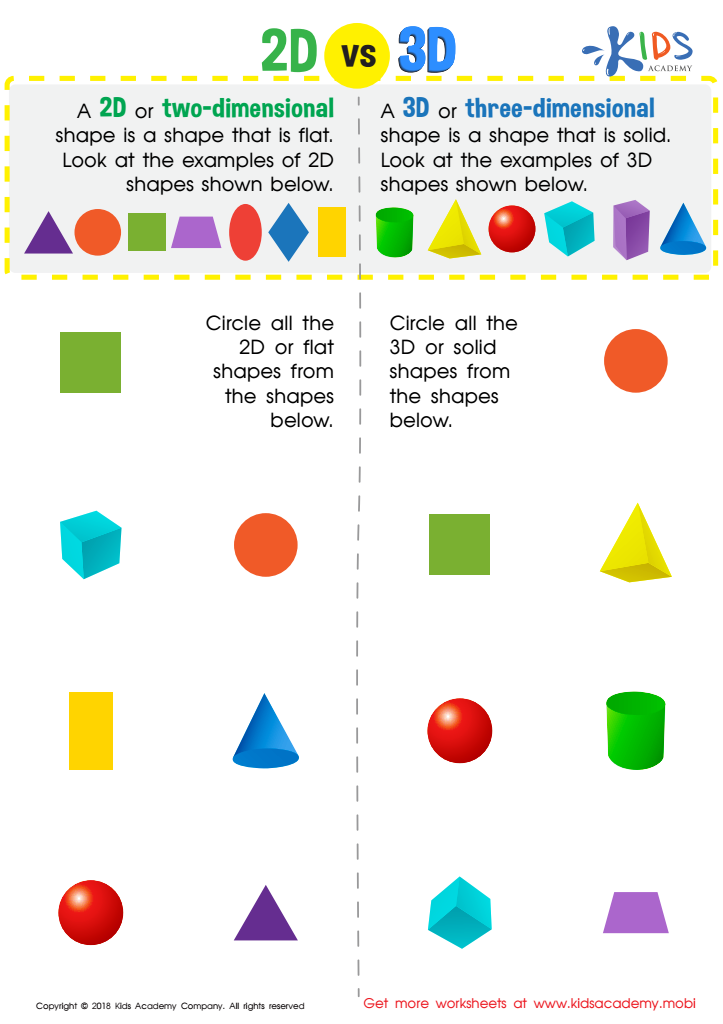
2D vs 3D Shapes Worksheet
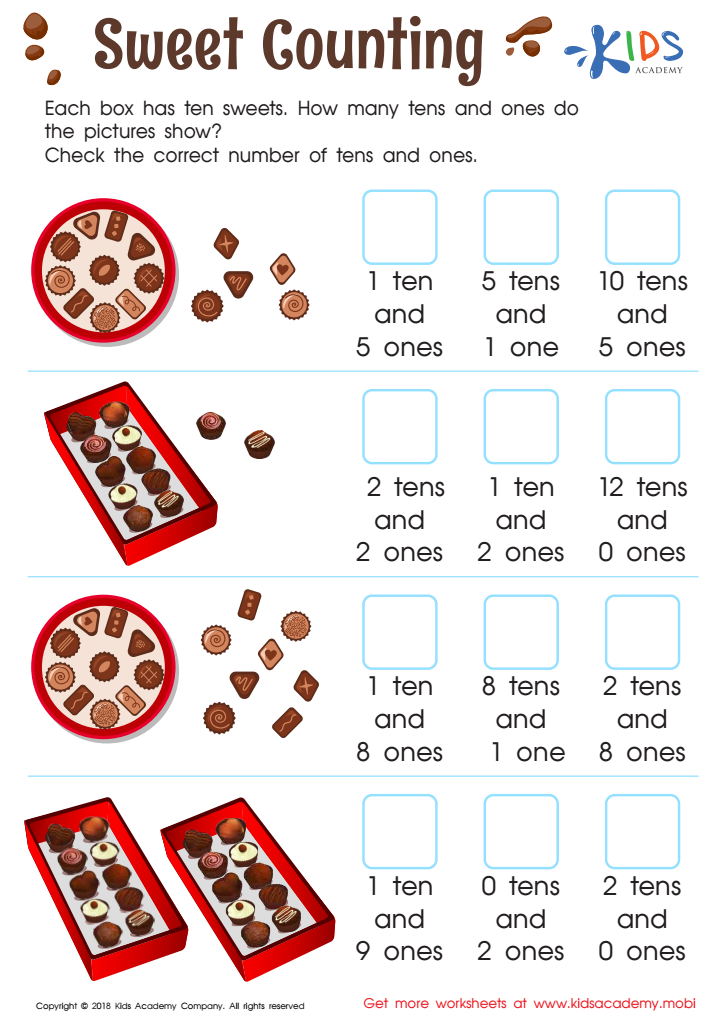
Sweet Counting - Part 2 Worksheet
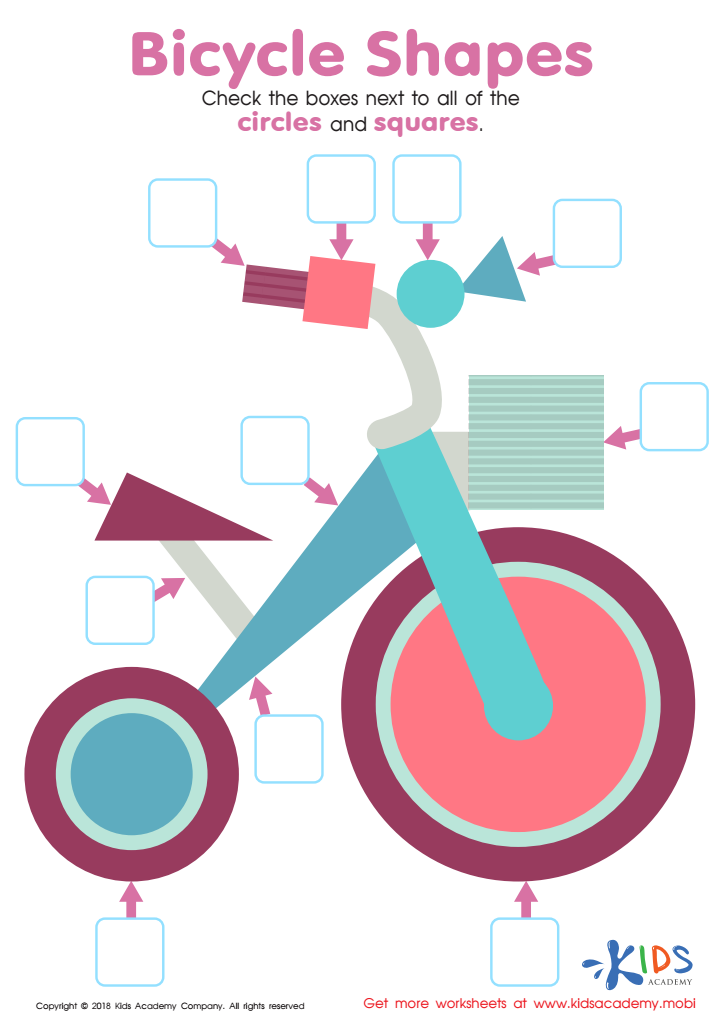
Bicycle Shapes Worksheet
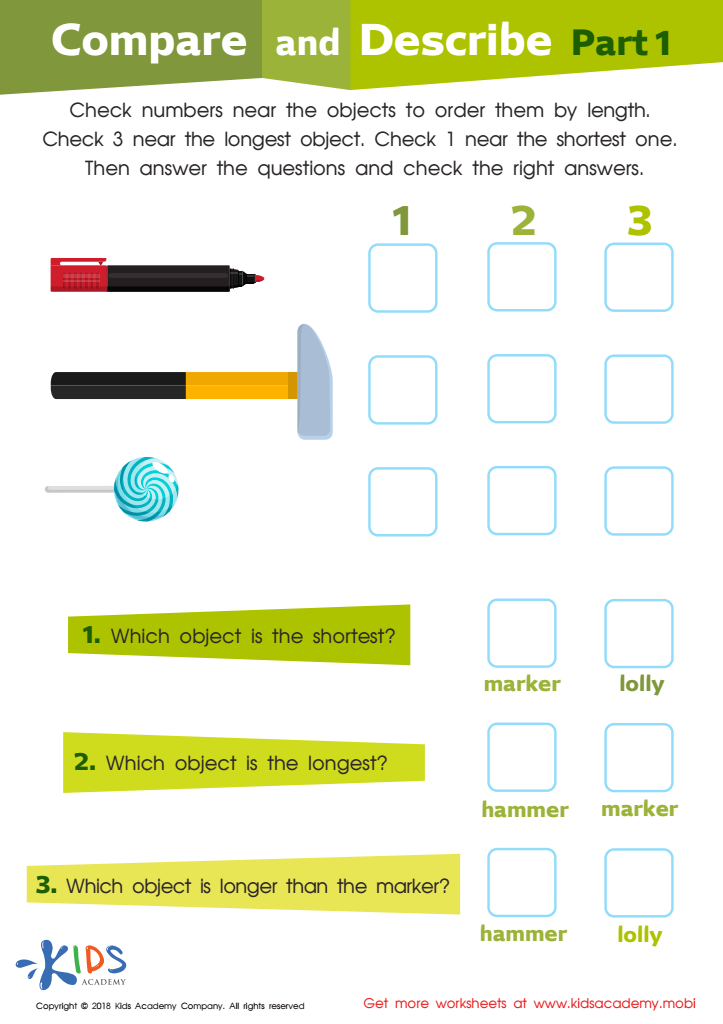
Compare and Describe: Part 1 Worksheet
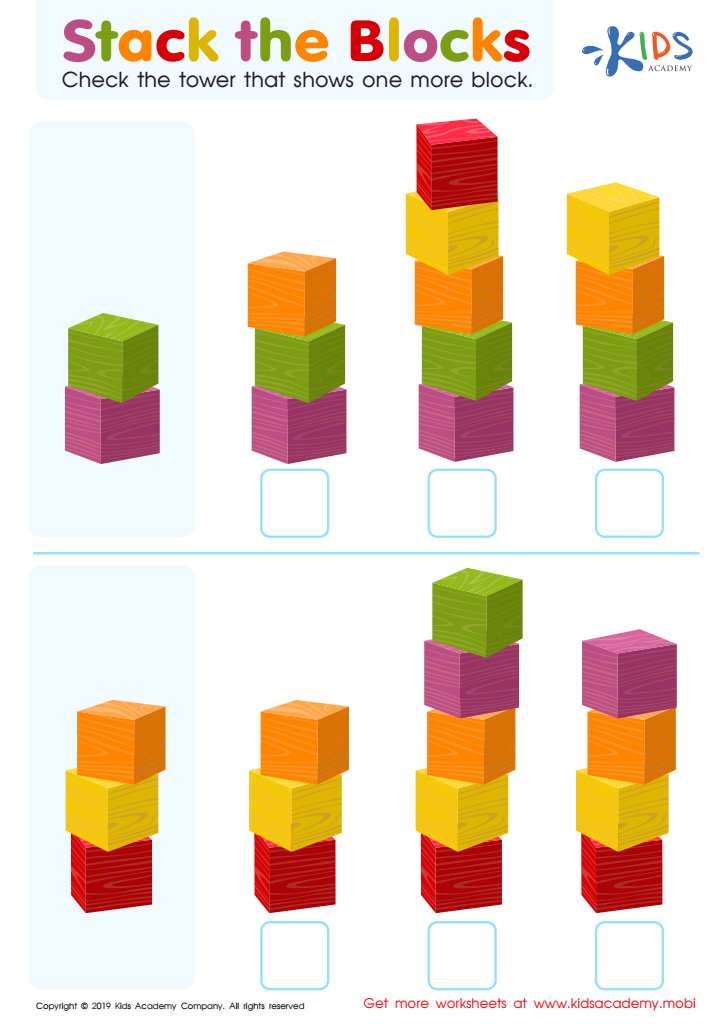
Stack the Blocks Worksheet
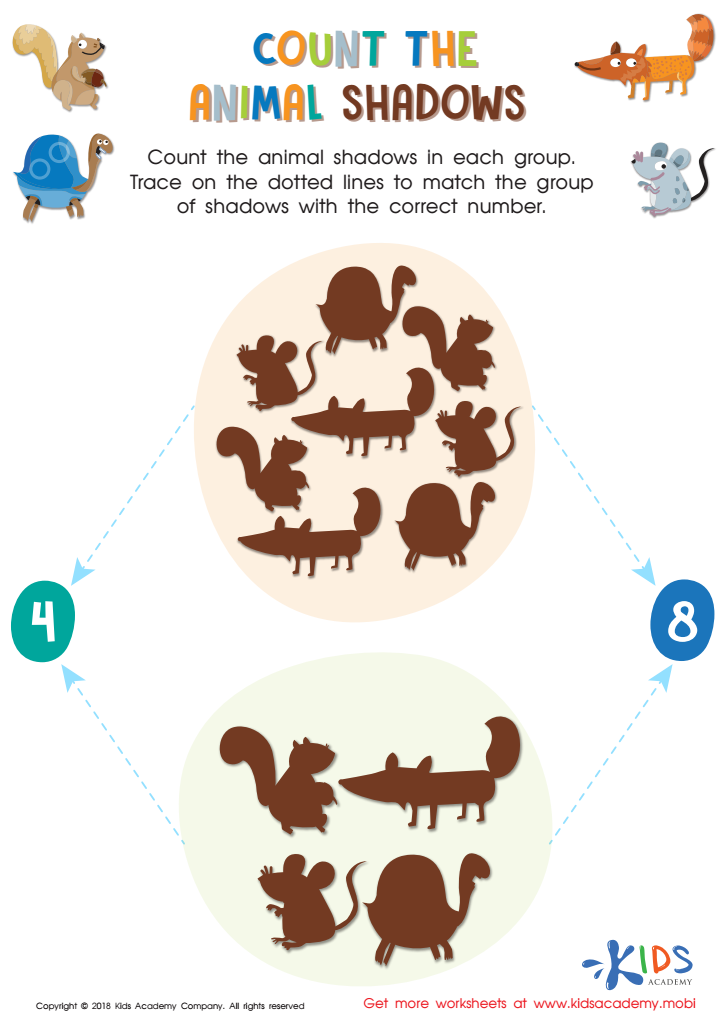
Count the Animal Shadows Worksheet
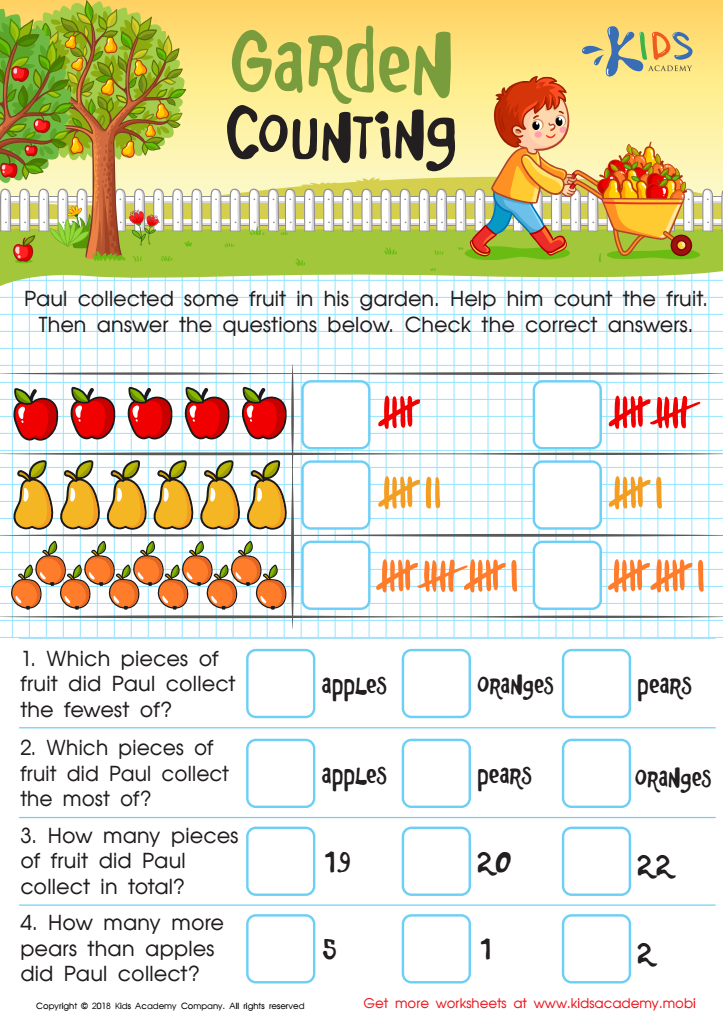
Garden Counting Worksheet
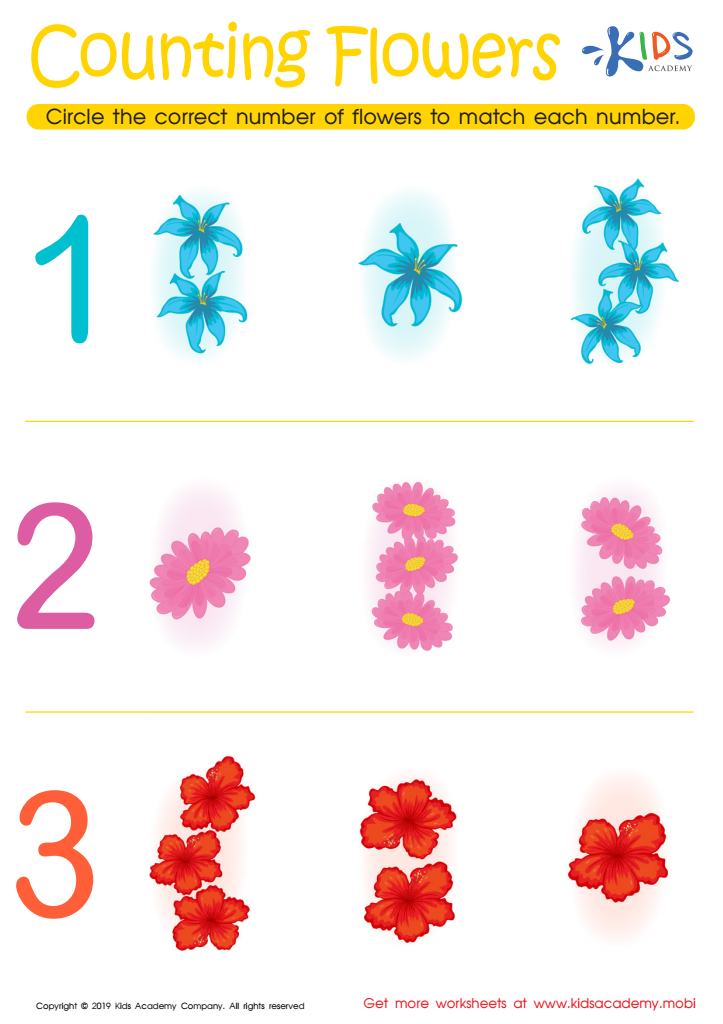
Counting Flowers Worksheet
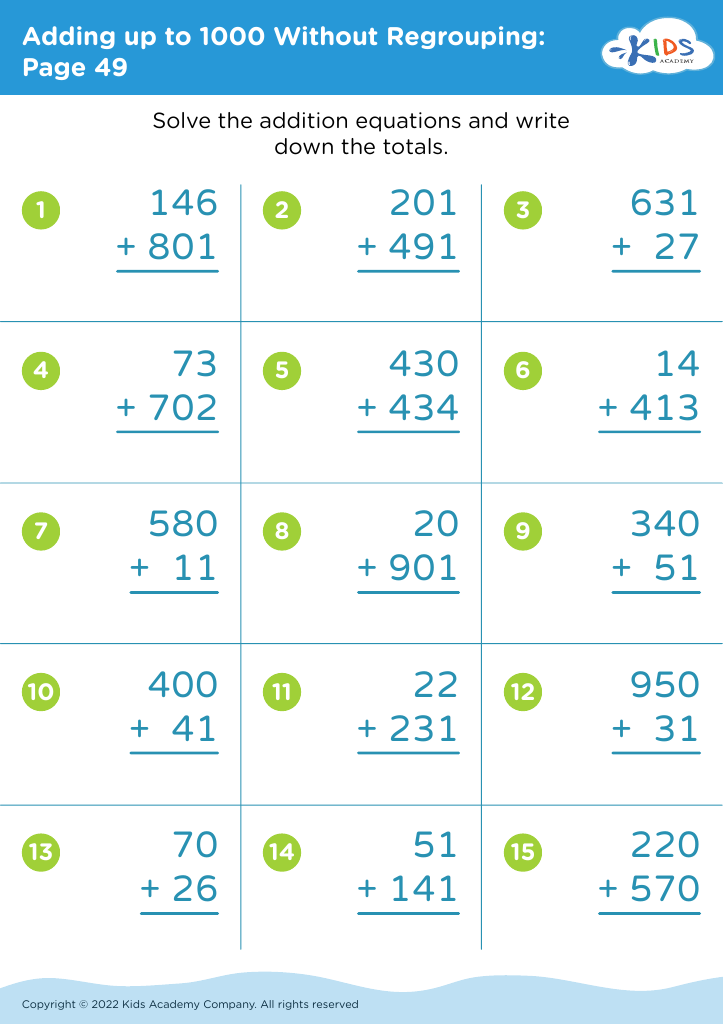
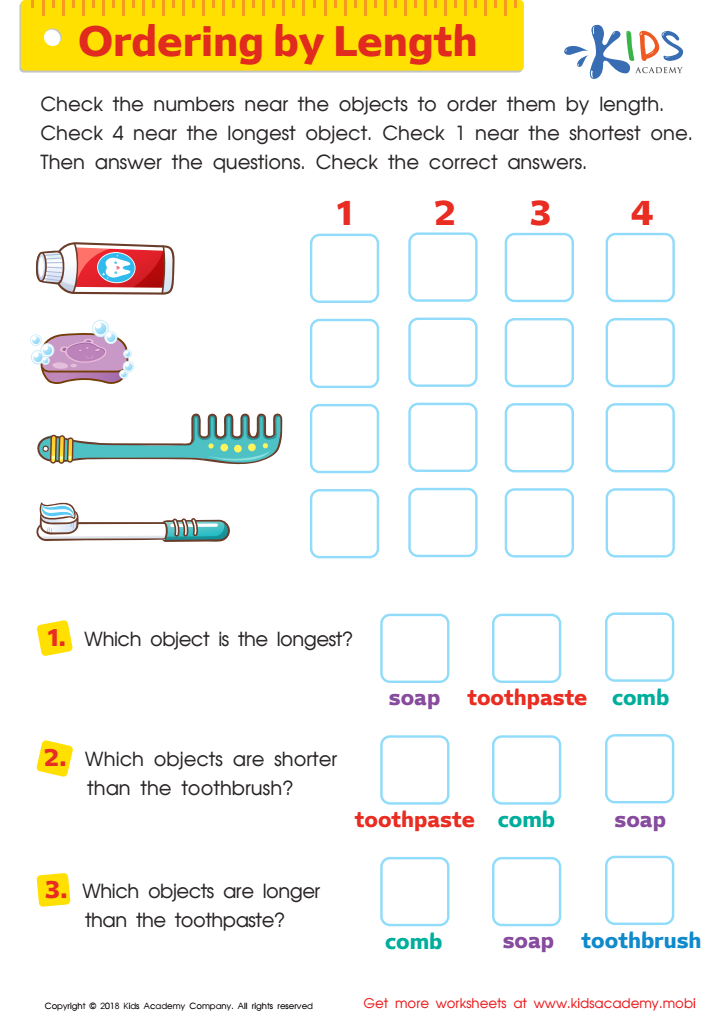
Ordering by Length Worksheet
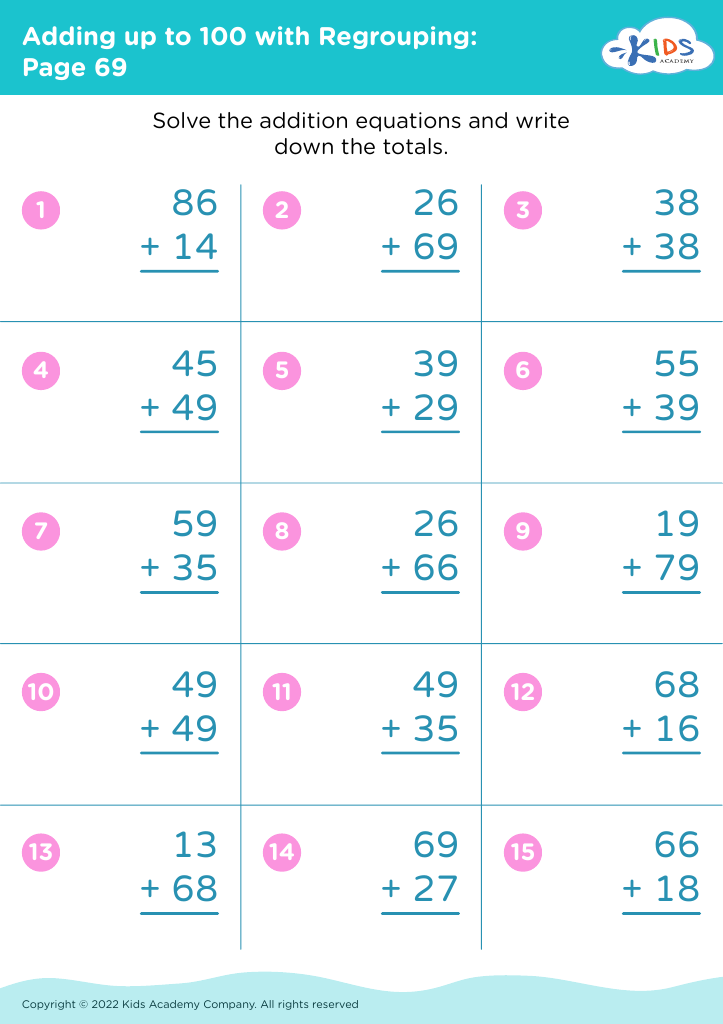
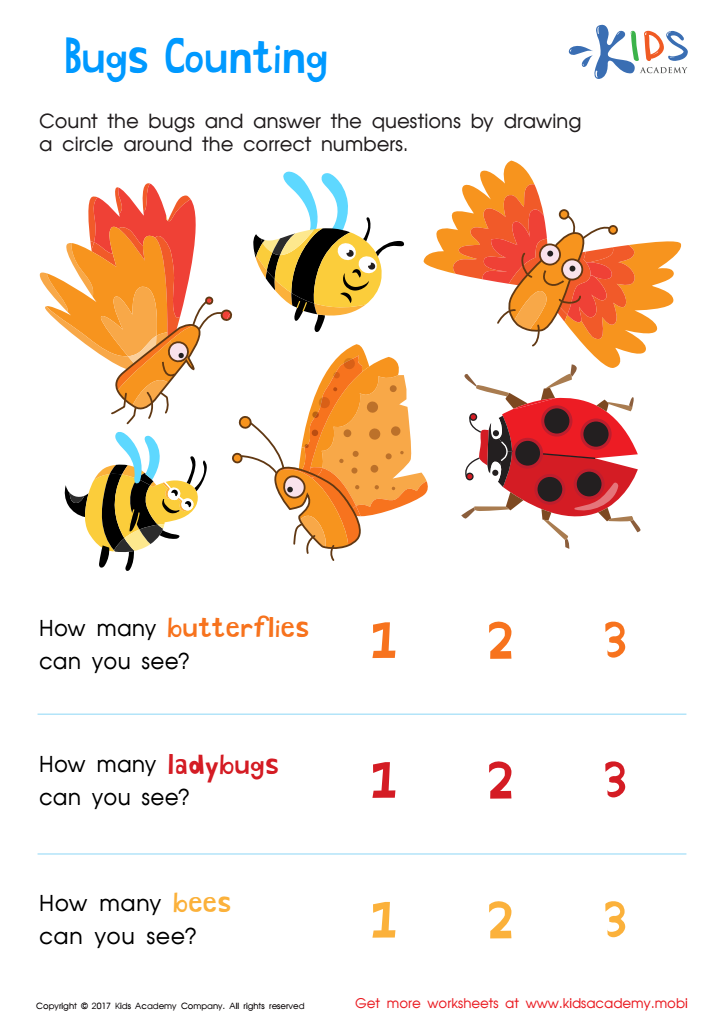
Bugs Counting Worksheet
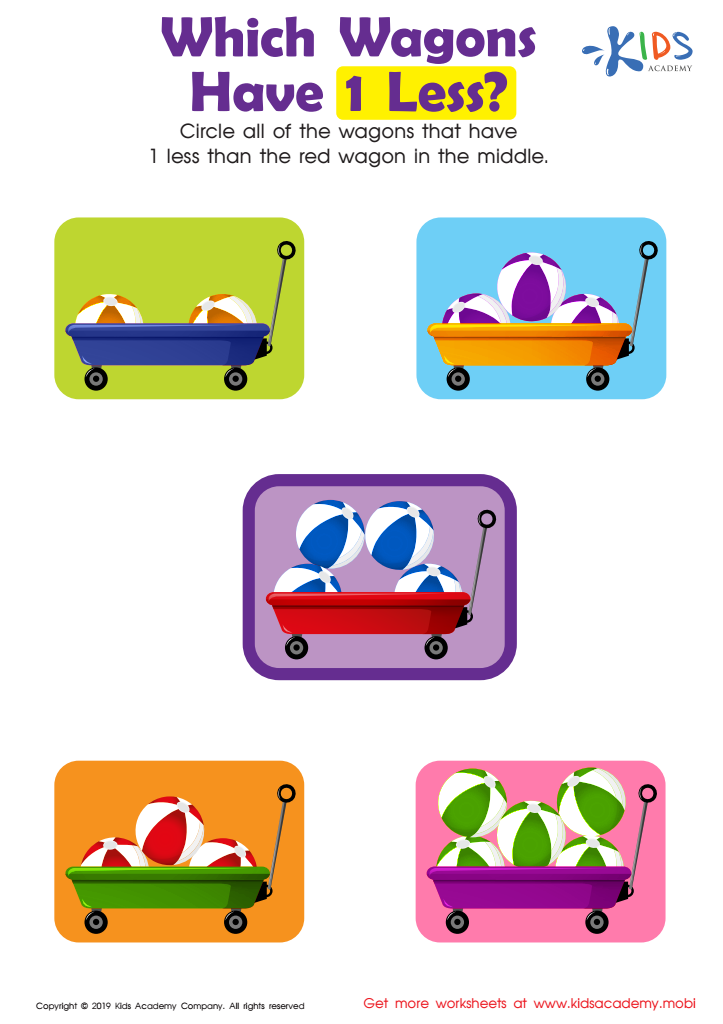
Which Wagons Have 1 Less? Worksheet
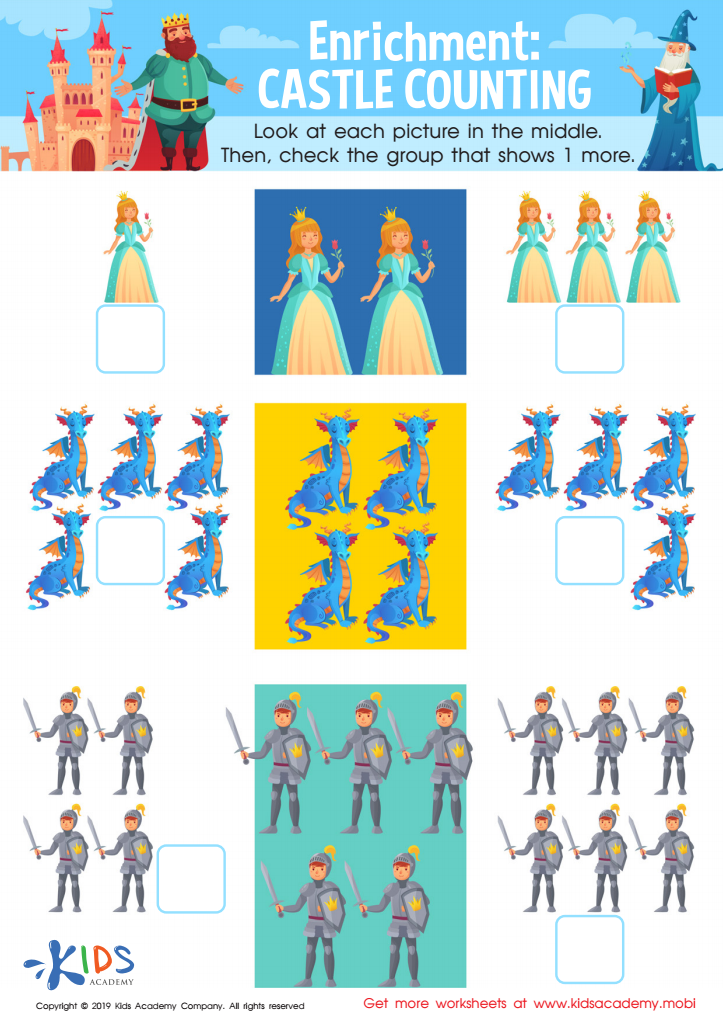
Enrichment: Castle Counting Worksheet
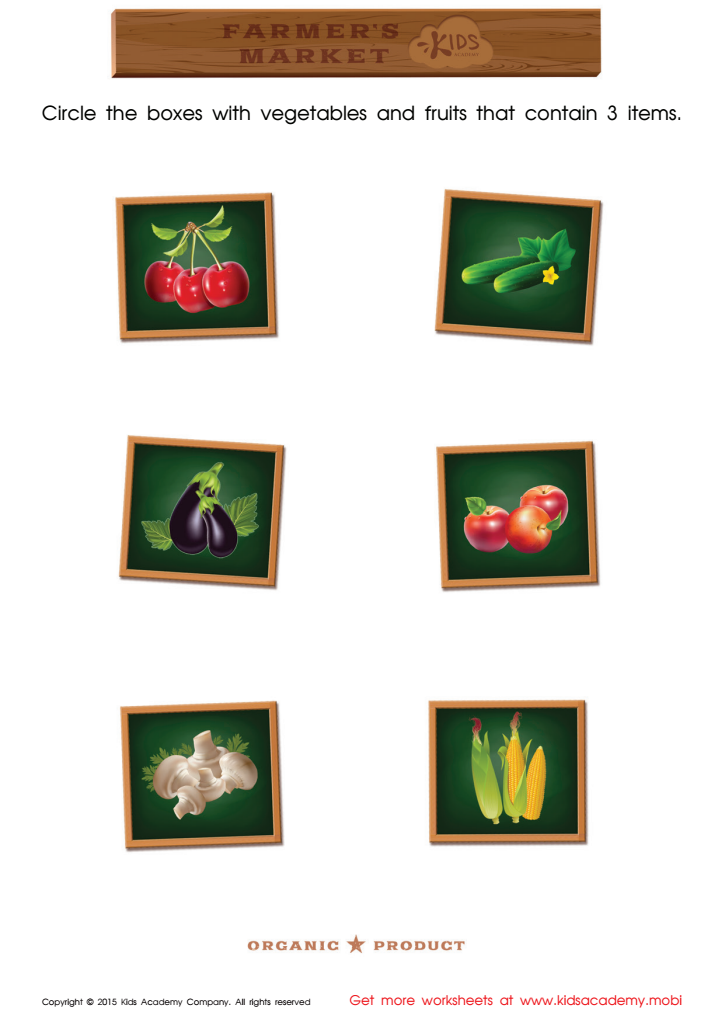
Count and Match Vegetables 1 – 5 Math Worksheet
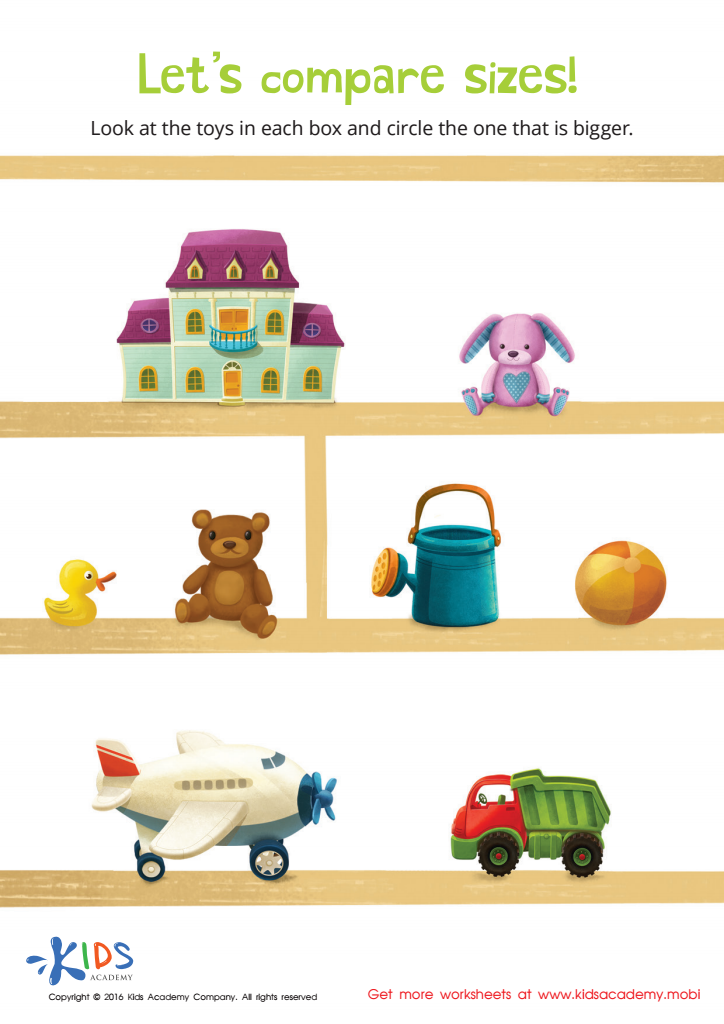
Classifying by Size Sorting Worksheet






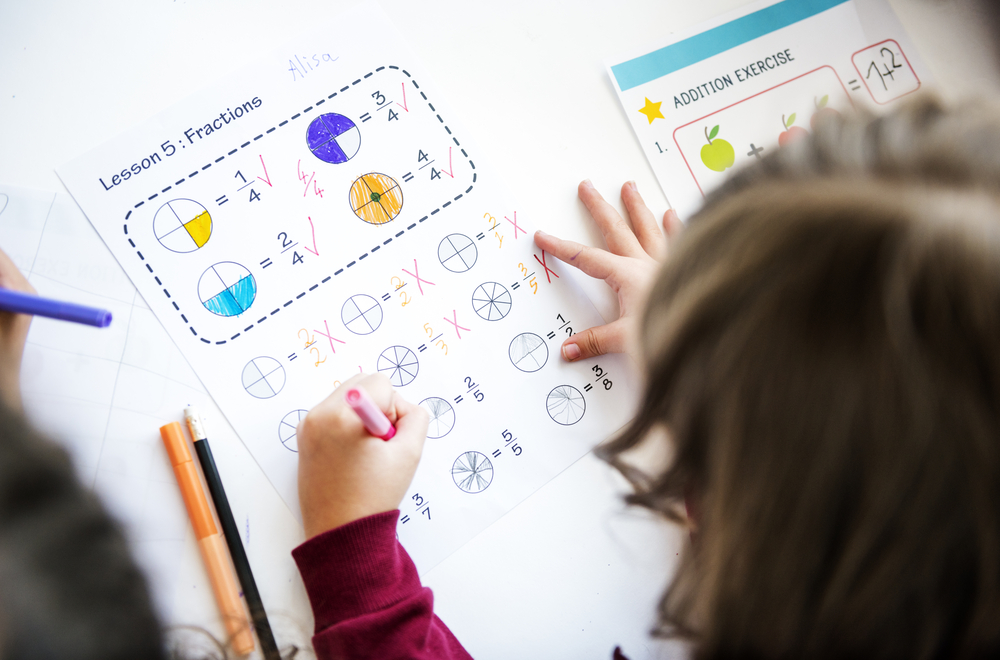

Visual perception plays a crucial role in the mathematical development of children ages 6-7. At this stage, children are building fundamental skills that serve as the foundation for their understanding of math concepts such as counting, addition, subtraction, and spatial awareness.
Parents and teachers should care about visual perception math because it aids in children's ability to recognize patterns, shapes, and spatial relationships, which are essential for mastering not only arithmetic but also geometry and problem-solving skills in the future. When children can visually manipulate and interpret mathematical concepts, they become more confident in their abilities to engage with math-related tasks.
Moreover, strong visual perception skills help children to better understand math problems, as they learn to visualize the relationships among numbers and shapes. This understanding promotes critical thinking and the ability to tackle more complex mathematical challenges as they progress in their education.
Ultimately, fostering visual perception in young learners not only enhances their current math skills but also prepares them for future academic success. Encouraging engagement with visual aids, manipulatives, and interactive activities can provide invaluable support in cultivating these essential skills during these formative years.








