Word Recognition Math Worksheets for Ages 6-7
8 filtered results
-
From - To
Discover our engaging Word Recognition Math Worksheets designed specifically for children aged 6-7. These interactive worksheets help young learners enhance their vocabulary while connecting it with essential math concepts. Each activity focuses on familiarizing kids with numbers, shapes, and basic math terminology through fun exercises and colorful visuals. Encouraging early literacy and mathematical skills, our worksheets make learning enjoyable and effective. Perfect for home or classroom use, they support a well-rounded education, promote critical thinking, and empower children to build confidence in both reading and math. Explore our collection today and watch your little ones thrive in their learning journey!
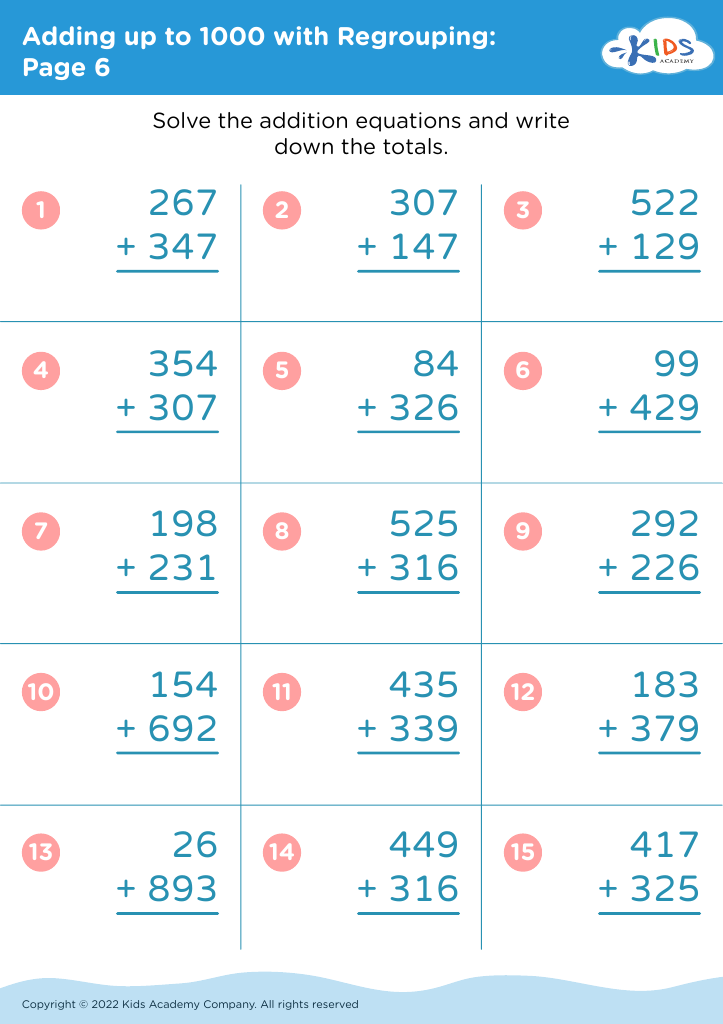
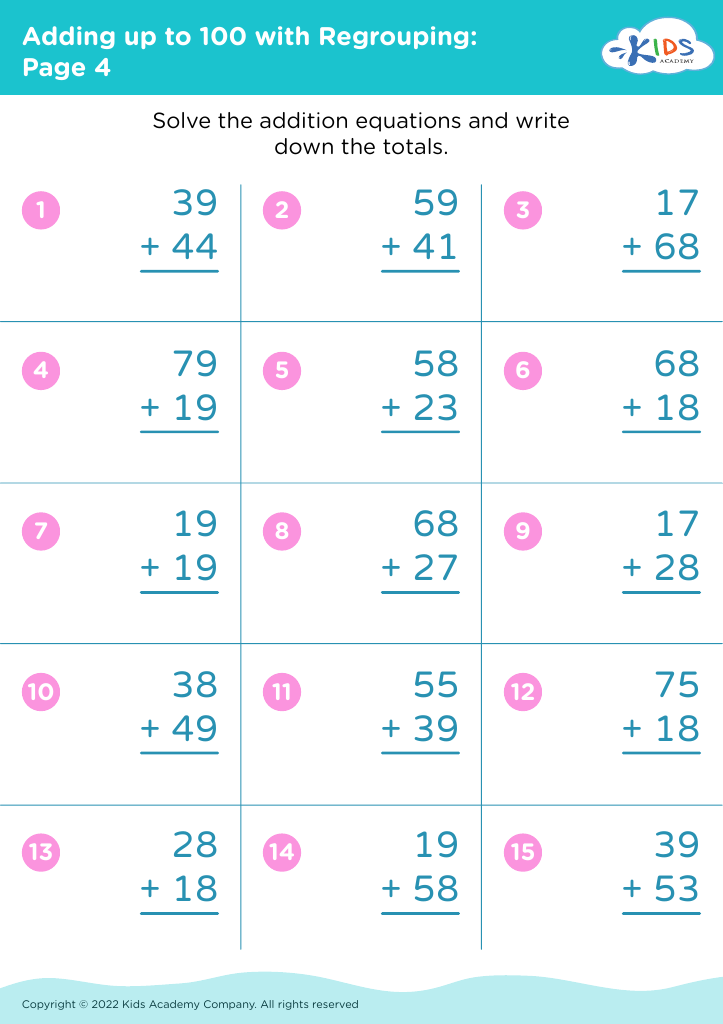
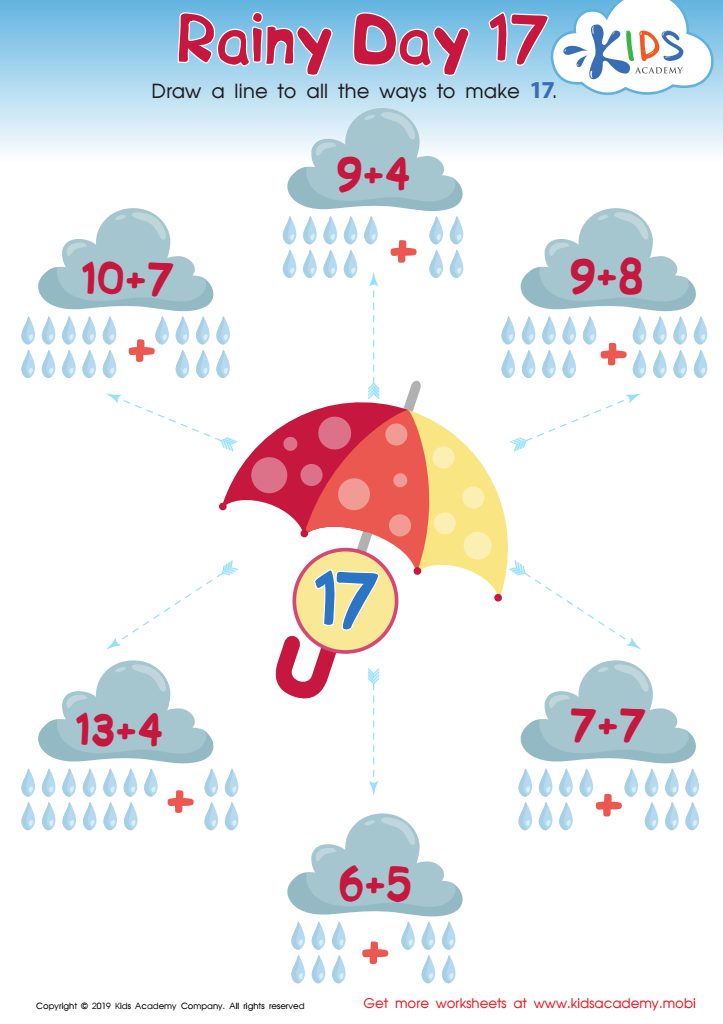
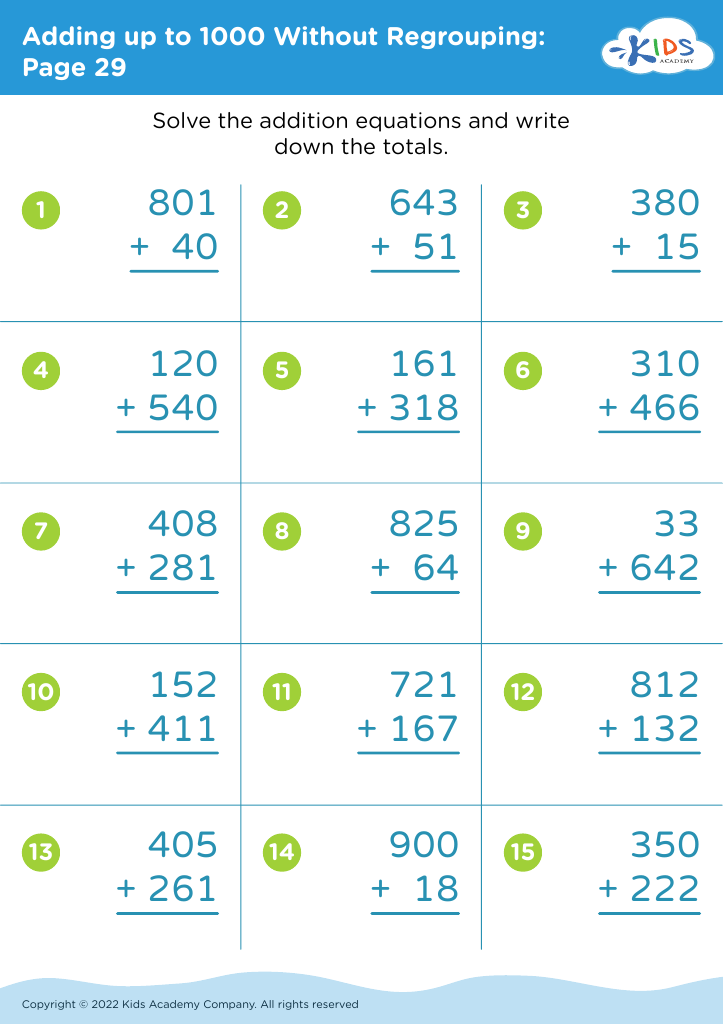
Rainy Day 17 Worksheet
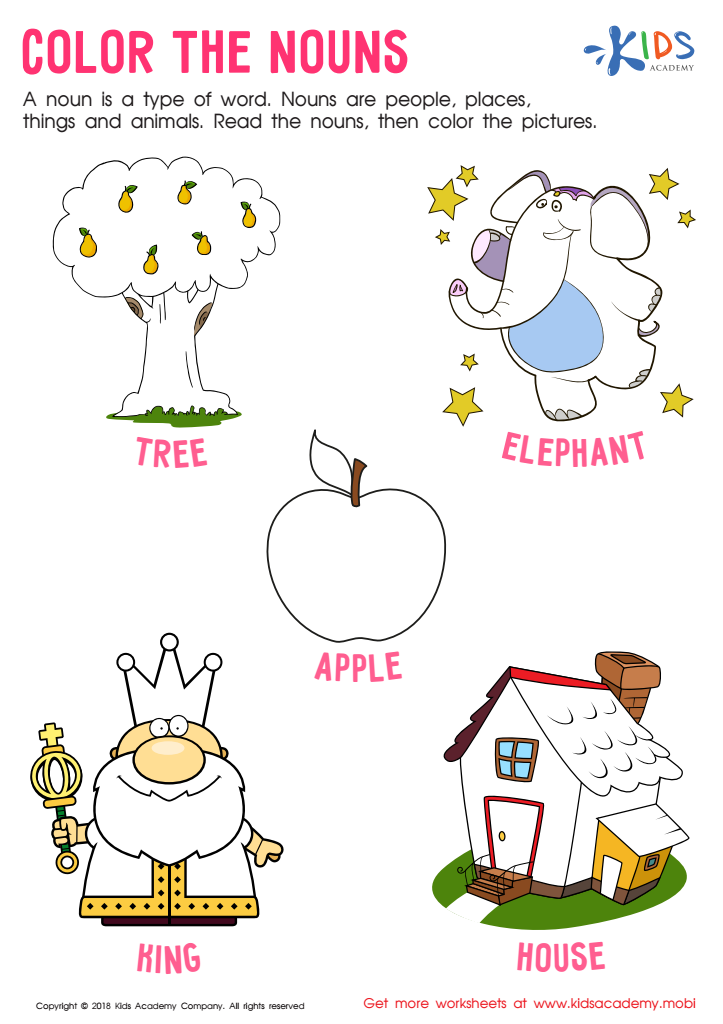
Color the Nouns Worksheet
 Assign to My Students
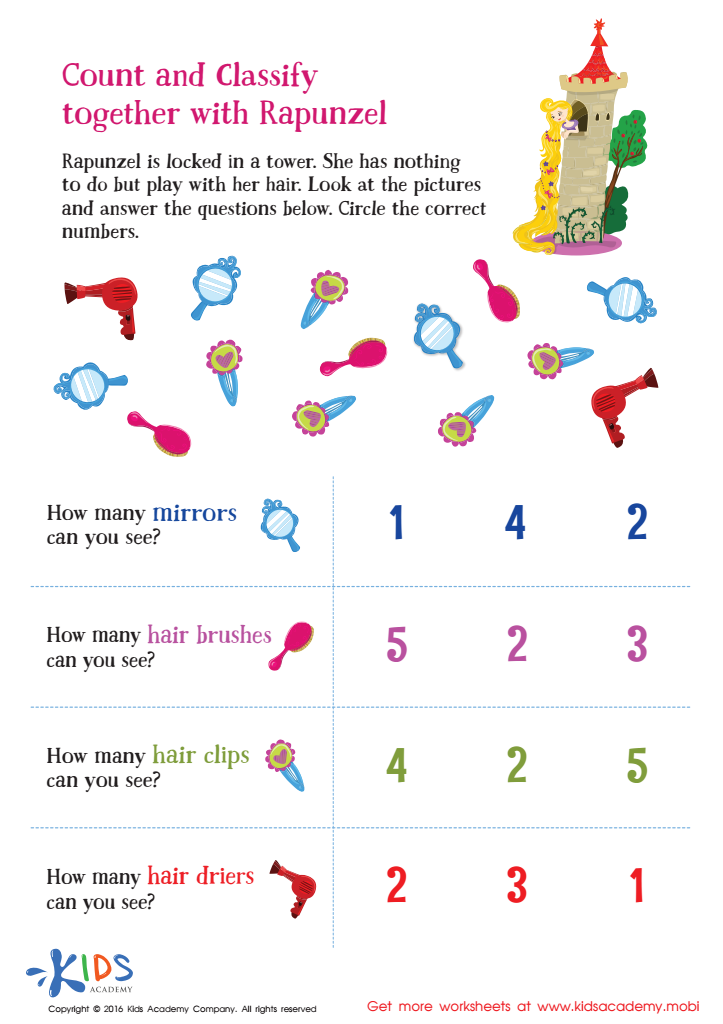
Fairy Tale Worksheet: Count and Classify with Rapunzel
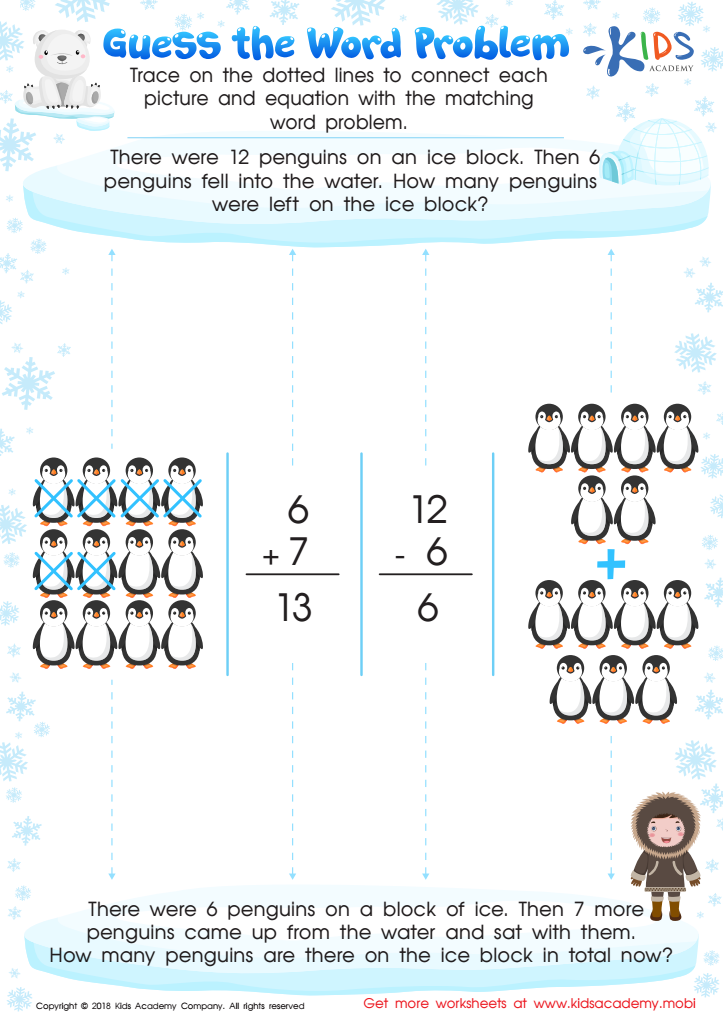
Guess the Word Problem Worksheet
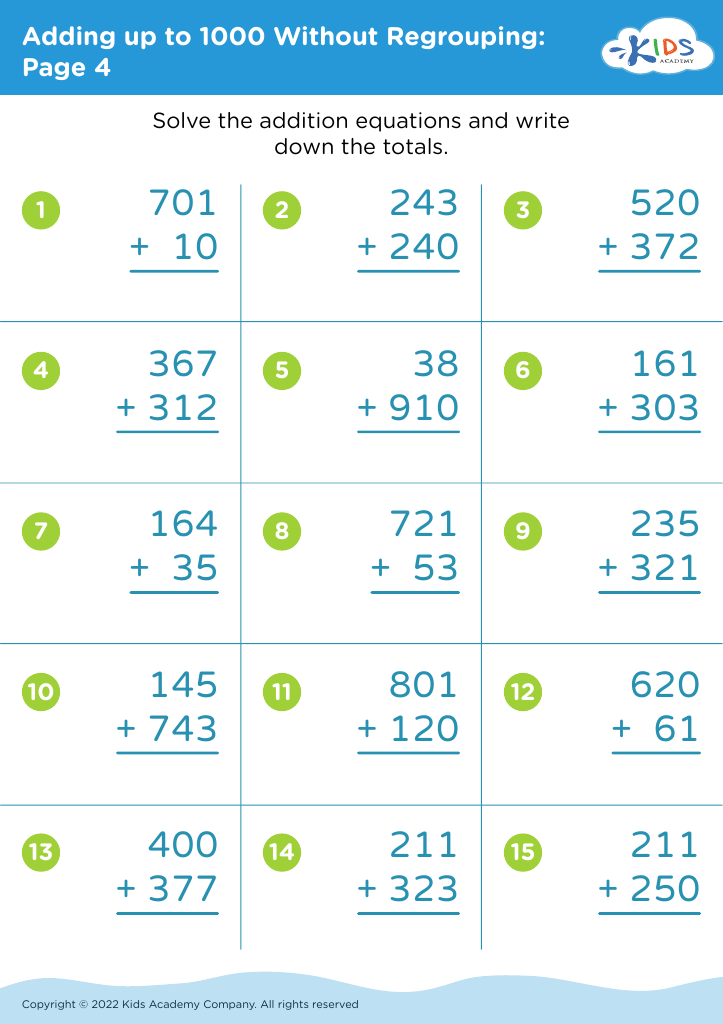




.jpg)

Word recognition math plays a crucial role in the cognitive development of children aged 6-7, and both parents and teachers should pay close attention to its significance. At this age, children are in a critical period of literacy and numeracy acquisition. Engaging in word recognition activities helps them connect numerical concepts with real-world language, forming a strong foundation for future mathematical understanding.
Firstly, word recognition enhances a child's ability to comprehend math problems. When children can read instructions and word problems fluently, they become more confident and engaged in solving them. This skill reduces frustration and fosters a positive attitude towards math.
Furthermore, word recognition develops vocabulary specific to mathematics, enabling children to articulate their thought processes and reasoning. It promotes critical thinking and helps them make connections between different mathematical ideas.
Lastly, promoting word recognition in math can bridge literacy and numeracy, reinforcing the relationship between reading and mathematics. This unified approach is essential as it prepares children for more complex concepts they will face in later grades.
In conclusion, supporting word recognition in math is vital for developing proficient problem-solvers who view math as an integrated part of their education, ultimately paving the way for lifelong learning in both subjects.








