Color recognition Matching Worksheets for Ages 6-7
3 filtered results
-
From - To
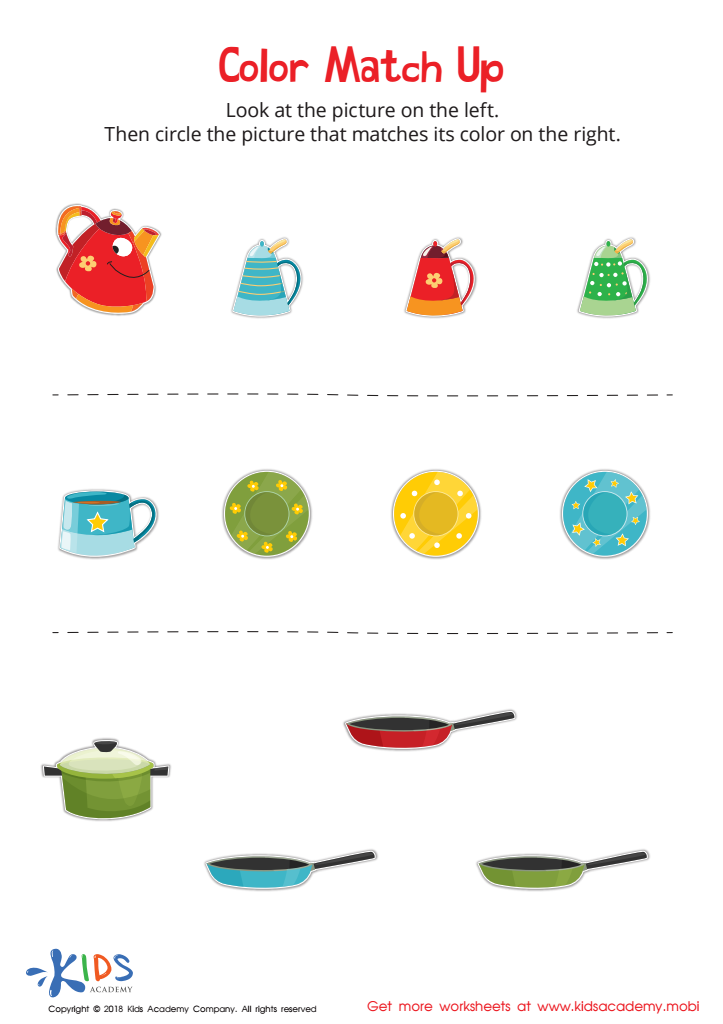
Unlock a colorful world of learning with our Color Recognition Matching Worksheets designed for ages 6-7. These engaging printable worksheets from Kids Academy help children effortlessly identify and match various colors, enhancing their visual and cognitive skills. Perfect for early elementary students, each activity promotes critical thinking and spatial awareness through fun exercises. Our collection includes vibrant images and interactive tasks, making learning enjoyable and effective. Ideal for classroom use or at-home practice, these worksheets pave the way for brighter minds, fostering essential skills in young learners. Start exploring today and watch your child's confidence in color recognition bloom!
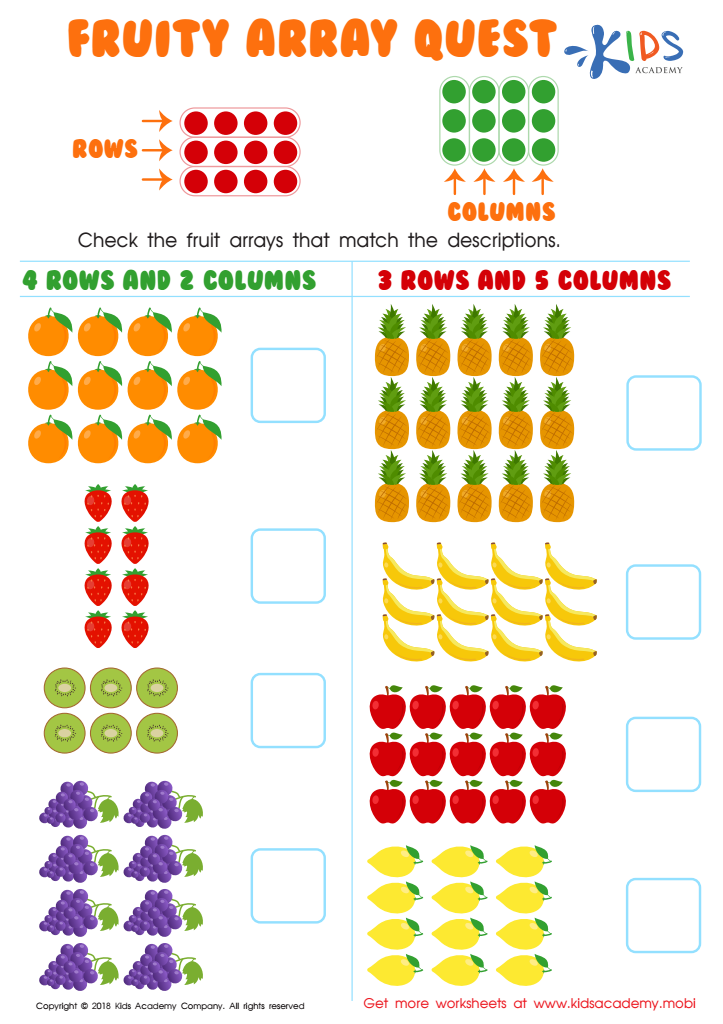
Fruity Array Quest Worksheet
 Assign to My Students
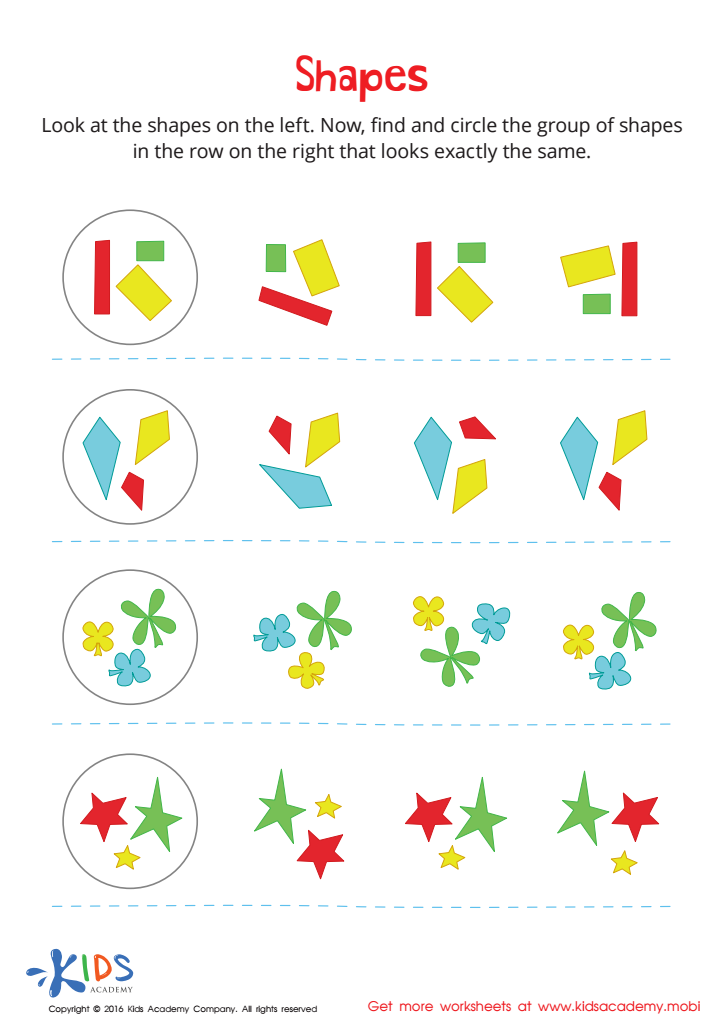
Shapes Worksheet







Color recognition and matching are fundamental skills that parents and teachers should prioritize for children aged 6-7 as they form the foundation for various aspects of a child’s development. At this age, color recognition goes beyond identifying hues; it also plays a crucial role in cognitive and visual development. For instance, differentiating colors enhances a child's ability to observe and categorize their environment, which is essential for learning in subjects such as math, science, and literacy.
Moreover, color matching teaches children about relationships and similarities, fostering analytical and problem-solving skills. These activities improve memory and attention to detail, aiding overall academic achievement. Psychologically, mastering these skills boosts a child's confidence and self-esteem as they succeed in completing tasks, contributing to a positive learning experience.
Additionally, color recognition is often a precursor to more advanced learning concepts, such as interpreting graphs and understanding data in later grades. On a social level, engaging in color-based activities promotes cooperative play and communication skills, as children discuss and decide on the use of colors in group tasks. Overall, investing time in color recognition and matching for young children sets a strong educational groundwork and supports their holistic development.








