Vocabulary Building Matching Worksheets for Ages 6-7
3 filtered results
-
From - To
Enhance your child's vocabulary with our engaging Vocabulary Building Matching Worksheets designed specifically for ages 6-7. These worksheets provide a fun and interactive way for young learners to expand their word recognition and comprehension skills. Through matching activities, children will learn to associate words with their meanings and usage in context, making vocabulary acquisition enjoyable and effective. Ideal for home or classroom use, these worksheets support early literacy development while fostering a love for language. Explore our collection and watch your child's vocabulary flourish as they engage in meaningful learning experiences! Perfect for young readers eager to discover new words.
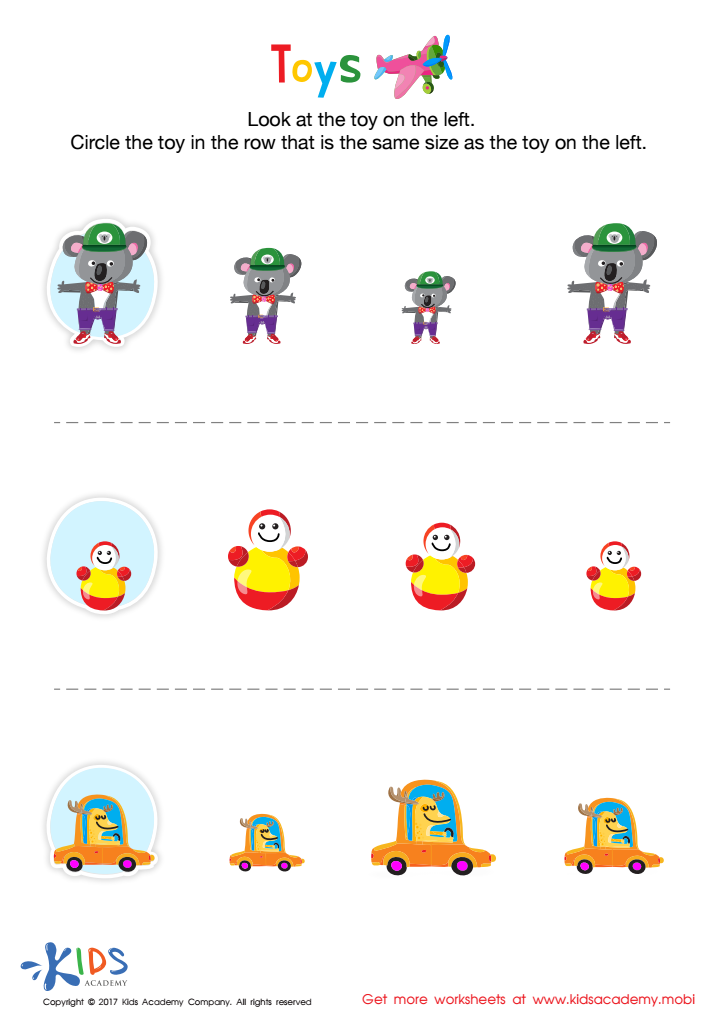
Matching: Classifying Toys by Size Worksheet
 Assign to My Students
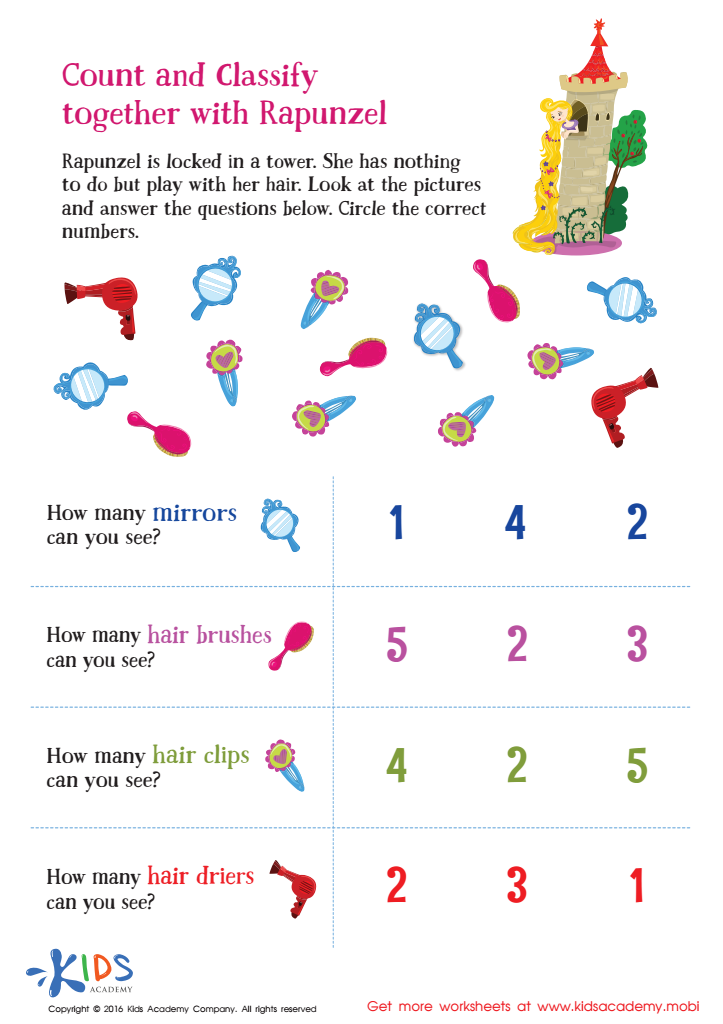
Fairy Tale Worksheet: Count and Classify with Rapunzel
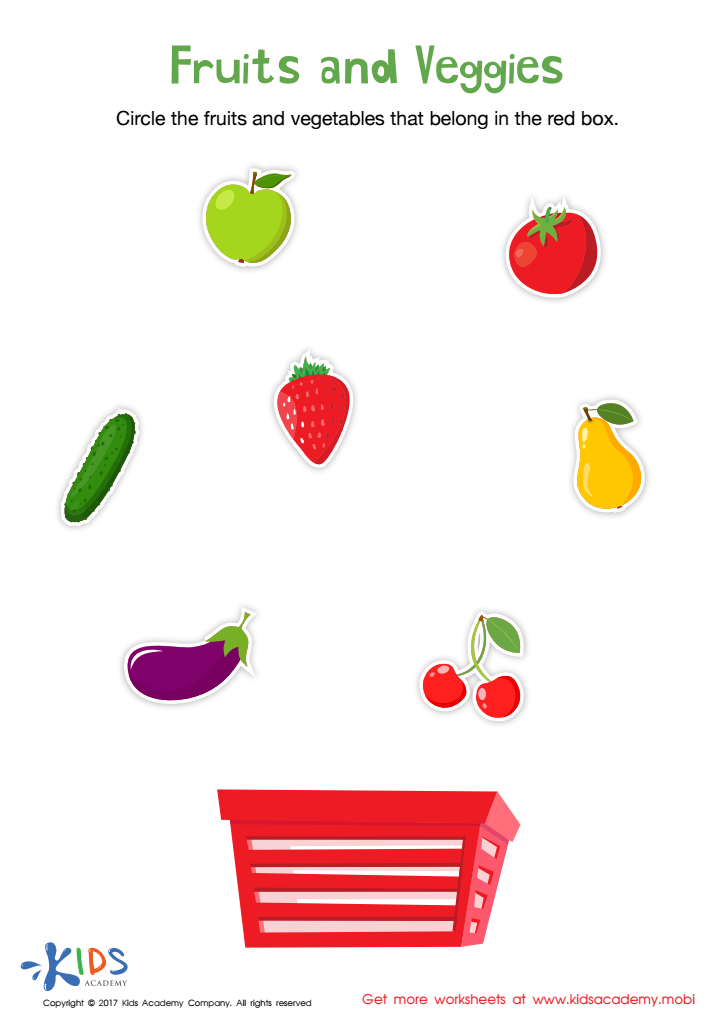








Vocabulary building for children aged 6-7 is crucial for their overall cognitive and linguistic development. During these formative years, children develop foundational skills that will shape their future learning and communication. Engaging in vocabulary building, particularly through matching games, stimulates critical thinking and enhances memory retention. It encourages learners to recognize word meanings and context, promoting better comprehension and expressive language skills.
Parents and teachers should prioritize vocabulary development as it directly affects children’s academic performance and social interactions. A strong vocabulary allows children to express themselves clearly and understand complex instructions, which is essential in both the classroom and everyday life. Furthermore, games and interactive activities, like vocabulary matching, make learning enjoyable, fostering a positive attitude toward education.
By emphasizing vocabulary building, adults not only support literacy development but also nurture a child's curiosity and love for language. These skills contribute significantly to reading comprehension, writing ability, and overall communication proficiency. In today’s diverse world, a robust vocabulary empowers children to engage effectively with various people and ideas, laying a strong foundation for their future learning journeys and lifelong success. Investing in vocabulary development at an early age will yield remarkable benefits for children’s educational experiences and relationships.








