
Letter recognition Building Vocabulary Worksheets for Ages 6-7
6 filtered results
Difficulty Level
Grade
Age
-
From - To
Subject
Activity
Standards
Enhance your child's early literacy skills with our Letter Recognition Building Vocabulary Worksheets, designed specifically for ages 6-7! These engaging, interactive worksheets focus on familiarizing young learners with letters and sounds, promoting vocabulary development in an enjoyable way. Children will participate in fun activities like tracing letters, identifying beginning sounds, and matching words to images, all aimed at reinforcing their understanding of letter recognition. Our resources are expertly crafted to nurture emergent readers and boost their confidence, setting a solid foundation for future reading success. Explore our diverse collection of worksheets and watch your child's skills soar!
Favorites
With answer key
Interactive
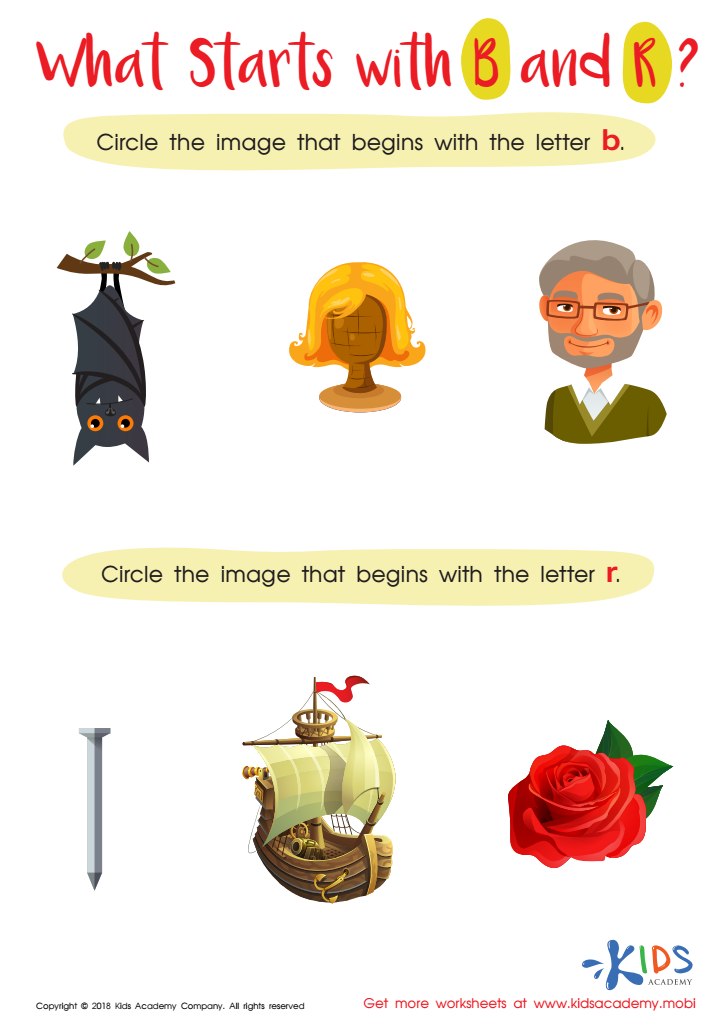
What Starts with B and R? Worksheet
Download this worksheet to help young readers practice visual and motor skills! They'll enjoy matching pictures with "B" and "R" letters while tracing the images. Bright and colorful, this engaging activity will help kids differentiate between words and have fun doing it.
 Assign to My Students
What Starts with B and R? Worksheet
Worksheet











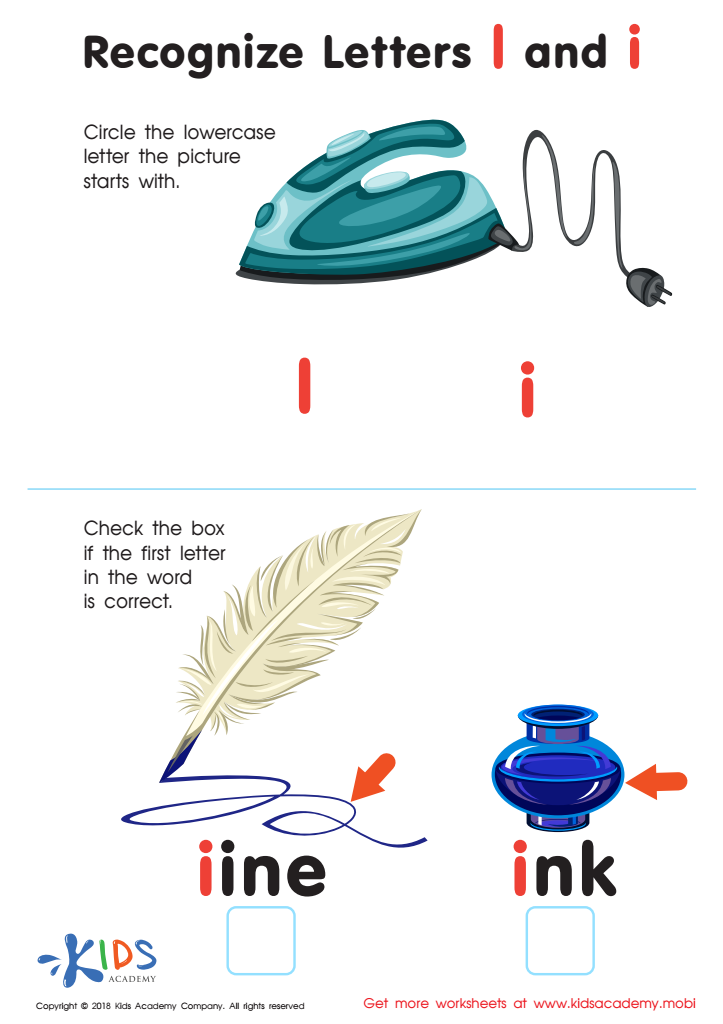
Recognize Letters l and i Worksheet
Help your child become familiar with uppercase and lowercase letters. Have them look at the pictures in the worksheet and circle the lowercase letter the picture starts with. For example: which one is the lowercase "i", the capital "I" or the small "i"?
Recognize Letters l and i Worksheet
Worksheet
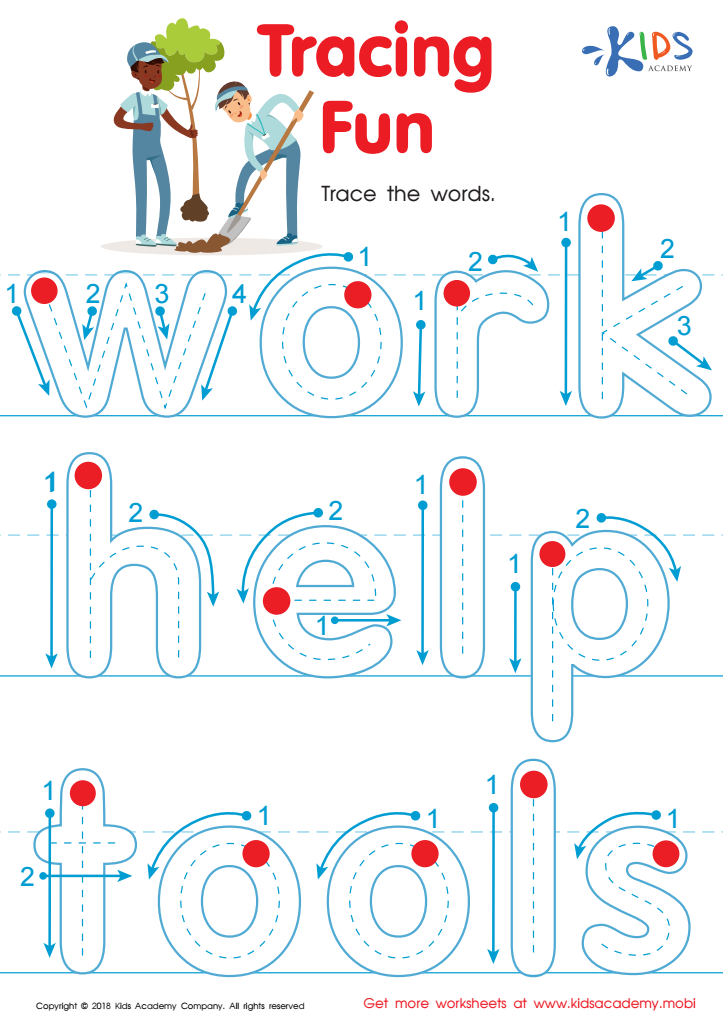
Tracing Fun Worksheet
Believe it or not, good handwriting helps with reading! Starting at the top left and writing legibly builds reading skills. This free worksheet helps little learners practice basic sight words. Red dots show them where to start and the words provide reinforcement without them realising. An enjoyable way to boost their reading and writing.
Tracing Fun Worksheet
Worksheet
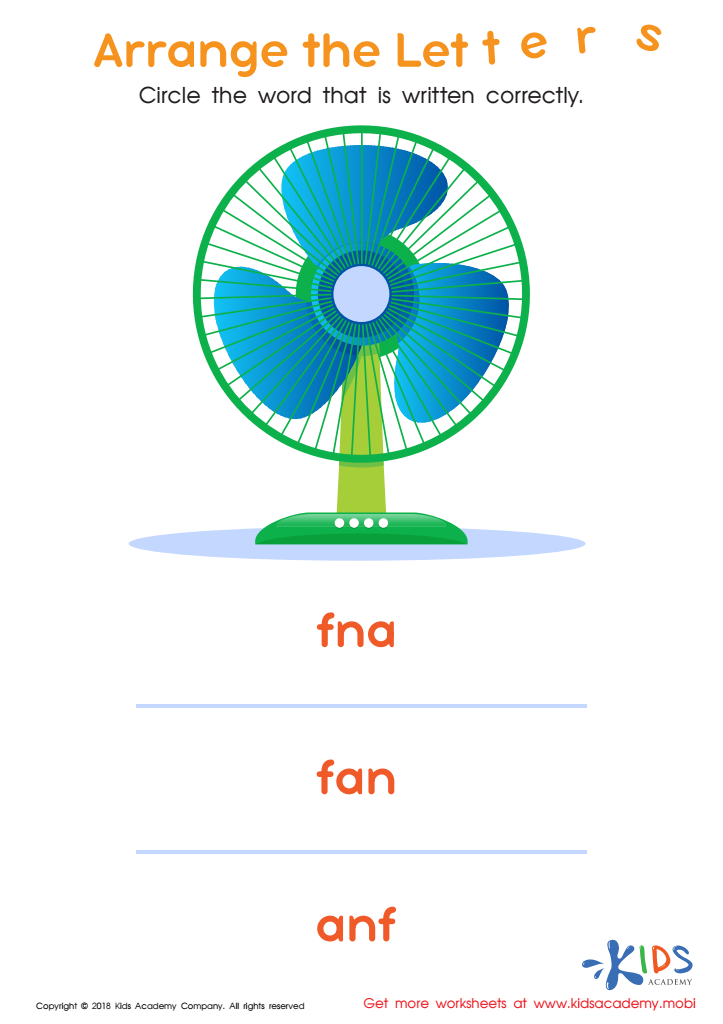
Arrange the Letters Worksheet
Test your kids' spelling skills with this worksheet! Show them the picture and ask what it stands for. Then, have them choose the correct spelling from the options given. Check their answer by circling the right one.
Arrange the Letters Worksheet
Worksheet
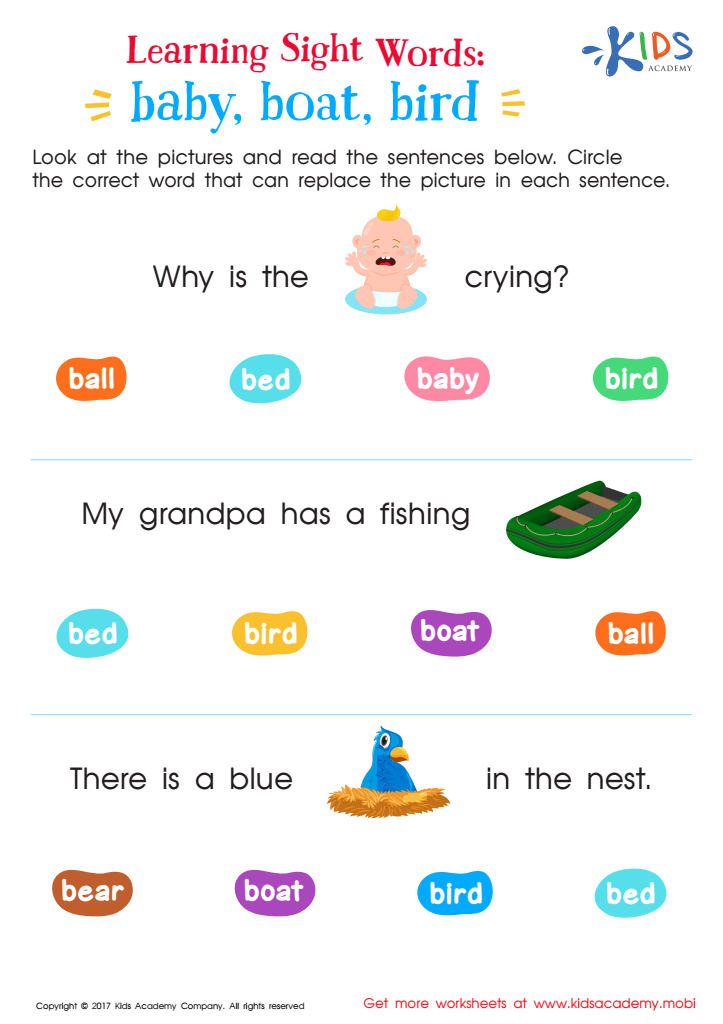
Baby, Boat, Bird Worksheet Sight Words Worksheet
Sight words are an essential part of fluency; help kids build it by writing and reading them. This worksheet is a great way to start.
Baby, Boat, Bird Worksheet Sight Words Worksheet
Worksheet
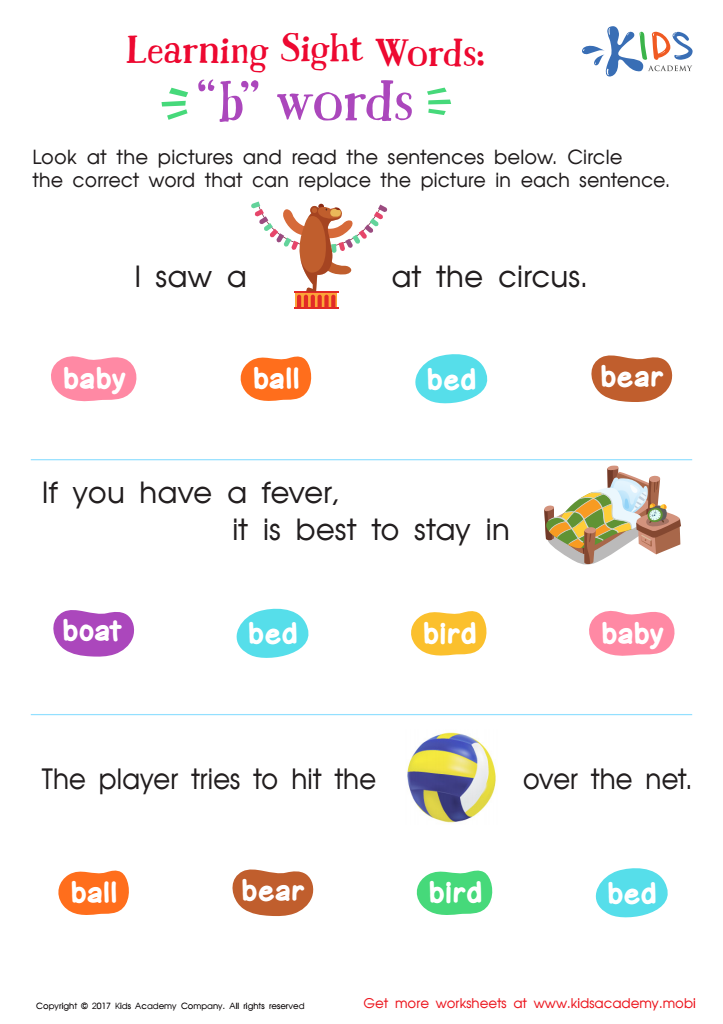
"B" Words Printable Sight Words Worksheet
Kids will learn sight words quickly with this fun worksheet! "B" Words offers guided practice with simple sentences and pictures. Build your child's reading confidence with this helpful worksheet and watch them become a master!
"B" Words Printable Sight Words Worksheet
Worksheet
Join Kids Academy for Free
Who is primarily going to use this learning content?








Letter recognition and vocabulary building are crucial for children aged 6-7 as they lay the foundation for literacy and overall academic success. At this age, children are transitioning from learning to read to reading to learn, making it vital for them to recognize letters quickly and accurately. This recognition allows them to decode words, which enhances their reading fluency and comprehension skills.
Moreover, a robust vocabulary is essential for effective communication and comprehension. When children understand new words in context, they can better engage with texts, express themselves more clearly, and participate fully in discussions. The ability to recognize and manipulate letters assists in spelling, enriching their writing skills as well.
Furthermore, strong letter recognition and vocabulary skills can boost a child's confidence and love for learning, encouraging curiosity and exploration. Parents and teachers play a key role in fostering these skills through playful activities, reading together, and promoting language-rich environments. By prioritizing letter recognition and vocabulary building, caregivers can significantly impact a child’s educational journey, setting them up for future success while nurturing a lifelong passion for reading and learning.








