Color recognition Reading Worksheets for Ages 6-7 - Page 2
27 filtered results
-
From - To
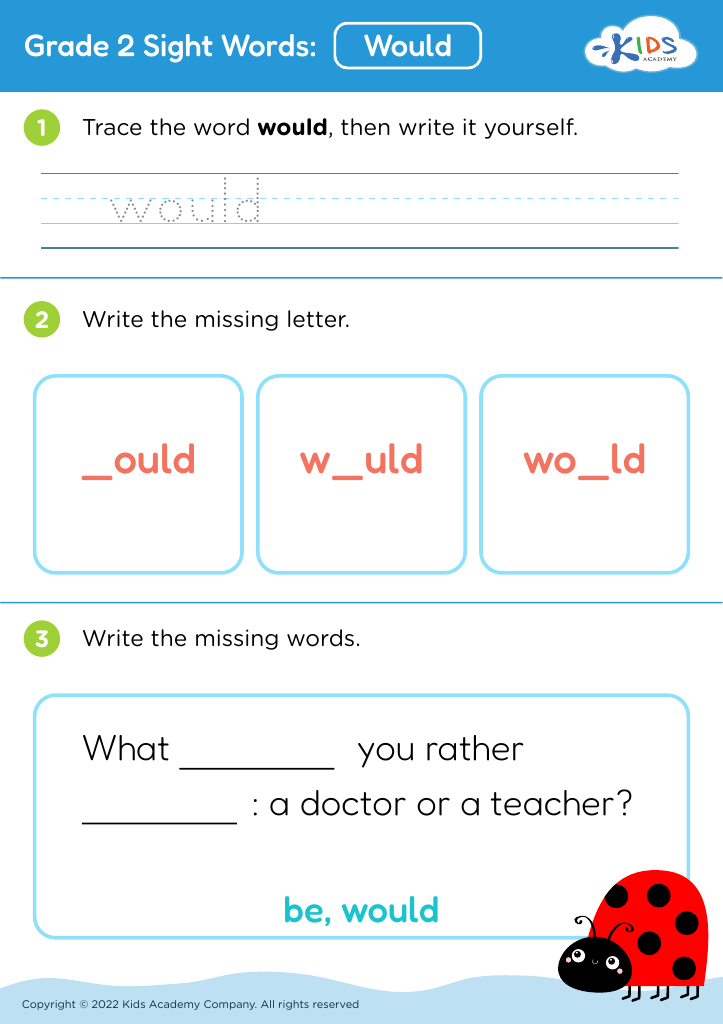
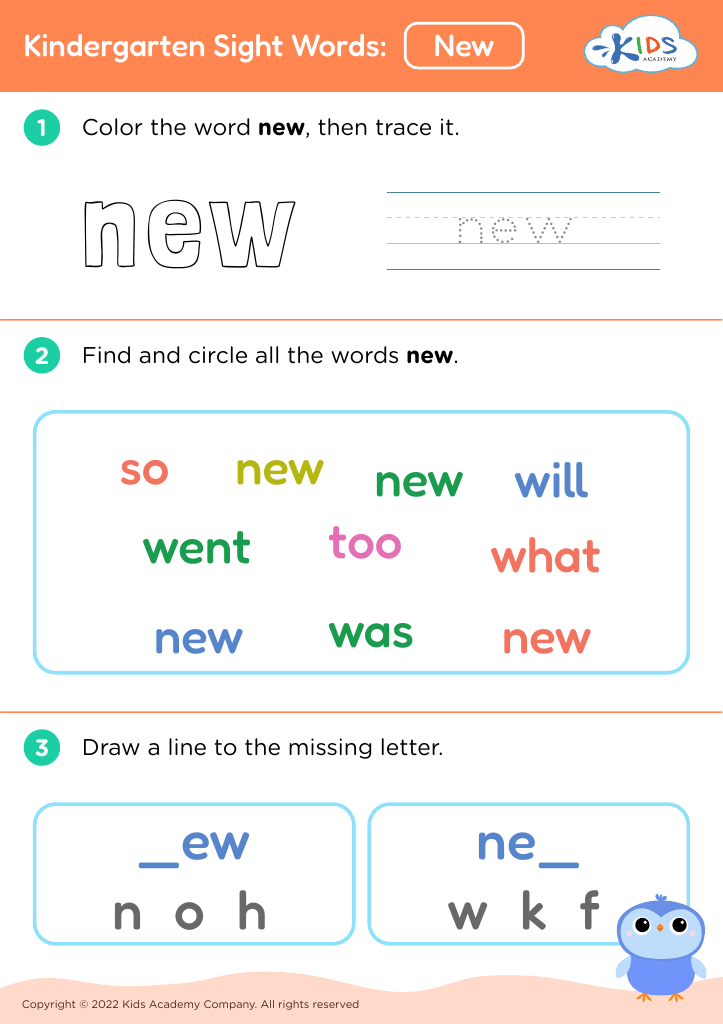
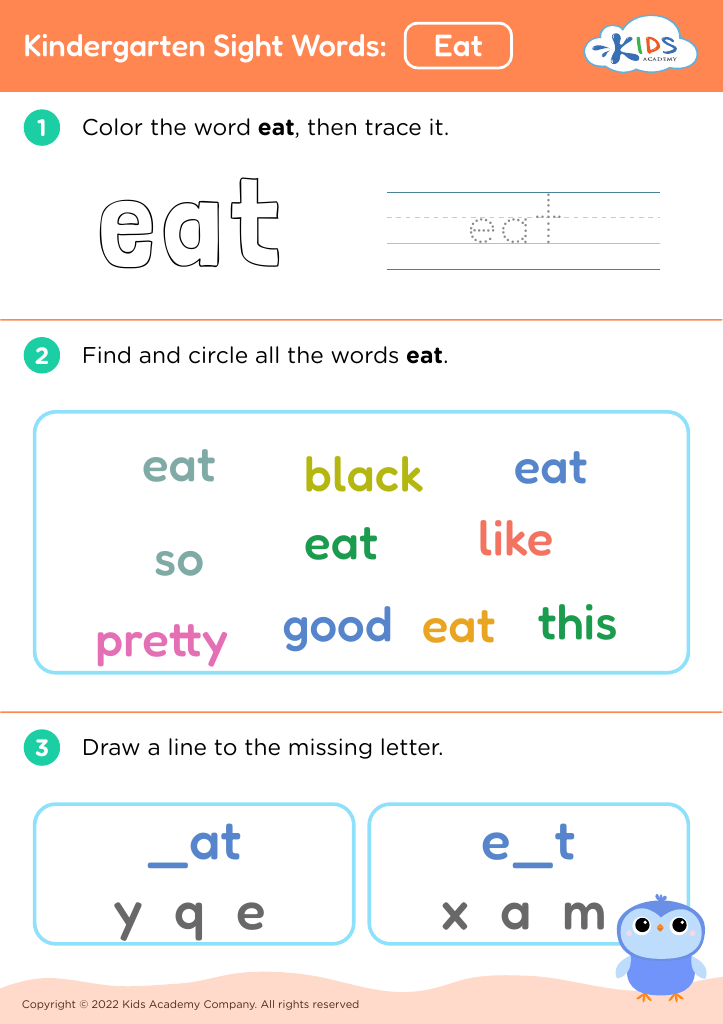








Color recognition is a crucial cognitive skill for children ages 6-7 as it forms the foundation for various aspects of early learning and development. At this age, children are typically honing their reading abilities, which are essential for academic success and daily functioning. Integrating color recognition into reading activities can significantly enhance their learning experience.
Firstly, understanding and recognizing different colors aids in developing a child’s visual discrimination skills. These skills are vital for distinguishing between letters and words, which ultimately improves reading proficiency. Color-coded reading exercises can help young learners easily identify words and understand various texts better.
Secondly, color recognition promotes cognitive development by enhancing memory and attention to detail. Children who can identify and differentiate colors are more likely to pay attention to the subtleties in their environment, leading to increased observational skills. This attentiveness is beneficial not only for reading but also for understanding math, science, and other subjects.
Lastly, incorporating color into learning materials makes the process more engaging and enjoyable for children. It can stimulate their interest and curiosity, encouraging a positive attitude towards learning. Parents and teachers can use colorful books, flashcards, and worksheets to create a vibrant and stimulating educational experience, laying a strong foundation for future academic achievements.








