Math problem-solving Reading Worksheets for Ages 6-7
3 filtered results
-
From - To
Explore our engaging Math Problem-Solving Reading Worksheets designed specifically for children aged 6-7! These interactive worksheets combine reading comprehension with basic math concepts, prompting young learners to develop critical thinking and problem-solving skills. Each worksheet features fun stories and scenarios, encouraging students to apply their math knowledge to real-world situations. Perfect for classroom activities or at-home practice, these worksheets foster a love for math and reading while making learning enjoyable. Help your child build a solid foundation in both literacy and numeracy with our thoughtfully crafted resources, geared to enhance educational development and prepare them for future success!
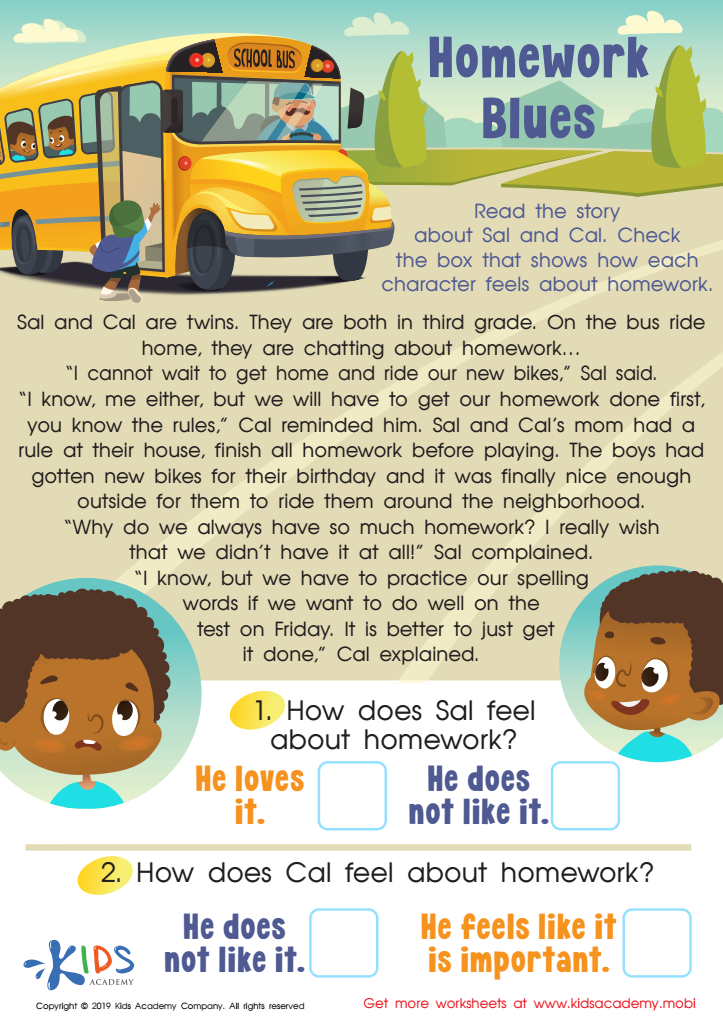
Homework Blues Worksheet
 Assign to My Students
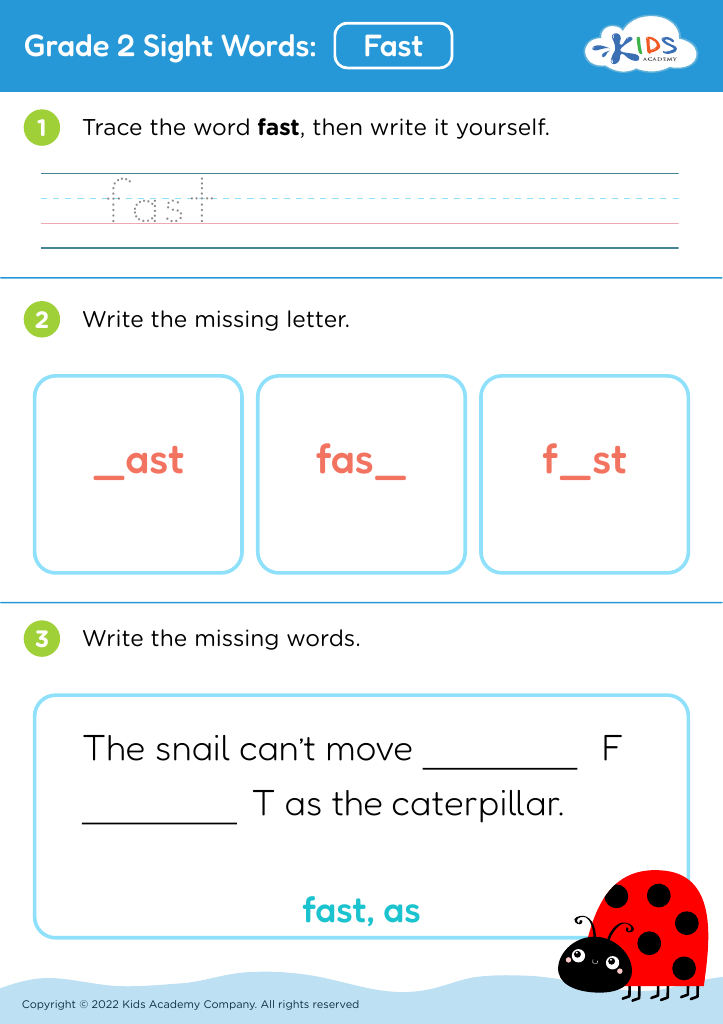
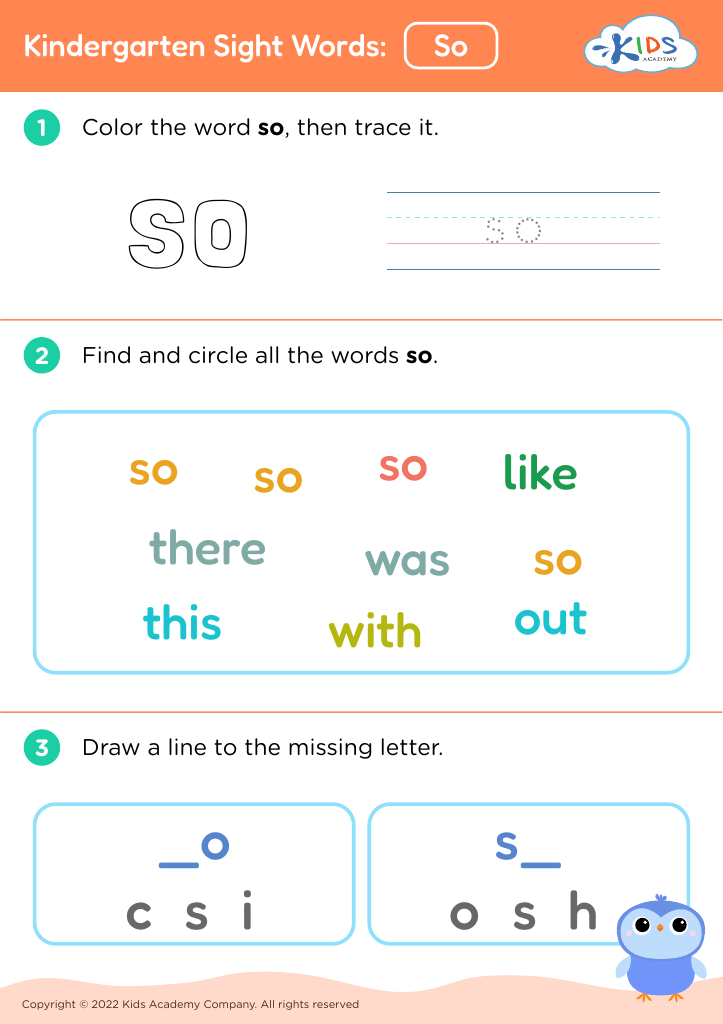







Math problem-solving reading for ages 6-7 is crucial as it lays the foundation for lifelong learning in both mathematics and literacy. At this age, children are naturally curious, and engaging them in math-related reading activities nurtures their critical thinking and comprehension skills. When parents and teachers incorporate reading into math instruction, children learn to interpret problem contexts, understand mathematical language, and develop the ability to reason through problems.
Additionally, this simultaneous development of reading and math skills fosters a more integrated understanding of both subjects. Children learn to see math as a narrative that involves real-world scenarios, enhancing their engagement and motivation. As they encounter various problem-solving strategies through reading, they become more adept at tackling challenges and applying math concepts to everyday life.
Moreover, fostering these skills early on can help prevent math anxiety and build confidence, setting the stage for future academic success. Communicating effectively about math problems also enhances vocabulary, aiding children's overall communication skills. Therefore, parents and teachers should prioritize math problem-solving reading to create a holistic educational experience that equips young learners with essential skills for future challenges.








