
Problem Solving Reading Worksheets for Ages 6-7
3 filtered results
Difficulty Level
Grade
Age
-
From - To
Subject
Activity
Standards
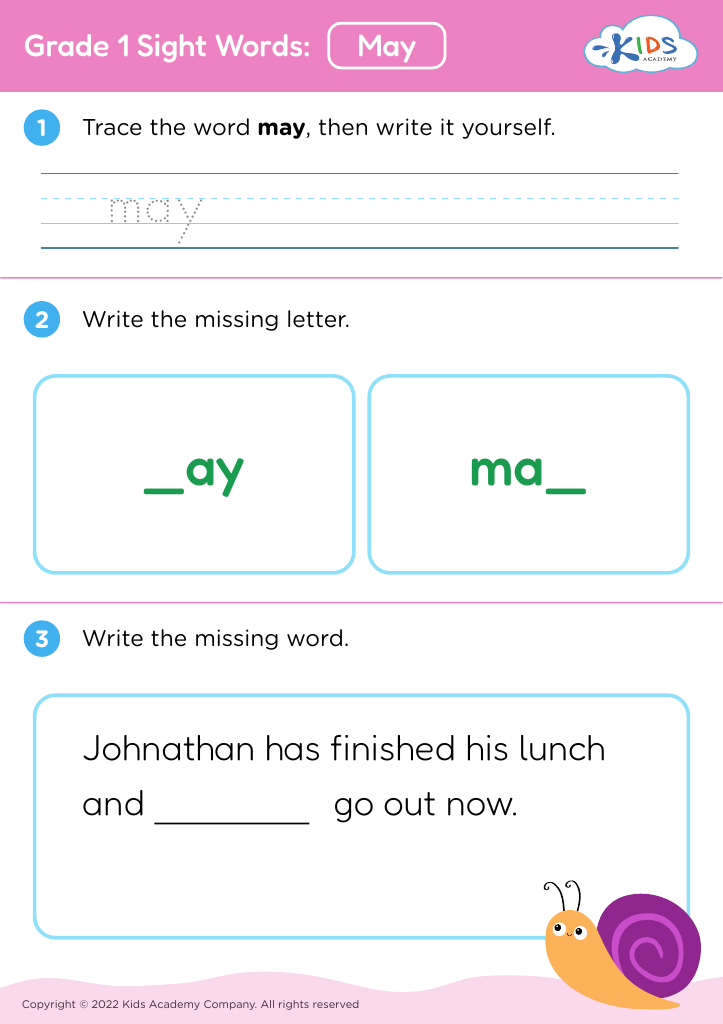
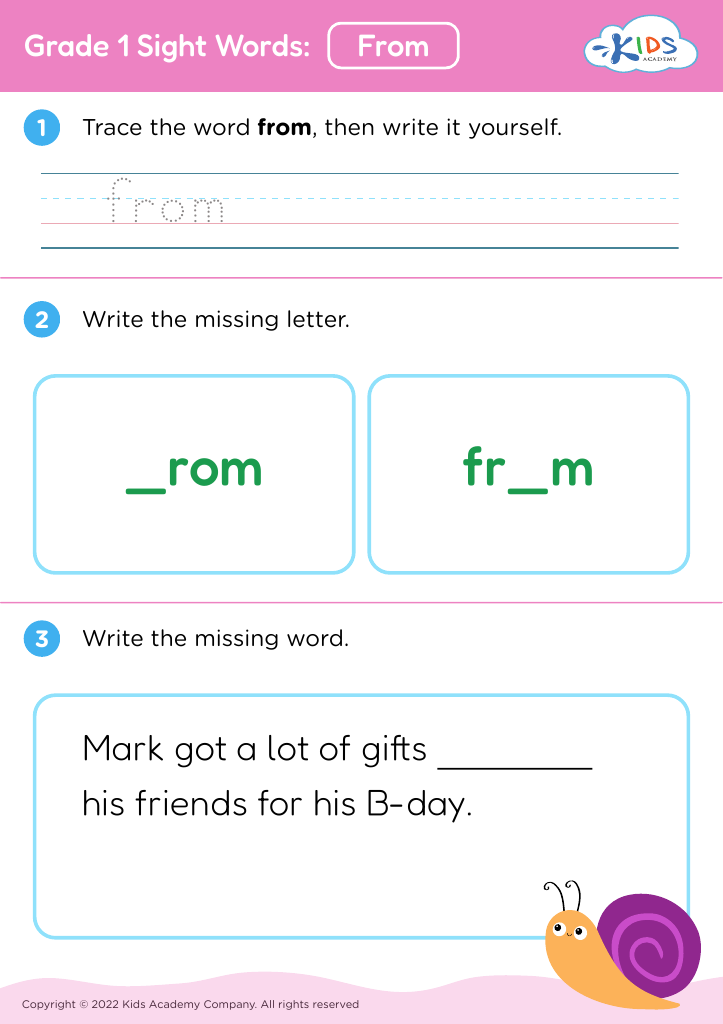
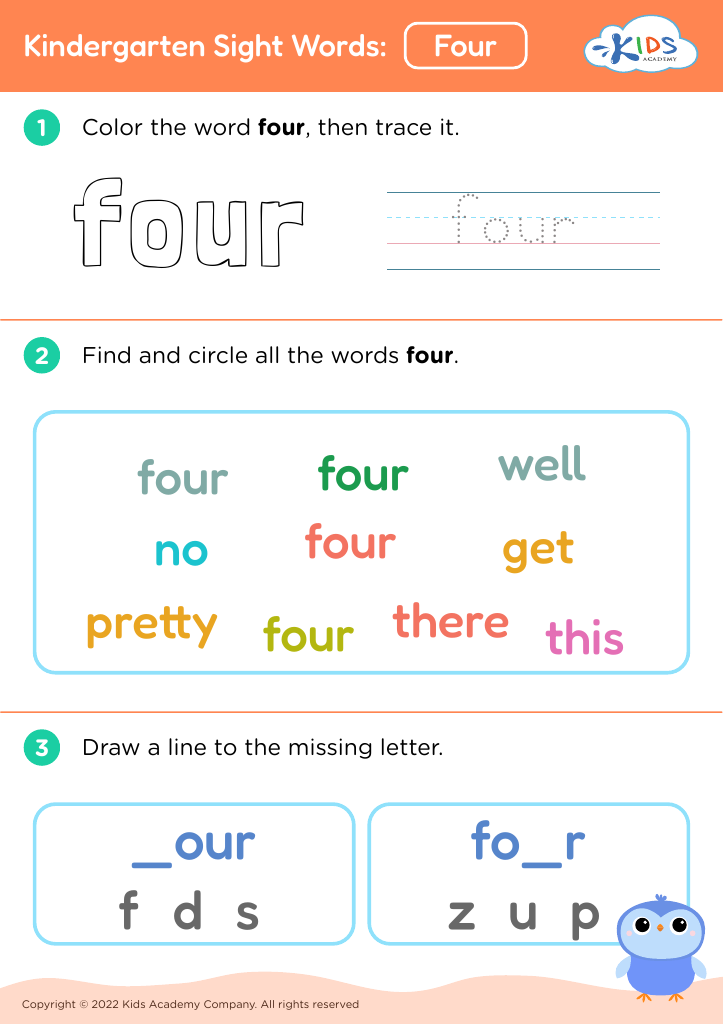
Unlock your child's potential with our engaging Problem Solving Reading Worksheets designed for ages 6-7! These worksheets help kids develop critical thinking skills while enhancing their reading comprehension. Each activity encourages young learners to tackle fun and relatable problems through captivating stories and scenarios. Tailored to foster essential literacy skills, our worksheets challenge children to analyze situations, make predictions, and find solutions, all while enjoying the process. Perfect for parents and teachers alike, these resources provide a dynamic approach to learning, ensuring kids gain confidence in both reading and problem-solving. Start your child’s journey to becoming a proficient thinker today!
Favorites
With answer key
Interactive
Join Kids Academy for Free
Who is primarily going to use this learning content?








Problem Solving Reading for ages 6-7 is critical because it nurtures essential skills that influence children's overall development. At this developmental stage, children not only learn to read but also begin to understand the relationship between text and meaning. Engaging in problem-solving reading fosters critical thinking and analytical skills, which are crucial for navigating academic challenges later in life.
Parents and teachers should care because these skills encourage children to become active participants in their learning. Through understanding and interpreting stories or textual information, children learn to identify problems, analyze situations, and devise solutions—aptitudes that apply well beyond reading.
Moreover, problem-solving reading helps enhance children’s vocabulary and comprehension skills, equipping them with strong literacy foundations. As they encounter various literary scenarios, they cultivate imagination and empathy, linking stories to real-world experiences.
Encouraging problem-solving in reading also builds confidence. When children successfully unravel stories or deal with narrative conflicts, they boost their self-esteem and develop a love for reading. In an increasingly complex world, fostering independent thinkers through engaging reading activities is vital. Therefore, parents and teachers play a crucial role in supporting this area of learning to help create curious, adaptable learners.








