
Recognizing Patterns Reading Worksheets for Ages 6-7
4 filtered results
Difficulty Level
Grade
Age
-
From - To
Subject
Activity
Standards
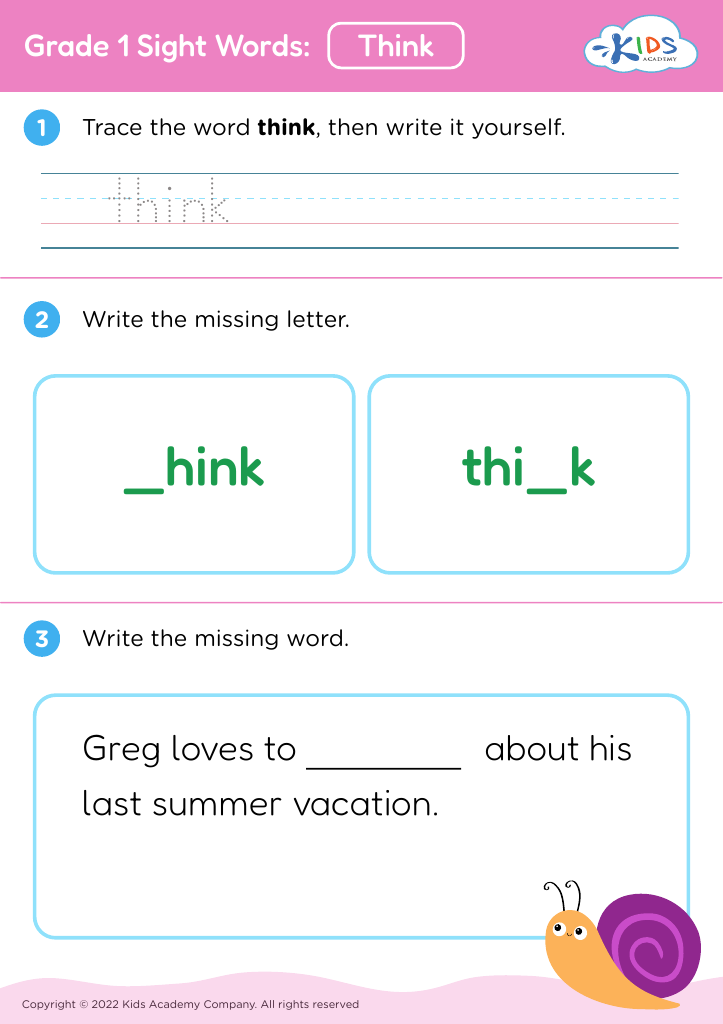
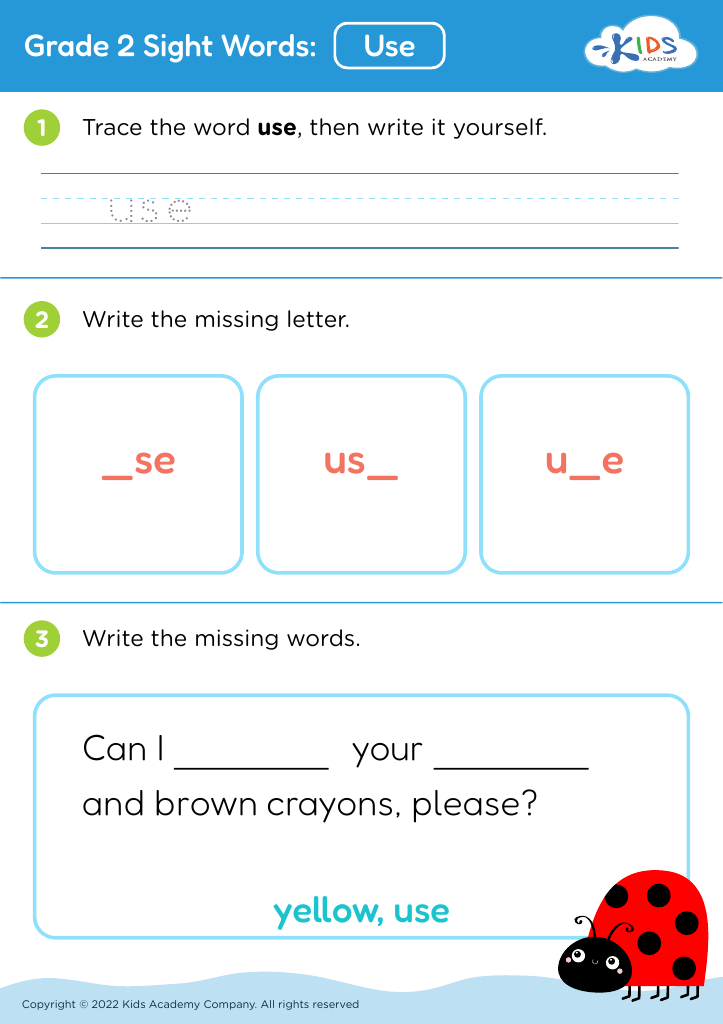
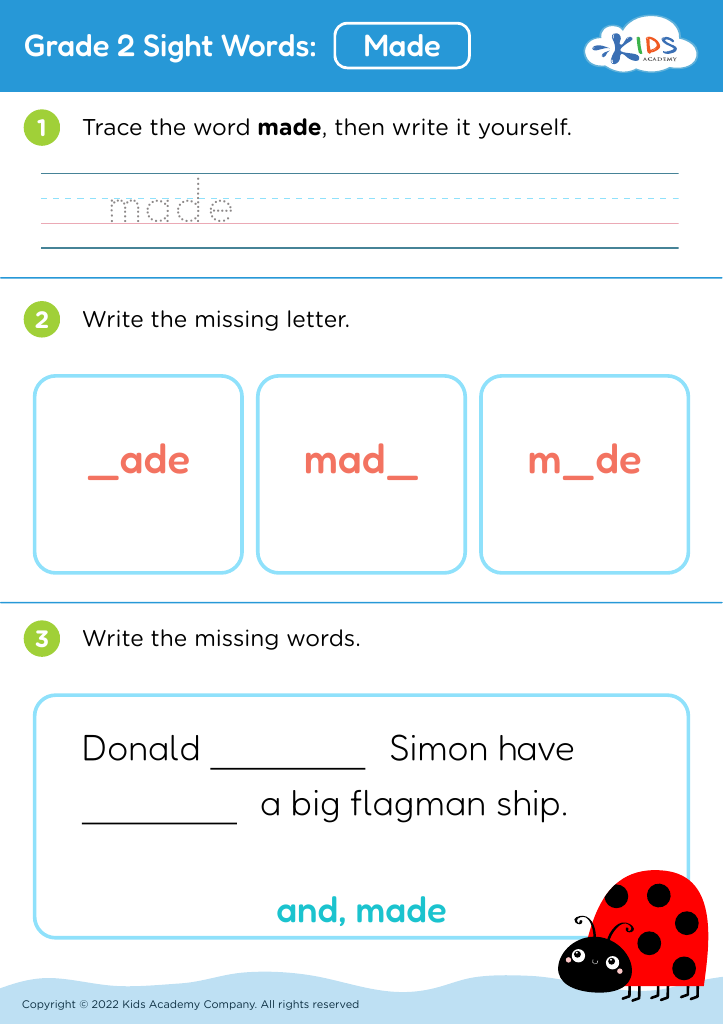
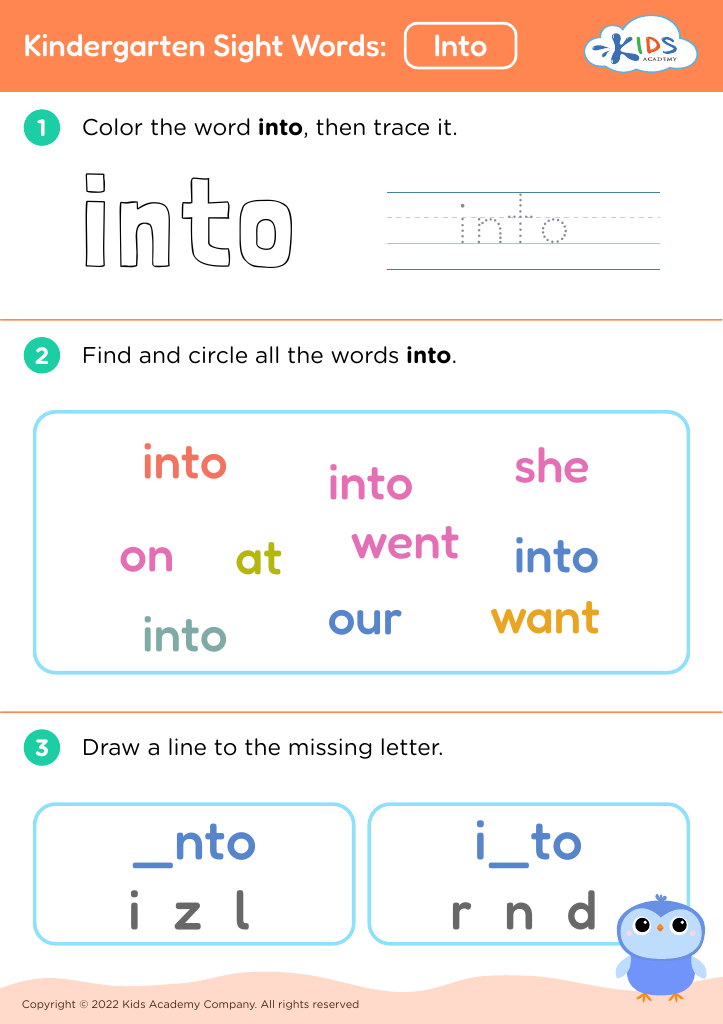
Unlock your child's reading potential with our "Recognizing Patterns Reading Worksheets" tailored for ages 6-7! These engaging worksheets are designed to help young learners identify patterns in language, enhancing their reading comprehension and vocabulary. Discover a variety of fun activities that promote critical thinking and help children recognize familiar sequences in words and sentences. Our resources cater to diverse learning styles, making reading an enjoyable experience for every child. Perfect for classroom use or at-home practice, these worksheets build essential skills that lay the foundation for successful reading and literacy. Enjoy nurturing your child's passion for learning with our interactive materials!
Favorites
With answer key
Interactive
Join Kids Academy for Free
Who is primarily going to use this learning content?







.jpg)
Recognizing patterns is a fundamental skill in early literacy that significantly enhances reading development for children aged 6-7. At this stage, children begin to transition from learning to read to reading for comprehension. When parents and teachers emphasize pattern recognition in reading, they help children identify recurring sequences, structures, and sounds in language. This understanding fosters phonemic awareness, critical for decoding unfamiliar words, thereby improving reading fluency.
Furthermore, recognizing patterns supports children's ability to make predictions about text based on context and familiarity, enhancing their comprehension skills. By spotting phonetic and contextual patterns, children gain confidence in tackling challenging material. This confidence translates to a greater love for reading and a willingness to engage with books.
Moreover, teaching pattern recognition extends beyond reading. It develops critical thinking and problem-solving skills while laying the foundation for mathematical thinking. Patterns exist in numbers, shapes, and various aspects of daily life, making this an essential cognitive skill. Therefore, parents and teachers should prioritize pattern recognition in reading routines to equip children with essential tools for lifelong learning and literacy. Engaging in this practice nurtures their reading abilities, creativity, and overall cognitive growth.








