Shape Recognition Reading Worksheets for Ages 6-7
9 filtered results
-
From - To
Discover our comprehensive Shape Recognition Reading Worksheets tailored for ages 6-7! These expertly designed worksheets blend reading mastery with shape identification, making learning fun and engaging for young minds. Each worksheet presents interactive activities that enhance shape recognition and reinforce reading skills, fostering cognitive development and boosting confidence. Ideal for classroom use or at-home practice, our worksheets make education a delightful adventure. Kids progress at their own pace while you enjoy tracking their growth through guided, drawable exercises. Equip your child with vital skills in an entertaining, educational way—shape their future with our innovative learning tools!
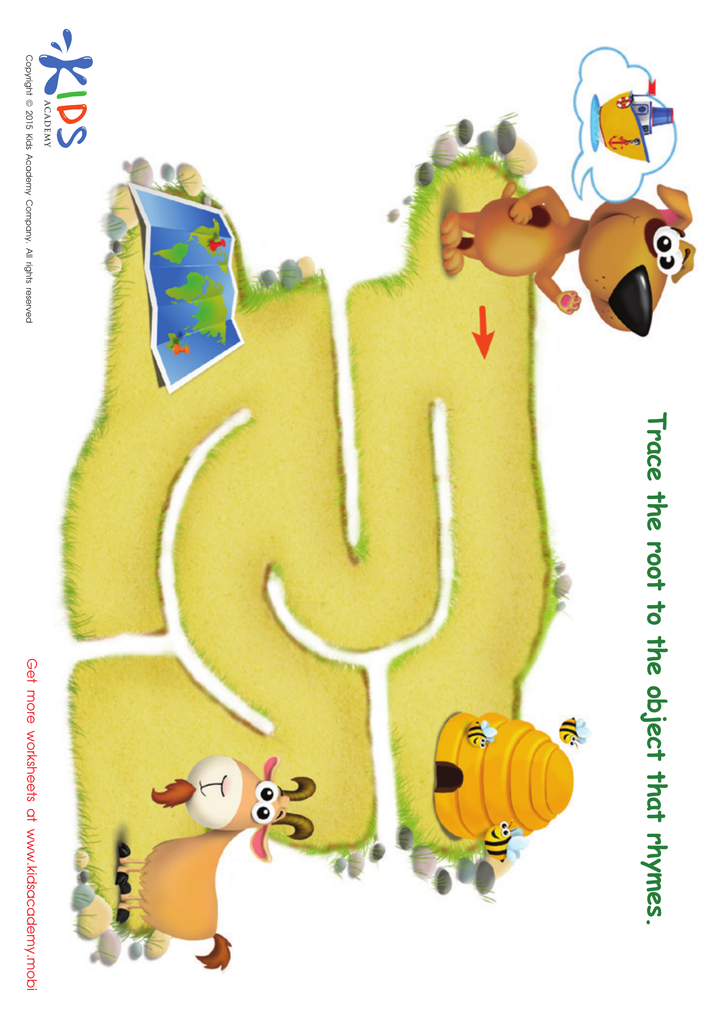
Boat Rhyming Words Worksheet
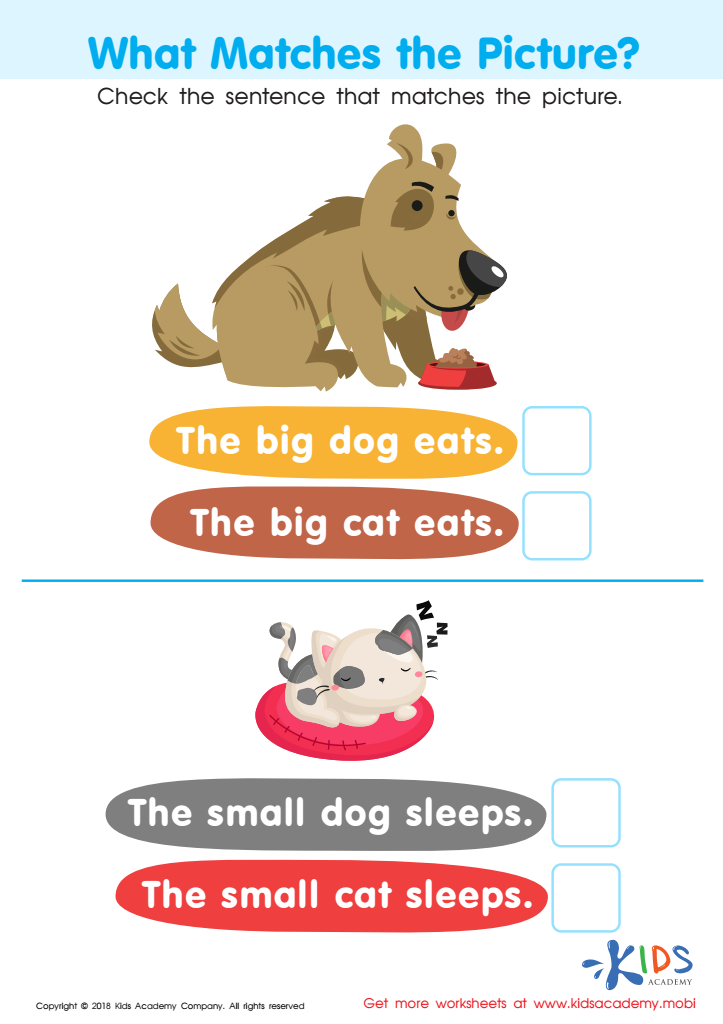
What Matches the Picture? Worksheet
 Assign to My Students
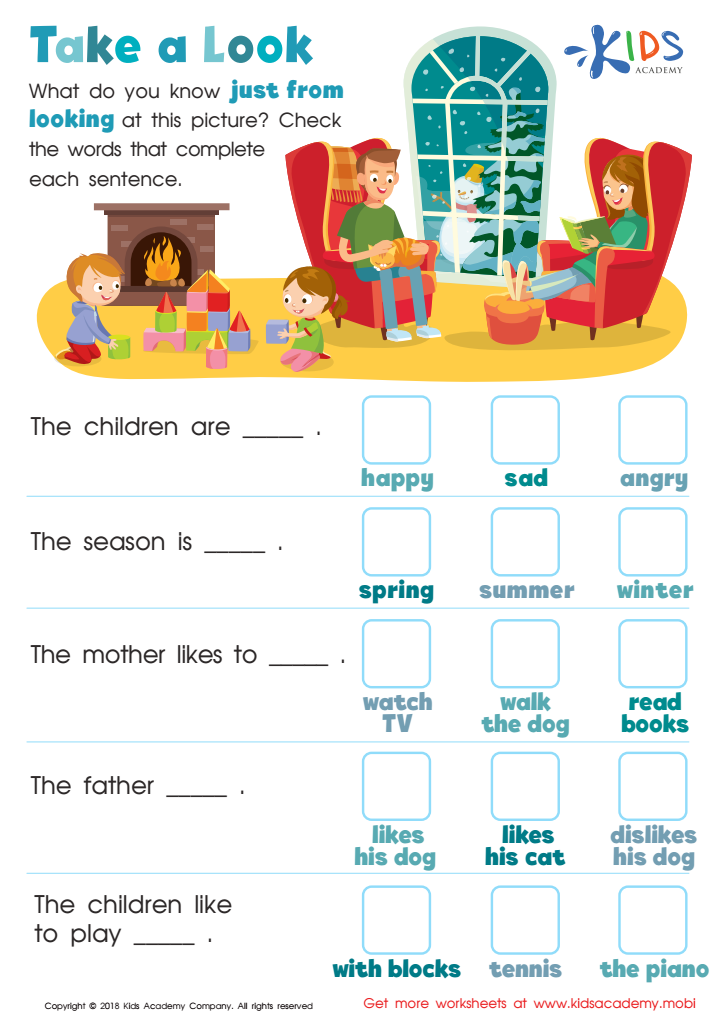
Take a Look - Part 1 Worksheet
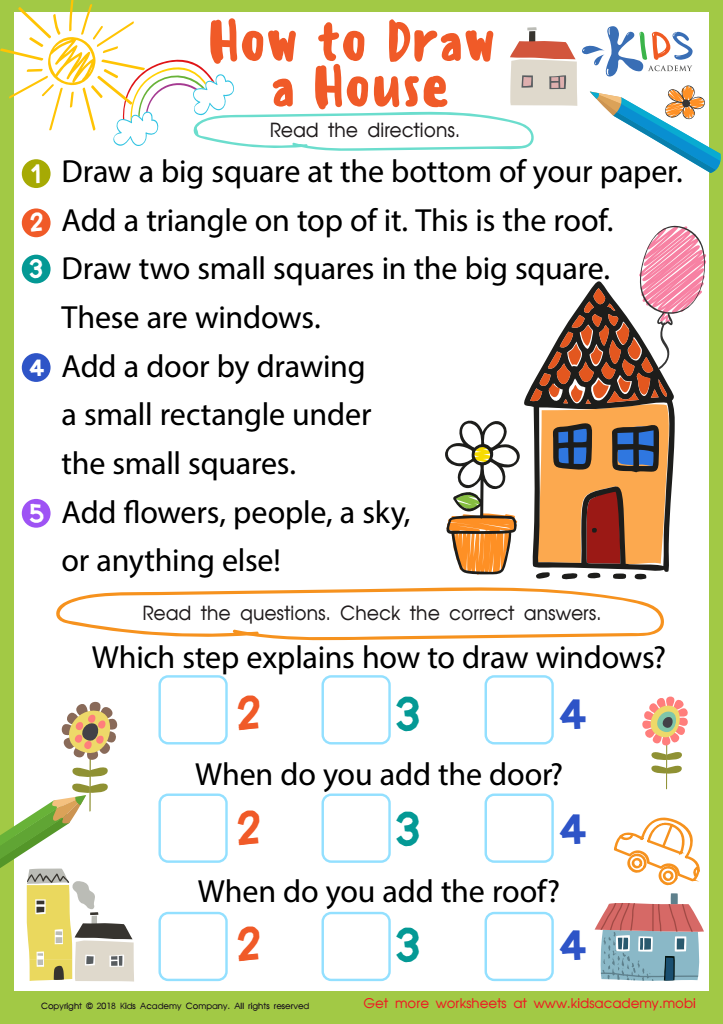
How to Draw House Worksheet
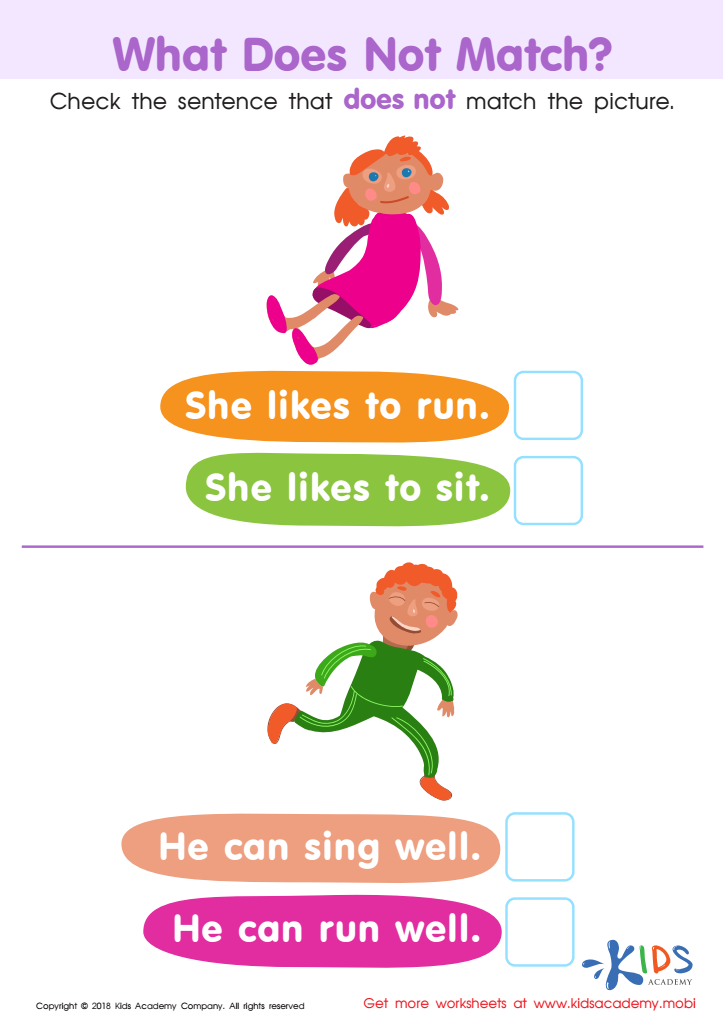
What Does Not Match? Worksheet





.jpg)

Shape recognition is a fundamental skill that serves as a building block for more complex learning and development in young children aged 6-7. Parents and teachers should prioritize shape recognition because it plays a critical role in a child's cognitive development and academic success.
Firstly, recognizing shapes helps children understand and organize the visual world around them. This skill is directly linked to early mathematics; understanding shapes lays the groundwork for geometry. It aids children in grasping concepts like symmetry, spatial reasoning, and the difference between two-dimensional and three-dimensional objects.
Secondly, shape recognition is essential for reading and writing. Many letters and numbers are similar in shape (e.g., b, d, p, q), and being able to distinguish these shapes is crucial for literacy. Recognizing and comparing shapes hones a child's visual discrimination abilities, improving their ability to discern differences and similarities in letters, numbers, and even everyday objects.
Thirdly, shape recognition fosters problem-solving and critical thinking. Patterns and sequences are easier to understand when children can break them down into familiar shapes, so this skill also has applications in science and art.
Finally, shape activities are often hands-on, making them fun and engaging. This keeps children motivated and interested in learning. Therefore, honing shape recognition early on sets the stage for well-rounded intellectual development.








