Vocabulary improvement Reading Worksheets for Ages 6-7
3 filtered results
-
From - To
Enhance your child's vocabulary with our engaging Reading Worksheets designed specifically for ages 6-7! Our resources focus on expanding language skills through fun activities that encourage meaningful word usage. Each worksheet offers interactive exercises that promote comprehension and context, helping young learners grasp new vocabulary effortlessly. From matching words to illustrations to sentence completion, these worksheets are crafted to spark interest and build confidence in reading. Perfect for classroom use or at-home learning, our vocabulary improvement worksheets ensure kids are well-equipped for future literacy success. Discover a world of words today to help your child flourish in their reading journey!
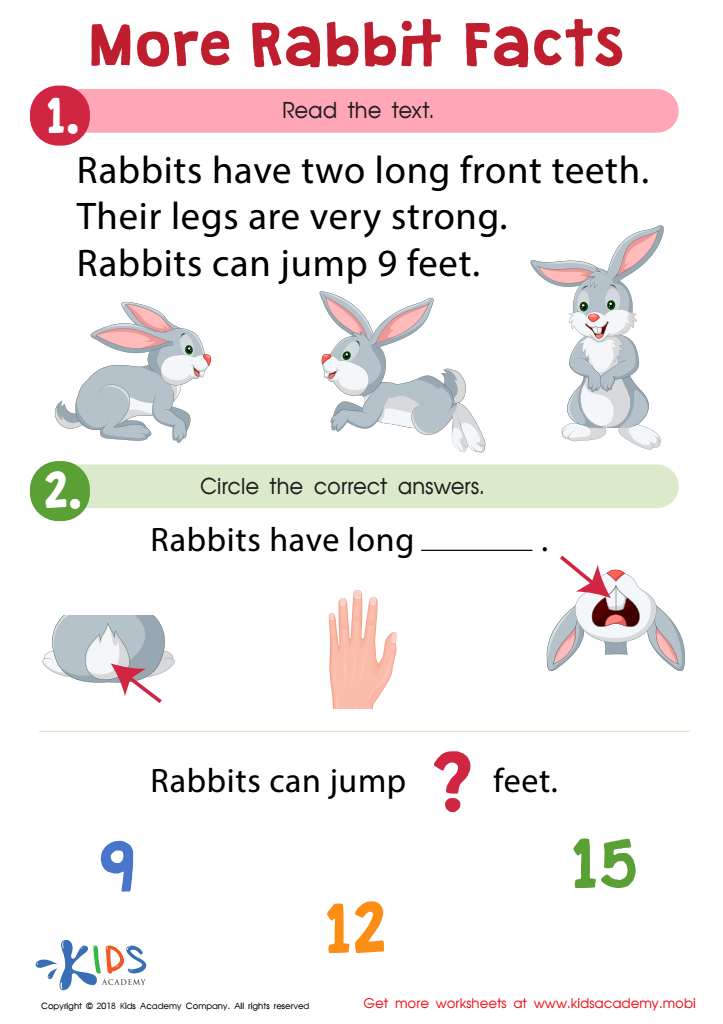
More Rabbit Facts Worksheet
 Assign to My Students
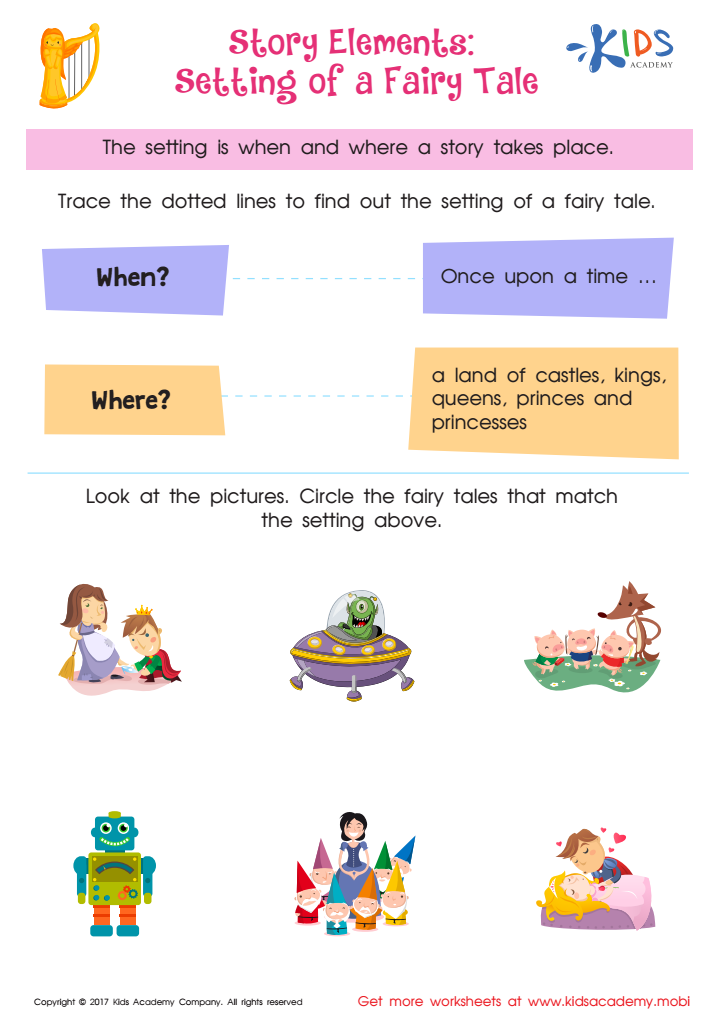
Story Elements: Setting of a Fairy Tale Printable
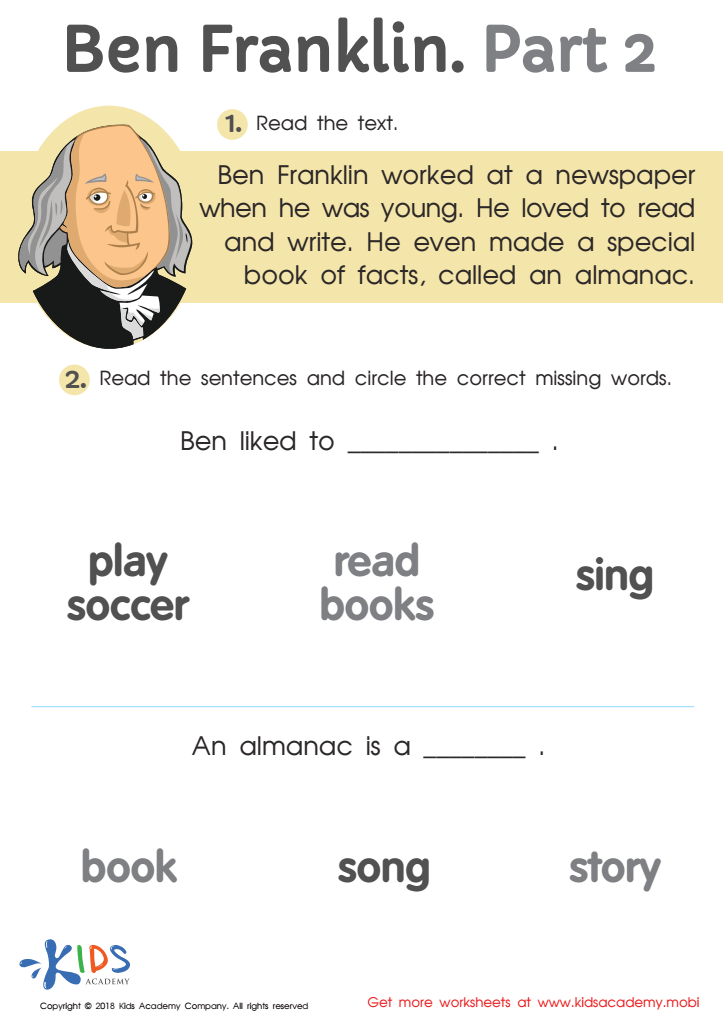
Ben Franklin Part 2 Worksheet








Vocabulary improvement is crucial for children aged 6-7, as it lays the foundation for their reading and overall academic success. At this stage, children are starting to engage with more complex texts and ideas, making a rich vocabulary essential for comprehension and fluency. A strong vocabulary enables them to understand what they read, connect new concepts to prior knowledge, and enhance their ability to express themselves clearly.
Furthermore, vocabulary development fosters critical thinking skills. When children have a broader vocabulary, they can engage in discussions, ask questions, and articulate their thoughts better. This engagement not only promotes literacy but also boosts their confidence, encouraging a love for reading.
Additionally, children who cultivate their vocabulary at a young age are more likely to excel later in school, as reading well is linked to overall academic achievement. Parents and teachers should incorporate vocabulary-building activities, such as reading together, using new words in conversation, and playing word games, into daily routines to support this crucial growth. By prioritizing vocabulary improvement, adults can empower children to become not only proficient readers but also lifelong learners, prepared for future academic challenges.








