Sequencing Skills Reading Comprehension Worksheets for Ages 6-7
6 filtered results
-
From - To
Enhance your child's reading comprehension with our "Sequencing Skills Reading Comprehension Worksheets" designed specifically for ages 6-7. These engaging worksheets help young learners understand the order of events in a story, promoting critical thinking and logic skills. Each activity features colorful illustrations and simple texts, making learning fun and interactive. As children practice sequencing, they improve their ability to recall and organize information, crucial skills for overall literacy development. Perfect for homeschoolers or classroom use, our worksheets foster a love for reading while reinforcing essential comprehension skills. Dive into an exciting world of stories, and watch your child's understanding flourish!
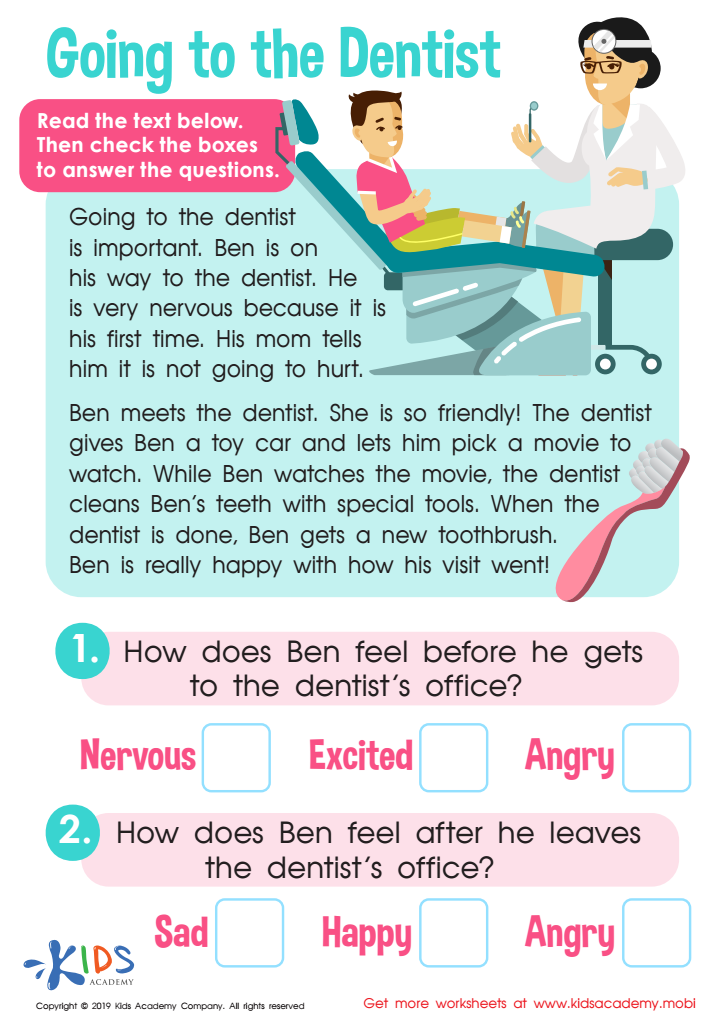
Going to the Dentist Worksheet
 Assign to My Students
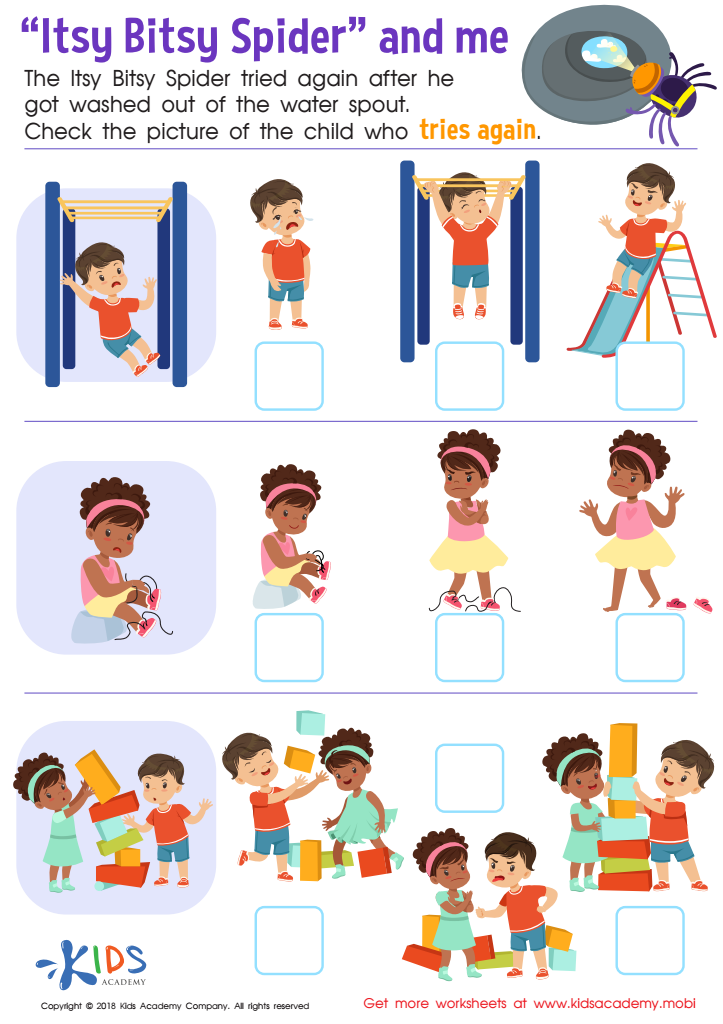
Itsy Bitsy Spider and Me Worksheet
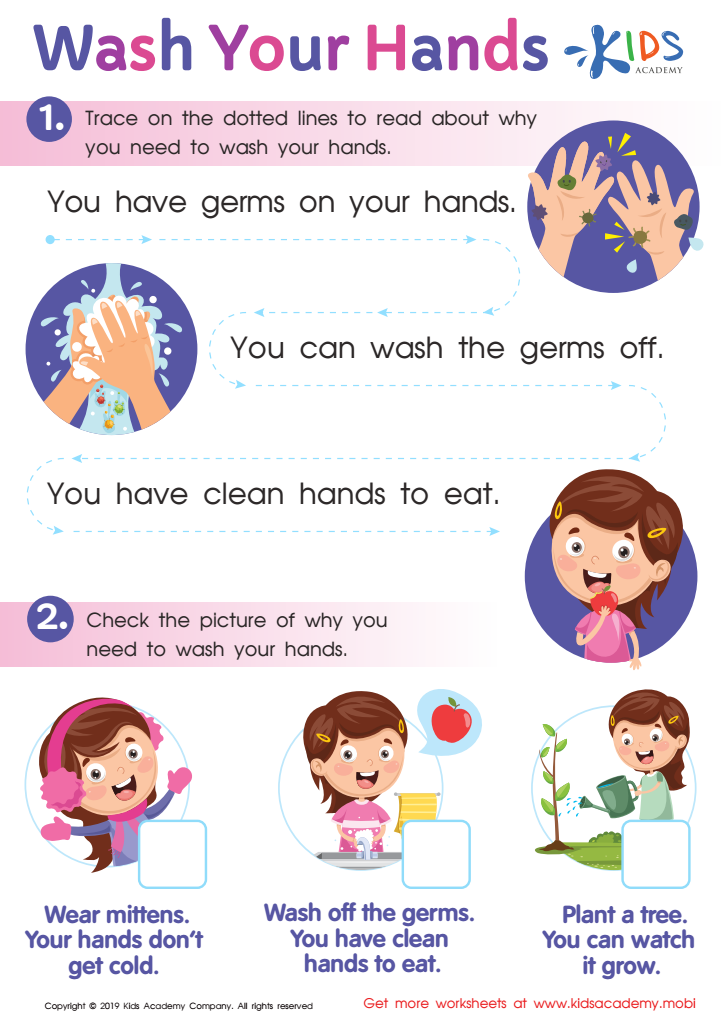
Wash Your Hands Worksheet
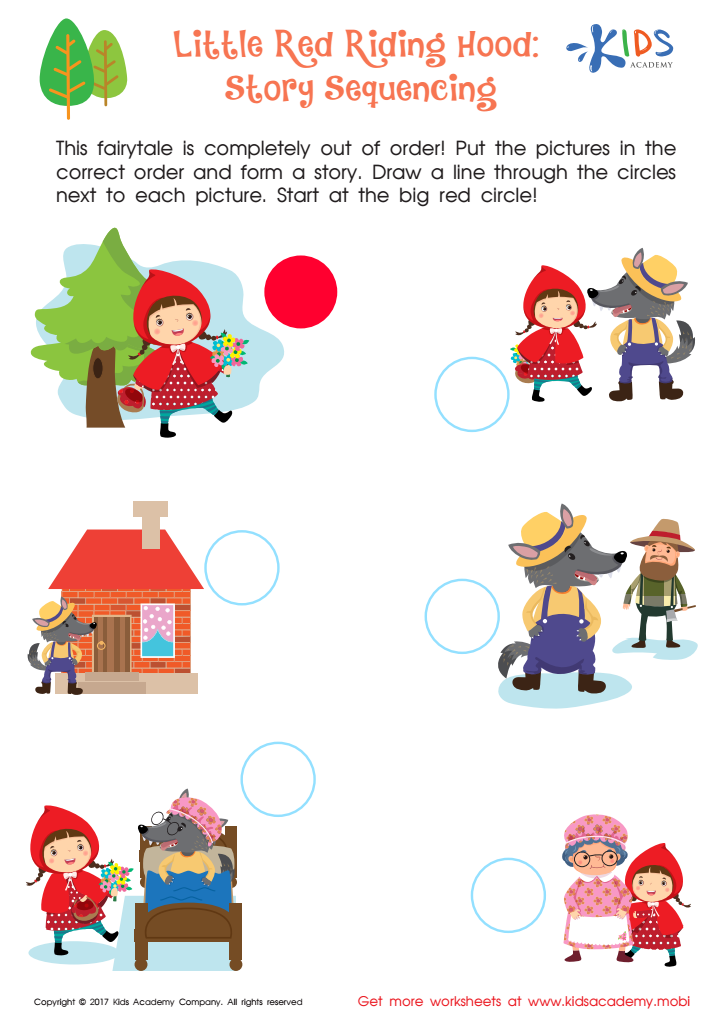
Story Sequencing Printable
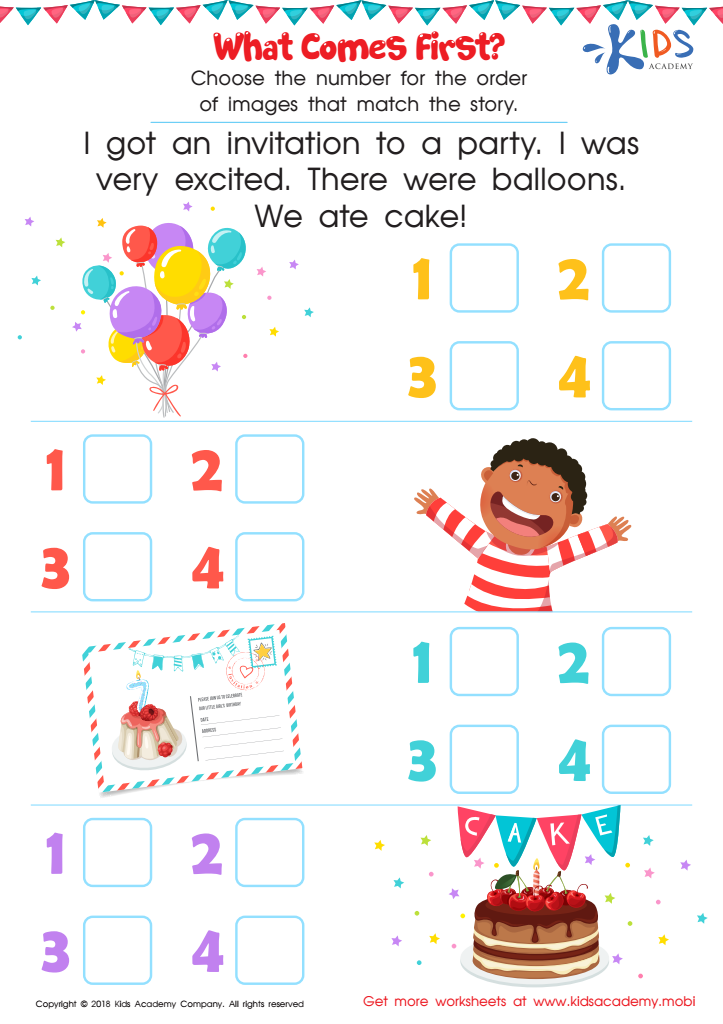
What Comes First Worksheet
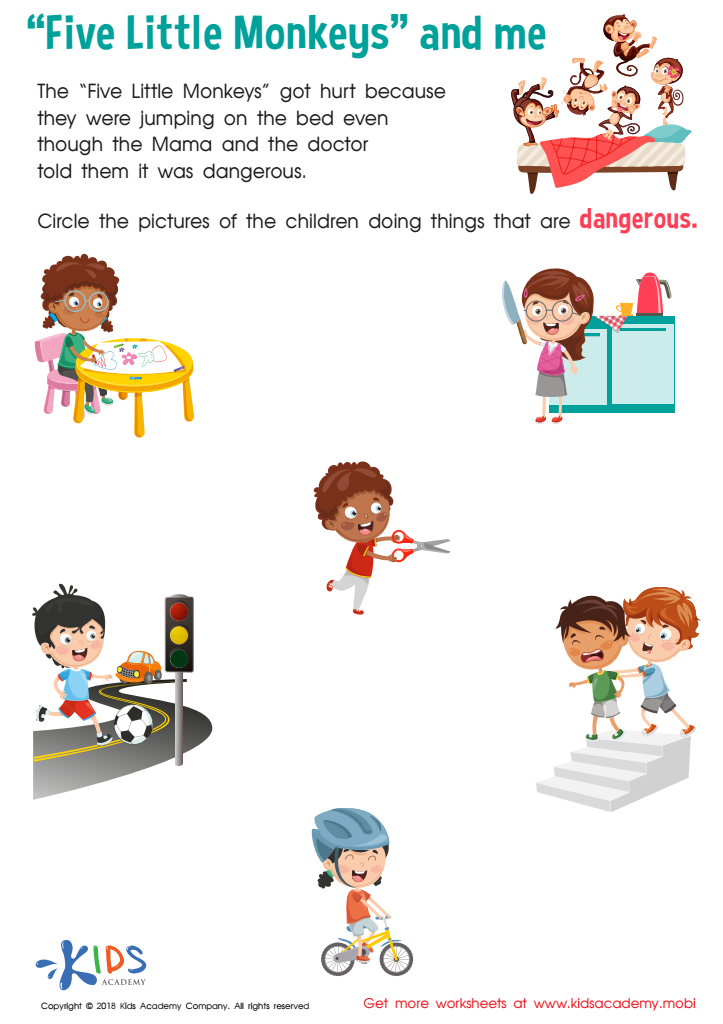
Five Little Monkeys and Me Worksheet








Sequencing skills are crucial for developing reading comprehension in children aged 6-7. At this age, children are transitioning from learning to read to reading to learn. Understanding the order of events in a story helps them grasp the narrative structure and enhances their ability to retell or summarize the content. When children can identify what happened first, next, and finally, they engage more deeply with the text, improving retention and comprehension.
Parents and teachers should care about sequencing skills because they lay the foundation for critical thinking and problem-solving abilities. Strong sequencing skills contribute to various literacy goals; they help children make predictions, understand cause-and-effect relationships, and decipher complex texts as they advance in their reading journey. Additionally, these skills foster confidence, enabling children to discuss stories and express their thoughts clearly.
Moreover, good sequencing is linked with improved writing skills. Children who can organize thoughts logically are better equipped to craft coherent narratives and essays. Therefore, nurturing sequencing skills not only enhances reading comprehension but also supports overall cognitive development and academic success, making it a vital focus for parents and educators during the early learning years.








