Counting practice Science Worksheets for Ages 6-7
5 filtered results
-
From - To
Explore our Counting Practice Science Worksheets designed specifically for ages 6-7! These engaging, printable worksheets seamlessly combine science concepts with fundamental counting skills, making learning both fun and educational. Your child will develop critical thinking and problem-solving abilities as they identify patterns, count objects, and explore scientific themes. From counting animals in their habitats to measuring plant growth, each worksheet offers interactive opportunities that spark curiosity about the world. Ideal for home or classroom use, these resources foster a comprehensive understanding of numbers and their applications in science. Start enhancing your child’s learning journey today with our dynamic counting worksheets!
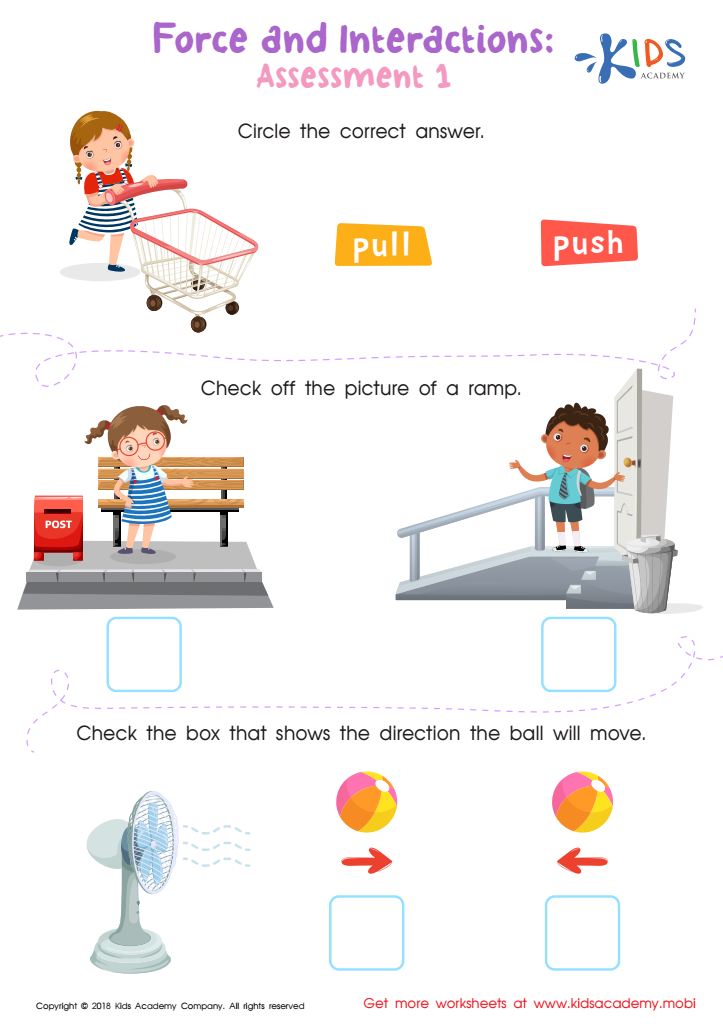
Force and Interactions: Assessment 1 Worksheet
 Assign to My Students
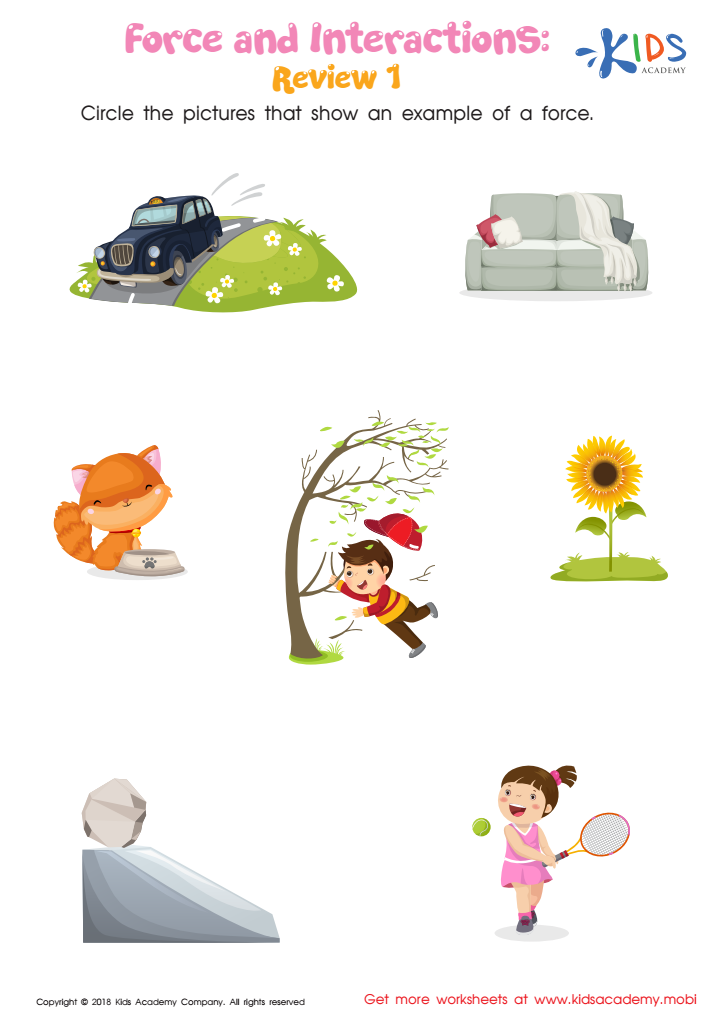
Force and Interactions: Review 1 Worksheet
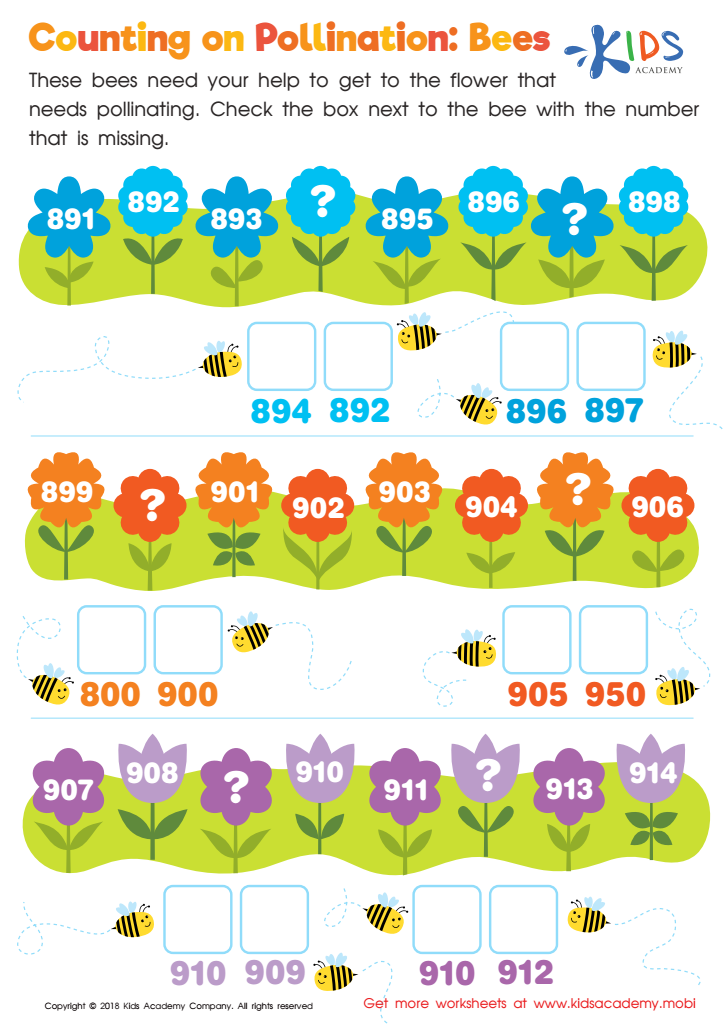
Counting on Pollination: Bees Worksheet
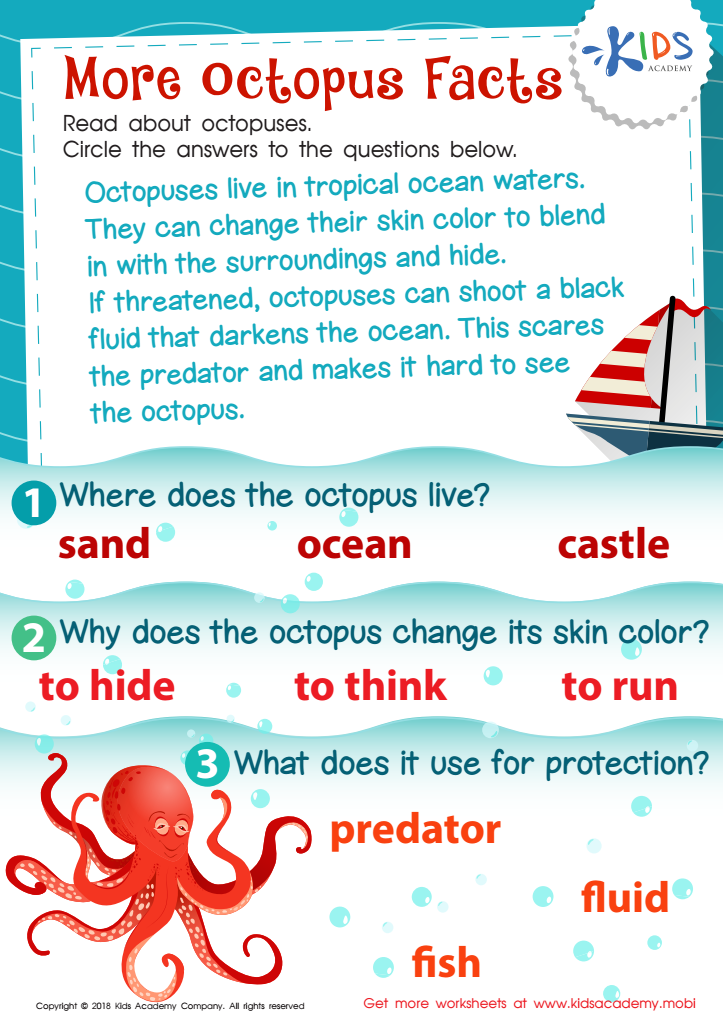
More Octopus Facts Worksheet







Counting practice in Science for children aged 6-7 is crucial for several reasons. At this developmental stage, students are cementing foundational math skills, and incorporating counting within scientific contexts enhances their understanding of both disciplines. When children engage in counting activities tied to scientific concepts—like measuring the number of plants in a garden or counting different types of animals—they not only practice numeracy but also grasp essential scientific principles such as observation, measurement, and classification.
Moreover, integrating counting into science fosters critical thinking and problem-solving skills. As children analyze data and draw conclusions based on their counting activities, they develop the ability to approach problems methodically. This dual focus encourages a curiosity about the world around them as they see the real-life applications of their counting skills.
Engaging with counting practice in science also supports language development. Children learn to articulate their observations and results, thus enhancing their communication skills. Teachers and parents should care about this approach because it encourages a holistic development—fusing cognitive skills with a sense of wonder about nature. By doing so, they help nurture well-rounded learners who are prepared for future academic challenges and instilling a lifelong passion for both mathematics and science.







