Science knowledge Science Worksheets for Ages 6-7
3 filtered results
-
From - To
Discover "Science Knowledge Worksheets for Ages 6-7" by Kids Academy, crafted to ignite curiosity in young minds! These engaging worksheets make learning fun, covering essential scientific concepts through delightful activities. Children will explore topics like seasons, plant life cycles, animal habitats, and basic physics principles, all designed to align with educational standards. Each worksheet blends interactive tasks, colorful visuals, and age-appropriate challenges, creating an immersive experience that fosters critical thinking and a love for science. Perfect for classroom use or home enrichment, these worksheets help children build a strong foundation in science knowledge and inquiry skills. Start the adventure today!
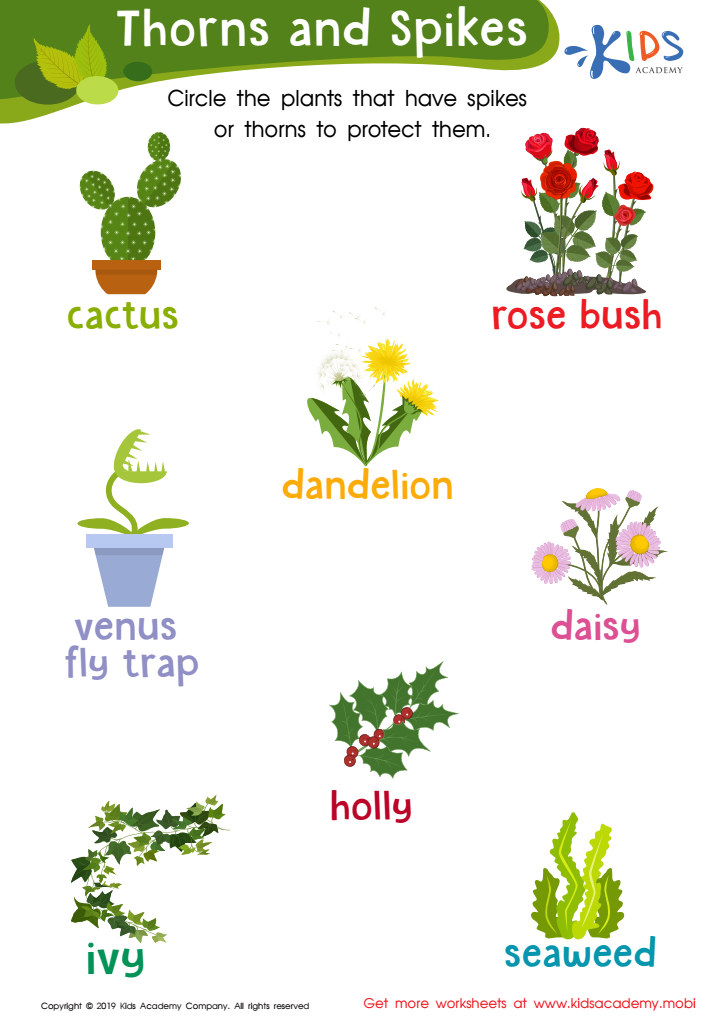
Thorns and Spikes Worksheet
 Assign to My Students
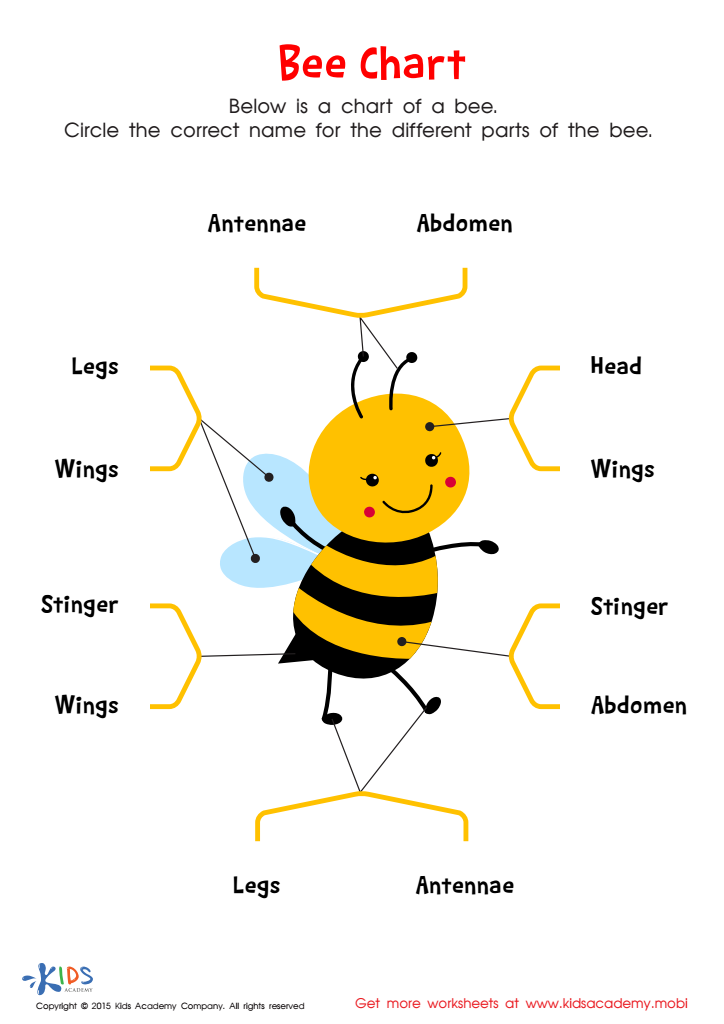
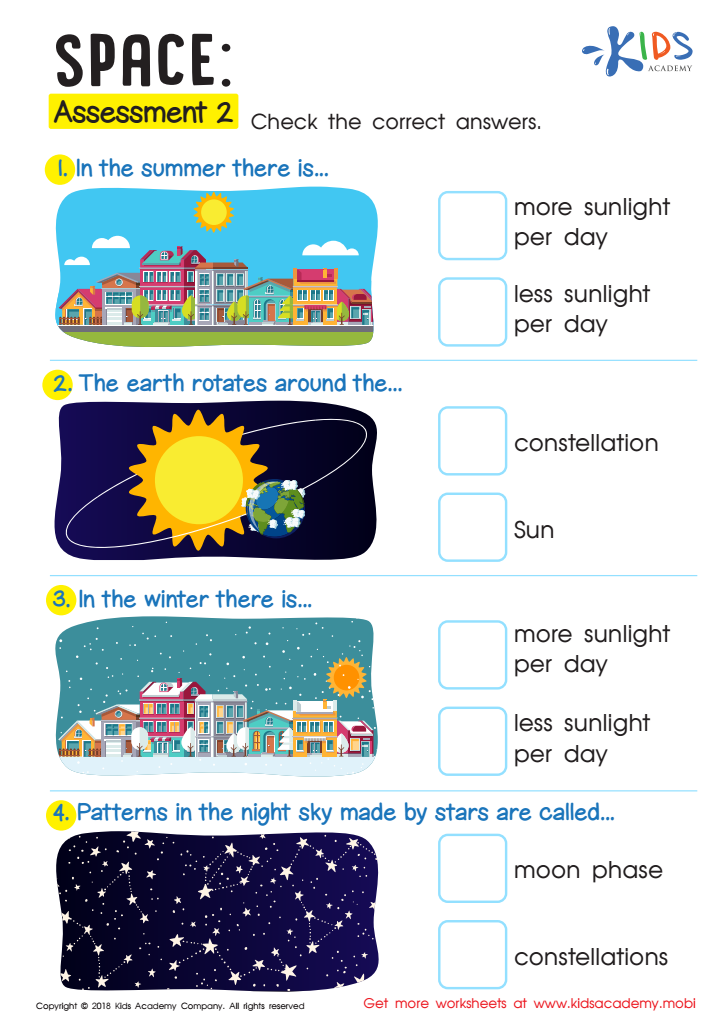
Space: Assessment 2 Worksheet






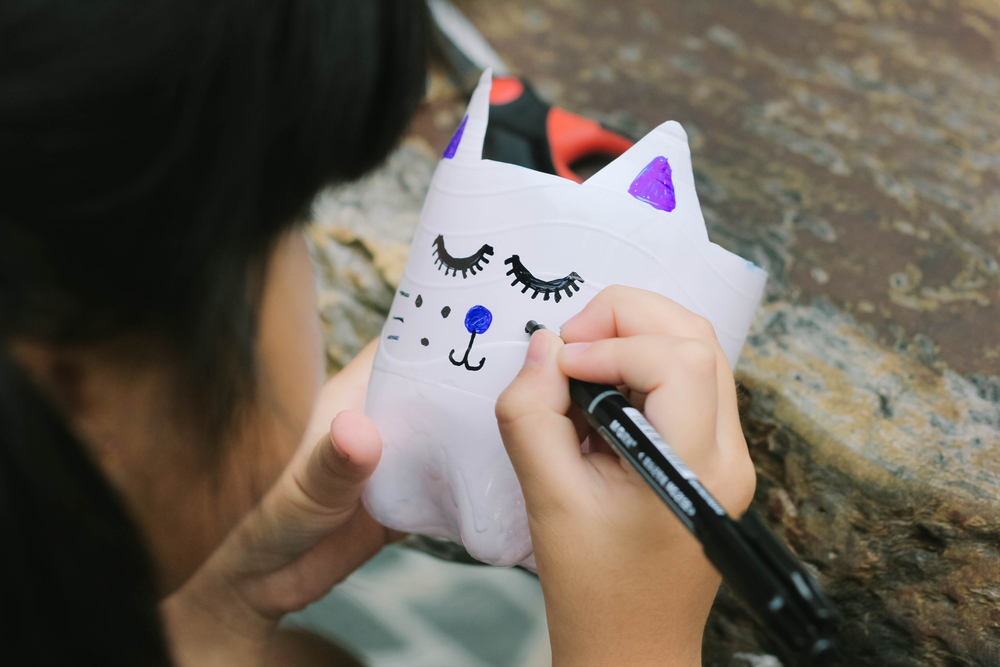
Parents and teachers should prioritize science knowledge for children aged 6-7 because these crucial early years lay the foundation for lifelong learning and curiosity. At this age, kids are naturally curious and eager to explore the world around them. Introducing basic scientific concepts lets them harness this curiosity in a structured way, fostering critical thinking and problem-solving skills.
Science education at this early stage can also help children develop a love for learning. Fun experiments and hands-on activities capture kids' imaginations, making learning enjoyable. This positive association with learning can carry forward into later years of academic pursuit.
Moreover, science knowledge contributes to cognitive development. Understanding concepts like gravity, weather, and plants' life cycles enhances children's ability to make connections and understand cause-and-effect relationships. These skills are not only vital in science but are also applicable across various subjects and real-life scenarios.
Lastly, early science education promotes social development. Participating in group activities and experiments teaches cooperation, communication, and sharing. Parents and teachers play a crucial role in nurturing these skills, creating a balanced and well-rounded individual prepared for future challenges. Thus, investing in science education at ages 6-7 is an investment in the child's overall development and success.







