Understanding pollination Science Worksheets for Ages 6-7
3 filtered results
-
From - To
Explore the fascinating world of pollination with our engaging "Understanding Pollination Science Worksheets" designed specifically for ages 6-7. These interactive worksheets will introduce young learners to the essential role of pollinators in nature, helping them understand how plants reproduce and the importance of bees, butterflies, and other creatures in this process. Filled with vivid illustrations and easy-to-follow activities, these resources promote critical thinking and creativity, making science fun and accessible. Perfect for at-home learning or classroom use, these worksheets will inspire curiosity about the environment and encourage a love for science in your child. Download and watch them thrive!
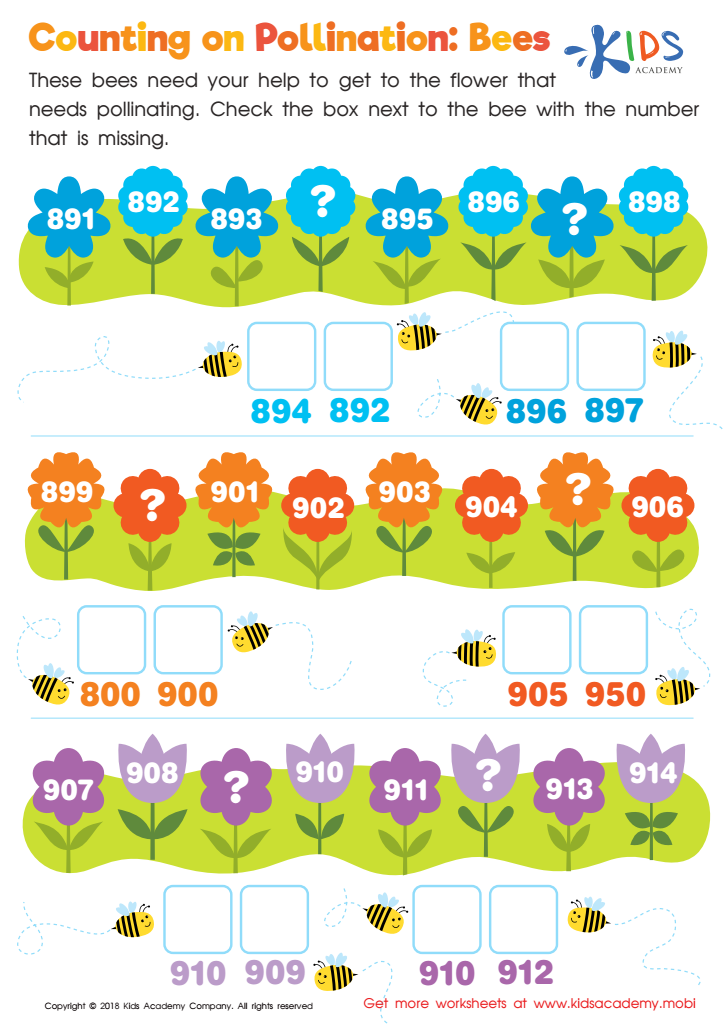
Counting on Pollination: Bees Worksheet
 Assign to My Students
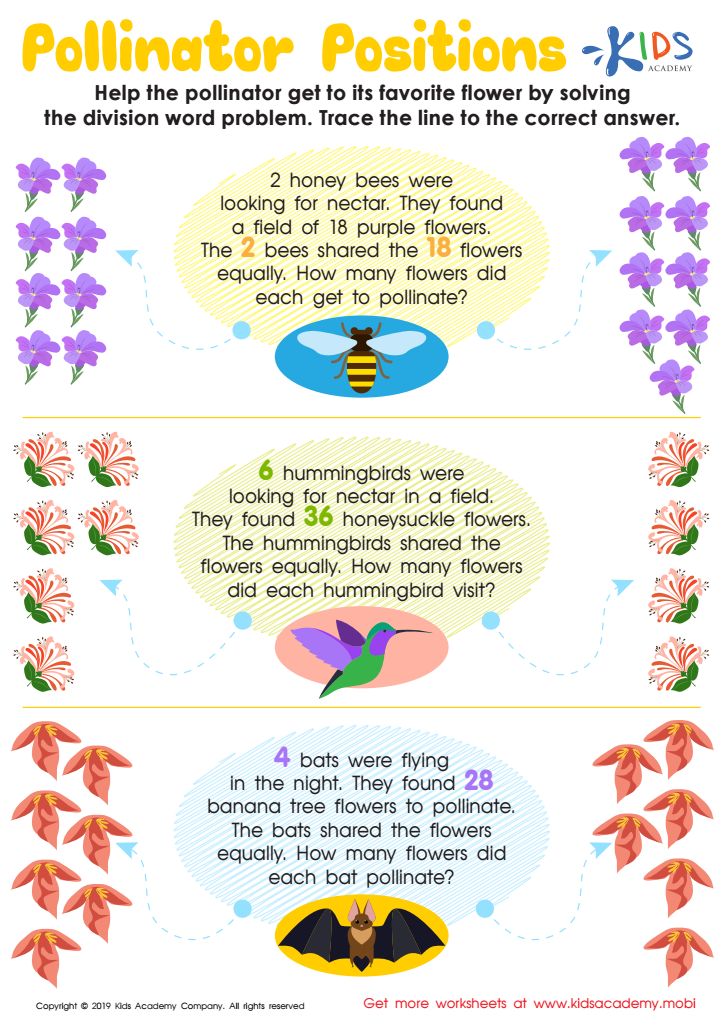
Pollinator Positions Worksheet
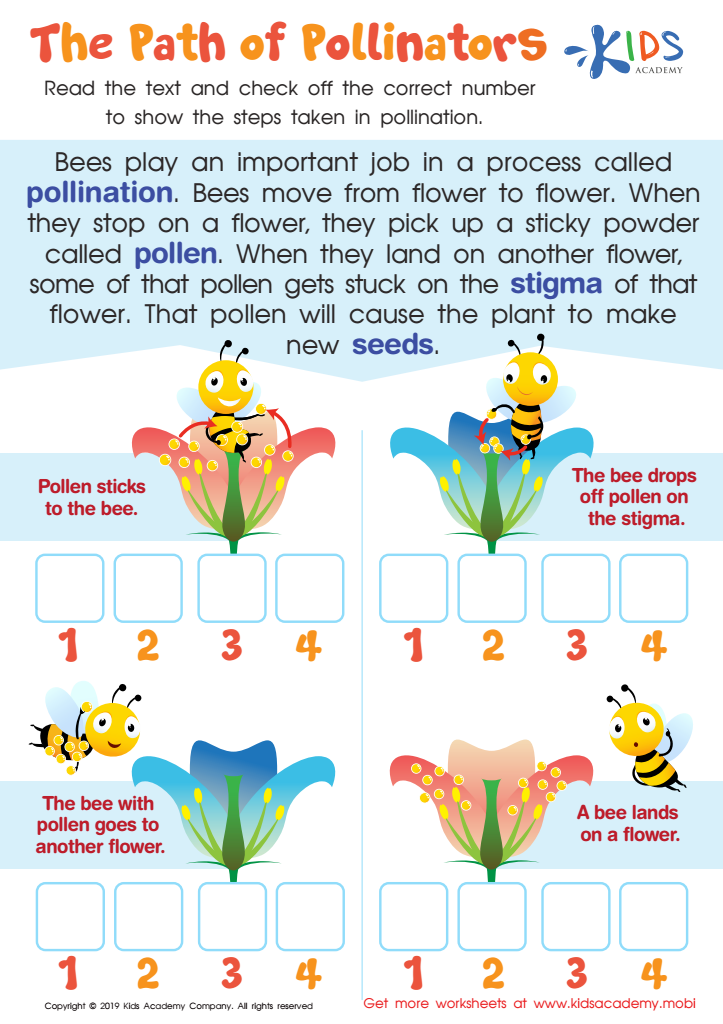
The Path of Pollinators Worksheet




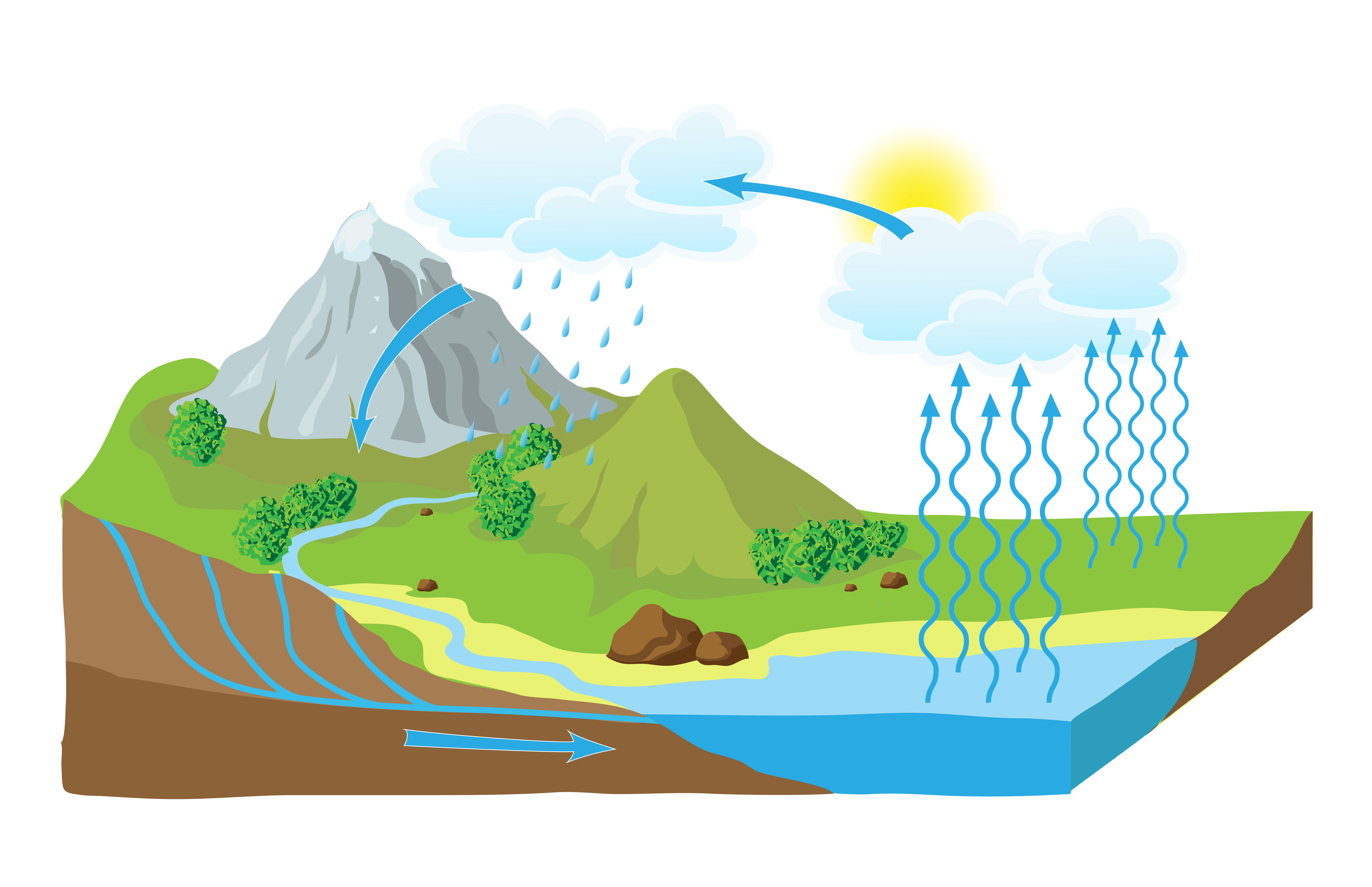



Understanding pollination is essential for parents and teachers working with children aged 6-7, as it lays the groundwork for a deeper appreciation of nature and science. Pollination is a fundamental process in the life cycle of plants, crucial for producing fruits, vegetables, and flowers. By teaching young learners about pollination, we can foster a sense of curiosity about the environment and its ecosystems.
Engaging with this topic also offers opportunities for hands-on learning; children can explore gardens, observe bees and butterflies, or even plant seeds to witness growth firsthand. This experience enhances their observational skills and instills a sense of responsibility towards nature. Furthermore, understanding pollination helps children recognize how interconnected our food system is and the importance of protecting wildlife and habitats.
Moreover, incorporating pollination science into education aligns with STEM (Science, Technology, Engineering, Mathematics) initiatives, encouraging critical thinking and problem-solving skills. In turn, these lessons can inspire future scientists and environmental stewards. Emphasizing pollination also sparks meaningful conversations between parents and children, reinforcing family connections through shared learning, thus promoting a holistic approach to education about nature and sustainability.







