Vocabulary enhancement History Worksheets for Ages 6-7
3 filtered results
-
From - To
Discover our engaging vocabulary enhancement history worksheets designed specifically for children ages 6-7. These interactive resources aim to enrich young learners' vocabulary while exploring exciting historical themes. Each worksheet features age-appropriate activities that combine fun and education, allowing kids to connect new words to significant historical events and figures. With vibrant illustrations and easy-to-follow tasks, students will boost their language skills and ignite their curiosity about the past. Ideal for classroom use or at-home learning, our worksheets encourage critical thinking, creativity, and a love for history. Empower your child’s learning journey today with our captivating vocabulary adventure!
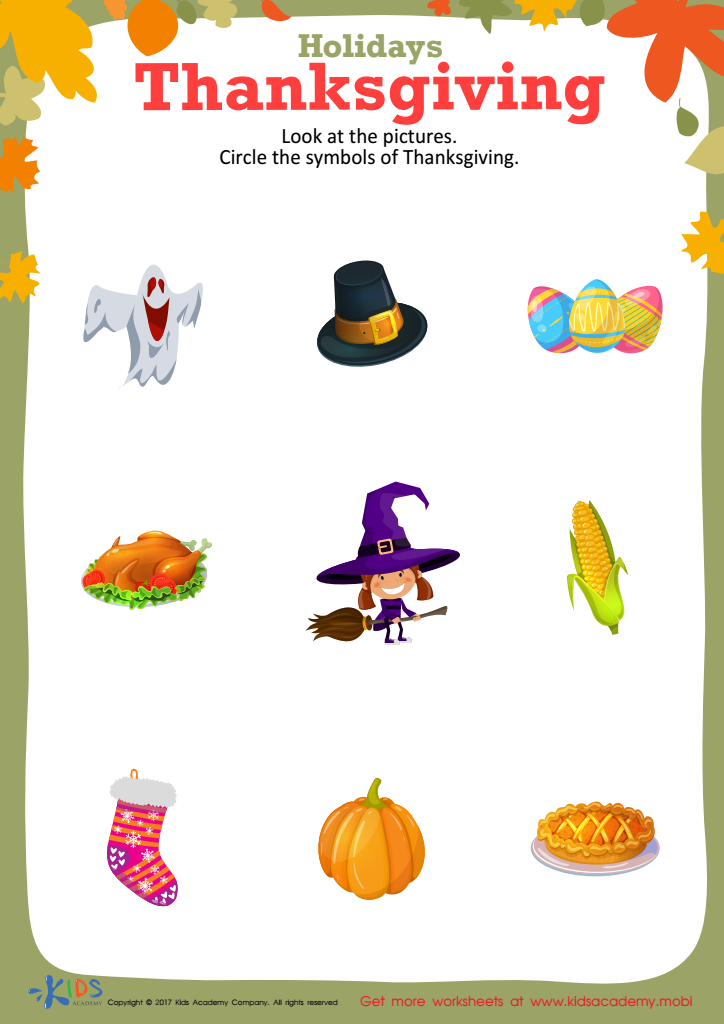
Thanksgiving Holiday Printable
 Assign to My Students
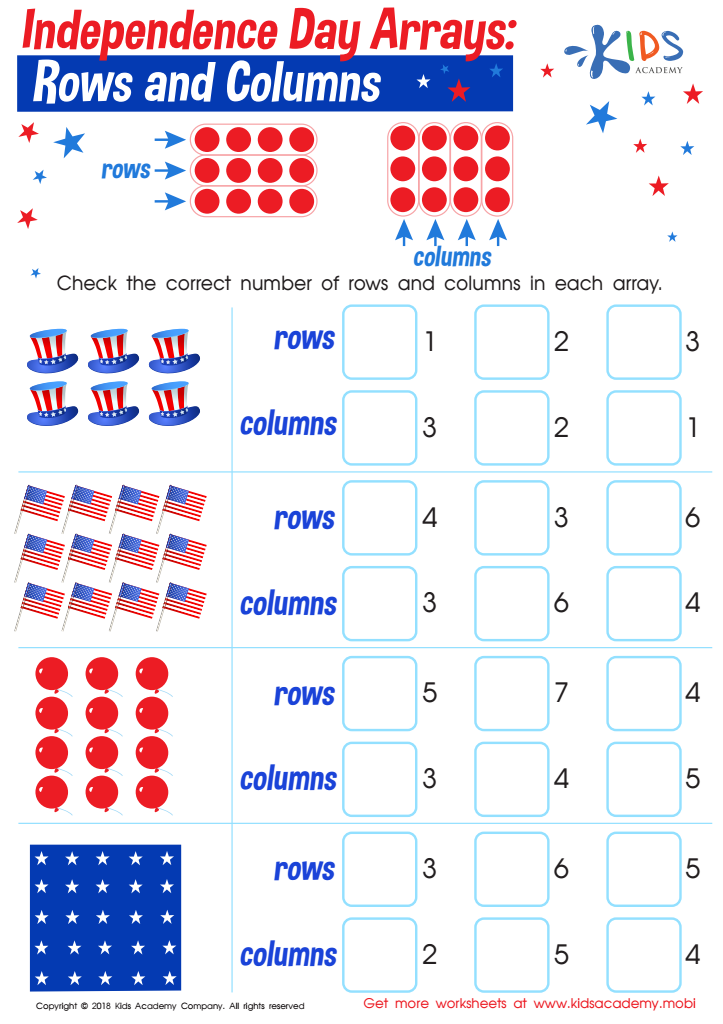
Independence Day Arrays: Rows and Columns Worksheet
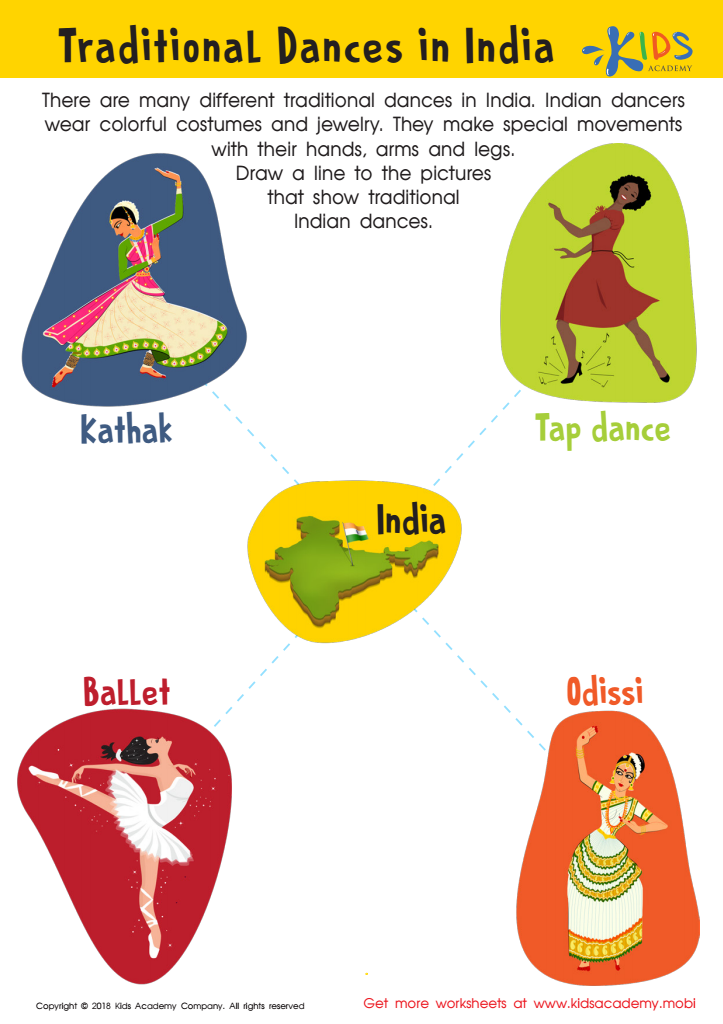
Traditional Dances in India Worksheet





.jpg)


Vocabulary enhancement is crucial for children aged 6-7, as it lays a strong foundation for their overall literacy and communication skills. At this age, students are transitioning from early reading to more complex texts and learning to express their thoughts. A rich vocabulary not only aids in reading comprehension but also stimulates critical thinking and creativity.
Parents and teachers should focus on vocabulary enhancement during these formative years because it impacts academic success and personal development. Engaging children in conversations about new words, context usage, and meanings can make language learning enjoyable and effective. By fostering a robust vocabulary, educators and caregivers help children articulate their ideas clearly, boosting their confidence in both oral and written communication.
Moreover, a well-developed vocabulary enables children to understand classroom instructions better and participate actively, which is vital for their social and emotional growth. Providing a stimulating language-rich environment, through activities such as storytelling, reading diverse literature, and interactive discussions aids in vocabulary acquisition.
Investing time and resources to enhance vocabulary in young learners ultimately equips them with essential tools for academic achievement and lifelong learning. Therefore, it is essential for parents and teachers to prioritize vocabulary development during this critical stage.