Color recognition Social Studies Worksheets for Ages 6-7
5 filtered results
-
From - To
Enhance your child's learning experience with our engaging Color Recognition Social Studies Worksheets, perfect for ages 6-7! These worksheets are designed to help young learners explore colors while incorporating essential social studies concepts. Kids will practice identifying and naming colors through fun, interactive activities that connect with their surroundings and cultural understanding. Our resources are crafted to support early education goals, stimulate cognitive growth, and promote creative thinking. Each worksheet features vibrant visuals and age-appropriate content, making learning enjoyable and effective. Foster a love for learning and help your child gain confidence in color recognition and social studies with our downloadable worksheets today!

Happy Diwali Printable
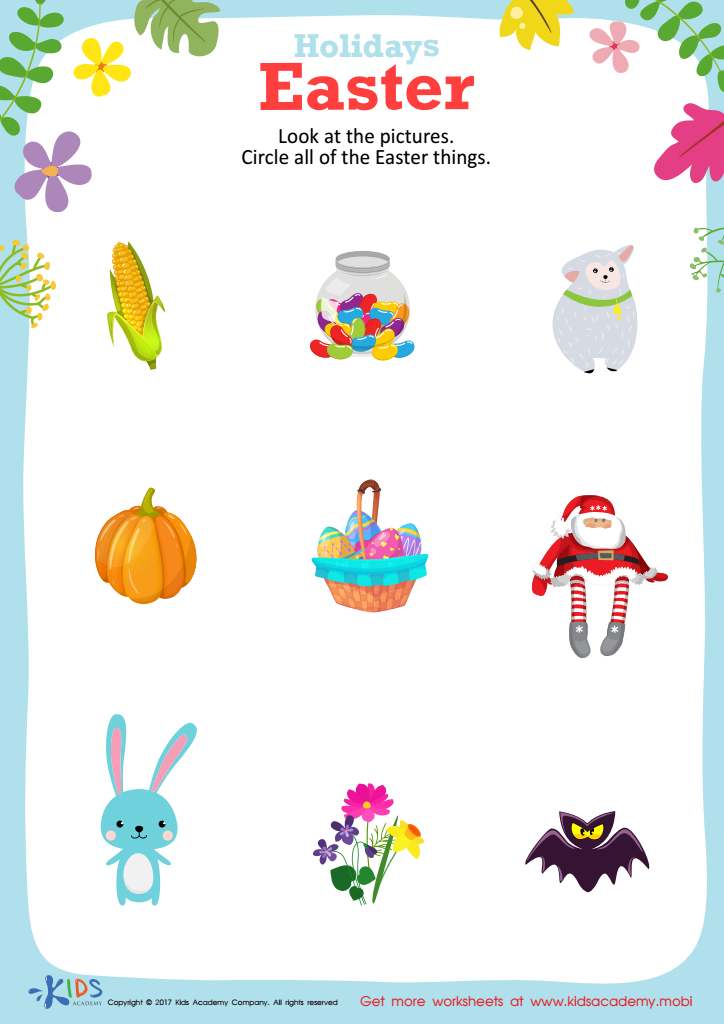
Easter Holiday Printable

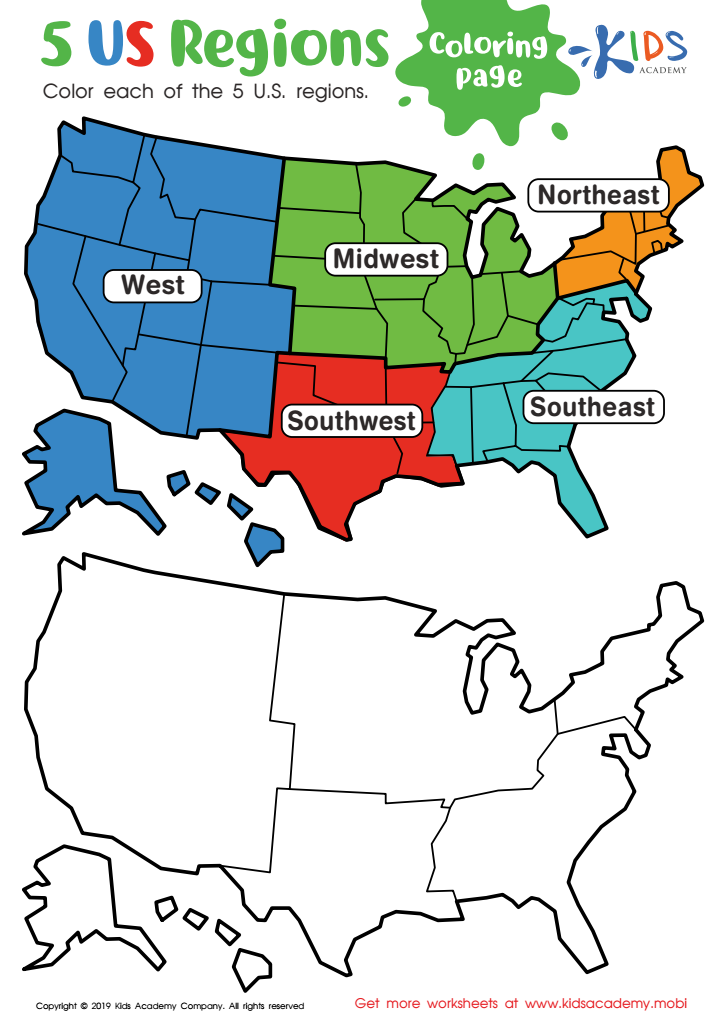
US Regions Coloring Page Worksheet
 Assign to My Students

Globe Coloring Page Worksheet
Assign to My Students








Color recognition in Social Studies for ages 6-7 plays an essential role in a child's cognitive and social development. At this age, children are not only developing their sensory skills but also their ability to identify and group various aspects of the world around them. Understanding colors enhances their awareness of different cultures, traditions, and symbols, making learning more relatable and engaging. For example, children can learn about various flags, national costumes, and cultural artifacts that are often color-specifically significant, broadening their global perspective.
Additionally, color recognition reinforces critical thinking and categorization skills. When children learn to identify colors in the context of social studies, they make connections between color and its meanings or the emotions it evokes, thus enhancing comprehension. Teachers and parents can use this opportunity to introduce discussions around diversity, encouraging children to appreciate differences in cultural representations.
Moreover, integrating color recognition into Social Studies allows for interactive and creative learning activities, such as making posters or collages that explore different cultures. This engagement fosters teamwork and communication as children work together, thereby building essential social skills. In essence, recognizing and understanding colors helps lay a foundation for deeper learning and social awareness in children.