Handwriting practice Social Studies Worksheets for Ages 6-7
6 filtered results
-
From - To
Enhance your child's writing and social studies skills with our "Handwriting Practice Social Studies Worksheets for Ages 6-7." These engaging, educational worksheets integrate penmanship practice with fundamental social studies topics. Students will refine their handwriting while exploring essential subjects such as community helpers, map skills, and cultural traditions. Perfect for reinforcing classroom learning or extra practice at home, these worksheets are designed to build confidence and proficiency in both writing and social studies for young learners. Encourage your child to master their handwriting while fostering a deeper understanding of the world around them with our expert-designed resources.
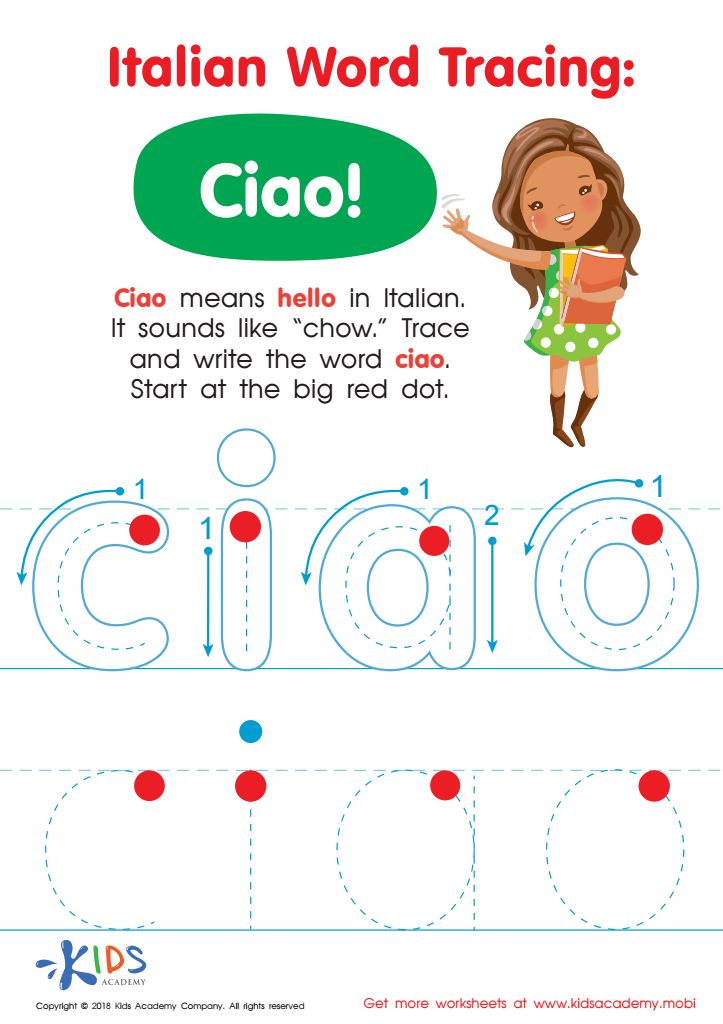
Italian Word Tracing: Ciao Worksheet
 Assign to My Students
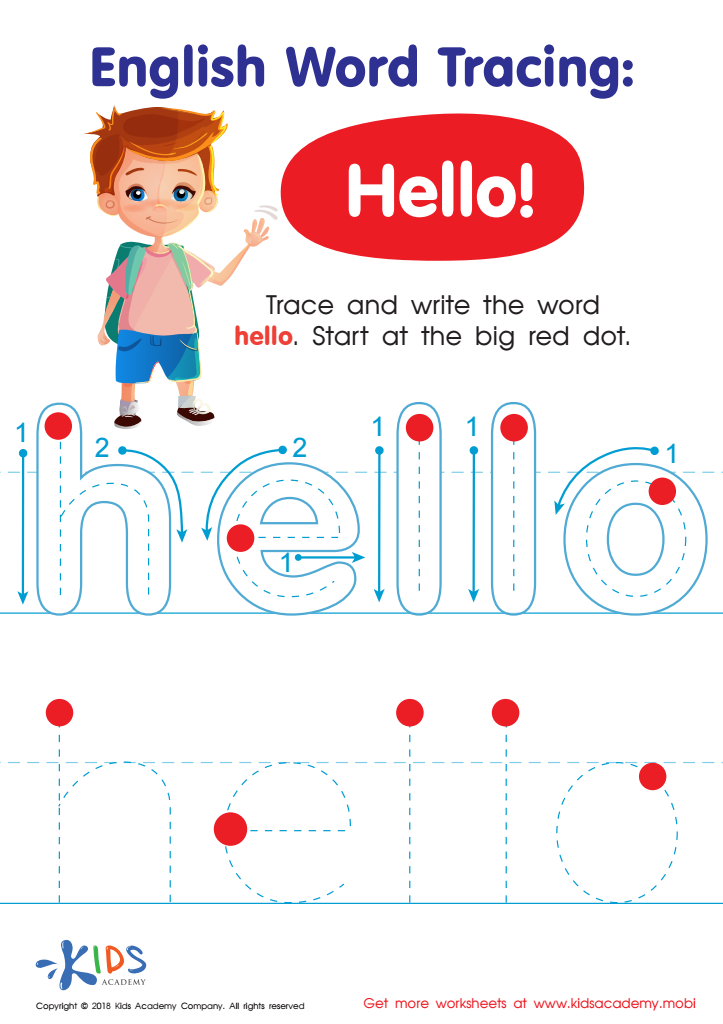
English Word Tracing: Hello Worksheet
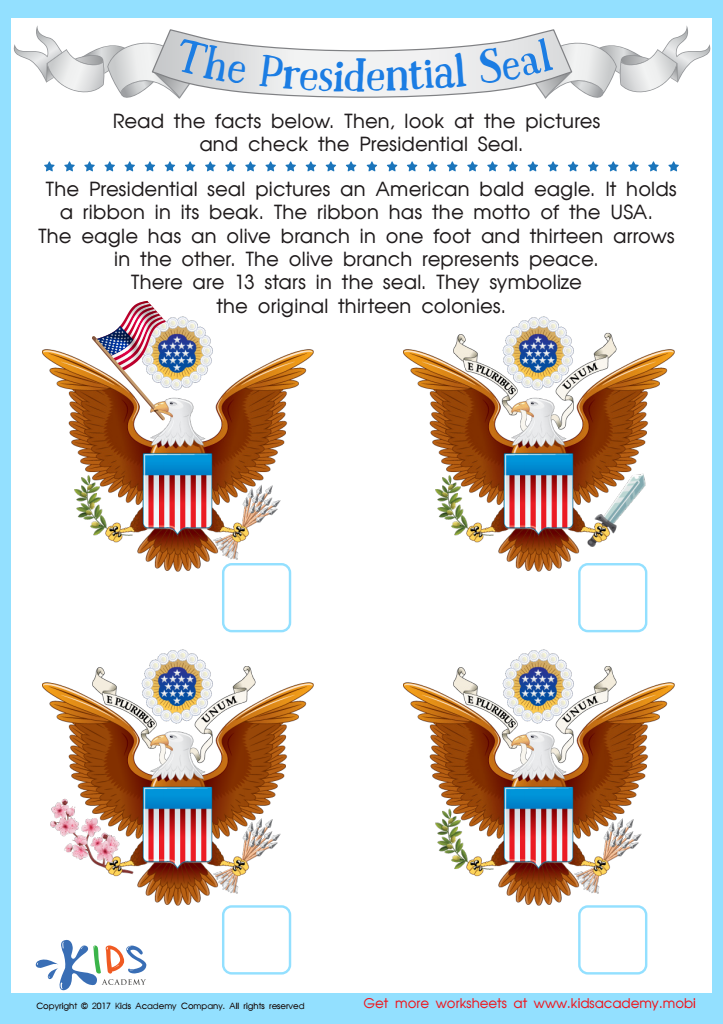
The Presidential Symbol Worksheet
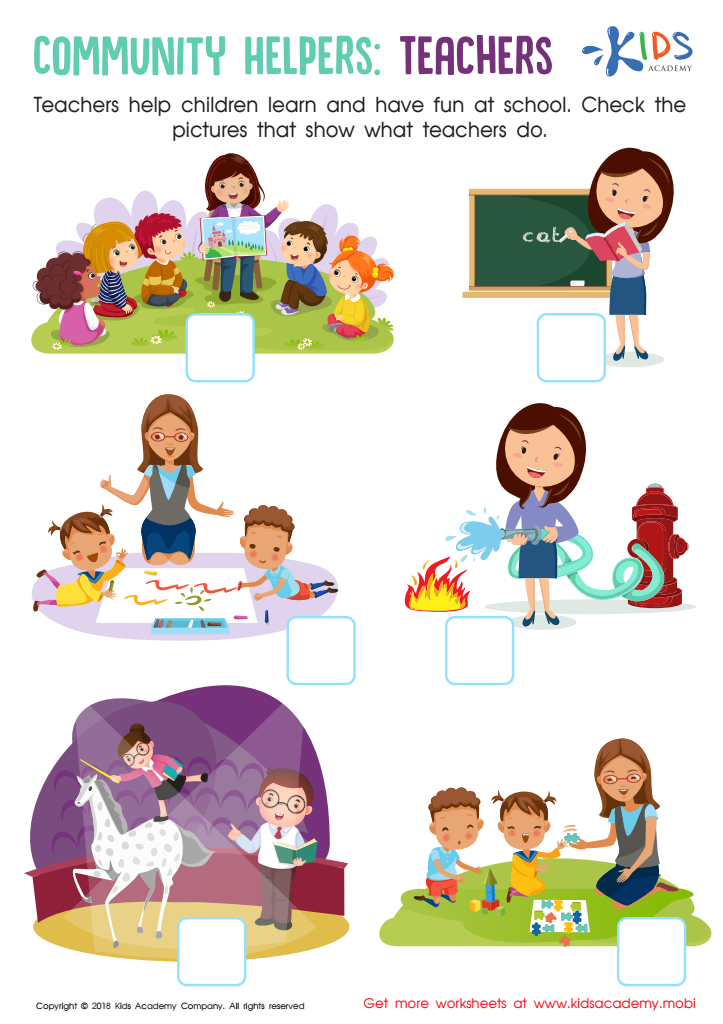
Teachers Community Helpers Worksheet
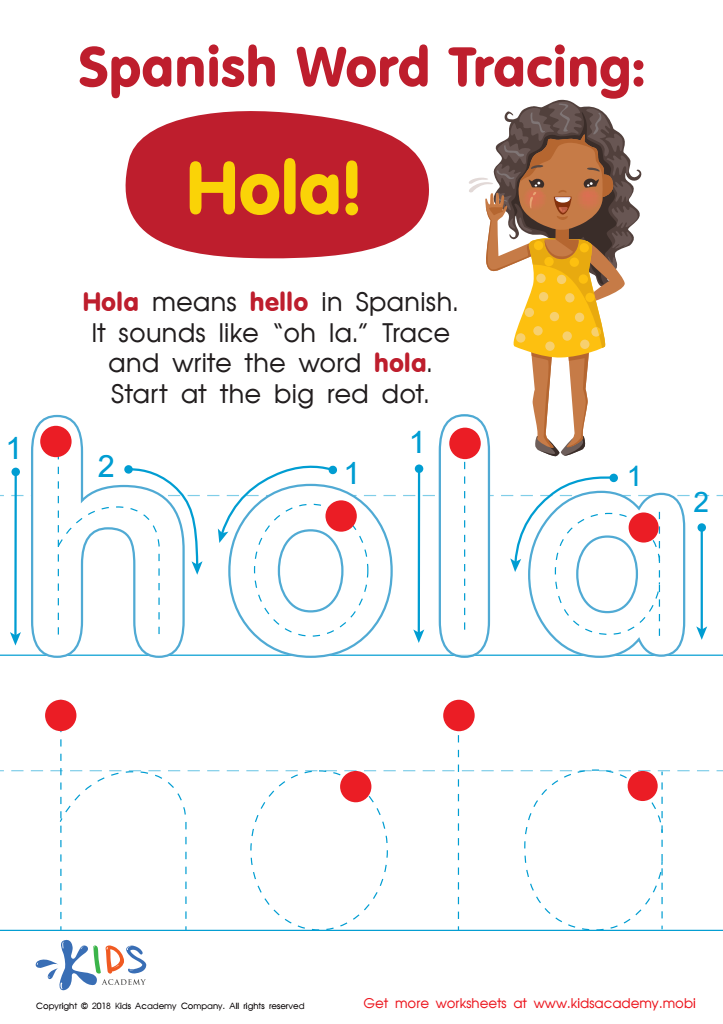
Spanish Word Tracing: Hola Worksheet
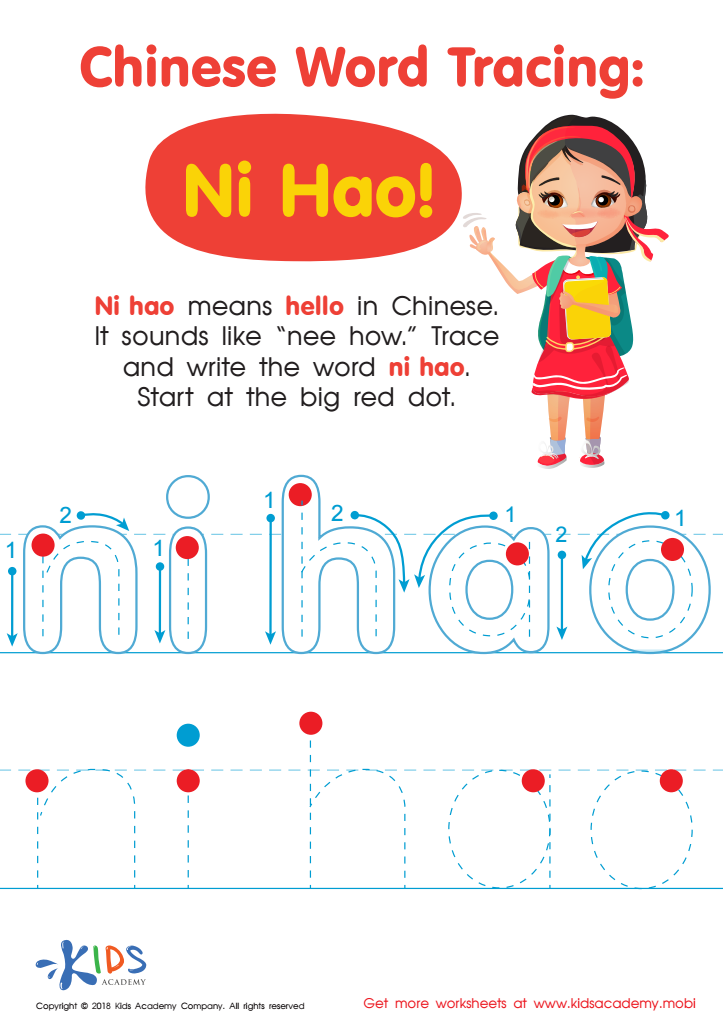
Chinese Word Tracing: Ni Hao Worksheet





.jpg)


Handwriting practice and Social Studies for ages 6-7 play vital roles in a child's early education, fostering both fine motor and cognitive development while nurturing a well-rounded understanding of the world. Handwriting practice is crucial as it improves hand-eye coordination and fine motor skills, laying the foundation for efficient communication. Writing activities engage children's brains, aiding in letter recognition, spelling, and vocabulary building. It also impacts their ability to read and think critically, as the physical act of writing helps encode information more thoroughly than typing.
Incorporating Social Studies, meanwhile, introduces young learners to the world around them, fostering a sense of identity and community. Social Studies teaches children about different cultures, histories, and geographies, promoting empathy and broadening their perspectives. It helps them understand societal roles and develop social skills through discussions about various people, places, and times.
Combining handwriting practice with Social Studies lessons can be particularly effective. For example, writing exercises can involve copying simple sentences about historical figures, drawing maps, or describing cultural festivals. This multidisciplinary approach enriches their learning experience, making it fun and meaningful. Parents and teachers should prioritize these activities to support a child's holistic development and lifelong love for learning.








