
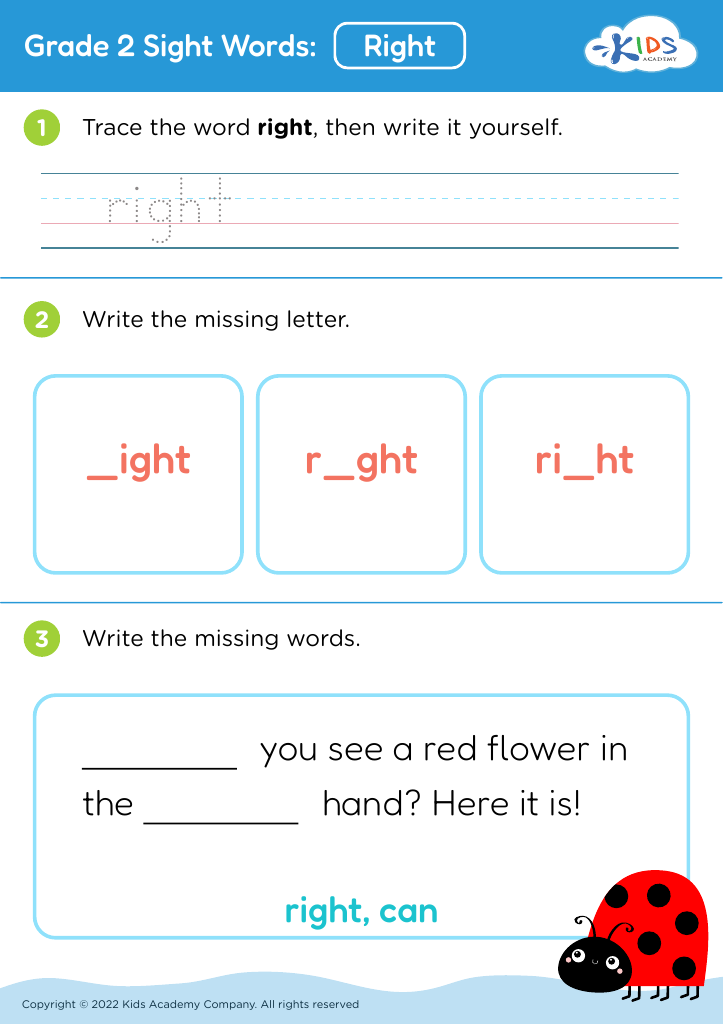
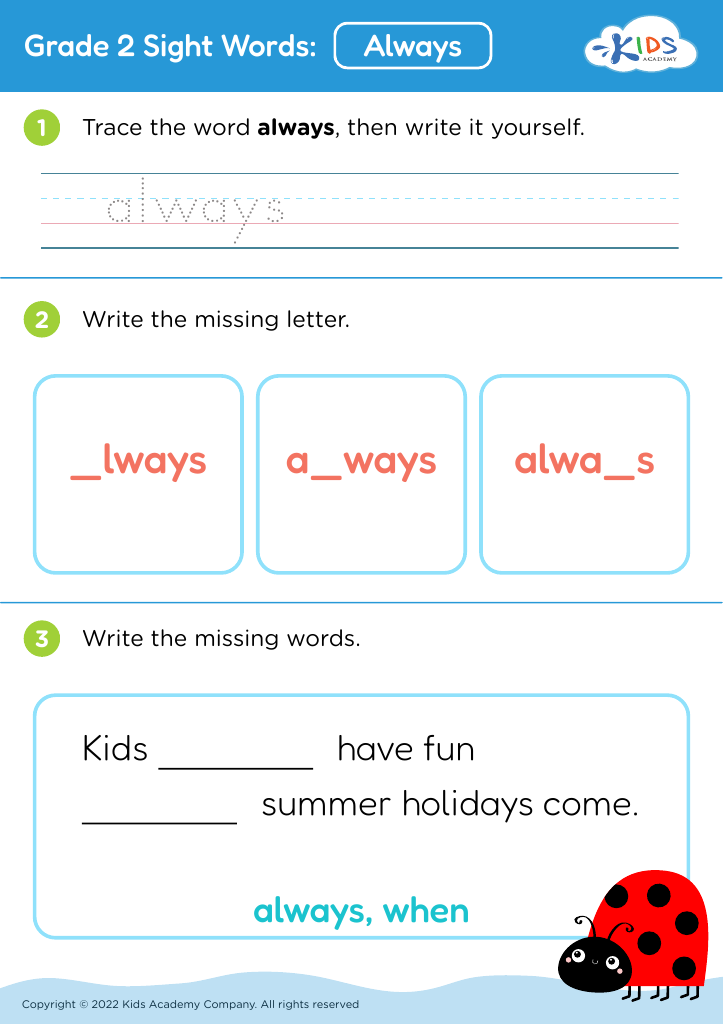
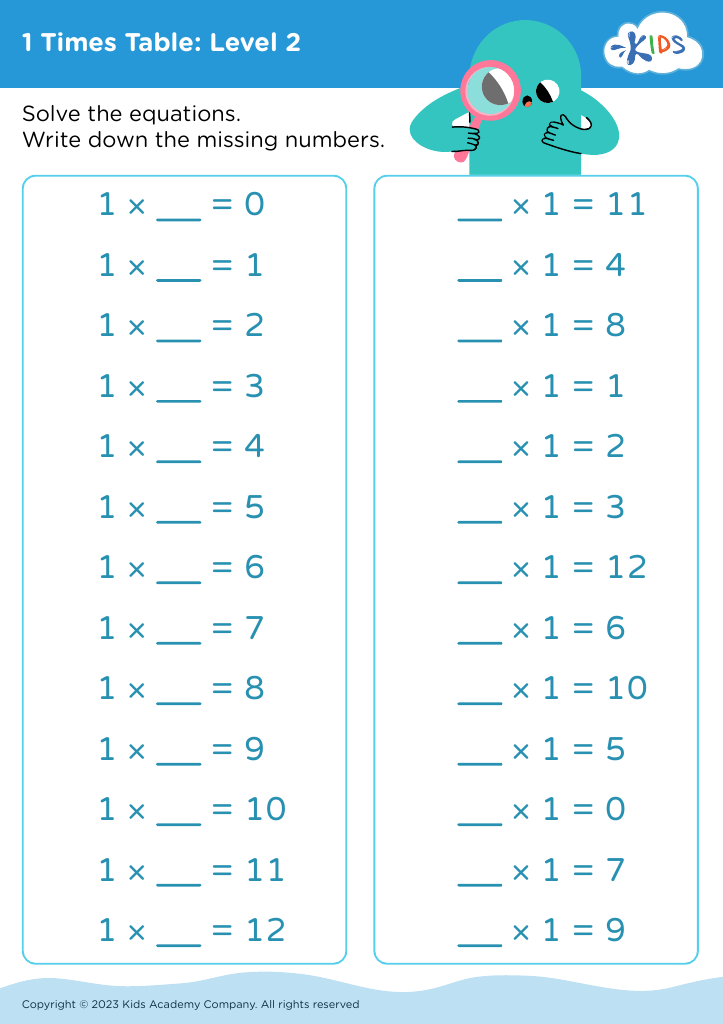
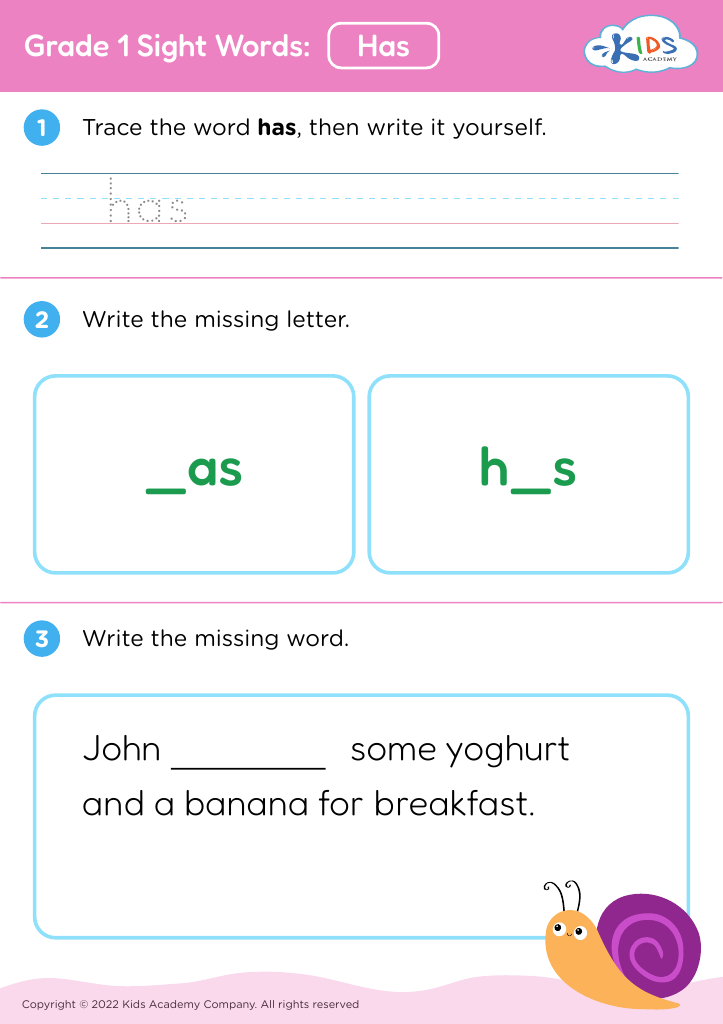





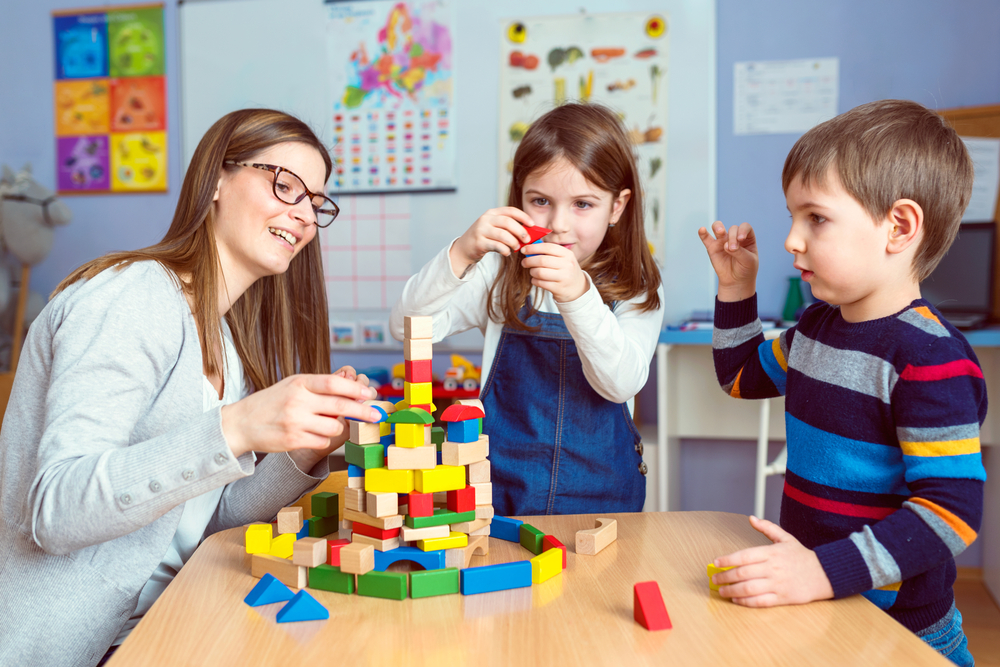





Parents and teachers should care about the developmental stage of ages 6-8 because it is a critical period for children's growth in various domains. At this age, children are transitioning from early childhood into more structured learning environments, both academically and socially. Their cognitive abilities are rapidly expanding, enabling them to think more abstractly, solve problems, and understand complex concepts. This is the ideal time to nurture their curiosity and love for learning.
Socially, children are developing essential interpersonal skills, such as communication, cooperation, and empathy. They begin to understand the importance of friendships and play a crucial role in forming community and classroom dynamics. By supporting their social and emotional development, parents and teachers can help cultivate resilience and confidence—skills that are vital for their future.
Motivating learning through engaging activities and providing a supportive environment allows children to flourish academically and personally. Parents and teachers who actively participate in this process can significantly impact children's motivation, self-esteem, and overall well-being. This age sets the foundation for lifelong learning, making it imperative for caregivers to be involved and attentive to their needs, interests, and challenges. By doing so, they empower children to thrive and develop into well-rounded individuals.








