Alphabet Coloring Pages Worksheets for Ages 6-8 - Page 2
27 filtered results
-
From - To
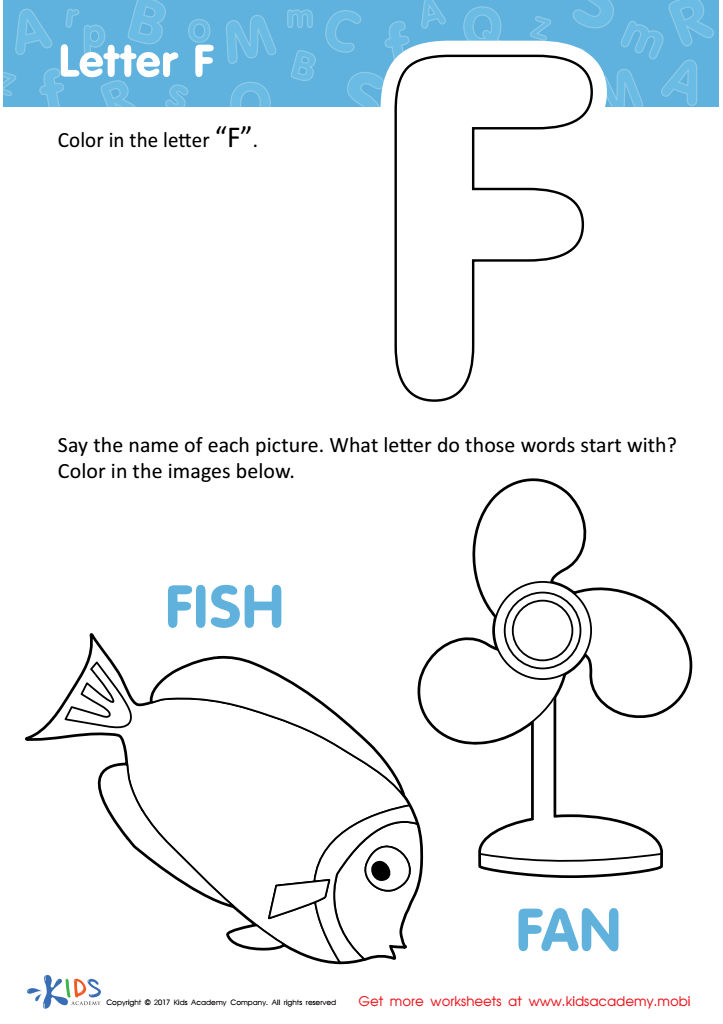
Letter F Coloring Sheet
 Assign to My Students
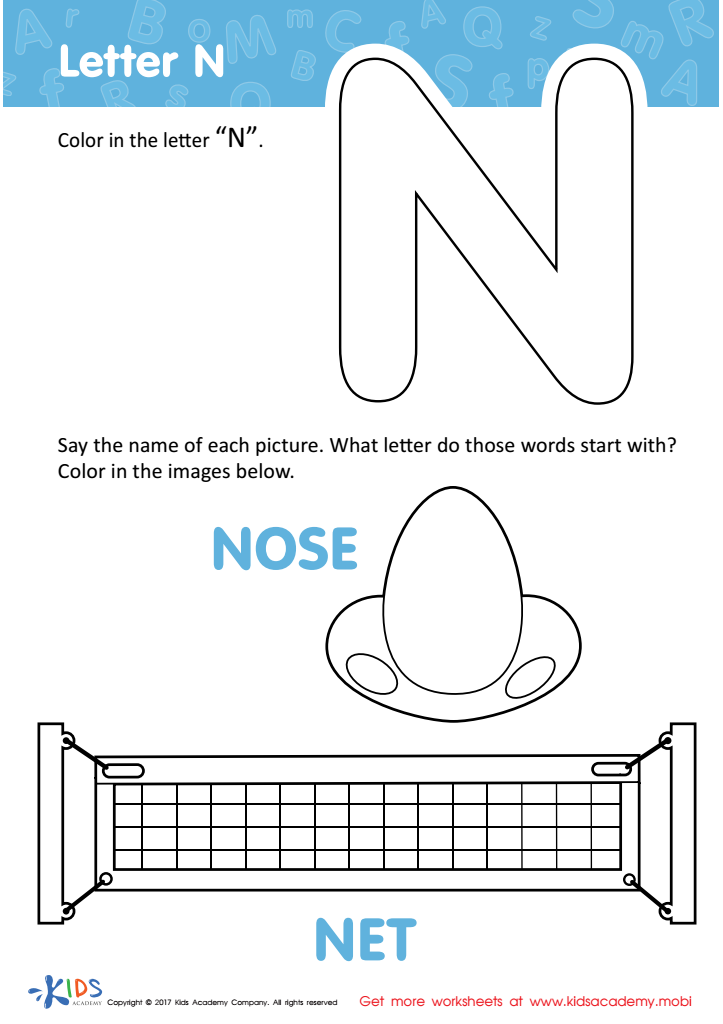
Letter N Coloring Sheet
Assign to My Students
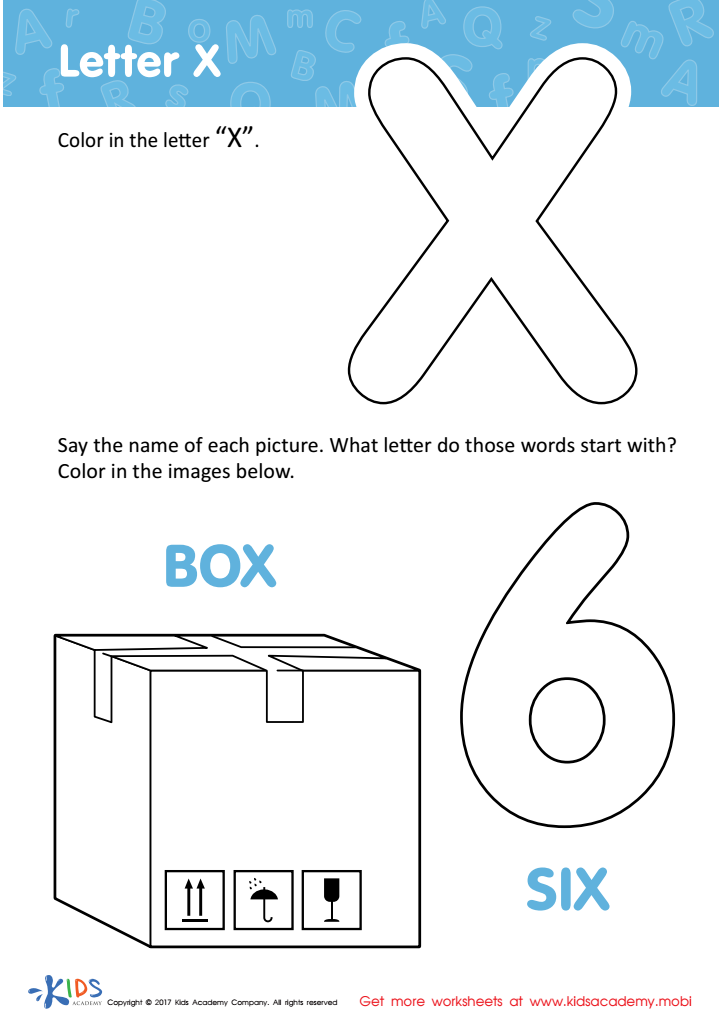
Letter X Coloring Sheet
Assign to My Students





Alphabet coloring pages are a valuable resource for parents and teachers of children aged 6-8. At this stage, children are developing essential literacy skills, and engaging them through interactive activities such as coloring can enhance their learning experience. These coloring pages not only make the learning process enjoyable but also reinforce letter recognition and phonetic understanding.
When children color letters and associated images—like an apple for 'A'—they establish a visual connection with the alphabet, which can aid memory retention. This tactile and visual integration supports different learning styles, accommodating children who may benefit from hands-on activities.
Moreover, coloring promotes fine motor skills. As children grasp crayons and navigate their way through intricate designs, they enhance their hand-eye coordination and dexterity, which are fundamental for writing later on.
Additionally, coloring can be a calming activity, helping to reduce anxiety and improve focus. It creates an opportunity for parents and teachers to bond with children, fostering discussions about language and creativity. Overall, incorporating alphabet coloring pages into the learning curriculum is a simple yet effective way to nurture a child's confidence and foundational literacy skills in an engaging environment.







