Alphabet Recognition Tracing Letters Worksheets for Ages 6-8
28 filtered results
-
From - To
Discover the fun and engaging "Alphabet Recognition Tracing Letters Worksheets" designed specifically for children aged 6-8. These interactive worksheets help young learners master letter recognition through tracing activities that enhance their fine motor skills and boost letter awareness. Each worksheet is filled with colorful graphics and age-appropriate challenges, making learning enjoyable and effective. Perfect for both classroom use and at-home learning, these printable resources foster confidence in young readers as they explore the alphabet. Encourage your child’s educational journey with engaging activities that promote readiness for reading, writing, and beyond. Download your free worksheets today and watch them soar!
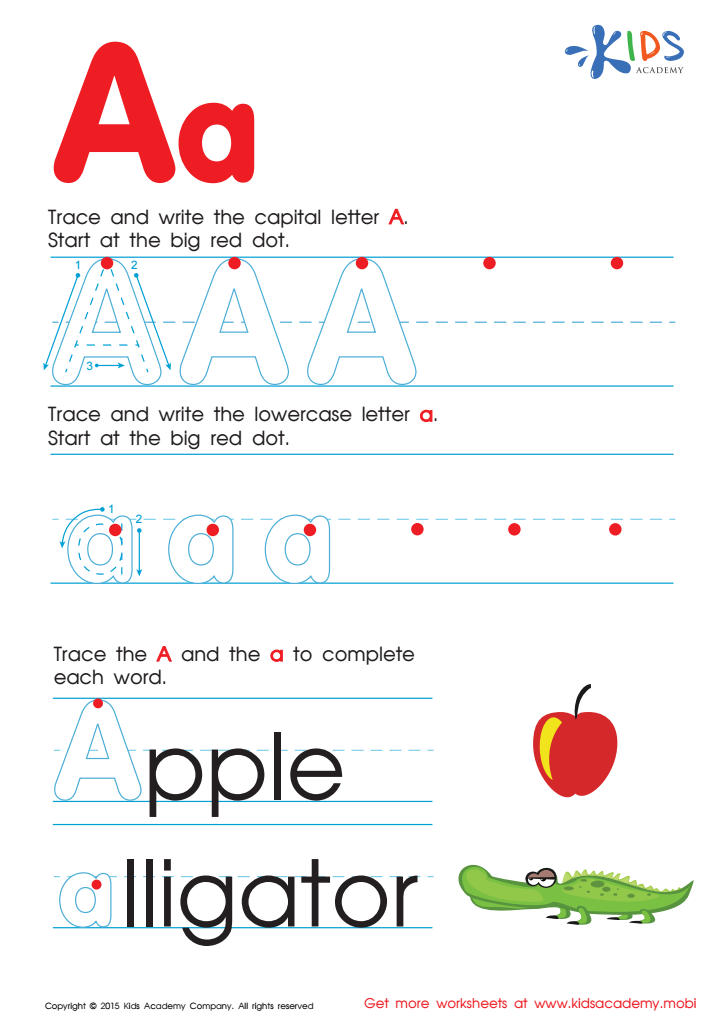
Letter A Tracing Page
 Assign to My Students
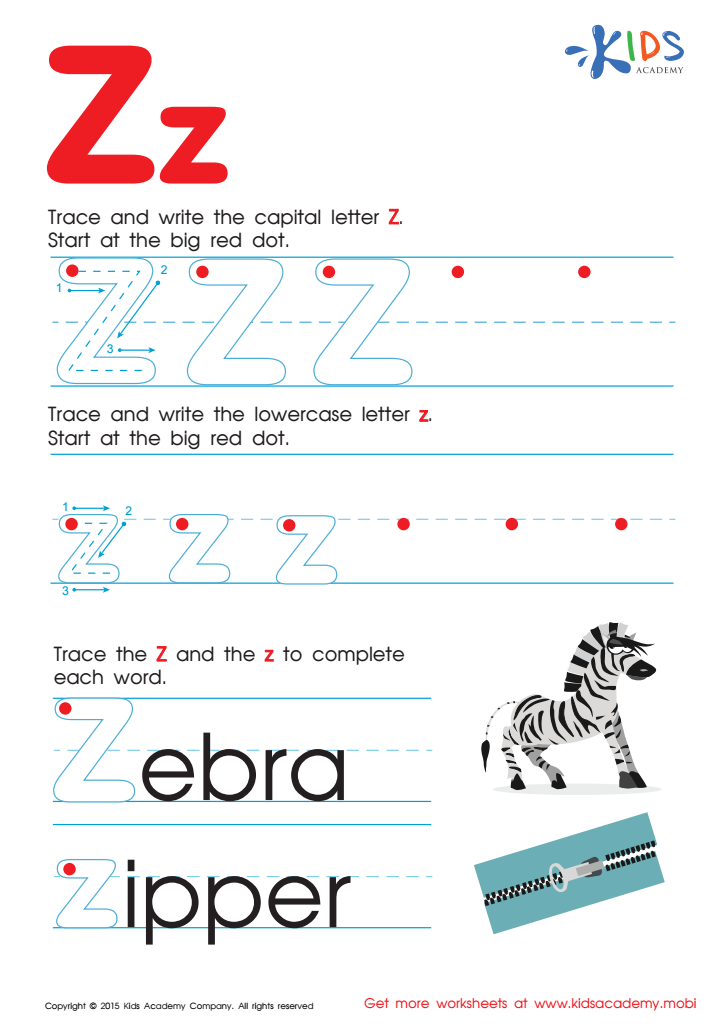
Letter Z Tracing Page
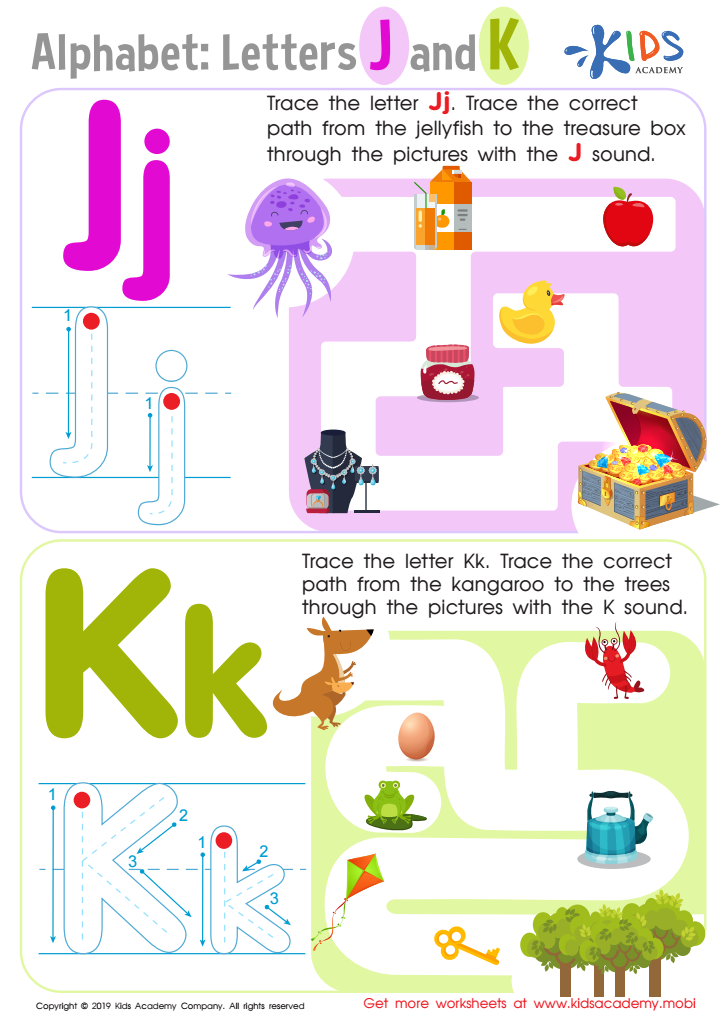
Letters J and K Tracing Worksheet
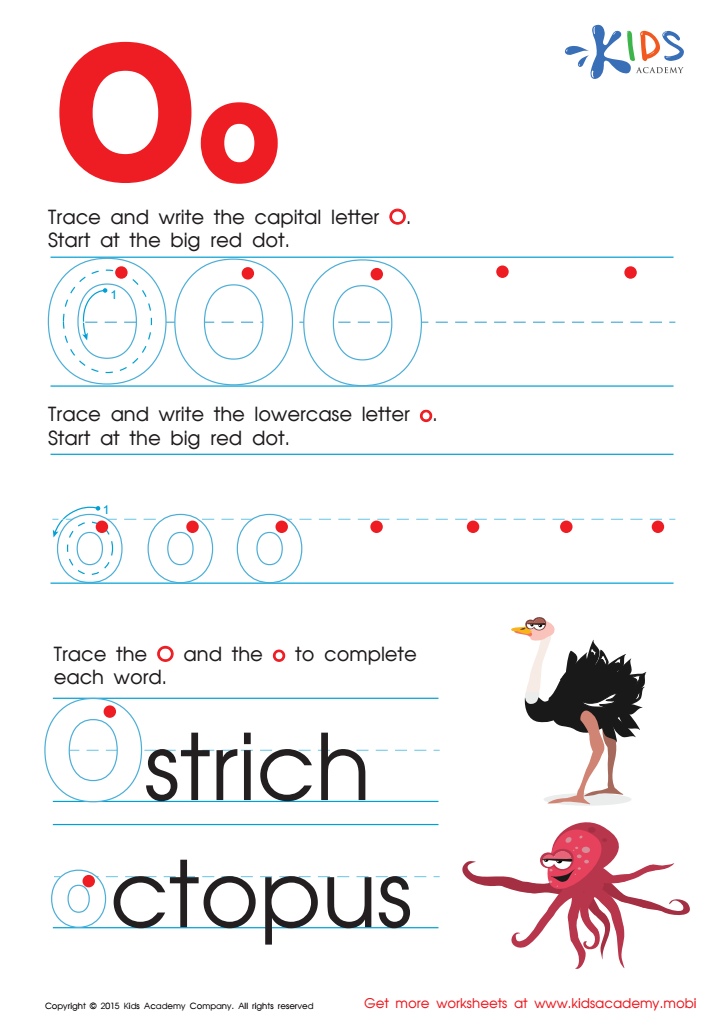
Letter O Tracing Page
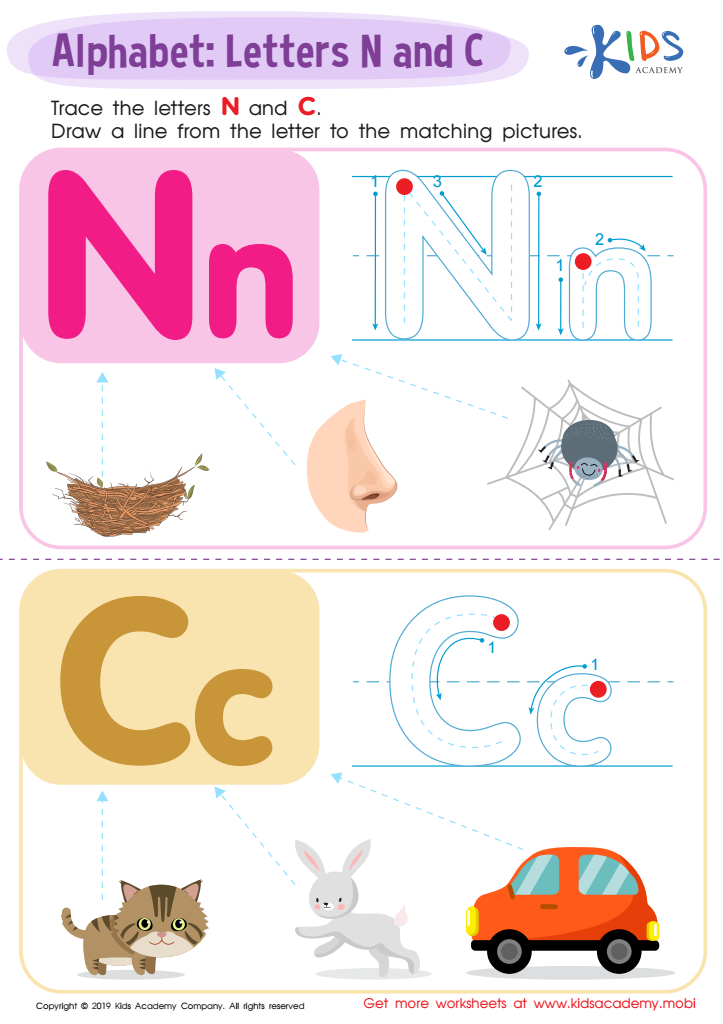
Letter N and C Tracing Worksheet
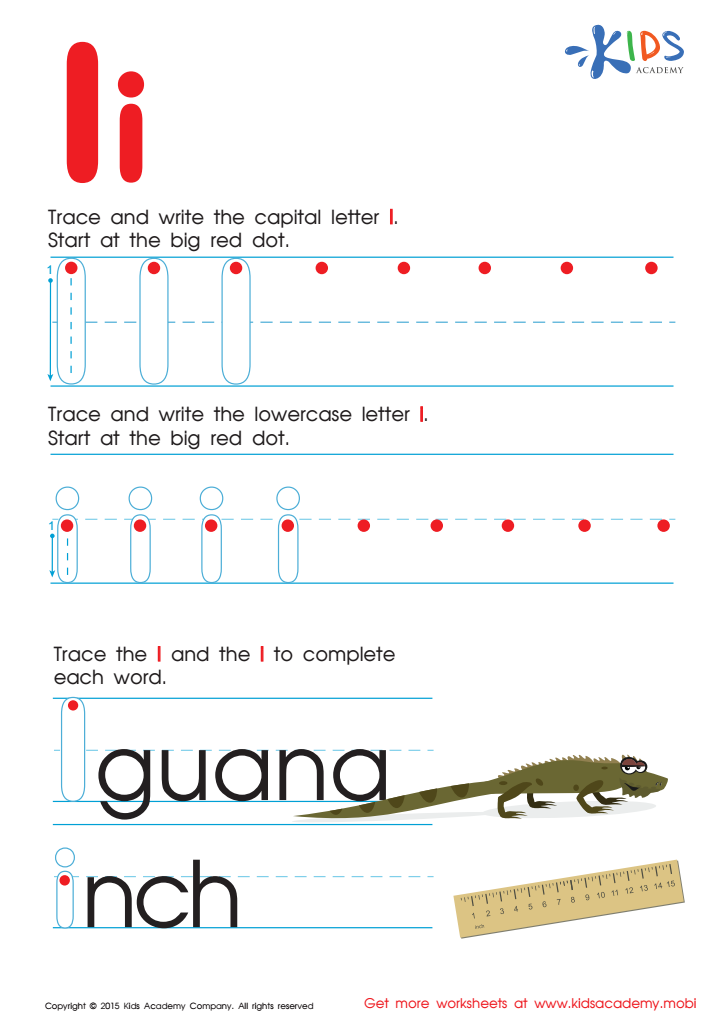
Letter I Tracing Page
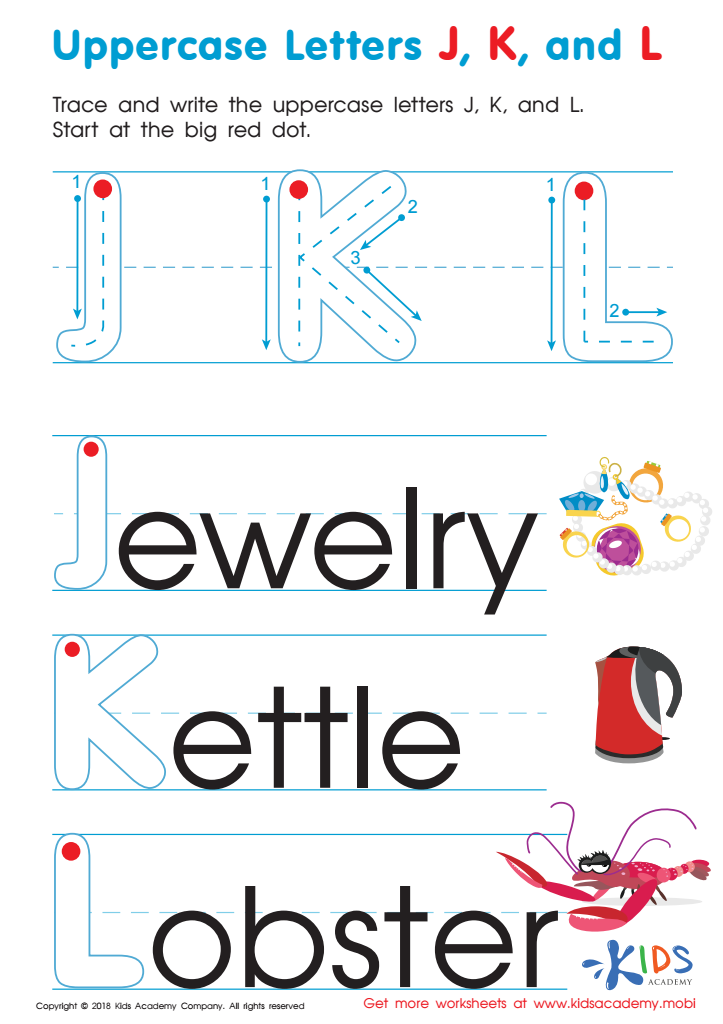
Uppercase Letters J, K, and L Worksheet
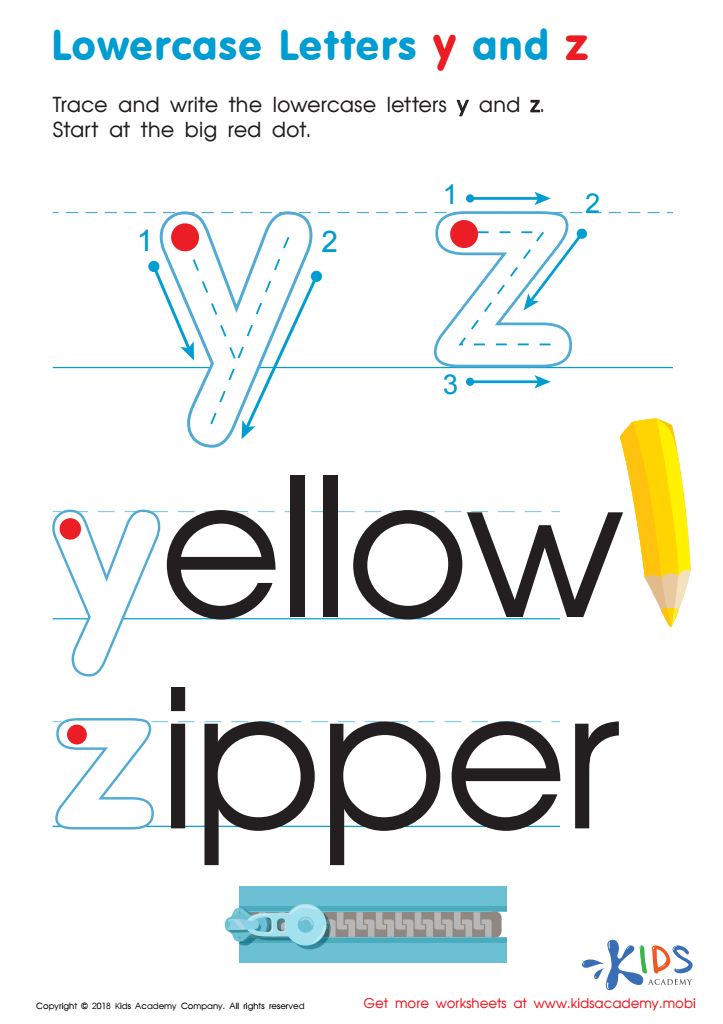
Lowercase Letters y z Worksheet

Letter C Tracing Page
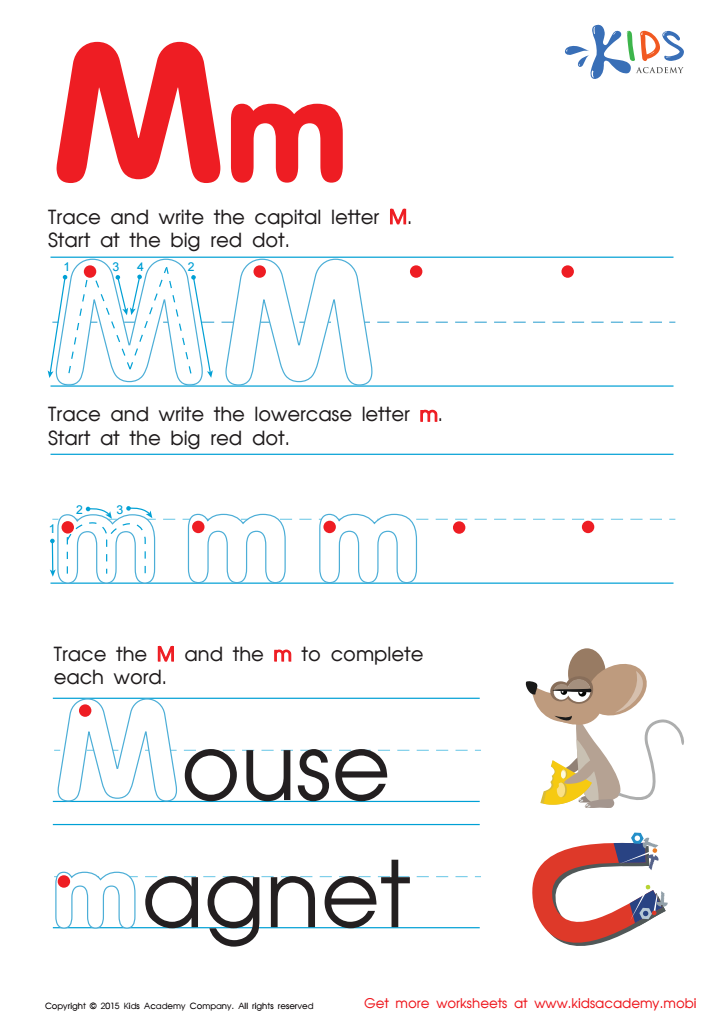
Letter M Tracing Page
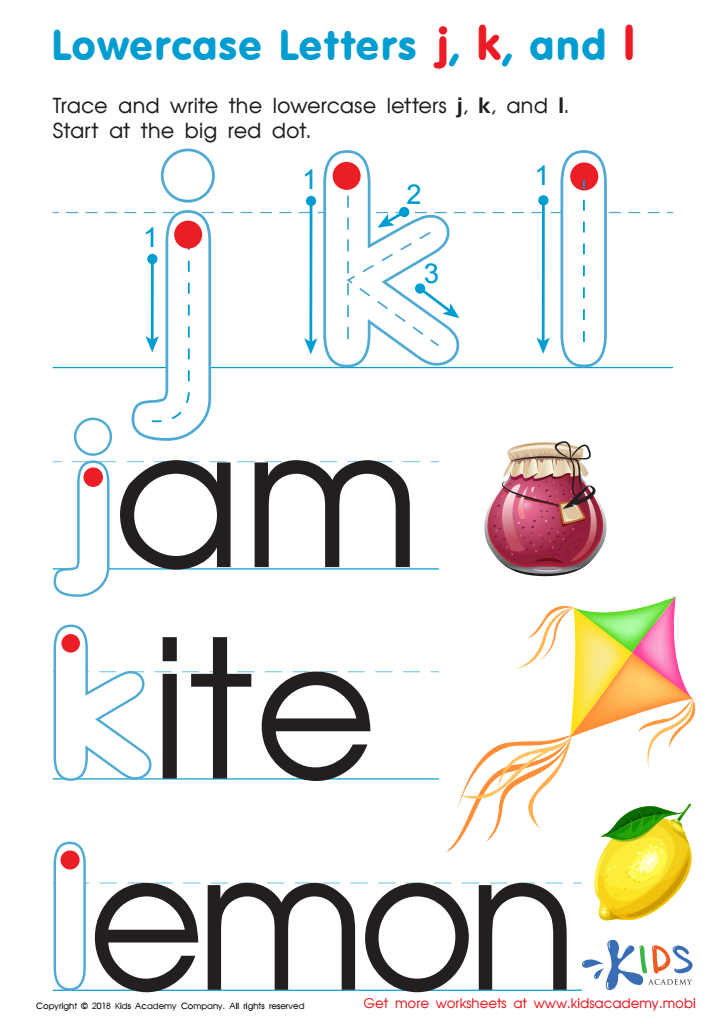
Lowercase Letters j k l Worksheet
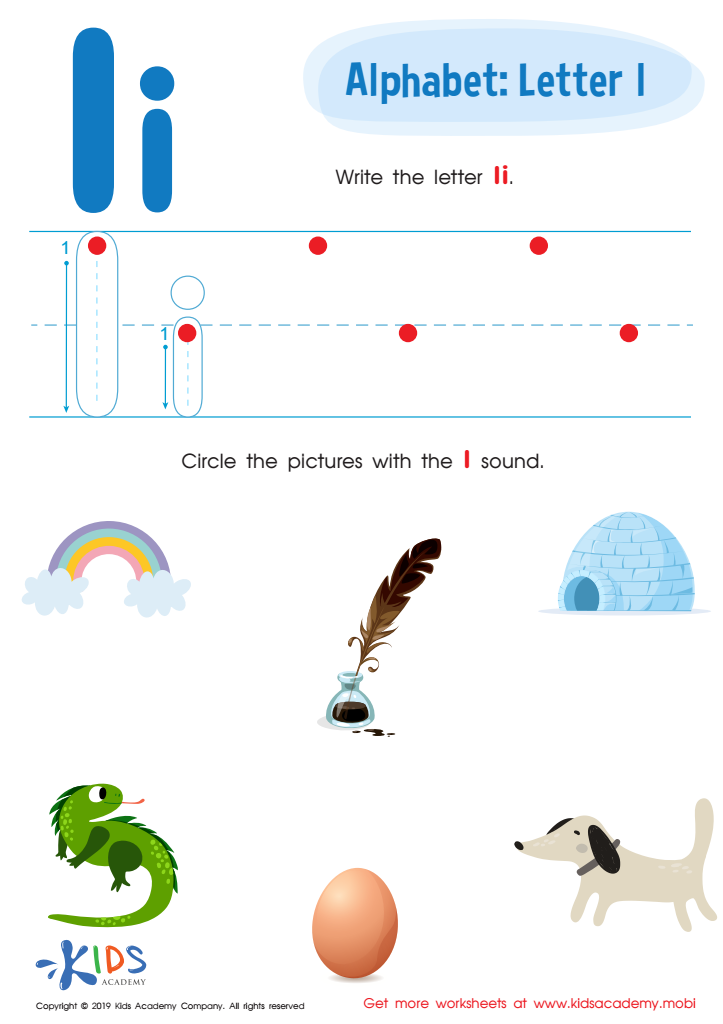
Letter I Tracing Worksheet
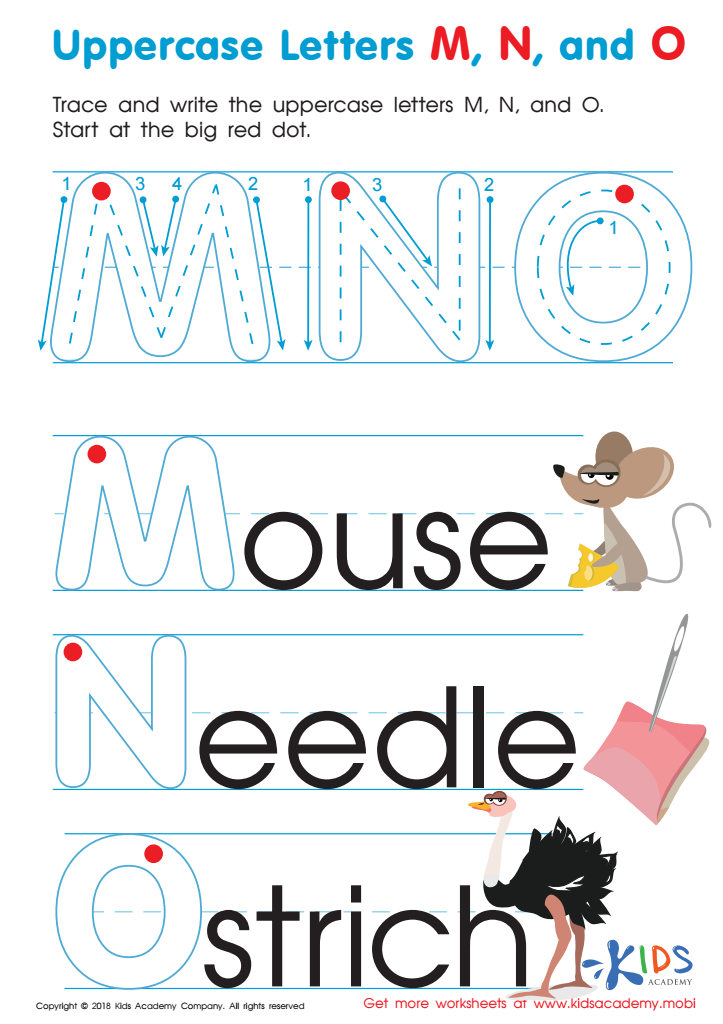
Uppercase Letters M, N, and O Worksheet
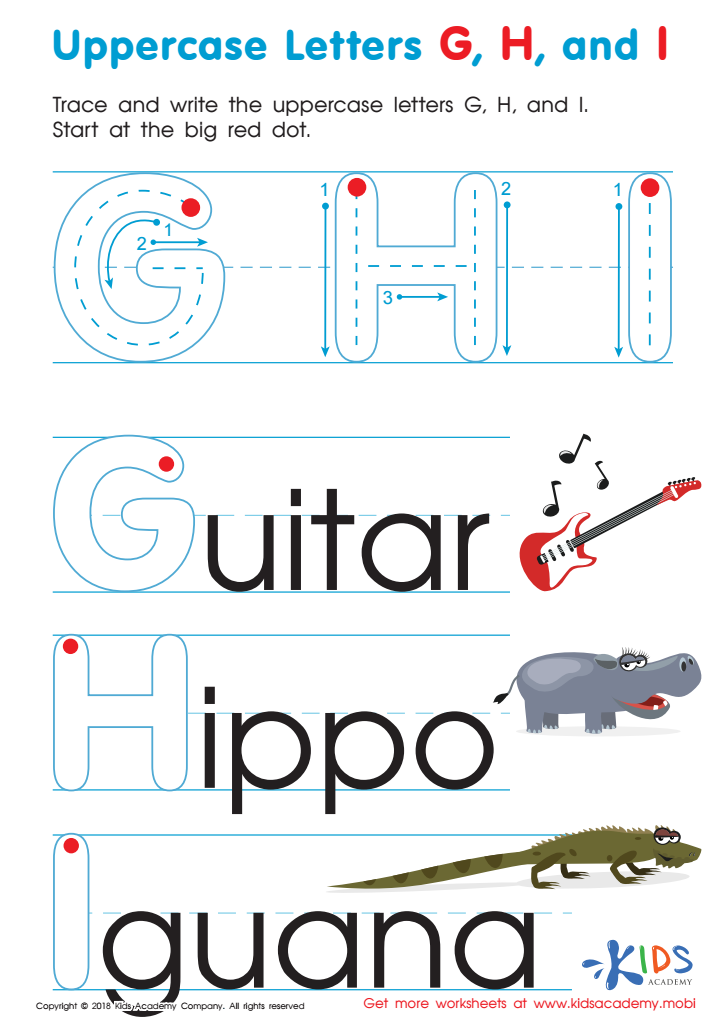
Uppercase Letters G, H, and I Worksheet
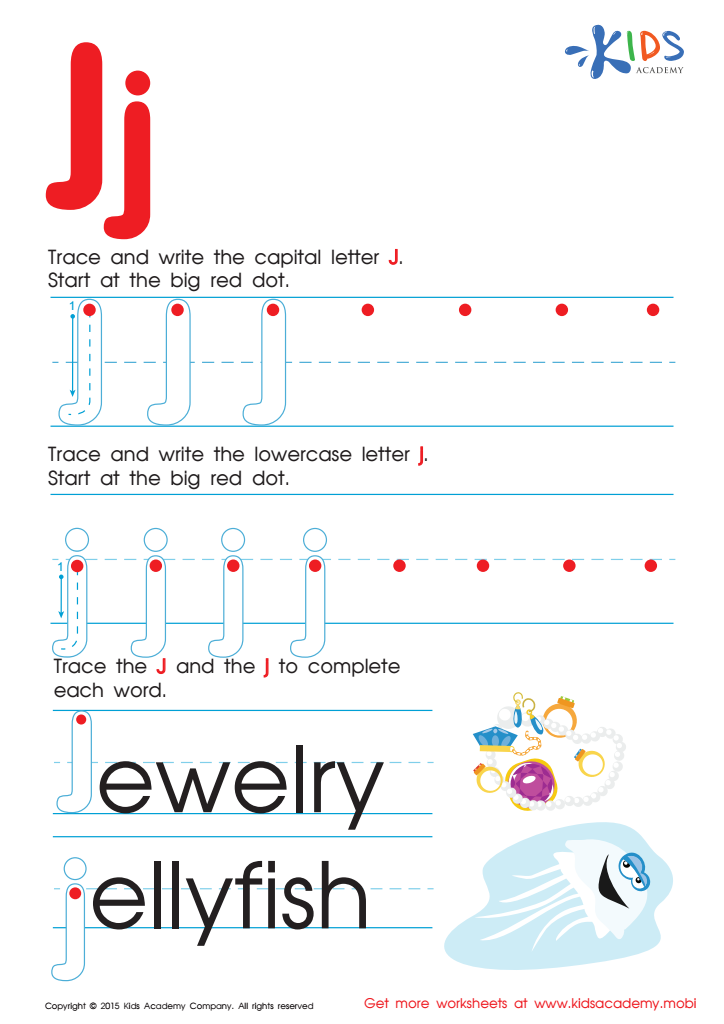
Letter J Tracing Page
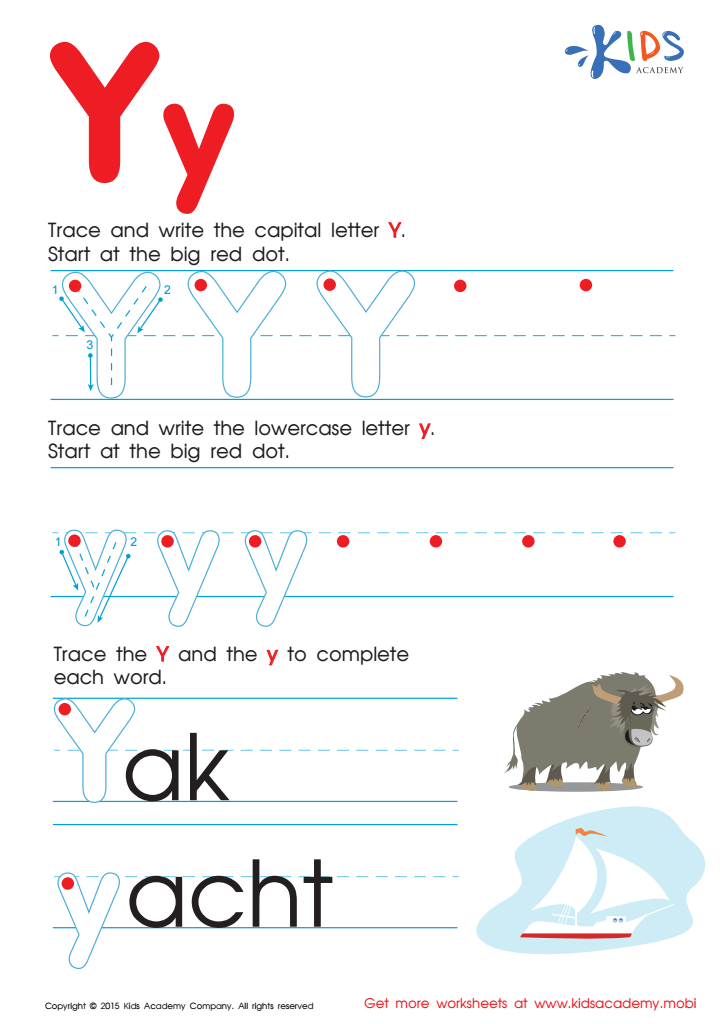
Letter Y Tracing Page
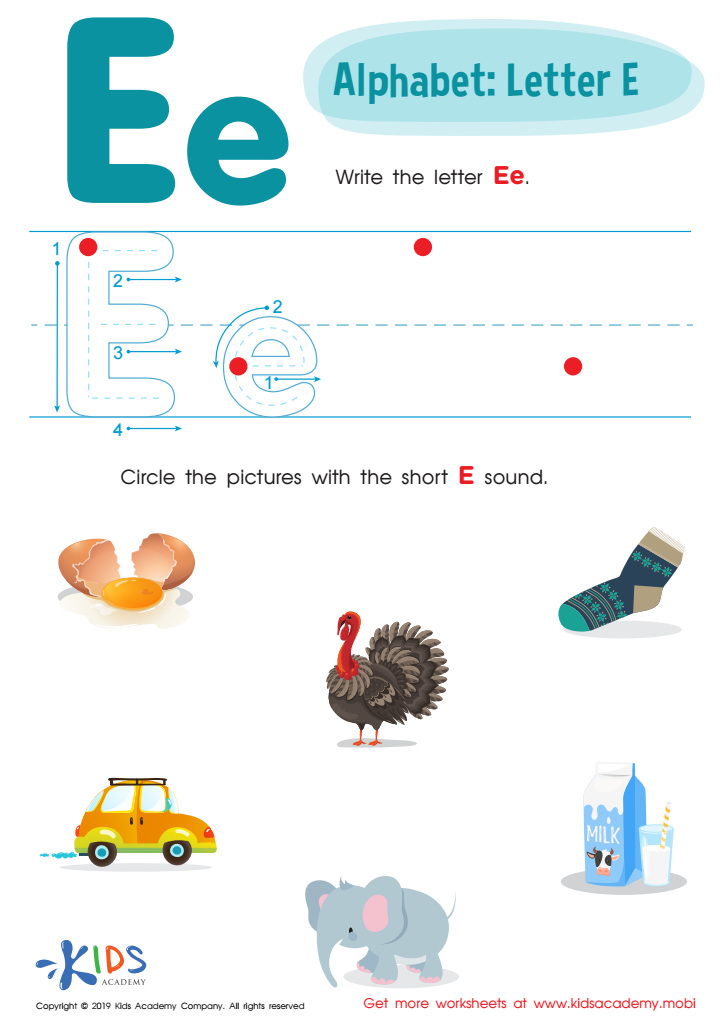
Letter E Tracing Worksheet
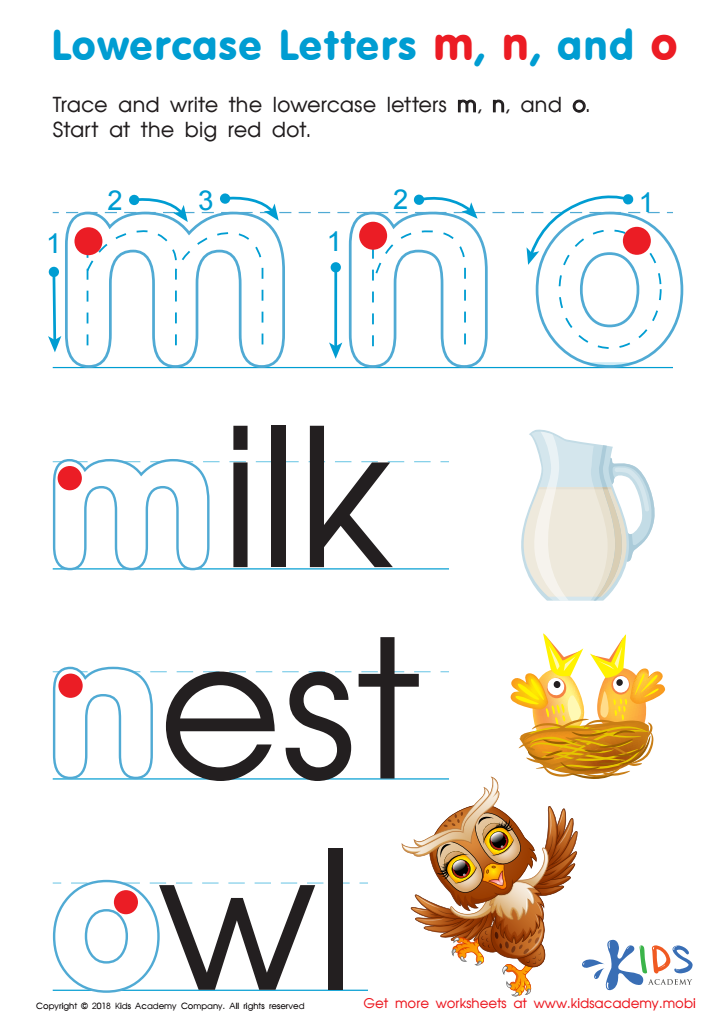
Lowercase Letters m n o Worksheet
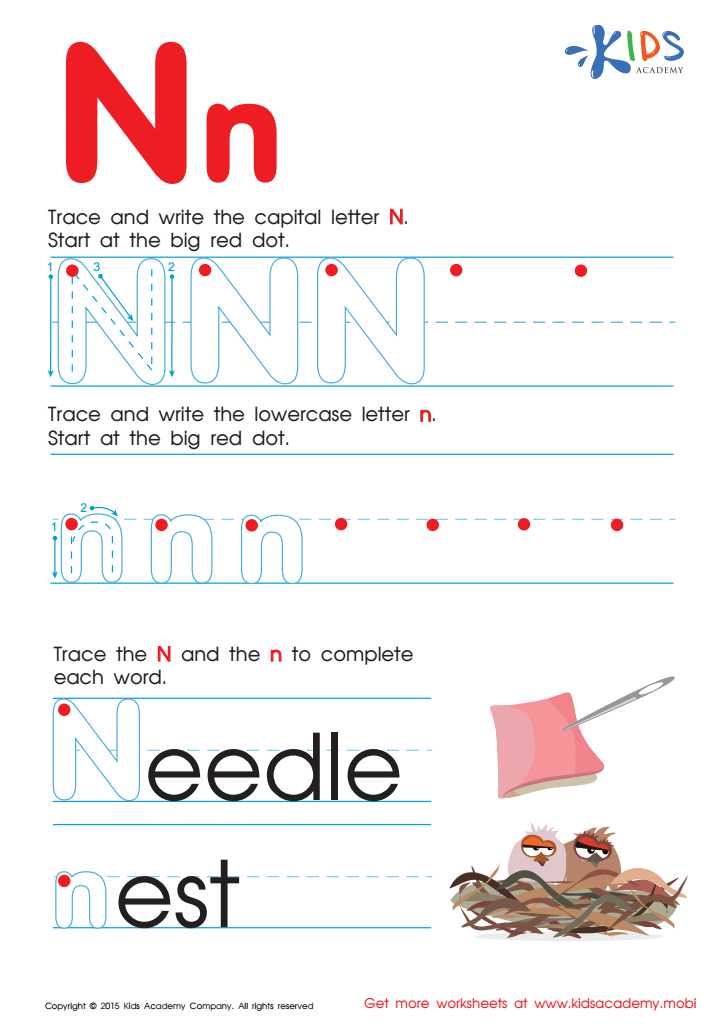
Letter N Tracing Page

Letter B Tracing Page
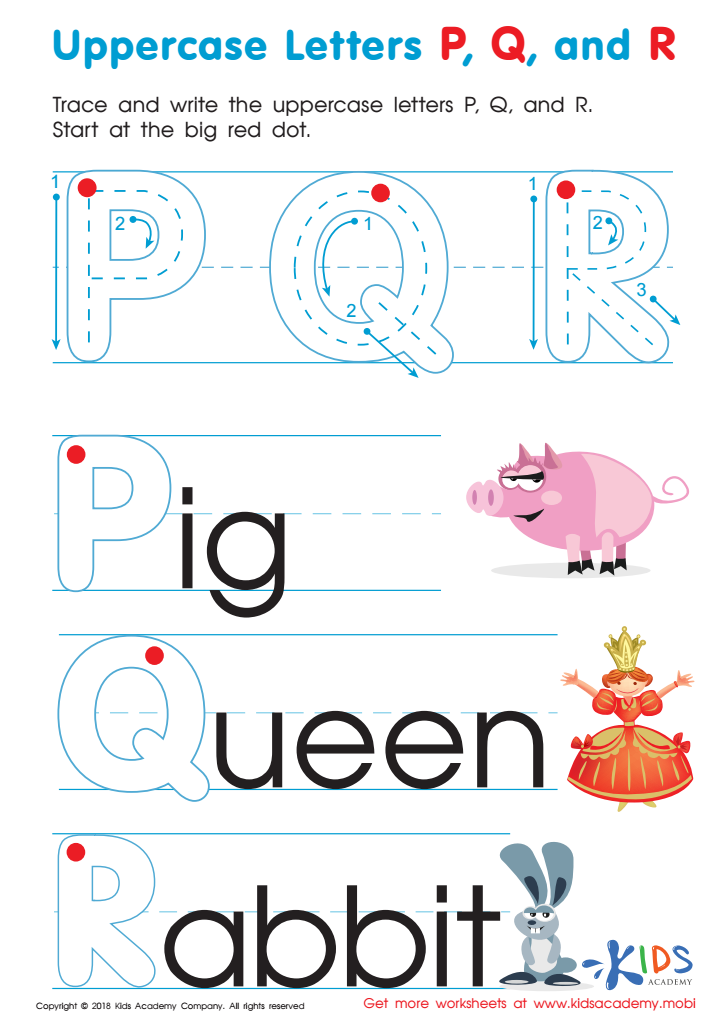
Uppercase Letters P, Q, and R Worksheet

Letter E Tracing Page
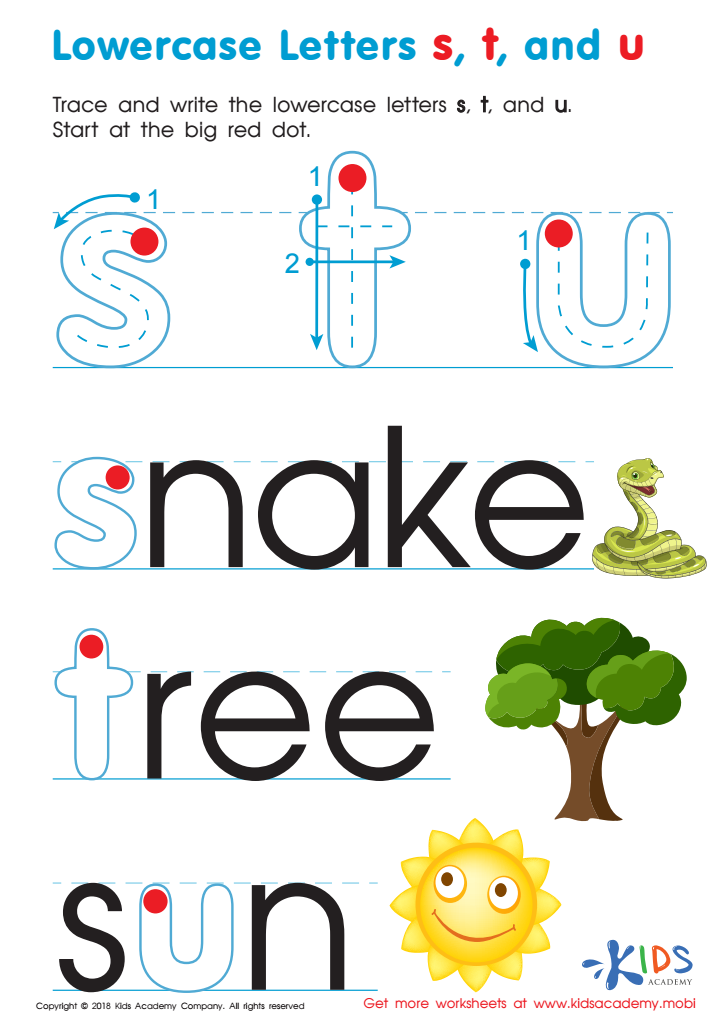
Lowercase Letters s t u Worksheet
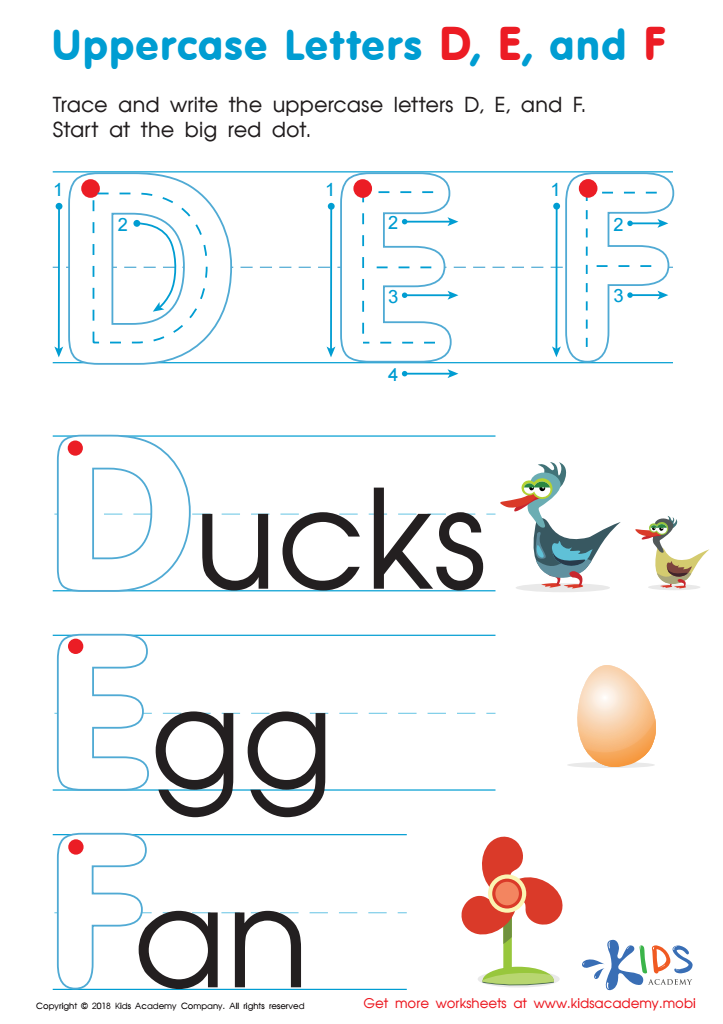
Uppercase Letters D, E, and F Worksheet







Alphabet recognition and tracing letters are fundamental skills for children aged 6-8, laying the groundwork for literacy development. This stage is critical as children transition from learning to write to using writing as a tool for communication. Recognizing and tracing letters helps enhance fine motor skills, essential for proper handwriting. Developing these skills allows children to write legibly, boosting their confidence in expressing their thoughts and ideas.
Moreover, early literacy practices significantly impact reading proficiency and overall academic success. When children can easily identify and reproduce letters, they are more likely to engage with reading materials and participate in classroom discussions, facilitating a love for learning.
For parents and teachers, supporting alphabet recognition and letter tracing means fostering a nurturing learning environment. Engaging children with fun activities, such as tracing games or art projects, can make learning feel enjoyable and less daunting. This approach not only builds foundational literacy skills but also encourages creativity and critical thinking. As children gain proficiency, they are better equipped to tackle more challenging tasks, ensuring a smoother educational journey ahead. Ultimately, prioritizing these skills during this age range can have long-lasting effects on a child's self-esteem, academic performance, and overall development.








