Vowels and Consonants Worksheets for Ages 6-8 - Page 2
29 filtered results
-
From - To
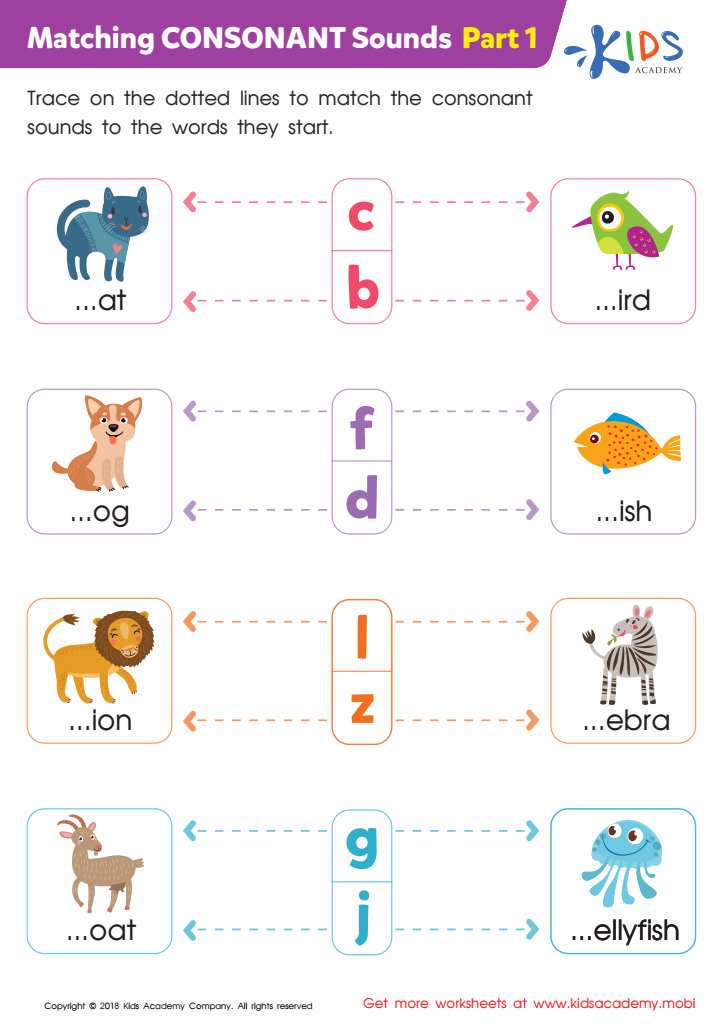
Matching Consonant Sounds: Part 1 Worksheet
 Assign to My Students
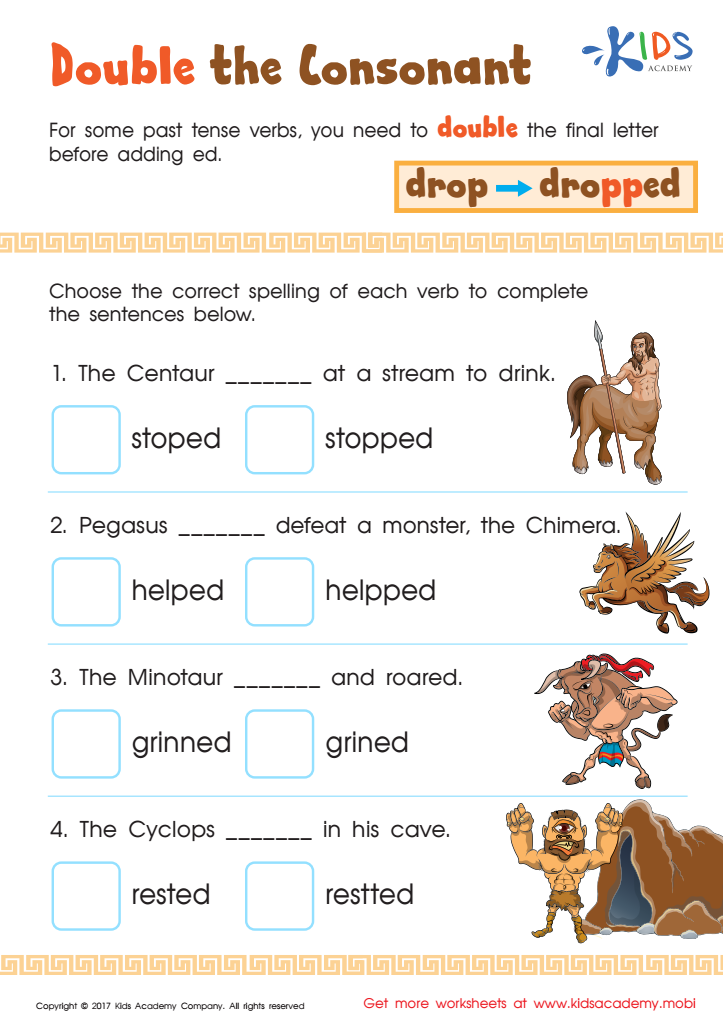
Double Consonant Spelling Worksheet
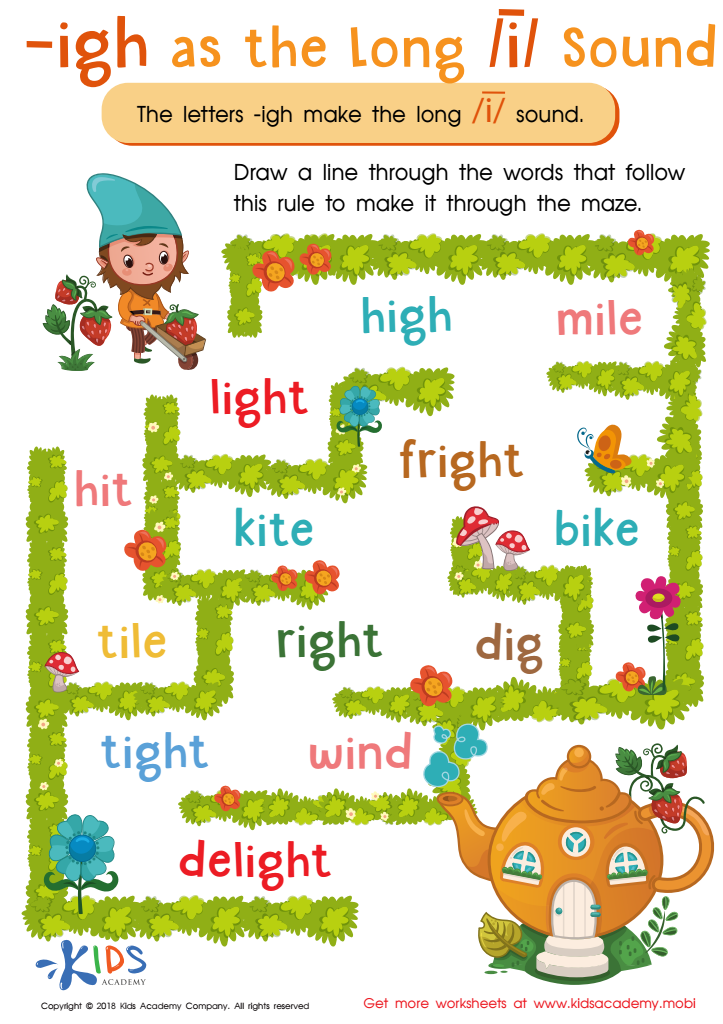
Reading: IGH as Long I Worksheet
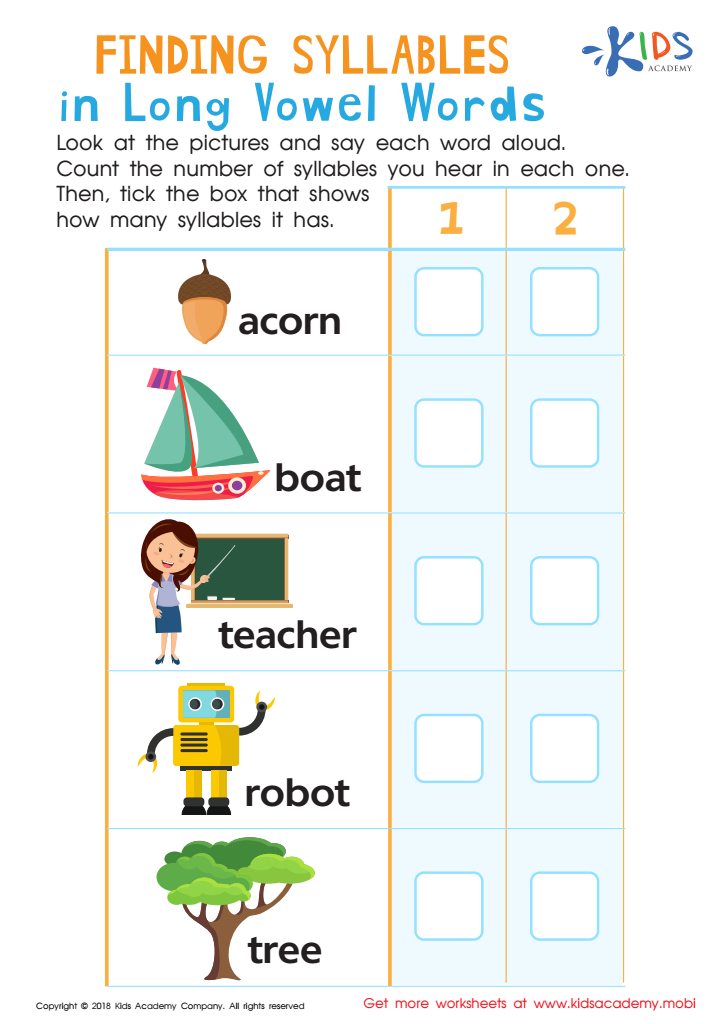
Finding Syllables in Long Vowel Words Worksheet
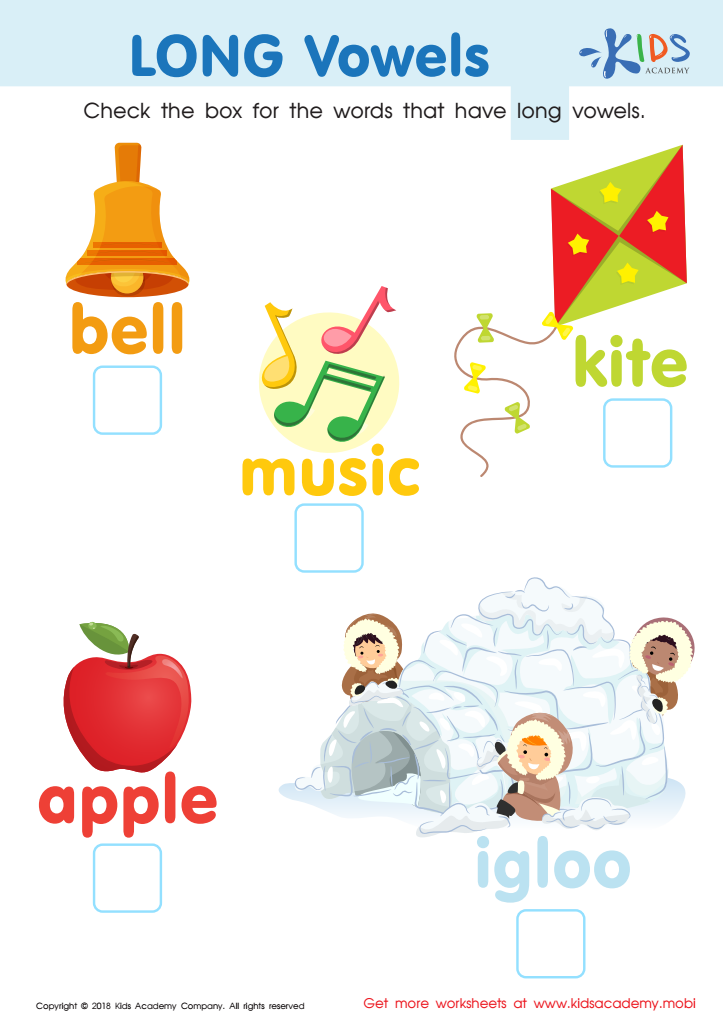
long vowels Worksheet



Understanding vowels and consonants is crucial for children aged 6-8 as it forms the foundation for early reading and writing skills. Vowels (A, E, I, O, U) and consonants (the other 21 letters) are the building blocks of words. When children learn to identify and differentiate between these two categories of letters, they develop phonemic awareness, which is essential for decoding words and enhancing their reading capabilities.
By mastering vowels and consonants, children can improve their pronunciation, spelling, and comprehension of written language. This understanding fosters a greater love for reading and enables children to express themselves more effectively in writing. Moreover, recognizing the role of vowel sounds helps students grasp phonics rules, making it easier to tackle unfamiliar words.
For parents and teachers, prioritizing vowels and consonants in early education can lead to significant academic advancements. Engaging children in fun activities focused on these letters—such as word games, song lyrics, and simple phonics exercises—not only reinforces their learning but also promotes a stimulating and interactive environment. Ultimately, fostering strong vowel and consonant recognition during this critical stage sets the groundwork for lifelong literacy skills, academic success, and a more profound appreciation of language.