Flora and Fauna Worksheets for Ages 6-8 - Page 2
32 filtered results
-
From - To
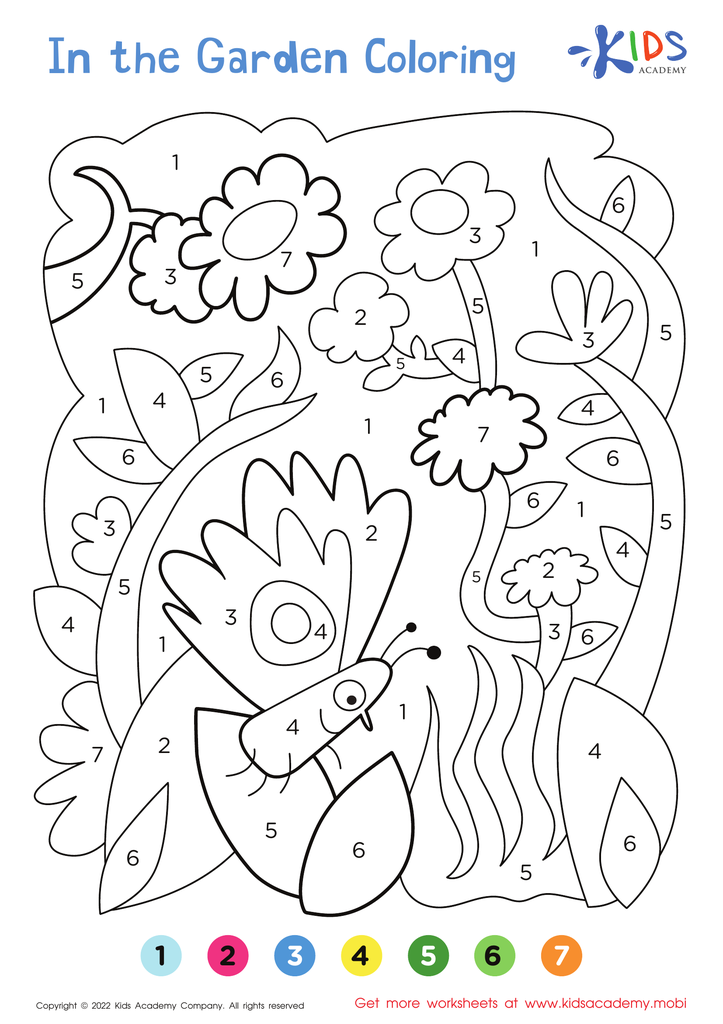
In the Garden – Coloring by Numbers


Parents and teachers should care about flora and fauna for children aged 6-8 because of the vital role these elements play in a well-rounded education and in fostering a sense of responsibility towards the environment. Introducing young learners to plants (flora) and animals (fauna) ignites their curiosity about the natural world and cultivates an appreciation for biodiversity.
Understanding local flora and fauna helps children grasp the importance of ecosystems, connecting classroom lessons to real-world observations. This not only enhances their scientific literacy but also supports critical thinking skills as they learn about life cycles, habitats, and the interdependence of living organisms.
Moreover, early exposure to nature encourages outdoor play and physical activity, which can significantly improve children's health and well-being. Engaging with natural settings also promotes mindfulness and emotional growth, allowing children to develop a sense of wonder and respect for life.
Lastly, discussing conservation encourages a sense of stewardship. By learning about the environment and emerging challenges like climate change, young children can be inspired to become proactive in efforts to protect their world. Overall, nurturing an interest in flora and fauna enriches children's lives and fosters them as thoughtful, conscientious global citizens.