Color recognition Plants Worksheets for Ages 6-8
5 filtered results
-
From - To
Discover our engaging Color Recognition Plants Worksheets designed specifically for children ages 6-8! These fun and interactive resources help young learners explore the vibrant world of plants while enhancing their color recognition skills. Each worksheet features colorful plant illustrations that captivate attention and inspire creativity. Ideal for both classroom and home use, these activities encourage children to identify, sort, and match colors effectively. As kids engage with these worksheets, they’ll not only improve their visual discrimination abilities but also gain a deeper appreciation for nature. Foster your child's learning journey with our Color Recognition Plants Worksheets today!
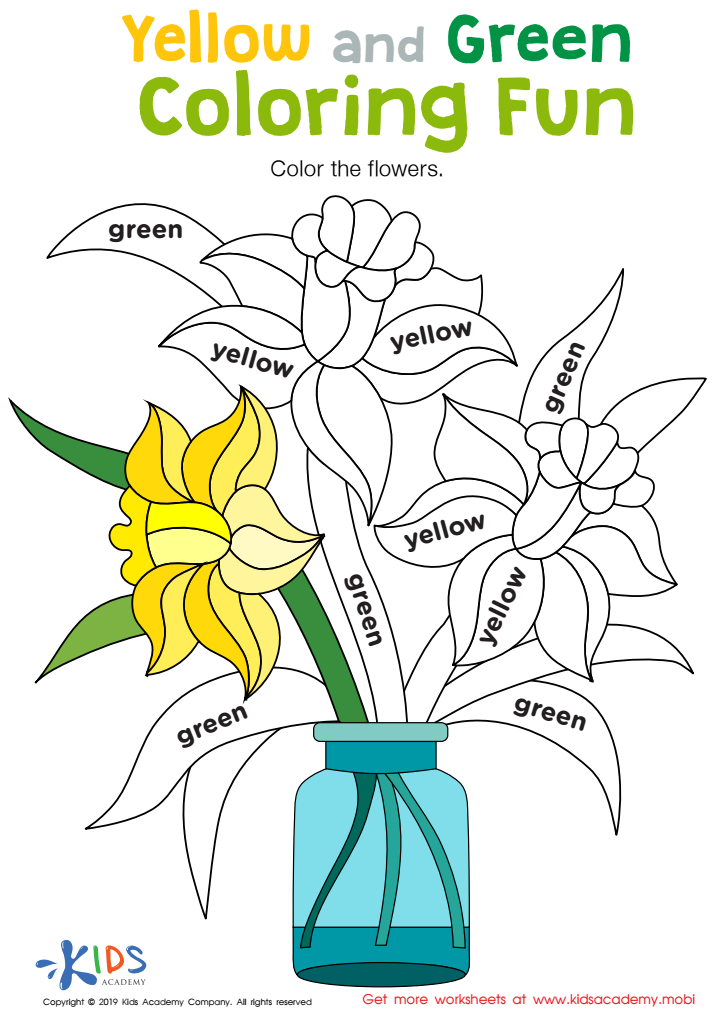
Yellow and Green Coloring Fun Worksheet
 Assign to My Students

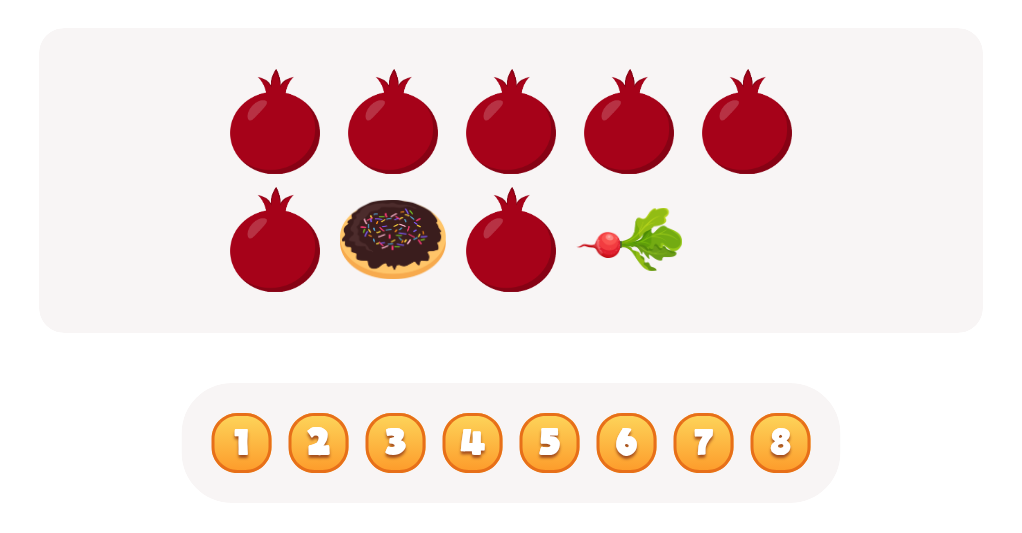
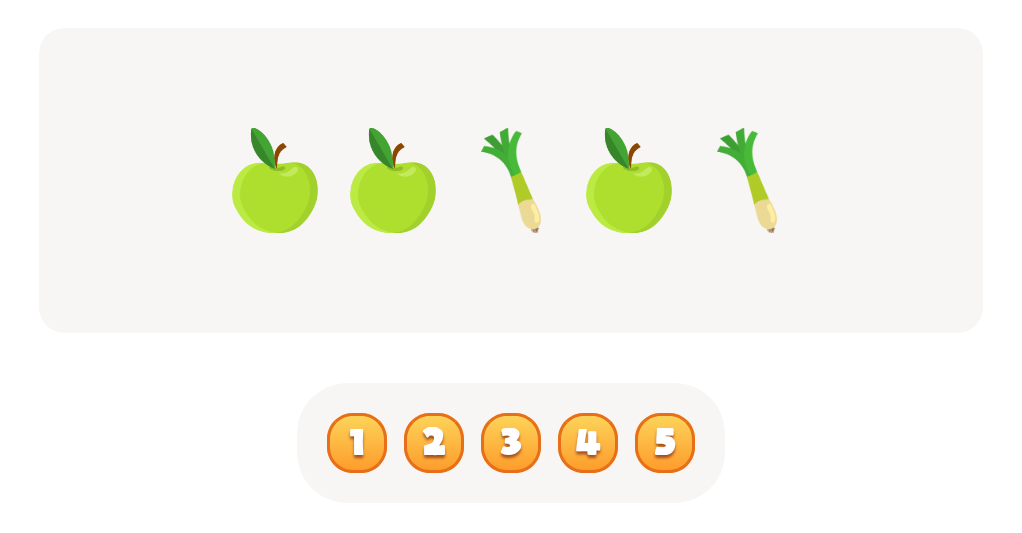
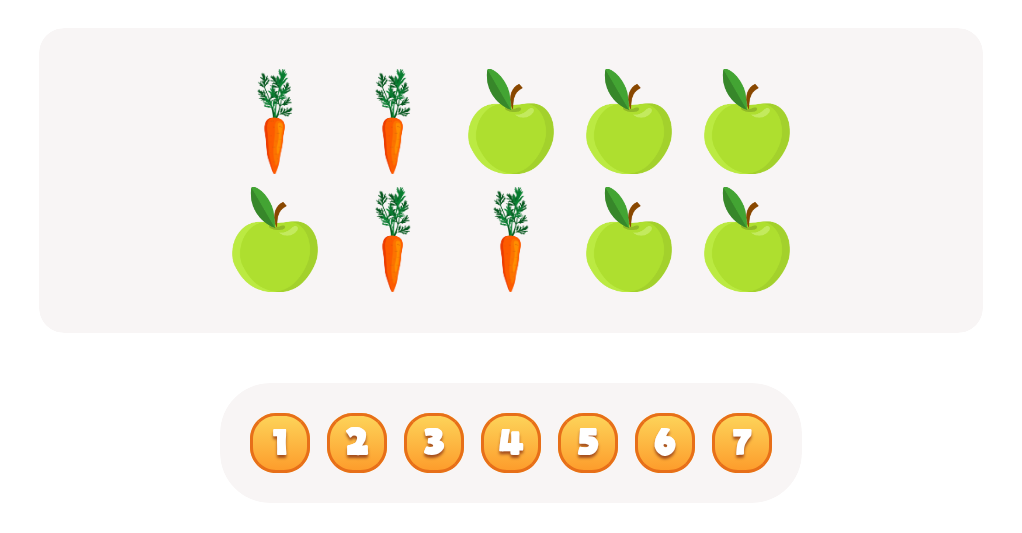
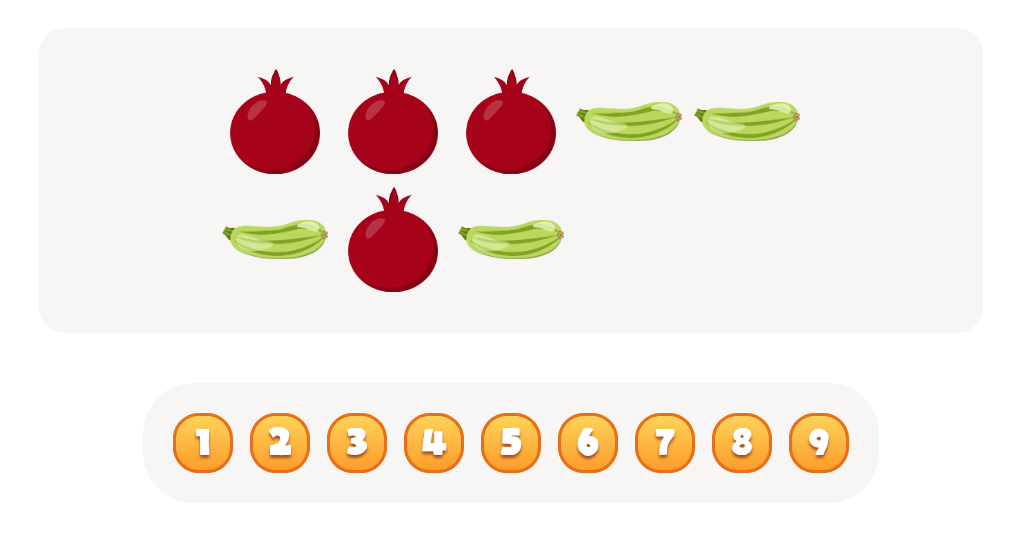


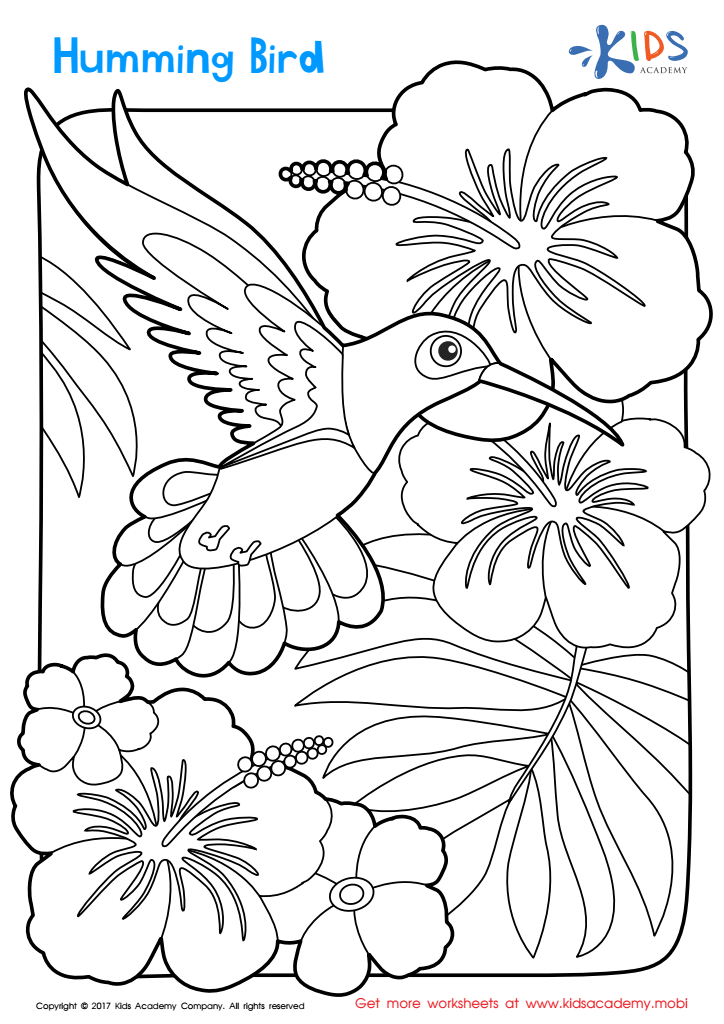
Humming Bird Worksheet
Assign to My Students
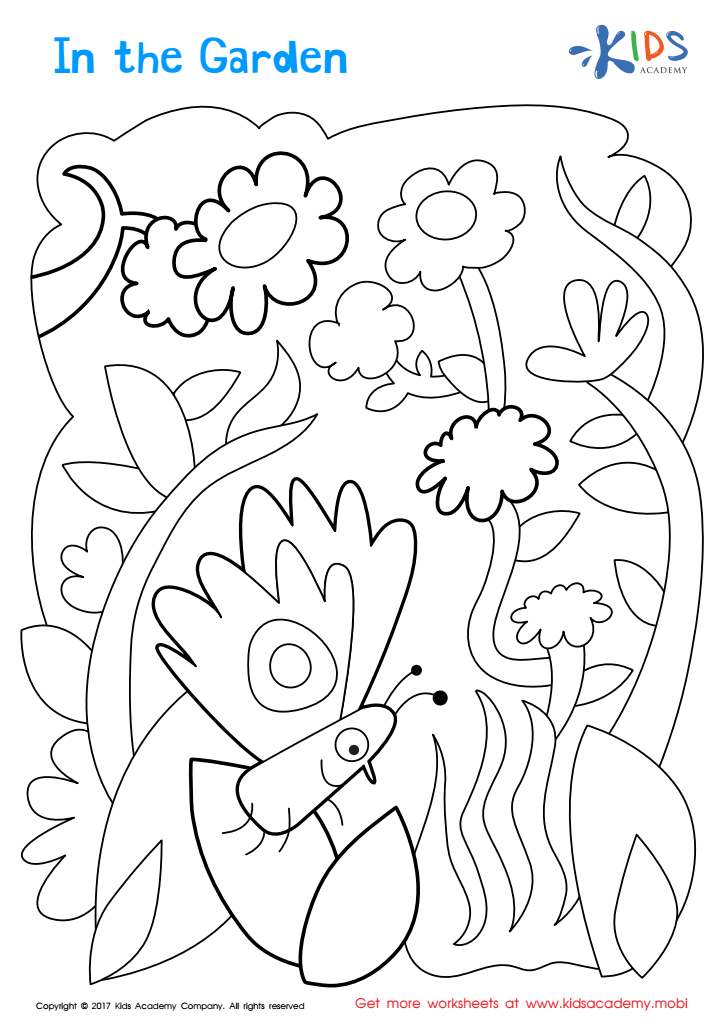
In The Garden Coloring Page
Assign to My Students
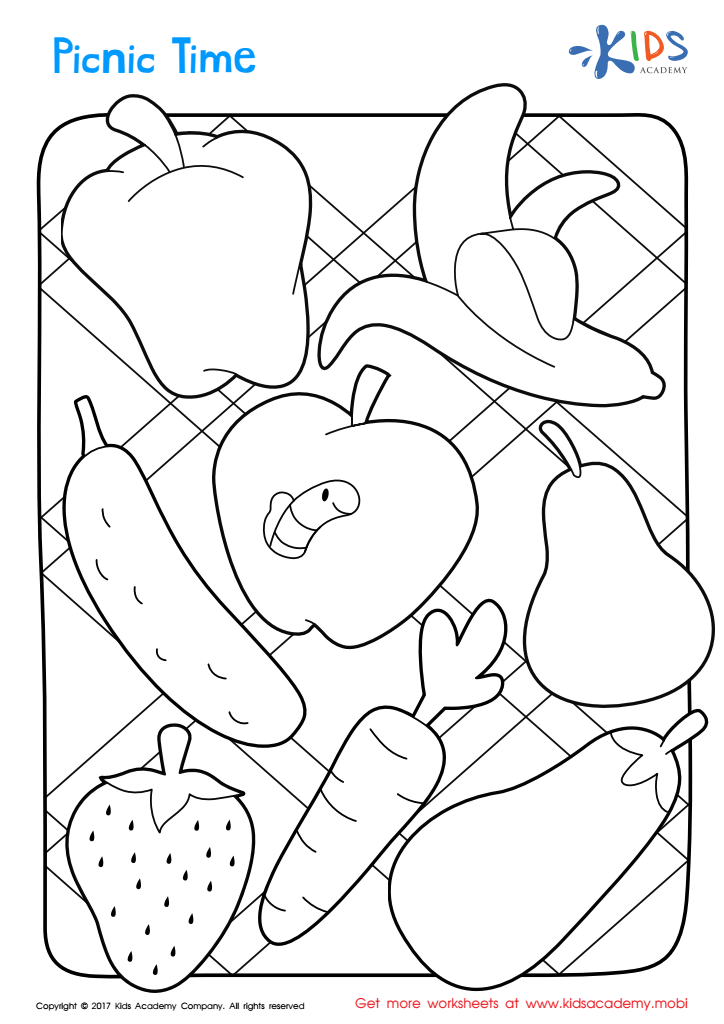
Picnic Time Coloring Page
Assign to My Students
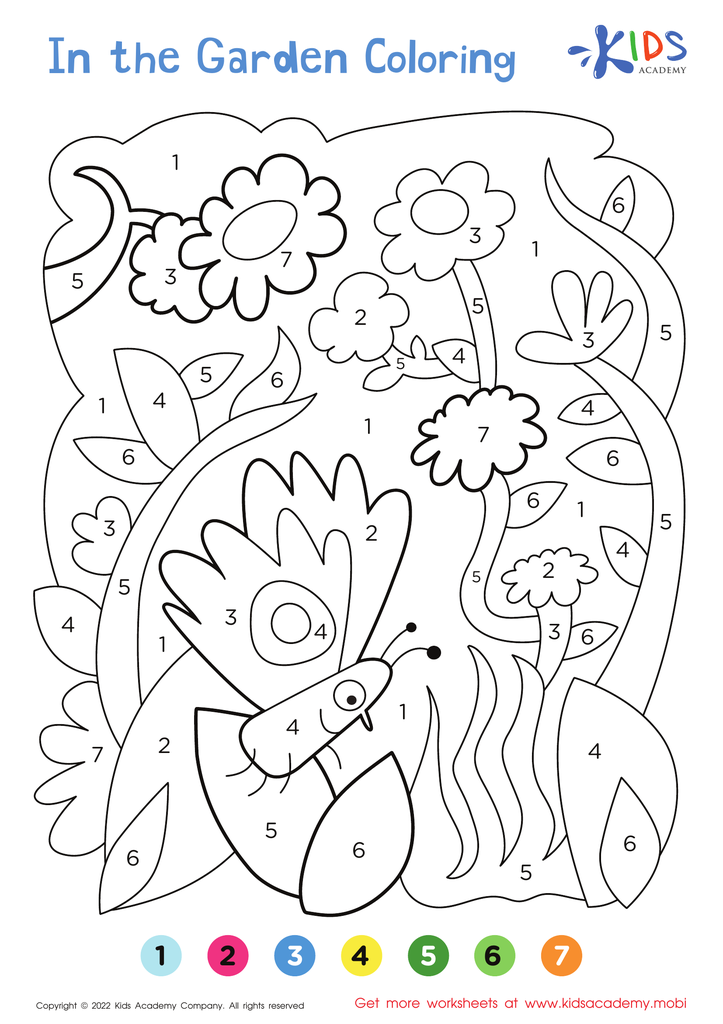
In the Garden – Coloring by Numbers







Color recognition is a crucial component of early childhood education, especially for children aged 6-8. Engaging with the vibrant world of plants can significantly enhance a child's understanding of colors. By observing and identifying colors in various plants, children not only learn to recognize different hues, but they also develop essential cognitive skills. This process sharpens their observational abilities, encourages curiosity, and fosters a love for nature.
Furthermore, exploring plants can be woven into lessons about biology, ecology, and environmental awareness, integrating multiple subjects into a rich educational experience. It promotes holistic learning, as children associate colors with their properties, functions, and beauty in the environment. Parents and teachers can leverage colors in botanical contexts to encourage creativity—through art, gardening, and storytelling—providing diverse avenues for expression.
Moreover, color recognition goes beyond aesthetics; it aids in language development as children learn to articulate and describe what they see. As they engage with plants in their surroundings, they also cultivate responsibility and appreciation for living organisms. Ultimately, fostering color recognition in plants not only enriches children's knowledge base but also nurtures their connection to the natural world, instilling values of sustainability and environmental stewardship.